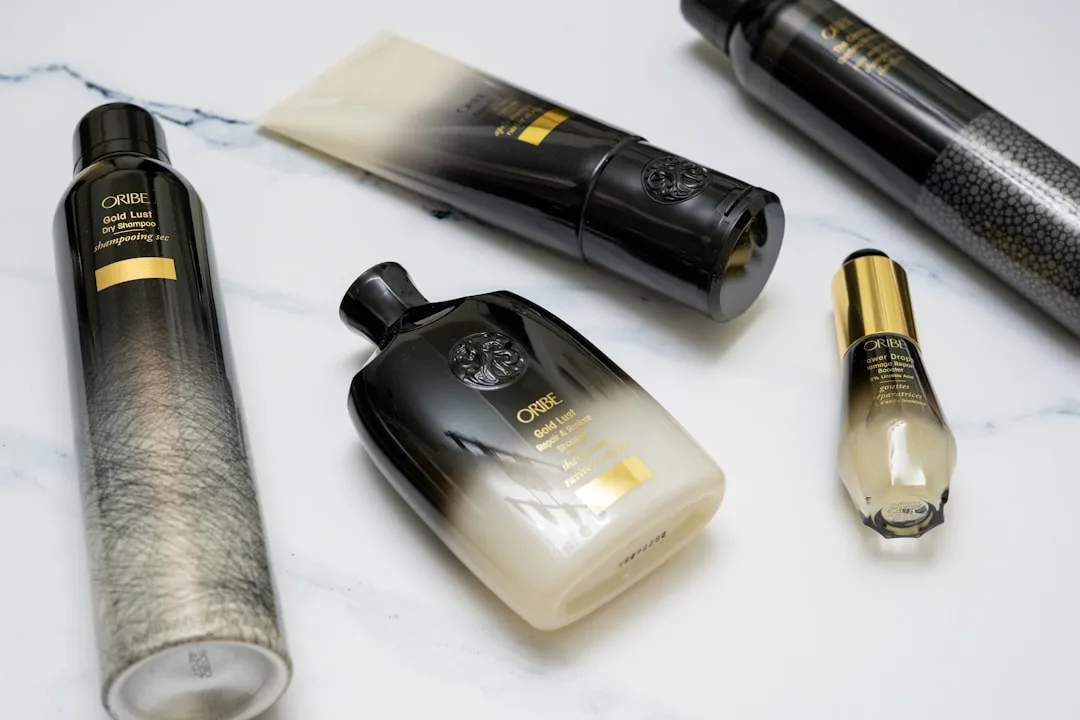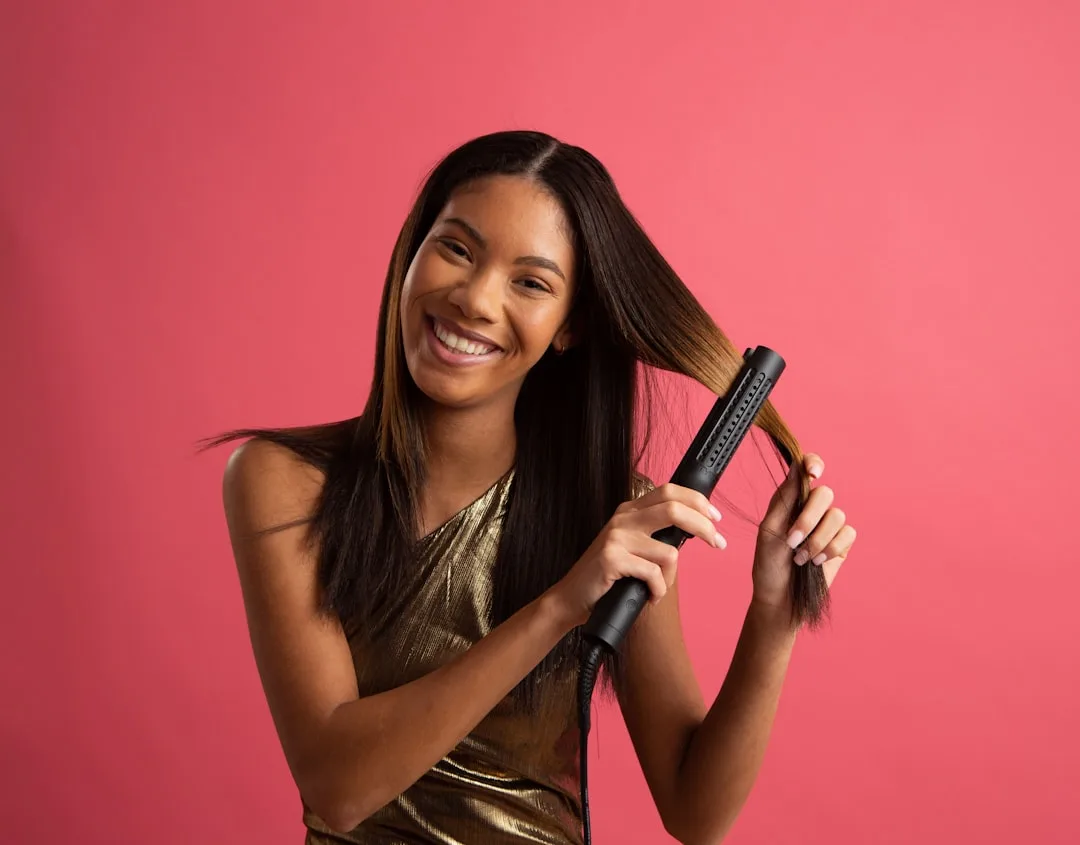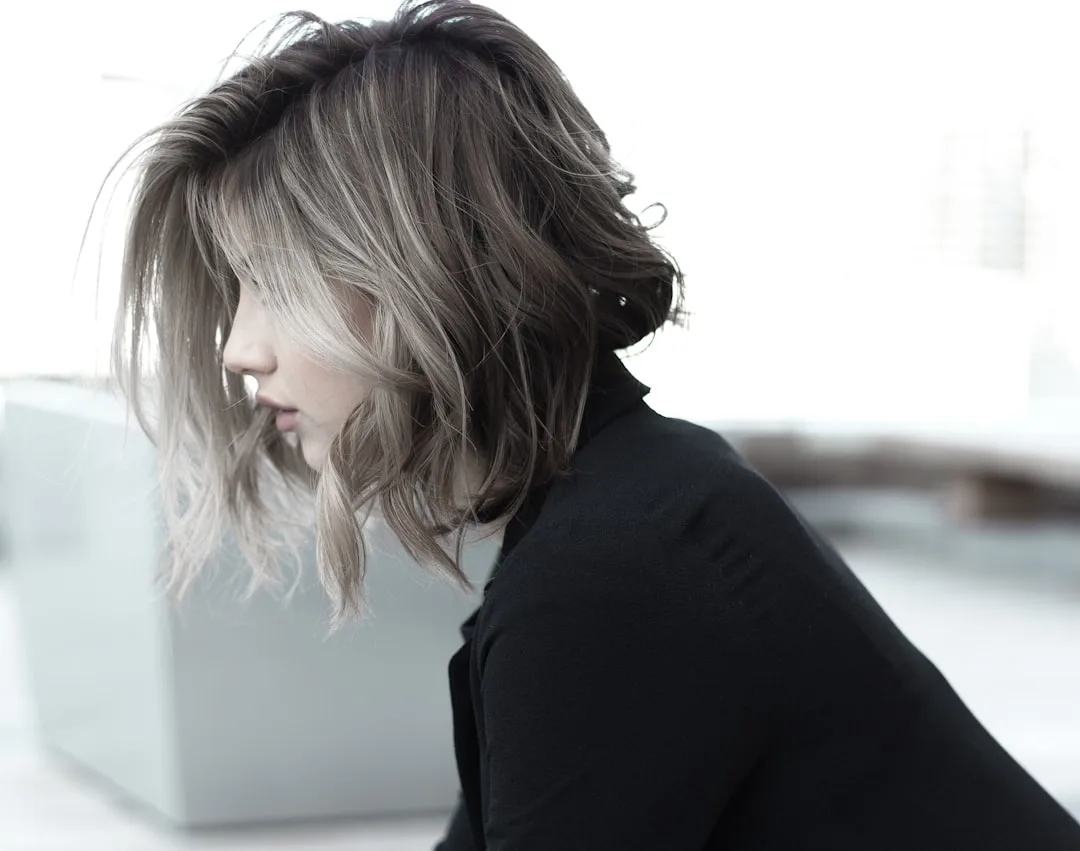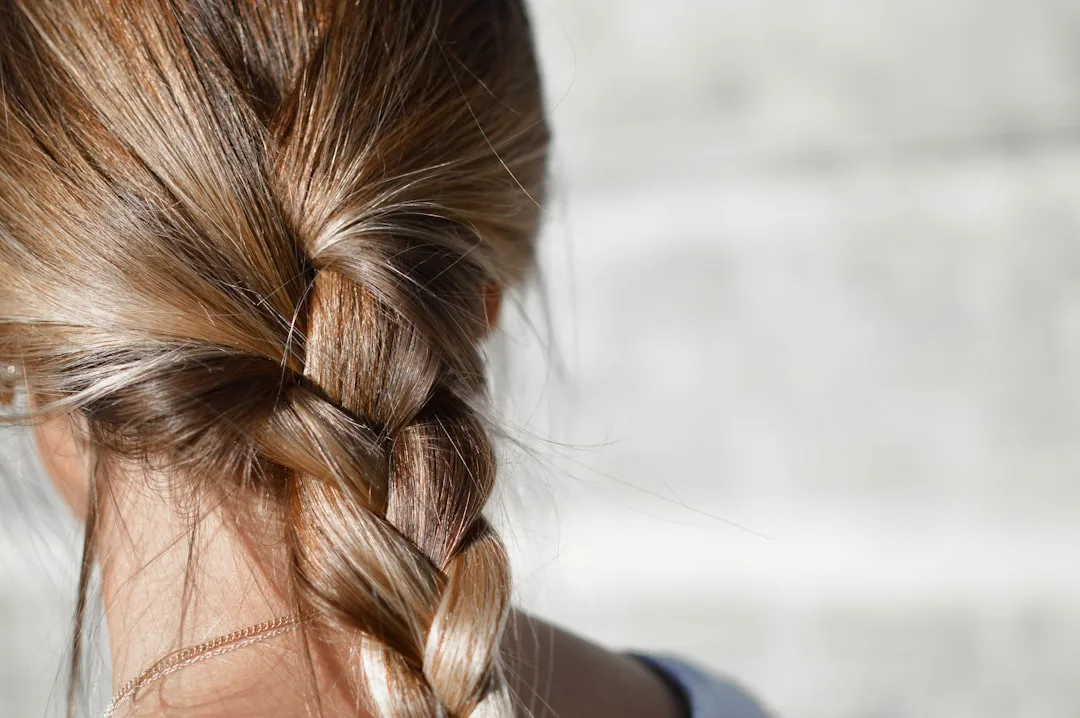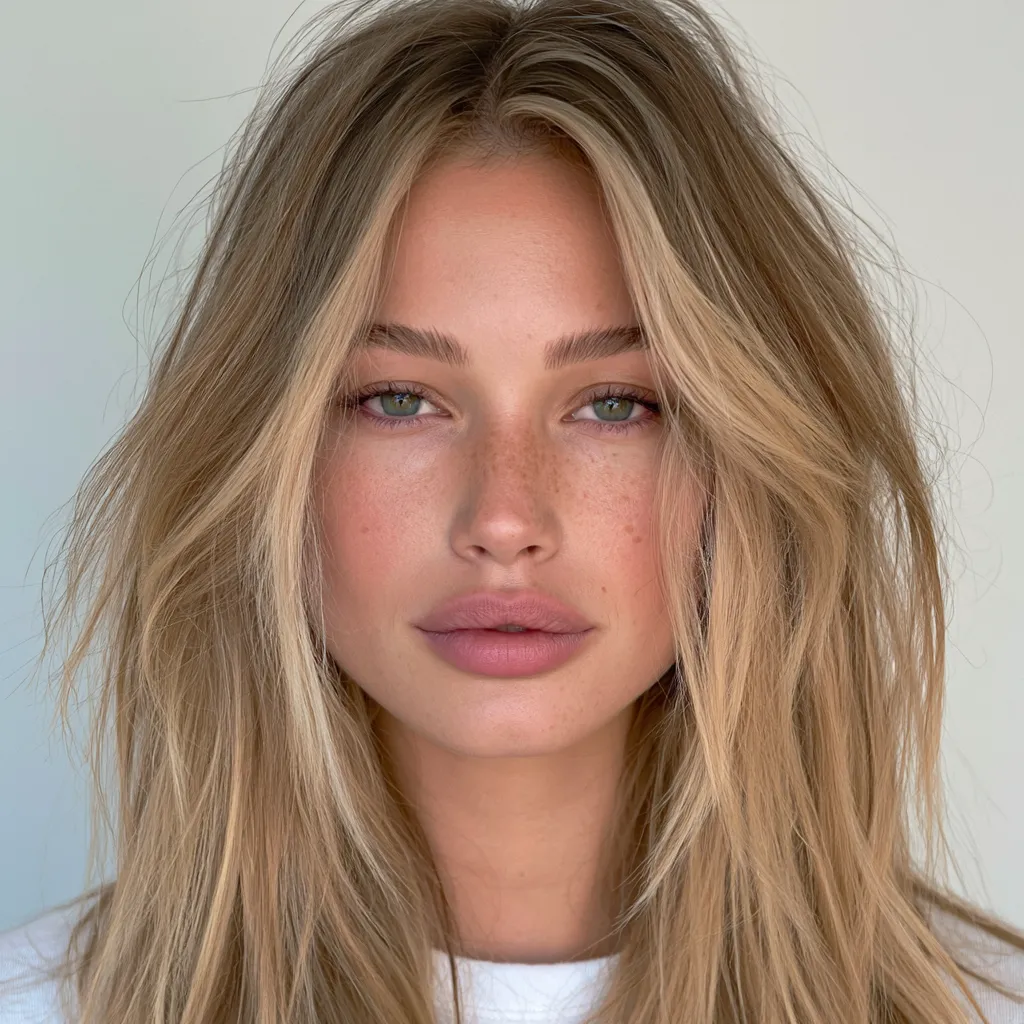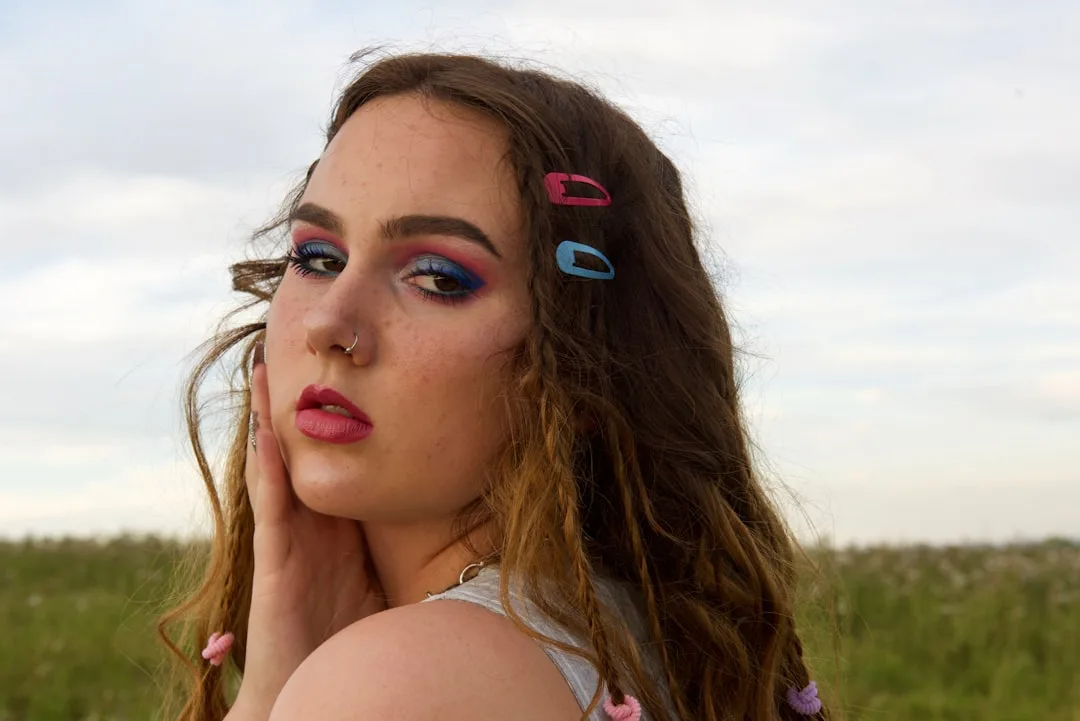
Walk into any salon or scroll through fashion feeds this June, and you’ll notice something unmistakable: the humble elastic ponytail holder has vanished. In its place, sculptural metal clips, geometric claws, and architectural barrettes command attention—turning a functional necessity into a centerpiece accessory. Long hair accessories in 2026 aren’t hiding; they’re performing. This shift reflects a broader design philosophy taking over luxury accessories: if it touches your body, it should be beautiful enough to photograph.
The trend accelerated after Paris Fashion Week 2025 showcased oversized tortoiseshell and minimalist brass clips in haute couture presentations. Simultaneously, Korean beauty platforms (which often set North American trends 6–9 months ahead) made architectural clips a standard styling tool. What started as editorial excess has become daily utility. Long hair owners are investing in sculptural accessories because they solve a practical problem—securing volume without damaging strands—while delivering visible luxury.
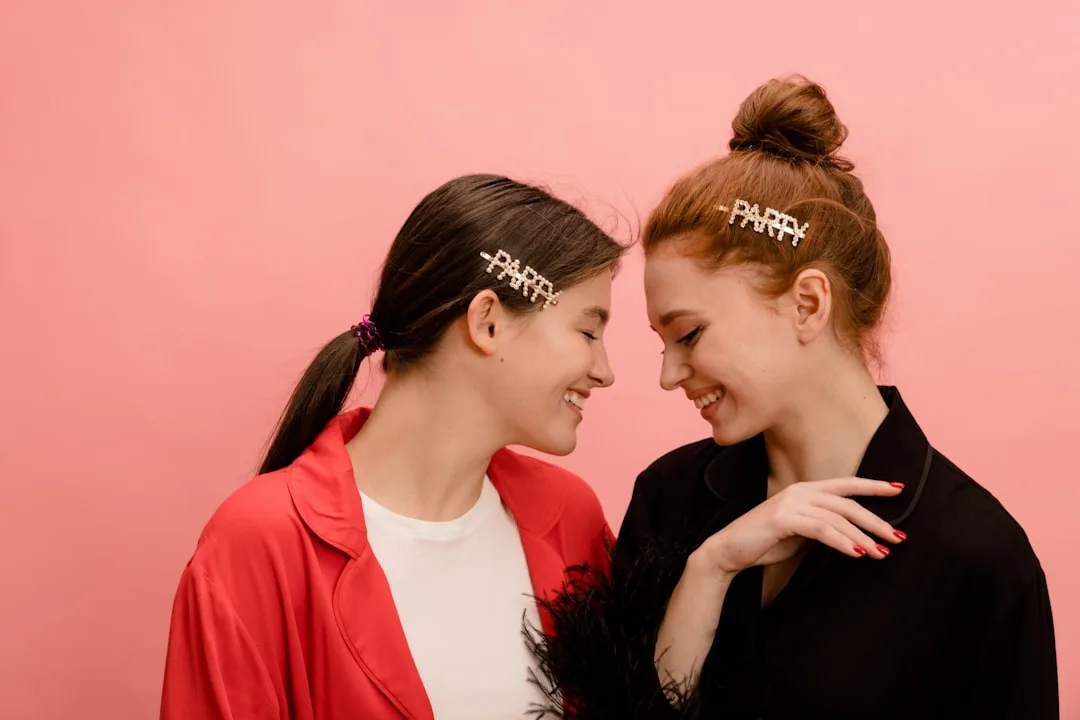
Minimalist Metal Clips Transform Functional Styling Into Visible Design
Lele Sadoughi, the New York–based jewelry designer, launched her hair clip collection at $95–$185 per piece in early 2024. By 2026, her brass and gold-plated geometric designs now command waitlists. The price isn’t arbitrary; it reflects material quality and artisanal production. A Sadoughi clip holds hair without sliding, won’t snap under tension, and maintains its finish for years—functionally different from $8 plastic alternatives.
Jennifer Behr, whose luxury hair accessories have dressed everyone from Gigi Hadid to runway models, expanded her sculptural clip line to 12 designs ranging from $165–$325. Her signature approach: one large statement piece per hairstyle rather than multiple small clips. This architectural thinking—less is more, but bigger is better—defines 2026 long hair accessory styling.
Why this matters: A $165 clip worn twice weekly for five years costs approximately $0.32 per wear. A $6 elastic lasts three weeks and requires constant replacement. The math favors investment pieces, and that psychology drives purchasing behavior across all income brackets.
- Position sculptural clips at the crown or nape for maximum visual impact—not centered on the head
- Pair oversize clips with sleek straight hair; reserve smaller designs for textured or layered cuts
- Layer two thin clips (one holding, one decorative) to secure thick or long hair without visible strain
- Gold and brass clips complement warm undertones; silver and chrome suit cool skin tones
- Invest in one statement clip over five smaller ones—visual hierarchy reads as more intentional

Korean Minimalism and Japanese Precision Shape Global Accessory Design
Seoul-based brand Aestura has sold over 400,000 minimalist hair clips since 2024, with price points between $12–$28. Their success comes from one insight: sculptural design at accessible price. Aestura’s curved brass bars and geometric polymer shapes appeal to volume buyers who reject fast fashion but can’t commit to $200 clips.
Tokyo designer Masako Hattori creates handcrafted resin clips—each marbled differently—priced $55–$110. Her waiting list extends 16 weeks because she produces only 80 pieces monthly. This scarcity model elevates perceived value and maintains craftsperson margins. When demand outpaces supply this dramatically, it signals genuine trend momentum, not manufactured hype.
The aesthetic principle underlying both brands: negative space. A sculptural clip’s effectiveness lies in the space it creates around the hair, not the material’s bulk. Long-haired styling techniques have evolved to leverage this principle, showing how architectural clips integrate with layered cuts and straight textures alike.
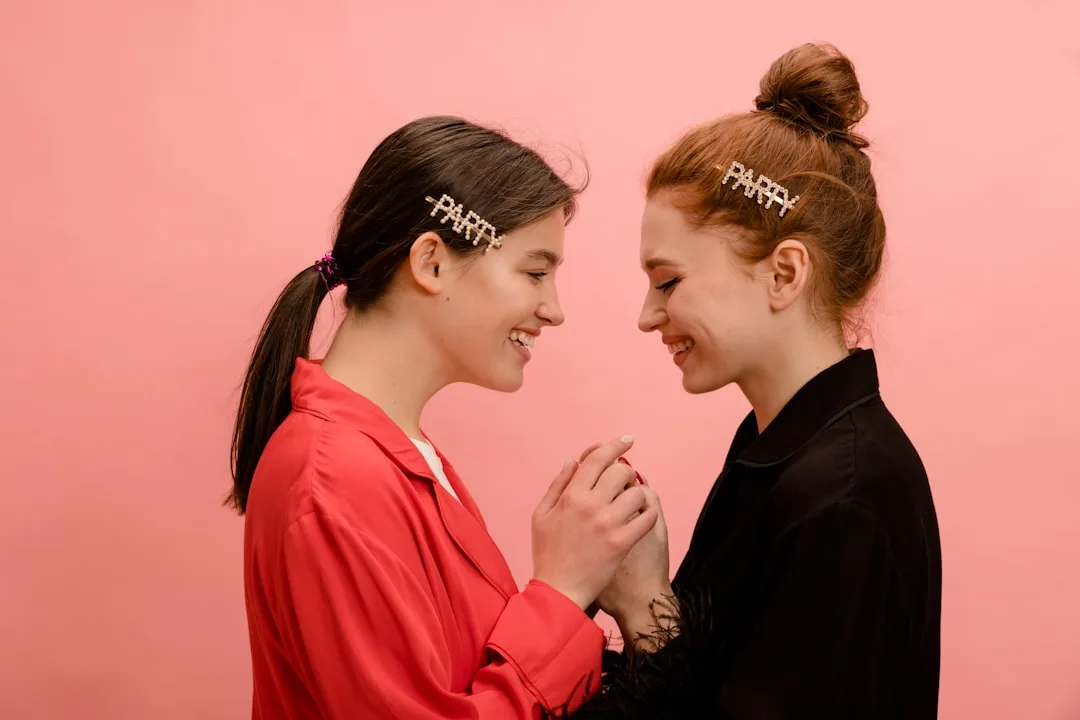
Where Long Hair Accessories Fail (And Why Most People Buy Wrong)
The #1 mistake: purchasing oversized clips without testing them on actual hair texture. An $185 brass claw may photograph beautifully on editorial models with fine, silky strands—but won’t grip thick, coarse, or curly hair. It slides. It fails its primary function.
Example: A customer bought a Lele Sadoughi geometric clip ($115) based on Instagram imagery. Her shoulder-length, naturally textured hair proved incompatible. The clip couldn’t anchor without visible slippage. She returned it, frustrated, and purchased a $22 basic metal claw that worked instantly. The expensive piece sat unused for months.
This happens because editorial styling uses texture spray, grip-enhancing products, and often pre-teases hair before photographing. Consumers see the result, not the preparation. Solution: test clips in-store before buying, or purchase from retailers offering 30-day returns specifically for this mismatch scenario. Brands like Anthropologie ($45–$85 clips) accept returns without question, lowering buyer risk.
Investment Tiers Let You Build a Clip Wardrobe Matching Hair Types and Occasions
June 2026 styling favors a three-tier approach: everyday utility clips, transition pieces, and statement investments. Start with a $35–$50 minimalist bar clip in silver or gold (whichever matches your jewelry tone). Use this daily with sleek straight styles—it requires zero thinking and proves clip functionality before major spending.
Layer in a $65–$95 mid-range piece: a tortoiseshell claw or curved brass design. This tier accommodates thicker hair, works with textured and straight lengths, and signals intentionality without luxury-only pricing. By midsummer 2026, most long-haired professionals own at least two clips in this range.
Reserve $150+ pieces for specific occasions or if your hair texture genuinely requires premium materials. A Behr or Sadoughi clip worn weekly justifies its cost through durability and visible luxury. But padding your collection with multiple expensive pieces wastes capital. One $200 clip outperforms five $40 clips in both function and wardrobe versatility.
Price progression matters because it matches real-world utility. A $35 clip teaches you *why* you need sculptural design. Mid-tier pieces confirm that investment. Premium purchases become informed decisions, not impulse mistakes.
Summer 2026 Styling Combines Sculptural Clips With Specific Hair Textures
Sleek straight hair (currently dominant through summer) pairs perfectly with geometric brass or gold clips—no texture interference, maximum visual clarity. The clip’s outline reads cleanly against smooth strands. Style a low ponytail, secure with a minimalist curved bar, and the accessory becomes the focal point.
Layered or feathered lengths require larger claws to distribute holding pressure across more surface area. A tortoiseshell or resin claw ($68–$145) grips efficiently without visible strain. Position it slightly off-center at the nape for a modern, intentional look rather than centered crown placement.
Fine or thin hair needs lightweight clips—polymer, resin, or hollow metal—rather than solid brass. Weight matters. A heavy clip can flatten fine hair at the anchor point, creating a visible dent. Brands like Anthropologie prioritize resin and acrylic (lighter materials) precisely for this reason, keeping pieces under 1.2 ounces.
By August 2026, the accessory trend will have settled into clear aesthetic rules: sculptural design, premium materials, singular statement pieces, and texture-matched selections. Long hair accessories stopped being utilitarian somewhere between spring 2025 and now. They’re visible fashion objects that justify their cost through both function and beauty.