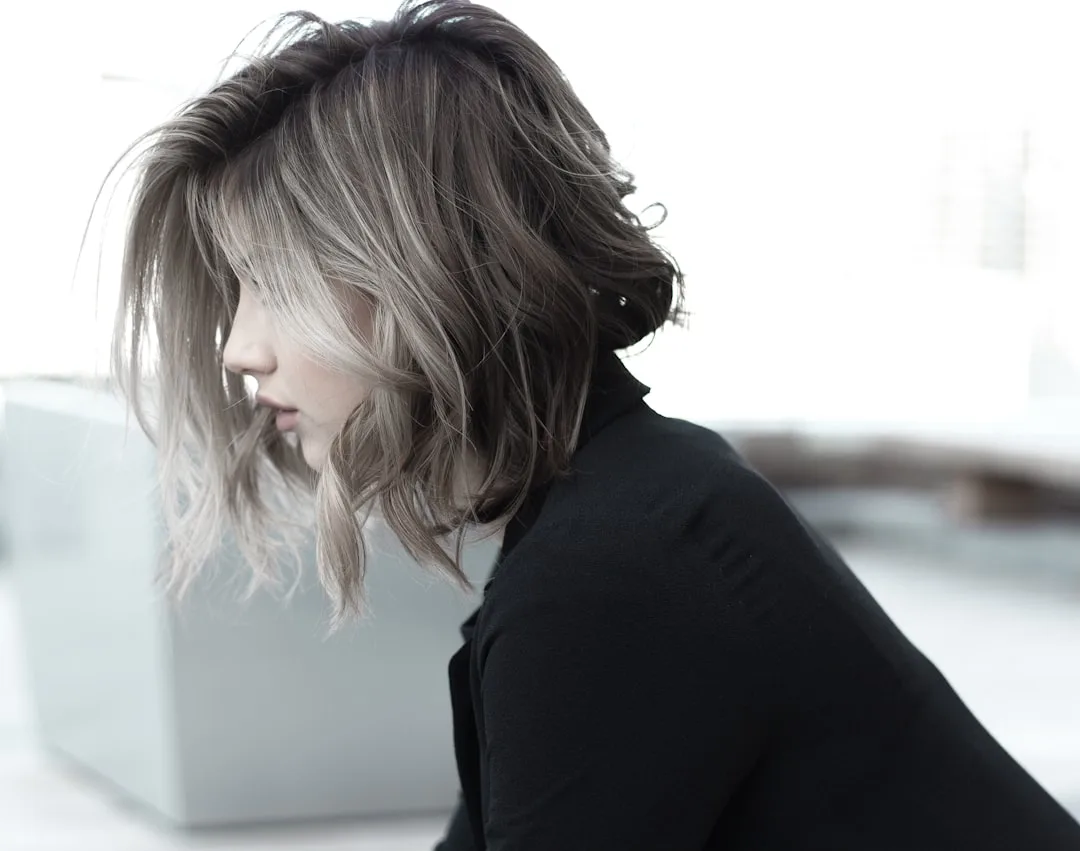
Short blonde hair does something to a face that longer cuts simply can’t — it removes the curtain. Every short blonde hairstyle collected here works because the cut and the color do different jobs at the same time: the shape structures, the blonde reflects. I’ve spent enough time in salons and scrolling reference folders to know that most people pick the wrong variation for their hair type, so this page is organized by what actually matters — texture, finish, and how much morning routine you’re willing to commit to. Below you’ll find layered cuts, sleek bobs, and pixie variations, each with honest styling notes and the product specifics that make them work in real life.
Quick Scan
🔹 Layered short blonde hair — best for fine or thin hair, adds volume without bulk
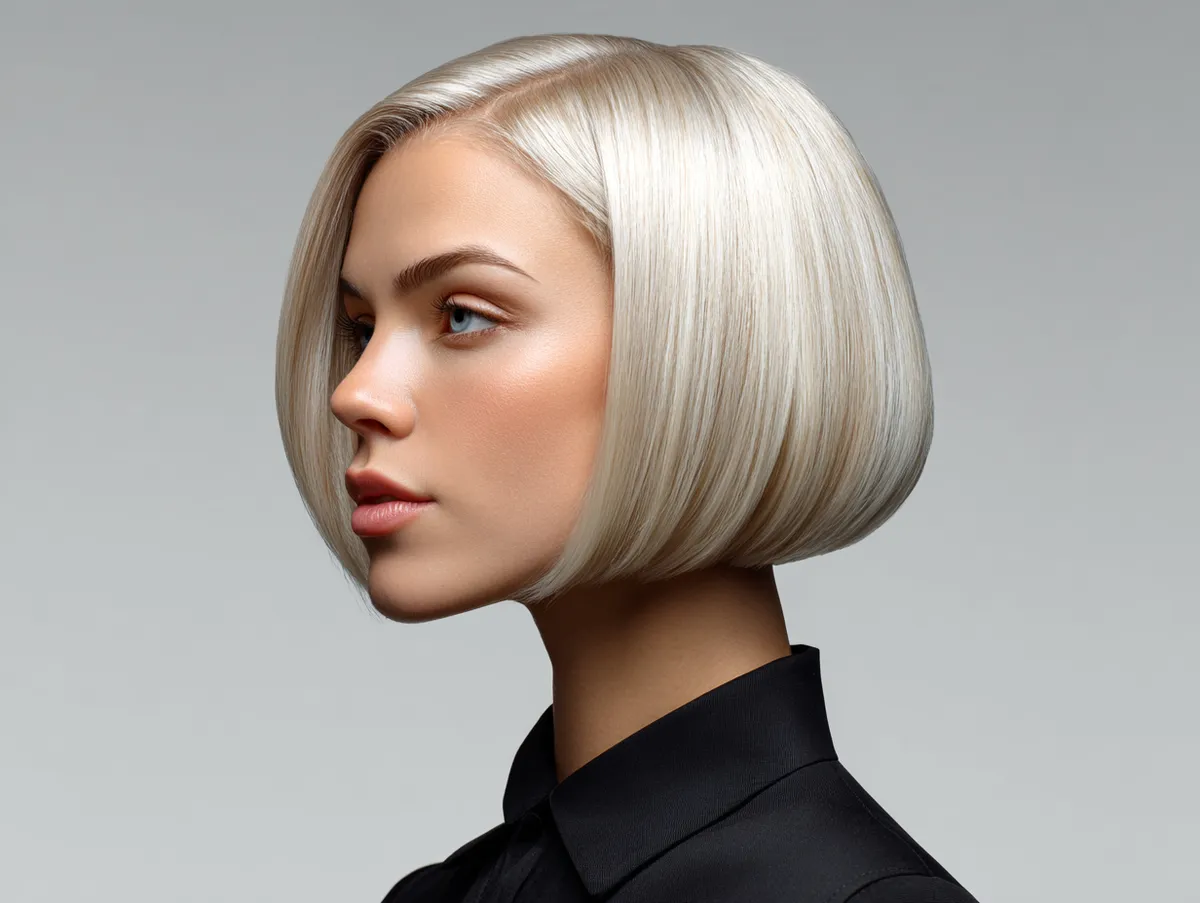
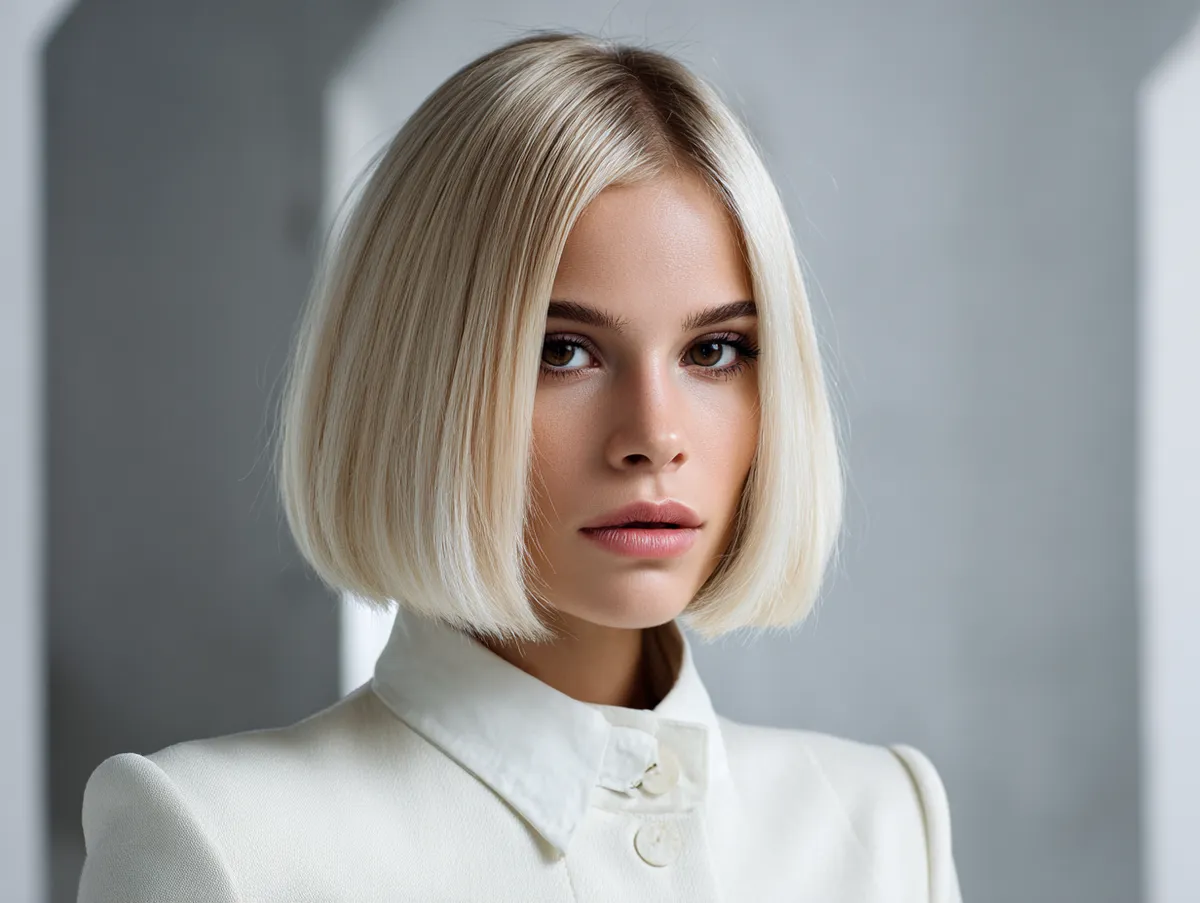
🔹 Sleek blonde bob — jaw-length to chin, polished finish, suits straight to slightly wavy texture
🔹 Blonde pixie cut — lowest daily maintenance, highest impact, trims every 5-6 weeks
🔹 Blonde tones — platinum runs cool and modern; honey warms the face; ash blonde bridges both
🔹 Color tip — balayage on short hair grows out cleaner than foil highlights — root regrowth blends instead of stripes
Layered Short Blonde Hair with Real Volume, Not Just the Illusion of It
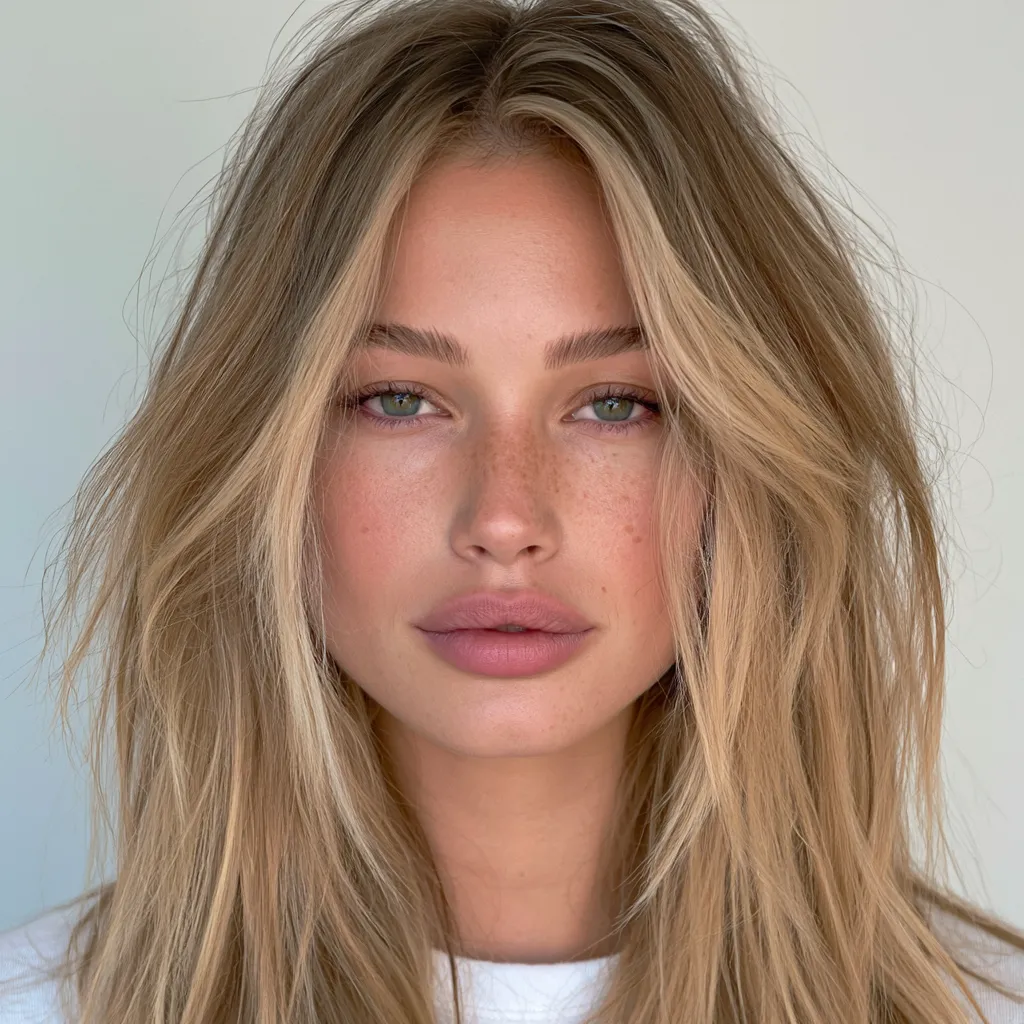
Layers on short blonde hair behave like a prism: every section catches the light at a slightly different angle and the whole cut reads as thicker than it actually is. I own two clients who swore their hair was too flat for short cuts — both left the chair looking like they had twice as much of it after a layered blonde bob. The key detail most stylists gloss over is face-framing weight. You want slightly heavier pieces near the cheekbones, not uniform layers all the way through, otherwise the cut reads like a mushroom.
What doesn’t work? An all-over razor-thin layer job on fine blonde hair. You’ll get the movement, but the ends look wispy and break faster because blonde hair — especially color-treated — is already more porous than virgin hair. I’ve seen it shred in three weeks. Ask specifically for point-cutting rather than razoring if your hair is fine and chemically blonde.

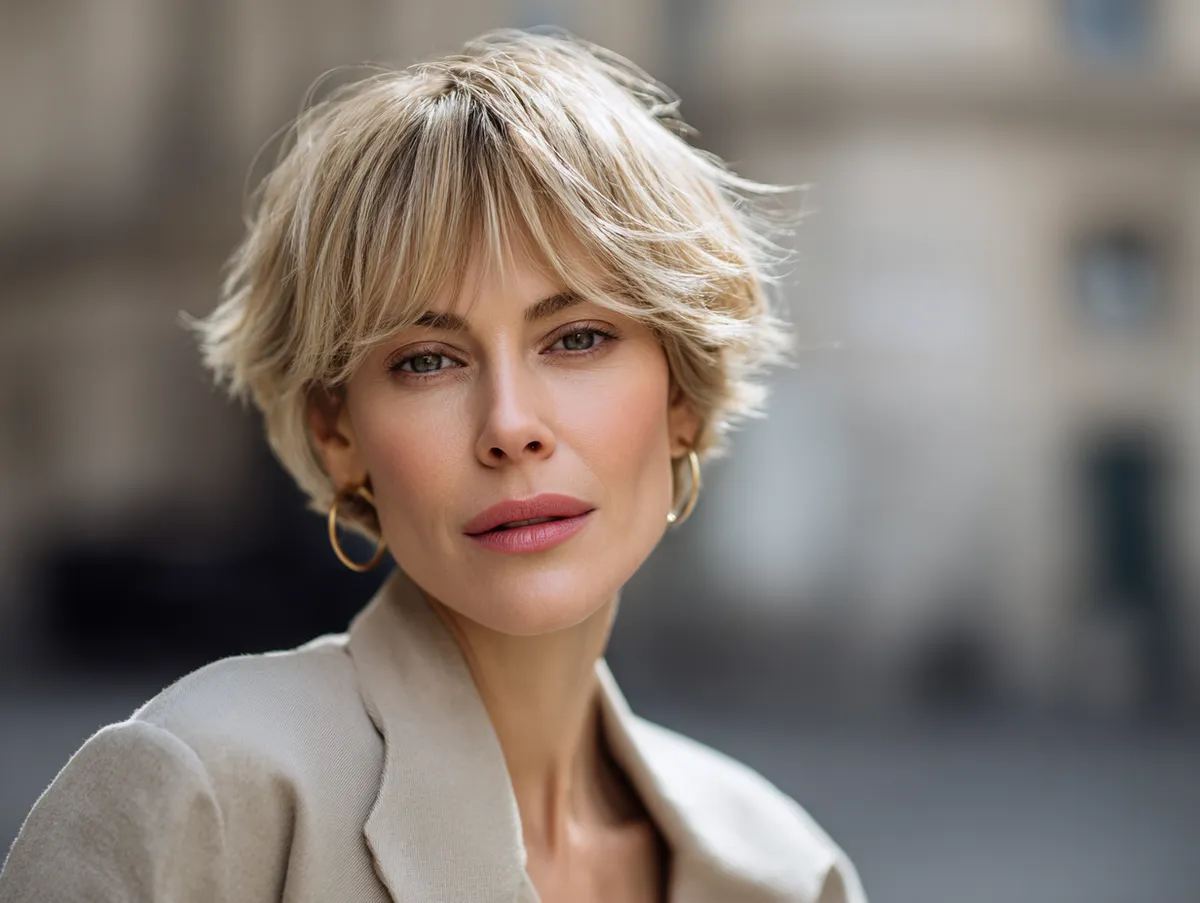
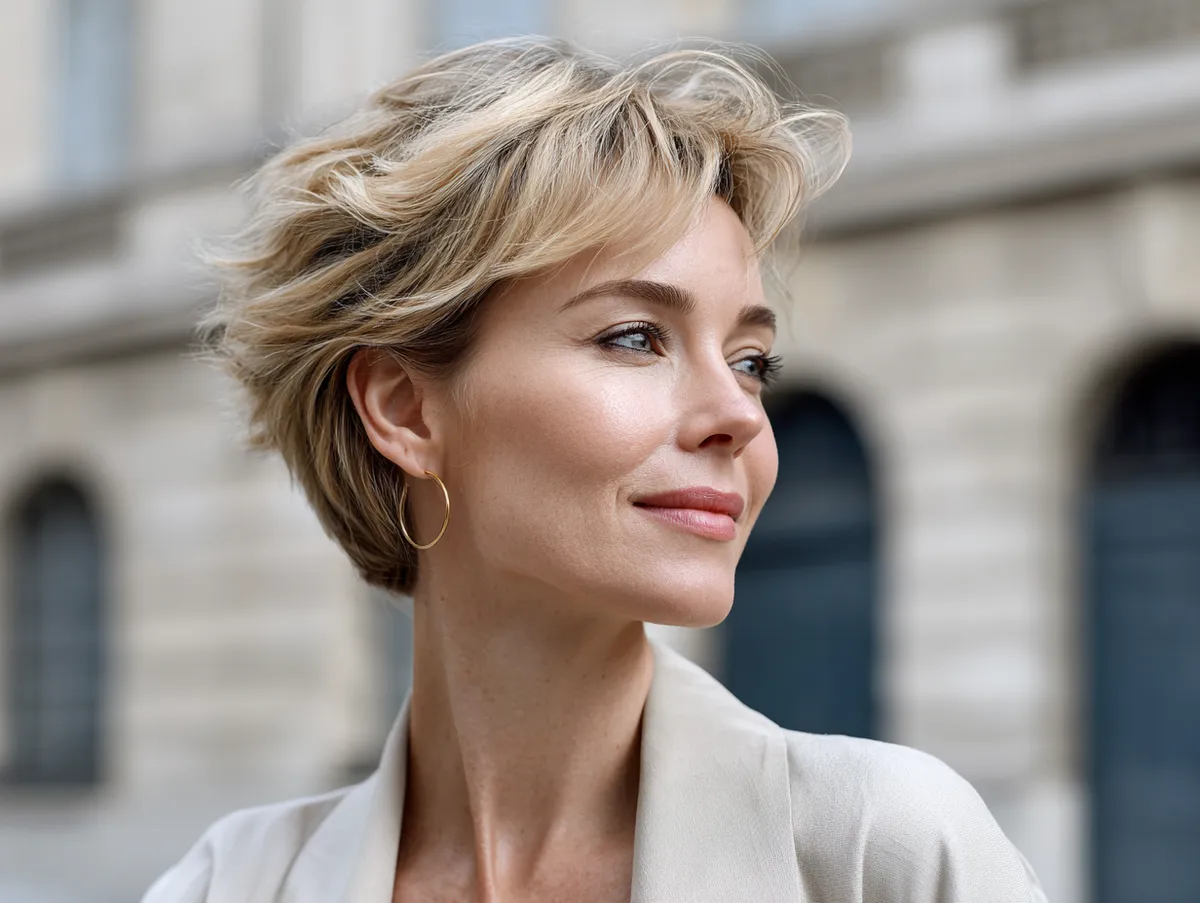

Styling this takes about four minutes. A Dyson or T3 round brush blow dry — medium heat, rolling motion at the crown — lifts the roots and sets the layers in about three passes per section. Finish with a pea-size amount of Oribe Supershine Moisturizing Cream (around $38 at most salons) through the ends. Don’t reach for shine spray on fine blonde hair; it weighs the layers down by early afternoon.
Balayage on a layered short blonde cut is specifically good because the hand-painted technique concentrates color on the pieces that move most — which on a short layered cut are exactly the pieces that catch light. Platinum streaks through honey-blonde layers read as intentional contrast. If you’re doing this from home, Schwarzkopf BlondMe Bond Enforcing Premium Lightener runs around $22 and gives you control over placement. Box bleach on layered short hair is how you end up with orange chunks near the ear. Don’t.
Accessories land differently on a layered cut than on a blunt one. A single gold bobby pin holding back one face-framing piece looks editorial rather than functional. Forget the headband — it flattens the crown volume you just worked for. Short wavy hairstyles with blonde highlights follow this same layering logic and are worth reading alongside this section if your texture is naturally wavy rather than straight.
The Blonde Bob Cut That Actually Holds Its Shape Past 3 PM
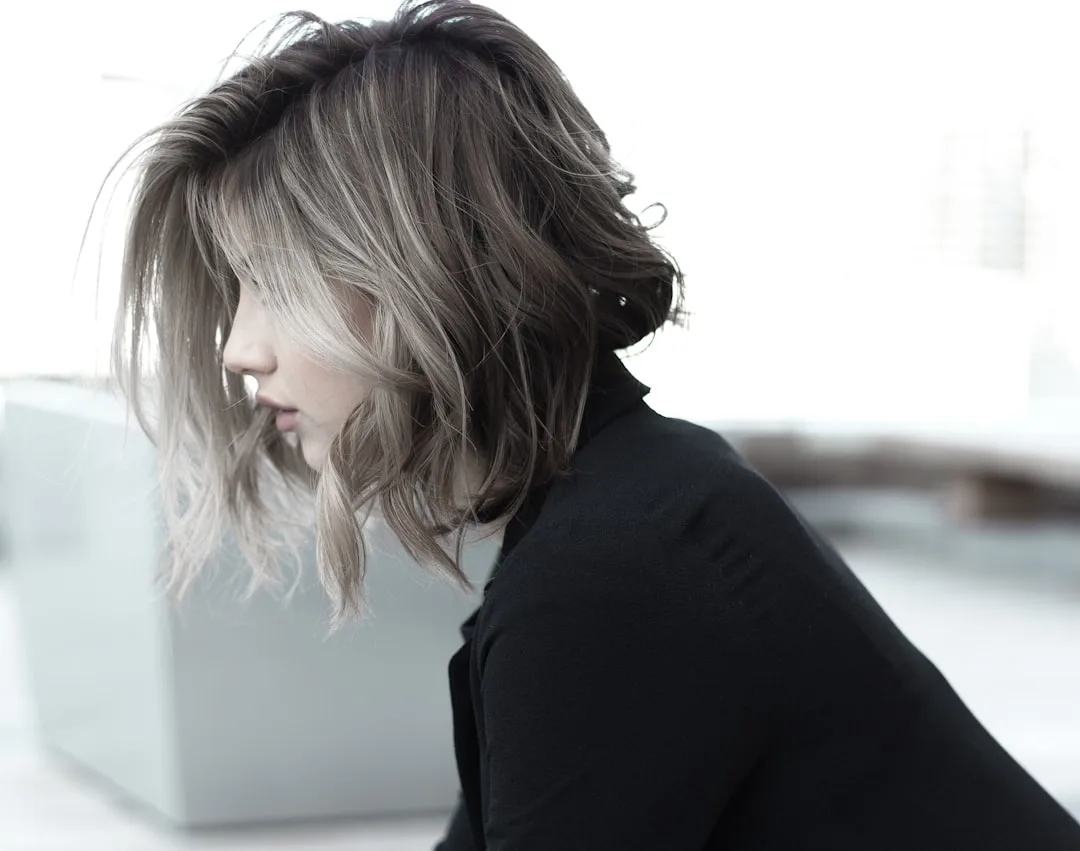
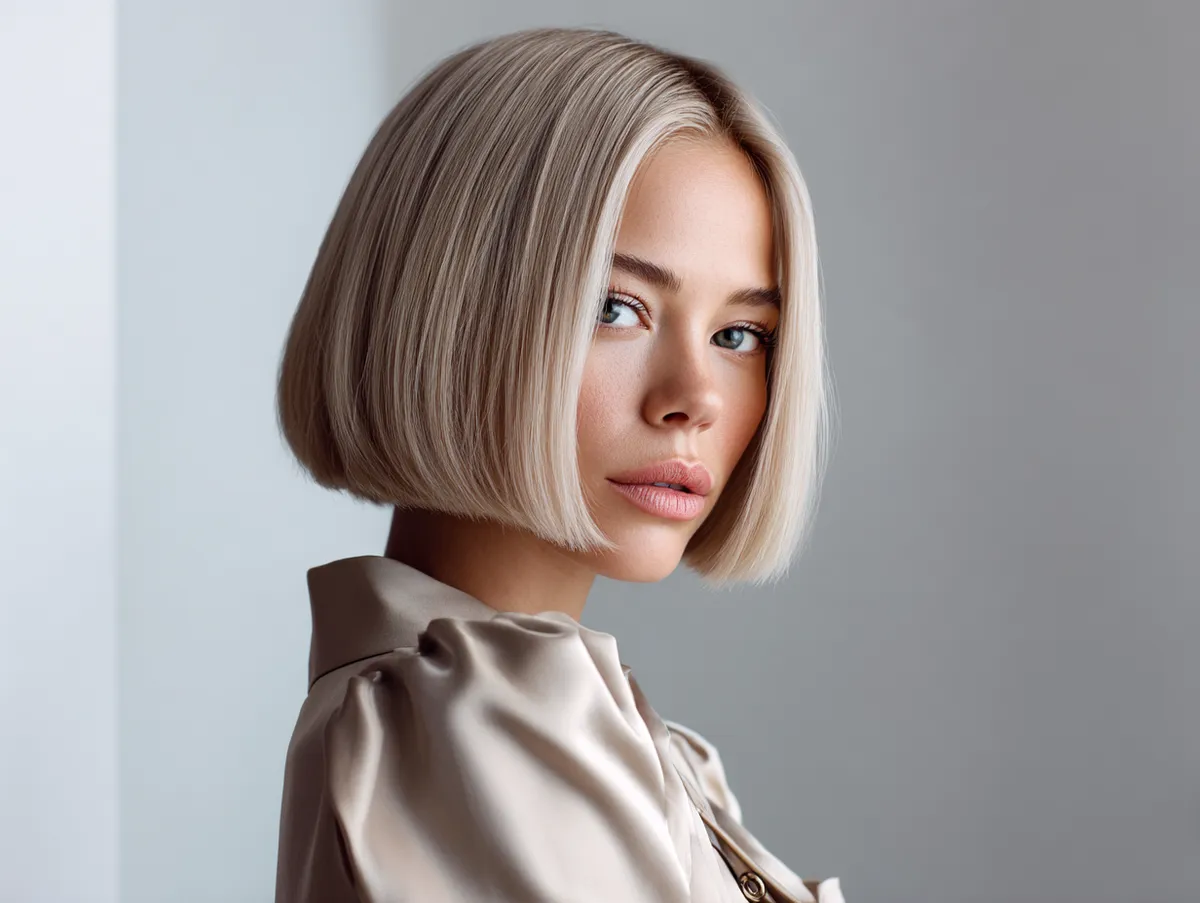
Chin-length to jawline — that’s the zone where a short blonde bob works hardest. Drop it below the collarbone and you lose the geometry. Go above the chin and you’re in pixie territory. The sweet spot is that jaw-length bob where the line of the cut and the line of your jaw either echo each other or deliberately contrast, depending on your face shape. You’ll notice this immediately on a round face — a blunt jaw-length bob in icy platinum creates a visual frame that defines the face the way a structured coat defines a silhouette.
Ash blonde is the tone I’d choose for a sleek bob nine times out of ten. Honey blonde on a polished bob can slide into looking warm and heavy rather than structured and clean. Platinum reads right but demands purple shampoo every third wash — Redken Color Extend Blondage runs about $26 and actually works, unlike most drugstore toning shampoos. Warm honey bobs look incredible on olive and warm-toned skin; just understand you’re signing up for two salon visits to maintain, not one.

Don’t Do This
❌ Don’t skip trims past 8 weeks on a short blonde bob. The blunt line is the entire point of the cut — when the ends fray, the whole silhouette collapses. A $30 trim every 6-7 weeks costs less than re-cutting a bob that’s grown uneven.
❌ Don’t use heavy oils on a sleek blonde bob. A single pump of Moroccanoil on fine blonde hair looks greasy by noon. Use a serum like L’Oréal Professionnel Liss Unlimited Serum instead — a drop, not a squeeze.
❌ Don’t center-part a round face in a blunt blonde bob. A deep side part adds asymmetry that reshapes the face geometry entirely. Center parts on a blunt cut with a round face make the whole thing read wider, not sharper.
Styling a sleek blonde bob for the morning takes a flat iron and exactly one product. GHD Gold Styler (around $249) holds tension better than most mid-range irons, which matters on short hair where each pass covers a lot of visible surface. Run each section through once at 365°F — not twice, not three times. The second pass is how you get brassiness before your color is even due for a refresh.
A side part adds softness; a blunt fringe adds drama. I stole this trick from a Parisian stylist on Instagram: blow-dry the fringe first, before the rest of the bob, while the hair is coolest. Once the fringe is set, the rest of the bob follows easily. Do it the other way around and the fringe frizzes from the ambient heat before you get to it.
Blonde Pixie Cuts and the 6-Week Rule Nobody Mentions
A pixie cut on a blonde is the highest-ratio-of-impact-to-maintenance haircut in existence. Nothing else comes close. The face is fully exposed, the color reads brighter with less hair to dilute it, and styling takes under three minutes if you know what product to reach for. What nobody tells you upfront is the six-week rule: let a pixie grow past six weeks without a trim and it stops being a pixie. It becomes a slightly deflated crop that doesn’t look intentional. Pixie cuts need regular trims the way a fitted jacket needs a tailor — skip it once and the whole silhouette reads off.
Platinum tones on a pixie feel like fashion armor. Honey blonde softens the intensity significantly — good for anyone nervous about committing to full-platinum, since honey reads warm and approachable even at very short lengths. Ash blonde sits between the two and photographs particularly well outdoors in natural light. Don’t go with a warm brassy blonde on a pixie unless it’s intentional; the short length magnifies the tone and it reads yellow rather than golden.
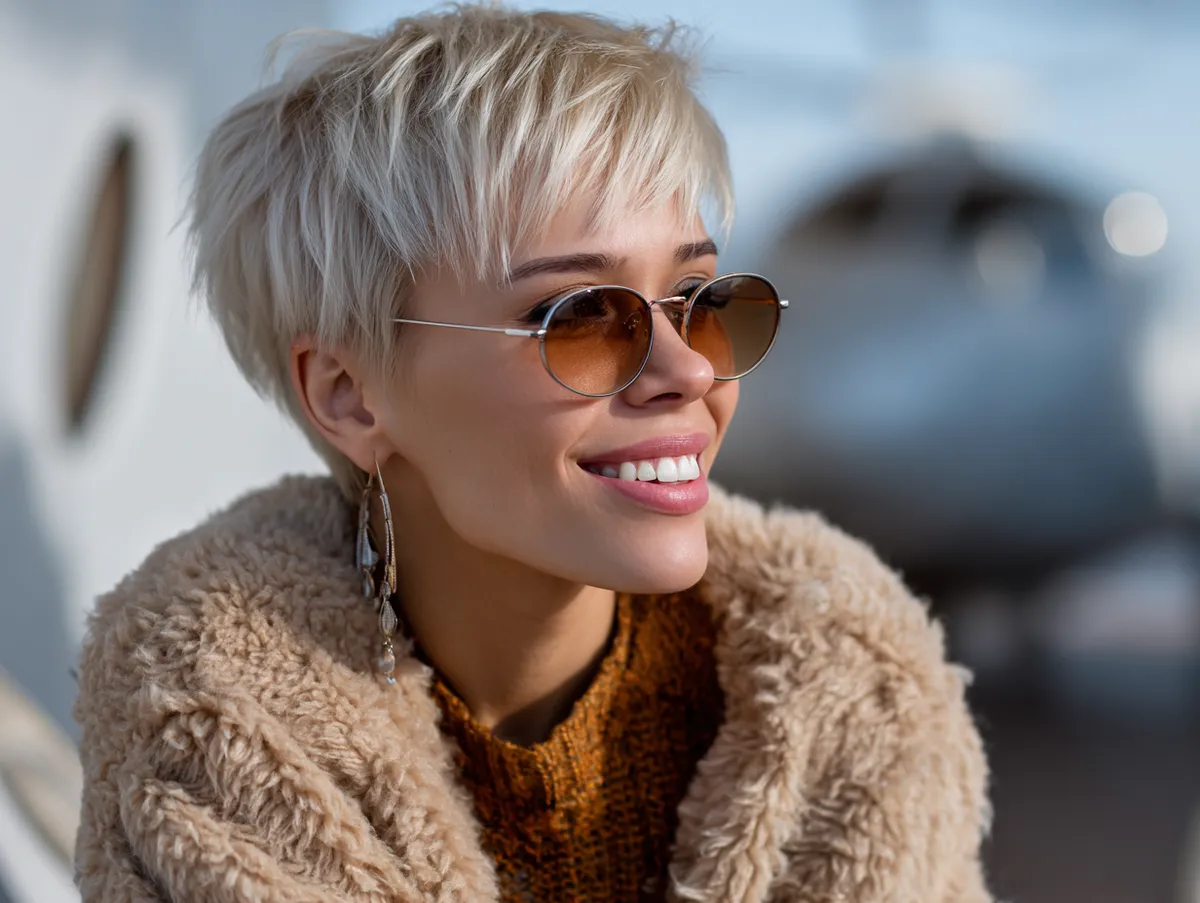

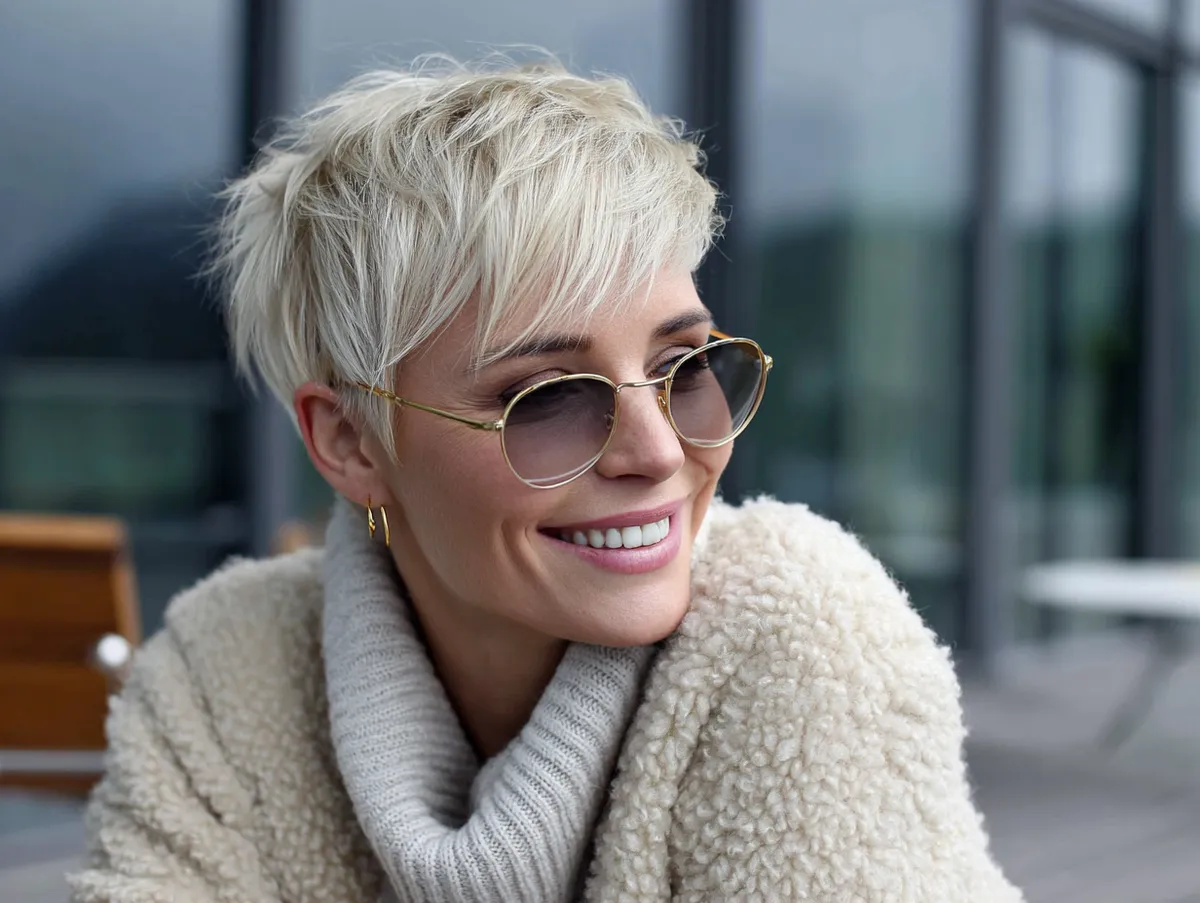

For styling, I keep it to two products maximum on a pixie: a dime-size amount of Kevin Murphy Rough Rider ($34) worked through slightly damp hair for texture, then fingers — not a brush — to push the crown upward and slightly forward. A brush flattens a pixie. It’s the hair equivalent of ironing a linen shirt until all the texture is gone. The tousled finish is structural, not accidental.
Very short blonde hair opens up earring architecture in a way longer cuts block entirely. A statement ear cuff or a sculptural drop earring sits fully visible against the neck with a pixie in a way that reads intentional and expensive. This is the one styling advantage pixie owners rarely mention but immediately notice. You can read more about low-maintenance cuts in this category at low-maintenance short haircuts for straight hair.
The one cut to avoid near a pixie: too-long sideburns left unshaved. They read unintentional on most face shapes and immediately make the pixie look grown-out rather than styled. Ask your stylist to take the sideburns to just above the ear or taper them into the cheek line — that detail alone is the difference between a pixie that looks like a choice and one that looks like a haircut you’ve forgotten about.
Final Word
Short Blonde Hair Rewards the Cut, Not the Effort
Layers give fine hair its backbone. A blunt blonde bob holds its silhouette if you trim it consistently. A pixie cut on a blonde is the one hairstyle where the maintenance cost and the visual payoff are genuinely inverted — less hair, more impact.
Pick your variation based on how much time you realistically spend in front of a mirror on a Tuesday morning. That’s the honest filter. Everything else — tone, texture, fringe or no fringe — is detail work around that first decision.
Save this post before your next salon appointment — these references make conversations with your stylist significantly shorter.