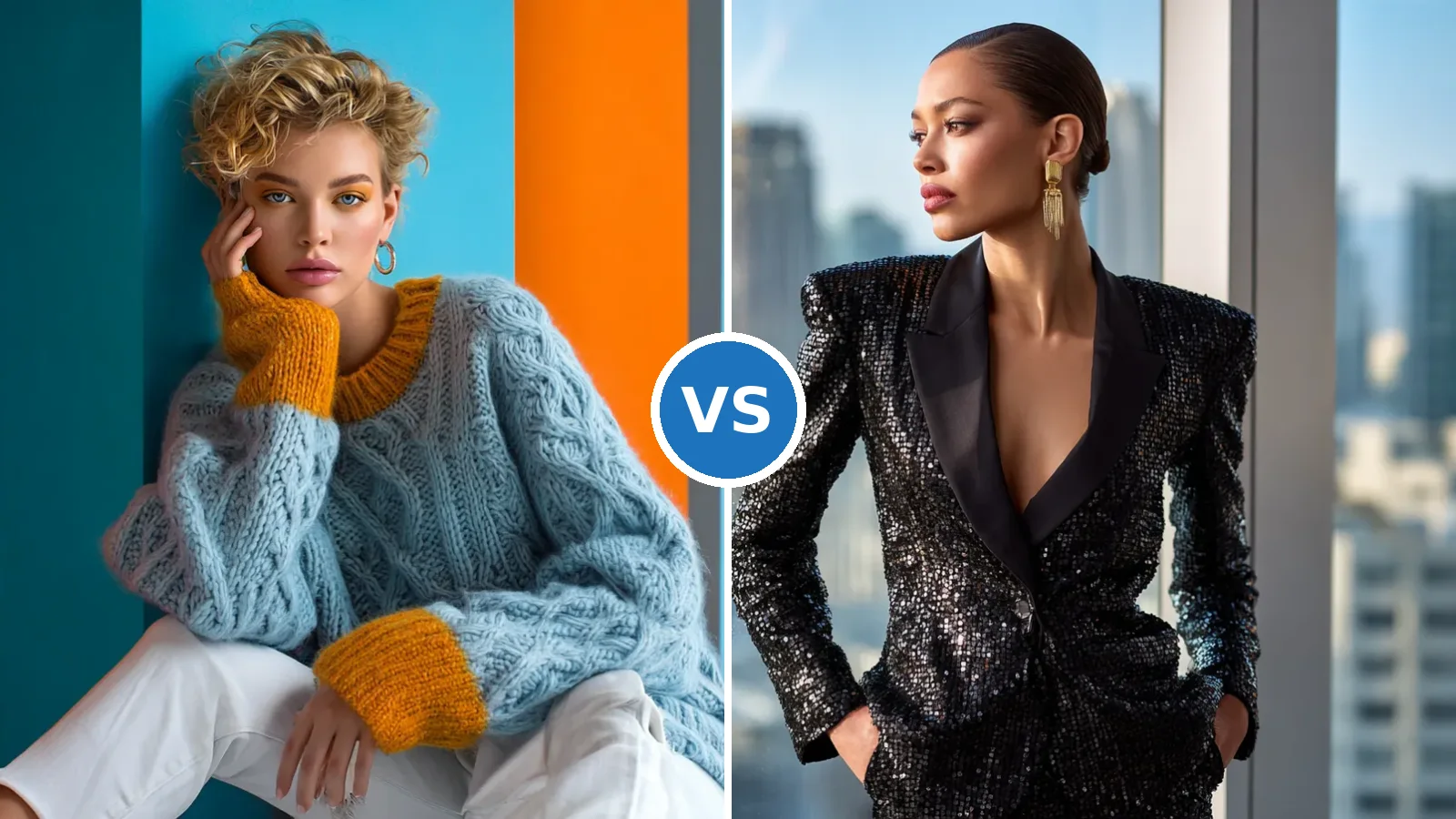
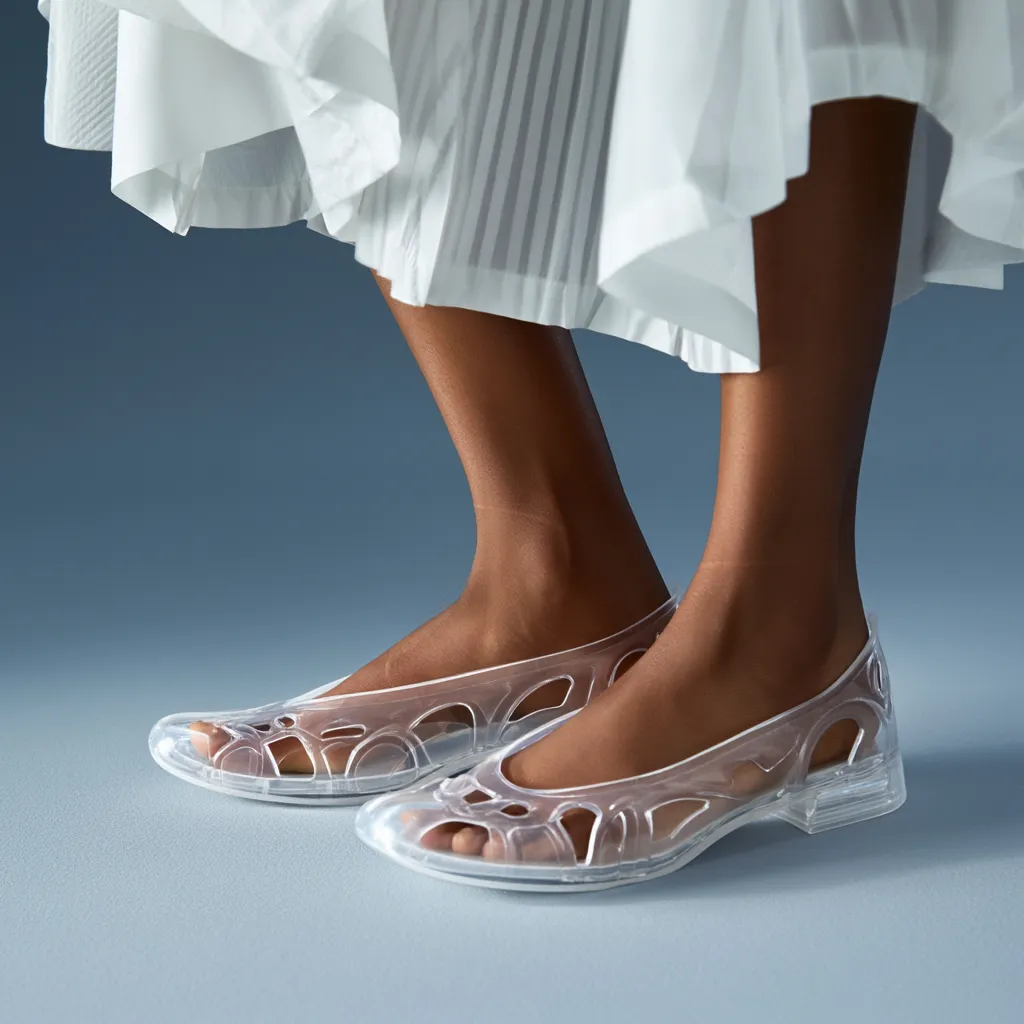
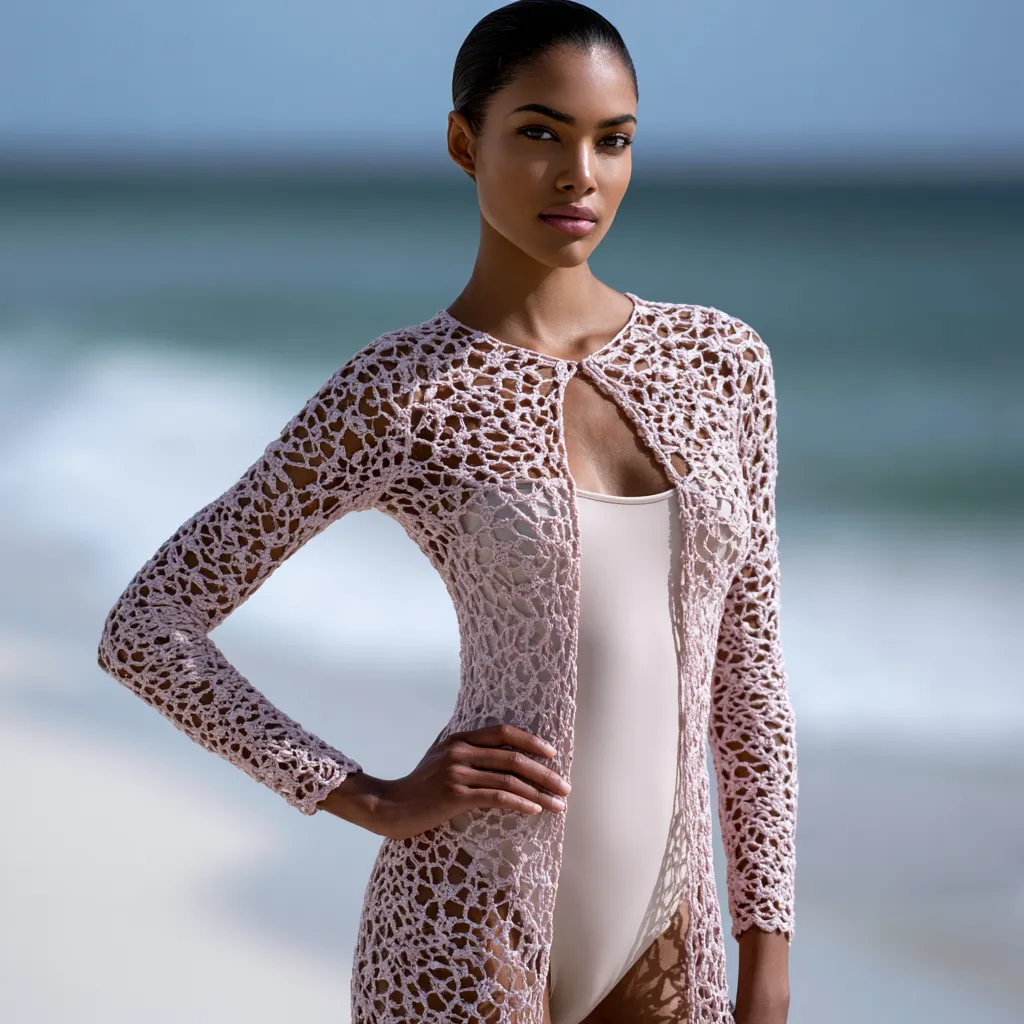
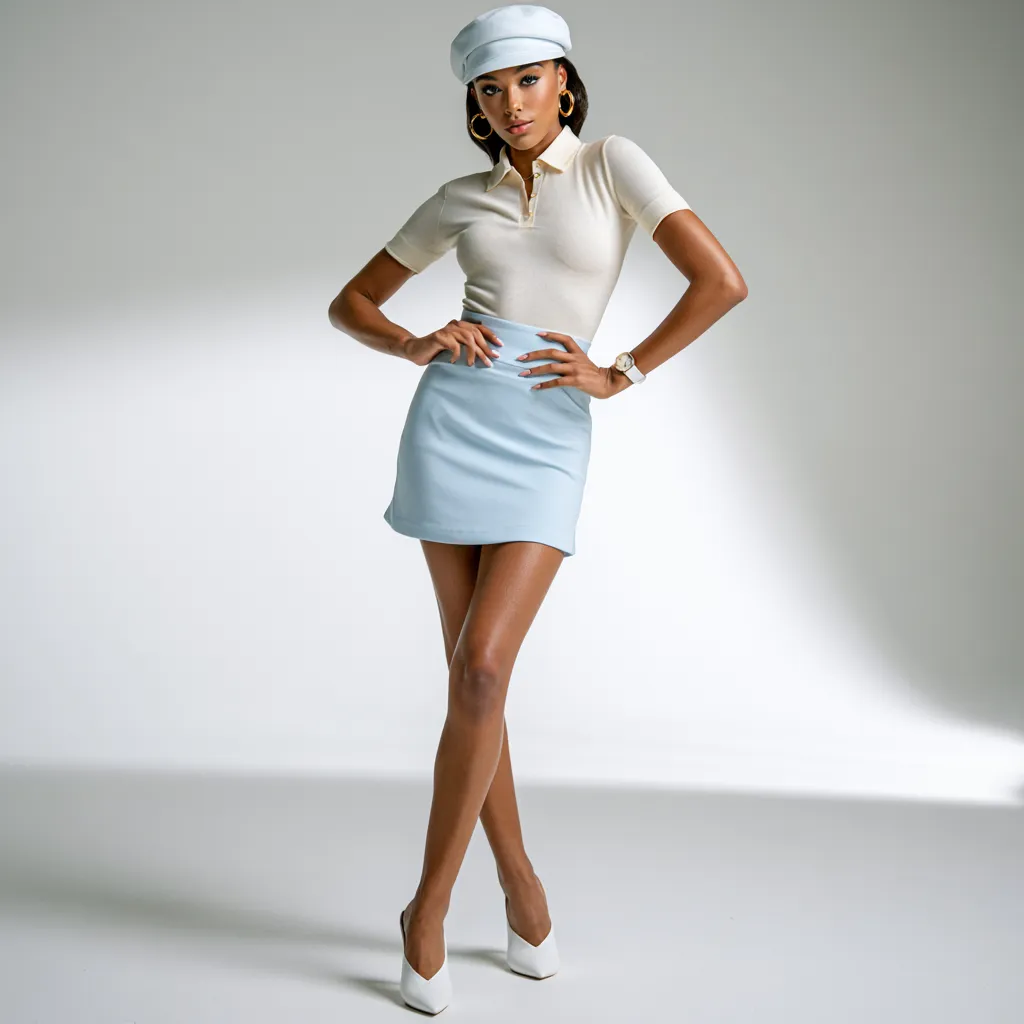
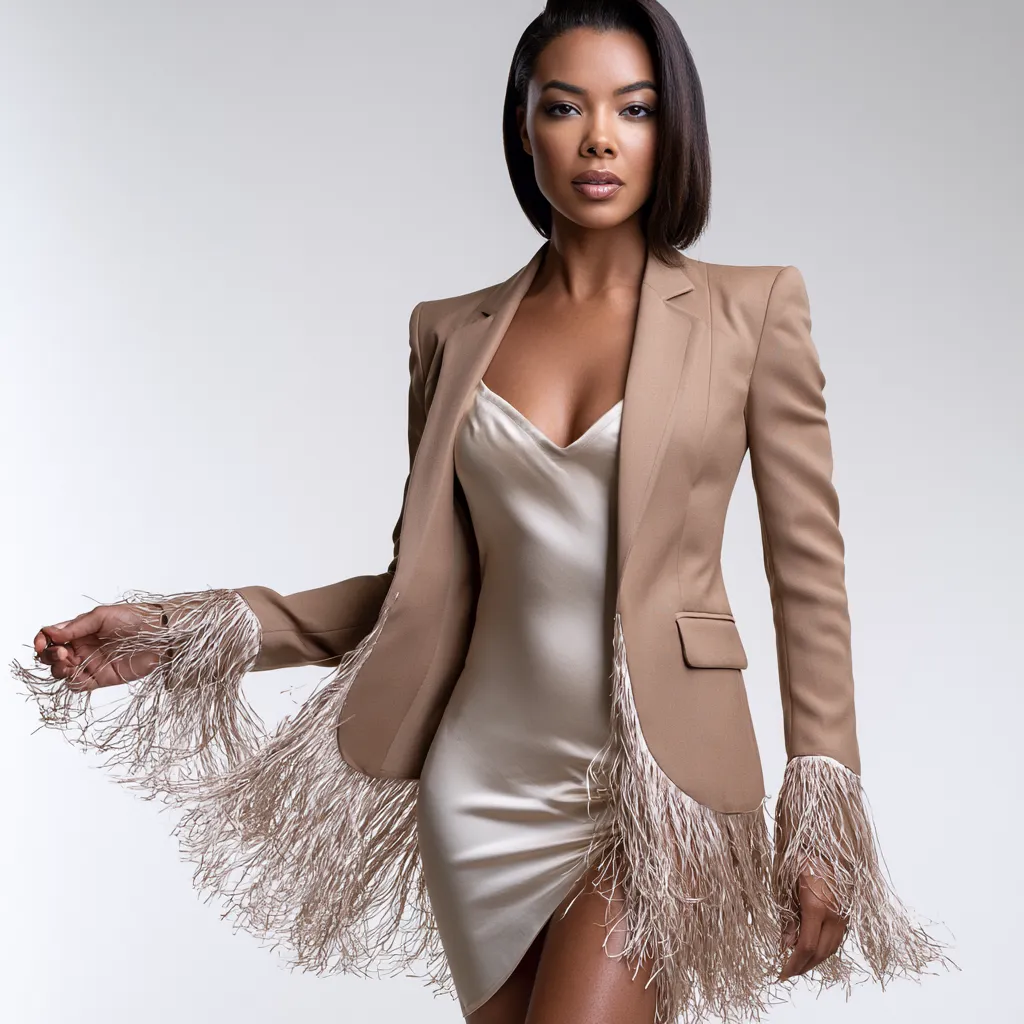
Integrating elements of the past into a modern wardrobe is one of the most effective ways to cultivate a truly personal and distinct aesthetic. Modern fast fashion often relies on uniform trends and mass-produced silhouettes, which can make everyday dressing feel repetitive and uninspired. By purposefully selecting high-quality garments and accessories from previous decades, you introduce unparalleled craftsmanship, unique textures, and a profound sense of history into your daily rotation. This approach does not require a complete stylistic overhaul or an encyclopedic knowledge of fashion history. Instead, it involves the strategic placement of robust, time-tested items alongside your reliable contemporary basics. The magic lies in the juxtaposition of old and new, creating a visual tension that is both sophisticated and effortless. Exploring pre-loved racks and secondary markets allows you to build a collection of clothing that speaks directly to your individuality while simultaneously reducing your environmental footprint. The following sections will guide you through selecting and styling these enduring elements, ensuring your daily ensembles always stand out with character and intention.
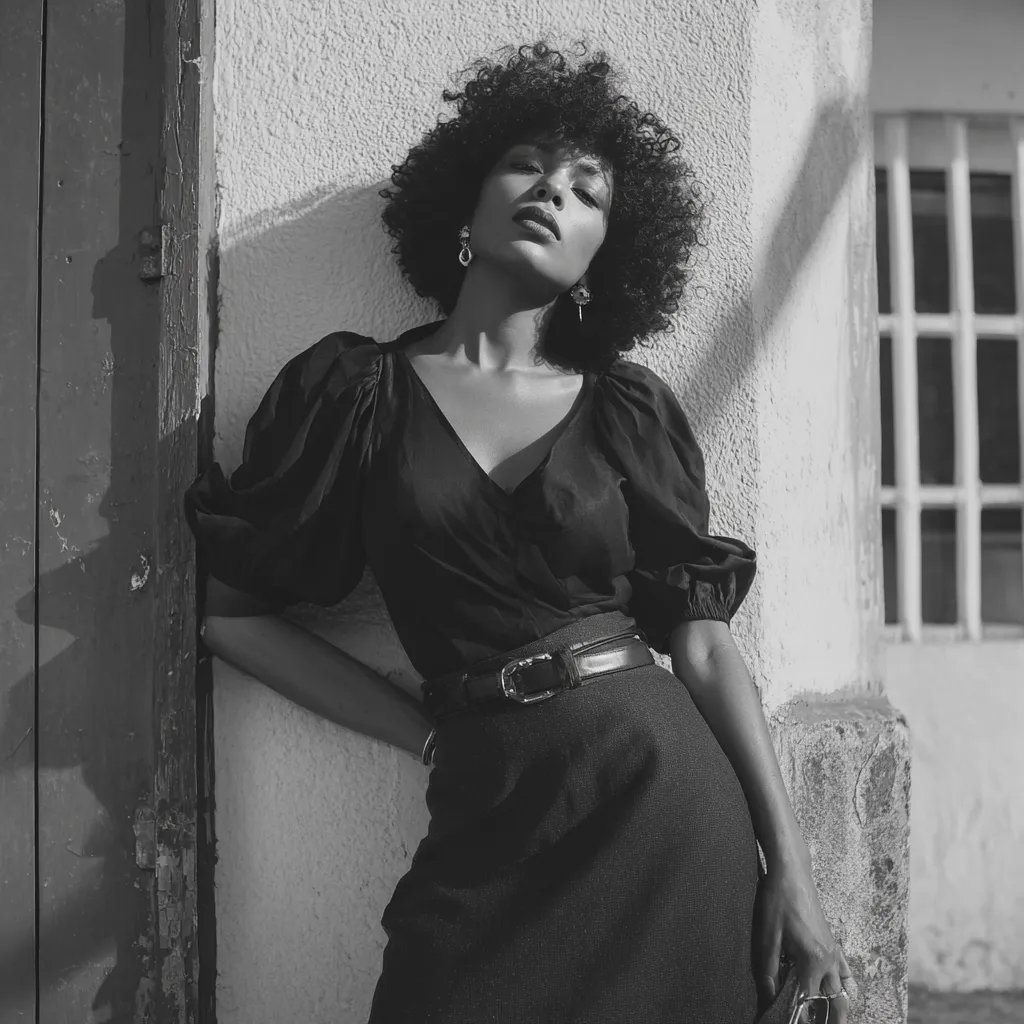
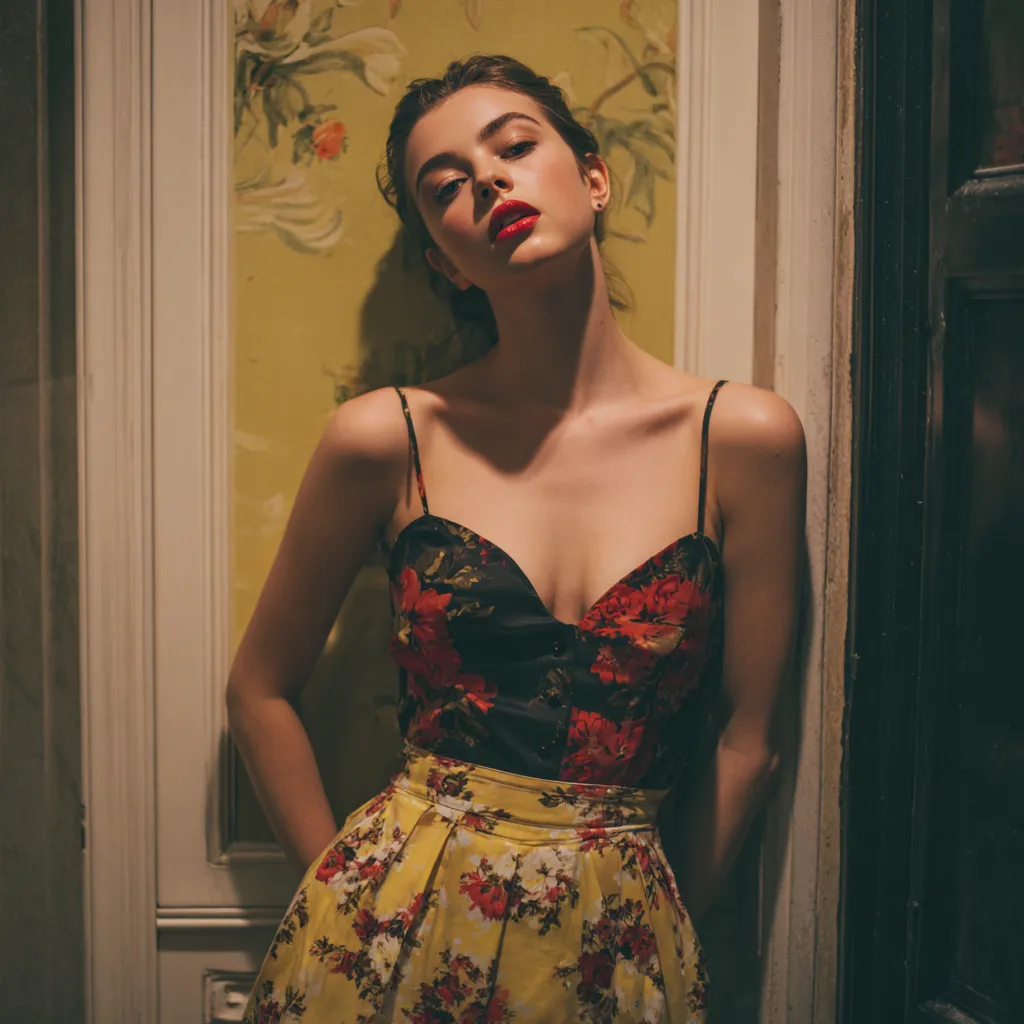
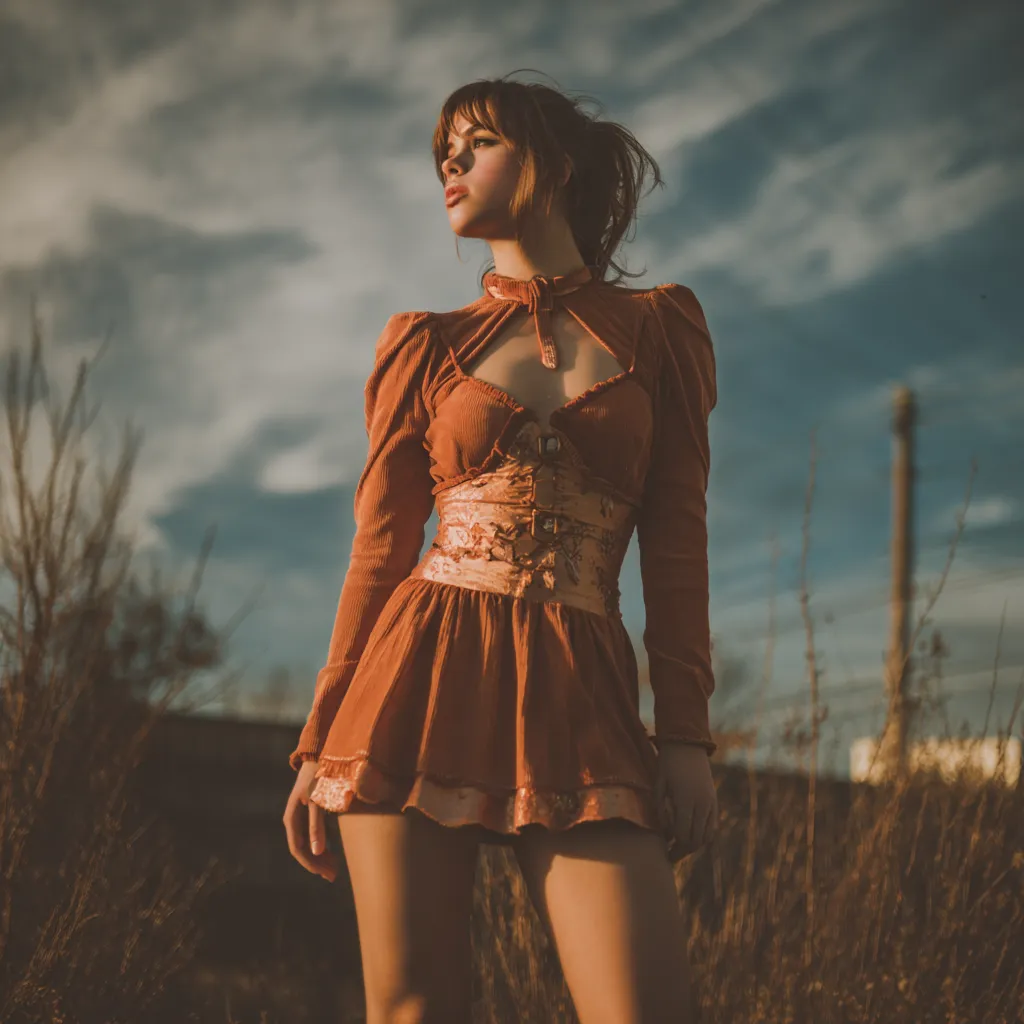

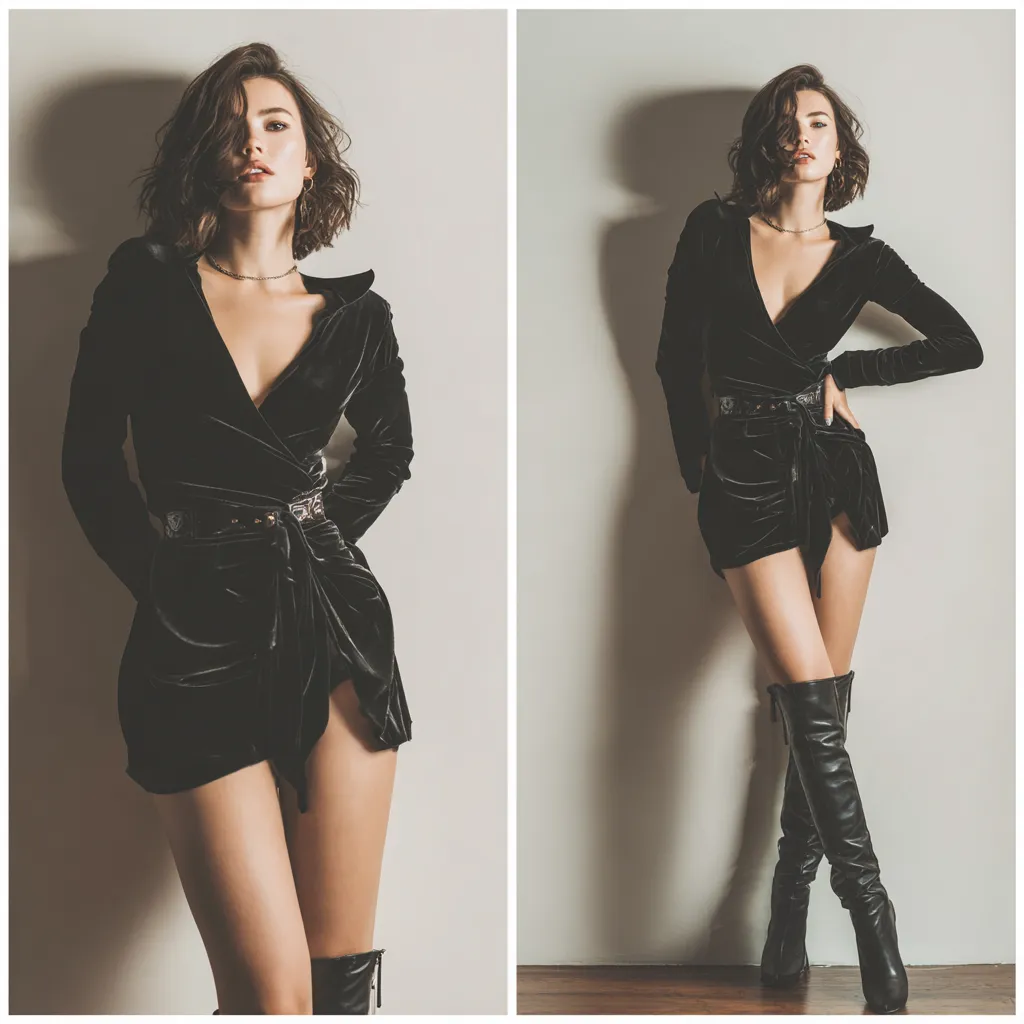
Timeless Retro Jackets For Modern Looks
Outerwear acts as the definitive shield and the most visible layer of personal expression in any modern wardrobe. When discussing the incorporation of timeless outerwear, the conversation inevitably gravitates toward the rich textures and unparalleled craftsmanship of decades past. The sheer durability of these older garments speaks volumes about the manufacturing standards of previous eras. Today, mass-market retail dominates with synthetic blends that often deteriorate after a single season of heavy use. Conversely, coats and jackets constructed twenty or thirty years ago were engineered specifically for longevity and daily endurance. Finding a beautifully aged leather jacket or a meticulously stitched wool coat offers a tangible connection to fashion history. These vintage pieces carry the unique patina of their past lives, offering a visual depth that brand new items simply cannot replicate. The subtle creasing at the elbows of a heavy motorcycle jacket or the naturally softened collar of a canvas chore coat tells a compelling story of utility and wear. This historical weight instantly grounds a contemporary outfit, providing a crucial juxtaposition when paired with modern, minimalist basics. Imagine draping a heavy, distressed aviator jacket over a stark white, sharply tailored modern t-shirt. The friction between the old and the new creates a captivating aesthetic tension.


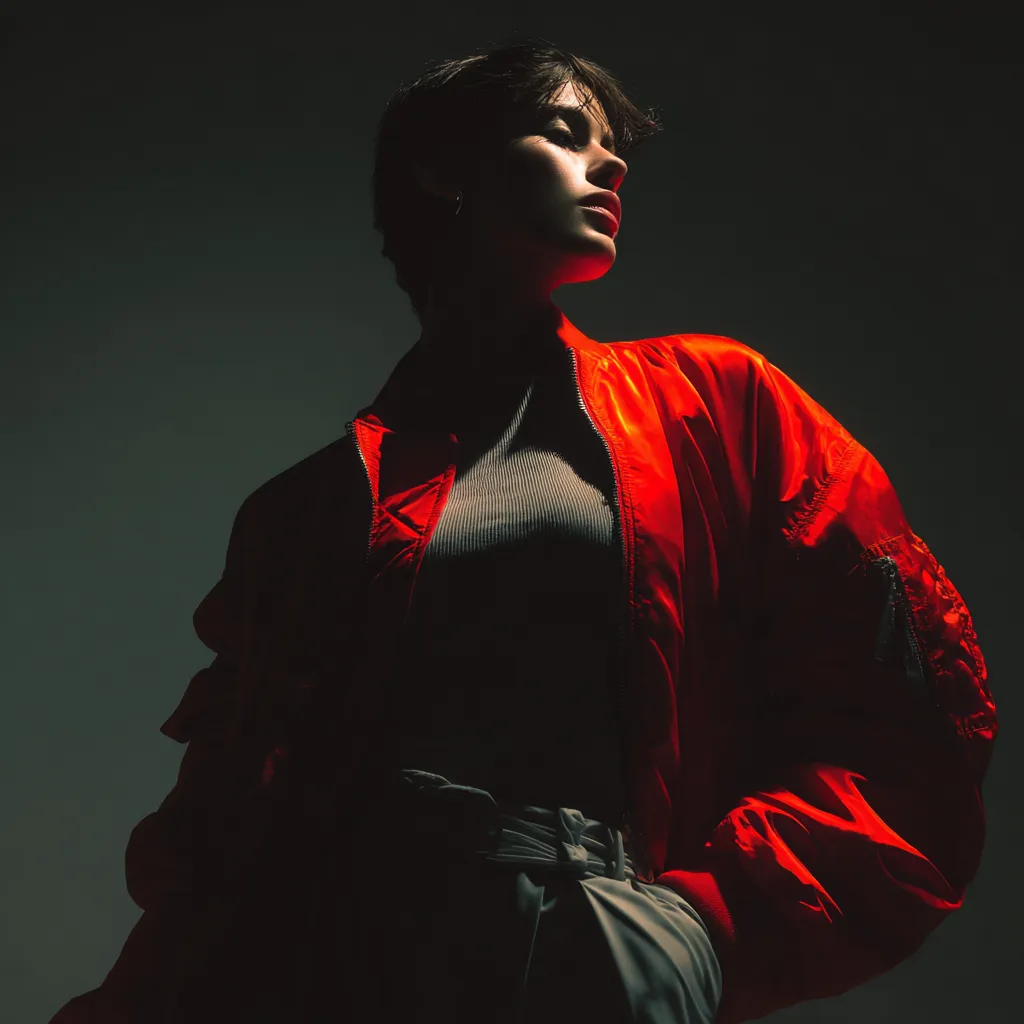

To truly master the art of styling these substantial items, one must understand the critical importance of proportion and silhouette. Many older jackets feature broad shoulders, dropped seams, or intentionally boxy cuts that were wildly popular in the eighties and nineties. Instead of fighting these generous proportions, contemporary styling encourages embracing the oversized look with confidence. A voluminous bomber jacket instantly becomes the focal point of a room when balanced with form-fitting modern leggings or sharply tailored, slim-cut trousers. This deliberate play on volume ensures the wearer does not look swallowed by the heavy fabric. Tailoring also plays an absolutely critical role in successfully adopting these older garments into your daily life. Taking a thrifted oversized blazer to a skilled tailor to have the sleeves slightly shortened or the waist subtly suppressed can completely transform the item from feeling dated to bespoke. The structural integrity of these older fabrics often holds up beautifully to complex alterations, making the investment in professional tailoring well worth the cost. By personalizing the fit, you ensure the garment flatters your specific frame while retaining its original charm, aesthetic appeal, and undeniable character.
Beyond aesthetics and personal expression, the environmental implications of sourcing your outerwear from secondary markets cannot be overstated in today’s climate. The global apparel industry is a massive contributor to carbon emissions, water pollution, and overwhelming textile waste. By actively choosing to invest in pre-loved garments, consumers participate in a much-needed circular economy. This highly conscious decision extends the lifecycle of existing materials and directly reduces the demand for newly manufactured goods. Wearing these vintage pieces is a silent yet incredibly powerful rebellion against the relentless, exhausting cycle of trend-driven overconsumption. You are essentially casting a vote for sustainability every single time you step out in a thrifted trench coat or an inherited, heavily worn denim jacket. This eco-conscious approach adds a profound, meaningful layer of purpose to your sartorial choices. It feels inherently rewarding to know your wardrobe is actively minimizing environmental degradation while simultaneously elevating your daily style.
The psychological benefit of cultivating a unique, deeply personal wardrobe should never be underestimated. In an era where algorithmic social media feeds dictate homogenous, fleeting micro-trends, stepping outside in a completely unique jacket offers a necessary sense of individuality. You will rarely walk into a crowded room and find someone else wearing the exact same obscure seventies windbreaker or meticulously embroidered, brightly colored souvenir jacket. This inherent exclusivity breeds a very specific, undeniable type of confidence. The wearer owns their look entirely, free from the constraints of window displays and catalog mannequins. Retro fashion empowers individuals to curate a visual identity that exists proudly outside the rigid boundaries of current retail offerings. The thrill of the hunt, spending dedicated hours sifting through heavy racks to find that one perfect garment, culminates in the immense, unparalleled satisfaction of wearing it. This involved process transforms shopping from a passive financial transaction into an active, highly creative pursuit. The resulting outfits are wonderfully rich with personal narrative, proving definitively that true style is a deliberate, highly individualized curation of history, environmental sustainability, and bold, uncompromising self-expression.
Classic Thrifted Denim Upgrades
Denim is arguably the absolute most universal and heavily utilized fabric in the modern wardrobe, yet finding the perfect, flattering fit remains a notoriously difficult and frustrating challenge for many. When you pivot away from contemporary retail environments and begin seriously exploring older denim, the complexity of this fitting task multiplies, but so does the potential for an extraordinary, unmatched sartorial payoff. Modern denim is almost always woven with a significant percentage of elastane, spandex, or other synthetic stretch fibers, creating a forgiving garment that conforms easily to various body shapes without resistance. In stark contrast, denim manufactured before the late nineteen nineties was predominantly woven from one hundred percent pure cotton. This incredibly rigid, heavy-duty material requires a completely different approach to both fitting and daily wearing. Understanding this fundamental, structural shift in textile composition is the crucial first step to successfully integrating these older trousers into your life. When you encounter a pristine pair of rigid retro fashion jeans, you are interacting with a serious fabric that must be intentionally broken in. It requires immense patience and actual physical movement to mold the stiff, unyielding cotton to the specific, unique contours of your body. However, once this initial break-in period is fully complete, the resulting fit is utterly unparalleled. The heavy denim effectively memorizes your exact shape, offering a sculpted, incredibly supportive silhouette that stretchy, modern fabrics simply cannot ever replicate.

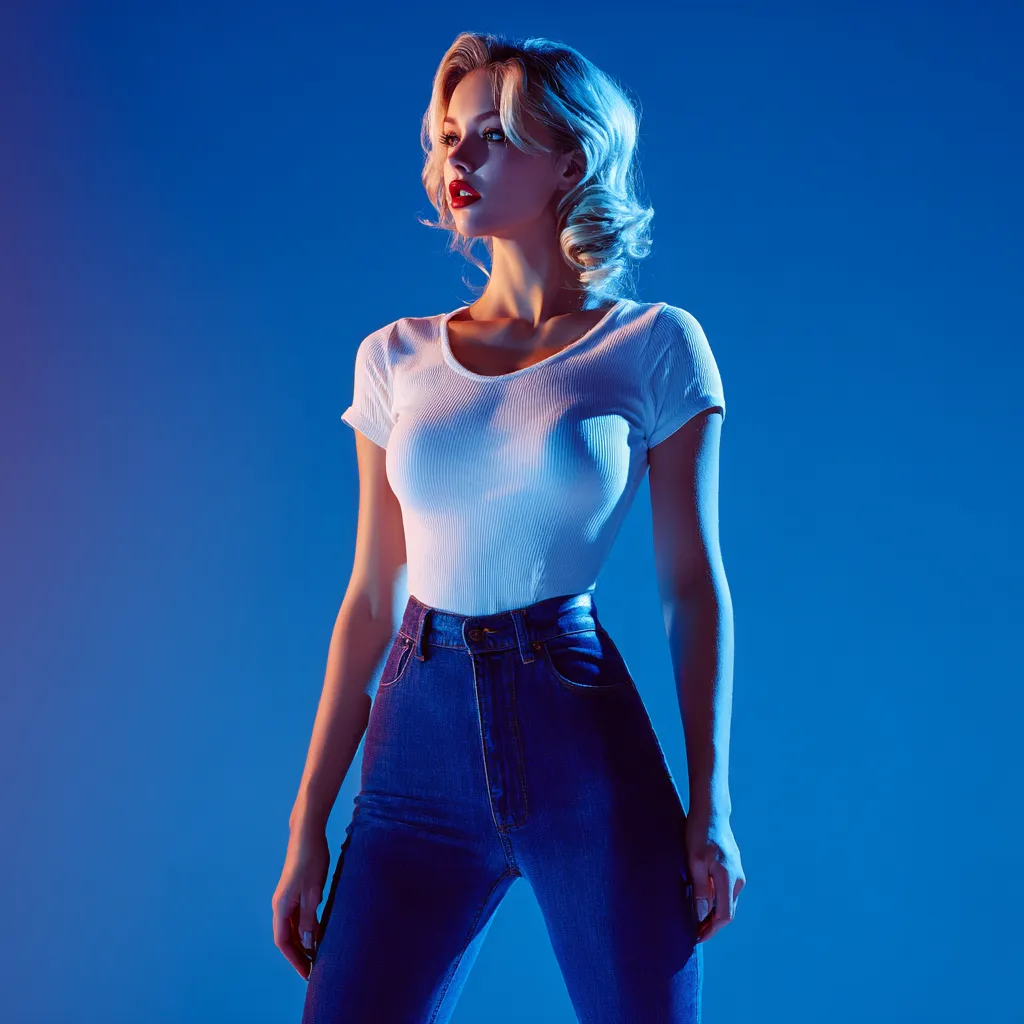
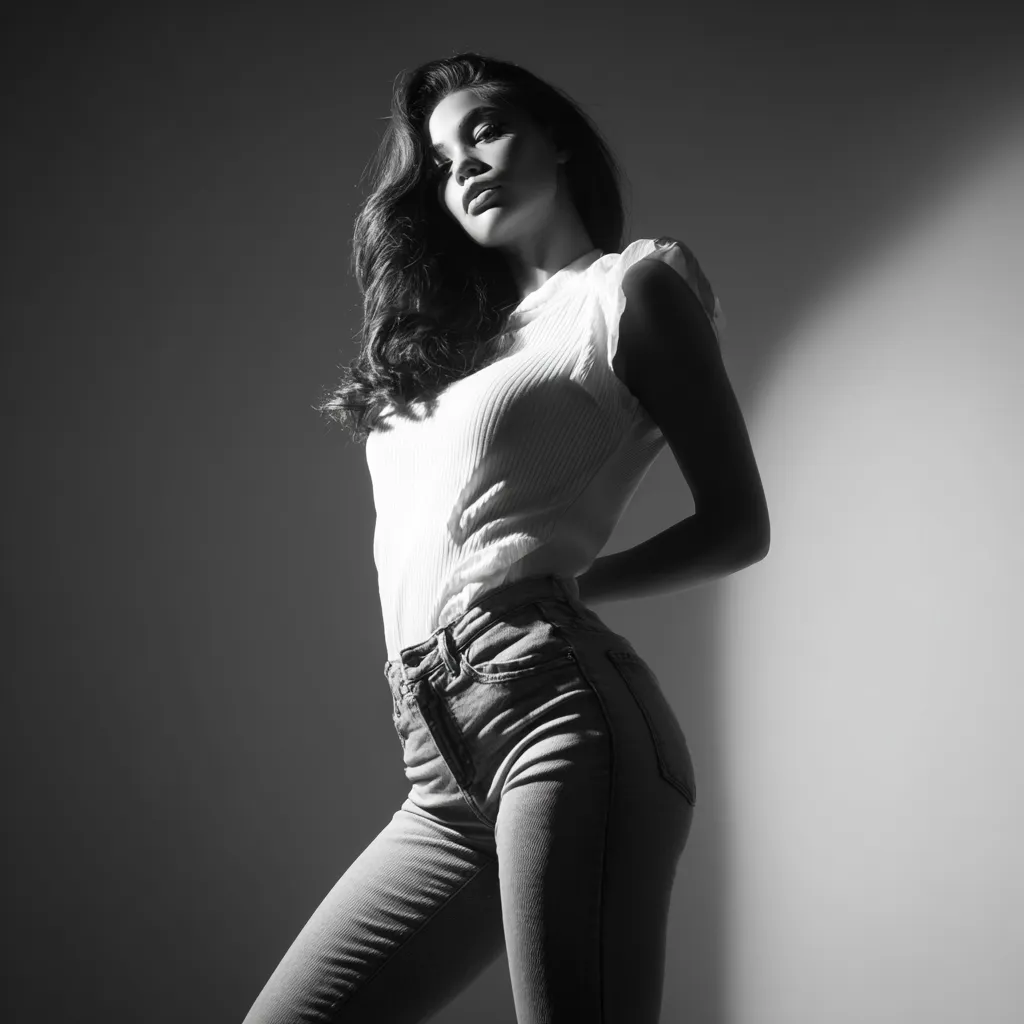
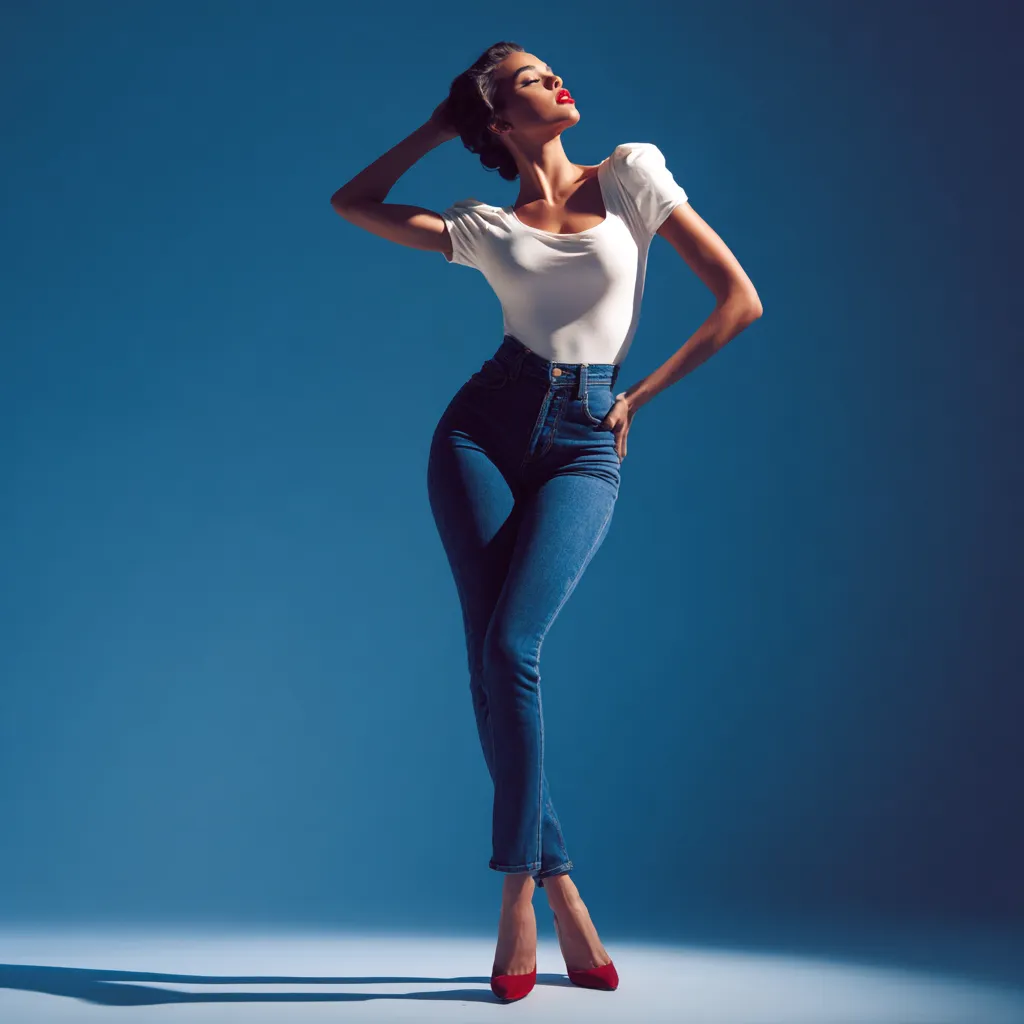
The confusing concept of sizing is another critical, often discouraging hurdle to overcome when navigating the vast world of older denim. The retail phenomenon known as vanity sizing has drastically and permanently altered the numbers printed on clothing tags over the last few decades. A size labeled as a waist twenty-eight in the nineteen seventies will measure significantly, noticeably smaller than a modern, contemporary size twenty-eight. Therefore, the absolute most crucial tool for successfully acquiring these vintage pieces is a standard, flexible measuring tape. Shoppers must precisely know their exact physical measurements, specifically focusing on the natural waist, the widest part of the hips, the inseam, and the rise. The rise, which measures the distance from the crotch seam directly to the top of the waistband, dictates exactly how the jeans will sit on your torso and drastically alters the visual proportions of your outfit. A true, authentic high-rise from the nineteen eighties will comfortably clear the navel, elongating the legs and sharply defining the absolute smallest part of the waist. By entirely ignoring the printed size tag and relying strictly on your empirical, true measurements, you completely eliminate the frustration of highly inconsistent sizing and drastically improve your chances of finding a truly spectacular, confidence-boosting fit.
Exploring different decades of design reveals a fascinating, dynamic timeline of denim silhouettes, each offering incredibly unique styling opportunities for the modern wearer. The nineteen seventies heavily championed the exaggerated, dramatic flare and the sweeping bell-bottom. These theatrical cuts add incredible, dynamic movement to an otherwise static outfit and pair beautifully with chunky, elevated platform boots or simple, slim-fitting ribbed knitwear. Moving forward into the nineteen eighties, the global fashion focus shifted dramatically to the ultra-high waist paired with a distinctly tapered, narrower leg. This voluminous, sometimes intimidating silhouette, often referred to today as the classic mom jean, requires careful, intentional styling to avoid looking completely antiquated or accidentally frumpy. Balancing the loose, ballooning leg with a tightly fitted, cropped top or a sharply tucked-in, crisp blouse modernizes the entire look instantly and effortlessly. The nineteen nineties introduced a much more relaxed, straight-leg approach, heavily influenced by global grunge and alternative music cultures. These straight-cut, utilitarian variations are perhaps the easiest to seamlessly incorporate into a contemporary wardrobe, serving as the absolute perfect foundation for everything from an oversized, structured blazer to a simple, heavily worn graphic t-shirt. The inherent versatility of these vintage pieces allows them to fluidly transition through various modern aesthetics.
Proper, diligent care and maintenance are absolutely vital to preserving the structural integrity and visual appeal of these heavy garments. Because older denim has likely already endured years, if not decades, of wear, it requires a significantly gentler touch than its modern, synthetic-blended counterparts. Frequent, aggressive washing is the absolute worst enemy of raw, aged cotton fibers. The mechanical agitation strips the beautiful, faded indigo dye prematurely and rapidly breaks down the underlying structural integrity of the tight weave. Dedicated denim enthusiasts highly recommend washing these garments as infrequently as humanly possible. When washing ultimately becomes absolutely unavoidable, the jeans should always be turned completely inside out and submerged in a bath of cold water with a specialized, highly gentle detergent. Harsh, abrasive chemicals and high-heat environments are strictly forbidden. Air drying is entirely mandatory, as the intense, concentrated heat of a mechanical dryer will permanently warp the fabric, shrink the cotton unpredictably, and completely destroy the careful, personalized molding you painstakingly achieved during the initial break-in process. Sometimes, simply hanging the rigid jeans in a crisp, well-ventilated area or utilizing a light, natural fabric refresher is more than enough to perfectly maintain their cleanliness and crispness between actual, necessary washes.
Finally, one must fully embrace the highly transformative power of a skilled, experienced tailor when dealing with rigid, uncompromising denim. It is exceedingly rare, almost impossible, to find a pair of forty-year-old jeans that fit absolutely perfectly in the waist, hips, and length straight off the dusty thrift store rack. Taking a slightly oversized, high-quality pair to a local professional for a minor waist intake or a precise, clean hem is standard, expected practice among serious style enthusiasts. The heavy, unyielding cotton is incredibly receptive to these physical alterations, holding new, sturdy stitches beautifully without puckering or tearing. This highly recommended extra step elevates the raw garment from a merely fortunate thrift store find to a perfectly customized, totally foundational cornerstone of your entire wardrobe. Investing the necessary time to deeply understand the fabric, master the complex sizing metrics, and utilize expert professional tailoring ensures that your deliberate foray into retro fashion denim yields spectacular, incredibly long-lasting stylistic results that will serve you well for many years to come.
Standout Antique Accessories
The true, undeniable mastery of exceptional personal style often lies not in the large, foundational garments, but rather in the meticulous, highly intentional selection of the small finishing touches. Accessories uniquely possess the powerful ability to completely alter the entire visual trajectory of an outfit, transforming a relatively mundane combination of basic clothing into a highly intentional, incredibly striking ensemble. When these crucial finishing touches are carefully sourced from previous, bygone decades, they instantly inject a level of distinct glamour, intense craftsmanship, and rich historical intrigue that modern, mass-produced accessories very rarely achieve. Exploring the fascinating world of older accessories opens up a vast, overwhelming landscape of distinct textures and heavy materials, from heavily gold-plated, intricate costume jewelry to meticulously hand-rolled, brightly printed silk scarves. These incredibly small but mighty visual elements are the absolute secret weapons of retro fashion. They brilliantly allow the modern wearer to playfully experiment with vastly different historical eras and bold aesthetics without ever having to fully commit to a theatrical, head-to-toe historical costume. A sharply tailored, highly modern dark suit, for instance, is instantly softened, elevated, and personalized when paired with a vibrant, intricately patterned silk scarf tied effortlessly and neatly at the neck. This subtle, highly strategic integration of vintage pieces successfully creates a sophisticated, ongoing visual dialogue between the deep past and the immediate present.
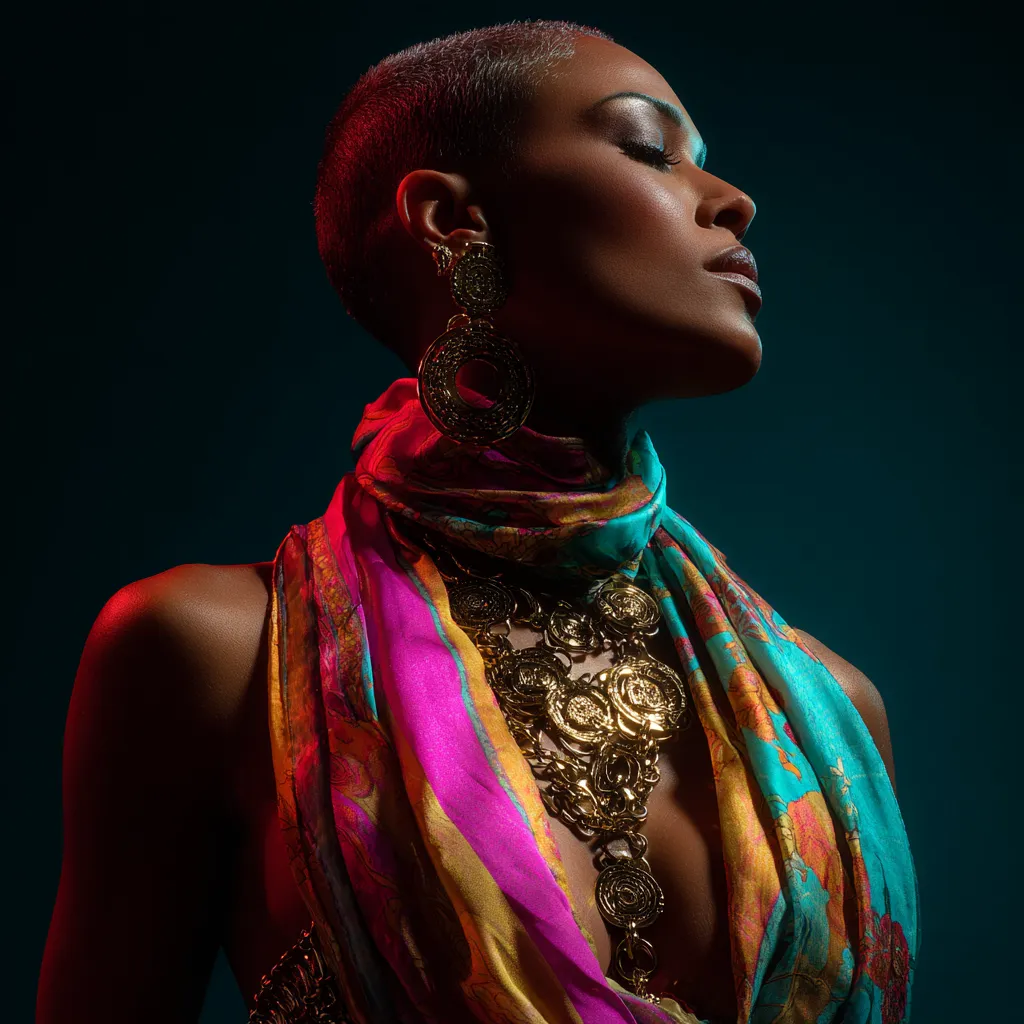
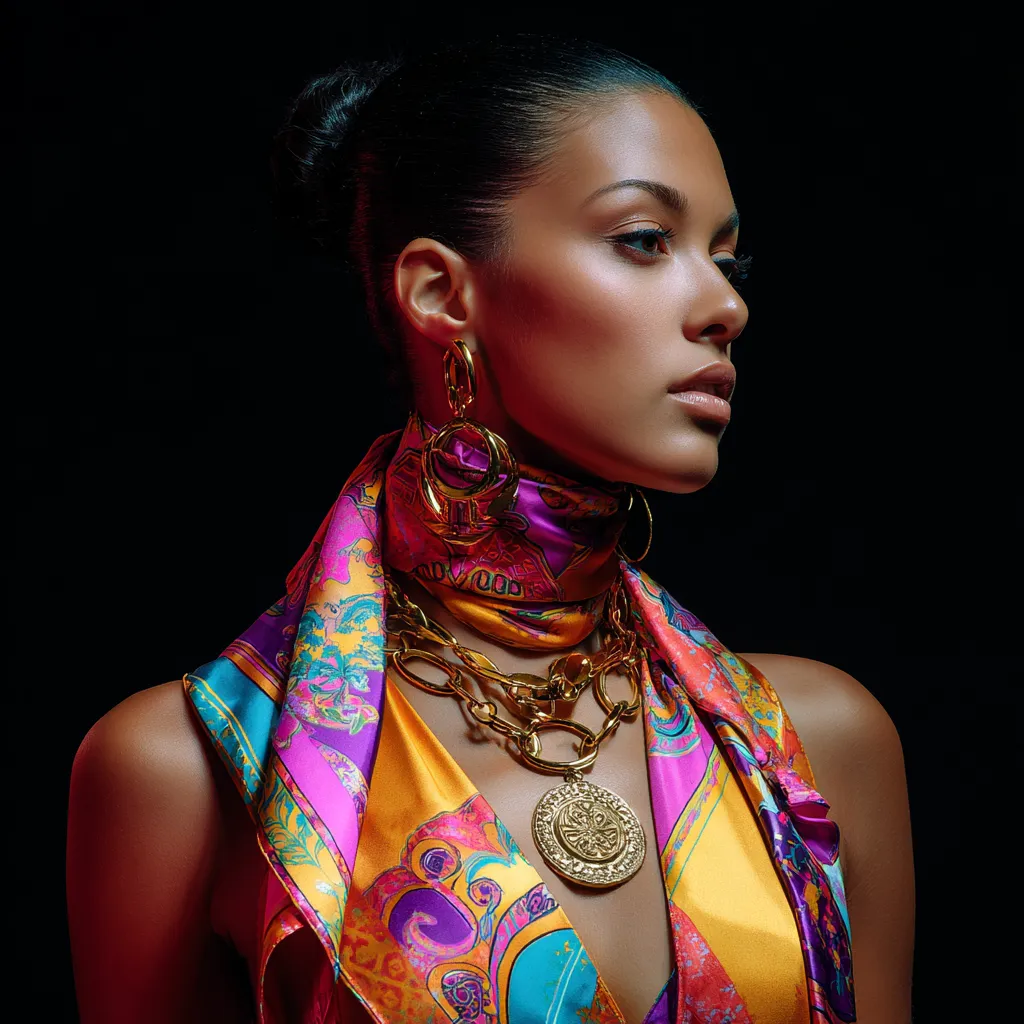
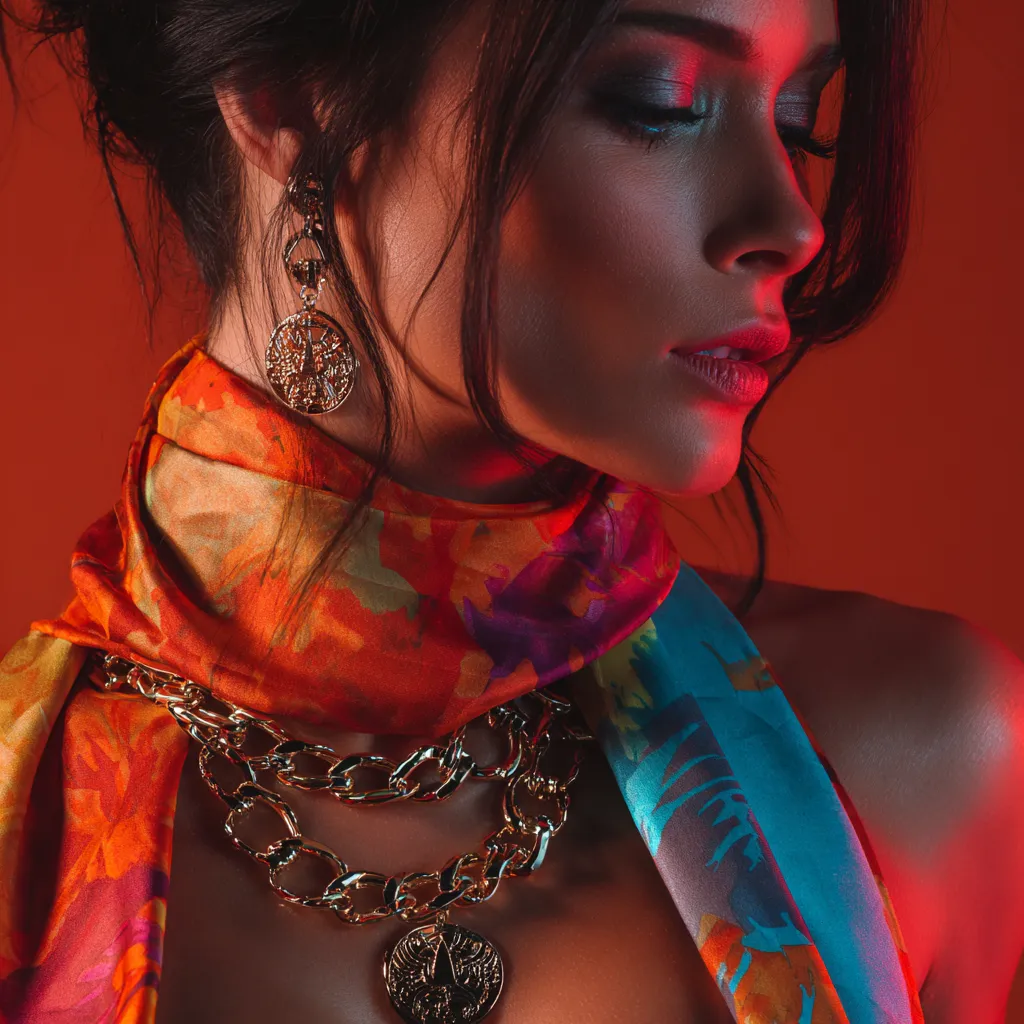
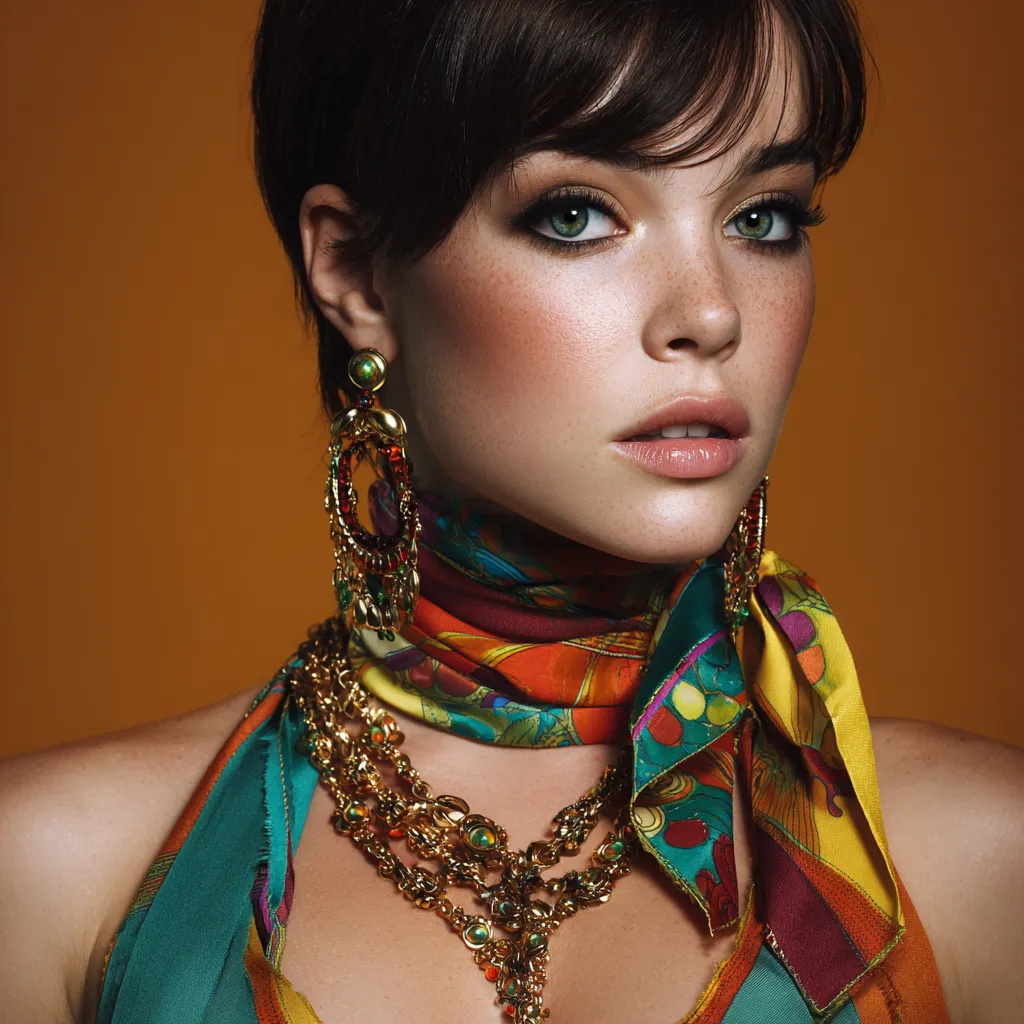
Consider deeply the profound, immediate visual impact of highly well-crafted, heavy costume jewelry. In the mid-twentieth century, costume jewelry was not merely viewed as a cheap, disposable alternative to fine, expensive gems; it was respected as an entirely separate, highly legitimate art form. Dedicated designers poured immense, unbridled creativity into producing boldly sculptural, unforgettable pieces using faceted glass crystals, brightly colored enamels, and incredibly heavy, solid base metals. A pair of dramatic, oversized, geometric clip-on earrings sourced directly from the loud, expressive nineteen eighties can effortlessly serve as the brilliant singular focal point of a starkly minimalist, entirely monochromatic modern outfit. The physical weight and the solid construction of these older, treasured pieces are immediately, tactilely noticeable the moment you hold them. They absolutely do not feel flimsy, hollow, or fragile like so much of the rapidly produced fast-fashion jewelry flooding the market today. The bright gold-tone and silver-tone plating consistently utilized during these specific eras was often significantly thicker and far more durable, resulting in stunning pieces that have remarkably retained their brilliant, original luster for many long decades. Layering multiple, heavy chain necklaces or proudly stacking heavily carved, authentic Bakelite bangles instantly adds a highly rich, deeply tactile dimension to an otherwise simple, everyday look. The absolute key to successfully and confidently wearing these incredibly bold, statement-making items is allowing them adequate visual room to breathe. If you boldly choose a massive, highly sparkling floral brooch to securely pin to your dark lapel, you must purposefully keep the surrounding neckline incredibly simple and entirely unadorned. This necessary visual restraint directly ensures the chosen accessory respectfully remains a powerful statement rather than becoming a cluttered, overwhelming distraction.
Handbags and beautifully constructed leather goods hailing from previous, quality-focused decades represent yet another absolutely incredible, highly rewarding avenue for significantly elevating a daily clothing rotation. The intense craftsmanship and physical time dedicated to serious leatherworking in the deep past heavily prioritized absolute durability and rigid, lasting structure over rapid, cheap production. A highly structured, rigid top-handle bag surviving from the neat nineteen fifties or a wonderfully supple, heavily worn slouchy hobo bag from the relaxed nineteen seventies successfully offers a highly distinct, recognizable silhouette that easily stands out against modern, highly repetitive mass-produced shapes. Furthermore, the actual physical hardware heavily used on these older bags, such as solid, unyielding brass clasps, heavy, smooth-gliding industrial zippers, and highly intricate, satisfying turn-locks, consistently functions beautifully and instantly adds a wonderful touch of solid industrial elegance to your arm. When carefully inspecting these coveted items in person, meticulously checking the current condition of the aged leather and the exact functionality of the old hardware is absolutely essential. A highly well-maintained, frequently conditioned leather bag naturally develops a truly gorgeous, highly sought-after patina over time, serving as a beautiful visual map of its long history that adds immense, undeniable character to your overall look. Proudly carrying a totally unique, beautifully aged leather satchel completely and instantly distinguishes your specific look from the massive sea of identical, highly recognizable, logo-heavy contemporary bags carried by everyone else. It proudly signals a highly discerning eye, a deep appreciation for enduring, lasting quality, and a complete rejection of fleeting retail trends.
Silk scarves are arguably and perhaps universally considered the absolutely most versatile and highly transformative of all collectible older accessories. The highly complex printing techniques heavily utilized by famous legacy design houses in the deep past consistently resulted in incredibly vibrant, deeply saturated colors and razor-sharp, wildly complex patterns that modern, fast digital printing technology still frequently struggles to accurately replicate. The delicate edges of high-quality, authentic older scarves are typically meticulously, painstakingly hand-rolled and carefully stitched by artisans, a highly subtle but important detail that immediately signifies vastly superior, uncompromising craftsmanship. The daily styling possibilities for a seemingly simple, brightly colored square of fine silk are virtually endless and highly creative. It can be tightly, neatly rolled and securely tied close around the neck exactly like a choker, broadly folded into a large triangle and worn over the hair babushka-style, playfully woven through the sturdy belt loops of heavy rigid denim, or highly elegantly, tightly knotted around the top handle of a rigid, structured handbag. Each individual styling variation drastically and immediately changes the entire mood and direction of the outfit. A vibrant, loud floral scarf can instantly inject necessary life and brilliant color into a dark, heavy monochromatic winter coat, while a dark, highly geometric print can easily add a deep layer of serious sophistication to a highly casual, relaxed weekend t-shirt. Cultivating a deep, personal collection of these highly distinct, beautiful vintage pieces requires immense patience and a highly discerning, trained eye. It is an ongoing process of careful curation rather than simple, mindless consumption. Building a highly versatile, reliable arsenal of retro fashion accessories brilliantly allows you to constantly, endlessly reinvent your existing, static wardrobe, ensuring you always step out looking highly unique and entirely put together.
Integrating elements from decades past requires patience, a discerning eye, and a willingness to step slightly outside the comfort zone of modern retail convenience. However, the immense reward of building a highly individualized, environmentally conscious, and deeply textured wardrobe makes the entire process incredibly worthwhile. By carefully selecting robust outerwear, mastering the intricacies of rigid fabrics, and utilizing the transformative power of unique adornments, you effectively bypass the fleeting nature of temporary trends. Your daily outfits transform into a deliberate showcase of enduring quality and personal expression, proving that true style is a timeless pursuit.
Related Topics
FAQ
How to identify authentic older garments from modern reproductions
What is the safest way to clean delicate fabrics at home
How to accurately measure your body for online sizing
Complete guide
Retro Fashion Outfits From Every Decade Worth Stealing
1920s, 60s, 70s, 80s, 90s — vintage looks, party outfits, decade dressing — all in one place