More than furniture, the dinner table is where tales start, bells ring out with laughter, and connection flourishes. With friends or alone by a book, dressing the table beyond mealtime adds spirit to the space. Think of it as your home’s centerpiece – peaceful, welcoming, vibrant.
Dining Table as a Visual Anchor
First things first, the table establishes the rhythm of the whole room. Your dining table is no longer just utilitarian, and when tastefully dressed, it adds rhythm. Consider little decorative vases grouped off-center rather than midline, perfect. A low-footed fruit bowl with a tall, thin candle or stem creates balance for visual heaviness. That height and placement contrast provide movement and personality.
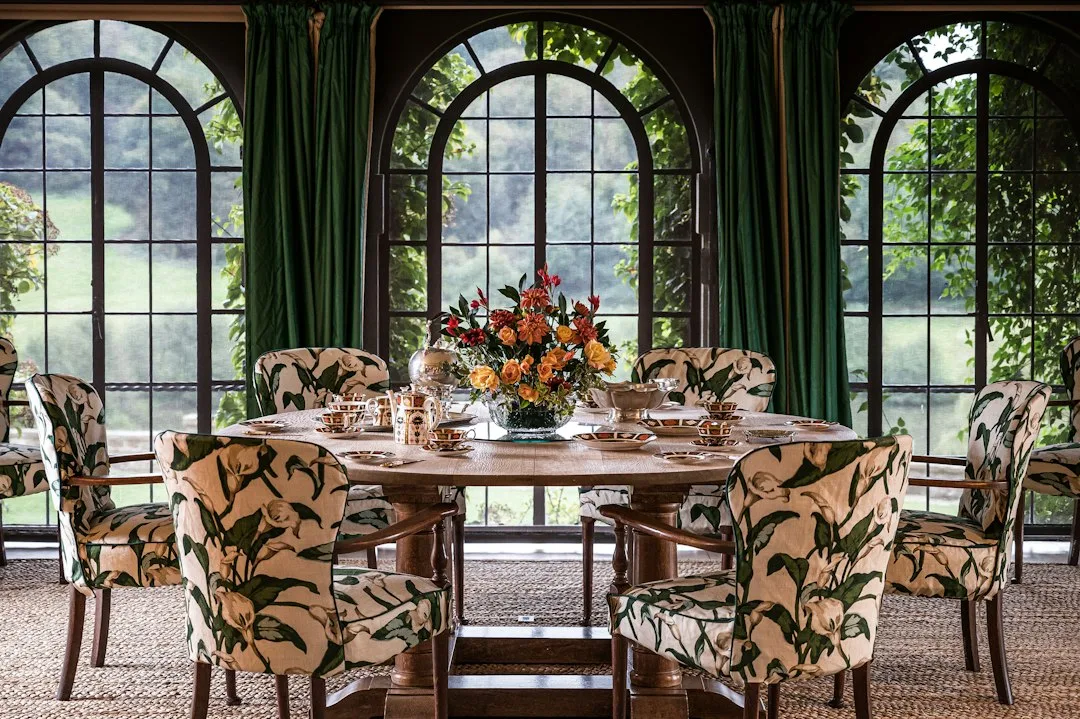
Seasonal flowers or leaves in a clear glass or ceramic vase immediately elevate the table. A trim of greenery or stems in seasonal colors serves as a dramatic centrepiece without appearing fussy.
Layering Textures and Elements
Layering adds depth to any tablescape. Collect things onto a tray, such as a candle, a vase, maybe a little pile of coasters or baubles. It creates unity. The tray ideally spans a third of the tabletop, so it doesn’t get lost.
Mismatched vases, bowls, and candleholders clustered together can become curated instead of crazy. Put an odd number and mix materials such as glass, terra‑cotta, or ceramic.
Adding Local Flair
If you’re browsing for furniture and decor around Kolkata, then a dining table in Kolkata search highlights how materials and finishes there reflect regional craftsmanship. You’ll find pieces with rich hardwood tones, subtle carving, inlays, or traditional finishes that serve as a beautiful canvas for styling. Those elements anchor the table in local character without needing to state it explicitly.
Selecting locally made wooden pieces of furniture provides you with a solid foundation that is good for both function and form. Add on a light, easy layer of seasonal decor.
Flexible, Multi‑Use Styling
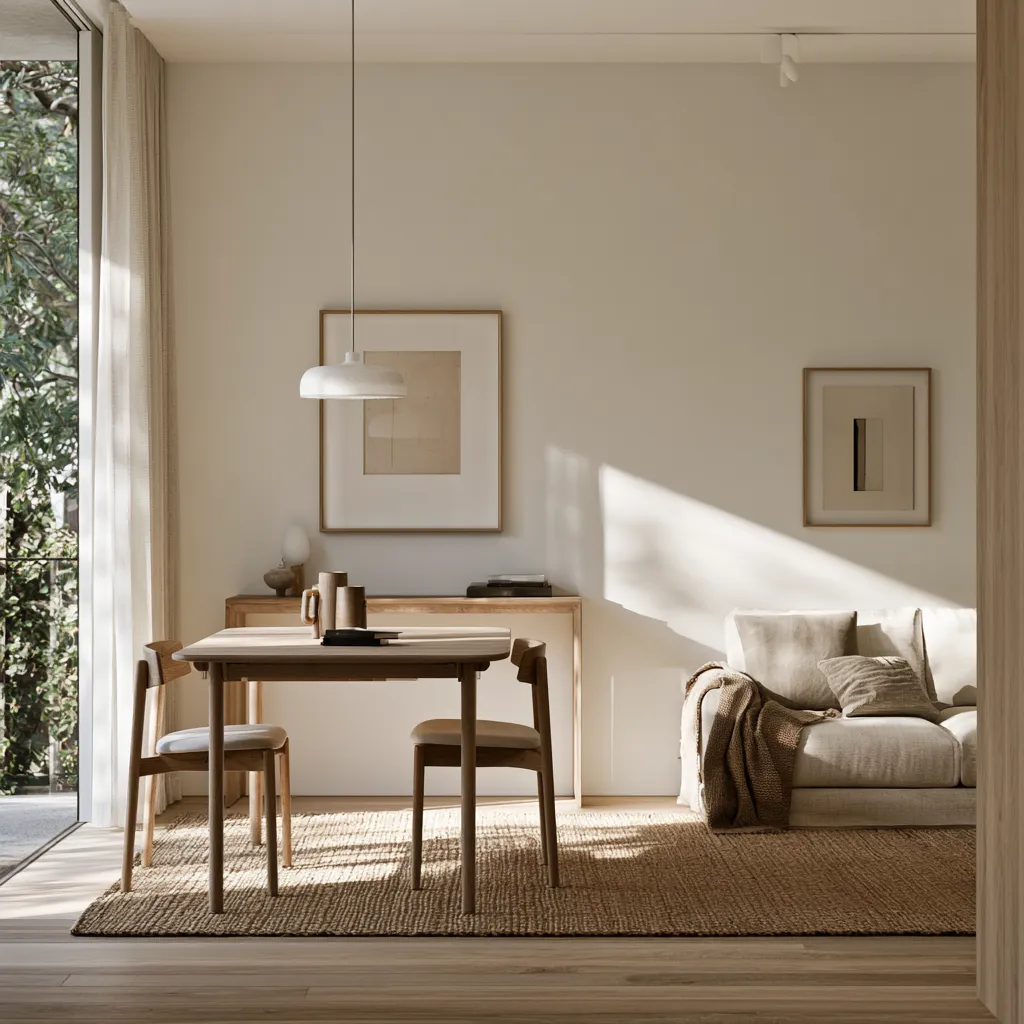
A dinner table doesn’t need to exist only at dinner time. Use it as a display platform. Travel treasures and books of art can reside in one corner, while a plant and a candle reside in the other. That establishes a comfortable, lived‑in look without clutter.
When guests arrive, you can shift decorative items temporarily to make space. The table stays functional and pretty all day.
Color and Seasonal Updates
Color trends evolve, but a simple palette shift freshens a space quickly. In spring or summer, swap napkins or table runners to citrus tones or floral patterns. In cooler months, bring in deeper hues like earthy rust, warm browns, and soft grays for a cozier vibe.
For a surprise touch, think about a fruit-filled centrepiece – actual or artificial fruit such as lemons or oranges in a bowl. It’s fun and seasonal. That’s part of the “farmstead aesthetic” written about in today’s home decor trends.
Blending Furnishings and Chairs
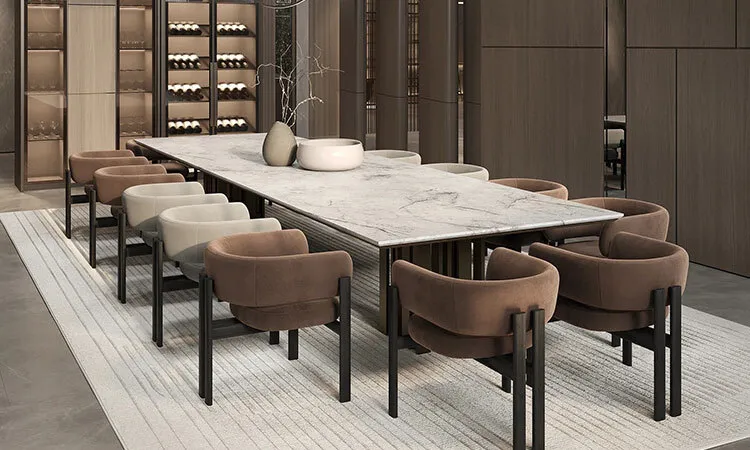
Designers typically recommend that mismatched chairs be placed around a central table. Picture cushioned chairs at the ends and less ornate ones on the sides. This disruption of homogeneity adds personality and comfort where it is needed most.
If all your chairs are identical, even replacing just two with differently finished or colored ones relaxes the appearance. That carefully combined group looks thoughtful and contemporary.
Light and Atmosphere
Dim lighting can immediately transform a table. Opt for hand‑blown glass lamps or an aromatic candle for night styling. Limit overhead light to scale for the table, but nothing too little or overpowering. A suitable pendant light, roughly half the table’s width, provides balance.
Daylight natural light illuminates texture, such as linen napkins, earth-colored vases, and wood grain. Lighter fabrics in warmer times, heavier ones in colder times, for the appropriate texture.
Styling for Occasions
Occasional meals call for a little extra flair. A neutral runner accompanied by layered plates and placemats in muted tones works. Place-setting accents such as tiny name tags, herbs, or flowers create celebratory meals without excess.
Group decorative items in a cluster, such as candles, small bowls of sweets or fruit, and small floral arrangements. Place them low enough that they don’t interfere with sightlines and are simple to remove when the time comes to eat.
Tablescaping as Mindful Practice
Decorating your dinner table is a pause, a reset. It doesn’t require hours, only some intention. Grouping things by height, texture, or colour allows you to play each day. Rearrange something, such as a candle or a coaster, and you will see the space anew.
This ritual makes ordinary surfaces an expression of mood and style.
Final Thoughts
Think beyond the dinner hour. Your table gets no respect even on slow days. Styled as a vignette, a gathering place, or a peaceful reading area, it lends character and personality to your home.
Keep it simple with groupings. Switch them up by season. Let the table show your daily rhythms.