The spaces we inhabit profoundly shape the way we think, feel, and process information. Every wall, window, and piece of furniture acts as a silent psychological trigger, either soothing the nervous system or quietly adding to daily cognitive load. When you step into a carefully curated environment, your breathing often slows, your focus sharpens, and the mental fog begins to lift. This is not magic; it is the direct result of environmental psychology applied to interior spaces. Understanding how the human brain interacts with spatial dimensions, lighting, and physical objects allows us to transform mundane living areas into powerful tools for cognitive optimization. By intentionally curating our surroundings, we take control of our mental bandwidth. The process goes far beyond simple aesthetics or choosing pleasant decorations. It requires a deep dive into how human biology responds to visual stimuli, spatial proportions, and sensory inputs. Through intentional choices, anyone can architect a sanctuary that actively promotes deep focus and emotional equilibrium.
Creating Spatial Harmony For A Clear Mind
The way physical objects are arranged within a given area directly influences our subconscious sense of safety, freedom, and cognitive ease. Evolutionary psychology suggests that human beings are hardwired to prefer environments that offer both prospect and refuge. We want to be able to see our surroundings clearly to anticipate what is coming, while also having a secure place to retreat. When designing a room, applying this evolutionary principle is fundamental to achieving mental clarity. If a space is cramped, difficult to navigate, or blocks lines of sight, the brain perceives it as a subtle threat, which elevates baseline stress levels. Conversely, an open, easily navigable floor plan tells the brain that the environment is safe and predictable, allowing the nervous system to relax and focus on higher-order thinking rather than basic spatial awareness.
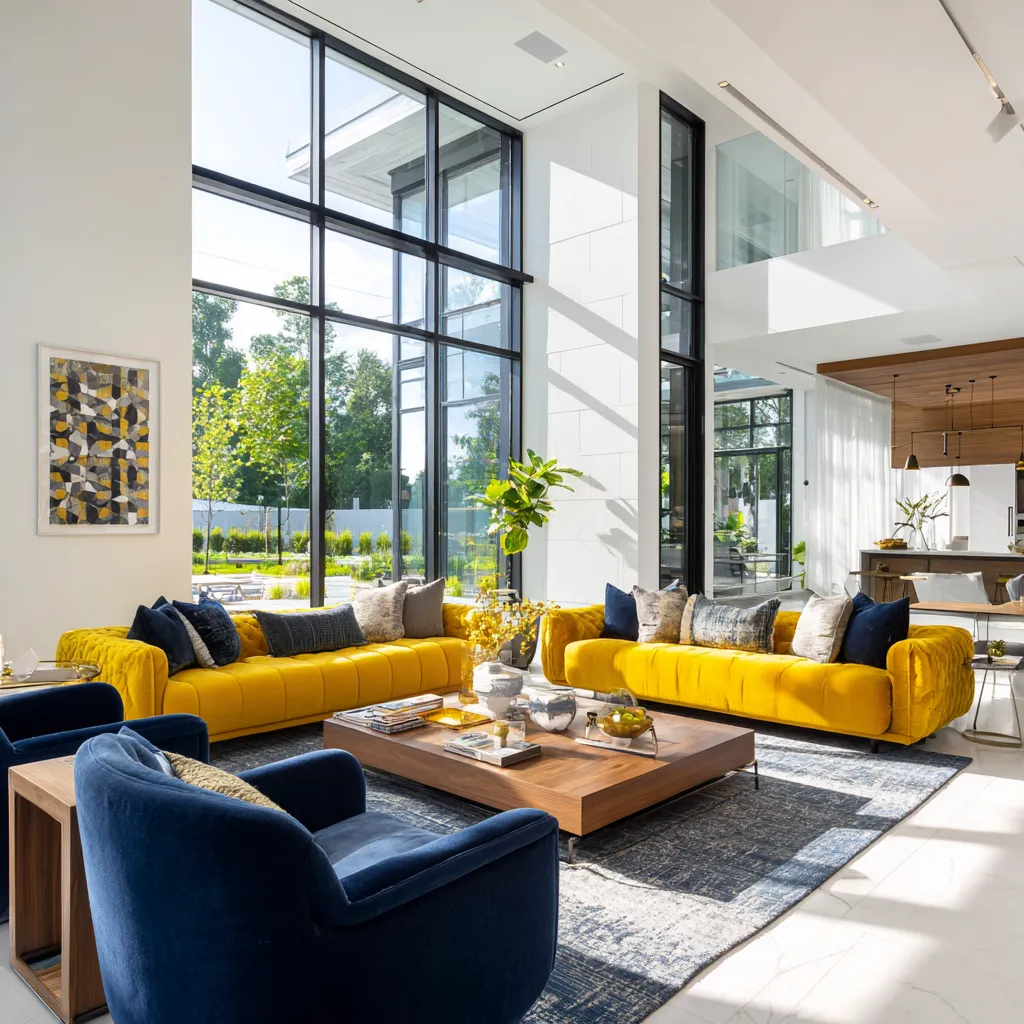
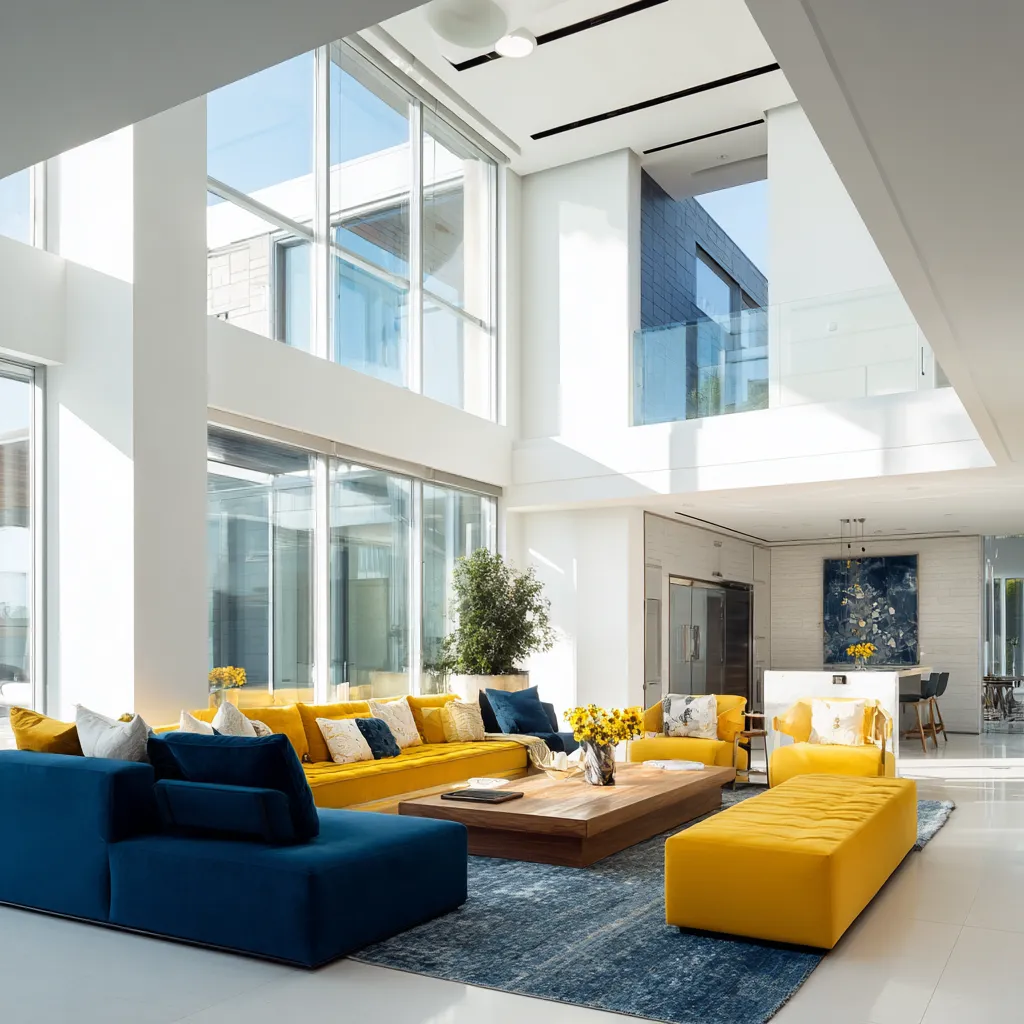
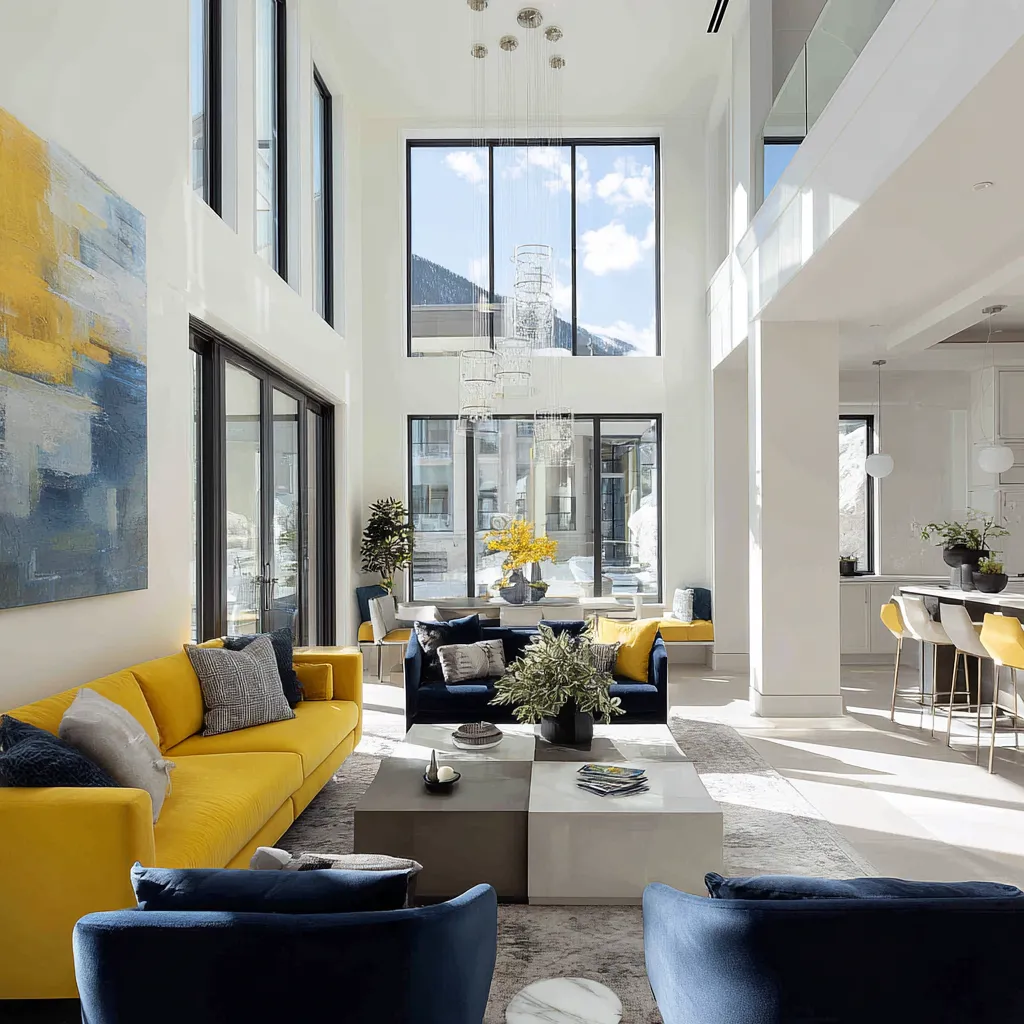
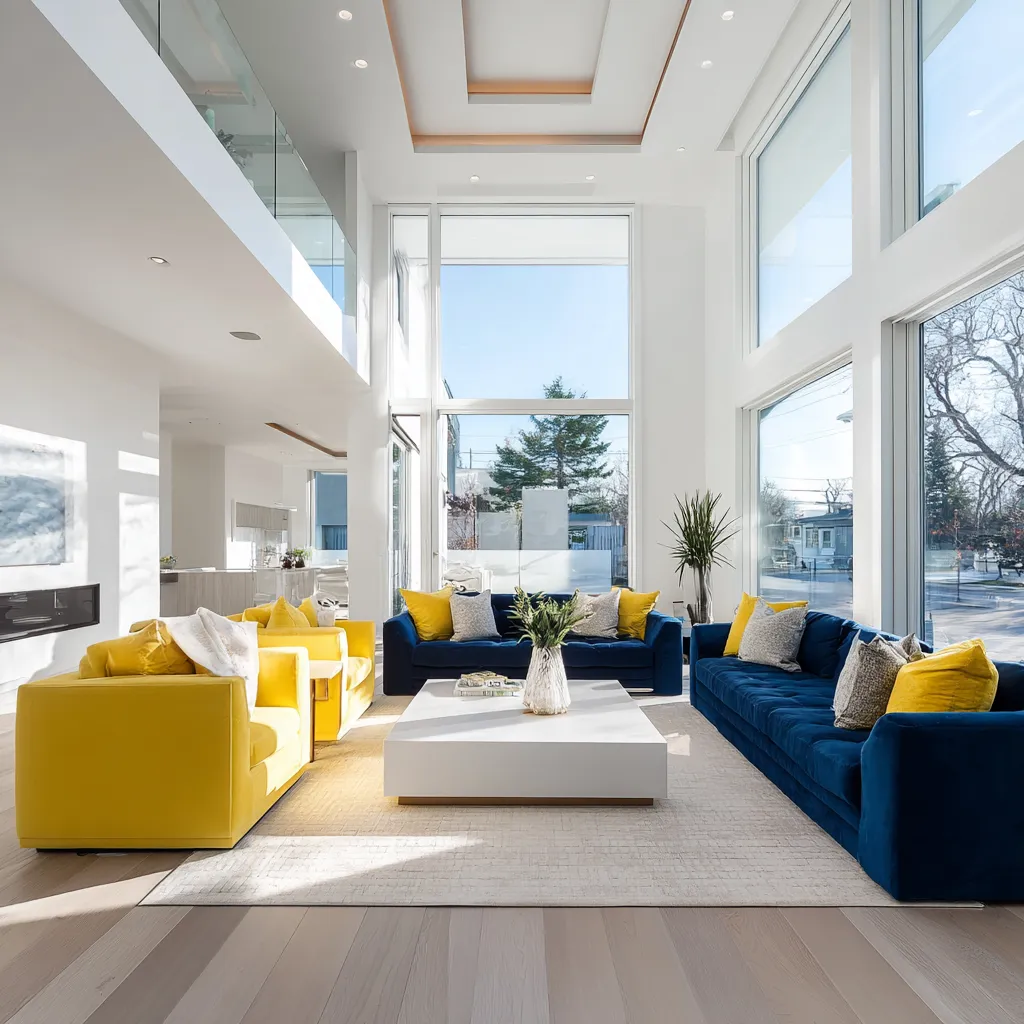
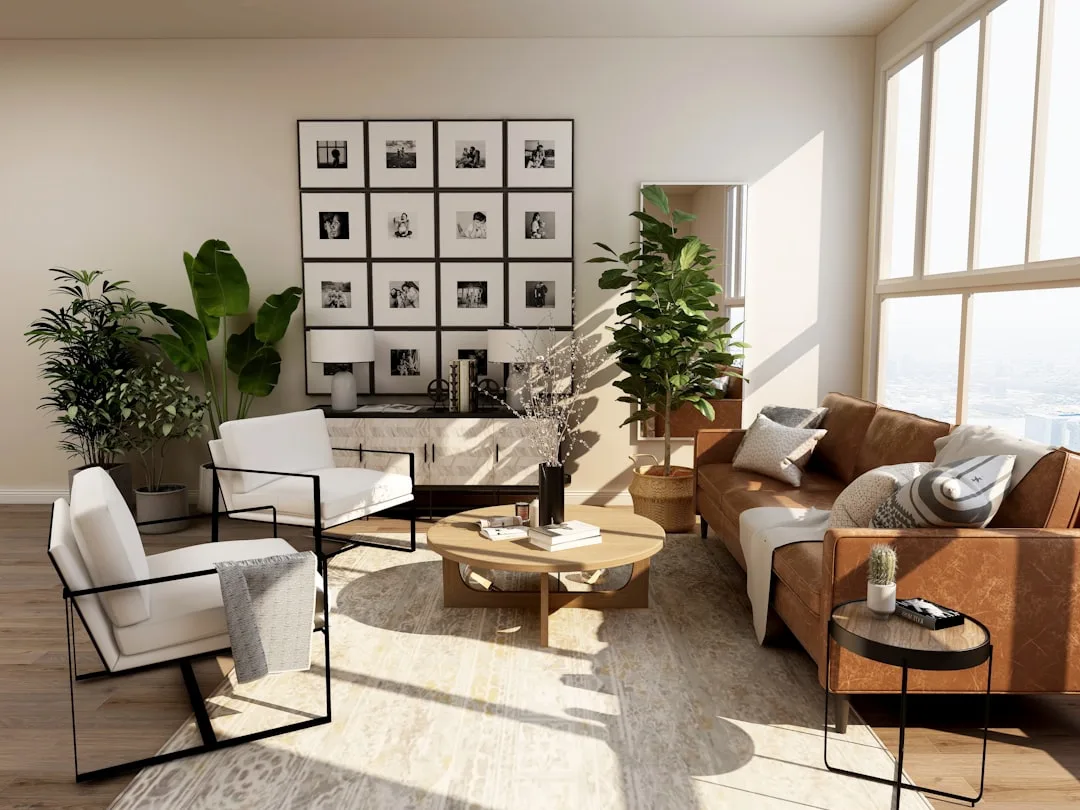
One of the most powerful tools in achieving this spatial harmony is the intentional use of negative space. In the realm of interior psychology, empty space is never truly empty; it is the visual breathing room that allows the mind to rest. Just as pauses in music give notes their meaning, the empty areas in a floor plan give furniture and decor their purpose. When every square inch of a floor or wall is occupied, the visual cortex is forced to work overtime, constantly processing boundaries, shapes, and colors. This relentless processing consumes mental energy, leaving less bandwidth for creativity, problem-solving, or relaxation. By deliberately leaving areas unoccupied, you reduce the visual data the brain must compute. Floating furniture away from walls, leaving generous walkways, and maintaining clear surfaces are all structural decisions that directly contribute to cognitive ease.
Symmetry and proportion also play vital roles in how the brain interprets a physical environment. The human mind is inherently drawn to symmetry because it represents order and predictability. In nature, symmetry is a sign of health and stability. When we replicate this in our living environments, it acts as a shortcut for the brain. A symmetrical layout requires far less effort to decode than a chaotic or highly asymmetrical one. However, absolute symmetry can sometimes feel sterile or unnatural. The key is finding a balance, often referred to as dynamic symmetry or balanced asymmetry, where the visual weight of the space feels equalized even if the objects themselves are not identical. This balance anchors the room, providing a stable visual foundation that prevents the eyes from darting restlessly around the space. When the eyes can rest, the mind can follow suit.
Navigational flow is another critical component of this psychological framework. How we move through a space determines how we experience it. Think of the invisible pathways you take every day—from the door to the desk, from the bed to the closet. If these pathways are obstructed or require awkward maneuvering, they become daily micro-stressors. Over time, these tiny frustrations compound, subtly eroding mental clarity. Designing a room with intuitive, unobstructed flow eliminates these micro-stressors. It allows movement to become automatic and subconscious. When you do not have to think about how to navigate your surroundings, your mind is free to wander, focus, or simply exist in a state of calm.
Ultimately, the goal of spatial harmony is to create an environment that feels like an extension of the self rather than an obstacle course. When the physical structure of a living area aligns perfectly with human cognitive needs, the boundary between the mind and the environment begins to blur. The space becomes a supportive framework that holds your thoughts rather than competing with them. This level of intentionality in interior layout is what separates a merely functional area from a true psychological sanctuary. By prioritizing prospect, refuge, negative space, visual balance, and intuitive flow, you lay the necessary physical groundwork for sustained cognitive focus and emotional peace.
Leveraging Color Psychology And Bright Lighting
Light and color are not merely visual experiences; they are profound biological triggers that regulate our hormones, dictate our energy levels, and heavily influence our moods. The interaction between light waves and the human eye directly connects to the brain’s hypothalamus, which controls the body’s circadian rhythms. When we talk about optimizing an environment for human performance, understanding this biological response is absolutely essential. Designing a room to maximize exposure to the right types of light and color can dramatically shift a person’s baseline state of mind, moving them from sluggishness to alertness, or from anxiety to tranquility.
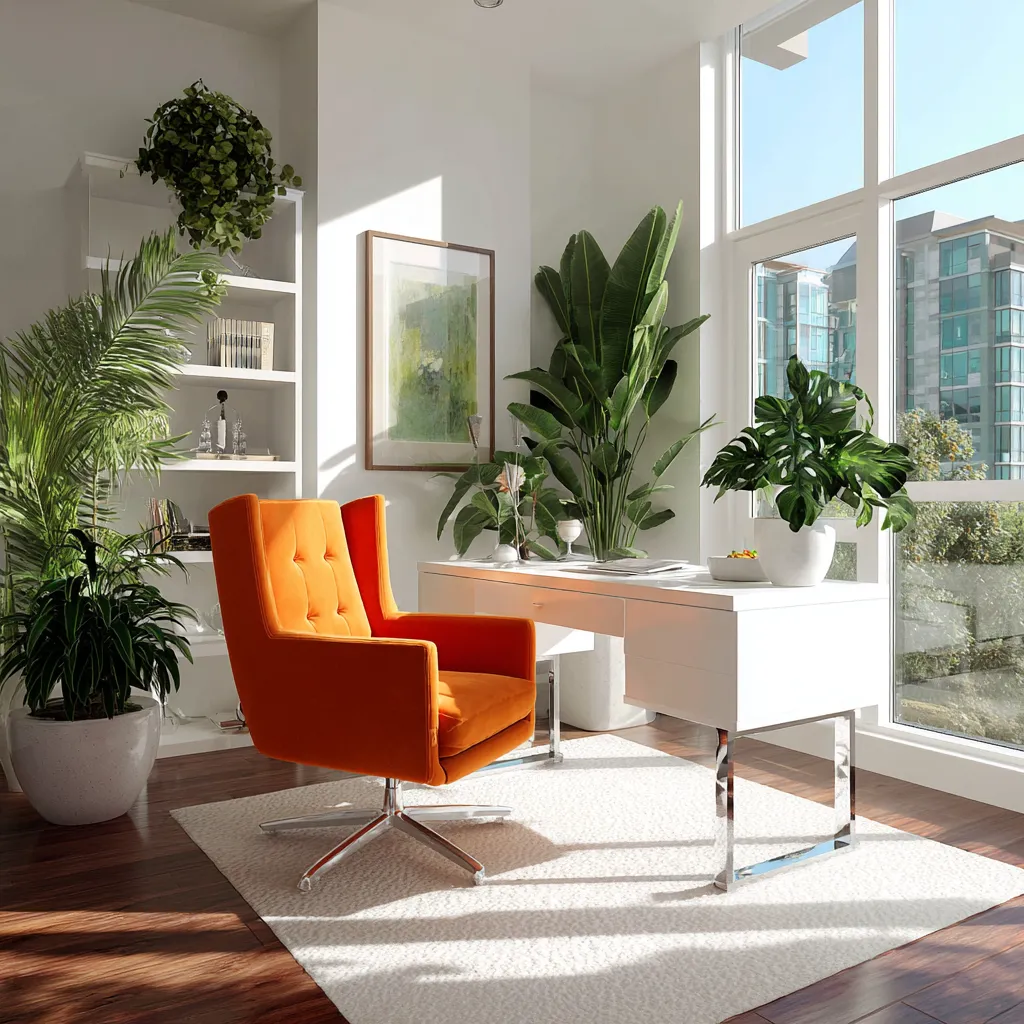
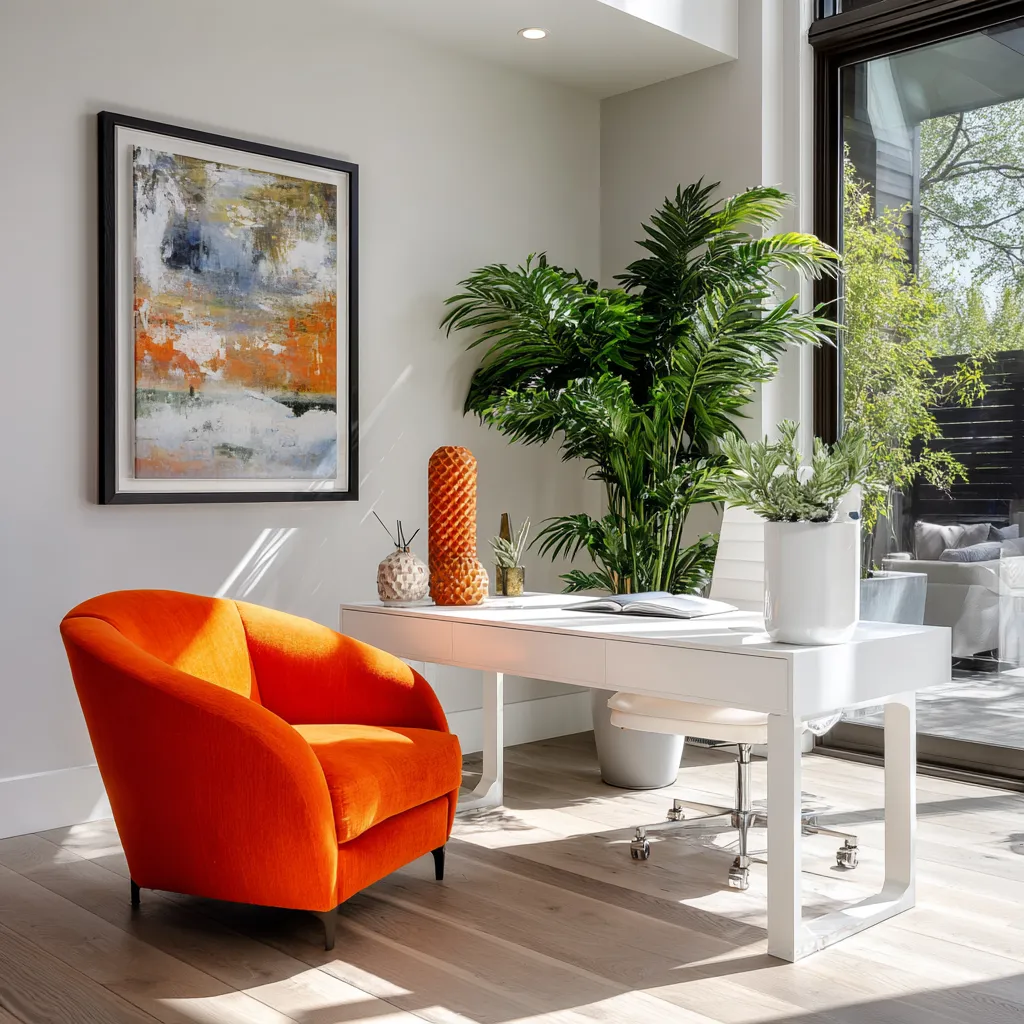
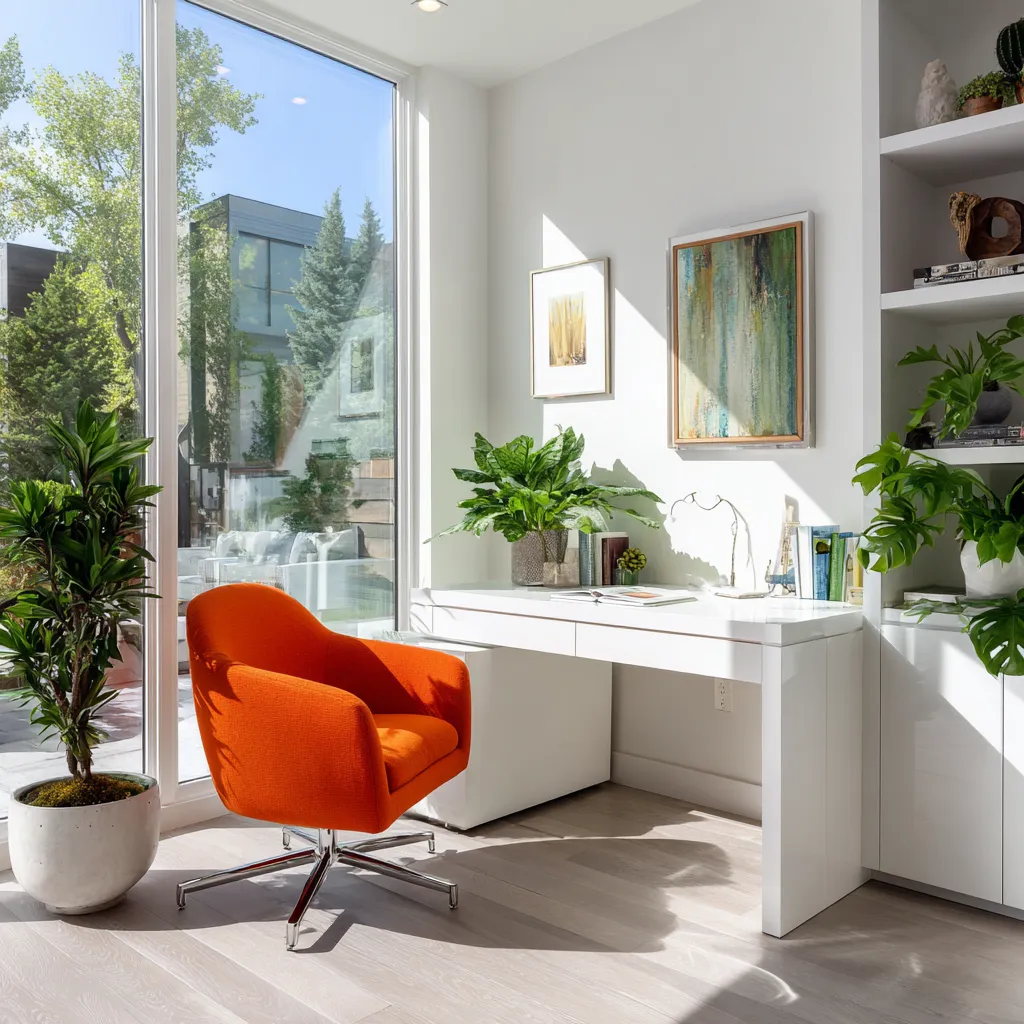
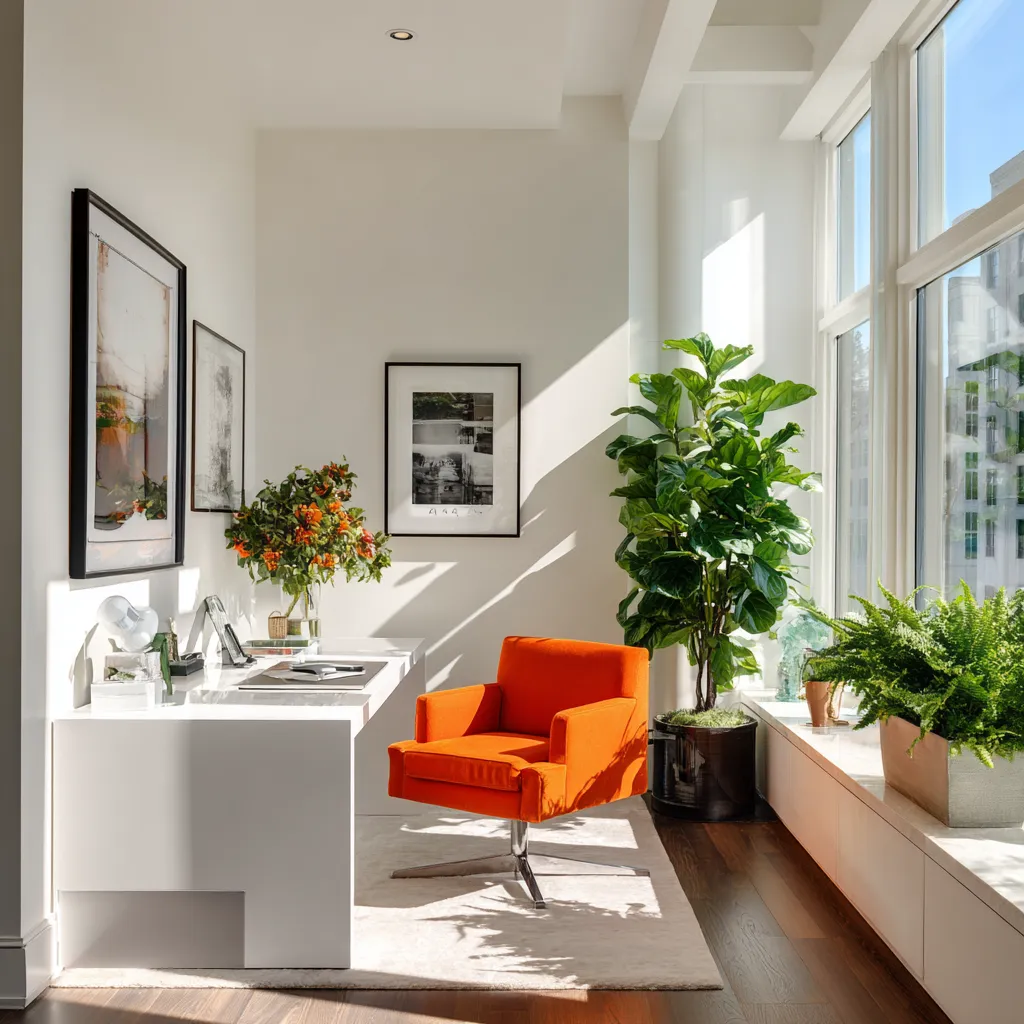
Natural light is the most potent environmental factor in regulating our internal clocks. Exposure to bright, natural daylight signals the brain to suppress melatonin production and increase cortisol and serotonin levels, resulting in heightened alertness and a more positive mood. Spaces that lack adequate natural light often lead to a disruption of these natural rhythms, contributing to fatigue, poor concentration, and even depressive symptoms. Therefore, whenever possible, the structural arrangement should prioritize window access. Work desks, reading chairs, and areas meant for active engagement should be positioned to receive maximum daylight. Even the way sunlight travels across a space throughout the day can be harnessed to support different mental states, utilizing morning light for waking and energizing, and softer afternoon light for winding down.
When natural light is unavailable or insufficient, artificial lighting must step in to bridge the gap, and the psychological impact of these choices is immense. The temperature of a light bulb, measured in Kelvins, dramatically alters the feel of a space. Cool, blue-toned light closely mimics daylight and is excellent for areas requiring intense focus and analytical thinking. It stimulates the brain and keeps the mind sharp. Conversely, warm, amber-toned light mimics the setting sun or a fire, signaling to the brain that it is time to relax and recover. A common mistake in interior planning is using a single, static light temperature for an entire day. Layering different types of lighting—bright overheads for active work, and warm, lower-level lamps for evening relaxation—allows the environment to adapt to the brain’s changing needs, thereby supporting mental clarity at all hours.
Color theory works in tandem with lighting to orchestrate the emotional resonance of an environment. Every hue on the color wheel emits a specific wavelength of light, and the human brain processes these wavelengths differently. High-contrast like tangerine, vivid green, or crisp white act as visual stimulants. They draw the eye, command attention, and can inject a sense of vitality and energy into a space. White, in particular, maximizes the reflection of light, making areas feel larger, cleaner, and more open, which directly contributes to a feeling of mental spaciousness. However, the saturation and placement of these colors must be carefully calibrated. While a bright orange chair might provide a perfect burst of creative energy in a home office, painting an entire wall that same color could easily tip the scale from energizing to overwhelming.
The concept of high-contrast design is particularly effective when trying to define purpose within an area. Sharp boundaries between colors—such as a crisp white desk against a deep blue wall—create clear visual organization. This organization acts as a structural map for the brain, clearly delineating where one activity ends and another begins. This type of visual clarity reduces ambiguity, allowing the mind to categorize the environment effortlessly. Furthermore, integrating the psychology of biophilia through vivid greens connects us to the natural world. Biological responses to nature are universally positive, reducing heart rates and lowering stress hormones. By strategically combining biologically appropriate lighting, purposeful color temperatures, and high-contrast focal points, we can engineer an atmosphere that acts as a continuous, subconscious catalyst for clear thinking and sustained focus.
Mitigating Sensory Overload Through Purposeful Choices
In our modern world, the human brain is under constant assault from sensory information. Digital notifications, urban noise, and visually chaotic environments force our nervous systems to remain in a state of perpetual hyper-vigilance. Over time, this chronic sensory overload depletes cognitive reserves, leading to decision fatigue, irritability, and a profound lack of focus. To combat this, the spaces we control must serve as sensory antidotes to the outside world. Designing a room with the specific intent of mitigating sensory overload is perhaps the most crucial step in fostering true cognitive rest. It requires a philosophy of reduction, where every object, texture, and sound is evaluated for the psychological weight it carries.
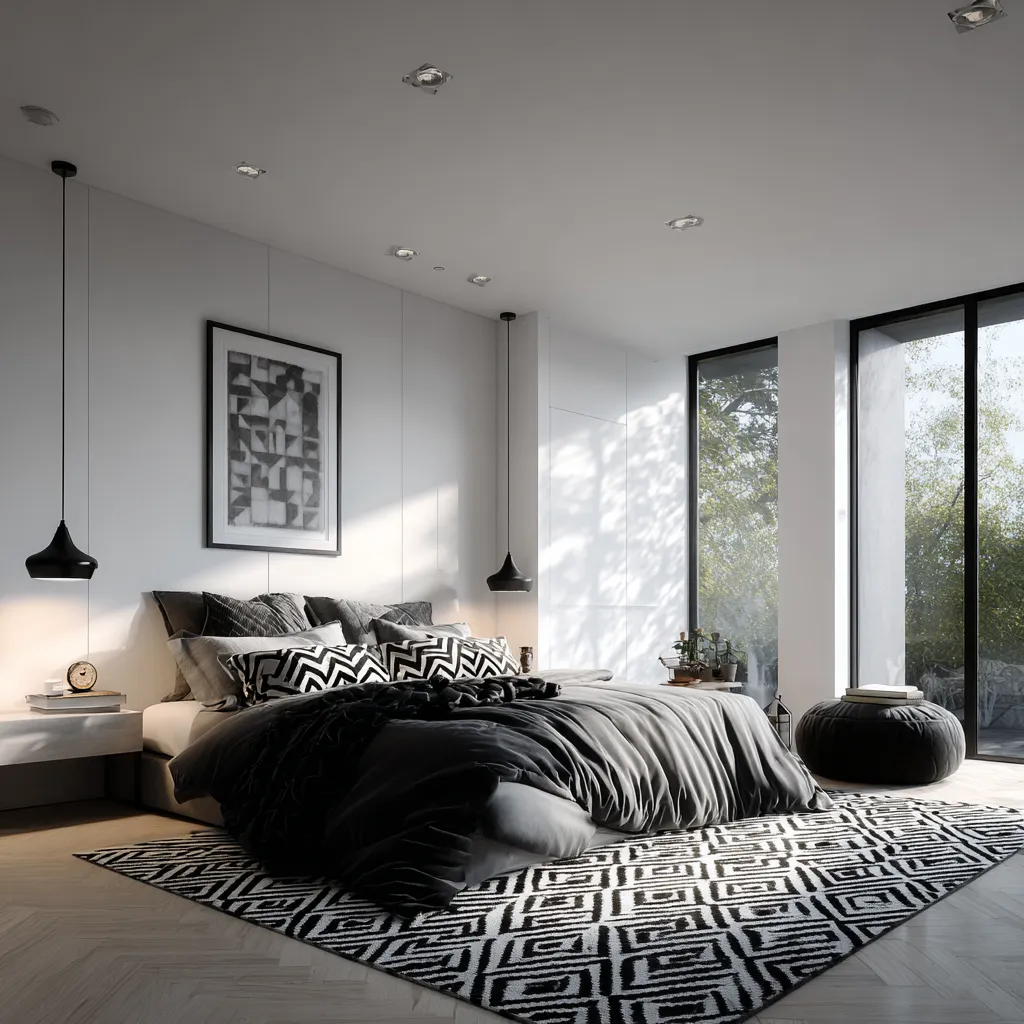
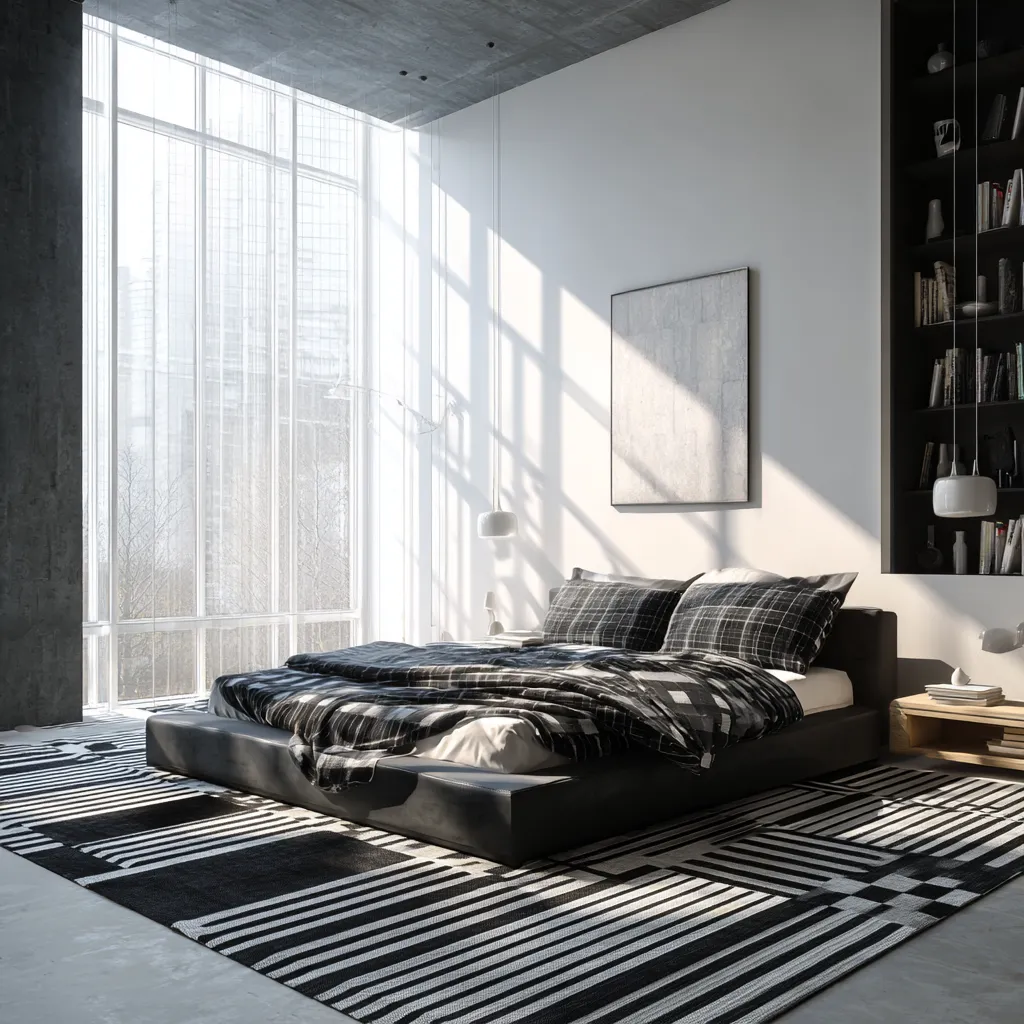
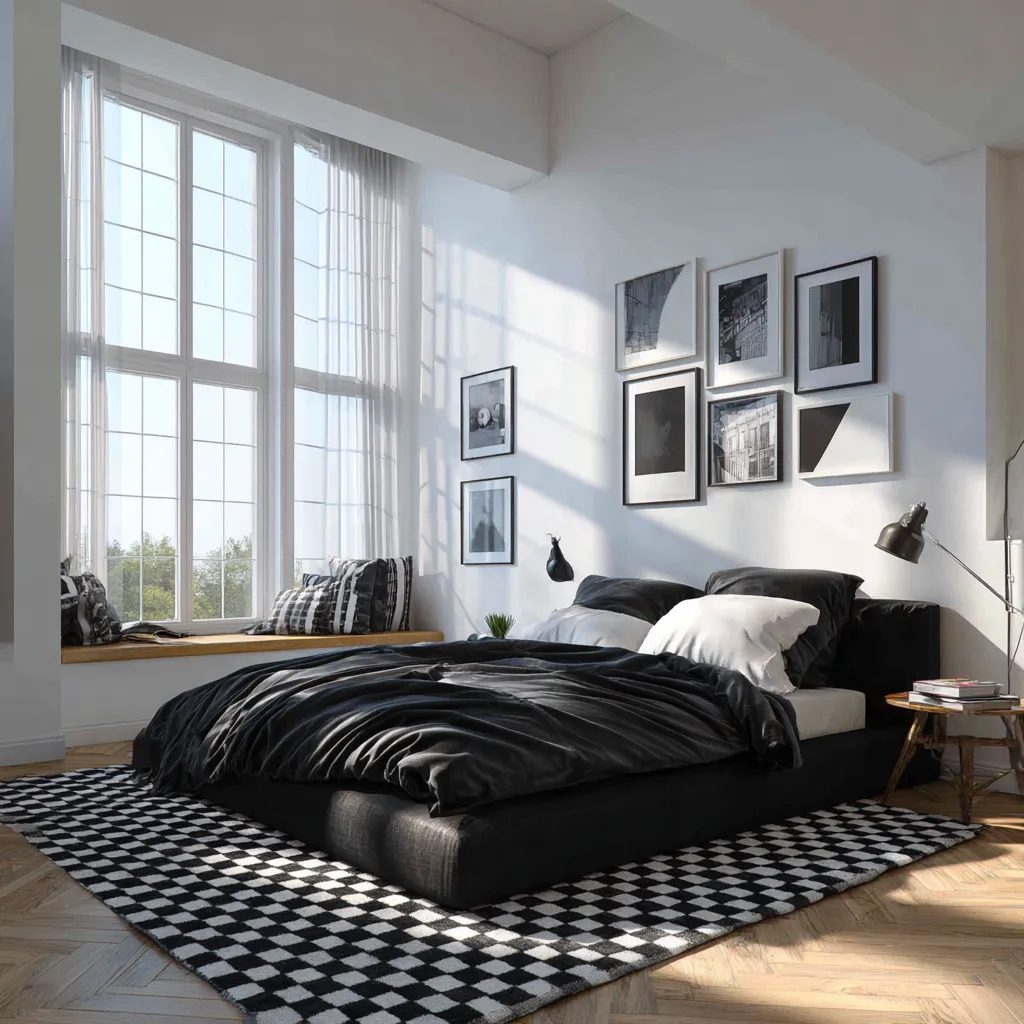
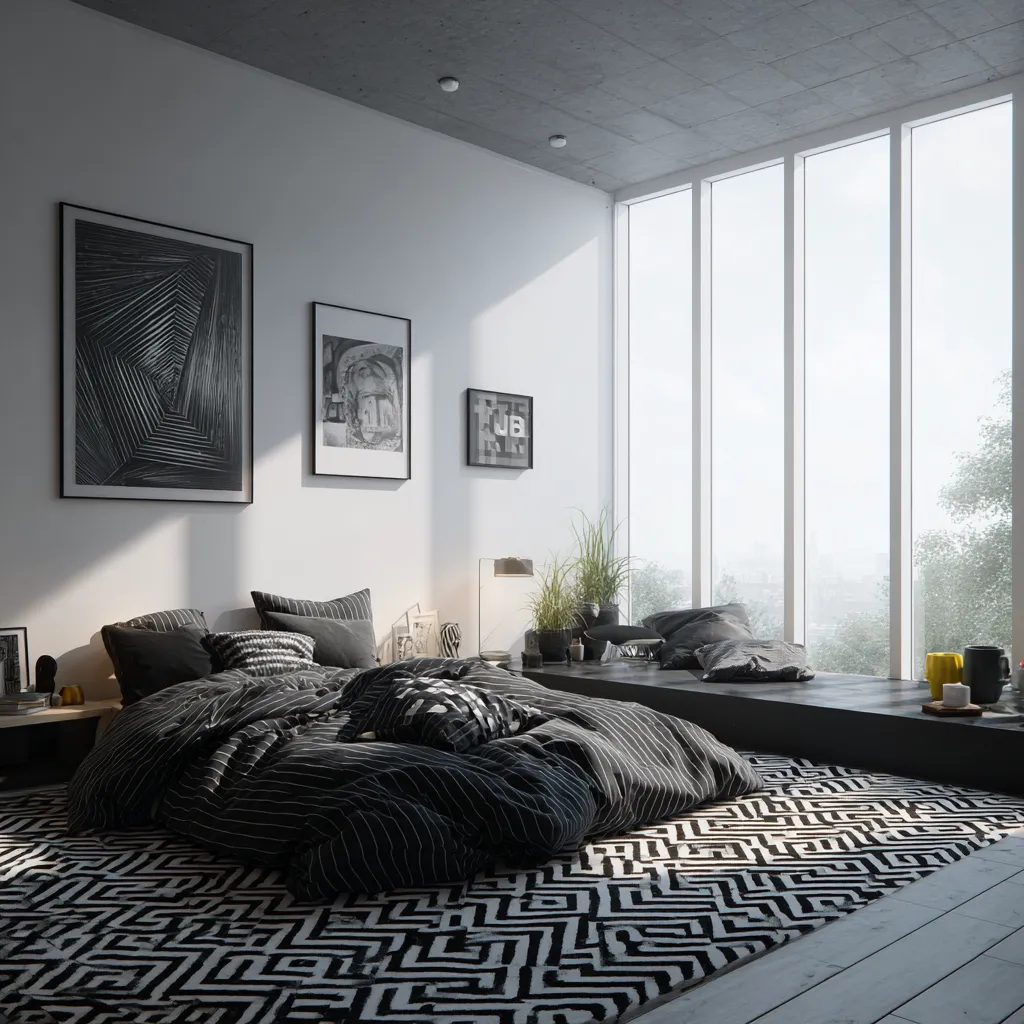
The most immediate and obvious source of environmental stress is visual clutter. Clutter is not merely a physical inconvenience; it is a visual manifestation of unmade decisions and pending tasks. When the eye scans a surface covered in miscellaneous objects, the brain registers each item as a separate piece of data that must be identified and categorized. This continuous background processing creates a low-grade hum of anxiety. Purposeful interior choices heavily favor concealed storage solutions. By hiding everyday items behind closed doors or within sleek cabinetry, you instantly reduce the visual data points the brain has to manage. The resulting clean surfaces and sharp geometric lines provide a sense of visual silence. This silence is what allows the mind to transition from a state of reactive processing to one of proactive thought or deep relaxation.
Beyond the visual realm, the auditory landscape of an environment is deeply tied to mental clarity. Hard, flat surfaces like glass, concrete, and unadorned walls reflect sound waves, creating echoes and amplifying background noise. This reverberation can make a space feel cold, clinical, and stressful. Mitigating this requires the strategic implementation of acoustic dampening. While the aesthetic might be highly minimalist and high-contrast, incorporating elements that absorb sound is vital. Heavy drapes, upholstered headboards, or strategically placed rugs soften the auditory environment. When the acoustic bounce of a space is controlled, the ambient noise level drops, significantly reducing the subconscious strain on the nervous system. A quiet room naturally promotes a quiet mind.+1
The tactile experience of a space also contributes heavily to our psychological state. The textures we interact with daily send immediate signals to the brain regarding safety and comfort. Sharp, cold materials can feel modern and crisp, which may aid in alertness, but they can also feel alienating if overused. Balancing a high-contrast, visually sharp aesthetic with textures that are pleasing to the touch creates a more holistic sensory experience. The goal is to ensure that the physical interactions within the environment—the feel of a drawer pull, the texture of a chair, the temperature of the floor—do not provide jarring or unpleasant sensory spikes. Every interaction should feel intentional, smooth, and predictable.
Embracing this level of purposeful curation requires shifting one’s mindset from accumulation to intentionality. It is about understanding that empty space is a luxury and that visual quiet is a necessity for mental health. When you eliminate the unnecessary, the essential elements of the environment are allowed to shine. This meticulous control over visual, auditory, and tactile inputs creates a sanctuary insulated from the chaotic demands of the external world. By drastically reducing the volume of sensory information the brain must process, you free up massive amounts of cognitive energy. This energy can then be redirected toward personal well-being, creative endeavors, or simply enjoying a state of undisturbed, profound mental clarity.
The environment you surround yourself with is never a neutral backdrop; it is an active participant in your daily cognitive function. When we take the time to understand the biological and psychological mechanisms that dictate our reactions to space, light, and sensory input, we gain a powerful advantage. The arrangement of our physical surroundings directly correlates with our internal state. By applying principles of spatial harmony, utilizing the biological triggers of color and illumination, and ruthlessly eliminating sensory noise, we transform our living areas into engines of focus and tranquility. Cultivating this kind of deliberate environment is an ongoing practice of prioritizing mental well-being over fleeting aesthetic trends. Ultimately, by taking control of the physical spaces we inhabit, we take decisive control over our own cognitive potential, paving the way for sustained peace and sharper focus.