Open-plan living promised freedom and light. What it delivered was your neighbor’s phone call bleeding into your conference call, children’s voices echoing through your home office, and the kitchen blender drowning out every conversation in the adjacent living room. In 2026, acoustic glass interior doors have become the silent solution—literally. Unlike traditional hollow-core or solid wood doors that muffle sound unevenly, acoustic glass technology now isolates noise by up to 40 decibels using laminated interlayers and specialized gasket seals, giving homeowners back privacy without sacrificing the visual openness they craved.
Sound Transmission Class ratings now reach STC 50 in residential applications
The Sound Transmission Class (STC) rating measures how much noise a door blocks, measured in decibels. A standard hollow-core door sits around STC 20—essentially useless for privacy. Acoustic glass interior doors now achieve STC 50 or higher, meaning they block roughly 50 decibels of sound: a normal conversation becomes a whisper, an office meeting stays contained. This threshold is critical because STC 50 matches soundproofing requirements in professional studios and clinical settings.
Dorma’s Hueppe SolidCore 50 glass door system ($2,800–$4,200 per unit depending on size) uses dual-laminated glass with acoustic-grade interlayer and magnetic gasket seals to hit STC 50 on standard 36-inch openings. That’s a $1,500–$2,000 premium over standard frameless glass doors, but eliminates the need for expensive post-installation acoustic panels or retrofit glazing. The real payoff: a home office in a shared open plan no longer requires headphones and earplugs just to focus.
Quick Tips
- Confirm STC rating in writing—manufacturers often cite lab conditions, not real-world installation.
- Pair acoustic glass doors with acoustic frame seals; glass alone won’t perform if air gaps exist around the frame.
- Test door swing clearance in open-plan layouts; acoustic doors are heavier (60–85 lbs vs. 40 lbs for standard glass), requiring reinforced hinges.
- Combine with soft furnishings: curtains, rugs, and wall absorption reduce reverberation that even STC 50 doors don’t eliminate.
Laminated interlayer technology replaces traditional air-gap insulation
Traditional soundproofing relied on air gaps—hollow cavities between two panes. That approach wastes space and creates thermal bridging that defeats energy efficiency. Modern acoustic glass doors use polyvinyl butyral (PVB) or ethylene-vinyl acetate (EVA) interlayers bonded between glass sheets, absorbing vibrations as sound waves travel through the material itself. This approach is more compact and performs consistently across frequencies.
Steelcase’s Frames Acoustic Glass Door ($3,100–$5,400) uses triplex lamination—three panes with dissimilar thickness and dual interlayers—to break acoustic resonance patterns. The unequal glass thicknesses prevent sound from vibrating all panes in unison, a phenomenon called coincidence loss. That’s why a 9-9-9mm glass door (all equal) performs worse than a 6-8-10mm configuration, even though both weigh the same.
The failure mode here is widespread: homeowners order acoustic glass doors from online retailers, install them with standard aluminum or vinyl frames designed for non-acoustic glass, and discover they sound like regular glass doors because frame gaskets aren’t rated for acoustic performance. The door itself could deliver STC 50, but poor frame installation drops real-world performance to STC 35–40, costing thousands while solving nothing.
| Door Type | STC Rating | Typical Cost |
|---|---|---|
| Standard hollow-core wood | STC 20–25 | $150–$300 |
| Solid wood door | STC 30–35 | $400–$900 |
| Standard frameless glass | STC 28–32 | $1,200–$2,000 |
| Acoustic laminated glass | STC 48–52 | $2,800–$5,400 |
Magnetic gasket seals control air leakage that undermines soundproofing
A 1-millimeter air gap around a door frame can reduce STC performance by 5–8 points. Acoustic glass doors now integrate neodymium magnetic gaskets and compression seals that close the gap down to 0.2mm—tighter than any mechanical weatherstripping. When the door closes, magnets embedded in the frame pull the gasket tight against the glass edge, creating an acoustic seal that also prevents thermal bypass.
NanaWall’s SolidCore 75 Acoustic Glass Door system ($4,500–$6,800) pairs triplex acoustic glass with dual magnetic gasket tracks and compression seals, achieving STC 52 while maintaining zero air infiltration. That airtightness adds another $1,200–$1,500 to the cost compared to standard gasketless systems, but reduces HVAC load and eliminates cold drafts in winter. Over a 15-year lifespan, the reduced heating and cooling bills save roughly $600–$900, offsetting roughly half the acoustic premium.
Installation matters enormously here. The frame must be shimmed plumb and level within 1/16 inch, or gaskets won’t compress evenly. Dorma specifies certified installation partners because field shortcuts—skip shimming, use silicone caulk instead of compression seals—are invisible to the customer but destroy acoustic performance. Always verify that installers are factory-certified for the specific door system.
Frameless glass aesthetics now align with acoustic performance standards
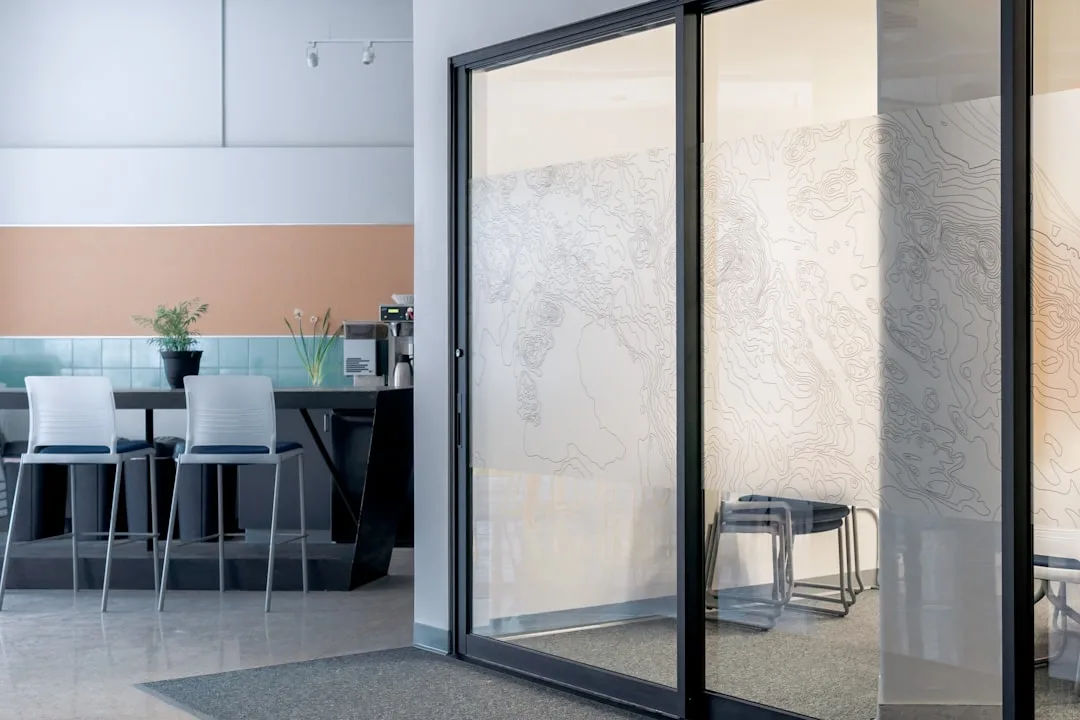
Acoustic glass doors were originally associated with heavy, visible frames—institutional and visually heavy. In 2026, frameless and semi-frameless designs now meet acoustic specs without sacrificing the minimalist look that open-plan homes demand. Minimal steel or aluminum frame edges (6–12mm) house magnetic tracks and gasket channels invisibly, maintaining clean sightlines while performing acoustically.
Glas Italia’s AcustiGlass Door ($3,400–$5,600) combines Italian frameless design with German acoustic engineering, using a 38mm total thickness (acoustic glass plus minimal frame) while achieving STC 50. That’s lightweight enough for standard swing hardware and elegant enough to look identical to non-acoustic frameless glass doors from 8 feet away. The visual difference: none. The acoustic difference: 30 decibels of isolation versus 8 decibels from standard glass.
This shift explains why acoustic glass interior doors are trending now—they solve a real pain point (open-plan noise) without forcing homeowners to accept institutional aesthetics or heavy visual clutter. Combined with internal linking to related door design content like stained glass front doors or window treatment ideas for sliding glass doors, acoustic glass doors complete a thoughtful interior strategy that balances transparency, privacy, and acoustic control in modern homes.