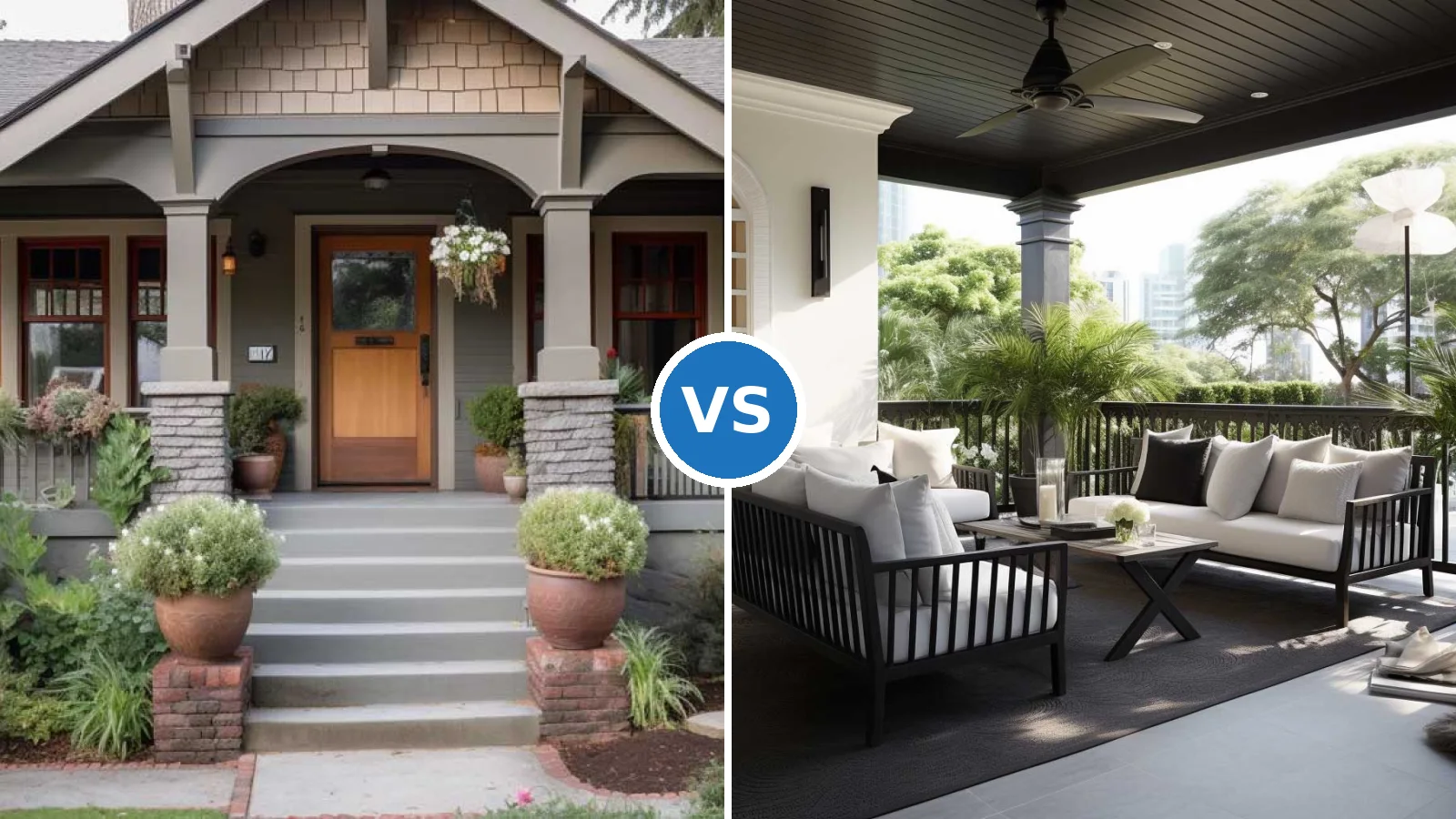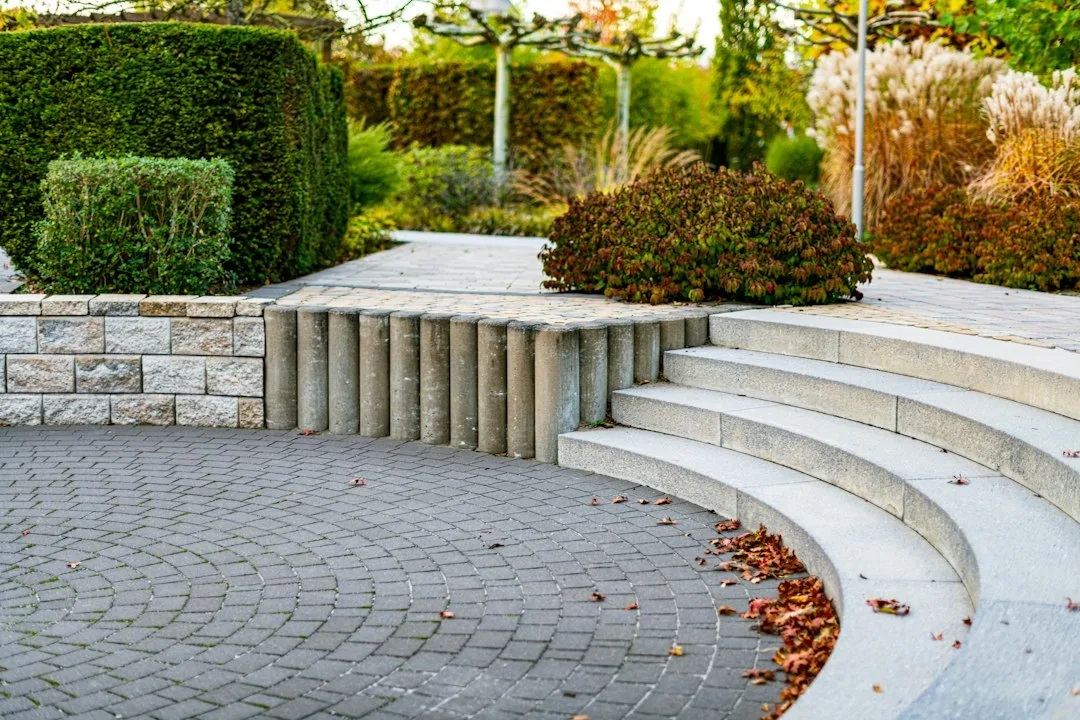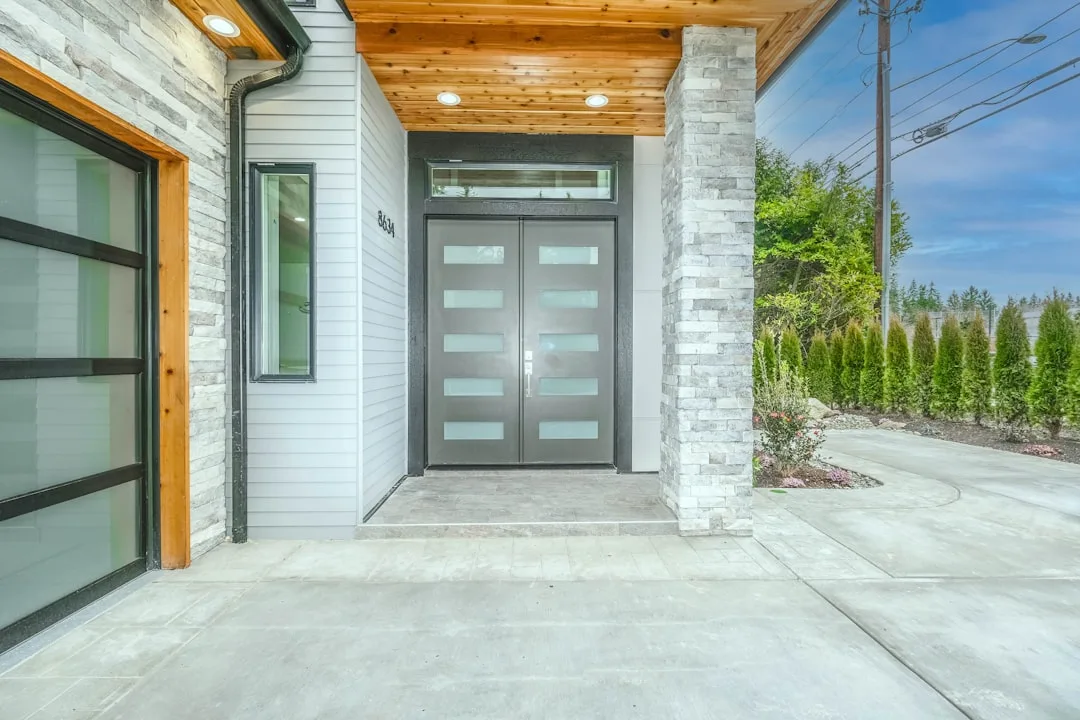
A homeowner in Portland watches rainwater pool on her concrete porch after every storm, staining the surface and creating a slip hazard. She calls a contractor, expecting a full replacement. Instead, he suggests permeable pavers—a material that doesn’t exist in her old neighborhood but is now standard in June 2026. Within two weeks, her porch drains naturally, no pooling, no damage. This is not a luxury upgrade. This is how porch floors work now.
Why Permeable Pavers Dominate Residential Porches
Permeable paver technology has shifted from niche to mainstream because climate patterns demand it. Traditional concrete traps water. Permeable pavers let it pass through, draining into a sub-base and reducing runoff by up to 100 percent. The Environmental Protection Agency now factors drainage into residential building codes across 34 states, making permeable surfaces a code requirement in coastal and flood-prone regions.
Homeowners are choosing permeable materials for three concrete reasons: durability without replacement costs, visual variety concrete cannot match, and measurable water management. A porch floor lasts 15–20 years under standard wear; permeable pavers last 20–25 years and can be replaced individually if damaged. That difference compounds.
Brands Leading Porch Floor Material Innovation
Belgard Permeable Pavers ($16–$20 per square foot) dominate residential projects because their ProBase sub-structure ensures consistent drainage and eliminates the settling that plagues cheaper alternatives. A 150-square-foot porch costs $2,400–$3,000 installed, compared to $1,500 for standard concrete—a $900–$1,500 premium that recoups itself through 5–7 extra years of lifespan without resealing or crack repair.
Techo-Bloc’s Permea series ($14–$18 per square foot) offers 12 color options and supports both herringbone and running-bond patterns, allowing homeowners to match existing decorative porch columns or siding. Marshalls Tegula Permeable ($15–$19) and Unilock’s Permeable Eco-Series ($13–$17) round out the market leader tier, each emphasizing regional stone sourcing and carbon-neutral firing processes.
Mid-market brands like CII (Concrete Innovation Inc.) permeable units at $10–$14 per square foot serve budget-conscious homeowners but require professional installation to meet drainage codes—skipping that step is where most failures occur.
Installation Methods That Prevent Common Failures
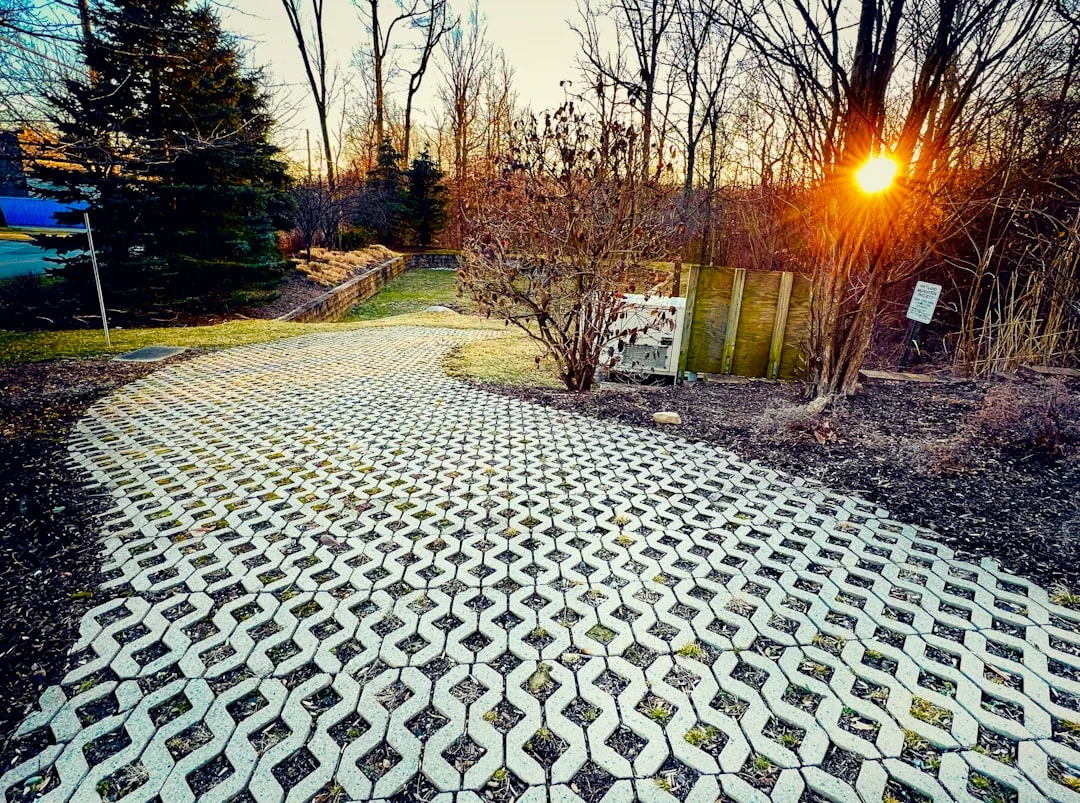
The #1 reason permeable porch floors fail: improper sub-base preparation. Homeowners or cut-rate installers skip the geotextile membrane, place pavers directly on soil, and watch them sink unevenly within 18 months. Proper installation requires 4–6 inches of compacted stone base, a woven geotextile layer, the paver bed, and jointing sand (not polymeric sand, which clogs pores). This five-layer system costs labor, which is why rushed projects fail.
A Portland contractor, hired to “just replace a porch,” excavated 8 inches, laid pavers on sand without geotextile, and finished in one day for $1,200. Six months later, frost heave created a 2-inch gap at the center. The correct process—compact existing subgrade, add geotextile, install 4-inch base course of ASTM-rated stone, 1-inch bedding layer, pavers, then polymeric jointing—took three days and cost $2,100. But it lasts 25 years without settling.
Drainage testing is mandatory in 2026. Installers pour water onto the porch surface; it should disappear within 5 minutes. If it pools for longer, the base is compacted too densely and water has nowhere to go.
Styling Porch Floors With Permeable Pavers
Permeable pavers now come in textures, colors, and formats that rival traditional stone. Marshalls Tegula in Charcoal ($16 per square foot) pairs with black metal railings for an industrial aesthetic that matches farmhouse porch ideas updated for 2026. Belgard’s Catalina Stone in Warm Taupe ($18 per square foot) integrates seamlessly with clay brick or terracotta trim, creating visual continuity from entry to siding.
Herringbone and running-bond patterns add motion without cost—both use the same paver, just arranged differently. Herringbone adds 8–12% to labor (more cuts, more precision) but creates a visual anchor that draws the eye upward, making narrow porches feel wider. Running-bond is faster to install and suits minimalist homes where horizontal lines dominate the design language.
Homeowners should select pavers with a slight bevel or chamfer to hide joint lines and create shadow gaps that add depth. Flat-edge pavers, cheaper by $1–$2 per square foot, photograph dull and age visibly as joint materials discolor.
Maintenance and Long-Term Value
Permeable pavers require annual maintenance: light pressure washing (under 1,500 PSI—higher pressure forces water into joints) and jointing sand top-up every 2–3 years as wind and foot traffic displace material. Budget $200–$400 annually for a 150-square-foot porch, versus $0 for concrete in good condition but $800–$1,200 for resealing and crack repair once damage appears.
Winter performance in freeze-thaw regions demands salt-tolerant jointing material and proper base drainage. Unilock’s Permeable Eco-Base, rated for 50+ freeze-thaw cycles, costs slightly more than standard stone ($4–$6 per square foot) but prevents frost heave that ruins cheaper systems within three seasons. In USDA zones 4–6, this upgrade is non-negotiable.
Resale value is measurable. Homes with visible water management features (permeable porches, rain gardens, bioswales) sell 3–7 percent faster in suburban markets and command 2–4 percent price premiums in regions prone to flooding. This is not aspirational marketing—it is the 2026 buyer expectation.