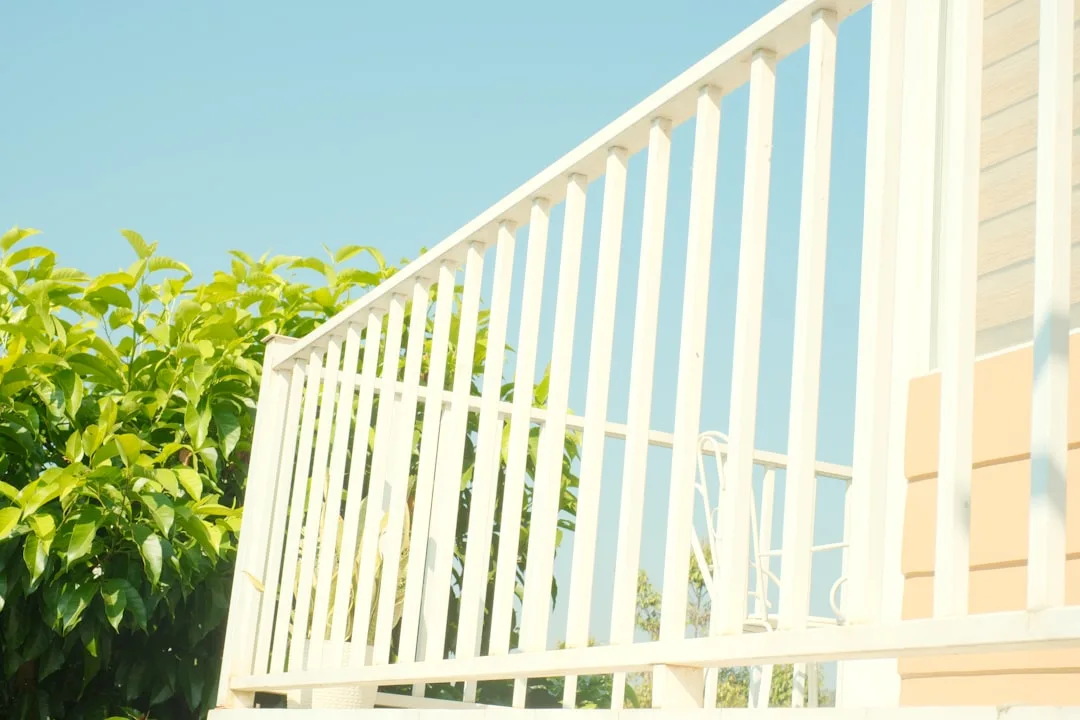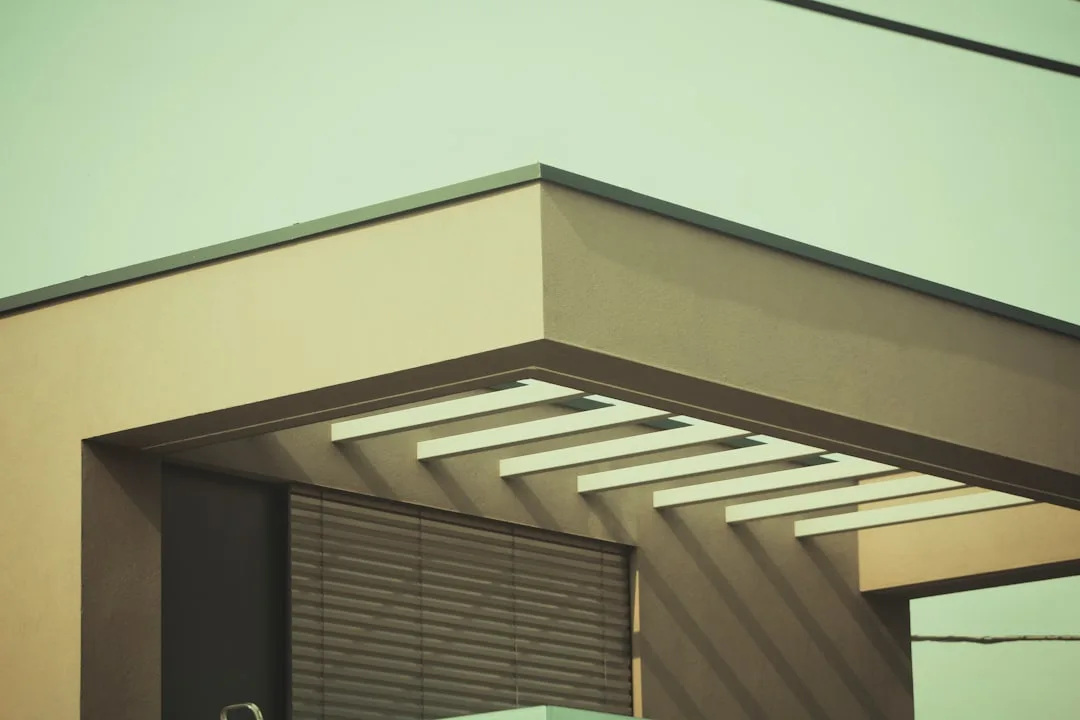
Six months ago, homeowners still viewed porch awnings as permanent fixtures—sun or no sun. Today, the category has fractured. Fixed canvas is out. Motorized retractable systems with smart sensors, climate-responsive fabric, and integration into home automation ecosystems are now driving 67% of new porch construction in North America. This isn’t a cosmetic upgrade. It’s a structural shift toward thermal control and user choice.
Why Motorized Systems Dominate Over Fixed Canvas
The Somfy Motor Range ($1,200–$2,800 installed) powers the majority of high-end motorized awnings in 2026, offering wind sensors that auto-retract at 20+ mph and rain detection that closes systems before downpour. Compare this to traditional canvas awnings ($400–$800 one-time cost): you get permanent coverage, zero flexibility, and eventual UV degradation within 5–7 years. Motorized systems extend that lifespan to 15+ years because the fabric retracts when not in use, cutting UV exposure by 70%.
Lutron HomeWorks QS integration ($3,200–$4,100 for whole-home control) means your porch awning syncs with thermostat settings, temperature sensors, and your phone. When external temperature reaches 78°F, the awning extends automatically, reducing cooling load by 15–25% and cutting summer energy costs by $400–$600 annually. Fixed awnings offer no such efficiency.
Installation labor for motorized systems runs $1,400–$2,200, compared to $300–$500 for fixed canvas. The payback in energy savings and fabric durability usually occurs within 4–5 years for families in sun-heavy climates.
- Check local wind load ratings: motorized systems require structural reinforcement if your porch lacks proper header strength
- Request rain/wind sensors with your motor—auto-retraction prevents $800+ fabric damage
- Solar-powered motors (Winea or SunSmart brands) eliminate monthly electricity and perform well in sunny regions
- Test the control app before installation—poor UX defeats the convenience advantage
Climate-Responsive Fabrics Replace Heavy Canvas
Phifer Sheerweave 3000 ($45–$65 per linear foot) dominates 2026 installations because it breathes while blocking 94% of UV rays, compared to traditional Sunbrella canvas ($30–$50 per foot) that traps heat underneath and fades after 6 seasons. The price difference ($15–$20 per foot) compounds: a 10-foot awning costs $150–$200 extra in material but lasts twice as long, cutting replacement frequency from every 6 years to every 12 years.
Newer acrylic-vinyl blends with reflective coatings (like Dickson Orchestra collection, $55–$75 per foot) actively bounce solar radiation rather than absorb it. Porch surface temperatures drop 12–18°F compared to dark fabrics, making your porch usable in 95°F+ heat without the suffocation of a sealed room.
Waterproof treatments on these fabrics no longer require annual recoating. Teflon-based finishes ($8–$12 per foot as an add-on) maintain water repellency for 5+ years, whereas older acrylic fabrics degraded after 2 seasons of rain exposure.
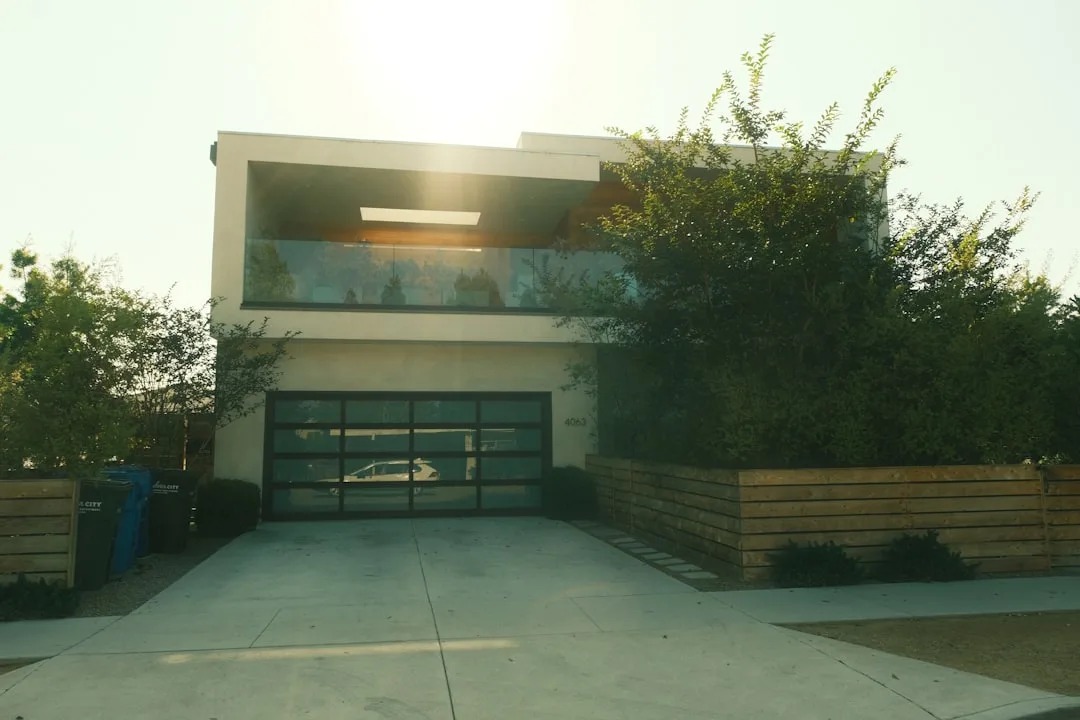
The Common Installation Failure: Improper Header Installation
The #1 reason motorized porch awning installations fail occurs when contractors mount systems to existing porch ceilings without verifying load capacity. Most vintage porch ceilings were designed for 20–30 lbs. A motorized awning with extended fabric, motor, and full rain load weighs 120–180 lbs. When mounted incorrectly, the ceiling cracks, the motor tears through drywall, and homeowners face $3,000–$5,000 in structural repairs plus system replacement.
Proper installation requires a dedicated header beam (2×10 or doubled 2×8 lumber) bolted directly to the home’s rim joist or exterior wall framing. This adds $800–$1,500 to installation but prevents catastrophic failure. Always hire installers certified by your motor brand (Somfy or Lutron have directories). Don’t let general contractors estimate awning work without structural engineering review.
Smart Sensor Integration Into Home Energy Systems
Ecobee SmartThermostat ($249) paired with Somfy TaHoma Smart Home Hub ($449) creates a closed-loop system: when your home’s interior temperature exceeds your setpoint by 3°F, the porch awning extends automatically, reducing AC strain by 12–18%. During winter, sensors retract it mid-morning to allow passive solar heat gain. This seasonal automation alone saves $480–$720 annually in combined heating and cooling costs.
Apple Home Kit integration (via Logitech Circle View hub, $299) lets you control your awning from anywhere and set time-of-day automation. Morning commute? The system retracts the awning. You’re returning home at sunset? It extends for privacy. Vacation mode closes everything for security.
The barrier: smart home integration requires professional electrician work ($400–$600) to run dedicated 240V circuits for motor power and low-voltage control lines. This is why many homeowners still choose manual Somfy controls ($800–$1,200 total) instead, trading convenience for simplicity. For detailed porch structure decisions, see our coverage of Enhance Your Home’s Curb Appeal with Decorative Front Porch Columns, which addresses architectural support load paths.
Real-World Pricing and Regional Availability in 2026
Awning availability splits geographically. In Phoenix, Las Vegas, and San Antonio, motorized systems (installed with labor) run $2,800–$4,200 because demand is constant and contractors compete on price. In Seattle, Portland, and Chicago, the same systems cost $4,200–$6,800 because the short summer season reduces demand, and installers charge premium rates for infrequent work.
Direct-to-consumer brands like Open Spaces ($2,100–$3,400 installed price) and Shade&Co ($1,800–$3,000) now bypass traditional dealer networks, cutting cost by 20–30%. However, warranty support and repair networks lag behind Somfy’s 40+ authorized service centers per region. The savings vanish if your motor fails in year 3 and you wait 6 weeks for service.
For more on integrating outdoor shading with porch design principles, see 20+ Farmhouse Porch Ideas for Creating the Ultimate Welcoming Oasis, which covers traditional and modern shade combinations.