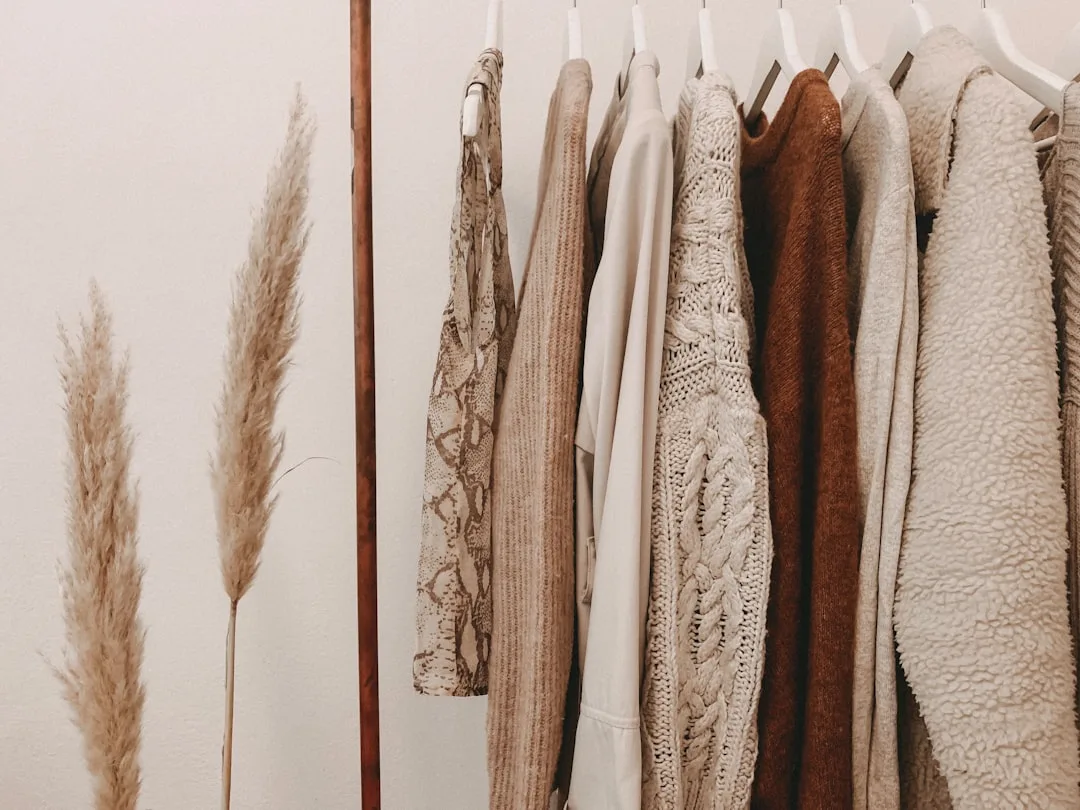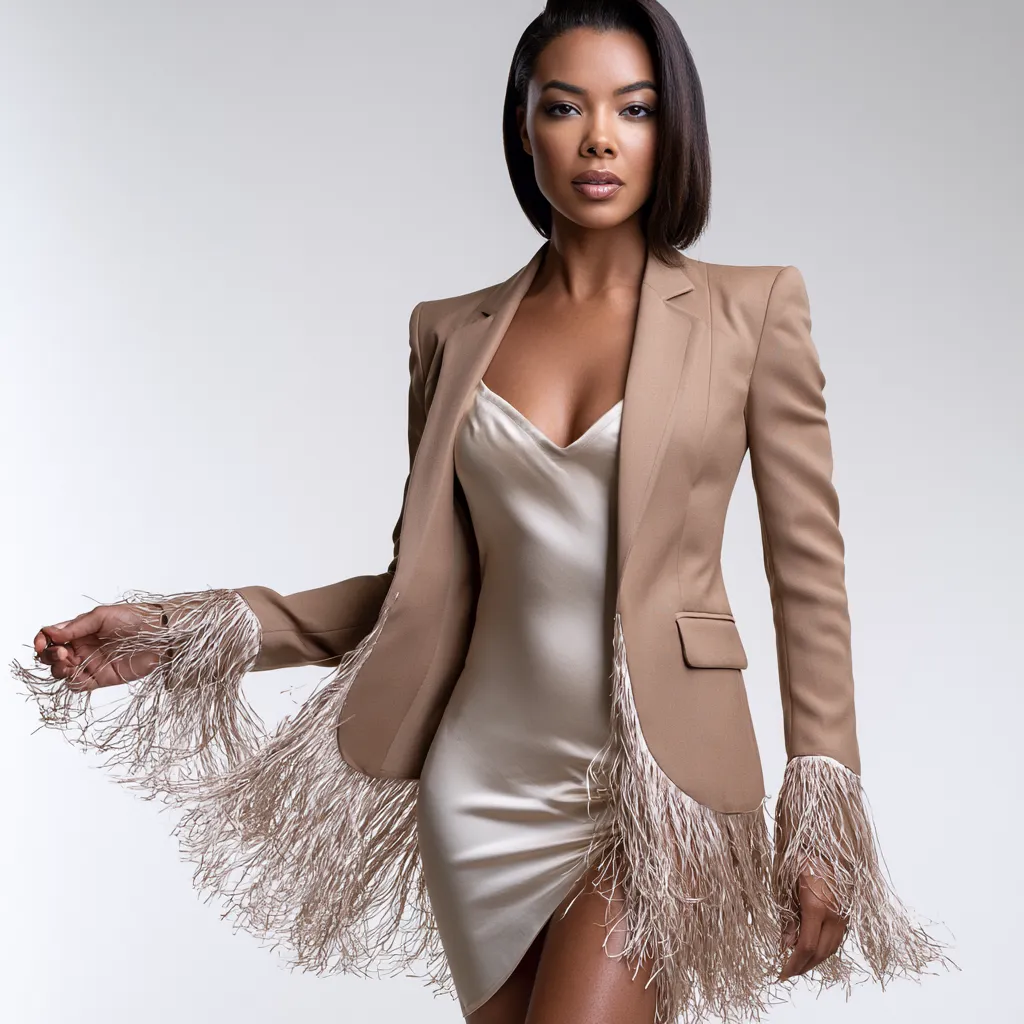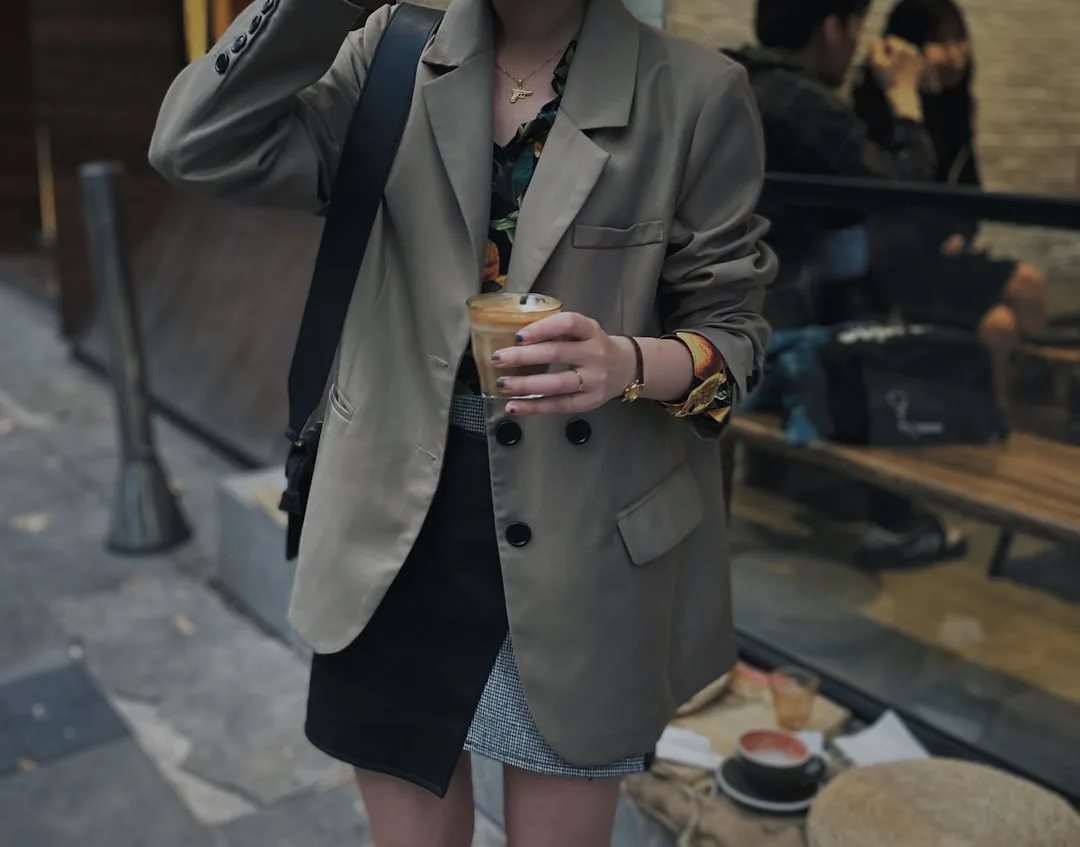
Utilitarian tailoring has emerged as the dominant aesthetic of mid-2026, overtaking the softer silhouettes that characterized the past two seasons. This isn’t about throwing on a cargo pant and calling it fashion—it’s a sophisticated merger of workwear functionality with the sharp, considered structure of traditional tailoring. The result is clothing that looks intentional, feels purposeful, and responds to a cultural moment that values practicality without sacrificing visual impact.
The Origins: From Runway to Reality
The seeds were planted during Paris Fashion Week in October 2025, when Lemaire, The Row, and Khaite all showed variations on structured workwear. Lemaire’s collection featured blazers with oversized flap pockets and adjustable waist tabs. The Row presented trousers with reinforced knees and hidden cargo compartments. Khaite added military epaulettes and utility straps to otherwise minimal silhouettes. By January 2026, COS, Arket, and & Other Stories had translated these references into accessible pieces, and by March, the trend had reached critical mass on search and social platforms.
What separates this moment from previous utility trends is the emphasis on tailoring. Where 2023’s cargo resurgence leaned casual and oversized, 2026’s utilitarian pieces maintain clean lines, fitted waists, and deliberate proportions. The functionality is real—these garments have working pockets, adjustable elements, and durable construction—but the execution is polished.
That shift is real.
Key Design Elements Defining the Trend
Cargo pockets are appearing on blazers, not just pants. Designers are integrating patch pockets with flap closures onto structured jackets, creating visual weight at the hip while maintaining a fitted shoulder and waist. This asymmetry between top and bottom creates a balanced silhouette that feels modern without being costume-like.
Military details are being applied with restraint. Epaulettes, D-ring belts, and button-tab closures reference uniform dressing, but in neutral palettes—olive, sand, charcoal, and navy—that read as sophisticated rather than literal. Brands like Totême and Frankie Shop have mastered this balance, offering trench coats with buckled straps and field jackets in elevated fabrics like bonded cotton and technical twill.
Technical fabrics are bridging performance and style. Ripstop nylon, coated cotton, and lightweight canvas are appearing in traditionally formal pieces. Ganni’s April 2026 drop included a blazer in water-resistant poplin with sealed seams. Acne Studios released a series of wide-leg trousers in parachute fabric with reinforced stitching. These aren’t outdoor gear—they’re tailored garments with outdoor functionality embedded.
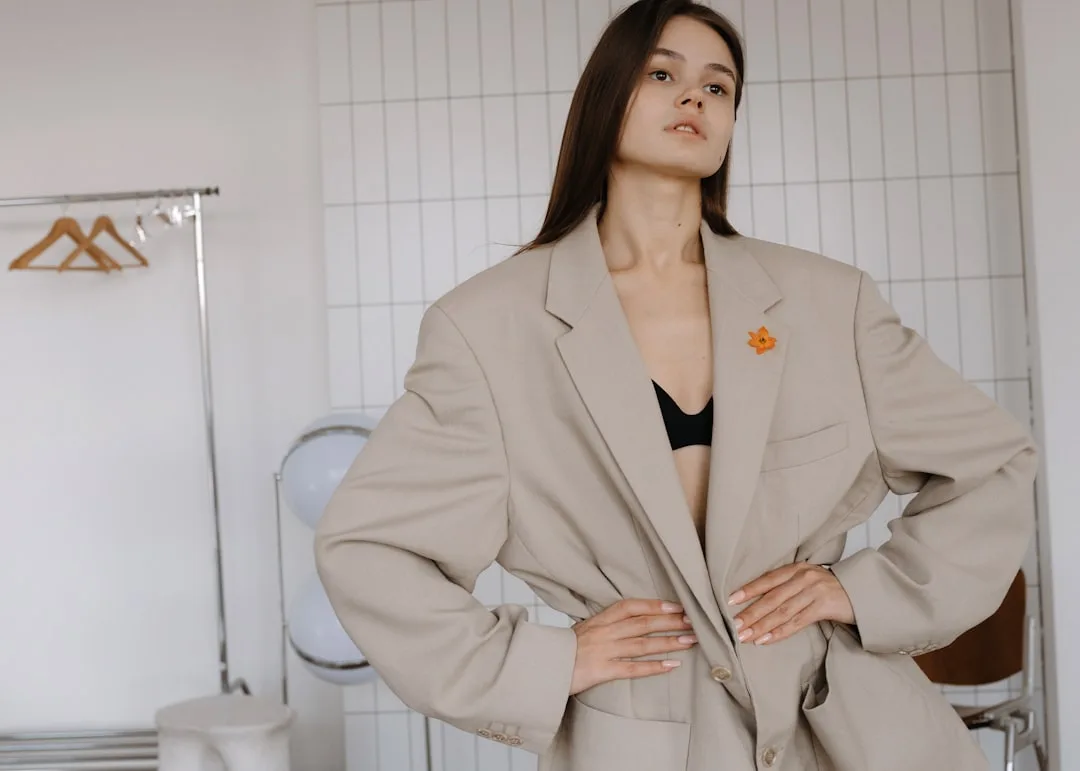
Why This Trend Resonates Now
The appeal is partly practical. As hybrid work continues and travel patterns shift toward longer, less frequent trips, clothing that transitions seamlessly between contexts has obvious value. A cargo blazer works in a meeting, on a plane, and at dinner. Trousers with actual pocket capacity eliminate the need for a separate bag for shorter outings.
But there’s a psychological component too. Utilitarian tailoring projects competence and preparedness—qualities that feel stabilizing in an uncertain moment. The structured silhouettes convey authority, while the functional details suggest readiness and capability. It’s fashion that communicates, “I can handle whatever comes next,” without saying anything at all.
This trend also aligns with broader shifts we’ve been tracking. The move away from overtly feminine silhouettes continues, building on the momentum we identified in Spring 2026 Fashion Trends: The Pieces Everyone Wants Right Now. Where Y2K nostalgia emphasized decoration and embellishment—as we explored in Why The Y2K Aesthetic Is Still Dominating Women Fashion Trends—utilitarian tailoring strips back to essentials. It’s the pendulum swinging toward reduction, function, and quiet confidence.
How to Incorporate Utilitarian Tailoring
Start with one statement piece rather than a head-to-toe uniform look. A cargo blazer in olive or sand worn over simple trousers and a white tee creates immediate impact without feeling overwrought. Look for versions with welt pockets at the chest and patch pockets at the hip—this creates visual interest while maintaining proportion.
Invest in technical trousers with tailored cuts. Wide-leg styles in ripstop or coated cotton offer the aesthetic of the trend with genuine functionality. Brands like Cos, Arket, and Uniqlo U have strong options under $150. Pair with streamlined knits or fitted shirts to balance the volume.
Layer utility vests over structured pieces. A sleeveless cargo vest in neutral tones adds dimension to blazers or long-sleeve shirts without adding bulk. This approach works particularly well for transitional weather and gives you adjustable functionality throughout the day.
Choose accessories that reinforce the aesthetic. Canvas crossbody bags with multiple compartments, technical belts with metal hardware, and minimal leather boots with utilitarian stitching details all support the overall direction without requiring major wardrobe overhaul.
The Longevity Question
Utilitarian tailoring has staying power because it addresses real needs rather than purely aesthetic desires. The pieces are inherently versatile, seasonless, and durable—qualities that support both sustainable consumption patterns and practical wardrobes. Unlike trends that rely on novelty or nostalgia, this one’s rooted in functionality that remains relevant regardless of cultural shifts.
The risk is oversaturation. If every brand floods the market with cargo blazers and technical trousers, the trend will feel diluted by fall. But the core principle—merging function with refined structure—is adaptable enough to evolve. We’re already seeing designers experiment with softer fabrics, curved lines, and unexpected colors within the utilitarian framework, suggesting the aesthetic has room to mature rather than simply expire.
For now, utilitarian tailoring represents fashion’s most coherent response to how we’re actually living in 2026: mobile, adaptable, and seeking clothing that works as hard as we do. This is worth paying attention to.
Related: Edible Hardscaping: Why Designers Are Planting Food in Patios and Pathways
Related: Bio-Integrated Mycelium Is Replacing Conventional Building Materials
Related: The Biophilic Pet Zone: Why Designers Are Merging Animal Spaces With Living Greenery
Related: Why Artisan-Made Furniture Is Replacing Mass Market Design in 2026
Related: The Pollinator Lawn Takeover: Why Americans Are Finally Ditching Grass
Related: Nature-Drenching: The 2026 Outdoor Trend That Erases the Line Between Garden and Home
Related: Nature-Drenching: The Outdoor Design Movement Rewriting What Gardens Are For