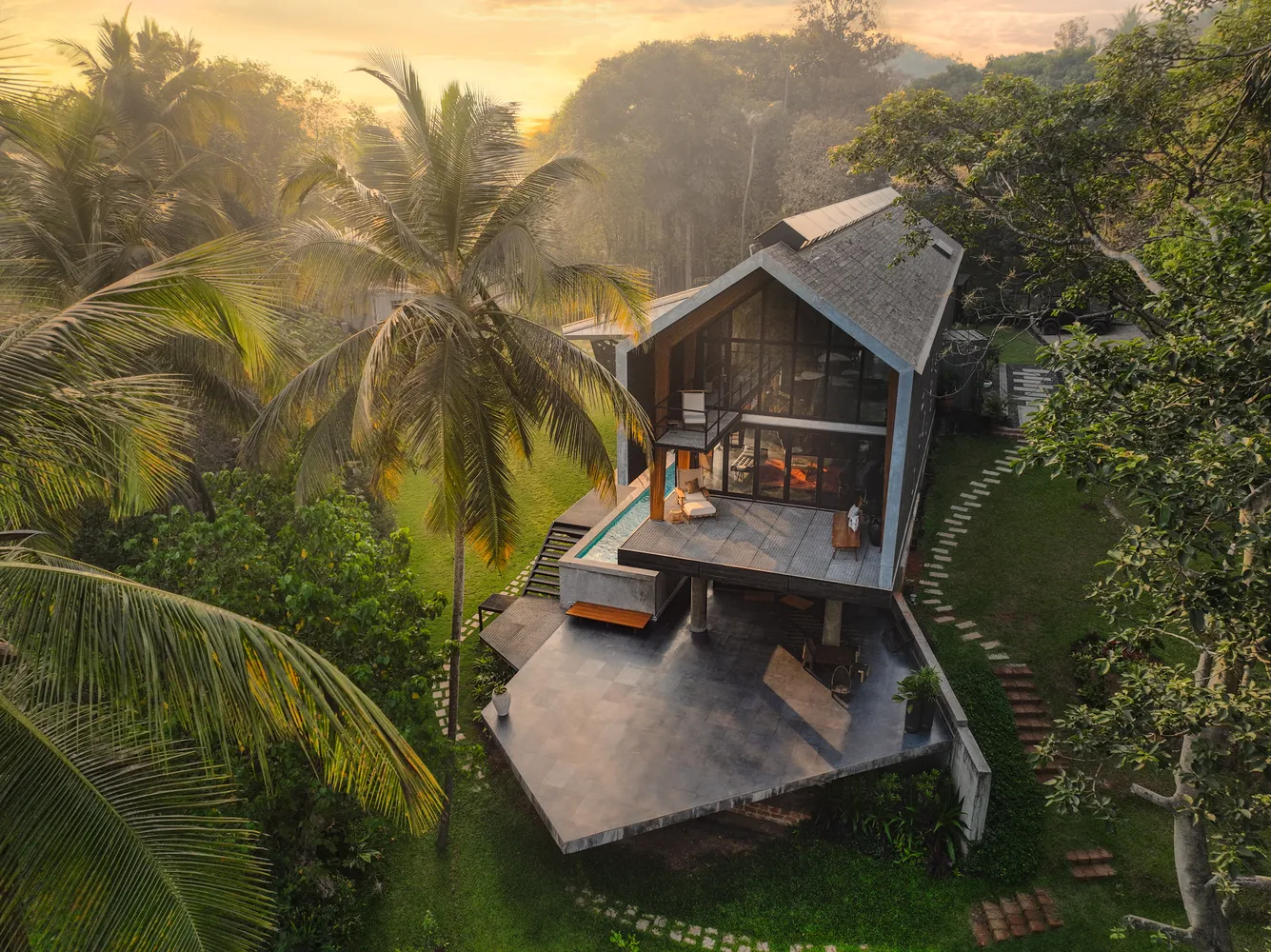
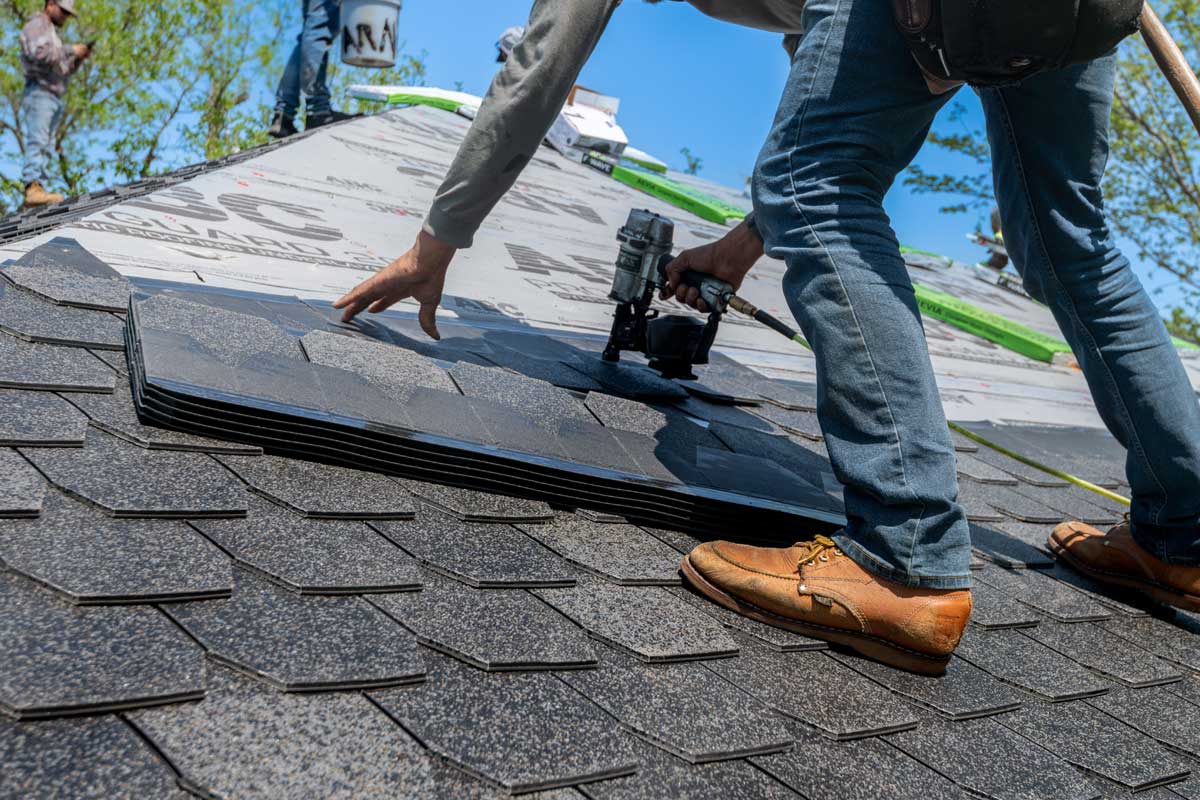
Wooden roof design changes how a house reads from the street — more than the facade paint, more than the windows, more than landscaping. I’ve driven past hundreds of new builds with generic asphalt shingles and completely forgotten them by the next block. The houses I actually remember had wood: dark cedar shake, warm larch planks, or rough-split oak shingles catching late afternoon light in a way no synthetic material can replicate.
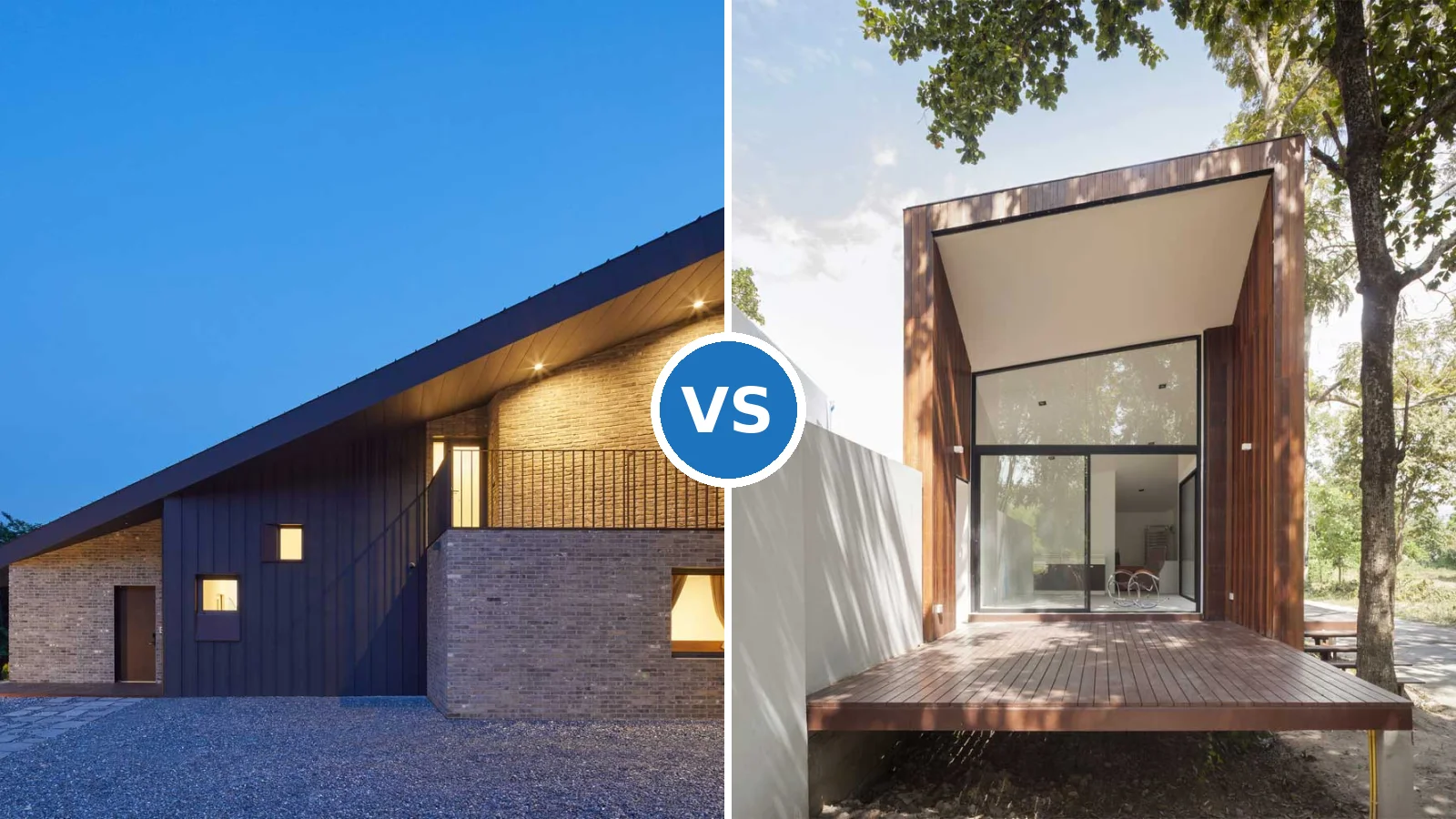
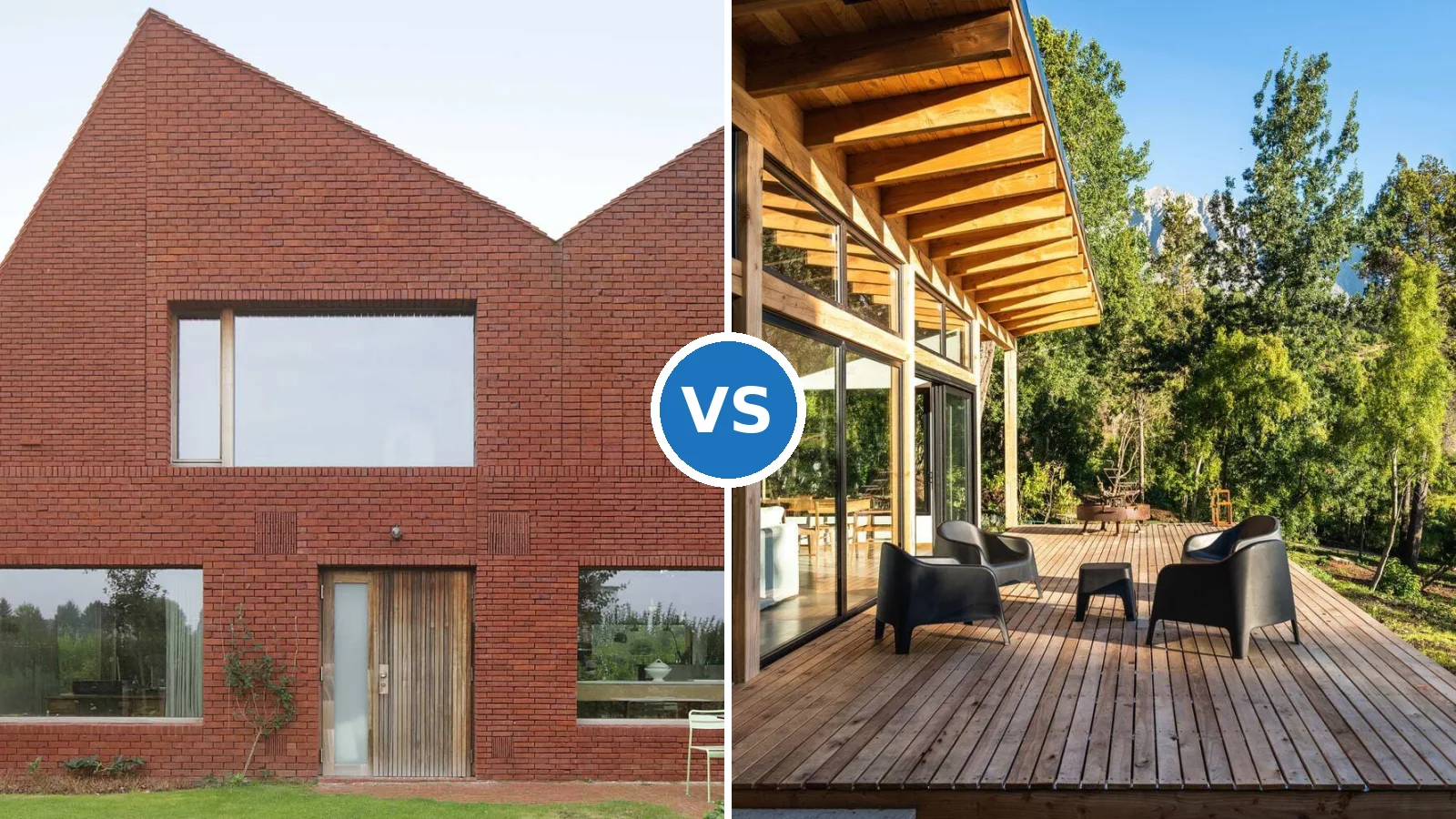
You’ll notice the difference immediately when comparing side-by-side photos. A wooden roof adds visual mass and organic texture that grounds the entire structure — like a hat that actually fits rather than one borrowed from a stranger. Natural wood absorbs and reflects light differently at every hour of the day, giving the roofline a quality architects call “liveness.”
My go-to recommendation for anyone planning a new build or a roof replacement is to spend thirty minutes looking at cedar shake options before committing to anything else. The price gap between entry-level cedar and mid-range asphalt has closed significantly — Western Red Cedar #1 shingles at Home Depot run about $140–$160 per bundle covering 25 sq. ft., which puts a full roof in the $4,000–$8,000 material range depending on footprint.
– Cedar, larch, and oak are the three wood species worth specifying — avoid pine for roofing, it warps fast
– Steep-pitch wooden roofs (over 6:12) outlast low-pitch ones by 10–15 years because water drains before it soaks
– Insulating under a wooden roof from the inside eliminates condensation problems entirely
– Wood naturally absorbs sound — a rainstorm under a cedar roof is quiet; under metal it’s a drum kit
– MacKay-Lyons Sweetapple Architects’ residential projects show how wooden roofs visually anchor even very minimal exteriors
– Flat wooden roofs need a waterproofing membrane beneath — skip this and you’ll regret it within two winters
Wooden Roof Materials That Earn Their Price
Cedar, larch, and oak each behave differently on a roof, and picking the wrong species costs you money within a decade. Cedar is my personal favorite for North American climates — Western Red Cedar contains natural preservatives that resist rot and insects without any treatment, and a properly installed #1 grade shake roof lasts 30–50 years. I’ve seen 40-year-old cedar roofs in Vermont that needed nothing more than a light cleaning. Larch is denser and harder, making it the better call in areas with heavy snow load or strong hail risk.
Oak and aspen work well in continental climates with cold dry winters. Oak is almost ridiculously durable — the same species used in wine barrels and ship hulls. What you don’t want on a roof is untreated pine or spruce: they absorb moisture aggressively, warp within a few seasons, and the repair bills arrive fast. A pine shake roof might look fine for three years before the curling starts, and by year five you’re replacing the whole thing.
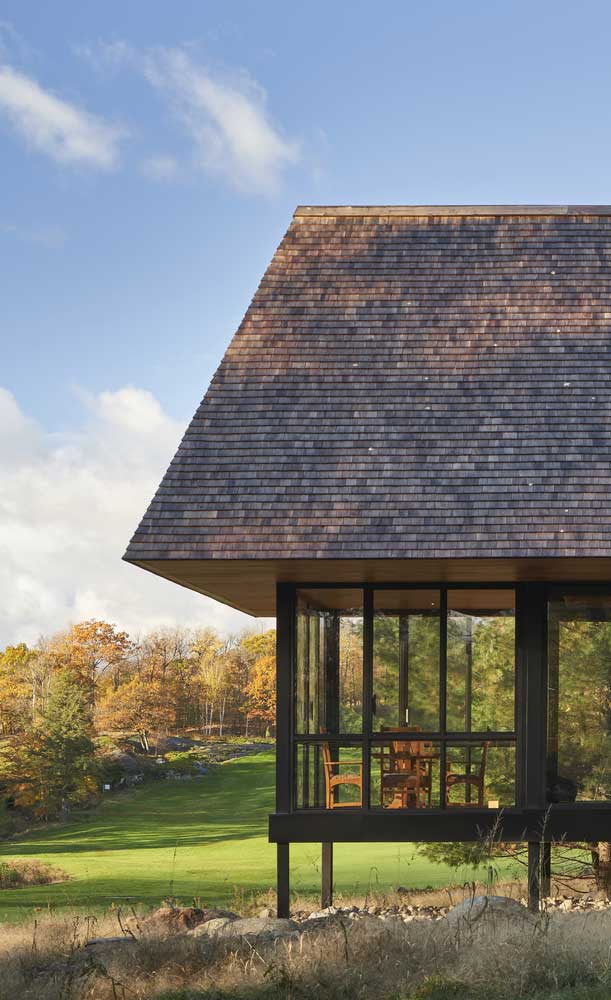
Pricing matters here: at Home Depot, Western Red Cedar #1 shingles run about $155 per 25 sq. ft. bundle, while larch imported from Siberia can push $200–$240 per bundle depending on your supplier. For a 1,500 sq. ft. roof you’re looking at roughly 60 bundles — budget $9,000–$14,500 for materials alone before labor. Is that expensive? Think of it like a sofa: the $400 version looks fine in the store and falls apart in three years; the $1,800 version still looks right a decade later.
Never install wood shingles directly over existing asphalt without removing the old layer first. The trapped moisture between the two surfaces creates a rotting environment that destroys the wood from underneath in as little as 18 months. I’ve seen this mistake on houses where the owners thought they were saving $2,000 in tear-off costs and ended up spending $12,000 on a full replacement three years later. Always strip to bare sheathing, inspect for soft spots, and start clean.
Wooden Roof Design Shapes That Change the Architecture
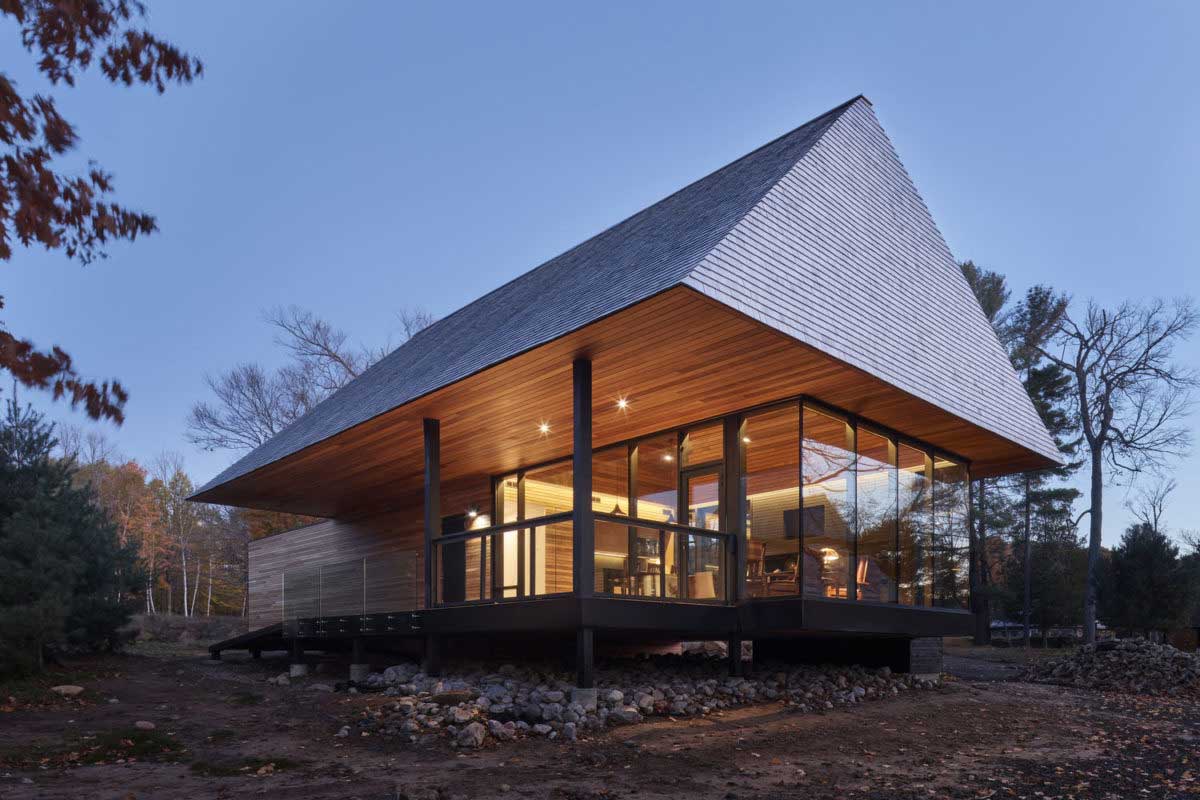
Wooden roof design gives architects something no other material does: the shape itself becomes decoration. A steep gable wooden roof — pitch at 9:12 or above — reads like a giant sculptural element. The steep angle means each shingle or plank is visible from the ground at an angle, so the entire surface texture becomes part of the visual experience. You’ll notice this effect most clearly in Nordic and Alpine architecture, where wooden roofs at extreme pitches look almost theatrical from the street.
Flat wooden roofs work in a completely different register — minimal, horizontal, contemporary. They require a different construction approach: you need a waterproofing membrane beneath the wood surface layer, proper drainage slope of at least 1:50, and ventilation channels to prevent moisture buildup. Done right, a flat wood-finish roof on a modern concrete-and-glass house creates a material contrast that’s genuinely arresting. Done carelessly, it leaks within two winters. What roof shape matches your house depends on the building’s proportions — a low flat roof on a tall narrow house looks proportionally wrong, like a baseball cap on a basketball player.
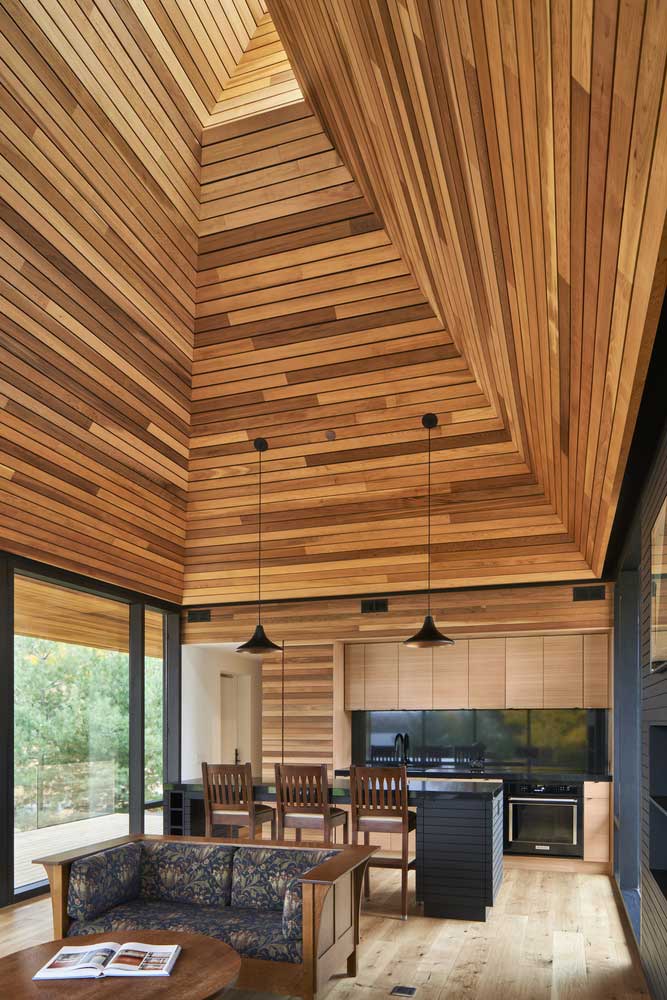
The roof ceiling of the wooden house takes on a different character depending on whether the rafters are exposed or concealed. Exposed rafter tails under wide wooden eaves — a detail I stole from Californian craftsman houses — add rhythmic shadow lines that make the whole roofline look hand-built in the best possible sense. Wide eaves also do real functional work: they protect the facade walls from rain runoff, reducing weathering on windows and siding by a measurable amount. Anything less than 18 inches of overhang on a wood-clad exterior is leaving protection on the table.

Insulating a Wooden Roof Without Killing Its Character
Wooden roof insulation is the part most homeowners underestimate until the first heating bill arrives. The gap between a properly insulated wooden roof and an uninsulated one can be 35–40% in annual energy costs — I’ve seen that figure confirmed in energy audits on houses built in the 1990s with no roof insulation. The good news is that insulating from the inside doesn’t touch the exterior appearance at all: the cedar shingles or larch planks look exactly the same from the street.
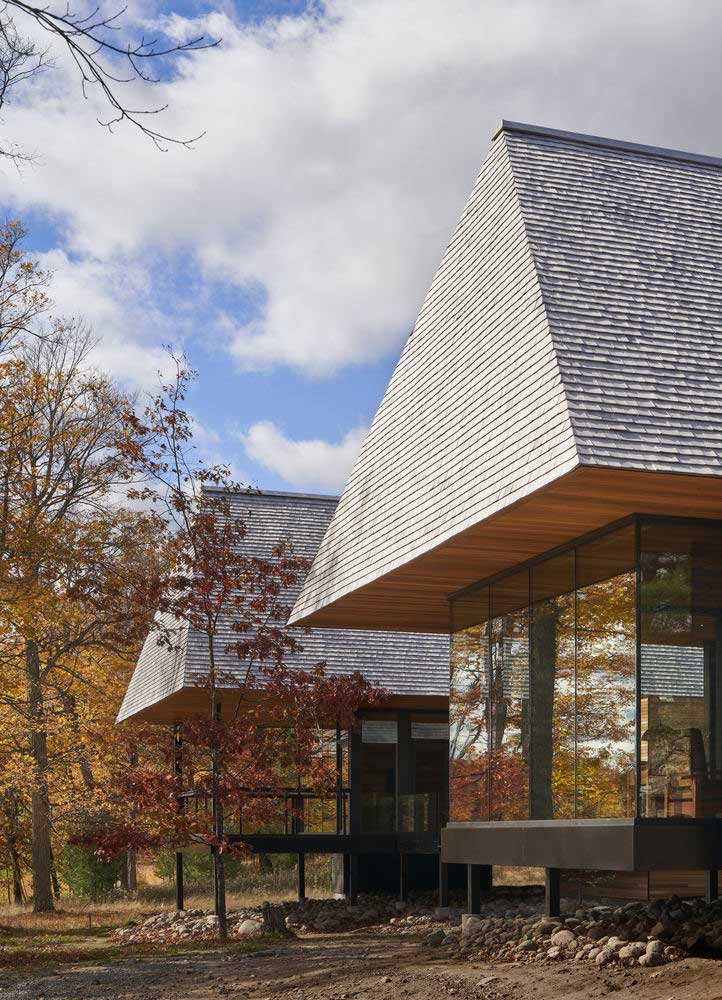
Rigid mineral wool boards between rafters — Rockwool Comfortboard 80 at about $1.10 per sq. ft. — combined with a vapor barrier on the warm side give you R-30 to R-40 without needing spray foam. Spray foam is another option but it permanently bonds to the roof structure, making future repairs harder and adding cost. The building with panoramic windows needs this kind of thermal envelope especially carefully — glass loses heat fast, and a well-insulated wooden roof compensates for what the windows give up.
Wood absorbs sound remarkably well — a fact that surprises people who’ve lived under metal roofs. A heavy rain on a properly insulated cedar roof is background white noise; the same rain on standing-seam metal is genuinely disruptive. If you’re building a home office or bedroom on the top floor, wooden roofing with interior insulation is the acoustically correct decision, not just the aesthetic one. Rockwool also adds meaningful fire resistance, which matters in dry-climate regions where cedar’s natural combustibility is a real risk factor.
How a Wooden Roof Holds Up Over Decades

Wooden houses under the roof age in a way that actually improves their appearance — cedar turns a silver-grey over 8–10 years that looks like it came from a Scandinavian design catalogue. This weathering process is structural too: the surface layer hardens slightly as the wood dries, creating natural UV resistance. You don’t need to fight the patina; it’s not a defect. Fighting it with aggressive staining every two years is the maintenance trap most first-time wood-roof owners fall into, spending $800–$1,200 per treatment when they could leave it alone.
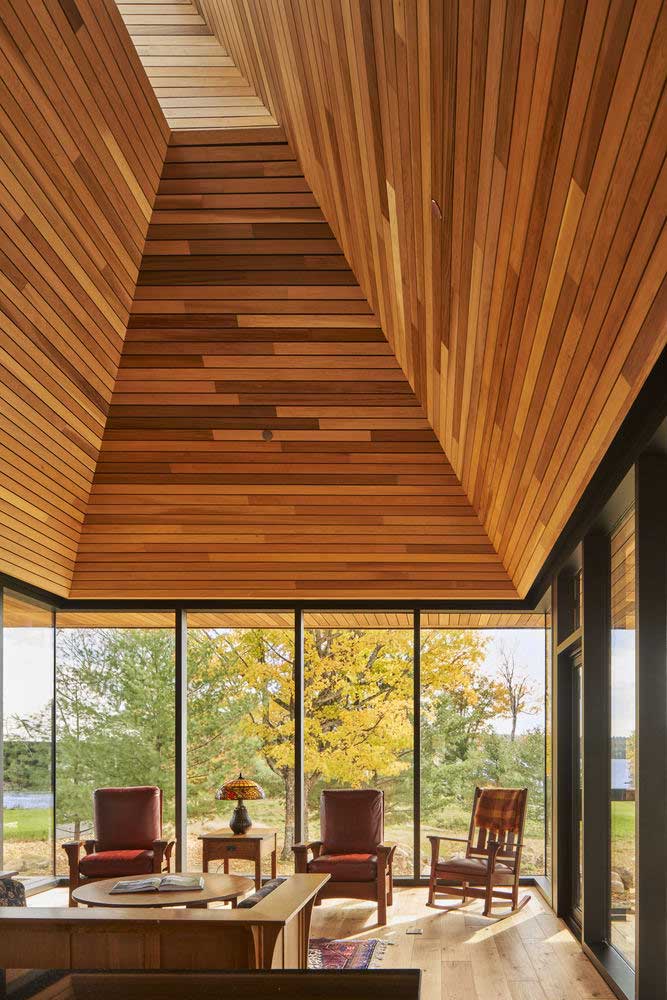
The maintenance that actually matters is annual debris clearing and a moss/lichen treatment every 5–7 years. Zinc strips installed at the ridge — about $3–$5 per linear foot — release zinc carbonate during rain, which prevents moss colonization without any manual treatment. I own two of these zinc-strip setups on cedar roofs I maintain for family properties, and neither has shown significant moss growth in seven years. The triangular roof shape sheds debris naturally because of its pitch, requiring less intervention than flatter profiles.
Condensation is the silent enemy of wooden roofs, not rain. Wood minimizes the temperature gap between interior and exterior surfaces, which is why condensation under a wooden roof is dramatically less common than under metal or concrete — the physics favor organic material. A properly ventilated wooden roof structure with a cold air channel between insulation and the outer skin eliminates condensation risk almost entirely. What does cause problems is blocking that ventilation channel with storage in the attic or with improperly installed insulation that closes the air gap. Learn more about modern wooden roof construction approaches at artfasad.com/house-roof-design/.

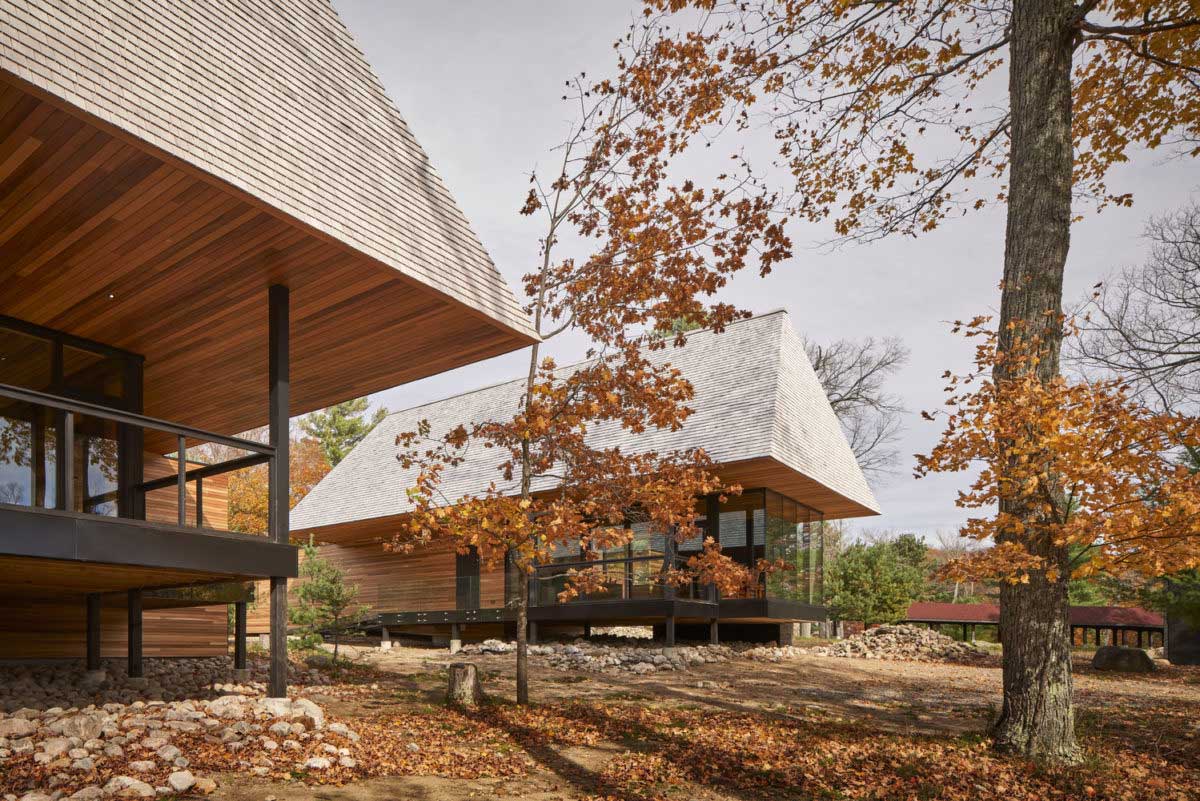
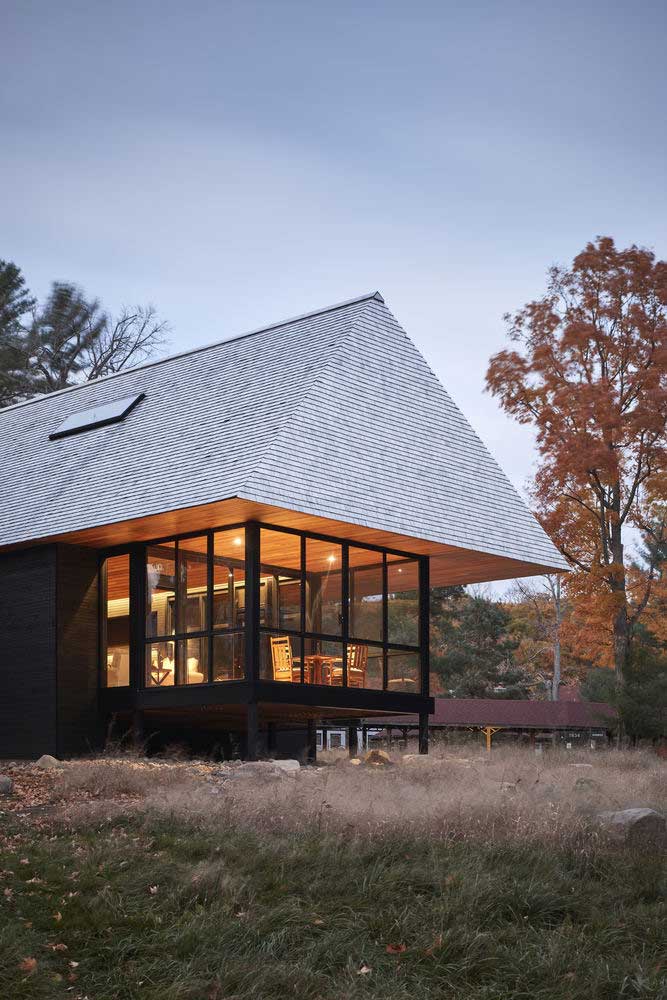
Explore more rooftop material comparisons and design approaches at artfasad.com/modern-house-rooftop-design-ideas/ — the side-by-side breakdowns of wood versus concrete versus metal rooflines are particularly useful for narrowing down a final decision. For architectural inspiration from practitioners who work extensively with wood, MacKay-Lyons Sweetapple Architects on ArchDaily documents how wooden roofs function as the primary design statement in residential projects.
| Architects | MacKay-Lyons Sweetapple Architects |
| Photo | Doublespace Photography |
Final Word
Wooden Roof Design Pays Back Every Dollar
Cedar and larch outperform asphalt over a 30-year horizon — not just aesthetically, but financially. Lower maintenance costs, better acoustics, and natural condensation resistance add real value to the structure.
Steep pitch plus proper interior insulation is the combination that lasts. Flat wooden roofs work beautifully but require a waterproofing membrane and a ventilation channel — skip either one and the roof fails early.
Natural weathering patina is a feature, not a flaw. Silver-grey cedar after a decade looks better than fresh stain. Save this post before you finalize your roof specification.
Related Topics
FAQ
What is the best wood for a roof?
How long does a wooden roof last?
How much does a wooden roof cost?
How to insulate a wooden roof from the inside?
Do wooden roofs cause condensation problems?
What wood roof shapes work best for modern houses?
Complete guide
Roof Design Ideas for Every Style, Shape and Home
Flat, gable, shed, curved, green, thatched — all in one place
Complete guide
Wood in Every Room — Floors, Walls, Facades and Furniture
Paneling, ceilings, kitchens, facades, plywood, timber houses — all in one place