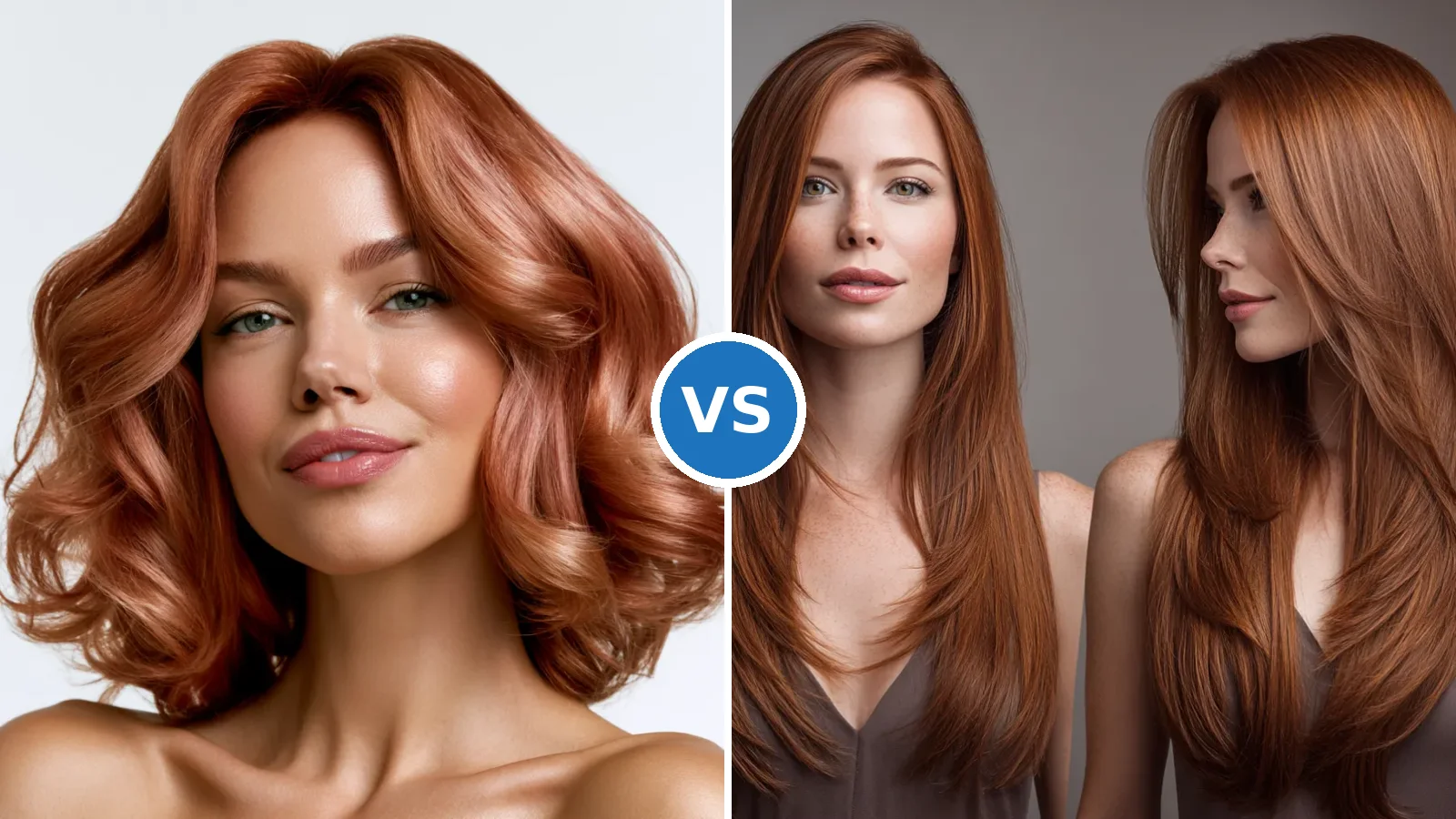
When texture meets color, magic happens. The marriage of a precise cut with the freehand artistry of painting creates a look that is vibrant, lived-in, and undeniably modern. While a solid color can sometimes make textured cuts look flat or heavy, the addition of hand-painted highlights accentuates every jagged edge and layered piece. This guide explores how combining short choppy haircuts with the dimension of balayage can transform your aesthetic, adding movement to stiff strands and an illusion of density to fine hair.
Textured Balayage Bobs That Redefine Movement
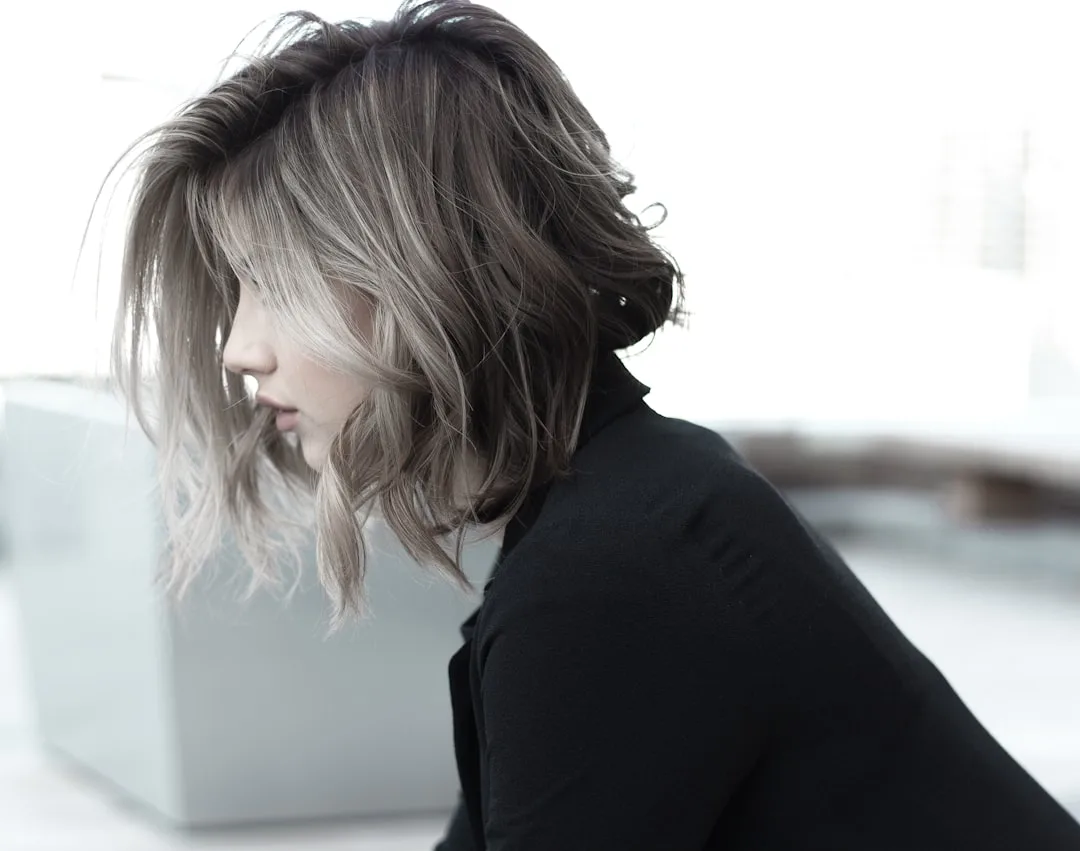
The classic bob has long been a symbol of elegance and order, but the modern iteration creates a different narrative entirely. When you introduce choppy layers into a traditional bob, you immediately disrupt the silhouette. This disruption is not chaotic; rather, it is a calculated release of weight that allows the hair to swing and bounce with a freedom that blunt cuts simply cannot achieve. However, the cut is only half of the equation. Without the right color application, those carefully crafted layers can disappear into a shadow, especially on darker hair tones. This is where the artistry of balayage becomes essential for elevating short choppy haircuts into something truly three-dimensional.


When a stylist approaches a textured bob with a balayage brush, they are essentially contouring the hair. Unlike traditional foil highlights, which often start right at the root in uniform lines, balayage on a choppy bob is placed strategically to catch the light. The lighter pieces are often painted on the mid-lengths and ends, specifically targeting the tips of the choppy layers. This technique acts like a spotlight, drawing the eye to the movement of the cut. If you have fine hair, this interplay of light and shadow creates an optical illusion of depth, making the hair appear significantly thicker than it is. The darker roots anchor the look, providing a backdrop against which the lighter, textured pieces can pop.
Maintenance for this specific look is surprisingly low, which appeals to women with busy lifestyles. Because the choppy texture is meant to look somewhat undone, and the balayage root is usually kept natural or smudged, the growing-out process is seamless. You do not have the harsh demarcation line that comes with solid colors or high-contrast foil highlights. As the hair grows, the lighter ends simply move lower, transitioning from a textured bob into a lob without losing the integrity of the style. This longevity makes the investment in a high-quality color service worth it, as you can often go months between major color appointments, needing only a quick toner or trim to keep the shape sharp.
Styling this cut requires an understanding of your natural hair pattern. For those with naturally straight strands, a texturizing spray or sea salt spray is your best friend. After washing, rough drying the hair—using your fingers rather than a round brush—encourages the natural texture to come through. Once dry, a flat iron can be used to create subtle bends rather than curls. The goal is to create a zigzag motion with the iron, leaving the ends straight. This reinforces the “choppy” aesthetic. If you curl the ends under, you risk the style looking too retro or polished, which contradicts the modern vibe of the cut.
For women with natural waves or curls, this combination of cut and color is even more dynamic. The balayage naturally highlights the spiral or bend of the curl, while the choppy layers remove the “triangle” shape that often plagues short curly styles. Hydration becomes key here. While the cut relies on texture, it should not look frizzy. Using a lightweight hair oil on the ends will separate the choppy pieces and make the balayage shimmer without weighing down the root volume. Ultimately, this style is about organized chaos—a look that says you made an effort, but not too much effort. It creates a balance between professional polish and artistic flair that works in almost any setting.
Edgy Choppy Pixies Featuring Sun Kissed Highlights
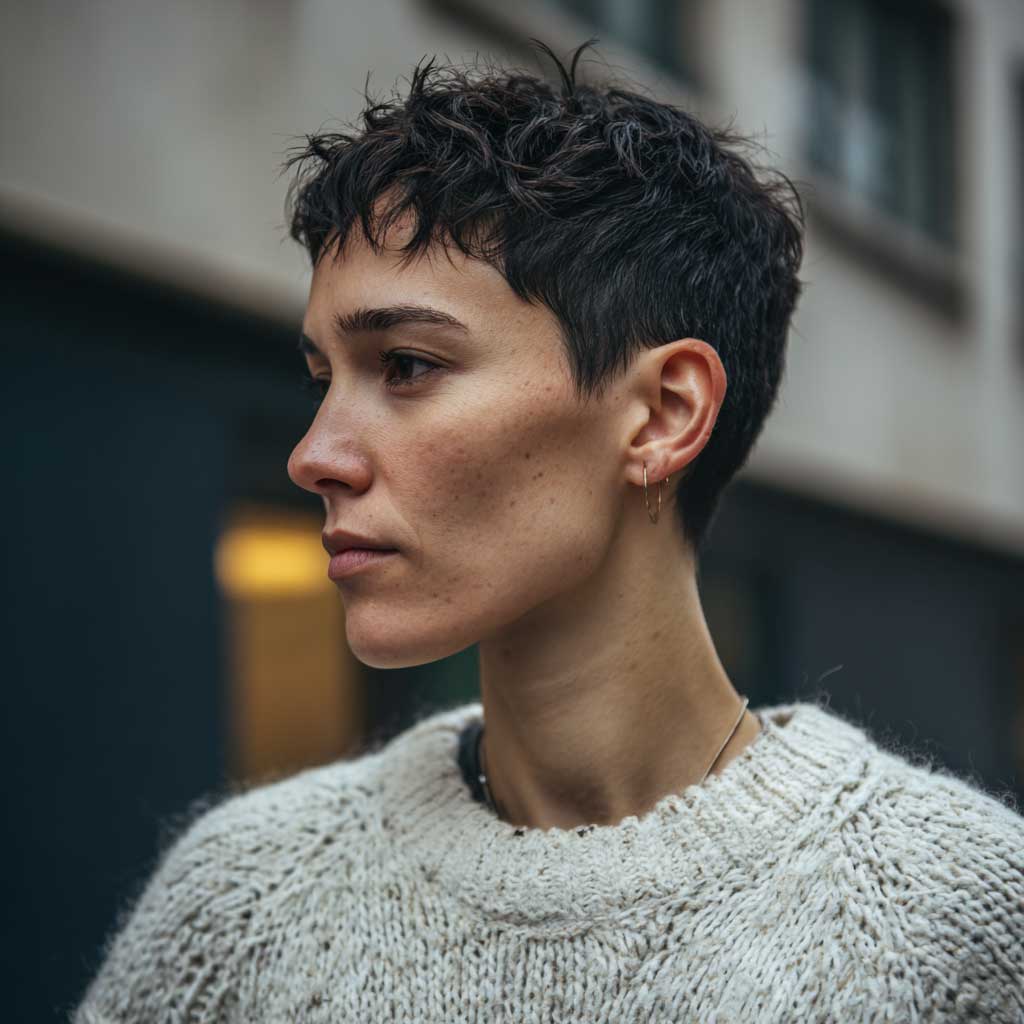
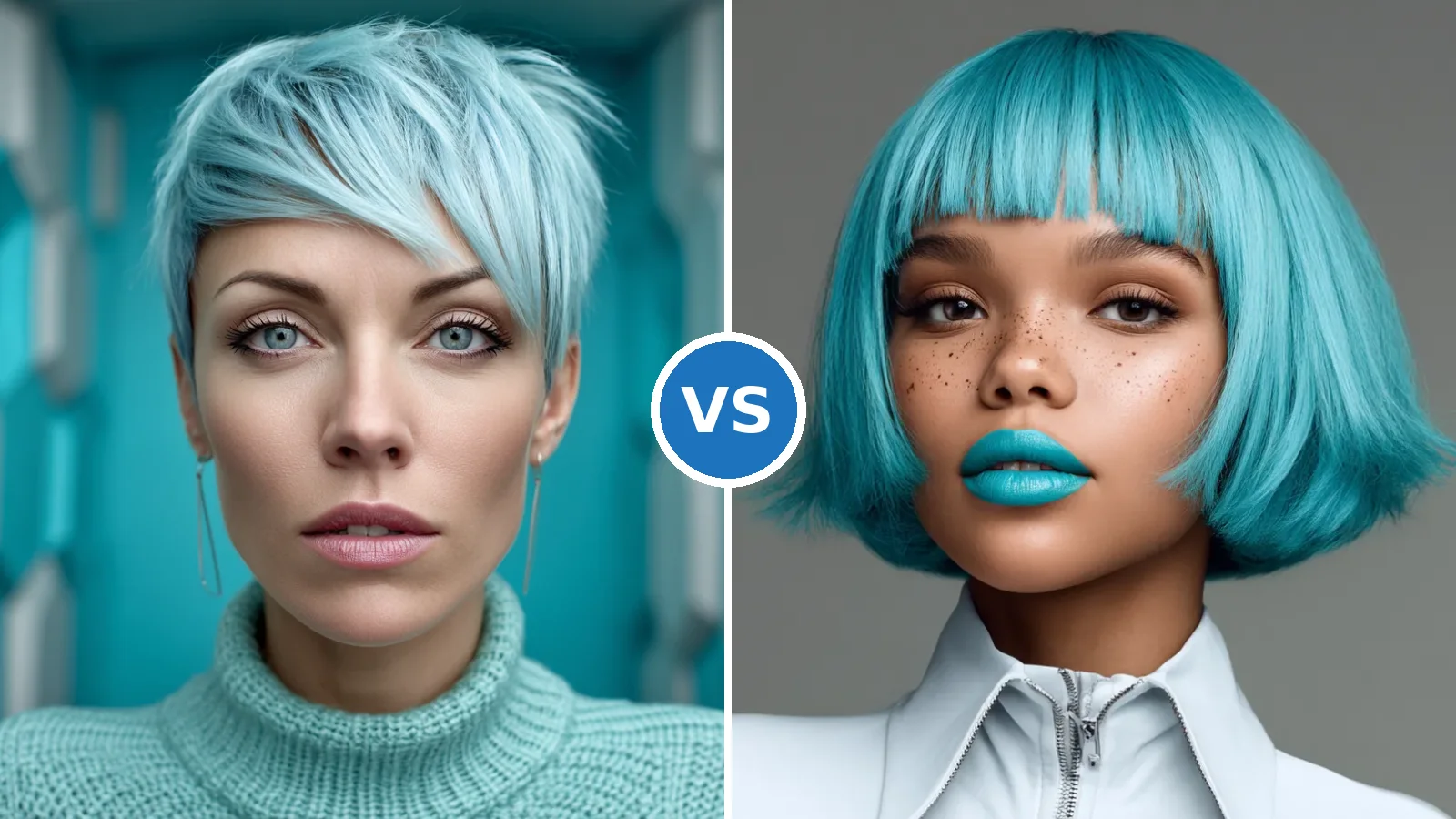
Taking the leap to a pixie cut is a bold declaration of confidence. It exposes the neck, highlights the jawline, and brings facial features to the forefront. However, a single-tone pixie can sometimes resemble a helmet or look too severe. Integrating balayage into such short lengths requires a high level of technical skill, but the payoff is immense. It softens the severity of the crop while emphasizing the architectural structure of the cut. When we talk about short choppy haircuts in the context of a pixie, we are referring to varying lengths at the crown and fringe that allow for versatility in styling.


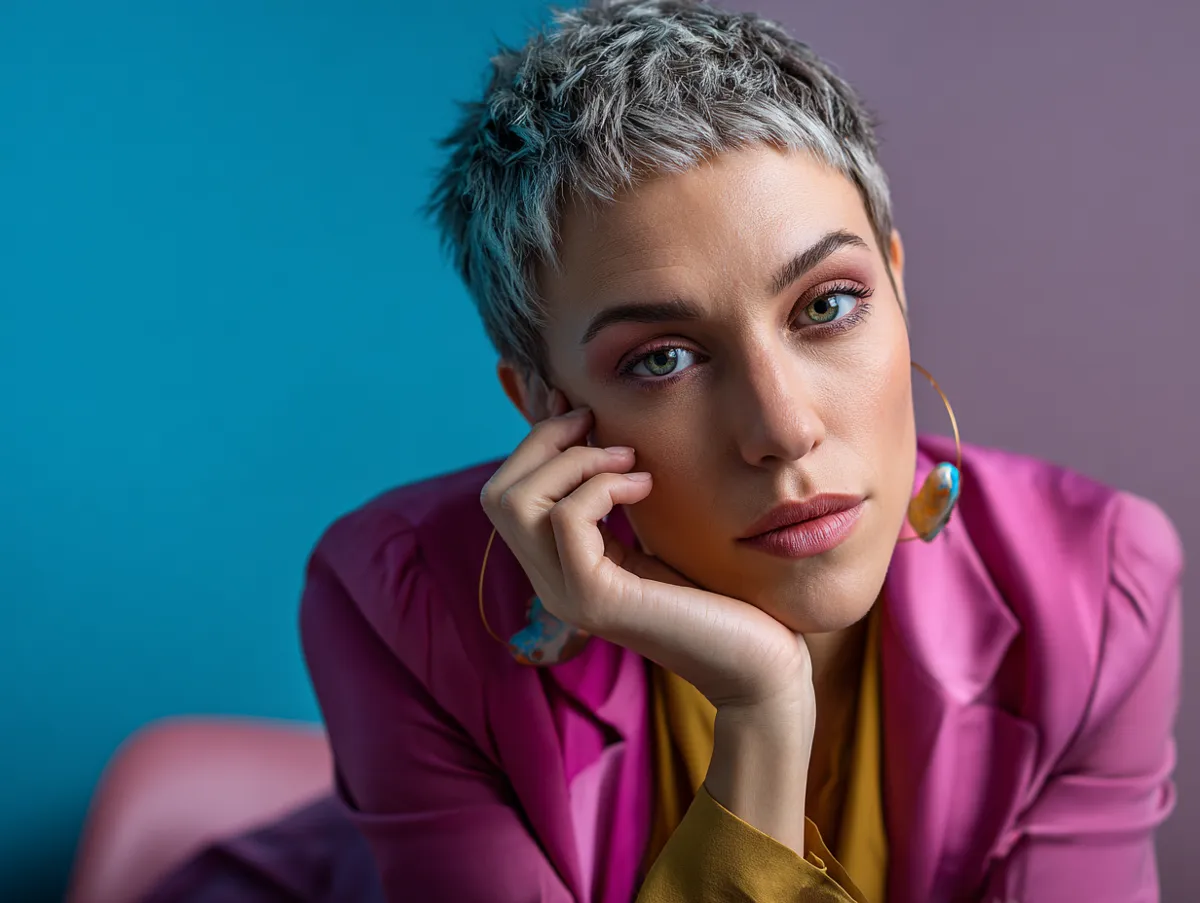
Color placement on a pixie is vastly different from long hair. The canvas is smaller, meaning every brushstroke matters. Stylists often use a technique called “shoe-shining” or hand painting just the tips of the jagged layers. This creates a sun-kissed effect that mimics how the sun naturally lightens the ends of short hair. By keeping the roots and the under-layers darker, the style maintains a sense of density. If you were to bleach a pixie solid blonde, it might look transparent or flat. The depth provided by the darker base pushes the lighter, choppy pieces forward, creating a visually rich texture that looks thick and healthy.
The versatility of this look is often underestimated. Many assume that once hair is short, the styling options are limited. This is untrue for a choppy pixie with dimension. You can style it sleek and smooth for a sophisticated evening look, where the balayage appears as subtle streaks of light. Alternatively, using a matte pomade or wax allows you to spike up the varying layers, creating a punk-inspired, edgy aesthetic. In this messy variation, the color serves to separate each spike, giving the hair a multifaceted appearance that is captivating to look at. The color prevents the texture from looking like a singular blurry mass.
Navigating the growth cycle of a pixie can be awkward, but the balayage technique eases this transition. As the short layers begin to grow out, the lighter tips blend into the longer lengths, eventually turning into a highlighted bob. This built-in transition plan is a major advantage. You aren’t stuck with a high-maintenance root line every four weeks. However, because the hair is short, frequent trims are necessary to maintain the “choppy” shape. While you might stretch your color appointments, the cut itself demands respect and regular visits to the salon to keep the neck clean and the layers distinct.
It is also important to consider the health of the hair. Short hair is generally healthier because it is “younger” hair, but the ends are still susceptible to dryness from lightening agents. Because pixie cuts are washed and styled frequently, often daily, using a color-safe shampoo and a weekly restorative mask is crucial. Even though the hair is short, it needs moisture to keep the balayage looking glossy rather than straw-like. Product buildup can also be an issue with pixies due to the waxes and pastes used for styling. A clarifying shampoo used once every two weeks will ensure the color stays bright and the texture remains airy and movable.
Ultimately, an edgy pixie with sun-kissed highlights is more than just a haircut; it is an accessory. It frames the face and changes how you carry yourself. It pairs beautifully with statement earrings and bold makeup choices, as the hair does not compete with the face but rather frames it. It is the ultimate choice for the woman who wants to spend less time on her hair in the morning but still wants to look intentionally styled and fashion-forward every single day.
Modern Shaggy Layers Enhanced By Painting Techniques
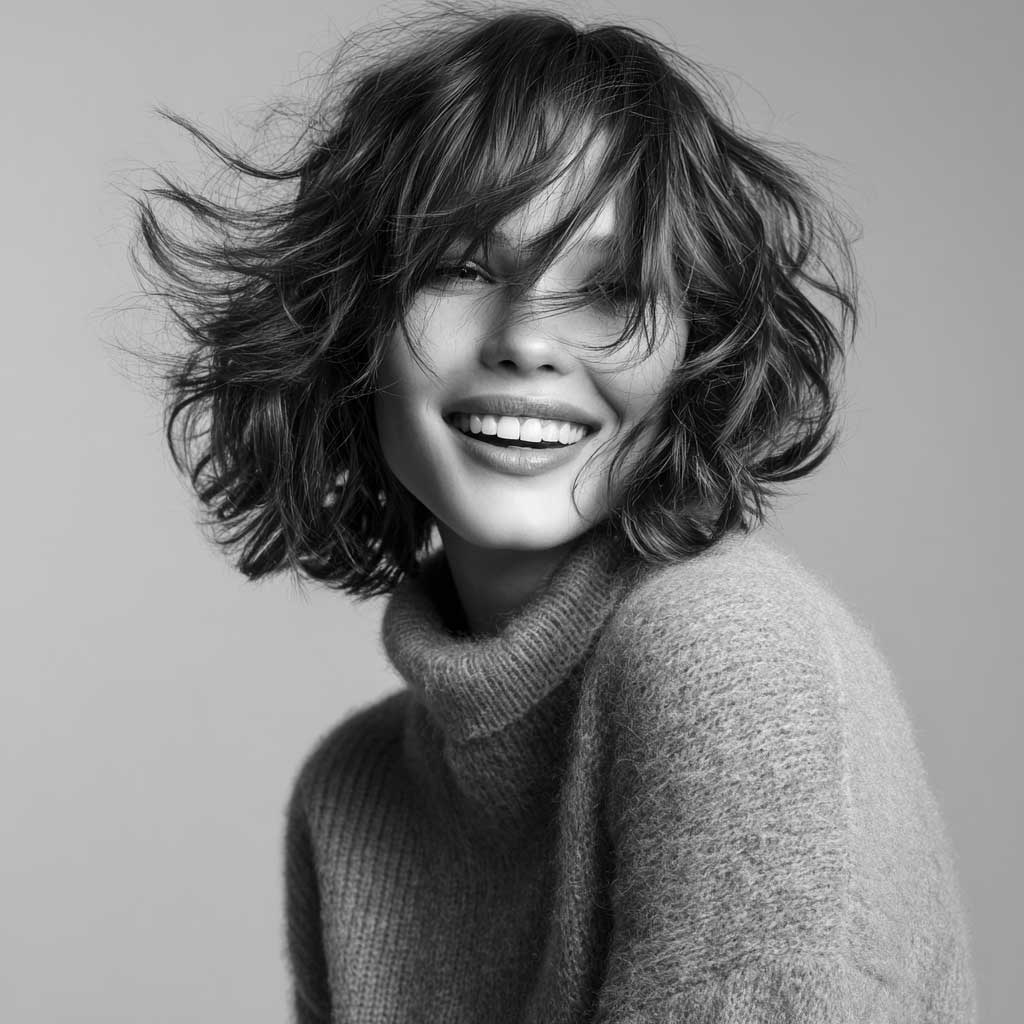
The shag has returned from the archives of rock-and-roll history, reimagined for the contemporary woman. Unlike the stiff, over-sprayed versions of the past, the modern shag is all about touchable softness and fluid movement. It sits right in the sweet spot between a bob and a longer mid-length cut, usually hitting around the neck or collarbone. The defining characteristic is the abundance of short choppy haircuts layered throughout the crown, often paired with a curtain bang or a piecey fringe. This structure removes bulk from thick hair and adds volume to thin hair, making it a universal donor in the world of hair design.
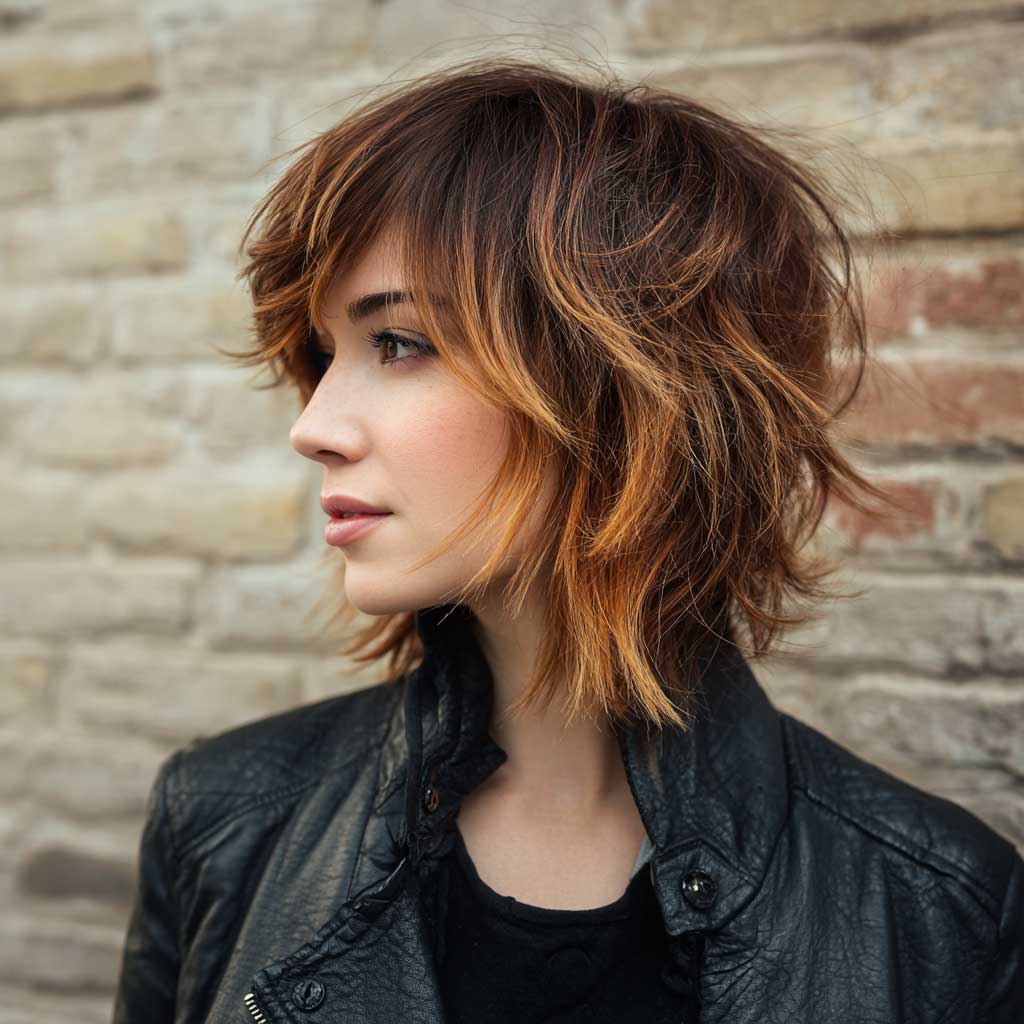

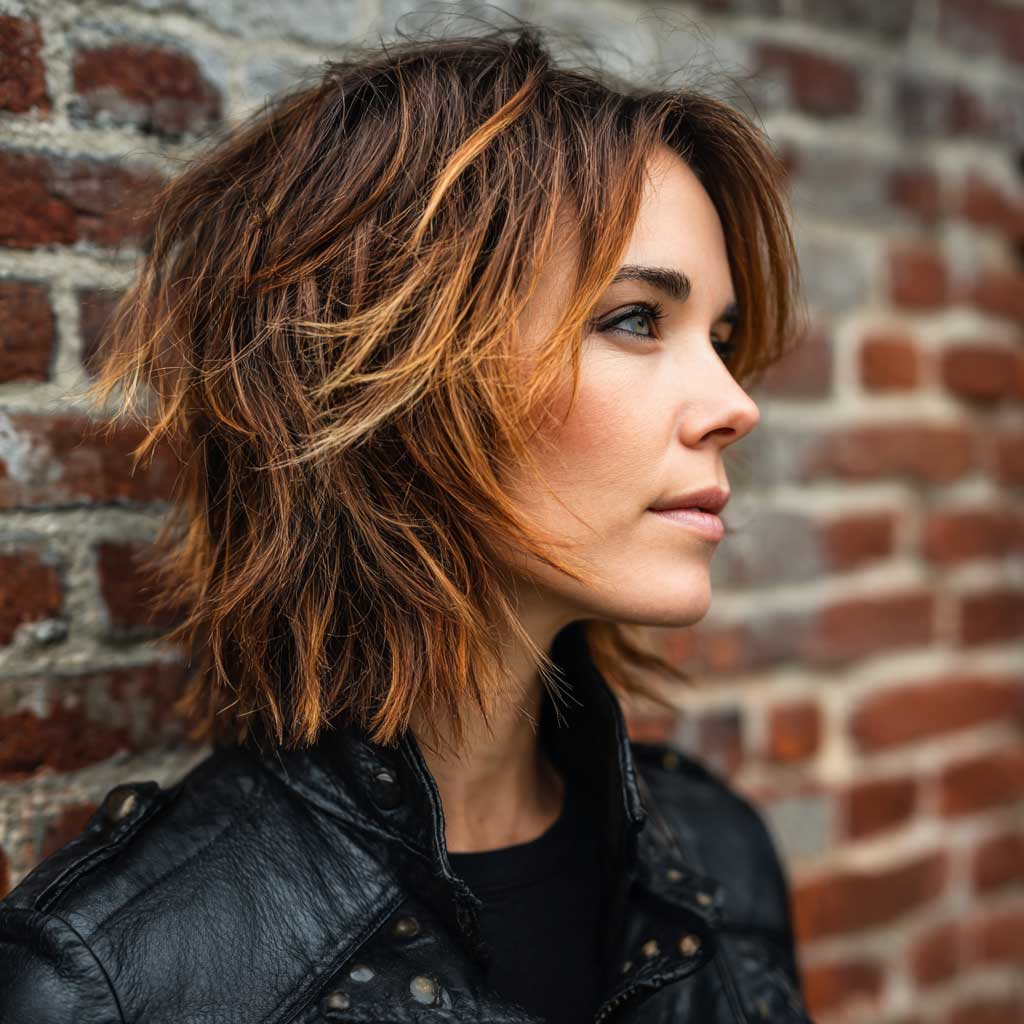

Balayage plays a critical role in modernizing the shag. Without dimensional color, a shag can sometimes look dark and heavy, obscuring the intricate layering that defines the style. Painting techniques allow the stylist to accentuate the “flick” of the layers. By placing lighter tones on the ends of the layers that frame the face and kick out at the neck, the stylist directs the observer’s eye to the movement of the hair. Whether you opt for subtle honey tones or vibrant copper hues, the color serves to outline the silhouette of the cut. It turns a messy cut into a deliberate style statement.
This style thrives on the “lived-in” aesthetic. It is designed to look better as the day goes on, windblown and slightly disheveled. The balayage application usually involves a root smudge or a “shadow root,” which ensures that the grow-out is soft and natural. This is particularly effective for the shag because the cut itself is informal. A harsh line of demarcation at the roots would clash with the relaxed vibe of the layers. The gradient of color from dark to light enhances the rock-chic vibe, giving the impression of hair that has been naturally lightened by spending a summer outdoors.
Styling a balayage shag focuses on enhancing volume and definition. A diffuser attachment on your blow dryer is a vital tool. By scrunching the hair while drying, you encourage the natural wave pattern and the choppy layers to separate. If your hair is naturally straight, using a large-barrel curling wand to add loose waves can mimic this effect. The key is to leave the ends straight when curling; this preserves the edginess of the chop. Finishing with a texture paste or a dry texture spray adds grit to the hair, helping the layers hold their shape without feeling crunchy or stiff.
Face shape is an important consideration for this look. The shag is incredibly flattering because the layers can be adjusted to balance different features. For a round face, keeping the layers longer and adding vertical highlights can elongate the visage. For a square face, softer, wispy layers with face-framing balayage can soften the jawline. The fringe can also be customized—heavy and choppy for a bold look, or long and curtain-like for a softer approach. The color placement can further contour the face, with brighter pieces near the eyes or cheekbones to draw attention to your best features.
The synergy between the shaggy cut and the painted color creates a look that is full of personality. It breaks away from the uniformity of one-length cuts and single-process colors. It is a style that speaks of creativity and freedom. While it requires a confident stylist to execute the cut and color properly, the day-to-day wearability is high. It creates a youthful, energetic appearance that works across generations. Whether you are dressing up for a formal event or wearing jeans and a t-shirt, the modern shaggy layer cut provides a built-in accessory that completes the outfit with texture, depth, and undeniable style.
Choosing to combine short choppy haircuts with the depth of balayage is a decision to embrace texture, movement, and light. Whether you opt for the structured rebellion of a pixie, the swing of a textured bob, or the retro-cool of a modern shag, these styles offer a way to reduce bulk and styling time while maximizing visual impact. The technique of painting highlights onto choppy layers ensures that your hair never looks flat or dull. It is a customization that turns a standard haircut into a personal signature, proving that short hair can hold just as much dimension and drama as long locks.