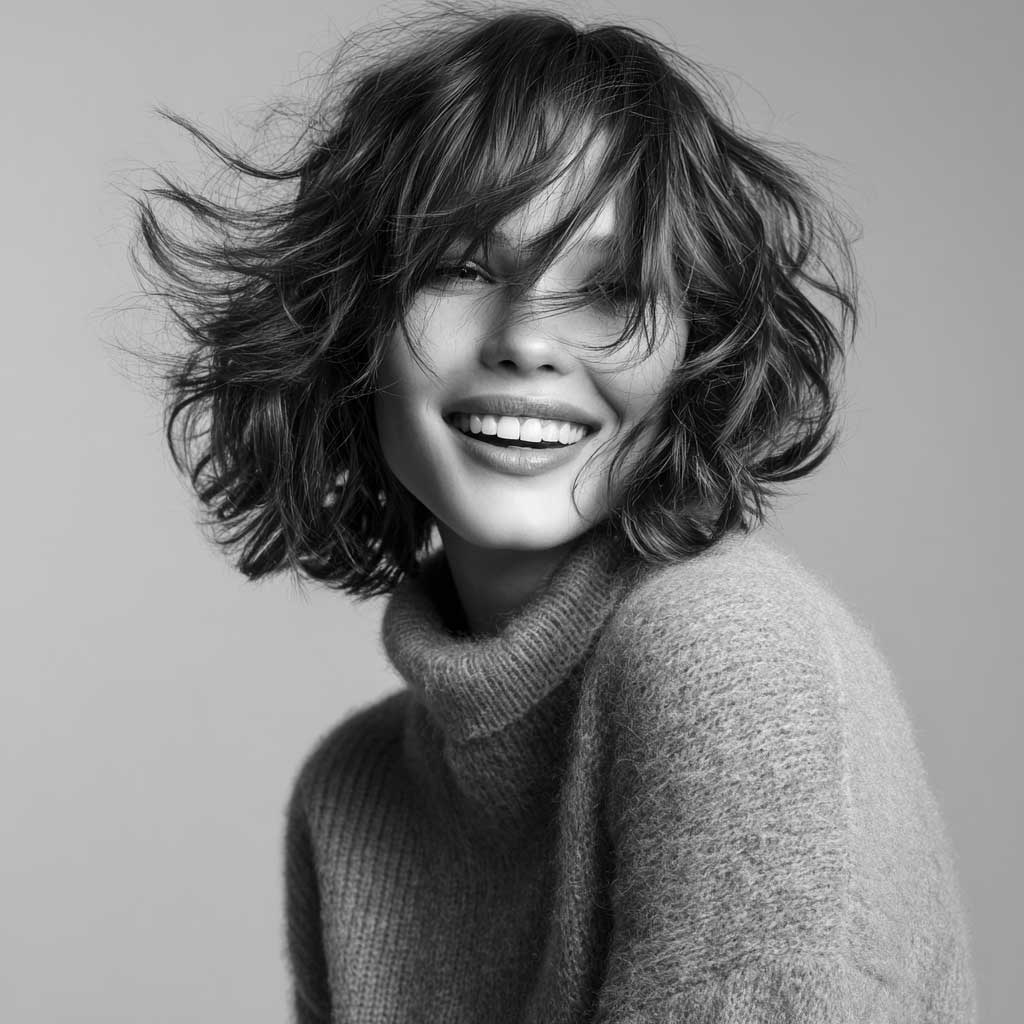
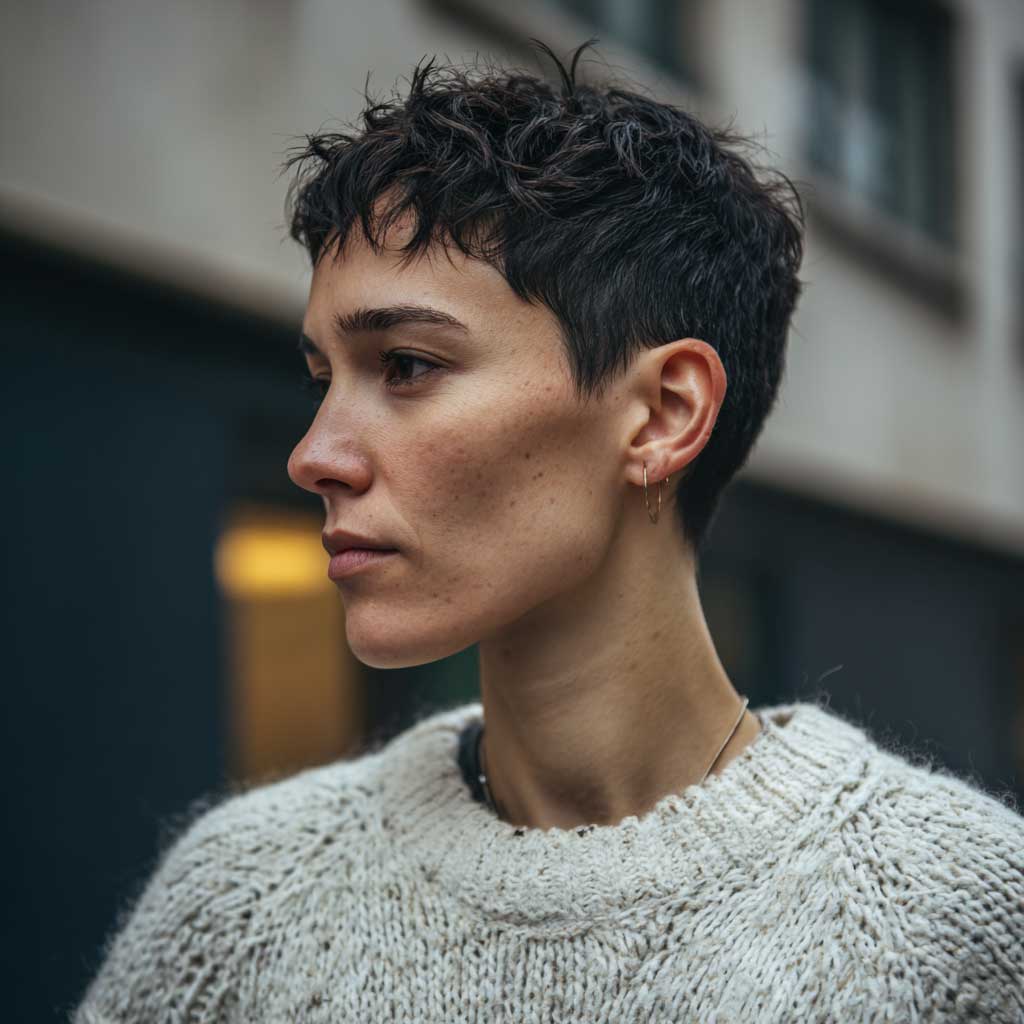
The nineties are back in full force, and nothing screams that era quite like the hairstyle that defined a generation. While the original look was known for its polished, voluminous blowout, the modern iteration leans into movement and edge. A choppy version of this classic style brings a fresh, lived-in vibe that feels contemporary while paying homage to the sitcom icon. This updated aesthetic focuses on shattered layers and texturized ends, offering a versatile look that transitions effortlessly from casual days to high-fashion evenings. It is time to rediscover the most famous cut in television history with a bold new twist.
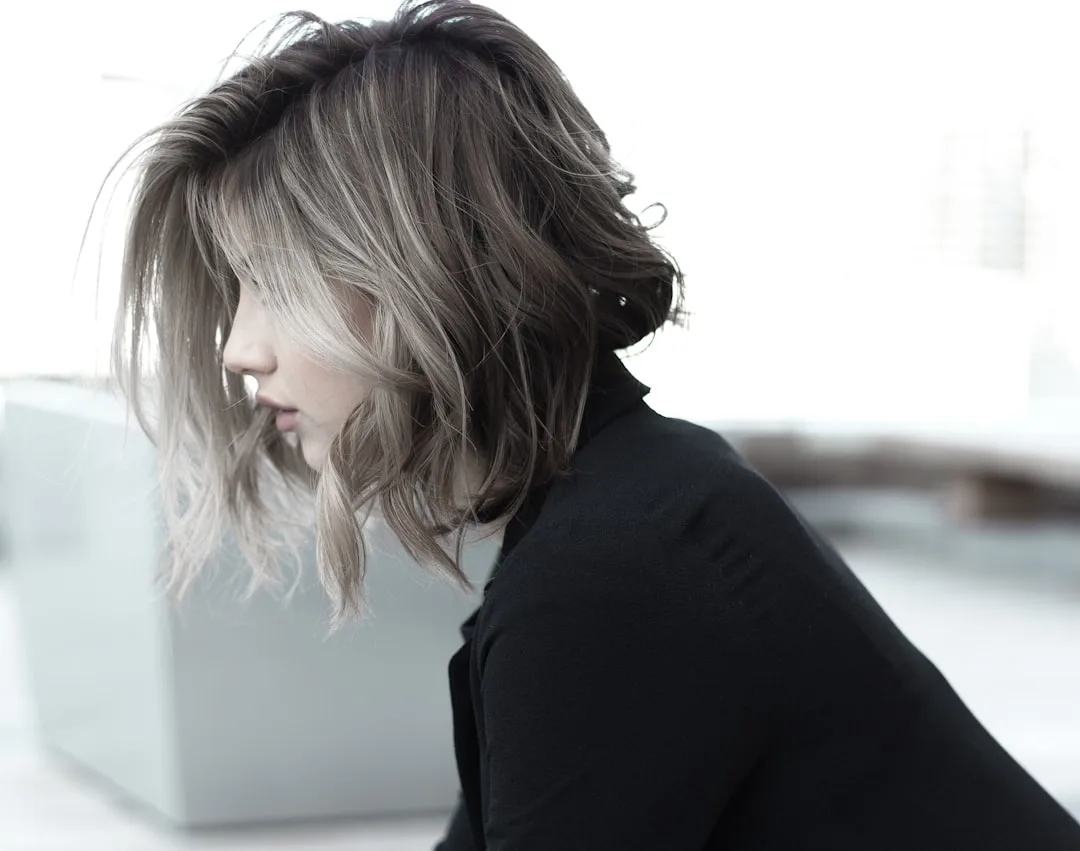
Embracing texture with a messy Rachel Green haircut
When people think back to the mid-nineties, the image of Jennifer Aniston entering Central Perk is often the first thing that comes to mind. However, the rigid perfection of that original style has evolved. Today, embracing texture with a messy Rachel Green haircut is about breaking down the structure to create something softer and more fluid. The beauty of this updated approach lies in its ability to look effortless. Unlike the high-maintenance blowout of the past, which required gallons of hairspray and constant attention, the modern messy interpretation encourages natural movement. It is less about fighting your hair’s natural inclination and more about enhancing it with strategic cutting techniques.


To achieve this look, stylists focus heavily on point cutting. This technique involves cutting into the ends of the hair vertically rather than straight across, removing bulk and creating that essential jagged edge. This is crucial for the messy Rachel Green haircut because it prevents the layers from sitting too heavily on one another. Instead of a solid shelf of hair, you get airy, feathered pieces that flick out or tuck under depending on how the wind blows. The result is a silhouette that feels alive and dynamic. It captures the spirit of the original “The Rachel” but strips away the stiffness, replacing it with a cool-girl grit that fits perfectly into the current fashion landscape.
Texture plays a massive role in how this cut translates to different hair types. For those with naturally wavy hair, a choppy Rachel Green haircut is a dream come true. The layers liberate the waves, allowing them to spring up and create natural volume without the need for excessive heat styling. A simple scrunch with sea salt spray can replicate that “just rolled out of bed” chicness that is so coveted today. On the other hand, straight hair benefits immensely from the choppy layers as well. Without them, straight mid-length cuts can often fall flat and look lifeless. The shattered layers introduce artificial texture, giving straight strands a scaffolding of support that mimics volume and density.
The color you choose can also dramatically impact how the texture reads visually. The original look was famous for its chunky highlights, but the modern messy Rachel Green haircut pairs beautifully with balayage or “lived-in” color. Root shadows and painted highlights accentuate the separation of the layers. When the hair is styled messily, these color dimensions pop, showing off the intricacy of the cut. It creates a visual depth that makes the hair appear thicker and more robust. Darker roots fading into lighter ends emphasize the movement of the face-framing pieces, drawing attention to the eyes and cheekbones just as the original cut did decades ago.
Maintenance for this textured variation is surprisingly low compared to its predecessor. Because the ends are meant to be choppy and uneven, the growing-out process is much more forgiving. You do not need to rush to the salon every four weeks to maintain a sharp line. As the layers grow, they simply transition into a longer shag, maintaining the messy appeal. This longevity makes the messy Rachel Green haircut a practical choice for anyone with a busy lifestyle who still wants to look put-together. It is a style that works with you, not against you, allowing for “bad hair days” to be easily disguised as intentional styling choices.
Styling products are your best friends here. While the nineties relied on smoothing serums, the key to the modern messy look is texturizing paste and dry shampoo. These products add grip and grit to the strands, allowing you to piece out specific layers and create that separated, airy look. Applying a small amount of matte paste to the ends of your choppy Rachel Green haircut defines the layers without making them look greasy or weighed down. It is all about creating separation and distinct movement within the overall shape.
Ultimately, choosing to embrace this textured style is about confidence. It is a statement that you value character and movement over perfection. The messy Rachel Green haircut is playful, youthful, and undeniably stylish. It bridges the gap between the nostalgic comfort of the past and the relaxed, individualistic ethos of modern beauty standards. Whether you are wearing a vintage slip dress or a pair of baggy jeans, this hairstyle acts as the perfect accessory, tying your look together with a sense of carefree elegance.
Styling the choppy Rachel Green haircut for maximum volume
Volume is the lifeblood of this iconic shape. Without lift at the roots and bounce through the lengths, the style loses its signature impact. Styling the choppy Rachel Green haircut for maximum volume requires a blend of the right tools, products, and a bit of patience. The goal is to create a gravity-defying shape that feels airy and full, framing the face with that unmistakable inward curve. While the modern version embraces a choppier finish, the fundamental need for body remains the same. This cut is designed to look thick and luxurious, and understanding how to build that foundation is essential for anyone sporting this look.


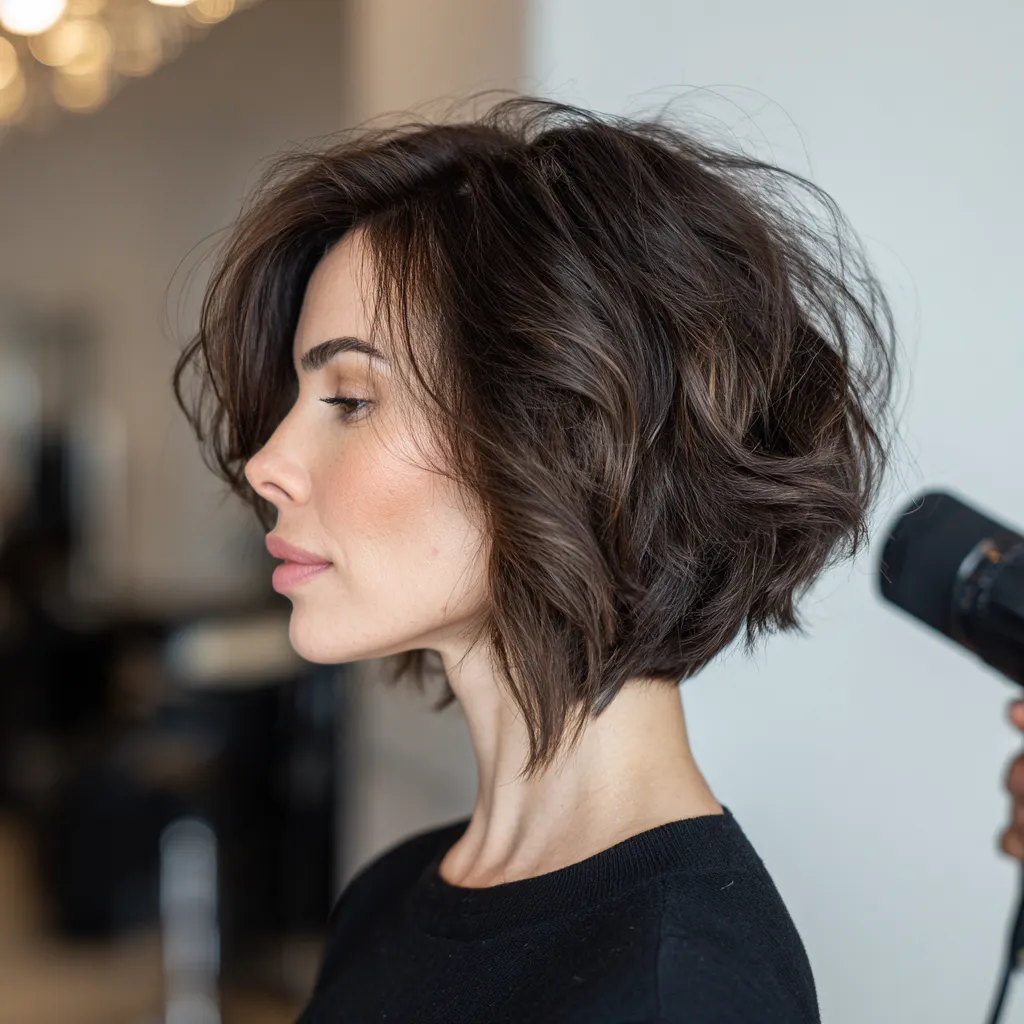

The process begins in the shower. Volume starts with a clean scalp and lightweight conditioning. Heavy, oil-based products can weigh down the roots, making it impossible to achieve the lift necessary for a true Rachel Green haircut. Opt for volumizing shampoos and apply conditioner only to the mid-lengths and ends. Once out of the shower, a high-quality root-lifting spray is non-negotiable. Spray it generously at the crown and the temple areas where the hair tends to fall flat. This creates a structural base for your blowout.
The blow-drying technique is where the magic happens. To get that salon-quality bounce in a choppy Rachel Green haircut, you need a medium-to-large round brush. A ceramic or metal-core brush helps heat the hair, acting like a hot roller to set the shape. Start by rough drying your hair until it is about eighty percent dry. Flipping your head upside down during this stage can provide an immediate boost to root volume. Once the hair is mostly dry, section it off. Working in smaller sections allows you to control the tension and direction of the hair more effectively.
When you begin round brushing, lift the hair upwards, away from the scalp. The heat should be directed at the roots first to lock in the lift, then slowly moved down the shaft. As you reach the ends of your choppy Rachel Green haircut, rotate the brush to curl the hair under or flip it out, depending on your preference. The choppy layers respond beautifully to this manipulation. Because the ends are textured, they catch the air and fluff up more easily than blunt cuts. For maximum volume, alternate the direction of the blow-drying for different layers—some under, some out—to create a chaotic, voluminous collision of textures.
Velcro rollers are a secret weapon for locking in volume. After blowing out a section while it is still hot, wrap it around a large Velcro roller and pin it in place. Let the hair cool completely in the rollers. This cooling phase sets the hydrogen bonds in the hair, ensuring that the volume lasts for hours rather than minutes. When you take the rollers out, do not pull them straight down. Unravel them gently to preserve the curl and bounce. You will find that your choppy Rachel Green haircut suddenly looks twice as thick, with a dramatic swooping motion that defines the nineties aesthetic.
For those who struggle with round brushes, hot air brushes are a fantastic modern alternative. They combine the drying and styling steps, making it easier to grip those shorter, choppy layers around the face. The key is to keep the tool moving to avoid heat damage while maintaining tension to smooth the cuticle. Smooth hair reflects light better, making the volume look healthy and glossy rather than frizzy.
Finishing products are the final step in the volume equation. A light-hold hairspray is essential, but be careful not to oversaturate. You want the hair to move, not crunch. A puff of texturizing powder at the root can also work wonders for reviving volume throughout the day. Simply massage the powder into the scalp, and watch your choppy Rachel Green haircut perk back up instantly. Avoid heavy oils or serums as a finisher; if you need to tame flyaways, use a tiny drop of lightweight oil only on the very tips.
The choppy nature of this cut actually aids in volume retention. Heavy, one-length hair drags itself down, but the shattered layers of a Rachel Green haircut remove weight. This allows the hair to spring up naturally. By combining this structural advantage with smart styling techniques, you can achieve a mane that commands attention. It is a look that feels luxurious and powerful, turning heads with every bounce and sway. Volume is not just about size; it is about energy, and this hairstyle has plenty of it.
Adapting the layered Rachel Green haircut for different face shapes
One of the most remarkable aspects of this hairstyle is its chameleon-like ability to suit almost anyone. However, it is not a “one size fits all” situation. Adapting the layered Rachel Green haircut for different face shapes is an art form that requires tweaking the length of the layers and the angle of the face-framing pieces. The original cut was tailored perfectly to Jennifer Aniston’s features, and to get the most out of this look, it should be customized to yours. Whether you have a round, square, oval, or heart-shaped face, the strategic placement of choppy layers can enhance your best features and soften others.


For those with a round face shape, the goal is often to create the illusion of length and definition. A traditional chin-length version of the Rachel Green haircut might accentuate roundness if not cut carefully. Instead, opt for a slightly longer variation where the shortest layers hit below the chin or at the collarbone. This elongates the neck and draws the eye downward. Keeping the volume focused at the crown rather than the sides also helps to balance the silhouette. The face-framing layers should be styled to sweep inward, gently hugging the jawline to create a sculpting effect that highlights the cheekbones without widening the face.
Square face shapes, characterized by a strong jawline and broad forehead, benefit immensely from the softening effects of a choppy Rachel Green haircut. In this case, the layers should be feather-light and wispy. Avoid sharp, blunt lines that mirror the angularity of the jaw. Instead, ask for layers that start around the cheekbones and cascade down in soft, textured waves. This breaks up the solid lines of the face and introduces a romantic, ethereal element. A side-swept bang or a curtain fringe integrated into the layers can also help to cut the width of the forehead, adding asymmetry that is very flattering for square shapes.
Oval faces are generally considered the most versatile, capable of pulling off nearly any variation of the Rachel Green haircut. If you have an oval face, you can afford to go shorter and choppier. You can experiment with shorter layers that hit right at the cheekbones to emphasize your bone structure. The classic “The Rachel” length, resting just above the shoulders, is perfect for this shape. You have the freedom to play with extreme volume or a sleeker, more subdued texture. The key here is simply not to hide your features; let the layers open up the face rather than closing it in.
Heart-shaped faces, which are wider at the forehead and narrower at the chin, require a balancing act. A layered Rachel Green haircut for this shape should add volume and width around the jawline to counteract the narrow chin. Layers that flip out at the ends are excellent for this, as they create visual width where it is needed most. Avoid too much volume at the very top of the head, as this can make the forehead appear wider. Instead, focus the texture and movement through the mid-lengths and ends. A heavy or side-swept fringe can also balance the forehead, drawing attention to the eyes.
It is also important to consider the density and texture of your hair in relation to your face shape. Thick hair allows for deeper, more dramatic layers that can sculpt the face effectively, while fine hair might require fewer, more strategic layers to avoid looking sparse. A skilled stylist will know how to modify the weight removal of the Rachel Green haircut to ensure the shape holds.
Regardless of your face shape, the “money piece”—those front strands closest to the face—is the most critical element. These strands act as a frame for your features. In a choppy Rachel Green haircut, these should be customized to hit exactly where you want to draw attention. If you love your eyes, have the shortest layer sit at the corner of the eye. If you want to highlight your lips, have the layers swoop in at the mouth.
Ultimately, the adaptability of the layered Rachel Green haircut is what has kept it relevant for decades. It is not just a relic of the nineties; it is a foundational technique of hairdressing that understands geometry and balance. By working with your unique facial structure, this cut can be transformed from a TV trend into a personalized signature look that feels authentically you. It is about taking the essence of the icon and reshaping it to fit the woman in the mirror.
Related Topics