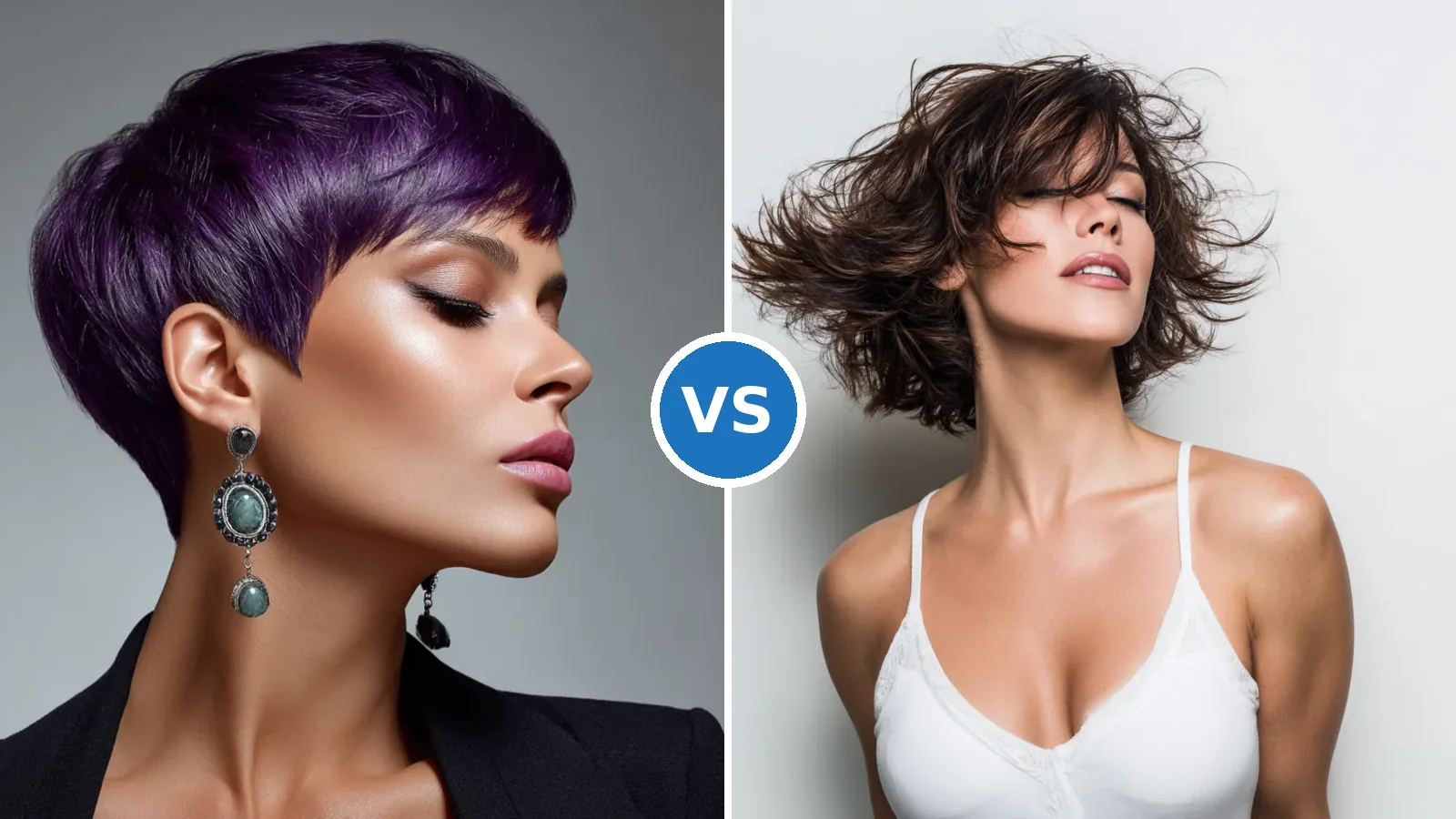
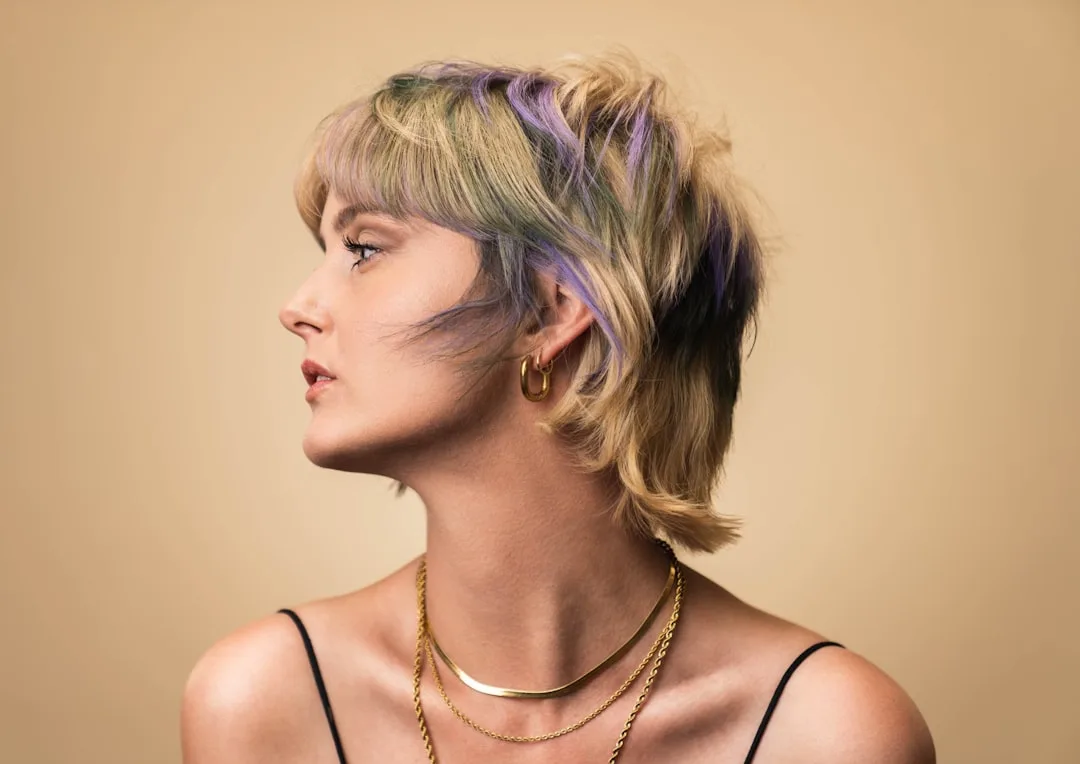
The 1990s were a pivotal era for fashion and beauty, characterized by a distinct rejection of the polished, high-maintenance glamour that defined the previous decade. In its place, a raw, authentic, and deliberately “undone” style emerged, heavily influenced by the music scene in Seattle and the rise of grunge. This aesthetic was not about looking perfect; it was about looking lived-in and real. Hair became a primary vehicle for this expression, moving away from hairspray-heavy styles to softer, grittier textures. Today, this look is experiencing a massive resurgence. The modern interpretation of these styles combines the nostalgic edge of the past with contemporary cutting techniques, resulting in looks that are effortless, cool, and incredibly versatile.
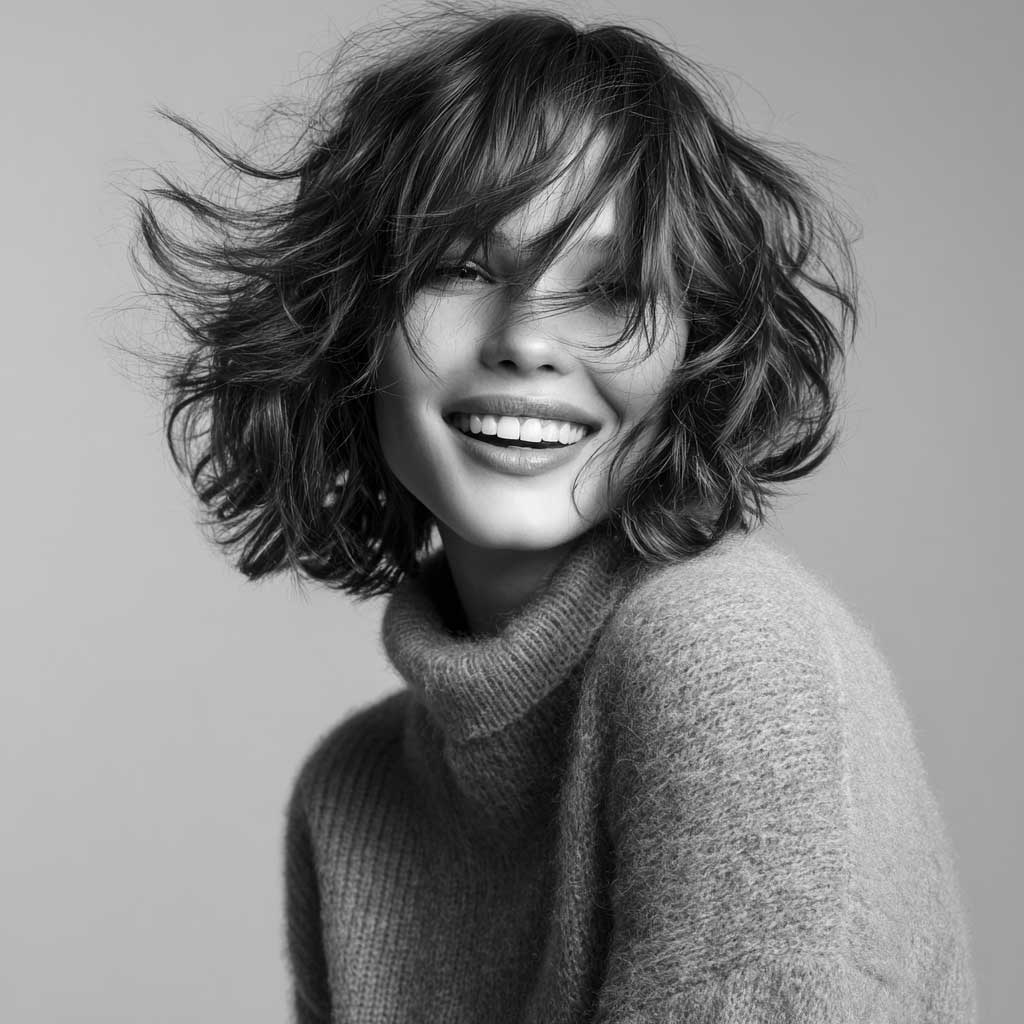
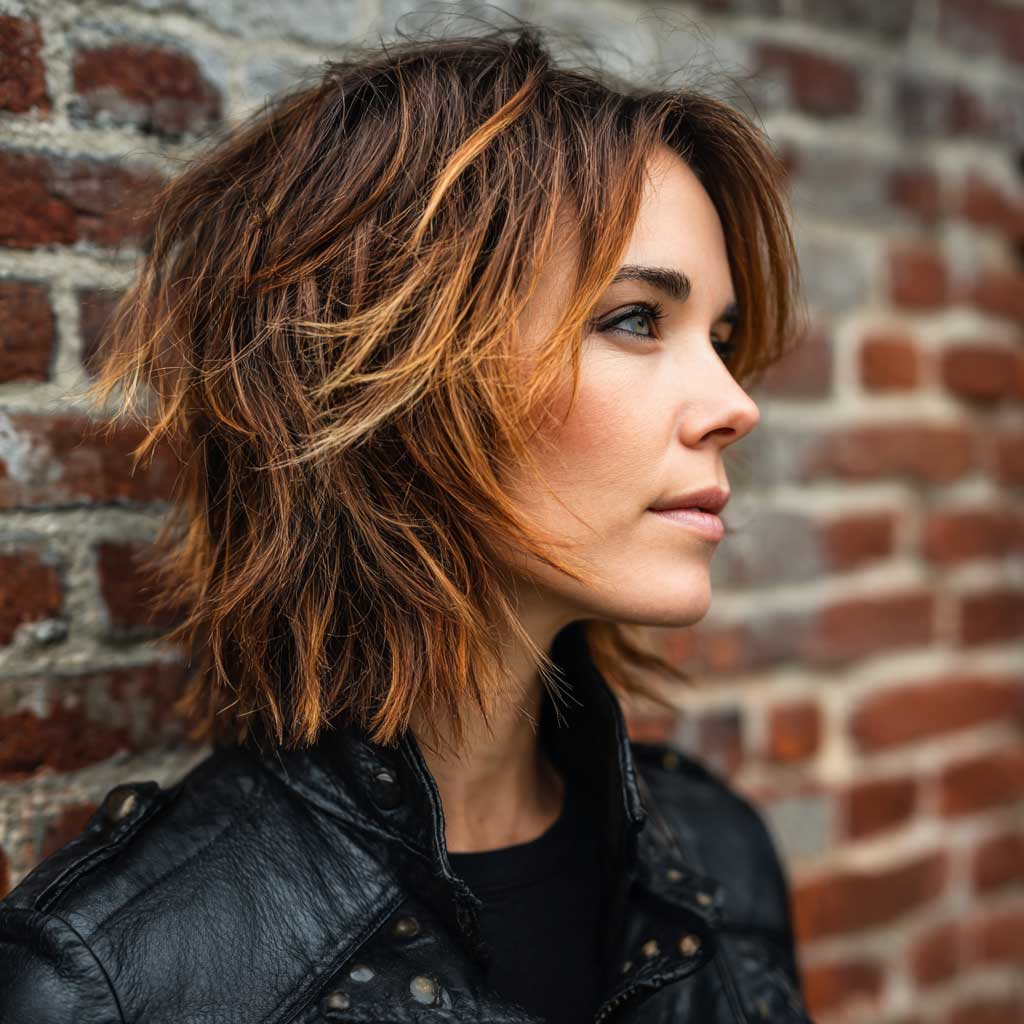
Messy Textured Bobs With Curtain Bangs
The Anti-Fashion Statement The textured bob of the 1990s was more than just a haircut; it was a cultural signifier. It represented a departure from the sleek, blunt bobs of power-dressing corporate culture and moved toward something organic and accessible. This specific iteration of short choppy haircuts relies heavily on the removal of weight. Unlike a precision bob where the bottom line is sharp and geometric, the grunge bob is shattered at the edges. Stylists achieve this by cutting deep into the interior of the hair, creating pockets of negative space that allow the hair to collapse naturally. This technique prevents the dreaded “triangle” shape and ensures that the hair sits close to the head, mimicking the look of hair that has been tucked behind ears or slept on. The result is a silhouette that feels intimate and approachable rather than stiff and imposing.
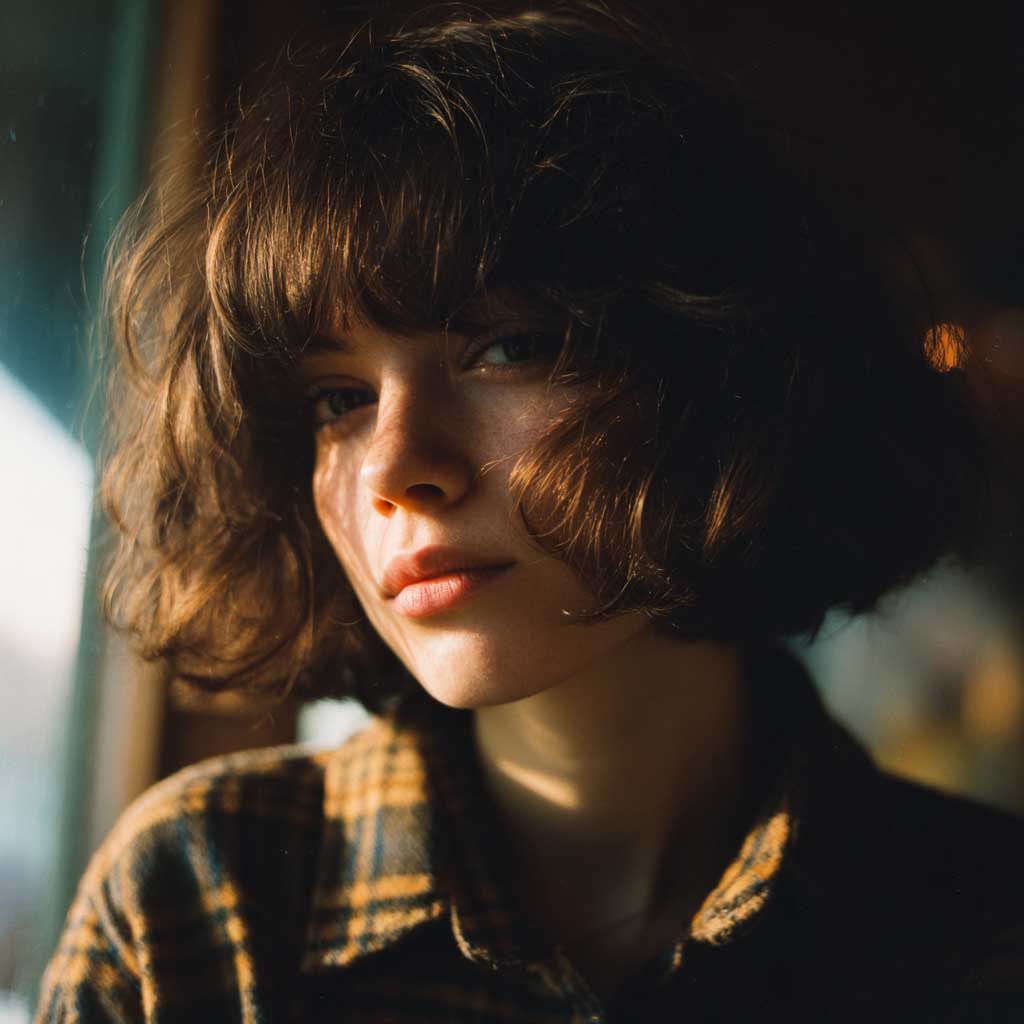
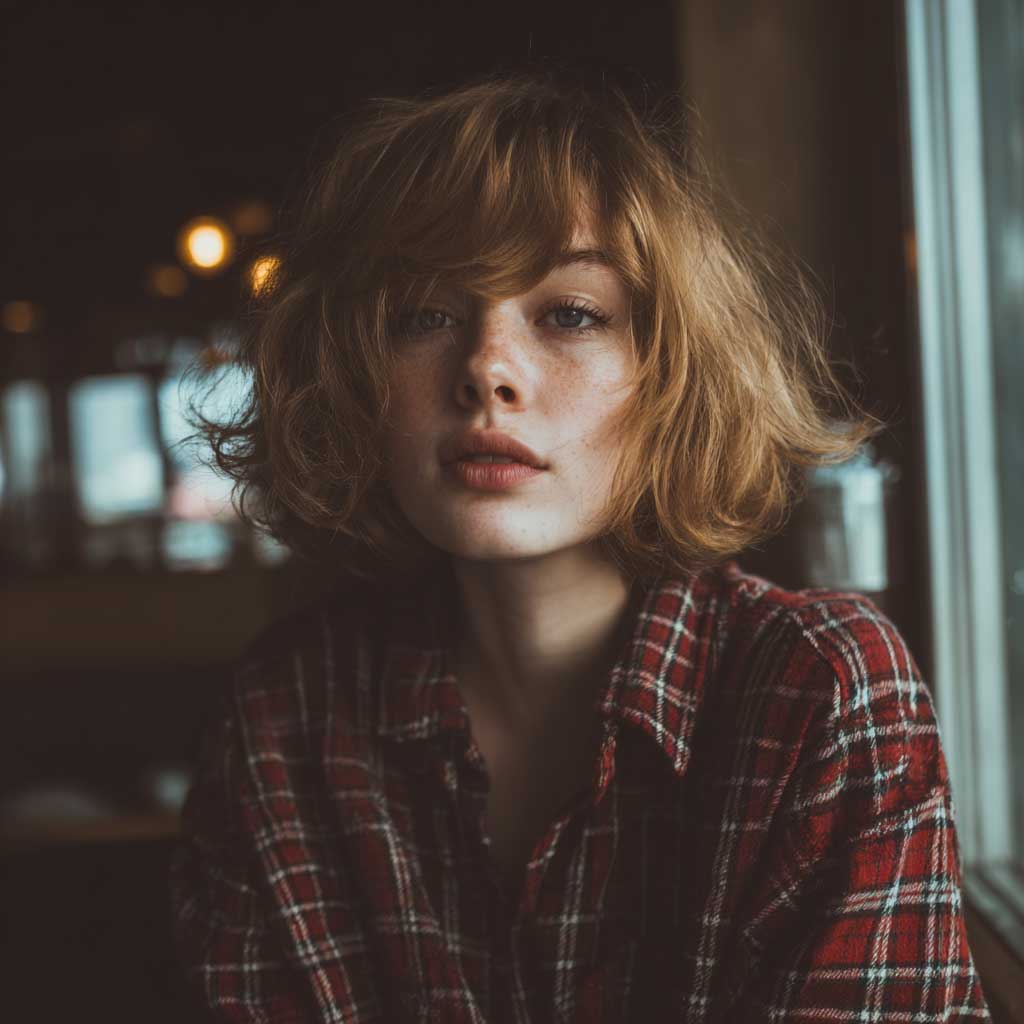
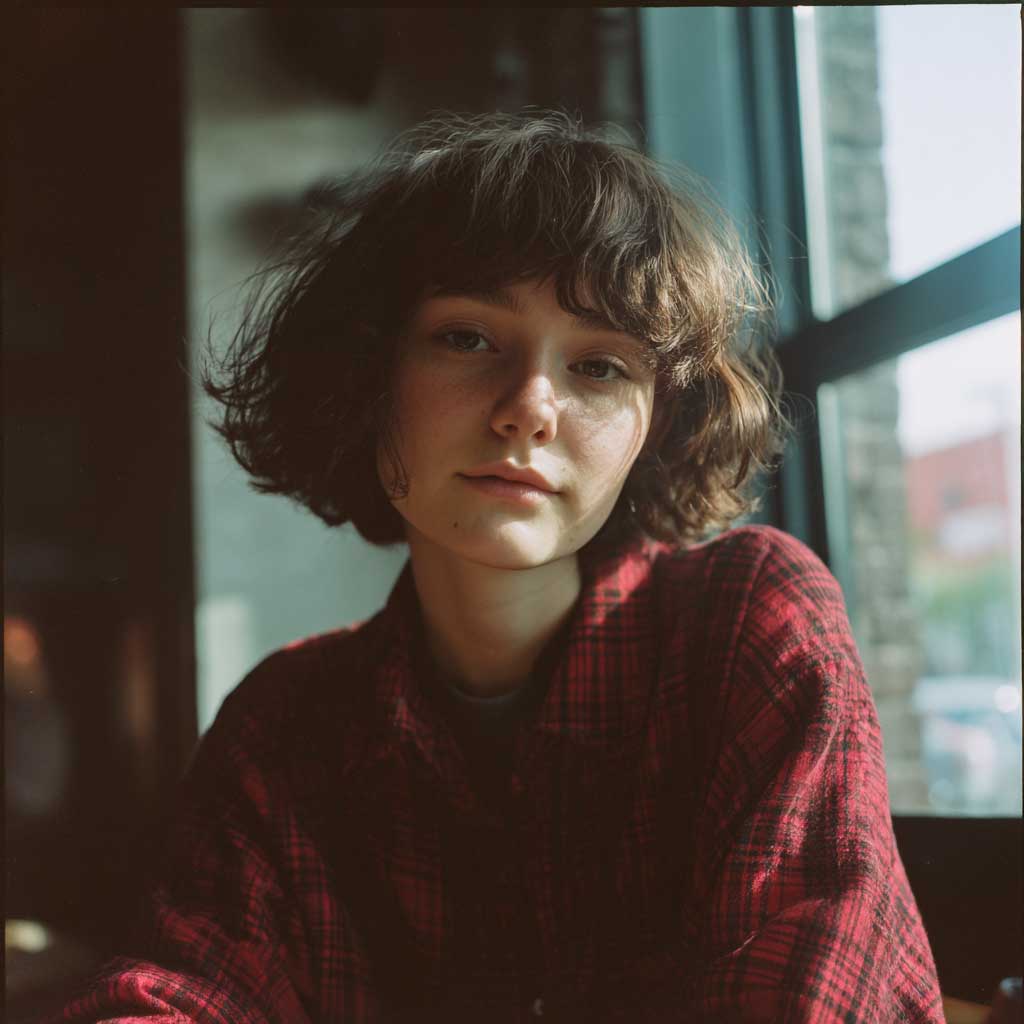
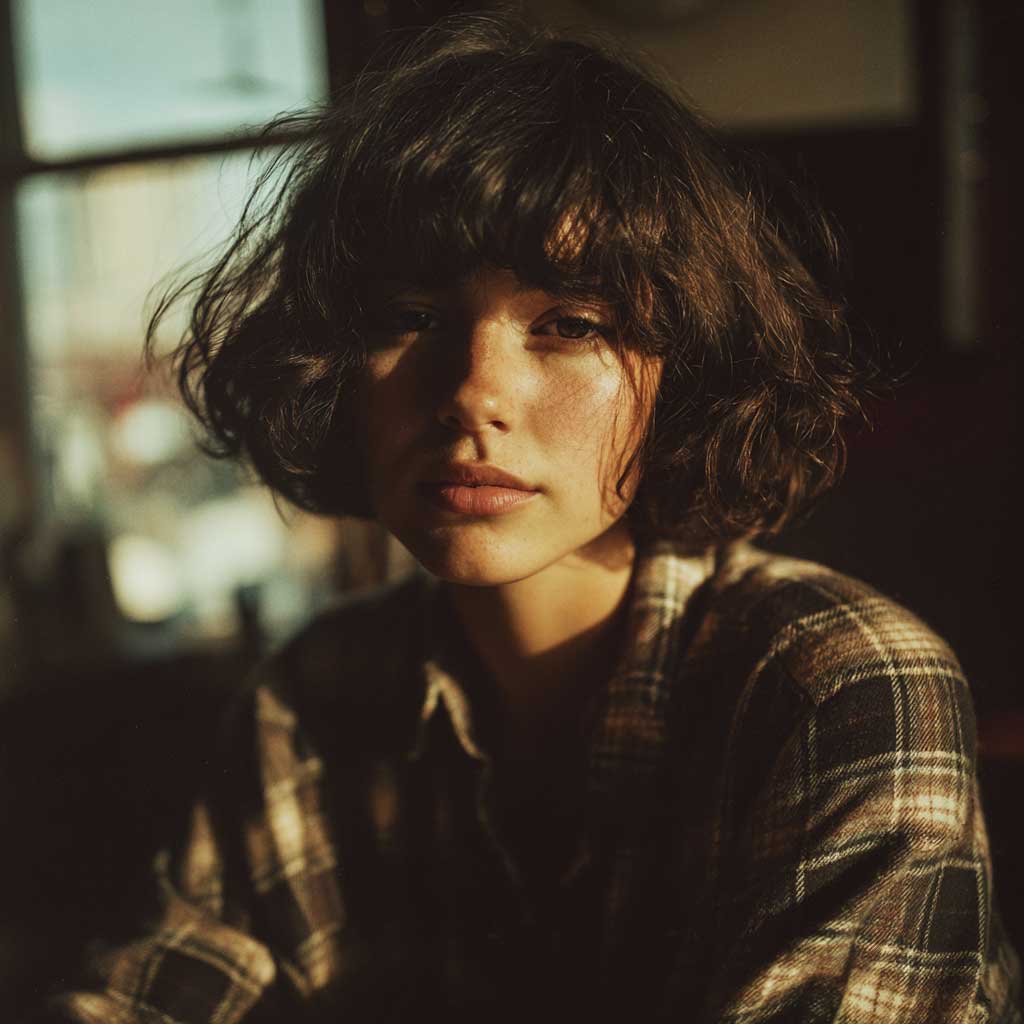
The Role of the Curtain Bang Central to this look is the curtain bang, a feature that became iconic during the decade. In the context of a grunge aesthetic, the curtain bang is not wispy or feathery; it is substantial and heavy. It frames the face with a certain moody mystery, often falling right into the eyes before being swept aside. When paired with short choppy haircuts, the bangs bridge the gap between the front and the back of the style. They provide a continuous line of texture that encircles the face. For the modern wearer, this is incredibly flattering as it highlights the cheekbones and eyes while hiding the forehead. The key to the grunge vibe is in the styling of the fringe. It shouldn’t be blown out with a round brush to be voluminous and bouncy. Instead, it should be dried flat or air-dried to encourage a slight bend or kink, reinforcing the idea that the wearer simply woke up, ran their fingers through their hair, and walked out the door.
Styling the “Unstyled” Look Achieving the perfect level of messiness requires a paradoxical amount of intention. The goal is to create texture that looks devoid of product, even though products are essential to the structure. Salt sprays and matte pastes are the modern tools used to recreate the grit that was often achieved in the 90s by simply not washing hair for a few days. To style this cut, one should avoid heavy conditioners at the roots, which can make the hair look greasy rather than gritty. After washing, applying a texturizing foam and rough-drying the hair with fingers—skipping the comb entirely—helps to disturb the cuticle and enhance the natural wave. Once dry, a small amount of matte clay warmed between the palms and scrunched into the ends adds separation. This separation is vital for showing off the choppy layers; without it, the bob can look like a solid block. The finish should always be matte, absorbing light rather than reflecting it, which aligns perfectly with the muted, flannel-clad fashion associated with the era.
Versatility Across Hair Types One of the reasons this style has endured is its adaptability. For those with fine hair, the choppy layers create an illusion of thickness and volume without the need for backcombing. The rougher texture grabs onto itself, holding shape longer than silky, blunt cuts. For those with thick or coarse hair, the aggressive texturizing required for this style removes the bulk that often makes short haircuts difficult to manage. It debulks the sides and nape, allowing the hair to swing freely. Furthermore, this cut grows out beautifully. Because there are no hard lines to maintain, the transition from a chin-length bob to a shoulder-grazing lob is seamless. The curtain bangs simply grow into face-framing layers, eventually blending into the rest of the cut. This low-maintenance aspect appeals to the modern lifestyle just as much as it did to the anti-establishment youth of the 90s. It remains a top choice for anyone seeking a look that is equal parts rebellion and romance.
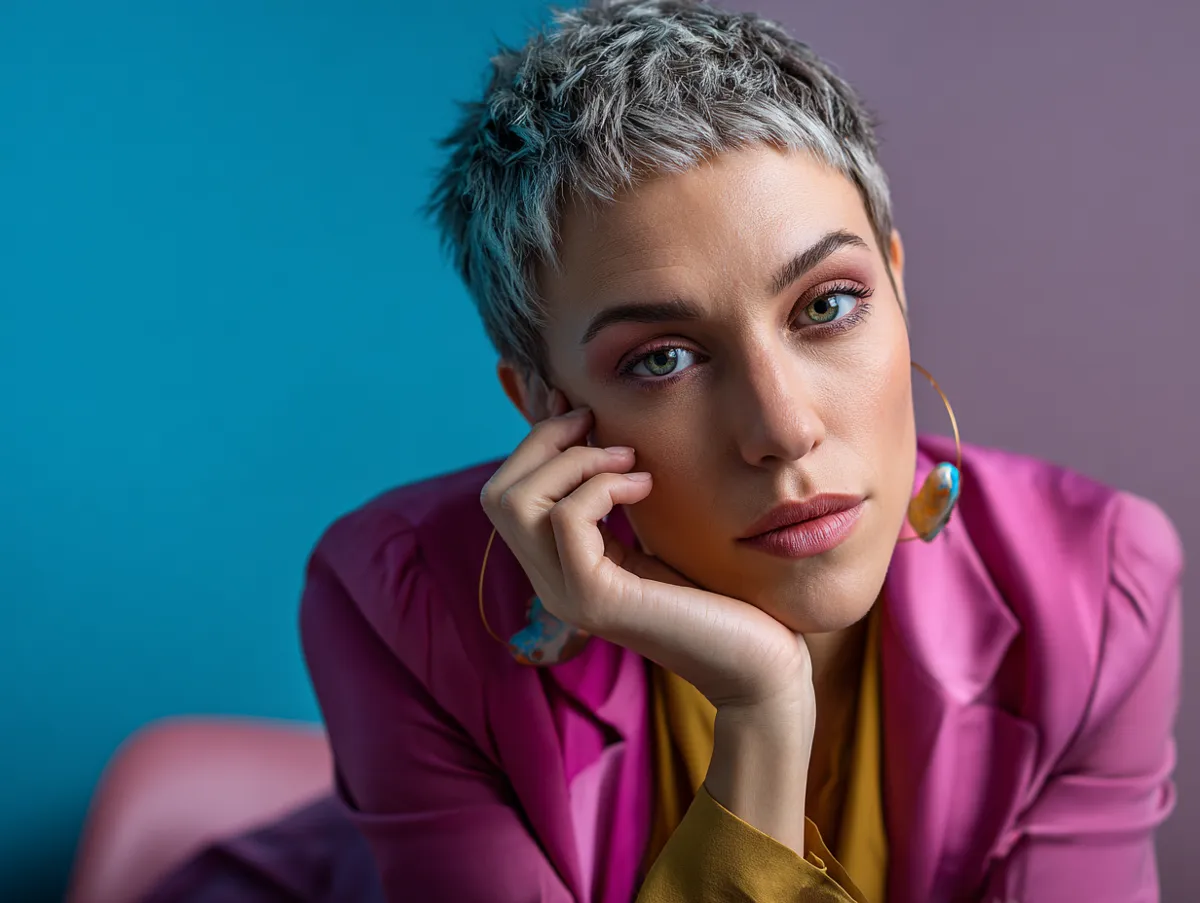
Undone Spiky Pixies With Dark Roots
The Riot Grrrl Influence The spiky pixie with visible roots is perhaps the most aggressive and definitive hairstyle of the grunge era. It draws its lineage directly from the “Riot Grrrl” movement and the underground punk scenes that permeated the 90s. This style completely abandons the notion that short hair must be gamine, cute, or demure. Instead, it uses short choppy haircuts to project strength, attitude, and a disregard for traditional beauty standards. The defining characteristic here is the contrast—both in texture and in color. The cut is typically shorter on the sides and back, often clipper-cut or scissor-over-comb, while the top is left long enough to be manipulated into spikes or chaotic disarray. The “choppy” aspect is taken to the extreme here, with varying lengths sitting right next to each other to create a jagged, saw-tooth profile.
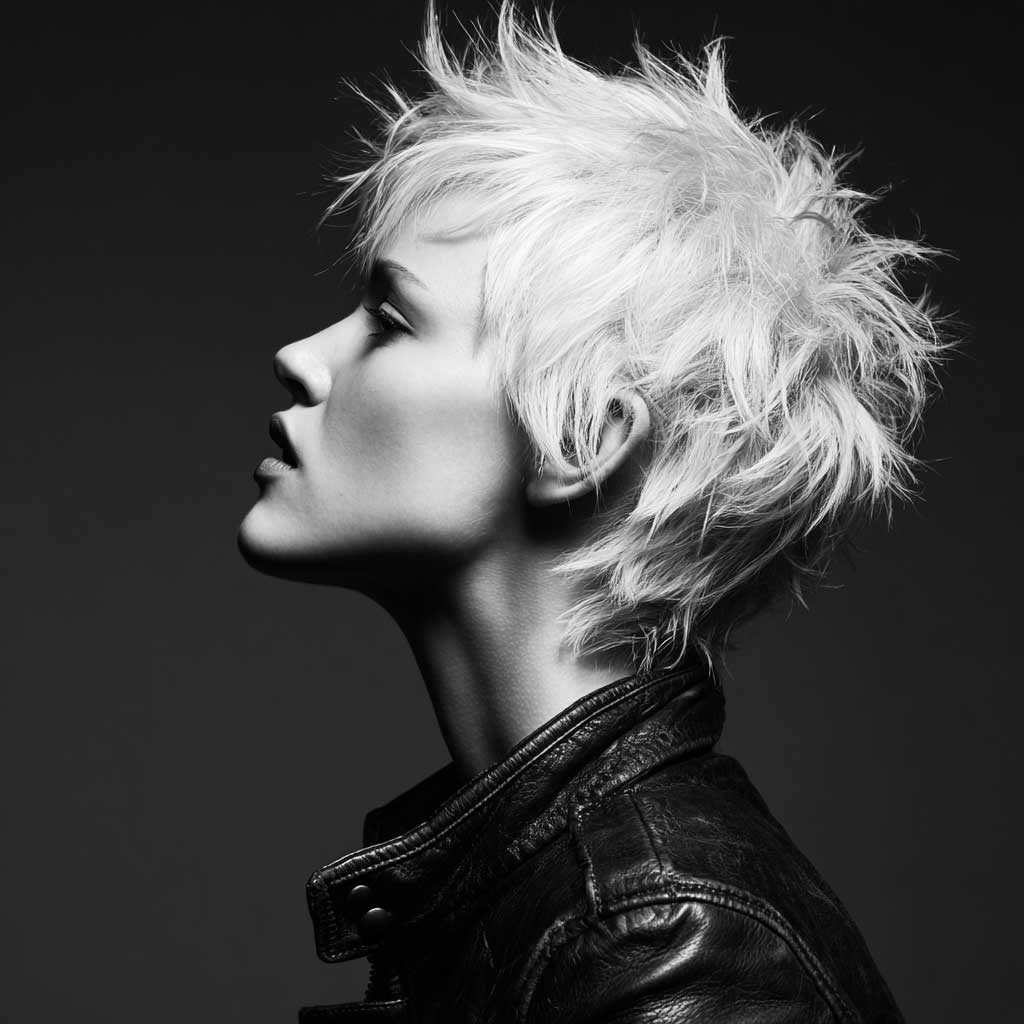

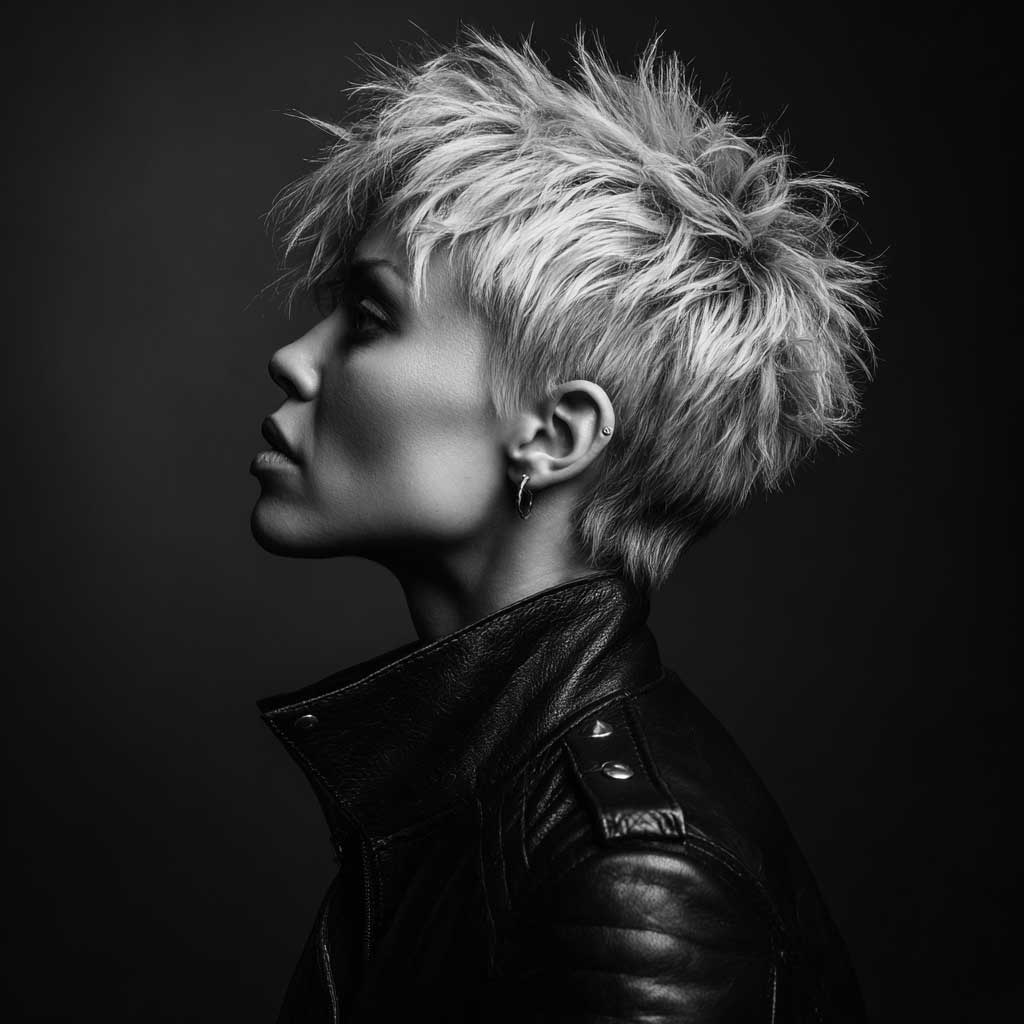

Embracing the Roots Color plays a monumental role in the success of this aesthetic. In many other decades, visible roots were seen as a faux pas, a sign of neglect. In the grunge aesthetic, however, they are a deliberate accessory. The look typically involves a bleach-blonde lift on the mid-lengths and ends, contrasted against a dark, natural base. This “shadow root” effect adds immense depth to the style. Visually, the dark roots create a background that makes the lighter, textured pieces on top pop. It highlights the separation of the strands and emphasizes the choppiness of the cut. If the hair were one solid color, the intricate texture might get lost visually. The dark roots also ground the look, preventing the bleached hair from washing out the complexion. It gives the style a raw, industrial feel that pairs perfectly with the leather jackets, chokers, and combat boots that define the wardrobe of this subculture.
Texture Over Volume When styling this iteration of the pixie, the objective is texture, not volume. Traditional pixies often seek to create a round, pleasing shape. The grunge pixie, conversely, seeks to break the shape. Products are used to piece out strands and make them stand up or stick out. Pliable waxes, molding pastes, and fibrous putties are the go-to styling aids. The application technique involves rubbing the product thoroughly into the hands and then aggressively working it through the hair from root to tip, twisting individual sections to create spikes. The finish should be somewhat stiff and piecey. Unlike the soft, touchable bob, this hair looks like it has a structure and a hold. It is meant to look a bit “crispy” or wet, mimicking the gelled looks of the era but with modern formulations that don’t flake.
The Confidence of exposure Adopting this style requires a certain level of confidence because it leaves the face entirely exposed. There is no hair to hide behind; the jawline, neck, and eyes are the focal points. However, this exposure is also what makes the cut so empowering. It strips away the safety blanket of long hair and forces the wearer to lead with their features. It is surprisingly feminine in its own way, as it draws attention to the delicacy of the neck and the bone structure of the face. For women with strong features, such as a sharp jawline or prominent cheekbones, short choppy haircuts like this act as a spotlight. Additionally, the daily maintenance is incredibly low in terms of time. Washing and drying take minutes. The “styling” is mostly about messing it up with your hands. The maintenance comes in the form of frequent trims to keep the shape sharp and the neckline clean, but for the daily wearer, it offers a freedom that long hair simply cannot match. It is the ultimate “get up and go” style for the woman who wants her presence to be felt immediately.
Razored French Crops For Androgynous Style
Blurring the Gender Lines The 90s were a decade that began to heavily experiment with unisex fashion and androgyny, and the French crop became a symbol of this gender-fluid aesthetic. Worn by heartthrobs and heroines alike, this cut sits somewhere between a bowl cut and a pixie. It is characterized by length on top that is brushed forward toward the forehead, paired with shorter, tapered sides. However, to fit the grunge brief, the precision of the classic French crop is destroyed using a razor. Short choppy haircuts created with a razor have a distinctively different feel than those cut with scissors. The razor tapers the end of every single hair strand, creating a soft, feathered edge that looks worn-in from the moment it is cut. This technique removes the bulk and weight that can make short hair look “puffy,” resulting in a sleek yet shattered silhouette that hugs the head shape.
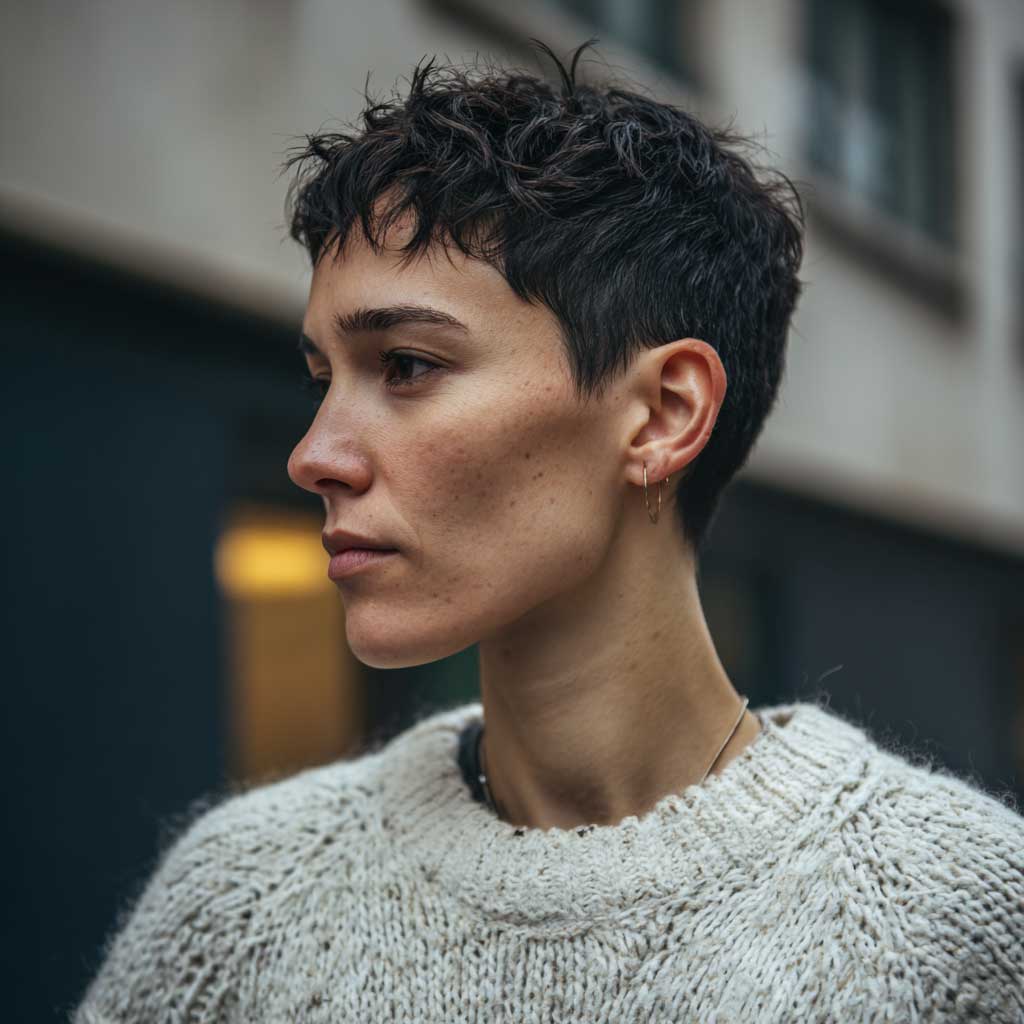
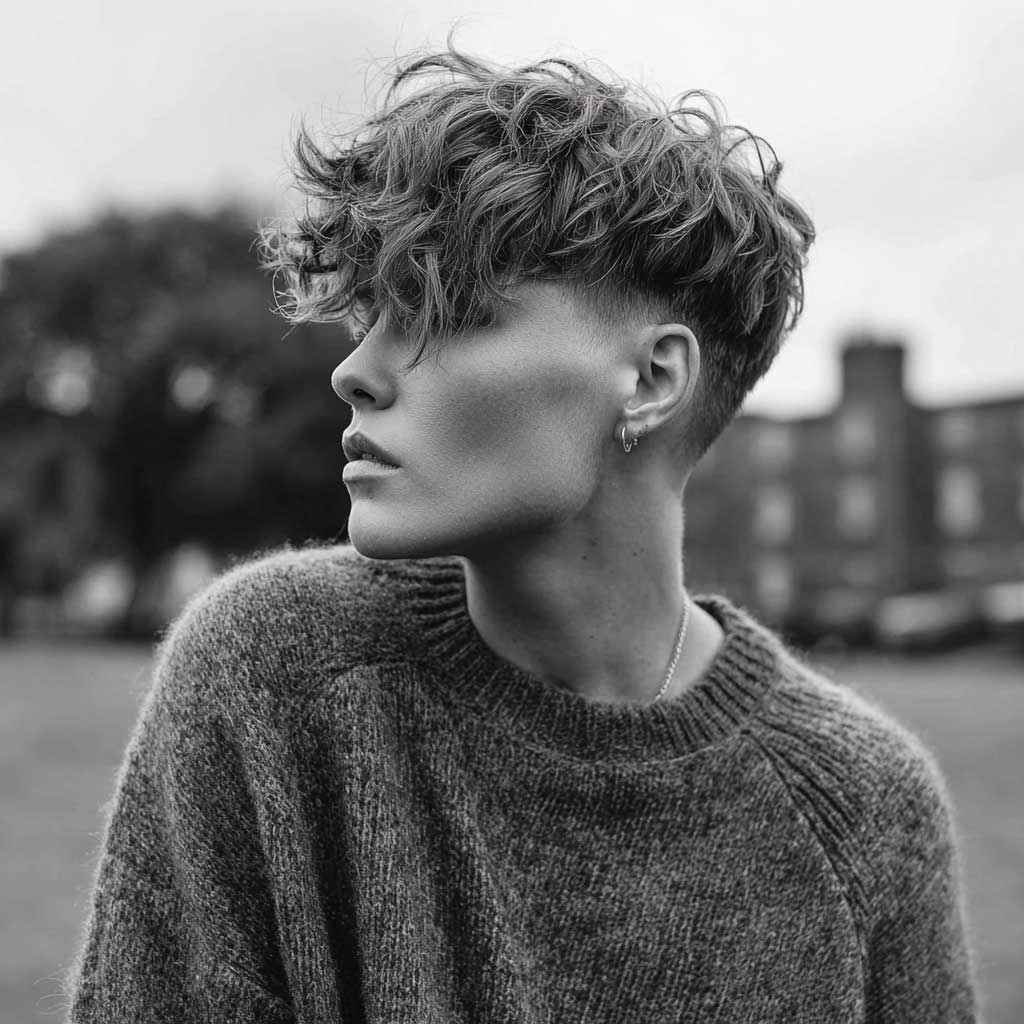
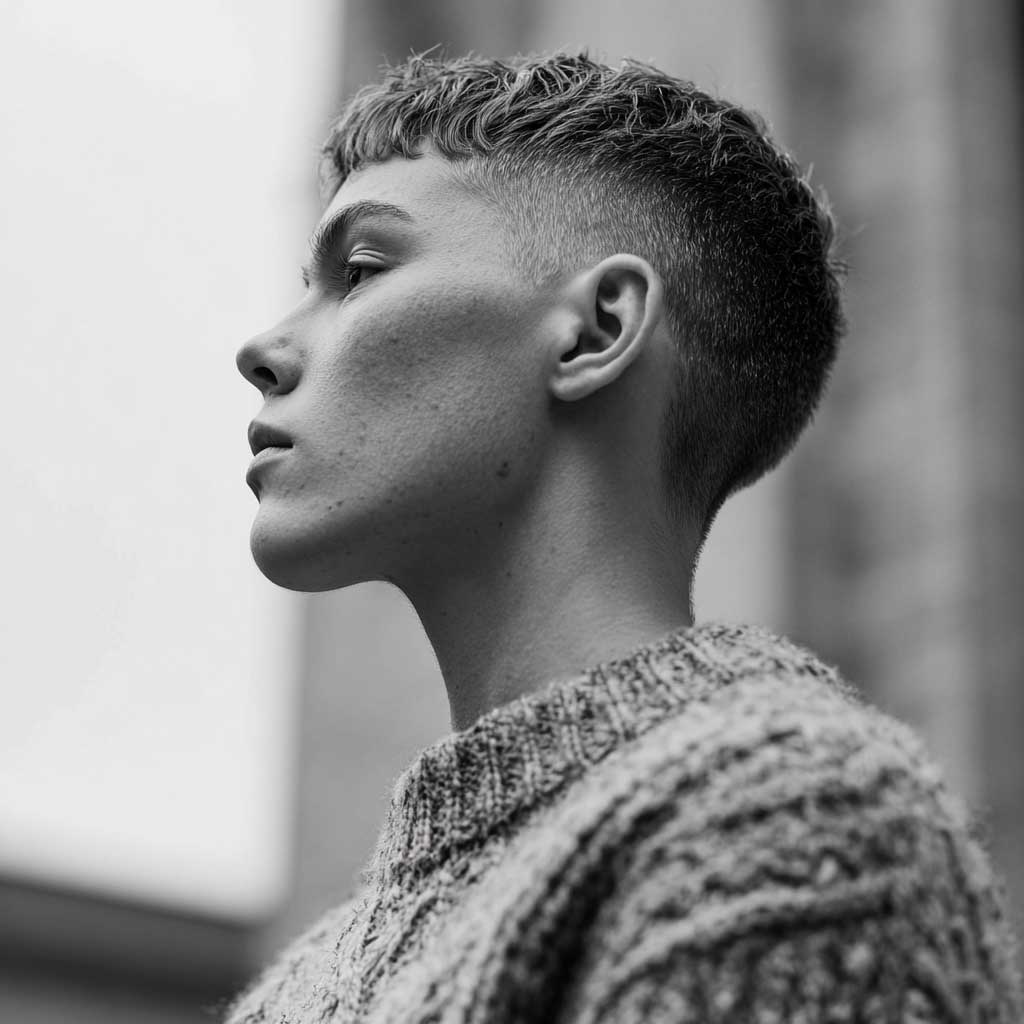

The Art of the Razor The magic of this look lies in the tool used. A razor allows the stylist to carve into the hair, creating peaks and valleys in the texture. This is essential for the heavy fringe that usually accompanies this style. Instead of a blunt line across the forehead, which would look like a LEGO piece, the razor-cut fringe is piecey and translucent. You can see the skin of the forehead peeking through the gaps in the hair. This breaks up the heaviness and prevents the cut from overwhelming the face. The texture on the crown is also kept long enough to have movement. When the wind blows, the hair moves; it isn’t cemented in place. This movement is what gives the cut its boyish charm. It channels the look of young actors and musicians of the mid-90s who became icons of the “slacker” generation—effortlessly cool without trying too hard.
Styling for a “Day-Two” Feel The ideal finish for a razored crop is hair that looks like it hasn’t been washed in a day or two—the natural oils starting to weigh down the fluffiness of clean hair. To achieve this on freshly washed hair, styling creams and grooming tonics are essential. These products add weight and a low-sheen luster that mimics natural hair oils. The application should focus on the mid-lengths and ends, avoiding the scalp to prevent actual greasiness. The hair is typically brushed forward from the crown towards the face. Using a wide-tooth comb or just fingers creates the separation needed to show off the razor work. It is a tactile style; it invites you to run your hands through it. Unlike the spiky pixie which is rigid, the crop is soft and malleable. You can push the fringe to the side for a preppier look or let it hang heavy over the eyes for the full grunge effect.
Suitability and Evolution This style is particularly effective for those with straight or slightly wavy hair. The natural straightness complements the forward direction of the cut. For those with very thick hair, the razor is a godsend, as it can reduce the density by half without changing the overall length, making the hair manageable and less prone to “mushrooming.” It is a cut that frames the eyes beautifully and emphasizes the brow line. As it grows out, it transitions easily into a shaggy bob, making it a low-risk option for those experimenting with short hair for the first time. The androgynous nature of the cut allows it to be dressed up or down; it looks just as appropriate with a slip dress and combat boots as it does with a suit. It is a chameleon of a haircut, adapting to the wearer’s personal style while maintaining that underlying edge of 90s cool. It remains a testament to the era’s focus on individuality and comfort.
The resurgence of 90s grunge hair is not merely a trend; it is a revisiting of a philosophy that values authenticity over perfection. Whether through the shattered edges of a textured bob, the fierce contrast of a rooted pixie, or the soft androgyny of a razored crop, these styles offer a way to express individuality with minimal fuss. Short choppy haircuts from this era prove that hair doesn’t need to be long to be feminine, nor does it need to be perfectly coiffed to be beautiful. By embracing texture, natural movement, and a “less is more” approach to styling, these cuts provide a timeless, edgy aesthetic that fits seamlessly into the modern world.