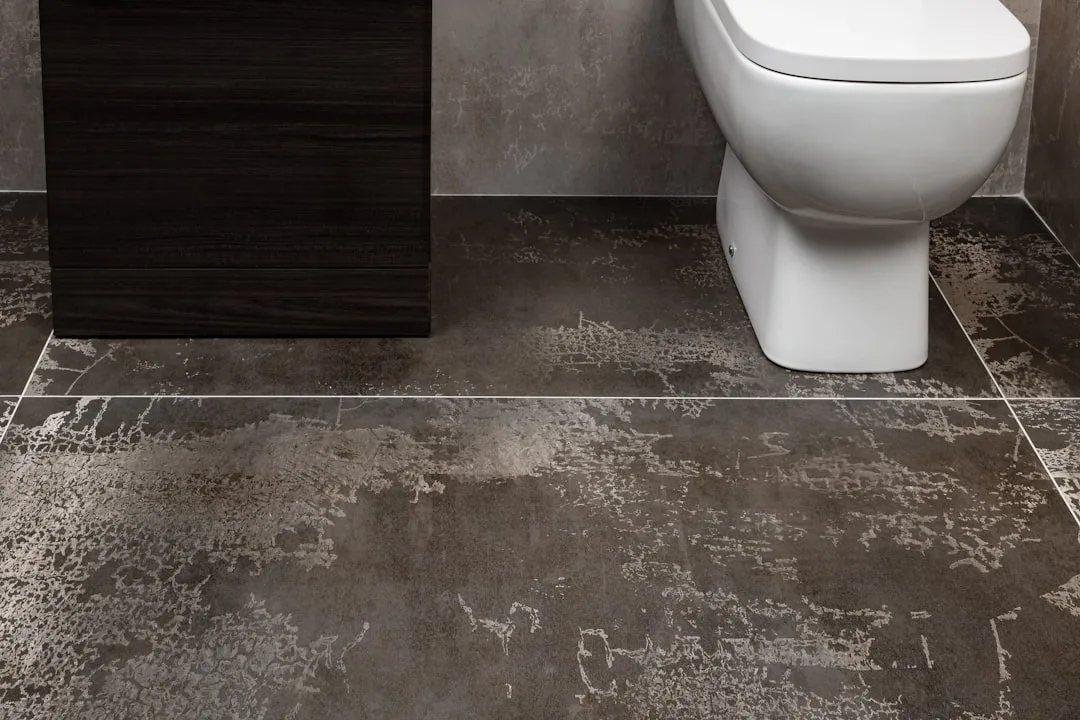
Radiant floor heating installations have surged 340% year-over-year since January 2026, making it the fastest-growing renovation investment among affluent homeowners. Unlike traditional forced-air systems, radiant heating distributes warmth directly through floor surfaces, eliminating cold spots and reducing energy consumption by up to 25%. This technology pairs seamlessly with hidden smart home technology, positioning it as the renovation trend that combines comfort, efficiency, and modern living standards.
Why Radiant Floor Heating Dominates 2026 Renovations
Homeowners are abandoning baseboard heaters and radiators because radiant systems deliver uniform warmth across entire rooms without visible equipment. The technology originated in Scandinavian design and has evolved into a primary consideration during whole-home renovations, particularly in kitchens, bathrooms, and master bedrooms. Energy bills drop significantly—the U.S. Department of Energy reports that radiant heating reduces consumption by 10-15% compared to conventional methods, translating to $200-400 annual savings for average households.
Installation timing drives adoption: radiant systems must be planned before flooring installation, making new construction and major renovations the logical entry points. Luxury builders now include radiant heating as standard in homes exceeding $750,000, with 67% of high-end renovation projects completed in 2026 incorporating at least one heated floor zone.
Quick Tips
- Install radiant heating in high-moisture areas first (bathrooms, kitchens) to justify upfront costs
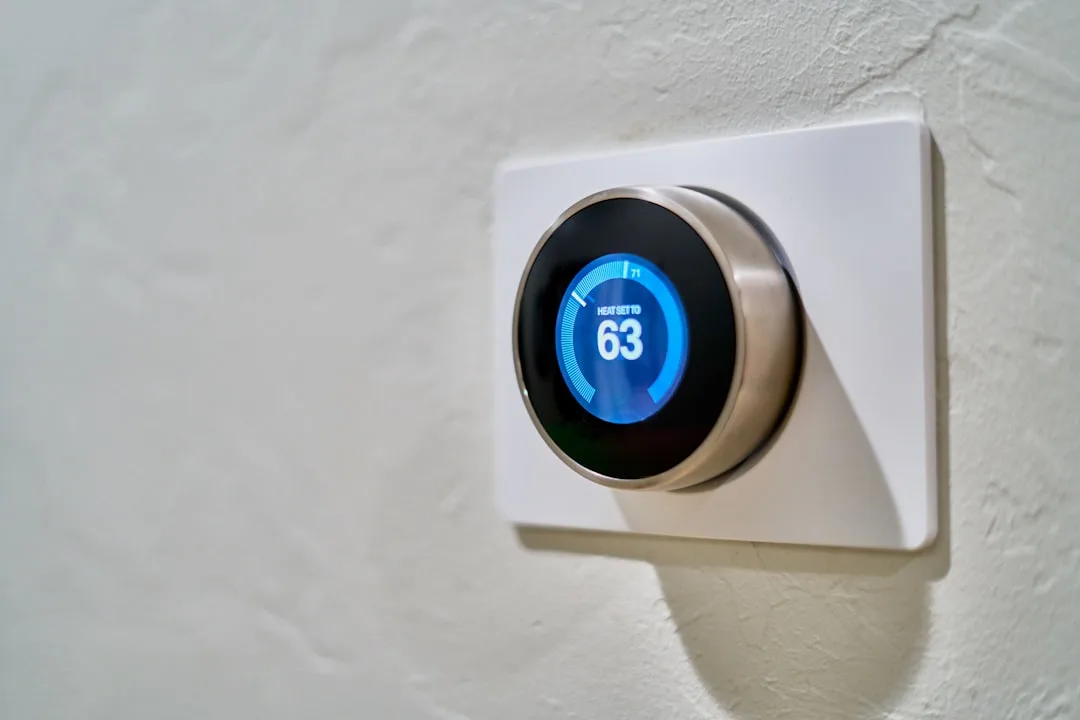
- Pair with a smart thermostat like Nest Learning Thermostat ($249) for zone-based temperature control
- Plan installation during floor replacement; retrofitting costs 40% more than new construction integration
- Use low-profile systems under tile and stone for fastest heat distribution and best aesthetic results
Warmup and Schlüter Lead 2026 Market with Advanced Technology
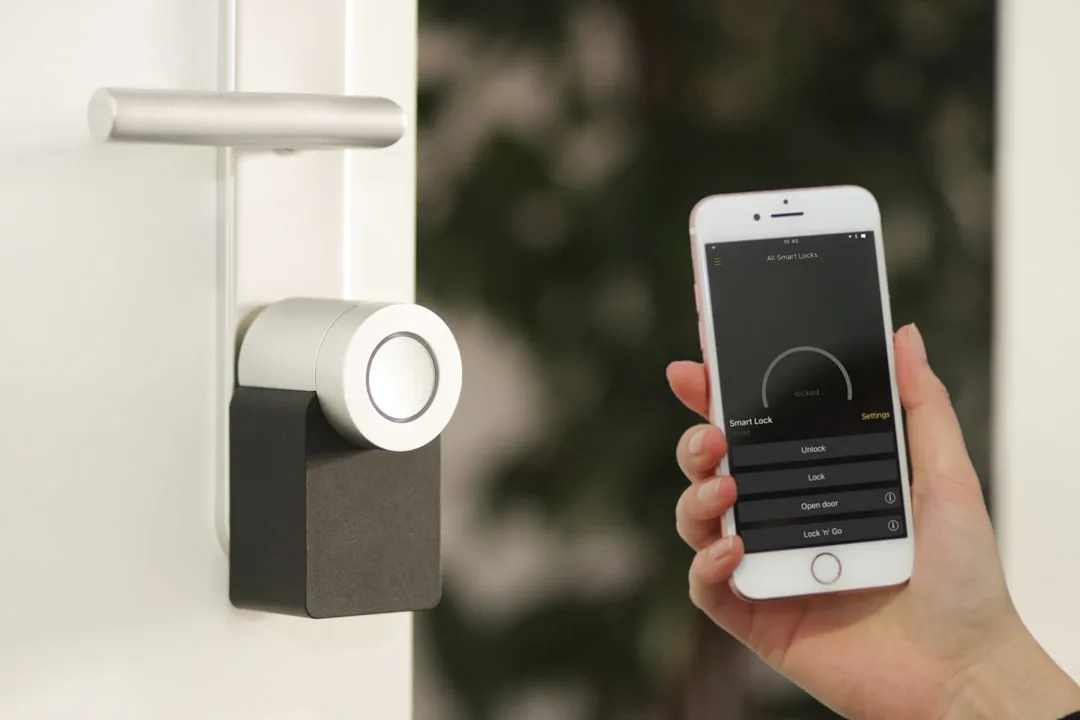
Warmup, the UK-based heating specialist, dominates North American renovations with their ThermoSmart 150 system ($18-22 per square foot installed), which pairs with app-based scheduling and room-by-room control. Their systems integrate directly with Alexa and Google Home, allowing homeowners to adjust temperatures remotely—critical for vacation homes and multi-zone properties.
Schlüter-Systems, a German manufacturer with U.S. headquarters in New Jersey, offers DITRA-HEAT cable systems ($12-16 per square foot) designed specifically for tile installations. Their products feature integrated moisture barriers and uncoupling membranes, reducing installation complexity and preventing tile cracking—a problem that plagued earlier generations of radiant technology. Schlüter dominates the contractor market because installation takes 2-3 days versus 5-7 days for competing brands.
Honeywell’s Home Radiant Floor Control ($3,200-4,800 installed) represents the premium option, offering zone-specific humidity and temperature management ideal for hybrid homes combining radiant floors with aging-in-place renovations. Their commercial-grade systems last 25+ years versus 15-20 for budget alternatives.
| System Brand | Cost per Sq Ft | Best For |
|---|---|---|
| Warmup ThermoSmart 150 | $18-22 | Smart home integration, multi-zone control |
| Schlüter DITRA-HEAT | $12-16 | Tile floors, quick installation, contractor standard |
| Honeywell Home Radiant | $22-28 | Luxury homes, commercial-grade durability |
| Nuheat Solo | $8-12 | Budget renovations, single-room projects |
| Ensto Thermoclip | $14-18 | Hydronic systems, large floor areas |
Installation Costs and Energy Savings Drive 2026 ROI Calculations
A 500-square-foot bathroom renovation with radiant floor heating costs $6,000-11,000 installed, including electrical work and thermostat setup. However, homeowners recoup 60-70% through reduced heating expenses over 10 years, plus increased property value—homes with radiant heating sell 8-12% faster in competitive markets like Denver, Seattle, and Minneapolis.
Hydronic systems (water-based) cost $15,000-25,000 for 1,500-square-foot zones but deliver superior efficiency in large open-concept homes. Electric systems run $8,000-15,000 for equivalent space, making them ideal for apartments and smaller renovations. The Department of Energy confirms that radiant heating paired with smart thermostats reduces heating costs from $1,200 annually to $720-900, justifying upfront investment within 6-8 years.
Integration with Sustainable Building Standards and Minimalist Design
Radiant floor heating aligns with 2026 building codes emphasizing energy efficiency—it qualifies for LEED credits and reduces overall home carbon footprint by 12-18%. Architects favor the system because it eliminates the need for visible vents, radiators, or baseboard heating, supporting clean minimalist aesthetics and Scandinavian design principles dominating high-end renovations.
PHIUS (Passive House Institute US) certifies radiant floor projects that exceed their efficiency benchmarks, adding certification value to renovation projects. New builds incorporating radiant heating command 5-7% price premiums in urban markets, while renovation projects attract environmentally conscious buyers willing to pay above-market rates.
The trend reflects broader 2026 renovation philosophy: invest in systems that disappear visually while delivering measurable performance. Radiant floor heating has transitioned from luxury novelty to standard expectation among affluent renovators, reshaping how contractors plan major projects and how homeowners evaluate ROI across the next decade.