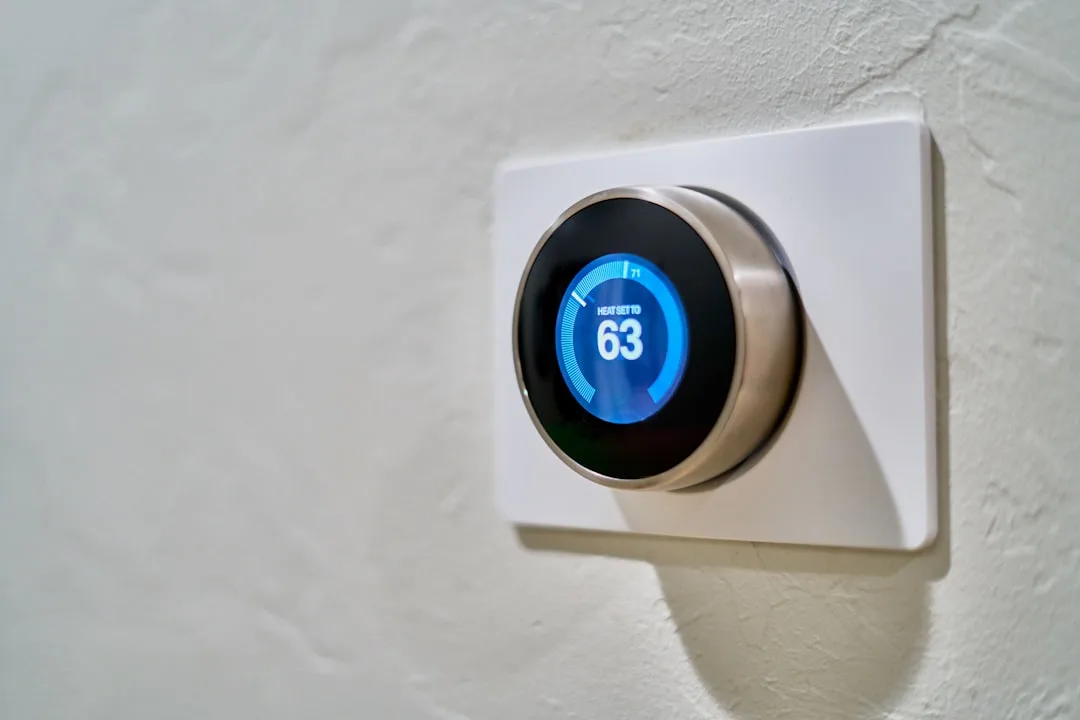
Zoned smart home climate control systems are capturing 34% of new smart home installations in 2026, replacing single-point thermostats as homeowners prioritize room-by-room comfort and energy efficiency. Unlike voice-controlled lighting or AI-powered smart mirrors, zoned climate systems directly impact utility bills—reducing heating and cooling costs by 15-20% annually while eliminating the “too hot upstairs, too cold downstairs” problem that plagues standard HVAC setups.
Why Zoned Climate Control Dominates 2026 Design
The shift stems from three converging factors: rising energy costs, multigenerational homes requiring different comfort preferences, and smart home platforms finally integrating HVAC control without expensive rewiring. Homeowners now view climate zones as essential infrastructure, not luxury add-ons. The market grew 28% year-over-year as retrofit installation became affordable and non-invasive.
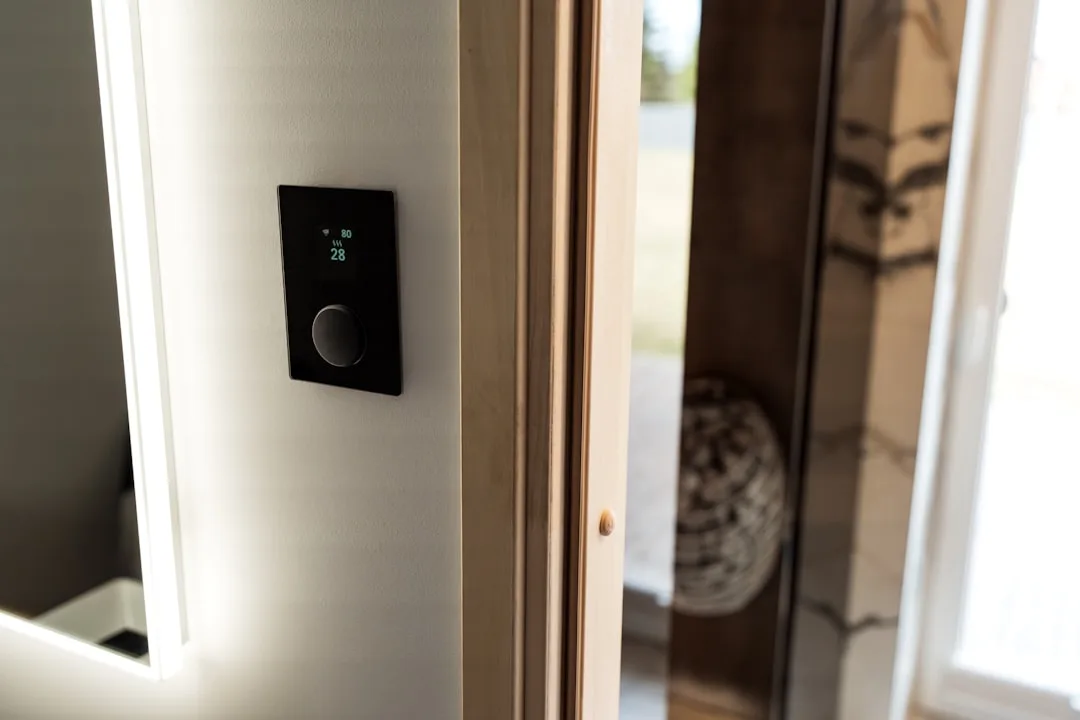
Unlike hidden smart home technology that operates invisibly, zoned climate systems are actively managed daily through apps and voice commands, making them more visible in family routines. Each zone manages 1-4 rooms independently, allowing a master bedroom to stay cool at 68°F while the living room holds 72°F.
Quick Tips
- Install dampers in existing ductwork before upgrading thermostats—this costs $800-1,200 and enables zoning without full HVAC replacement.
- Start with 2-3 zones (master suite, main living area, guest/secondary rooms) rather than five—diminishing returns occur after three zones.
- Pair zoned climate with smart vents ($60-120 per vent) that block airflow to unused rooms, amplifying savings by 8-12%.
- Schedule zone adjustments using occupancy sensors; bedrooms cool 2 hours before sleep, warm 1 hour before waking.
Ecobee SmartThermostat With Voice Control dominates retrofit market
Ecobee’s $249.99 system (available at Home Depot, Amazon, Best Buy) leads the zoned climate category because it works with existing ductwork and doesn’t require full HVAC replacement. The thermostat connects to up to 32 wireless room sensors ($79.99 each), creating independent temperature zones without professional installation in most cases.
Homeowners pair Ecobee with Flair smart vents ($89 per vent, flair.co), which mount inside existing registers and electronically open/close dampers to redirect air. A typical 2,000 sq ft home with five zones costs $950-1,800 installed, with 18-month payback through reduced energy consumption.
Honeywell Home T9 and Nest systems adapt to zone competition
Honeywell’s $299 T9 (HomeDepot.com) incorporates zone management through its ecosystem of remote sensors, while Google Nest announced retrofit zoning capability in Q1 2026, priced at $279 for the base unit. Both systems integrate with smart home platforms (Apple Home, Alexa, Google Home), enabling voice commands like “bedroom zone to 65 degrees” or automated schedules tied to occupancy patterns.
Honeywell’s advantage: 40-year HVAC partnership means better contractor networks for installation. Nest’s strength: seamless Google ecosystem integration and machine learning that learns family comfort patterns automatically, adjusting zones without manual input.
| System | Base Price | Max Zones |
|---|---|---|
| Ecobee SmartThermostat | $249.99 | 32 remote sensors |
| Honeywell T9 | $299 | 10 remote sensors |
| Google Nest 2026 Zoning | $279 | Up to 6 zones |
| Flair Smart Vents (per vent) | $89 | Works with most brands |
Installation determines whether zoning requires renovation
Non-invasive zoning adds $50-200 labor in homes with existing return-air pathways; homes with sealed ductwork or radiant heating systems need $2,000-5,000 modifications. This explains why zoned climate is trending in renovation rather than new construction—retrofitting older homes with single-zone systems creates immediate ROI.
Demand surged particularly in multigenerational homes where aging parents occupy a separate wing, teens prefer colder bedrooms, and young children need warmer nurseries. One room temperature no longer serves six conflicting preferences, reducing thermostat wars and boosting quality of life alongside energy savings.
Integration with occupancy sensors and sleep-tracking ecosystems
By May 2026, the most advanced zoned systems use motion sensors and sleep trackers to automate comfort without manual commands. Withings Sleep Analyzer ($99.95, Withings.com) detects when you’re asleep, triggering your bedroom zone to cool 3-4 degrees for optimal sleep physiology, then warming 30 minutes before wake time.
Occupancy-based zoning reduces energy waste in 40% of homes where families cluster in living areas during evenings, leaving unused bedrooms heated or cooled throughout the day. Motion sensors ($25-40 per zone) paired with smart vents create dynamic redistribution—cooling concentrates where people actually are, rather than conditioning empty rooms.
This automation trend reflects broader 2026 smart home philosophy: invisible infrastructure that responds to behavior rather than demanding user input, aligning with how hidden smart home technology enhances daily life without attention.