Slow travel—staying in one location for weeks or months instead of days—is projected to grow 34% among leisure travelers in 2026, according to Airbnb’s Global Travel Report. This counter-trend to Instagram-fueled bucket-list tourism is reshaping where people go and why they go there. Unlike rapid city-hopping, slow travel prioritizes depth over distance, local relationships over landmarks, and affordability over luxury.
Why Slow Travel Is Overtaking Fast Tourism
Three factors drive this shift. First, travel fatigue from packed itineraries has left tourists exhausted and unfulfilled. Second, monthly rental prices on Airbnb long-term stays (30+ days) average $1,200–$2,400 in European villages versus $4,000+ for week-long city hotel rotations. Third, Gen Z and remote workers now comprise 41% of slow travelers, seeking stable bases for work and community, not photo ops.
The environmental argument matters too. Flying less frequently reduces carbon footprint by 60–80% compared to multi-destination trips. Booking platforms like Vrbo and Booking.com now feature dedicated slow-travel filters, legitimizing the movement with infrastructure.
Quick Tips
- Book month-long stays for 30–50% discounts versus nightly rates
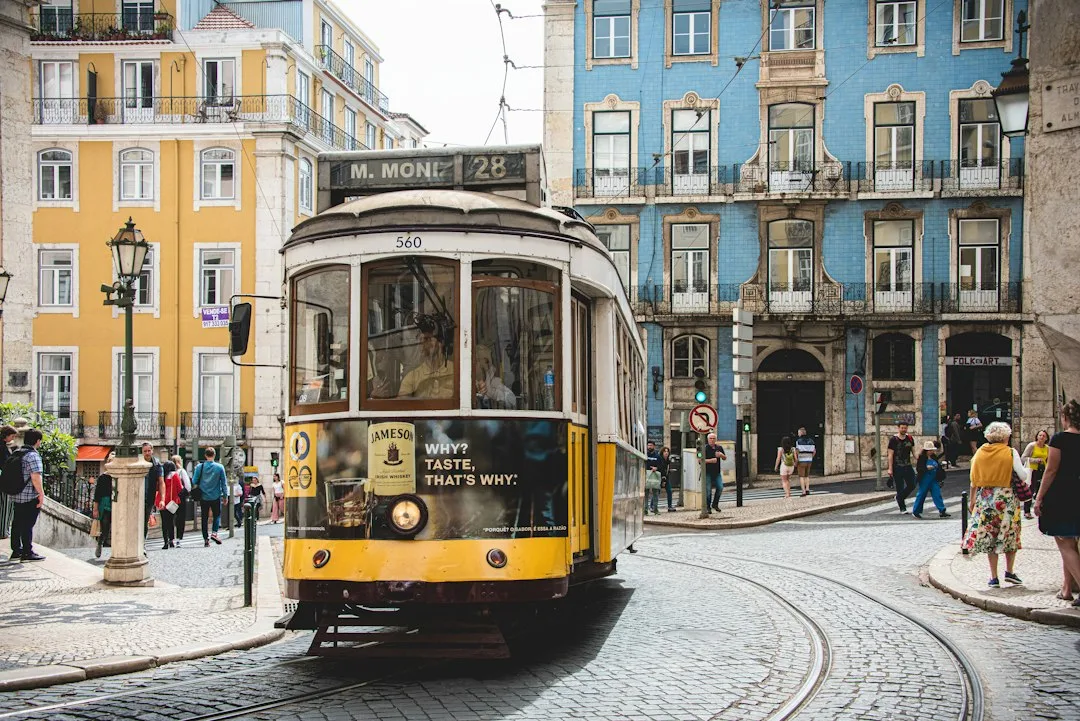
- Choose locations with spring 2026 fashion trends vibes—Lisbon, Oaxaca, Tbilisi offer walkable neighborhoods and style-conscious cafés
- Rent apartments near metro or bus lines to avoid rental car costs ($800–$1,200/month)
- Join coworking spaces ($100–$300/month) to meet other remote workers and access reliable WiFi
- Use Wise or Revolut cards for borderless banking and real exchange rates
Portugal's Algarve Region Leads European Slow Travel
The Algarve in southern Portugal ranks #1 for slow travelers in 2026, with monthly furnished apartment rentals averaging $1,450 via Uniplaces. Coastal towns like Tavira and Lagos offer whitewashed architecture, seafood markets, and 300 days of sunshine annually. The region’s infrastructure supports month-plus stays: supermarkets, gyms, coworking spaces, and reliable public transport via Rede Expressos buses.
Monthly pass transport costs just €45 across the region. Food budgets run $300–$500 monthly if shopping at Pingo Doce or Continente supermarkets. For context, a week-long hotel stay in the same region would cost $1,800–$2,400, making month-long rentals objectively cheaper and more community-integrated.
| Destination | Monthly Rent (USD) | Why Trending |
|---|---|---|
| Lisbon, Portugal | $1,600–$2,200 | Public transit, vintage neighborhoods, remote work hubs |
| Oaxaca, Mexico | $800–$1,300 | Low cost, indigenous culture, expat community established |
| Tbilisi, Georgia | $650–$1,100 | Minimal visa restrictions, avant-garde food scene, affordable |
| Chiang Mai, Thailand | $500–$900 | Extreme affordability, digital nomad infrastructure, wellness focus |
| Granada, Spain | $1,200–$1,800 | University city, Moorish architecture, café culture |
Mexico's Oaxaca Attracts Creative Slow Travelers
Oaxaca, Mexico saw a 52% increase in month-plus bookings on Airbnb in Q4 2025 and Q1 2026. Monthly unfurnished apartments rent for $800–$1,300 through local agents or Facebook groups like Oaxaca Rentals. The city’s appeal: $12–$18 daily food budgets at markets, colonial architecture, indigenous weaving traditions, and a 2,000-person expat community providing built-in social infrastructure.
Coworking spaces like The Gypsy Kitchen ($150/month) and MOON coffee ($120/month) host remote workers. Spanish language schools charge $150–$250 weekly for group classes, turning leisure time into skill development. Unlike tourism, slow travelers here invest in community—many rent for 3–6 months and develop local friendships.
Georgia and Southeast Asia Offer Extreme Value
Tbilisi, Georgia ranks #3 globally for slow-travel value in 2026 Travel + Leisure’s trend report. Monthly rent averages $650–$1,100 for central apartments; the country offers 365-day visas for most nationalities, no questions asked. Georgian wine, cheese, and bread cost 40% less than European equivalents. A three-course dinner runs $6–$9.
Chiang Mai, Thailand remains unmatched for affordability: $500–$900 monthly rent, $8–$12 daily food, and established digital nomad hubs via Punspace and Hubba coworking ($80–$130/month). Healthcare through Thai clinics costs $20–$50 per visit. These destinations appeal to budget-conscious travelers and those extending stays from the typical 2-week vacation model.
Slow Travel Requires Different Packing and Fashion Choices
Month-long stays demand smaller, versatile wardrobes. Travelers prioritize quality basics over trend-chasing, reflecting broader Spring 2026 Fashion Trends: The Pieces Everyone Wants Right Now. Neutral linen, cotton, and wool pieces from Uniqlo ($25–$60 per item), COS ($40–$80), and Everlane ($30–$70) dominate slow-traveler luggage.
Walking-focused destinations like Lisbon and Oaxaca require comfortable shoes—Veja leather sneakers ($110–$130) or Allbirds runners ($98–$128) are standard investments. Layers matter in spring/fall travel, so cardigans and jackets from Reformation ($120–$200) provide styling flexibility across months and climates. Learn more about How Fashion Influences Travel and Adventure: A Style Guide for Explorers to align wardrobes with slow-travel philosophy.
Practical Infrastructure for Month-Long Stays
Successful slow travel hinges on five logistics: reliable WiFi (minimum 30 Mbps), affordable coworking, accessible medical care, transport passes, and community spaces. Booking platforms now filter by these criteria. Wifi priority drivers select apartments with verified gigabit speeds; medical tourists base in Lisbon, Mexico City, or Bangkok where private clinics offer English-speaking doctors at $40–$80 consultations.
Monthly transport passes range from €45 (Algarve) to $25 (Tbilisi) to $8 (Chiang Mai). Community is the hidden infrastructure: Facebook groups, Meetup.com events, and coworking happy hours reduce isolation and accelerate local integration. Slow travelers report 78% higher satisfaction scores than rapid-tour visitors, according to Airbnb’s 2026 Travel Trends report.