The facade of a home is more than just a protective shell—it is the first impression, the architectural statement, and the visual identity of the property. In Australia, where diverse architectural styles range from Victorian terraces and Federation bungalows to modern minimalist designs, the choice of exterior paint colour plays a pivotal role in defining how a building interacts with its environment, its streetscape, and the broader community.
The Architecture-Colour Connection
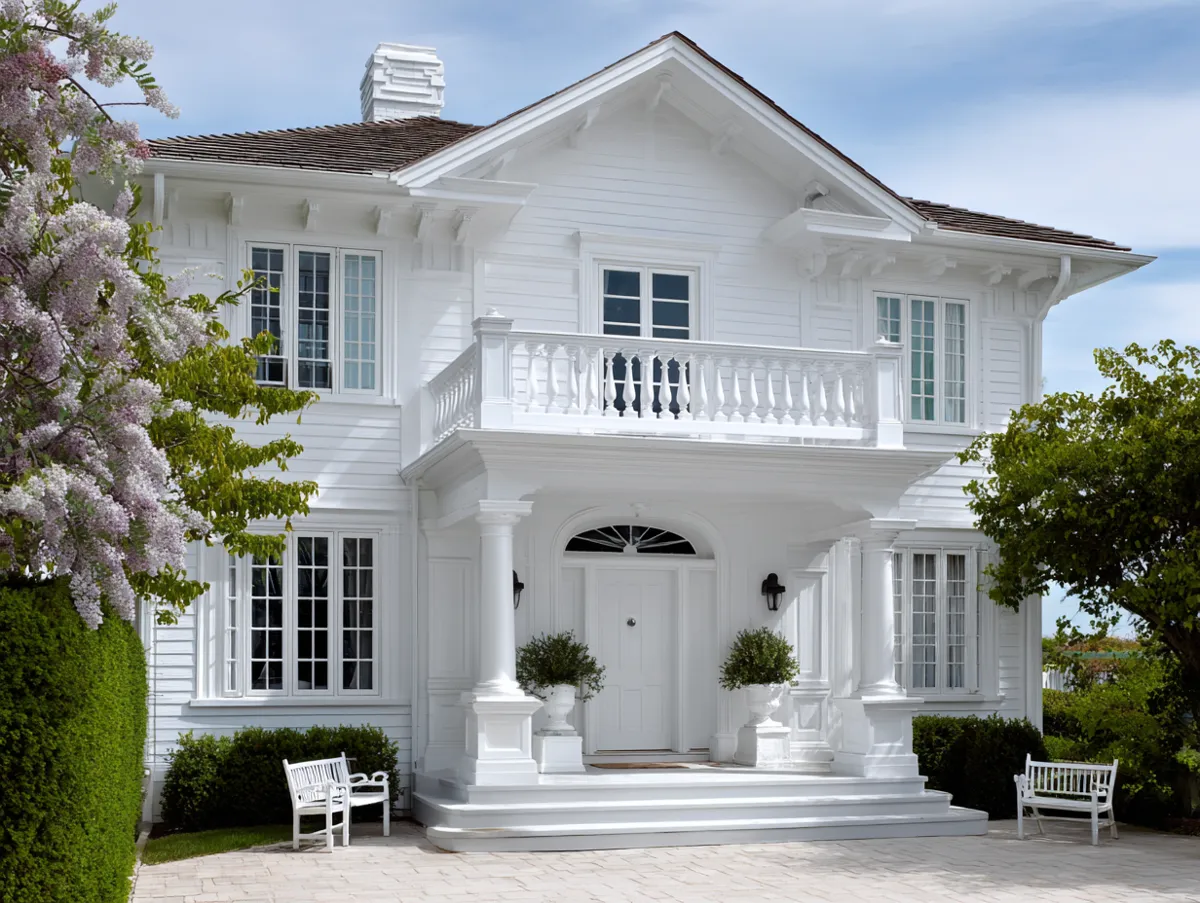
Exterior paint does far more than simply cover surfaces. When applied with intention, it highlights architectural features, creates visual harmony with the landscape, and can even influence the perceived proportions and character of a structure. A well-chosen colour palette can emphasise intricate heritage details on a Federation home, enhance the clean geometric lines of a contemporary build, or soften the imposing scale of a multi-storey commercial facade.
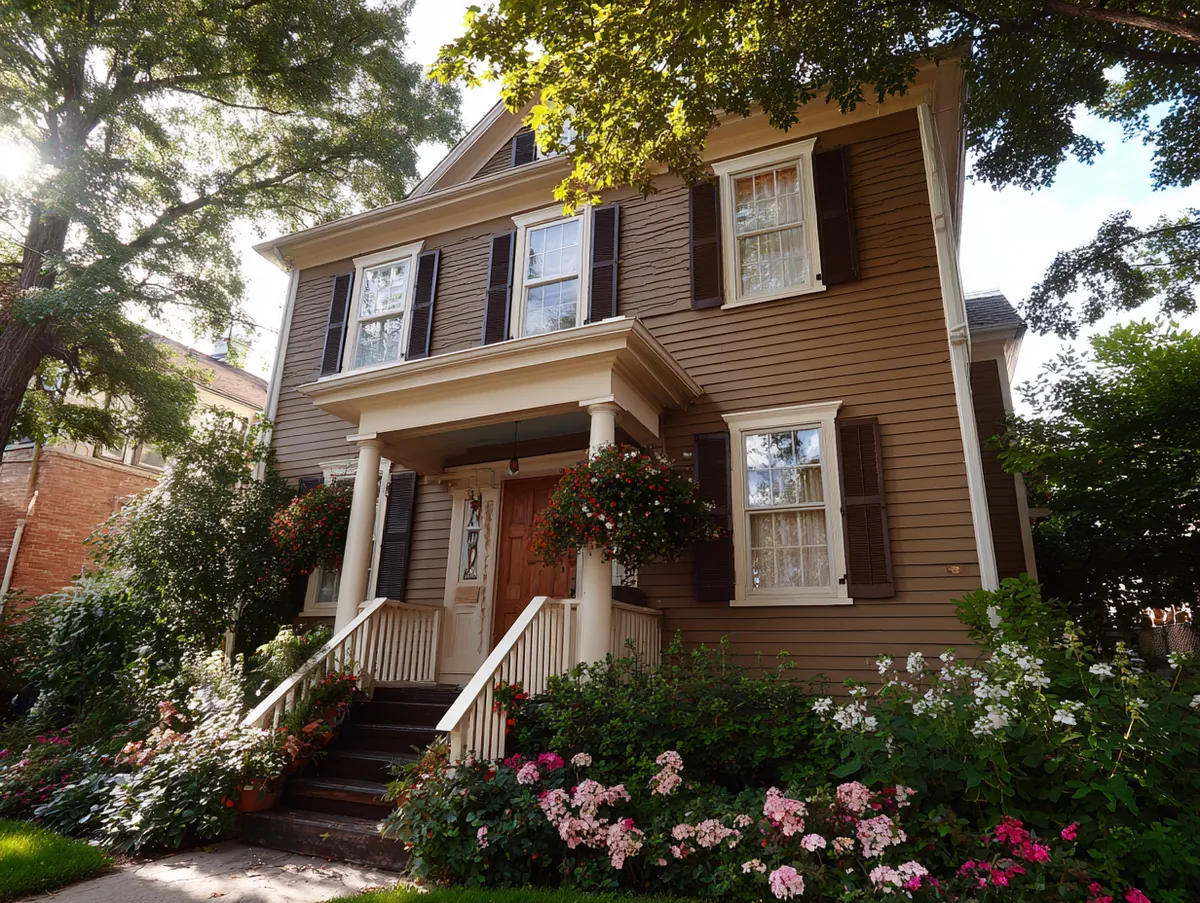
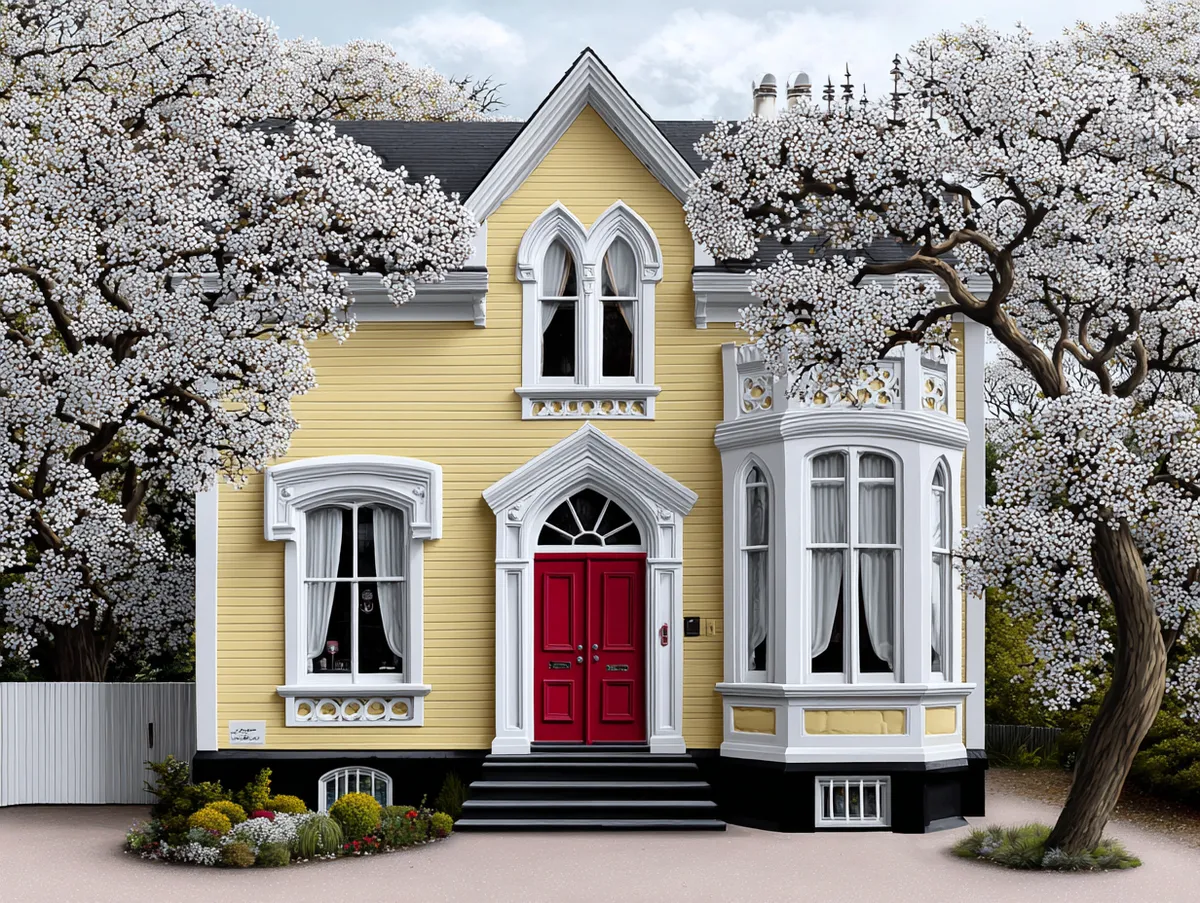
For heritage properties, traditional colour schemes—deep reds, forest greens, warm ochres, and cream trims—pay respect to historical accuracy while protecting the building’s original character. Modern Australian architecture, on the other hand, often embraces neutral palettes, bold contrasts, and natural tones that reflect the surrounding bushland, coastal settings, or urban context. The relationship between colour and architecture is symbiotic: the right paint choice elevates the design, while the wrong one can diminish even the most carefully planned structure.
Climate-Conscious Colour Selection
Australia’s diverse and often harsh climate demands strategic colour thinking. Lighter shades reflect heat, making them ideal for northern regions where summer temperatures regularly soar above 35°C. Darker tones absorb warmth, which can be beneficial in cooler southern climates like Canberra, Melbourne, and Hobart, but may increase cooling costs in subtropical areas.
Beyond temperature management, UV exposure in Australia is among the highest in the world. This means exterior paints must be specifically formulated for fade resistance, chalking prevention, and long-term durability. Premium exterior coatings designed for Australian conditions can maintain their vibrancy and protective properties for seven to ten years, even under intense sun exposure. Investing in quality products and professional application ultimately protects the underlying structure from moisture damage, timber rot, and surface degradation.
Current Trends in Australian Exterior Design
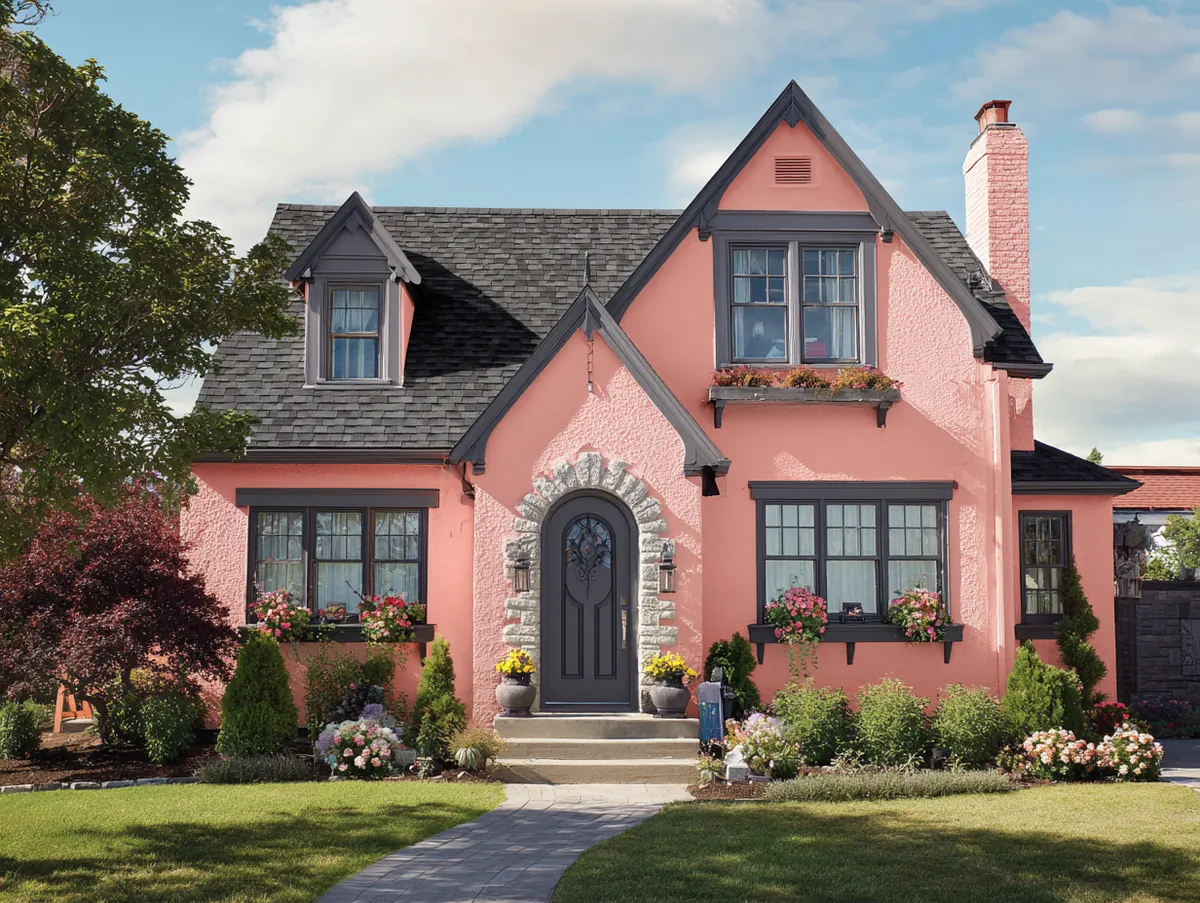
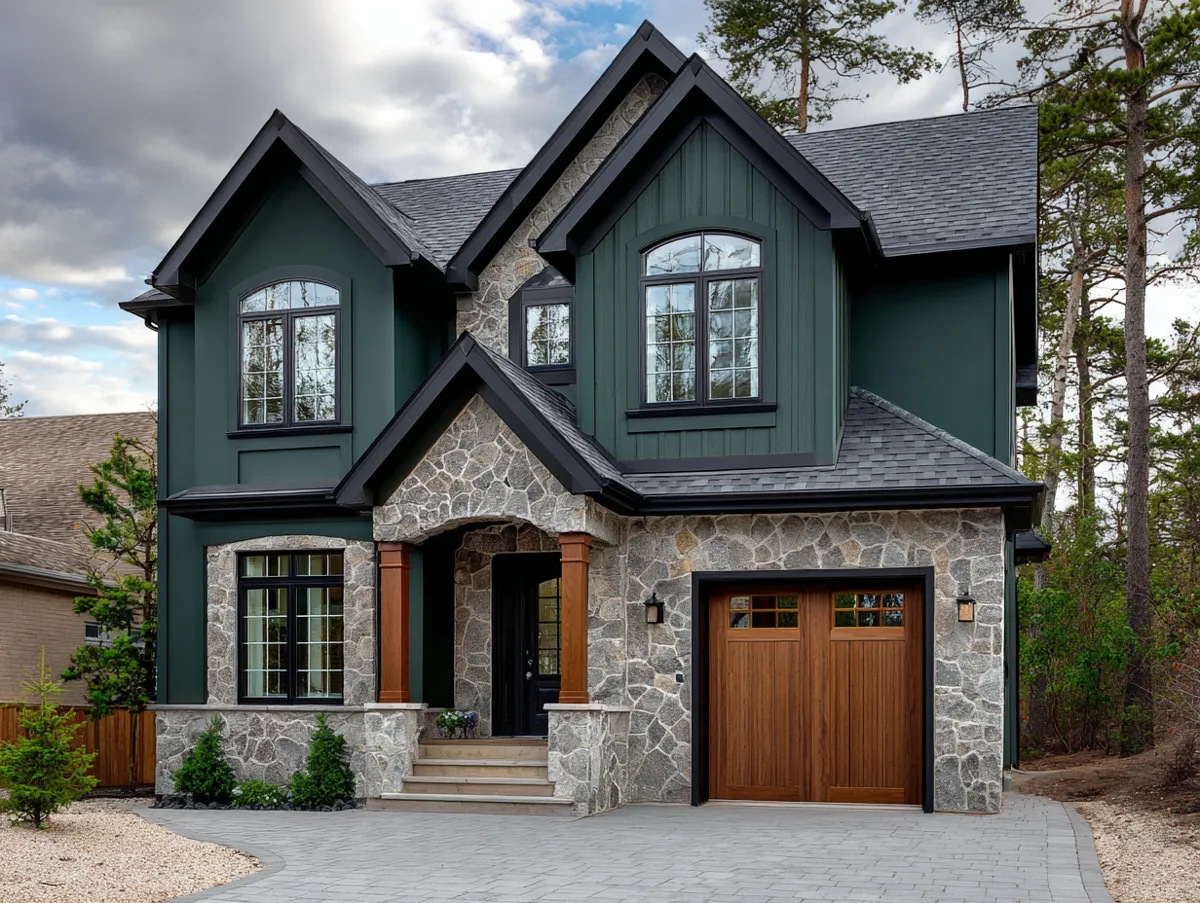
Today’s Australian homeowners and architects are increasingly drawn to earthy, nature-inspired palettes. Soft greys, sage greens, warm whites, muted blues, and terracotta accents dominate new builds and renovations alike. These colours create a seamless visual transition between the built environment and Australia’s distinctive natural landscapes, from the red earth of the interior to the coastal greys of the shoreline.
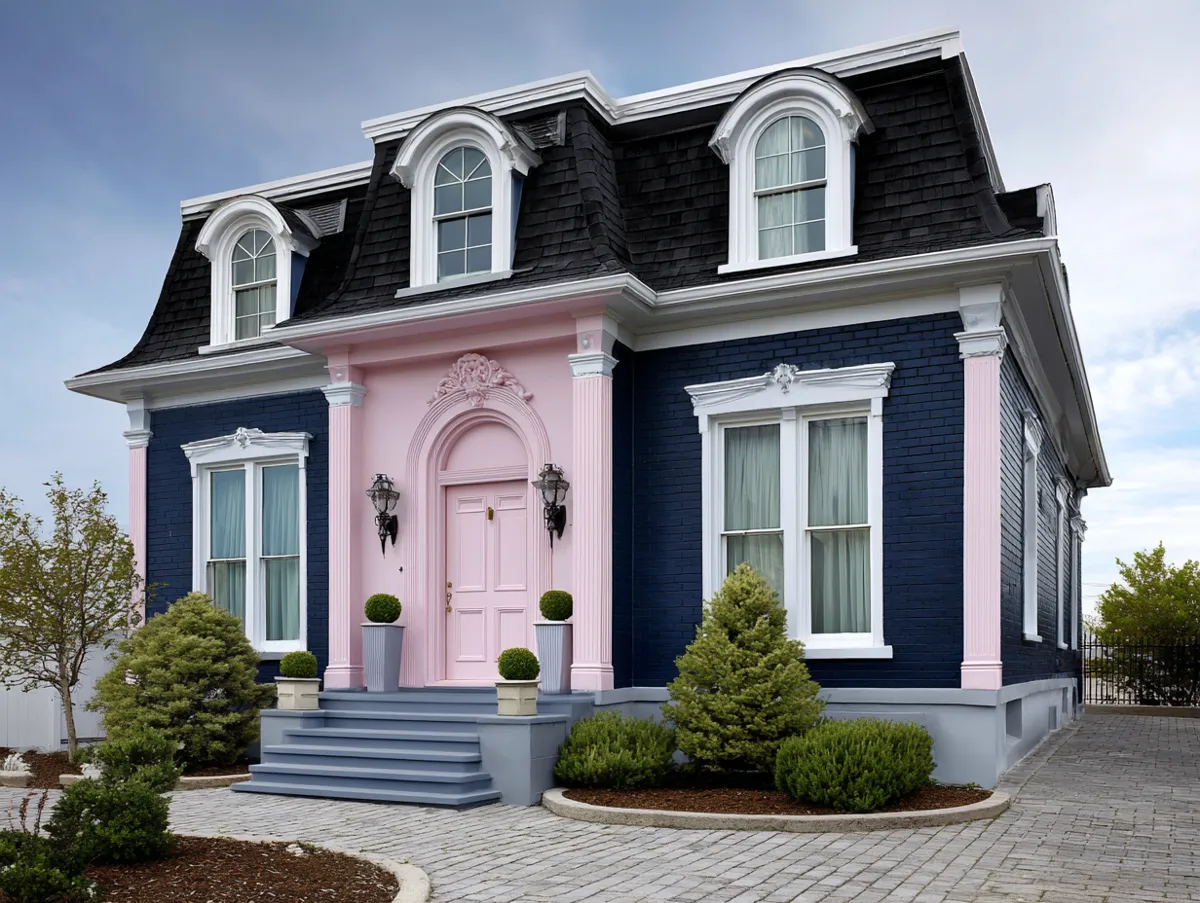
Two-tone and three-tone schemes remain popular, with contrasting trims, window frames, and accent features adding depth and visual interest. Darker colours on lower levels paired with lighter upper storeys can ground a home visually while maintaining an airy, open feel. Feature walls in bold charcoal or navy are also gaining traction, offering a contemporary edge without overwhelming the overall design.
The Professional Advantage
Achieving a flawless exterior finish requires far more than selecting an attractive colour from a swatch. Surface preparation, material compatibility, primer selection, and application technique all determine how well a paint job performs over time. Professional painters understand the nuances of different substrates—weatherboard, brick, render, fibre cement, and metal—and select products that adhere properly, breathe correctly, and withstand local environmental conditions.
For homeowners, architects, and property developers seeking professional exterior painting services, partnering with experienced specialists ensures that architectural vision translates into lasting, beautiful results. From initial colour consultation and product specification to meticulous surface preparation and final coat application, expert painters bring the technical knowledge, craftsmanship, and attention to detail needed to elevate any facade.
Conclusion
Exterior paint is one of the most impactful yet cost-effective ways to transform a home’s architecture and street presence. Whether restoring a heritage gem, refreshing a suburban family home, or finishing a new architectural masterpiece, thoughtful colour selection combined with professional application creates facades that are beautiful, durable, and distinctly Australian.

Related Topics