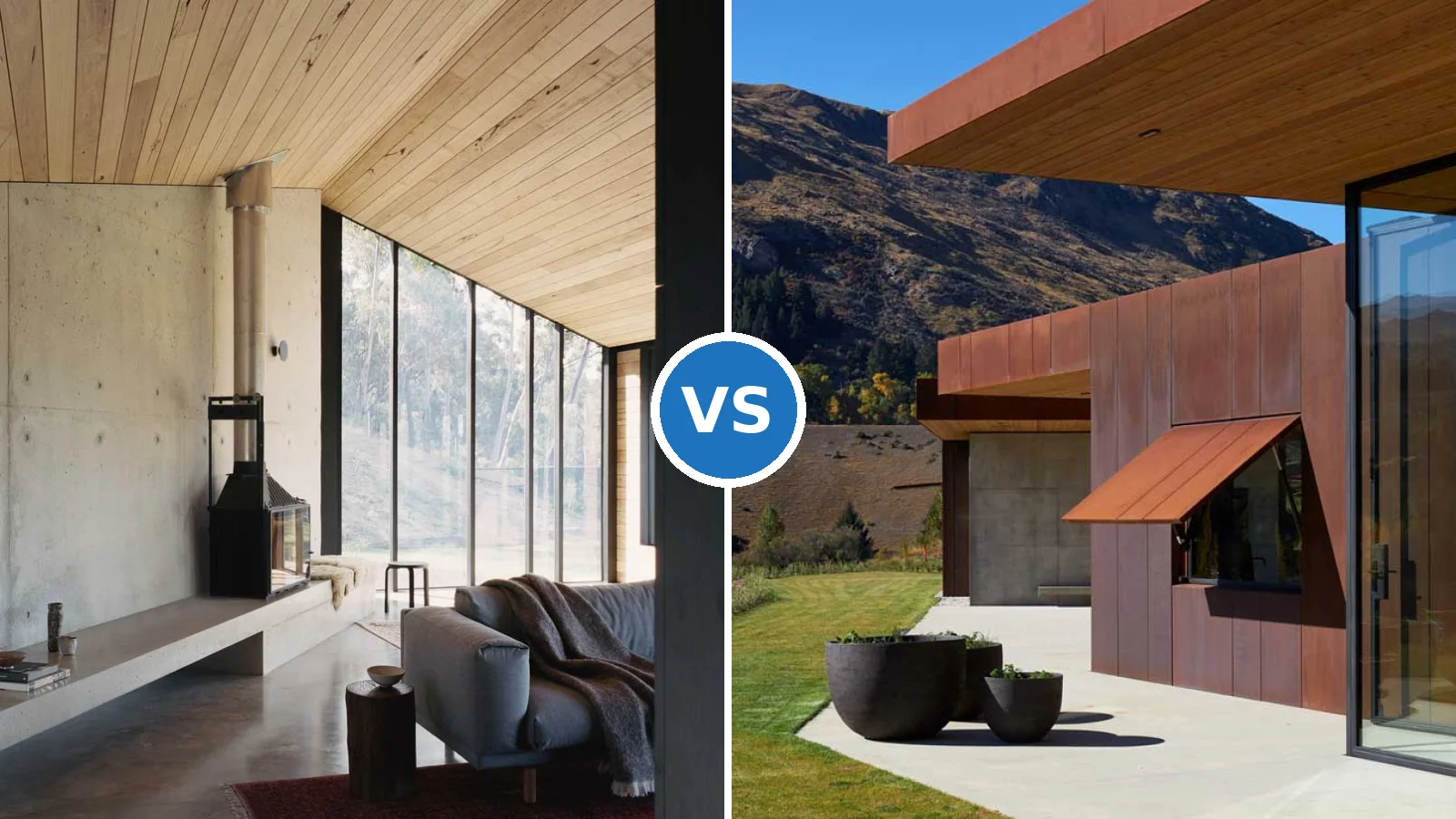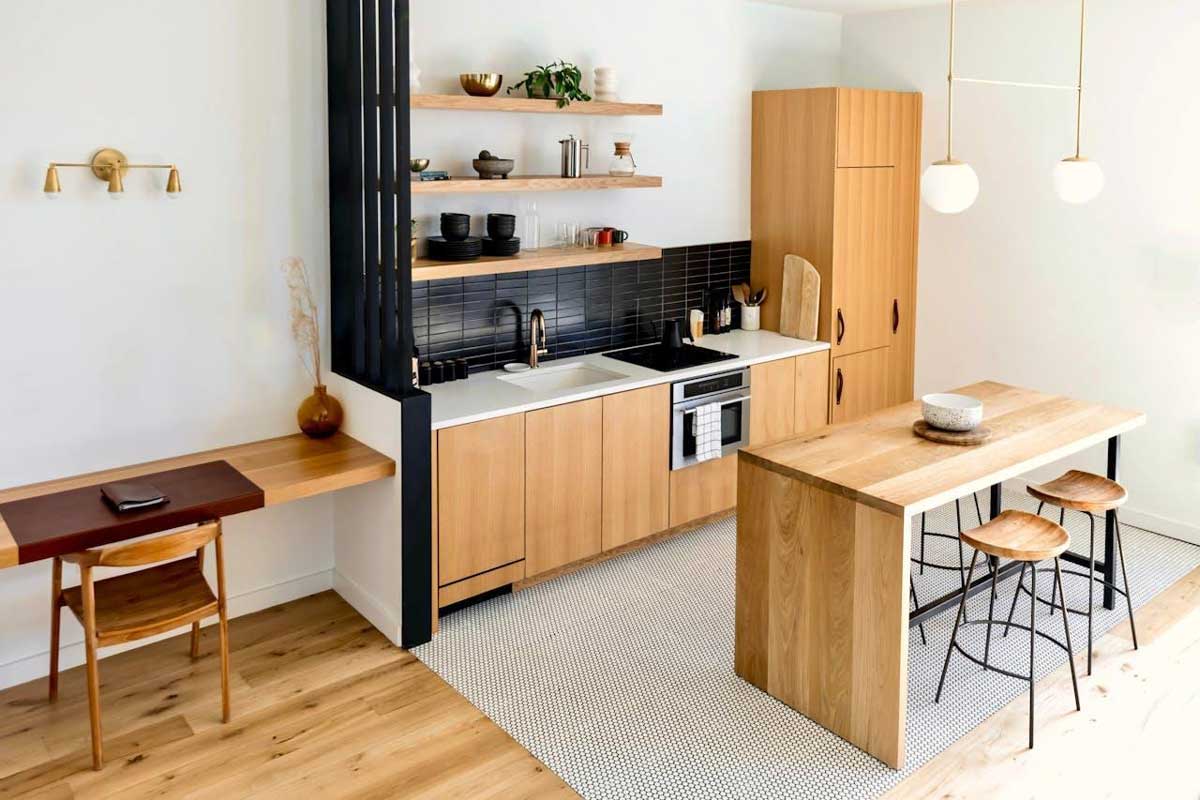
Have you ever walked into a room and felt irritated without knowing why? Maybe the lighting felt off, or the space just didn’t feel right. Your mood often reacts to your surroundings, even if you don’t notice it. The way a room is designed—its light, color, and layout—can lift you up or wear you down.
As more people work from home, this connection has become clearer. Bad lighting or dull colors aren’t just style issues—they affect how we feel. In places like Ontario, CA, where sunny days are common but older homes can block that light, thoughtful design matters even more.
In this blog, we will share how your home’s design choices can shape your mood—sometimes in surprising ways—and how you can use that to feel more at ease in your space.
Why Home Isn’t Just a Place, But a Feeling
We tend to think of home as a structure, a place with furniture, walls, and running water. But more than that, it’s the emotional backdrop to daily life. If your home feels cold, dark, or cluttered, it can make even small tasks feel harder. The opposite is also true. A warm, thoughtful space can improve your focus, calm your nerves, and make you feel more in control.
It starts with the basics. Light, for example, plays a major role in how your brain works. Natural light helps regulate your sleep, supports energy levels, and lifts your mood. Yet many homes rely on poor lighting—dim bulbs, bad layouts, or blocked windows that make rooms feel smaller than they are. That’s why more homeowners are looking for upgrades that let in more light. Working with a reliable window replacement company in Ontario can make a big difference. It’s not just about new glass. It’s about feeling like you’re connected to the outside, even when you’re inside. Better light means clearer mornings, softer evenings, and fewer headaches after staring at a screen all day.
And then there’s color. You don’t need to be a designer to know how a room’s color makes you feel. Soft blues and warm neutrals calm the mind. Bright reds and yellows might spark energy—but too much can make a space feel loud or distracting. Your brain picks up on these things without you even realizing it. That’s why the wrong paint job can leave you feeling restless, even when everything else in your life is fine.
Function also affects mood. A cluttered layout, squeaky doors, or that one drawer that always jams—these things add up. They’re the little daily irritations that wear on you slowly. Fixing them doesn’t have to be expensive. Sometimes it’s just a matter of rearranging furniture or removing items you don’t actually use. A space that flows well helps your brain relax. You stop bracing for problems and start feeling like your space is working with you, not against you.
The Rise of Emotion-First Design
Design used to be all about aesthetics. What looked good in a magazine, what colors were trending, what furniture felt modern. But now, the conversation is shifting. People want more than a nice photo for Instagram. They want homes that feel good to live in.
This shift is part of a larger trend. Call it “emotion-first design,” or just a growing awareness that space and mood are deeply connected. During the pandemic, when people were stuck inside for months at a time, the emotional pressure of a bad home setup became clear. Dining rooms turned into offices. Closets became phone booths. Living rooms pulled double duty as gyms and classrooms. People started asking: how can I make this place easier to be in?
The result was a new approach to design. More soft lighting, more cozy textures, more functional layouts. Not just for looks, but for peace of mind. Even minimalism changed—moving from cold and empty to clean and calming. It wasn’t about stripping everything away. It was about keeping what added value to your daily life.
And it’s not just about aesthetics. Emotional design includes sound, touch, and movement. A quiet room helps you focus. Soft fabrics help you unwind. Smooth traffic flow helps you feel less stuck. These things aren’t just preferences. They’re tools for better living.
Tips for Creating a Mood-Positive Space
You don’t need to gut your house or spend a fortune to make your space feel better. Start with how each room makes you feel when you enter it. Do you dread going in there? Does it feel stuffy, crowded, or too dark? That’s your starting point.
Here are a few practical tips:
- Let in more natural light. Pull back heavy curtains. Add mirrors to reflect brightness. If your windows are outdated or blocked, consider whether they’re hurting your comfort more than helping.
- Simplify your layout. Move things around to make movement easier. Take out furniture that serves no real purpose. Leave space to breathe.
- Use calming colors in high-use spaces. Bedrooms, bathrooms, and work areas benefit from soft tones that won’t overstimulate you. Save bright accents for smaller areas.
- Incorporate soft textures. Throw blankets, rugs, or cushions add comfort without much effort. They invite relaxation and soften the room’s overall tone.
- Pay attention to sound. Use rugs or curtains to muffle echoes. Add a small speaker if you like soft background music. Quiet has its place, but so does gentle noise that soothes.
- Make each space serve one clear purpose. A bedroom should promote rest, not screen time. A living room can support conversation, not just endless TV. Align the room’s setup with what you want from it emotionally.
Why Your Mood Deserves a Better Environment
There’s no rule that says your home has to be perfect. But it should support the life you’re trying to live. And your mood—whether you’re calm, tense, focused, or scattered—often traces back to how that space makes you feel.
If your space adds stress, that stress follows you throughout the day. But if your space calms you, you handle life’s curveballs more easily. That doesn’t mean you need a designer’s touch or a huge budget. It just means noticing how each part of your home affects your energy.
Modern life is already loud, fast, and full of distraction. Your home should be the one place where your mind can take a break. And that starts with the choices you make—from the color on your walls to the way sunlight filters through your windows.
Design for the Way You Live
Design is no longer just about matching pillows and picking the right shade of gray. It’s about feeling safe, calm, and clear in the place you return to every day. Your mood matters. And your space plays a bigger role in shaping that mood than most people realize.
So if you’ve been feeling stuck or tense in your own home, don’t ignore it. Look around. What’s helping? What’s holding you back? Change what you can. A few thoughtful updates can shift not just the way your home looks—but how you feel when you’re in it. And that feeling? That’s what good design is really about.