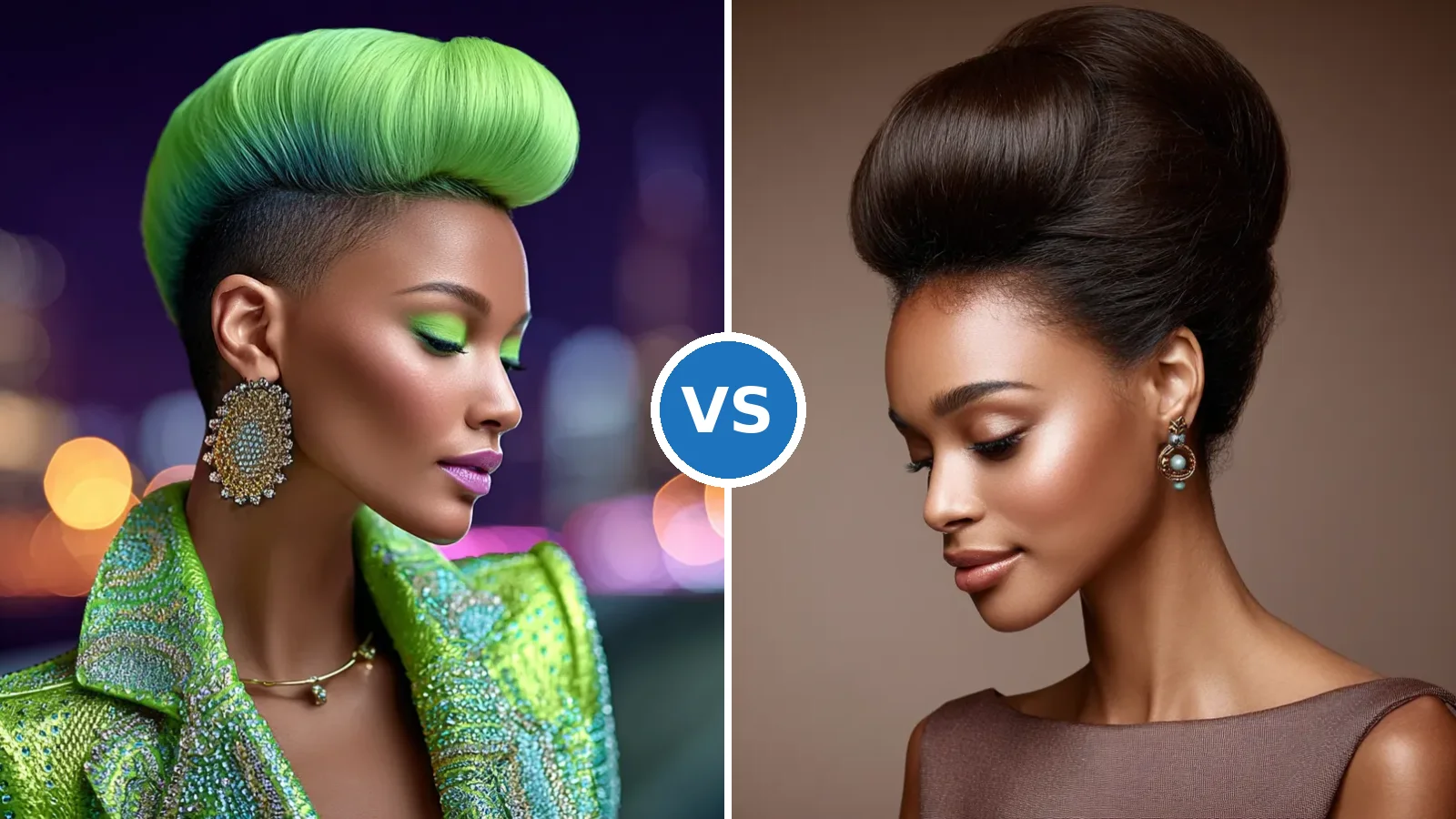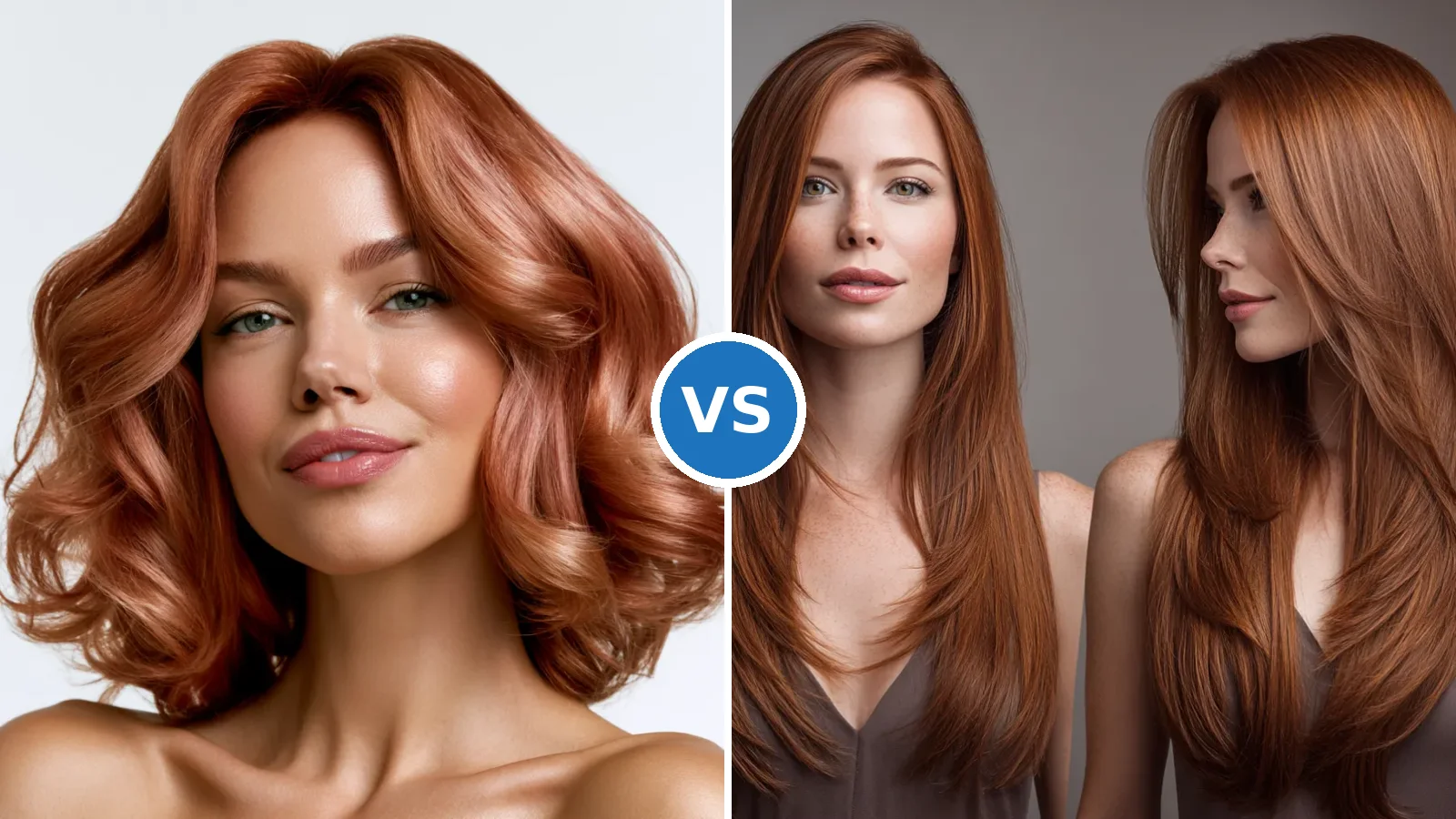
Front layered haircuts for long hair solve a problem most long-hair routines ignore: the cut itself does the styling work so you don’t have to. I’ve worn long hair for twelve years, and nothing changed my mornings faster than asking my stylist at Bumble and bumble to add front layers at chin-to-collarbone length. The difference was immediate—less frizz, more shape, zero heat required most days.
The magic is in the placement. Layers concentrated at the front frame the cheekbones and jawline, which gives the illusion of intention even when you’ve done absolutely nothing. You’ll notice that even a messy air-dry looks deliberate instead of neglected. That’s not coincidence—it’s geometry built into the cut.
Every style below takes under ten minutes and works because the front layer cut for long hair is engineered for movement. Whether you’re team claw-clip or team blowout, these four looks prove that long hair doesn’t have to be a commitment.
- Front layers cut at chin-to-collarbone length create face-framing structure with zero styling effort.
- Air-dry works best when layers are placed strategically around the cheekbones — no diffuser needed for most textures.
- A round brush focused only on the front sections delivers a polished blowout in under 10 minutes.
- Claw clips and low ponytails both work better with front layers because loose face-framing pieces fill in the look automatically.
- Skip tight elastics near the face — they flatten front layers and erase the whole point of the cut.



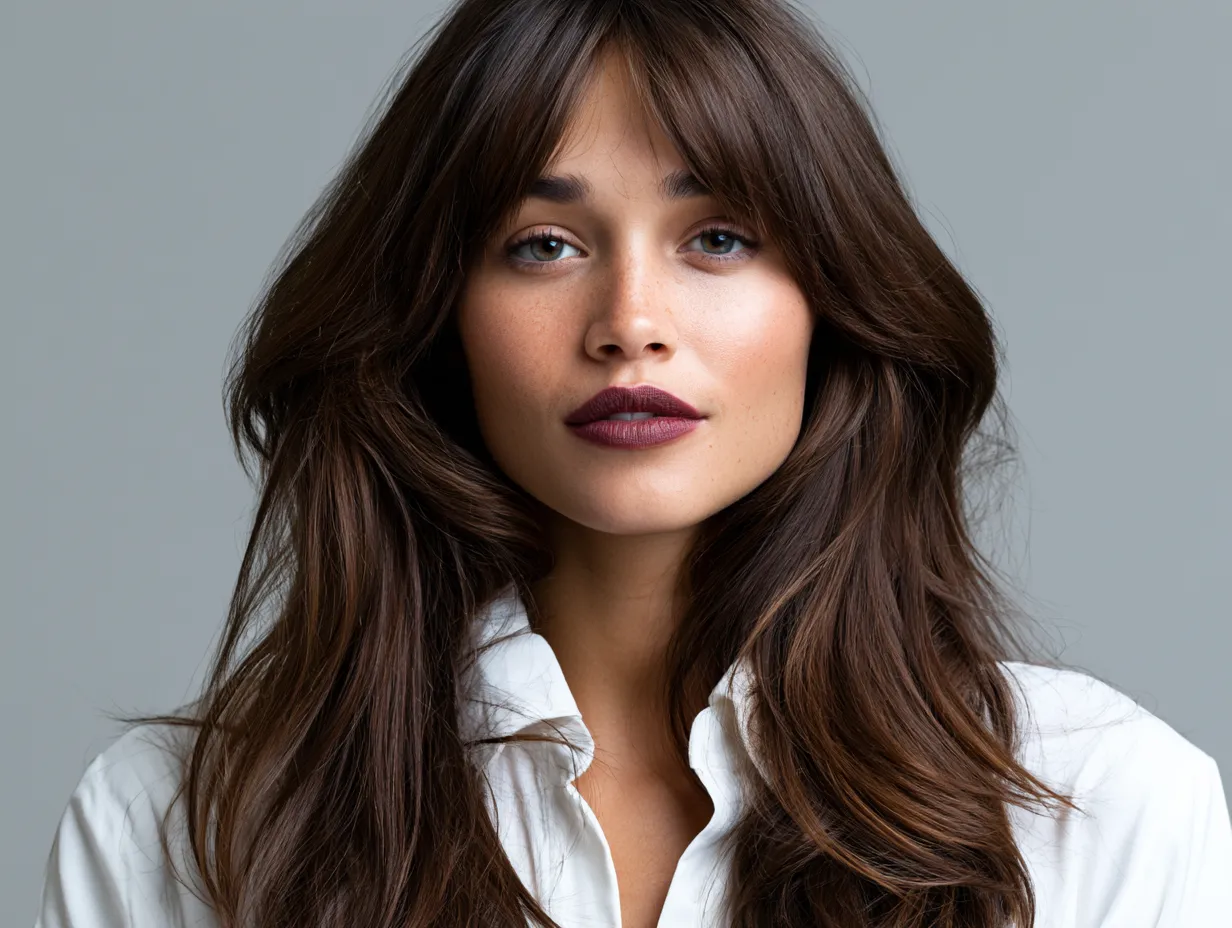
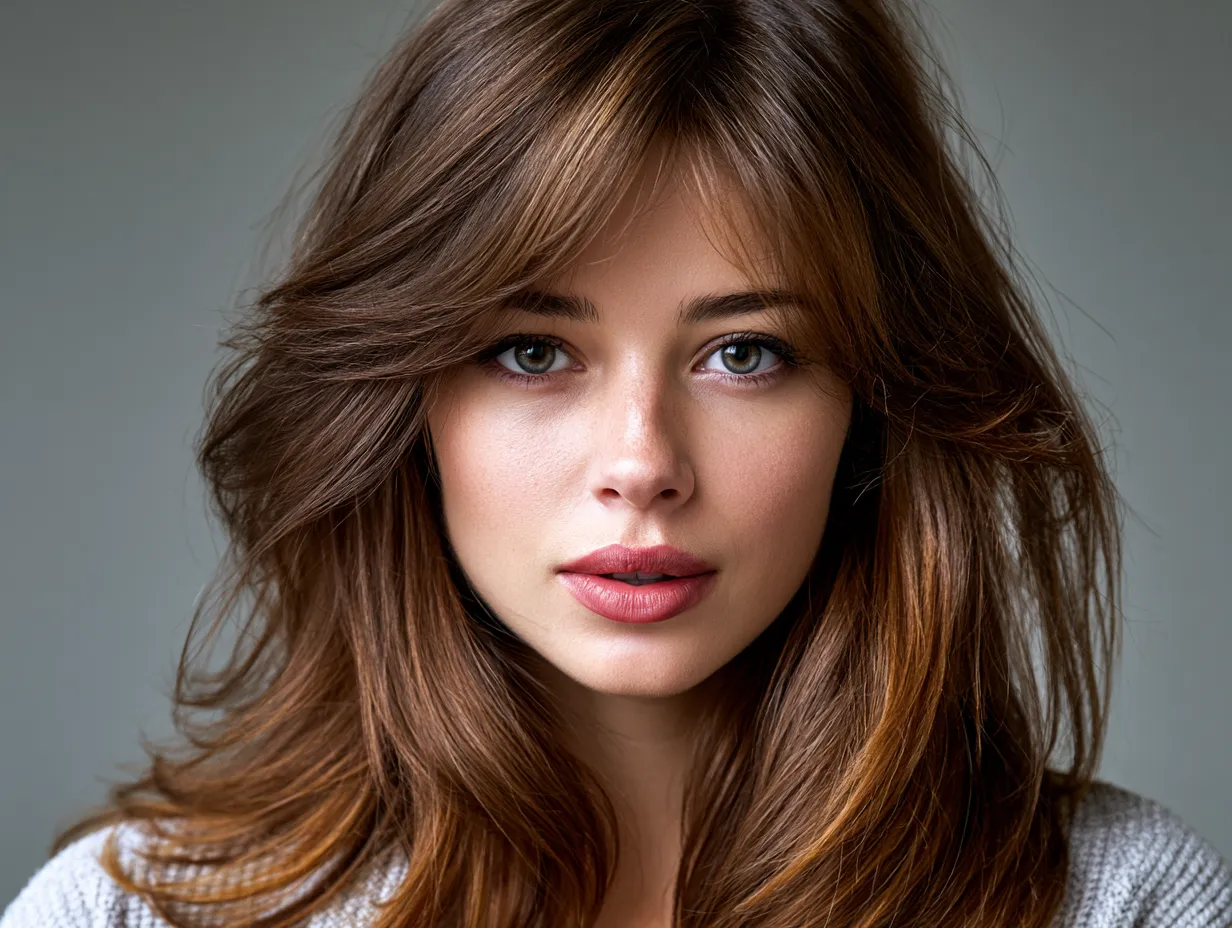
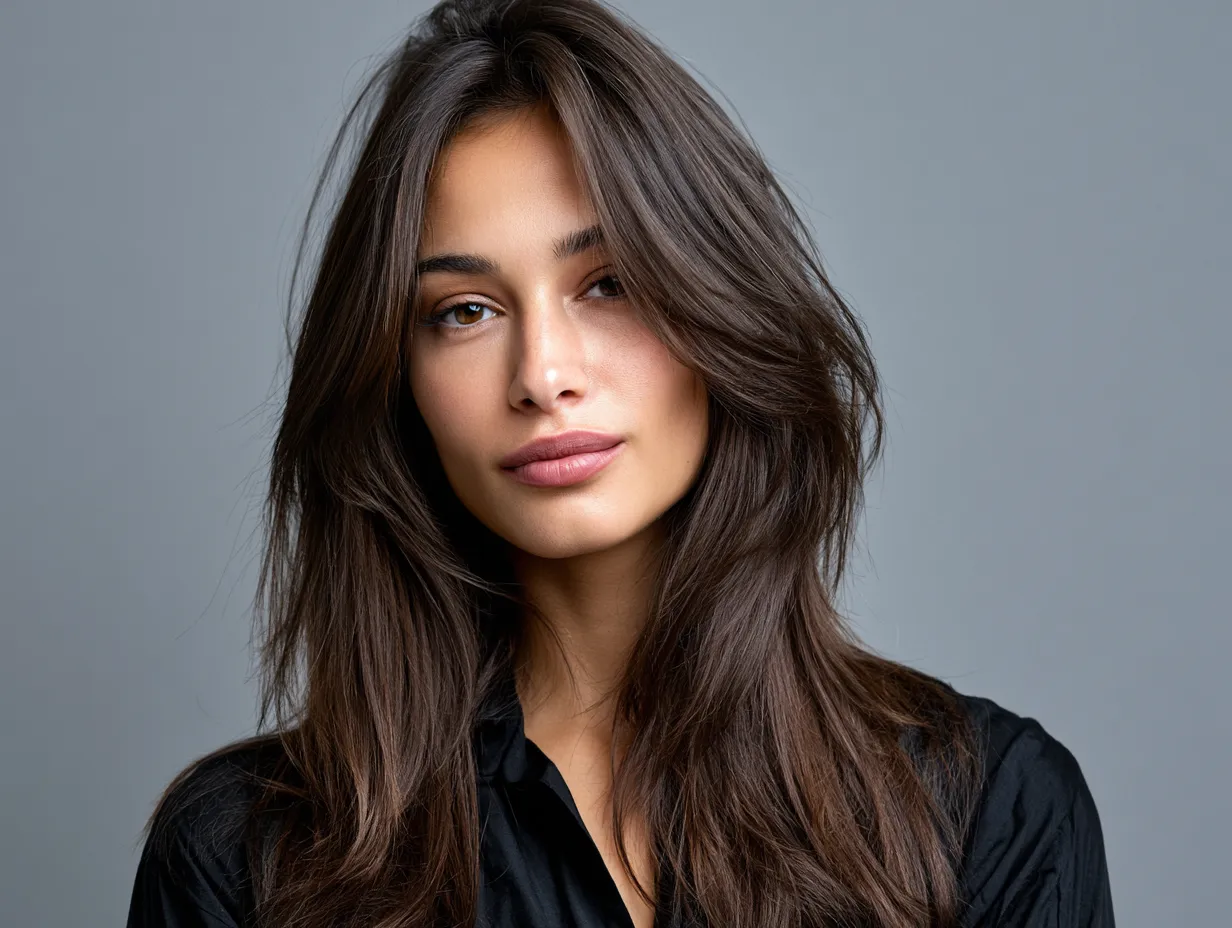

Front Layered Haircuts for Long Hair That Air Dry Without Looking Unfinished
Front layered haircuts for long hair earn their keep fastest on wash-and-go days, and I’d argue air-dry is where this cut was actually designed to live. The layers act like a road map for the hair — they channel moisture and movement toward the face so everything lands in a flattering curve instead of a limp curtain. My stylist at Fekkai described it as “building the blow-dry into the cut itself,” and after two years of skipping my Dyson Airwrap most mornings, I believe her.


Straight hair types get the most dramatic upgrade here — without layers, straight long hair air-dries flat and featureless. Add a pump of IGK’s Good Behavior Spirulina Protein Smoothing Spray ($34) before towel-drying and the front sections dry into a gentle inward curve that frames the jaw. Wavy and curly textures benefit even more: the layers reduce bulk, so each wave has room to form properly instead of merging into a single undefined mass. Want to speed things up without heat? Scrunch the front sections while damp and pin them loosely for fifteen minutes — they’ll hold the curve even after the pins come out.
What doesn’t work here is applying heavy creams to the front layers while wet. I tested three thick leave-ins on my own collarbone-length layers and all of them weighed the front pieces down flat by noon. Stick to lightweight milks or spray conditioners — Olaplex No.6 Bond Smoother ($28) is my go-to at roughly a dime-sized amount on damp hair only, not on dry hair for touch-ups. You’ll notice the front layers spring up with about 30% more movement compared to skipping product entirely.
Among front layered haircuts for long hair, the air-dry version is the most honest test of a good cut. If the layers were placed correctly during the haircut, the shape arrives on its own. If you need a round brush just to look decent, ask your stylist to re-examine where those front layers actually begin — most air-dry failures trace back to layers starting too far back on the head, past the temples. See how celebrities wear front layers on long hair for visual proof that the placement makes or breaks the look.
Front Layered Long Hair With a Middle Part Blowout You Finish Before Coffee Cools
A middle part blowout sounds like a thirty-minute production, but front layered haircuts for long hair reduce that to eight minutes flat if you work only the sections that matter. The front layers — those falling between the cheekbones and the collarbone — are the only zones that need a round brush. Pull everything else into a loose clip at the back, focus your Dyson Supersonic (or the T3 Cura Luxe at $299, which I’ve owned for four years) exclusively on those face-framing pieces, and the rest of the hair can air-dry or get a quick pass of warm air without any shaping tool.


Roll the brush inward — toward the face, not away — when drying the front sections. This one direction change is stolen from every blowout bar I’ve been to in New York, and it’s the move that makes front layers in long hair fall into a curtain shape instead of flipping awkward at the ends. Does it matter which brush size you use? Yes: a 1.5-inch barrel gives the tightest curve with the most hold; a 2-inch barrel creates a softer, more relaxed result that works better for thinner hair. Either way, two passes per section is enough.
The mistake I see most often is people starting the blowout from the roots on the front sections. Start from mid-shaft — about two inches above where the layer ends — and work down. Starting at the root adds lift you don’t actually want here; the goal is a smooth, flowing curtain, not a bouffant. Finish with a cold-shot blast for five seconds per section to lock the shape. Kevin Murphy’s Staying Alive leave-in ($38) applied as a shield before heat keeps the front layers glossy without a separate serum step. Long layered haircuts with balayage show how color placement can amplify exactly this curtain-layer effect.
- Don’t start layers past the temples. Front layers placed too far back look like regular layers from the front — the face-framing structure disappears entirely.
- Don’t go shorter than chin-length on the front pieces. Layers above the chin behave like bangs and require daily maintenance; chin-to-collarbone is the sweet spot for effortless styling.
- Don’t use a flat iron on fresh front layers. Straightening removes the curve the cut was designed to create. Stick to a round brush or air-dry for the first two weeks after a haircut to see what the layers actually do.
- Don’t tie front layers into an elastic. Even a loose elastic flattens the face-framing pieces and defeats the purpose of the cut. Use bobby pins or a half-up clip if you need them out of your face.
According to the Wikipedia entry on layered hair, the technique works by cutting top layers shorter than the layers beneath, which allows tips to blend and creates the volume-with-length effect front layers are famous for. Knowing the mechanics helps when briefing a new stylist — ask them to keep the front layers at least four inches longer than the shortest layer in the crown, or the curtain effect collapses.
Claw Clip Updo Where Front Layered Long Hair Does All the Work
Front layered haircuts for long hair were practically invented for claw clip styling — the clip handles the bulk while the front layers frame the face with zero extra effort. I own two oversized acetate clips from Lelet NY (around $42 each) and they’ve replaced my entire heat-styling routine for video call days. The logic is simple: clip everything behind the ears into a loose twist at the crown, and let the front layers fall forward on their own. The cut does the framing; the clip just holds the rest.


Hair that’s too clean tends to be too slippery for a claw clip to hold — this is the one moment dry shampoo is genuinely useful rather than a crutch. A quick hit of Batiste ($9, any drugstore) at the roots gives the hair grip so the clip stays put for more than twenty minutes. Does the size of the clip matter? Absolutely: clips under 3 inches will pull the front layers up and into the clip instead of releasing them forward, which kills the whole effect. Go 4 inches or larger for hair past the shoulders.
Pull the clip slightly toward the back of the crown rather than straight up — this creates a small arch of volume behind the clip that makes the style look intentional from the side profile. The front layers in long hair hang forward from the temples and soften the face in a way that no amount of product can replicate after the fact. Think of the claw clip as a picture frame and the front layers as the painting: the frame matters, but what’s inside it is the whole point.
Long Front Layered Hairstyles Worn as a Low Ponytail That Reads as Dressed Up
Long front layered hairstyles turn a basic low ponytail into something worth photographing, and the difference costs exactly zero extra minutes. The front layers stay outside the elastic — they’re cut long enough to fall alongside the face whether the rest of the hair is up or down. That face-framing detail is what separates a polished ponytail from a hasty one.


Position the ponytail at the nape — not mid-back-of-head, not crown — and secure it with a Slip Silk Scrunchie ($39) or a neutral matte elastic. I’ve tested both: the silk scrunchie adds instant polish but requires two wraps; the matte elastic sits flatter under a thin strand of hair wrapped around the band. Either way, pull two or three front layer pieces forward after securing the elastic. Don’t tug them out aggressively — just release them from behind the ears with a fingertip. The curve the layers already have from your last blowout or air-dry will carry the look.
What ruins this style faster than anything else is tightening the elastic so the front hairline pulls back. That tension erases the layers’ natural fall and makes the face look wider at the temples. Is there a fix mid-day when the layers flatten out? Yes: press a warm flat-iron — no product — along the front sections for three seconds per piece. The warmth reactivates the curve without re-doing the entire style. Long front layered hairstyles at nape height also photograph better than high ponytails because the face-framing pieces stay visible in the frame rather than disappearing behind the shoulders.
The Bottom Line
Front layers in long hair cut your routine — not your length.
Layers placed at chin-to-collarbone length are the single highest-return change you can make to long hair without losing any of the length that took years to grow.
Air-dry, blowout, claw clip, or ponytail — every style above works because the cut carries the shape rather than your styling tools carrying it.
Ask your stylist specifically for front layers starting at the temples, kept between chin and collarbone length, with no layers shorter than three inches from the face. Save this post before your next salon appointment.
FAQ
What is a front layered haircut for long hair?
How much does a front layer cut for long hair cost?
How are front layers different from face-framing layers?
Can straight long hair benefit from front layers?
How often should front layers be trimmed?
Do front layers work with hair layered in the front and straight in the back?
TITLE TAG Front Layered Haircuts for Long Hair That Cut Your Morning Routine in Half
META DESCRIPTION Front layered haircuts for long hair create face-framing movement that air-dries, blows out, and clips up in under 10 minutes. See 4 real styles with product names and stylist tips.