Choosing the right flooring material can make a huge difference in aesthetics and functionality when renovating or building a new space. Is stamped concrete better than tile?
The answer depends on specific needs, but generally, stamped concrete offers better durability and lower maintenance costs than tile, with a lifespan of 25+ years compared to tile’s typical 15-20 years.
While this answer might seem straightforward, it’s essential to keep reading because both materials have distinct advantages in different situations. What’s best for your outdoor patio might not be ideal for your indoor living room, and understanding these nuances could save you from making a costly mistake.
When Should You Choose Stamped Concrete Over Tile?
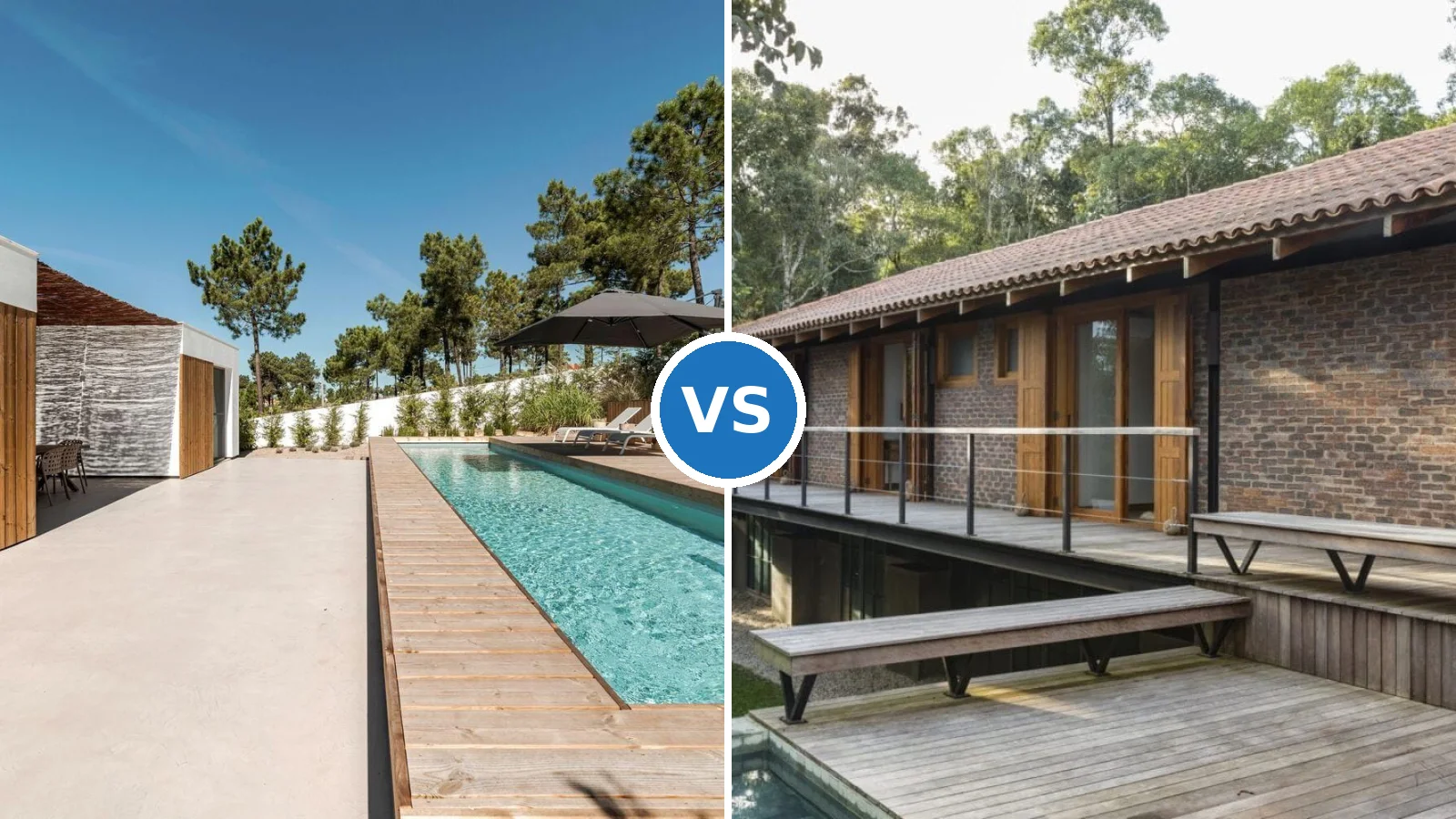
Outdoor spaces like patios, pool decks, and driveways are ideal for stamped concrete. The material’s superior weather resistance and ability to withstand heavy traffic make it perfect for these applications. Additionally, stamped concrete can be sealed to prevent staining and fading, making it particularly suitable for areas exposed to the elements.
Indoor spaces with consistent temperature and humidity levels can work well with either material. However, tile might be the better choice for bathrooms, kitchens, and other areas prone to water exposure, as it provides better slip resistance and is less likely to develop mold or mildew.
What Are The Cost Differences Between Stamped Concrete And Tile?
Initial installation costs for stamped concrete typically range from $8 to $12 per square foot, while tile installation can cost between $15 to $35 per square foot. This significant price difference makes stamped concrete more budget-friendly upfront. However, it’s essential to consider long-term maintenance costs as well.
While stamped concrete requires resealing every 2-3 years at about $2-3 per square foot, tile maintenance is generally limited to occasional grout cleaning and rare replacements of individual tiles. Despite this, stamped concrete’s lower initial cost and longer lifespan often make it more economical over time.
What Are The Main Drawbacks Of Each Option?
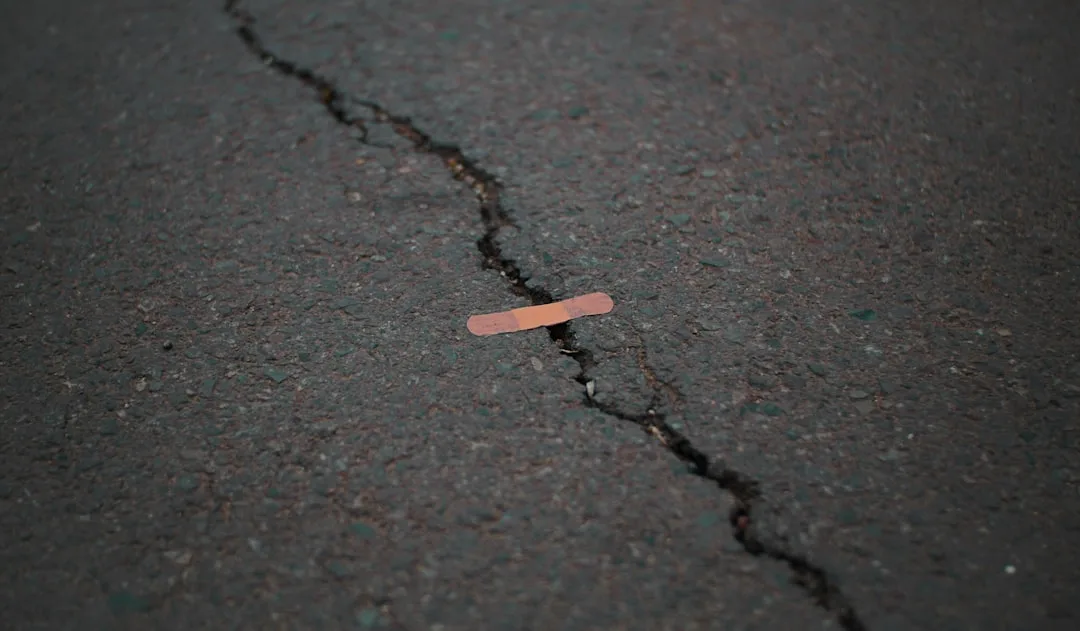
Stamped concrete’s primary disadvantage is its tendency to crack over time, especially in regions with frequent freeze-thaw cycles. While these cracks can be repaired, they may affect the overall appearance. Additionally, matching the original color and pattern can be challenging if repairs are needed.
Tile’s main drawbacks include grout maintenance, the possibility of individual tiles cracking or becoming loose, and more complex installation requirements. Tile installation also typically takes longer than stamped concrete and requires more specialized skills, contributing to higher installation costs.
How Easy Is It To Maintain Stamped Concrete Versus Tile?
Daily maintenance for stamped concrete is straightforward, usually requiring just sweeping and occasional mopping with mild soap and water. The seamless surface means no grout lines to scrub, making regular cleaning much faster than with tile.
While not difficult, tile maintenance tends to be more time-consuming due to grout lines that can trap dirt and become discolored. Grout requires periodic deep cleaning and may need resealing every few years to prevent staining. However, tile has the advantage of being easier to spot-clean when spills occur, as the glazed surface prevents immediate absorption.
Can You Customize The Look Of Both Materials Equally?
With a wide variety of stamped concrete supplies, this material offers an impressive range of customization options with numerous patterns, colors, and textures. It can mimic natural stone, brick, or even wood, and color can be integrated throughout the material or applied as a surface treatment. However, once the design is set, it cannot be changed without significant renovation.
Tile provides unlimited design possibilities through different sizes, shapes, colors, and patterns. You can create intricate designs, mix and match styles, or even replace individual tiles to update the look over time. This flexibility makes tile particularly appealing for those who might want to modify their design in the future or create truly unique patterns.
Choosing The Best Option
Before making your choice between stamped concrete and tile, take the time to visit local showrooms or completed projects to see both materials in person. This hands-on experience will give you a better sense of how each option looks and feels in real-world conditions, helping you make a more confident decision that aligns with your practical needs and aesthetic preferences.