At the meeting point of structure and silence, a home emerges from the land like a whispered thought. Its domed silhouette in off white concrete stands in stillness, echoing the softness of surrounding nature. There is nothing abrupt, nothing shouting for attention—only the quiet conversation between form and function. Each curve of the shell protects a sanctuary where light and wood breathe gently together. Inside, the delicate layering of material and shape nurtures a feeling of retreat, of groundedness, of living in rhythm with oneself. This is a place where the everyday is redefined through simplicity and sensory balance.


Off White Concrete as a Gentle Frame
The surface of the exterior recalls the subtlety of weathered stone—off white concrete shaped into a dome that feels less constructed and more grown. The tone is not bright but softened by natural pigments, as though dusted by time. Rather than dominating the environment, it rests within it, like a boulder long settled into its spot. Concrete, so often seen as stark or cold, becomes here a material of grace. Its curved form has no hard corners, only transitions, mimicking the natural lines of hills or dunes. These soft arcs draw the eye upward and around, creating a continuous journey across the skin of the building. The concrete doesn’t just hold the structure—it offers calm, like cupped hands around a flame.
When light moves across the surface, it does not bounce but glides. Shadows find depth in the texture, and the weather leaves quiet traces that speak to the passage of time. The choice of concrete in this hue is not merely visual but emotional; it tempers the heaviness associated with the material and introduces something more meditative. Against the greens and browns of the natural surroundings, the building appears not to compete but to breathe in tandem, its stillness contributing to the serenity of the place.


A Wooden Interior That Breathes Warmth
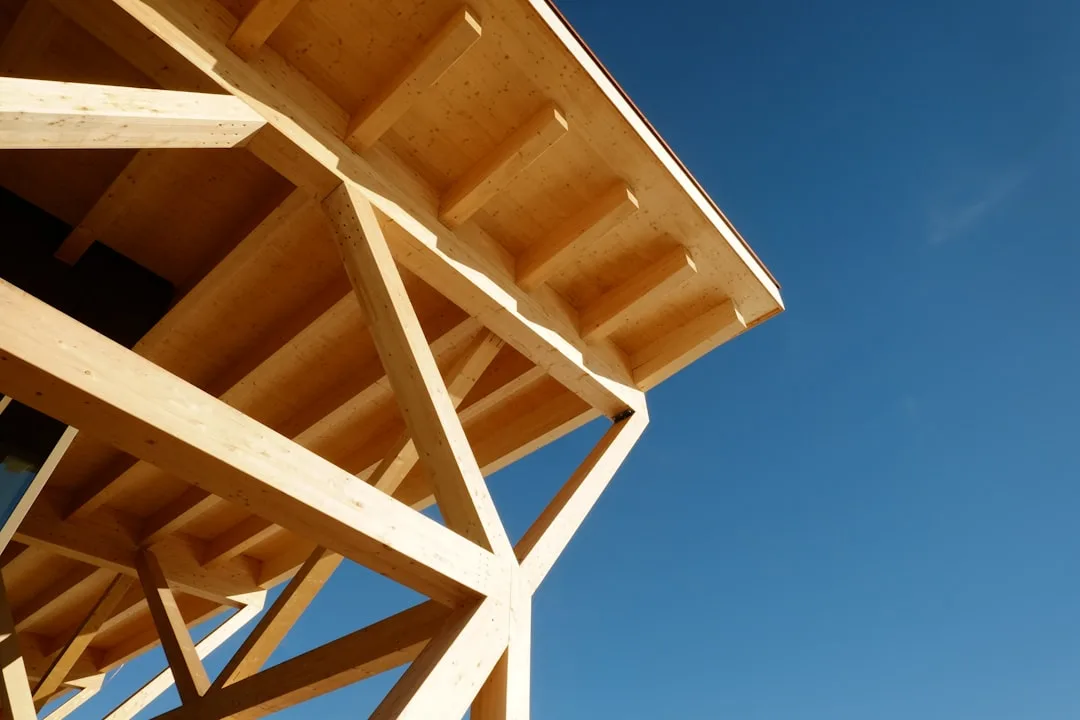
Stepping inside is like entering a pause. The transition from concrete to wood is both visual and tactile—suddenly, everything feels softer. Wooden surfaces in pale, honeyed tones line the interior, and every board, beam, and frame appears chosen with quiet intention. There is no excess in the design, yet the space feels generous, expansive in its restraint. Wood here is not a decorative afterthought but the heart of the experience. Its grain runs like threads through the space, and the variations in tone—warm, raw, never too polished—tell the story of trees still remembered.
Furniture and storage blend seamlessly with the walls, often crafted from the same timber, reinforcing a sense of continuity. This consistency doesn’t result in monotony, but instead builds comfort. The way the wood absorbs light creates a shifting, living interior. In the morning, the rooms glow; in the evening, they soothe. Underfoot, the wood is soft and warm, balancing the weight of the concrete overhead with grounded tenderness. Its scent lingers, subtle but present, like fresh air after rain.
There is something innately human about wood—its imperfection, its aging, its ability to hold warmth. Within this home, it becomes a quiet companion to daily rituals, from the opening of a cabinet to the way the light grazes a shelf. The result is not just design—it is a feeling of being held, of being home.


Curved Architecture as Emotional Shelter
The domed shape is not only a structural decision but a psychological one. Curves comfort. They remove the anxiety of edges, soften the visual language of space, and suggest movement even in stillness. Within the concrete dome, rooms unfold organically. Instead of corridors and corners, there are transitions—doorways that feel like invitations, and walls that guide rather than divide. You never feel lost here. Every path within the structure leads to light, to view, to rest.
This approach to architecture doesn’t rely on spectacle. It seduces through peace. The gentle geometry encourages slowness. You walk differently here, you sit longer, you listen more. Sounds behave differently, too, softened by the curvature, creating an acoustics that amplifies calm. There is a kind of hush embedded into the shape itself, like the inside of a shell.
And from within, the shape also influences how light arrives. Skylights placed with subtle precision pull daylight downward in elegant shafts. These aren’t bursts of brightness, but slow arrivals of illumination, shifting throughout the day. This is architecture that is lived through mood as much as it is through space.


The Dialogue Between Inside and Outside
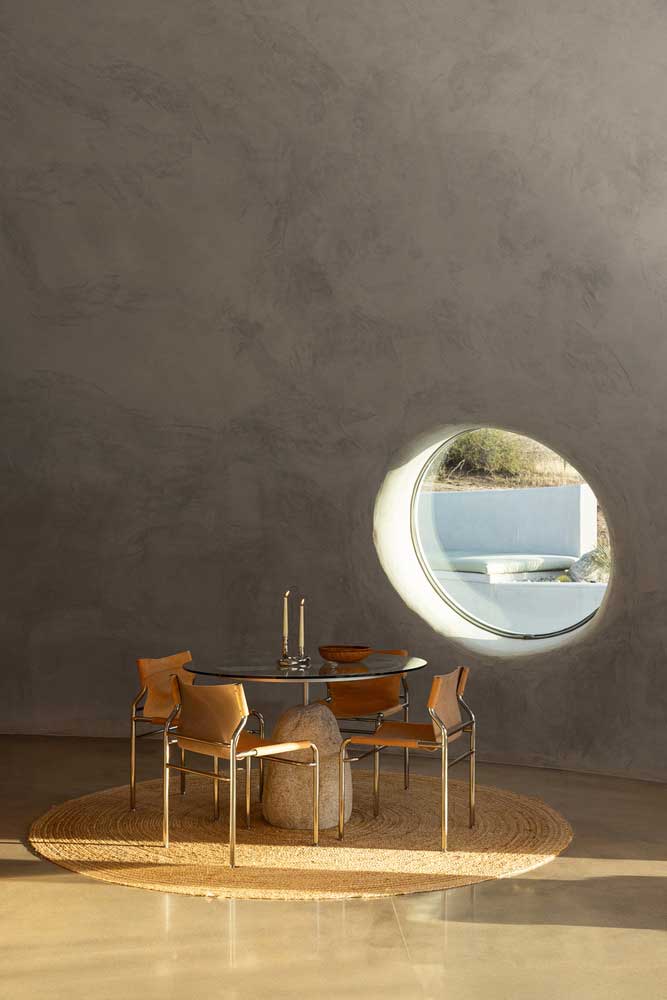
This is not a home that closes itself off. While the off white concrete holds and protects, it also opens. Rounded cut-outs and broad windows allow nature to filter in, uninterrupted. The interior doesn’t contrast with the landscape but invites it to join. Wooden floors stretch to thresholds that lead to gentle steps into the grass. Frames do not box the view—they frame silence, sky, and shadow.
Even the exterior finishes participate in this dialogue. The soft tone of the concrete reflects the pale hues of sun and cloud, its surface shifting with the hours. No two moments outside are quite the same, and each reflection subtly alters the ambiance within. The decision to leave the surface slightly textured means that the weather has its say as well—rain traces paths, frost gives a glint, and dust softens the corners.
From a distance, the dome feels like a memory—something ancient yet born today. From within, it is not a retreat from nature, but a reconnection with it. Windows are not glass barriers but moments of exchange. Even when closed, they let in the sound of wind or the sight of movement. Every design choice insists on balance—not only between materials, but between human presence and natural rhythm.

This space reimagines what it means to build with intention. Through the sculptural use of off white concrete and the enveloping embrace of wooden interiors, it forges an emotional architecture—one that prioritizes peace, quiet wonder, and the sensory experience of shelter. The structure does not demand attention; it rewards it. It stands as a gesture toward a slower, more attuned way of living. In its soft strength and warm containment, it offers a moment of stillness in a restless world.
| Architects | Anastasiya Dudik |
| Images | Natasha Lee, Shannon Moss, Brandon Stanley |