The plated dinner format has been the default wedding reception structure for so long that most couples never question it. In 2026, that assumption is finally breaking down — and the replacement looks nothing like what came before it.
The supper club wedding is the most talked-about shift in wedding trends this season. Couples are restructuring their entire reception around a progressive, lounge-style dining experience pulled straight from the world of intimate restaurant culture — think curved banquettes, roving small plates, signature cocktails served between courses, and a room layout designed for movement rather than assigned stillness.
Why the Plated Dinner Stopped Making Sense for Modern Couples
The traditional plated dinner was built for a different kind of wedding. It assumed guests wanted to sit in one place for two hours, work through a fixed menu, and wait for speeches to end before they could move. Couples are now reconsidering how their reception format — especially the food — works as a memorable experience for guests. As wedding planner Akinseye notes, “we’re seeing a shift from formal plated meals to progressive, lounge-style dining.”
This shift connects directly to how couples are approaching wedding trends in 2026 more broadly. Across fashion, florals, venues, and ceremonies, industry experts identify hyper-customization as the dominant force redefining weddings right now. The supper club format is the most structurally ambitious expression of that instinct — it doesn’t just change one element of the reception, it reorganizes the entire evening.
The Supper Club Format Borrows Heavily from Restaurant Culture
What does a supper club wedding actually look like in practice? The reference points are specific. Couples are pulling from the atmosphere of places like New York’s Carbone, London’s Bacchanalia, or the private dining rooms of Tokyo’s high-end izakayas — spaces where the meal is the event, not a pause between events.
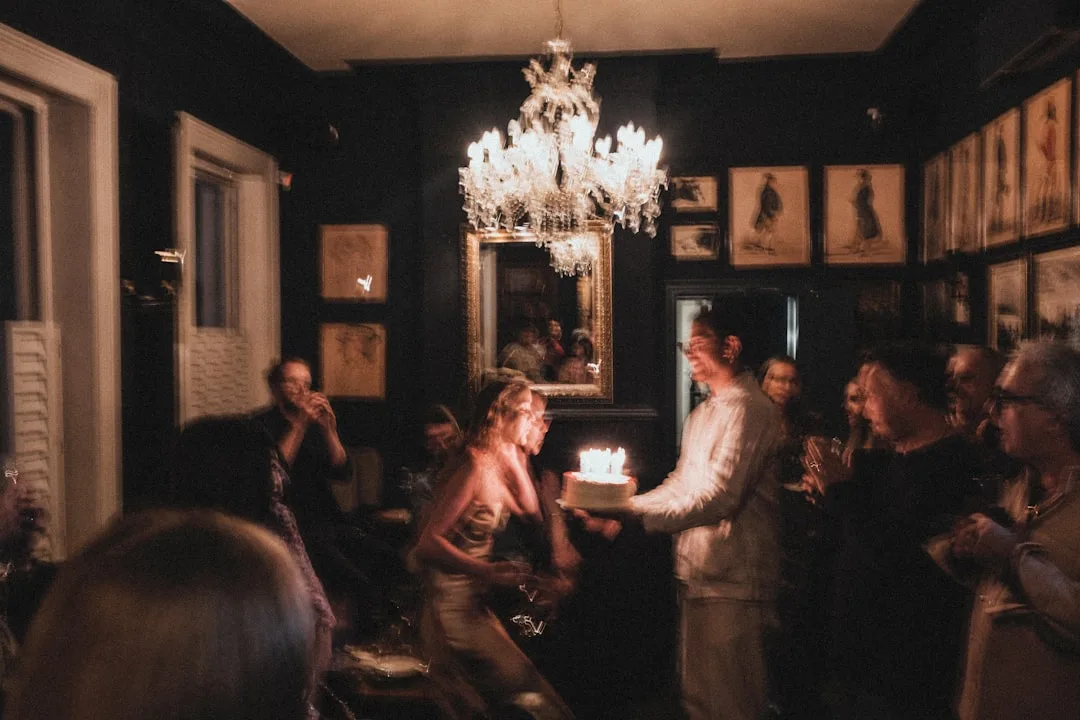
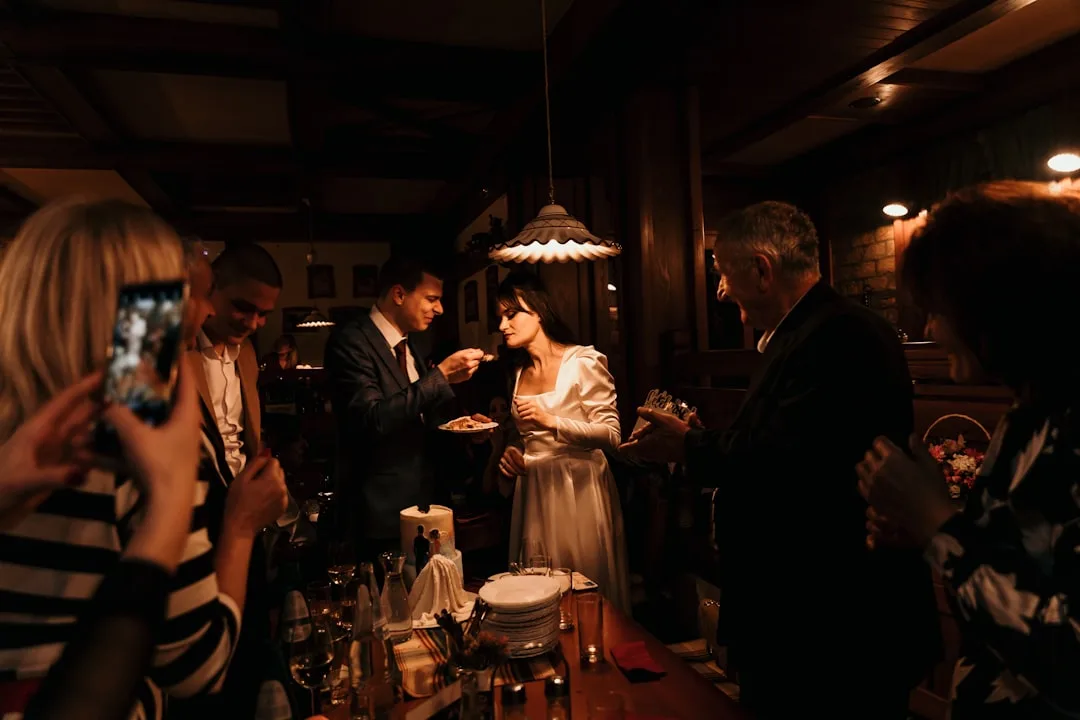
In 2026, drapery is doing heavy lifting in this format. Couples are layering soft fabrics on ceilings, over tables, and across doorways to transform spaces into lush, romantic retreats. That same atmospheric instinct drives the supper club aesthetic: low lighting, tactile textiles, seating that invites guests to stay rather than sit politely. Lighting installations — floating chandeliers, hanging lantern clusters, warm uplighting — are being used as both décor and mood-setting tools, creating an immersive atmosphere.
The food structure itself changes completely. Instead of a three-course set menu arriving at a fixed time, guests experience a rotating selection of dishes served at staggered intervals across different lounge zones. Wedding caterers like London-based Rhubarb Food Design and New York’s Great Performances have both reported significant increases in requests for this format heading into the spring 2026 season.
Gen Z Is Driving This Shift — and Their Reasoning Is Different From What You’d Expect
Gen Z has officially arrived at the altar. For the first time, Gen Z makes up the majority of engaged couples surveyed, bringing TikTok-first inspiration, a love for visual storytelling, and a selective revival of tradition to the table. But what’s interesting about the supper club wedding is that it isn’t a TikTok aesthetic trend — it’s a structural one.
“Weddings in 2026 are defined by hyper-personalization,” with couples moving away from trend-led celebrations and instead designing days that feel reflective of who they are. The supper club format is the most direct expression of that instinct in reception planning. It replaces a universal template with a dining experience that can reflect a couple’s actual taste — the restaurants they love, the cities they’ve traveled to, the way they actually like to eat.
For couples who want the aesthetic dimension to go even further, the supper club format pairs naturally with the kind of immersive décor covered in 3+ Boho Wedding Decor Trends You’ll Love — layered textiles, organic forms, and warm candlelight all read as cohesive rather than eclectic when the room is designed for lingering rather than ceremony.
How to Actually Execute This at Your Own Wedding
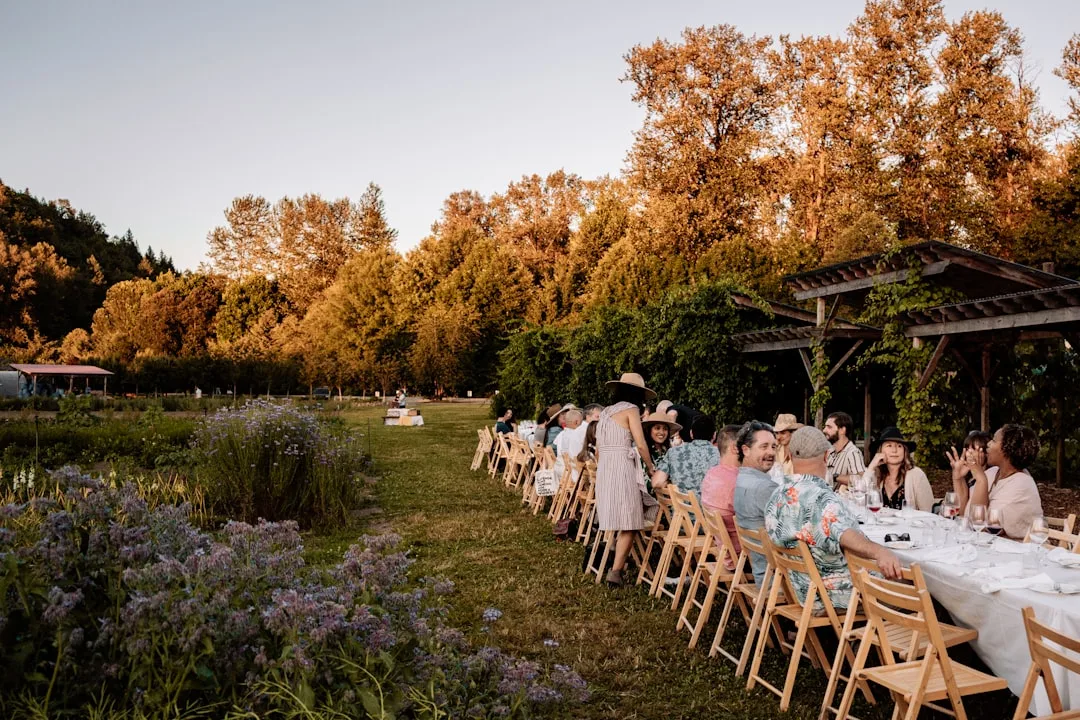
The supper club format requires a different conversation with your venue than a standard reception does. The key decision is seating architecture: you need a mix of long communal tables, smaller four-tops, and low lounge clusters rather than a uniform ballroom grid. Venues with flexible floor plans — converted warehouses, historic townhouses, open-plan estate barns — accommodate this far more naturally than hotel ballrooms.
Staffing ratios change too. Progressive dining requires more servers per guest than a plated format because dishes are being circulated continuously rather than delivered in synchronized rounds. Build that cost into your catering budget from the start rather than retrofitting it after the venue deposit is signed.
The hair and styling implications are also worth noting. A supper club wedding is a moving, social event — guests stand, migrate between zones, and spend the night in conversation rather than seated for hours. 8+ Half Up Half Down Wedding Hair Trends You Need to Know This Year covers exactly the styles that hold up across a long, active evening — a practical consideration that matters more in this format than in a traditional sit-down reception.
More couples are also opting for weekend-long celebrations that include welcome parties, group activities, and farewell brunches. This creates a more relaxed pace and allows couples to spend meaningful time with guests traveling from afar. The supper club dinner fits naturally into that extended structure — it becomes the anchor evening of a multi-day experience rather than the totality of the celebration.
What This Wedding Trend Actually Signals About 2026
The supper club wedding isn’t a single aesthetic choice — it’s a philosophical one. Perhaps the most defining feature of 2026 weddings is not any one look at all. It is the narrative cohesion that emerges when every detail has meaning. Restructuring the reception around a dining format you actually love is the clearest possible expression of that principle.
Among the wedding trends gaining the most ground right now, this one has the highest crossover potential — it works at intimate 60-person dinners and at 150-guest estate celebrations alike. The format scales. What doesn’t scale is the default: a plated dinner that nobody remembers, at a table they were assigned to, eating food they didn’t choose. That version of the wedding reception has a shorter runway than most couples realize.
Complete guide
Party Fashion Outfits That Turn Every Room Into a Runway
Disco, holiday, pool, white party, themed dress codes — all in one place
Complete guide
Interior Lighting Ideas That Make Every Room Feel Alive
LED panels, smart systems, pendants, chandeliers, biophilic design — all in one place