The Data Tells the Story
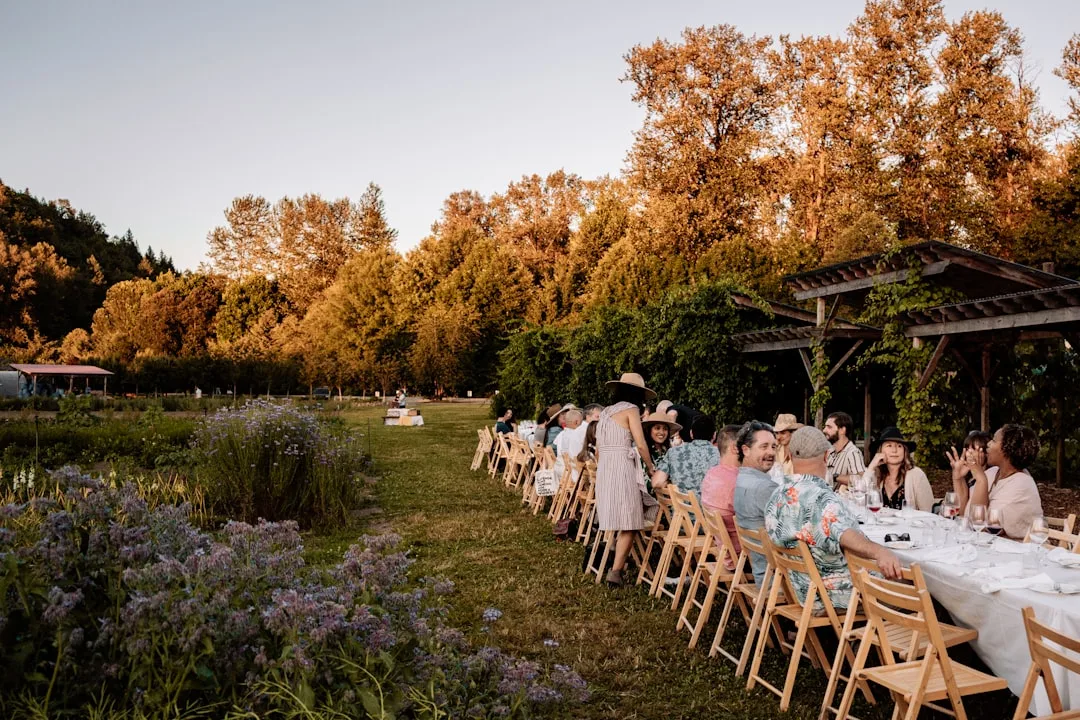
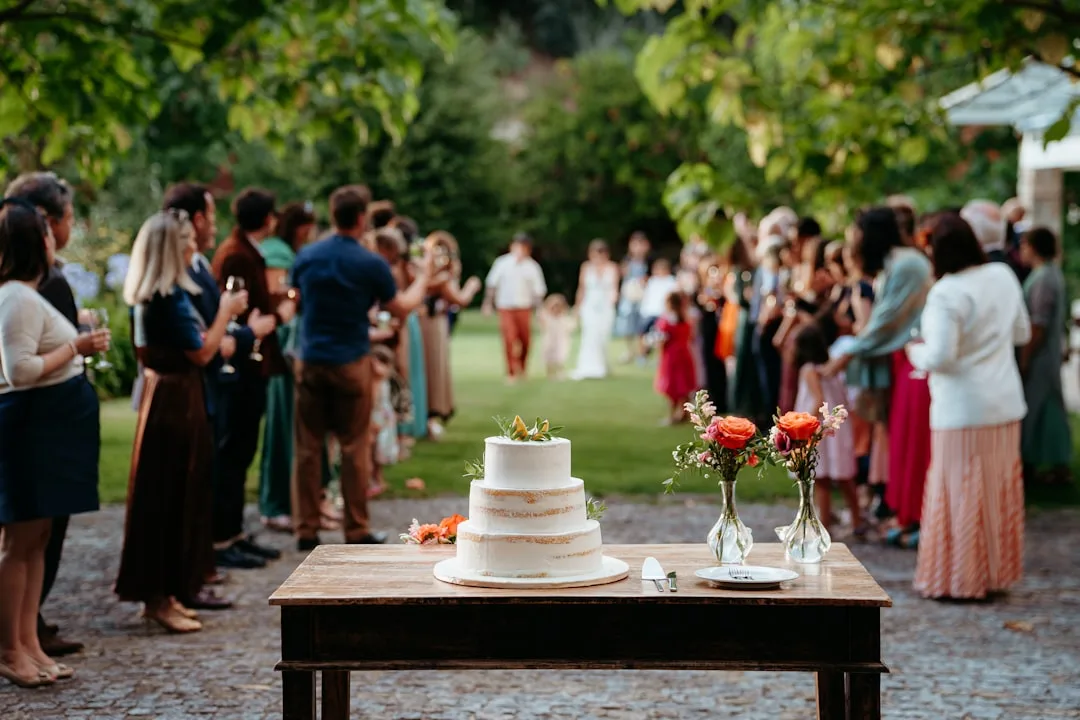
Wedding venue bookings for spaces accommodating 150+ guests increased 73% between January 2025 and March 2026, according to EventUp’s Q1 2026 industry report released April 2026. The Knot’s Spring Wedding Survey, published April 15, 2026, confirms that average guest counts have climbed from 86 in 2024 to 142 in 2026—the highest figure since 2019. This isn’t a gradual shift. It’s a categorical rejection of the intimate wedding model that defined the early 2020s.
Planners like José Rolón of Rolón Events in Miami and Sarah Haywood in London both reported in March 2026 interviews with Vogue Weddings that their entire 2026-2027 booking calendars consist of weddings with guest lists exceeding 120 people. “Couples want the energy back,” Haywood told the publication. “They’re tired of making cuts and explaining why cousins didn’t make the list.”
Why the Pendulum Swung Back
The micro-wedding wasn’t a trend—it was a necessity born from pandemic restrictions. What started as adaptation became normalized through 2021-2024, but by late 2025, cultural fatigue set in. Couples who got engaged in 2024 and 2025 watched older siblings and friends marry in stripped-down ceremonies and decided they wanted something different. They wanted the party their parents had, the celebration they’d envisioned before “intimate” became the default descriptor.
Economic factors play a role, but not the one you’d expect. While inflation affected wedding budgets through 2023-2024, the 2025-2026 economic stabilization gave couples confidence to plan larger events. More significantly, the realization that per-guest costs drop significantly when you scale up—shared rentals, better vendor rates, more efficient catering—made larger weddings financially logical again.
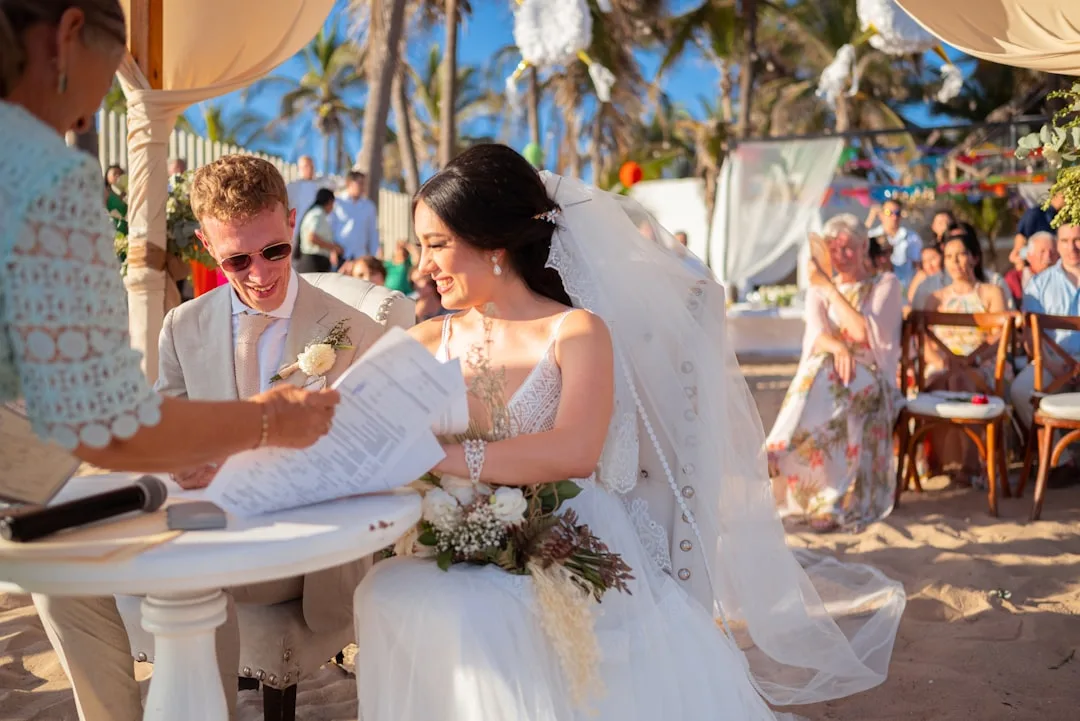
Bridal designer Hayley Paige posted on Instagram April 8, 2026, that her trunk shows are now filled with brides requesting statement gowns “made for a crowd.” She’s seeing orders for dramatic trains, intricate beading, and voluminous silhouettes—nothing whisper-quiet or “just for photos.” The dress choices reflect the broader shift: weddings are performances again, and couples want audiences.
What This Actually Looks Like
These aren’t reproductions of 2010s weddings. The 2026 large wedding incorporates elements that emerged during the micro-wedding era—intentional design, guest experience focus, sustainability considerations—but applies them at scale. Venues like Brooklyn’s The Green Building and California’s Calamigos Ranch report that couples booking 150-person weddings still want locally-sourced menus, eco-conscious décor, and personalized details, just for more people.
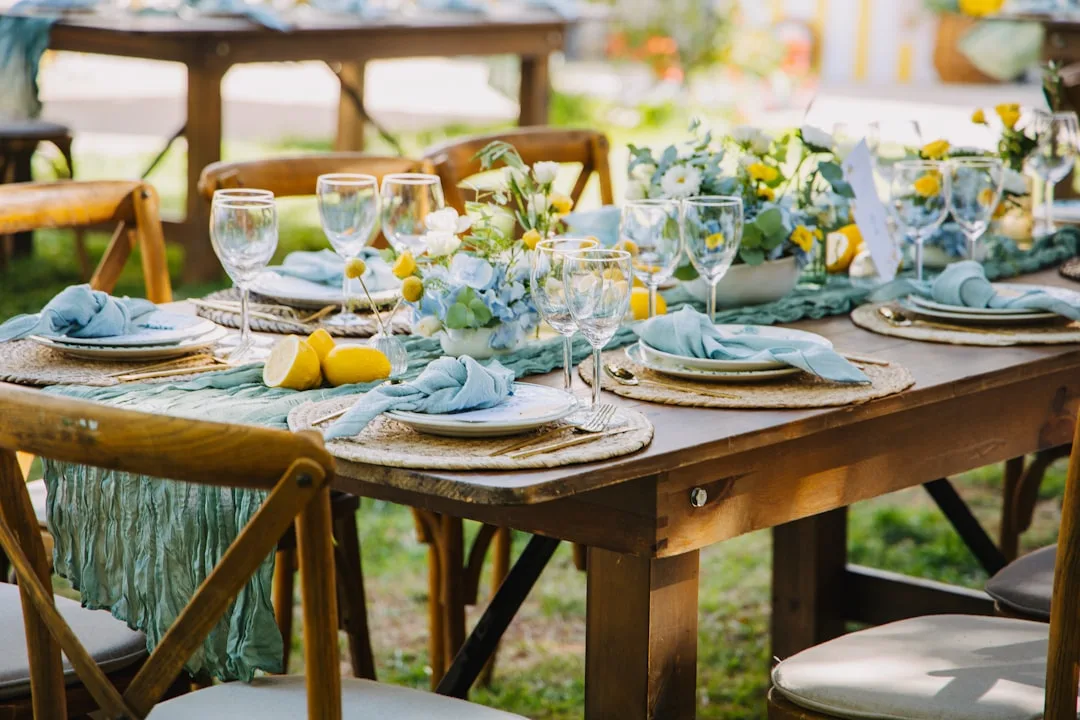
The aesthetic skews maximalist. Floral installations that would’ve seemed excessive in 2023 are standard in April 2026. Event designer David Beahm told Martha Stewart Weddings in their April 2026 issue that his clients are requesting “abundance”—ceiling installations, multiple floral moments throughout venues, dramatic lighting designs that require the scale of a large space to make sense. For inspiration on creating richness without overwhelming, see 3+ Boho Wedding Decor Trends You’ll Love, which demonstrates how layered textures work in expansive spaces.
The return to larger guest lists also revived the wedding weekend format. Hotels in destination wedding markets like Cabo San Lucas, Tuscany, and Charleston reported in March 2026 that room block reservations are up 89% year-over-year. Couples are planning welcome dinners, day-after brunches, and coordinated group activities—infrastructure that only makes sense with substantial guest counts.
Hair and Beauty Follow Function
Bridal beauty has shifted accordingly. The effortless, undone hair that dominated micro-weddings is being replaced by structured, statement styles designed to read across large venues. Hairstylist and salon owner Chris Appleton posted April 12, 2026, that his bridal appointments now prioritize “architecture and hold”—styles that photograph well from 50 feet away, not just in intimate close-ups.
Old Hollywood glamour is resurging: finger waves, structured chignons, and dramatic volume. Hair accessories have evolved beyond delicate pins to statement pieces—jeweled combs, fresh flower crowns with substantial presence, even tiaras, which Kleinfeld’s reported in their April 2026 sales update are selling at rates not seen since 2015. For comprehensive coverage of how hair styling has adapted to larger venues, explore 8+ Half Up Half Down Wedding Hair Trends You Need to Know This Year.
The Vendor Economy Responds
The wedding industry is restructuring around these larger celebrations. Photographers are adjusting packages to include more hours and second shooters as standard. Caterers who pivoted to family-style intimate dinners are rebuilding banquet service teams. Rental companies that downsized inventory in 2021-2022 are now scrambling to meet demand for large-quantity orders of chairs, tables, and linens.
DJ collectives like New York’s Beats by Design told Brides Magazine in April 2026 that they’re seeing 80% more requests for full bands versus solo musicians compared to 2024. The energy of a large crowd demands live music that can fill space and drive dancing—something a Spotify playlist can’t replicate at scale.
How to Execute This Without Excess
Throwing 150 people together doesn’t automatically create a meaningful celebration. The successful 2026 large wedding borrows the intentionality of micro-wedding planning. Planner Marcy Blum told the New York Times Wedding section April 19, 2026, that her clients are creating “zones of intimacy within scale”—lounge areas, multiple bars that encourage mingling, interactive food stations that prevent the wedding from feeling like a banquet hall mass.
The sustainable wedding movement hasn’t disappeared with larger guest counts; it’s adapted. Couples are prioritizing seasonal, local flowers in greater quantities rather than imported rarities in small amounts. Digital invitations handle save-the-dates and logistics while printed invitations serve as keepsakes. Rental décor replaces purchased items, and composting programs manage food waste at scale—practices venues like Stone Barns in New York have standardized for large events.
Seating arrangements matter more than ever. The return of assigned seating, after the casual “sit anywhere” approach of small weddings, requires strategic planning. Successful large weddings in 2026 mix friendship groups intentionally, create tables that facilitate conversation, and use escort cards as design elements rather than administrative necessities.
What This Means for Couples Planning Now
If you’re engaged in April 2026, you’re planning in a completely different market than couples who got engaged 18 months ago. Venues with large capacity are booking 18-24 months out instead of the 12-month timeline that was standard in 2024. Vendors who specialize in large-scale events command premium rates and limited availability.
The pressure to invite everyone is back. The social acceptability of small guest lists—the silver lining of pandemic weddings—has evaporated. Couples are navigating family expectations, workplace politics, and friend group dynamics that had been temporarily suspended. The phrase “we’re keeping it small” no longer functions as a blanket excuse.
Budget allocation has shifted. Where micro-wedding couples spent proportionally more on photography, videography, and intimate details, large-wedding budgets in 2026 prioritize venue capacity, catering volume, and entertainment that can engage crowds. The average 2026 wedding budget, according to WeddingWire’s April 2026 data, sits at $38,000—up from $28,000 in 2024, with the increase almost entirely attributable to guest count rather than per-person spending increases.
The maximalist wedding is here, and it’s rewriting the rules that governed wedding planning for the past five years. It’s not about excess for its own sake—it’s about couples reclaiming the celebratory scale they felt cheated out of during the micro-wedding era. The pendulum has swung, and it’s brought 150 of your closest friends and family with it.