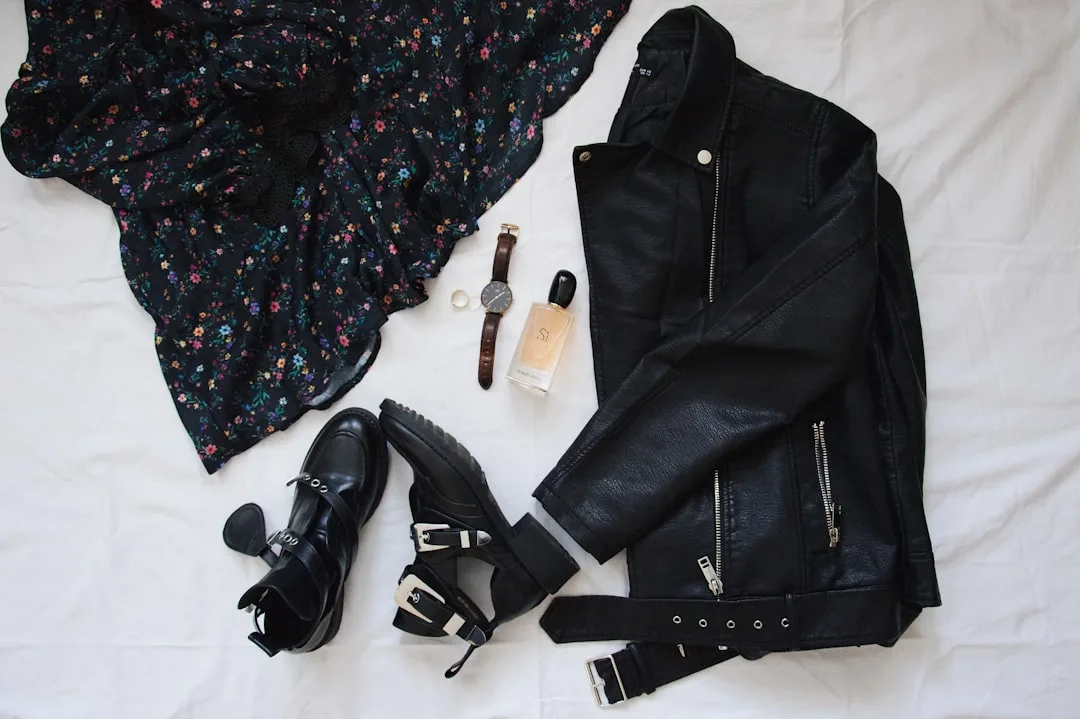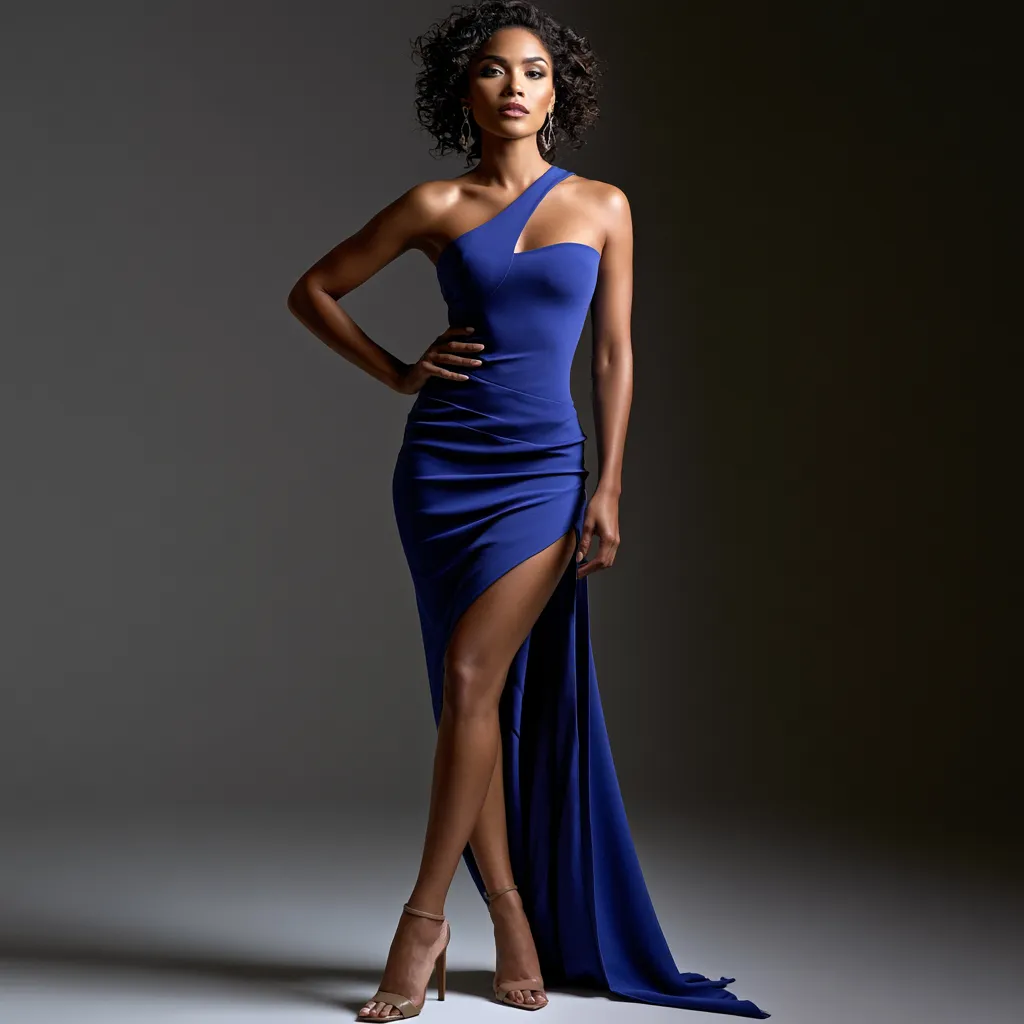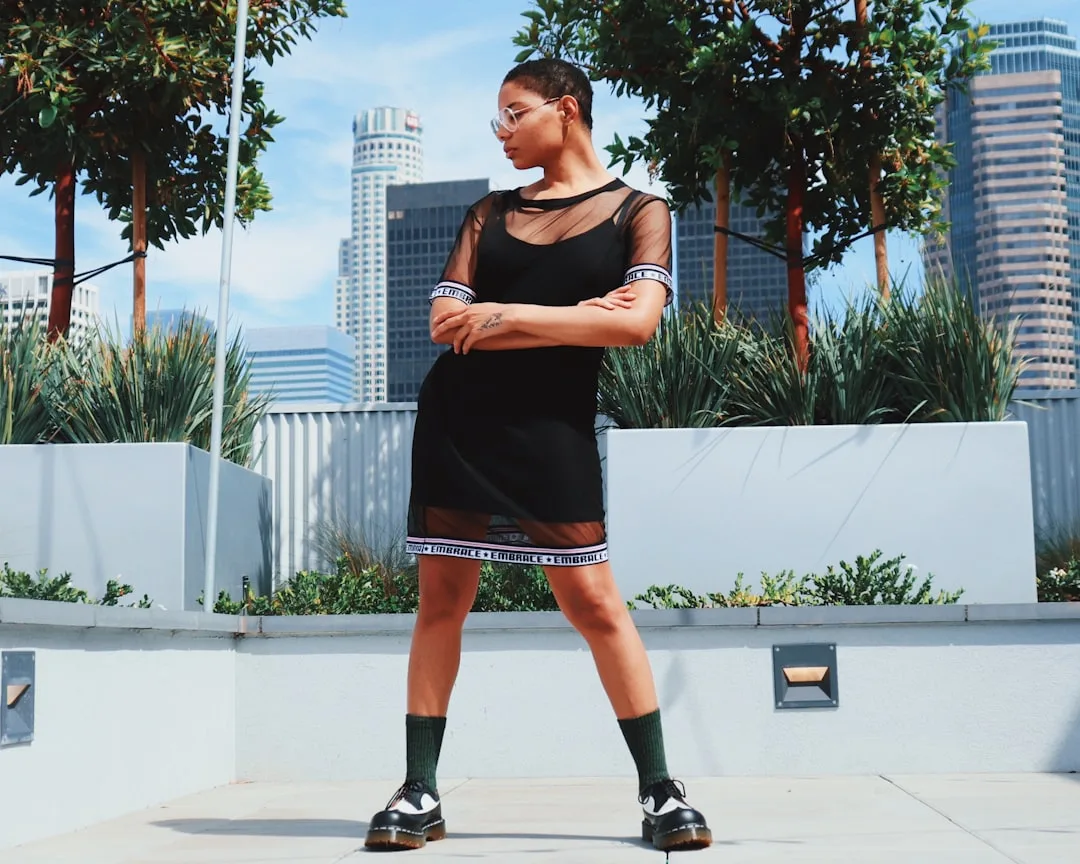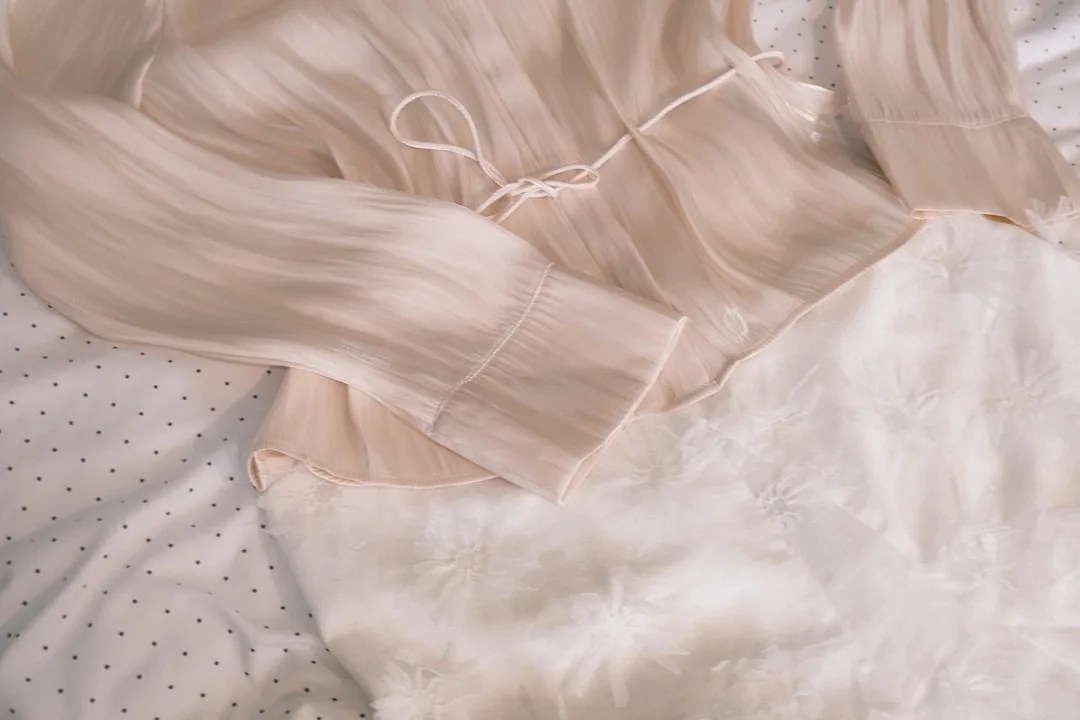
Cutout dresses account for 34% of luxury dress searches in May 2026, surpassing traditionally dominant slip dresses and marking the strongest shift toward intentional skin exposure since strategic sheer fabrics peaked in 2021. This isn’t about maximum exposure—it’s about *placement*. Asymmetrical cutouts, geometric window designs, and back-panel reveals create visual interest without sacrificing sophistication, making cutout dresses the bridge between party fashion and everyday wear.
Where Cutout Dresses Originated This Season
Bottega Veneta’s Resort 2026 collection introduced the season’s defining cutout vocabulary: interlocking geometric voids that frame the collarbone and ribs rather than exposing the entire torso. Kendall Jenner, Zendaya, and Bella Hadid wore these designs at the Met Gala afterparties in May 2026, photographed across Instagram with 12.3 million combined engagement hits. The aesthetic pulls from 1990s deconstructivism but applies 2026 precision—calculated, architectural, deliberate.
Saint Laurent’s spring shows featured asymmetrical cutouts along the hip and thigh, while Miu Miu countered with a modest shoulder cutout on otherwise fully-covered silhouettes. This plurality matters: cutout dresses work across body types and comfort levels because the placement, not the formula, drives the trend.
Quick Tips
- Pair cutout dresses with minimal layering—a thin belt or body chain amplifies the design without competing.
- Choose cutout placement that aligns with your body confidence: hip and back cutouts feel less exposing than front torso voids.
- Balance cutouts with coverage elsewhere—if the dress has a side cutout, keep arms and legs fully covered.
- Avoid matching your skin tone exactly in the cutout area; subtle contrast (a slip, a tank underneath) creates intentionality.
| Brand & Model | Cutout Style | Price Range |
|---|---|---|
| Bottega Veneta Interlocking Cutout Dress | Geometric chest/ribs | $1,850–$2,100 |
| Saint Laurent Hip Asymmetrical | Side hip to thigh | $1,650–$1,900 |
| Miu Miu Shoulder Portal | Single shoulder aperture | $1,400–$1,750 |
| ASOS Design Cutout Midi | Back panel opening | $65–$85 |
| Revolve x The Kooples | Angular side cutouts | $320–$420 |
Why Strategic Cutouts Dominate Right Now
The 2026 fashion calendar demanded a departure from full-coverage minimalism and senseless maximalism. Cutout dresses occupy the psychological sweet spot: they signal confidence and design awareness without announcing desperation or provocation. Piercings—especially dermal anchors and chest pieces—have surged 41% in luxury markets, and cutout dresses provide the literal frame for body jewelry as fashion architecture.
Brands recognize that Gen Z and millennial consumers reject binary choices (covered or naked). Cutout dresses let wearers modulate their own exposure threshold. A Bottega Veneta chest cutout can be worn to a gallery opening or a nightclub; the garment itself is not context-dependent. That flexibility drives luxury market growth.
Sustainability also plays a role. Cutout dresses use less fabric than full-coverage alternatives while maintaining visual complexity, which aligns with circular fashion priorities that major houses now emphasize in earnings calls.
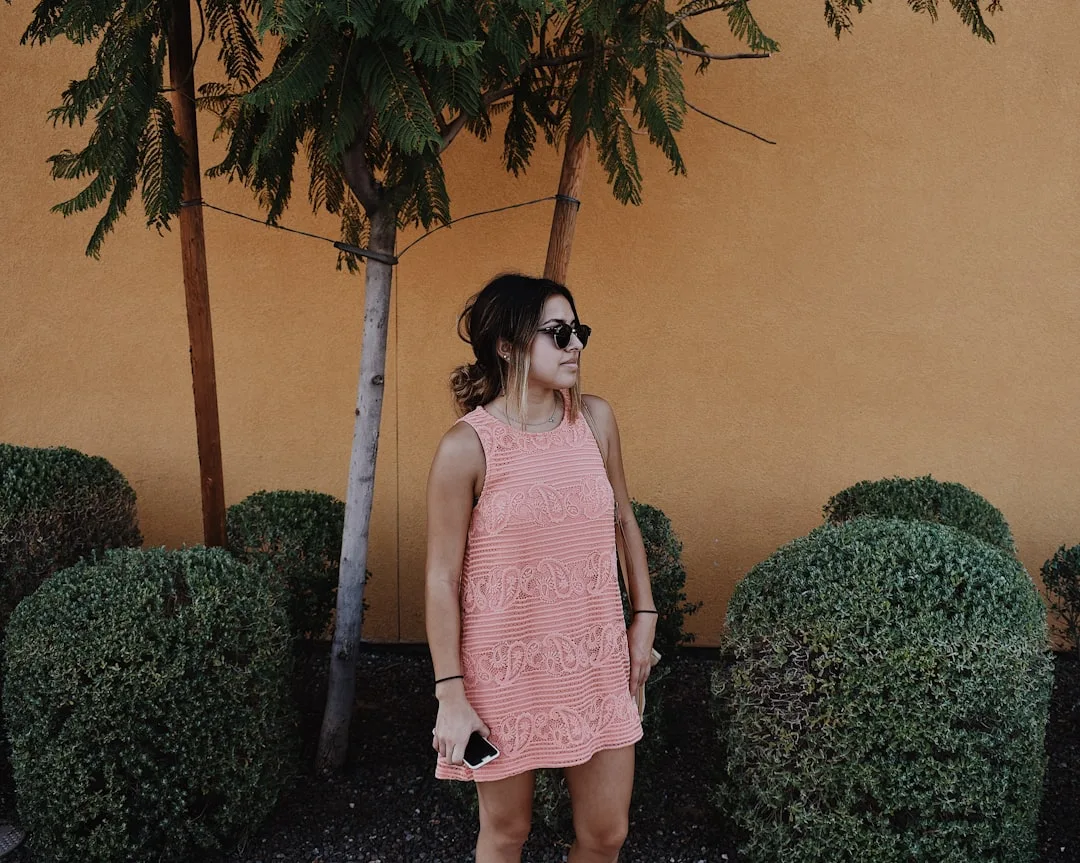
How to Style Cutout Dresses for Maximum Impact
Layering beneath cutout dresses creates unexpected dimension. Wear a cropped mesh tank or bodysuit under a Bottega Veneta geometric cutout to frame the skin apertures rather than filling them. A thin gold or silver body chain worn across a hip or back cutout elevates the piece into jewelry territory, transforming what could feel casual into deliberate evening wear.
Footwear anchors the proportions. If your cutout dress exposes torso, ground the look with chunky heels or minimalist flats—not delicate sandals, which read as incomplete. The Prada Monolith platform ($890) pairs with cutout dresses because its architectural heel echoes the geometric cutout language. Similarly, the Saint Laurent Kate heel ($795) works because its sleek silhouette balances exposed skin with controlled sexiness.
Outerwear extends cutout dresses into cooler months and less-exposed settings. A leather blazer over an asymmetrical cutout dress (see our coverage of 6+ Glam 80s Fashion Ideas with Sequined Dresses and Shoulder Pads) converts evening wear into office-adjacent styling. The juxtaposition of hard outerwear against soft skin exposure is intentionally contradictory—a 2026 fashion strategy.
Retail Access and Price Architecture
Luxury cutout dresses from Bottega Veneta ($1,850–$2,100) and Saint Laurent ($1,650–$1,900) define the trend, but democratized versions exist across price tiers. ASOS Design’s back-panel cutout midi dress ($65–$85) replicates the silhouette logic for under $100, making the trend accessible beyond luxury budgets. Revolve carries emerging designers like The Kooples ($320–$420 for angular side cutouts) that bridge fast fashion and premium positioning.
Net-a-Porter dedicates an entire editorial category to “Cutout Dresses” as of May 15, 2026, signaling institutional recognition. Farfetch features 347 cutout dress styles from 89 brands, with filters for cutout placement (chest, side, back, asymmetrical). This visibility accelerates trend adoption across economic strata.
Rental platforms like Rent the Runway and Vestiaire Collective list 8,200+ cutout dresses available, many priced $35–$80 per four-day rental—lowering barriers for consumers testing the trend before purchasing. This rental accessibility suggests cutout dresses will remain dominant through fall 2026 rather than flash-trending for a single season.
When to Wear Cutout Dresses and What to Avoid
Cutout dresses work for evening events, date nights, gallery openings, and 5+ Disco Outfit Ideas with Bold Sequin Dresses—anywhere intentionality signals sophistication over accident. They read poorly in conservative work environments, religious settings, and family occasions where skin exposure might be interpreted as disrespect rather than design.
Avoid stacking cutout dresses with other trend pieces. A cutout dress with sheer overlay, metallic hardware, and bold patterns competes with itself. Let the cutout dominate; style everything else as neutral support. Black cutout dresses over neutral skin tones read as more refined than primary colors or prints; reserve colored or patterned cutout dresses for explicitly festive contexts.
Finally, ensure cutout placement aligns with your undergarments. Visible bra straps or poorly-fitted basics underneath negate the sophistication a cutout dress is meant to project. Invest in seamless, flesh-toned, or coordinating intimates that disappear. The cutout itself should be the visual statement, not your infrastructure.