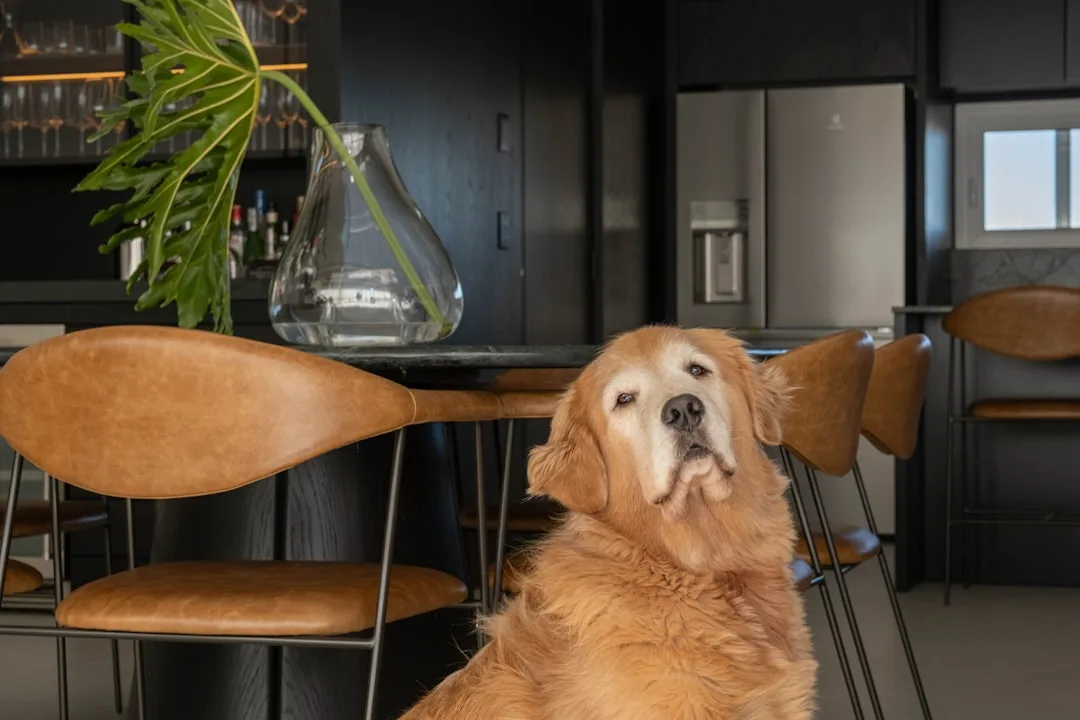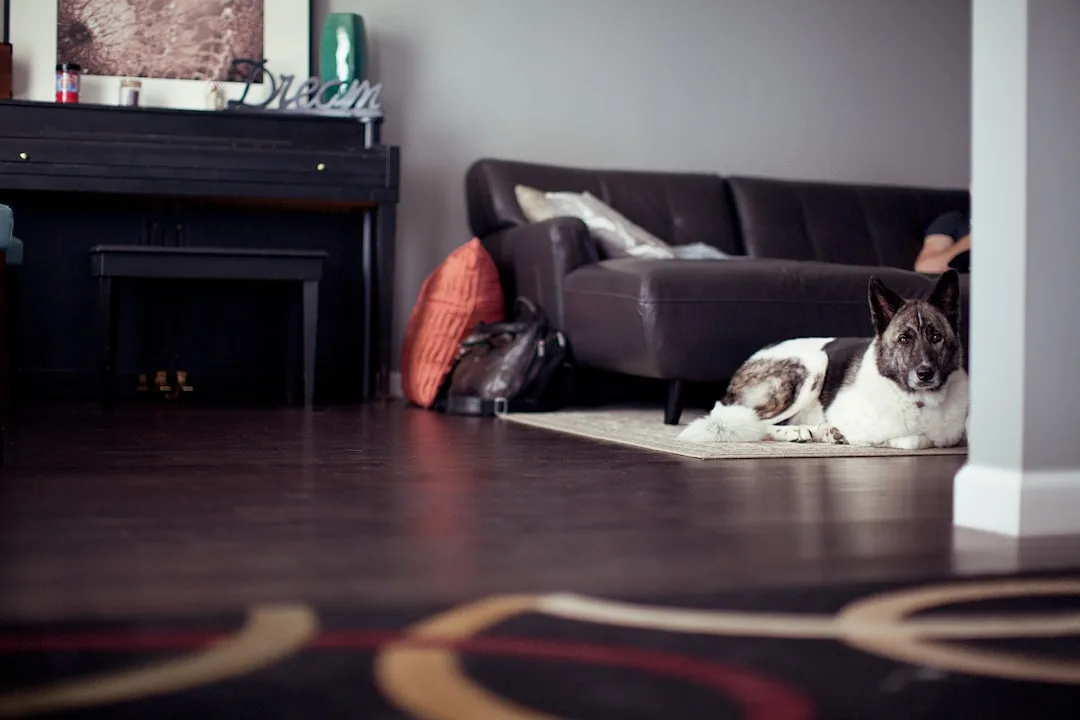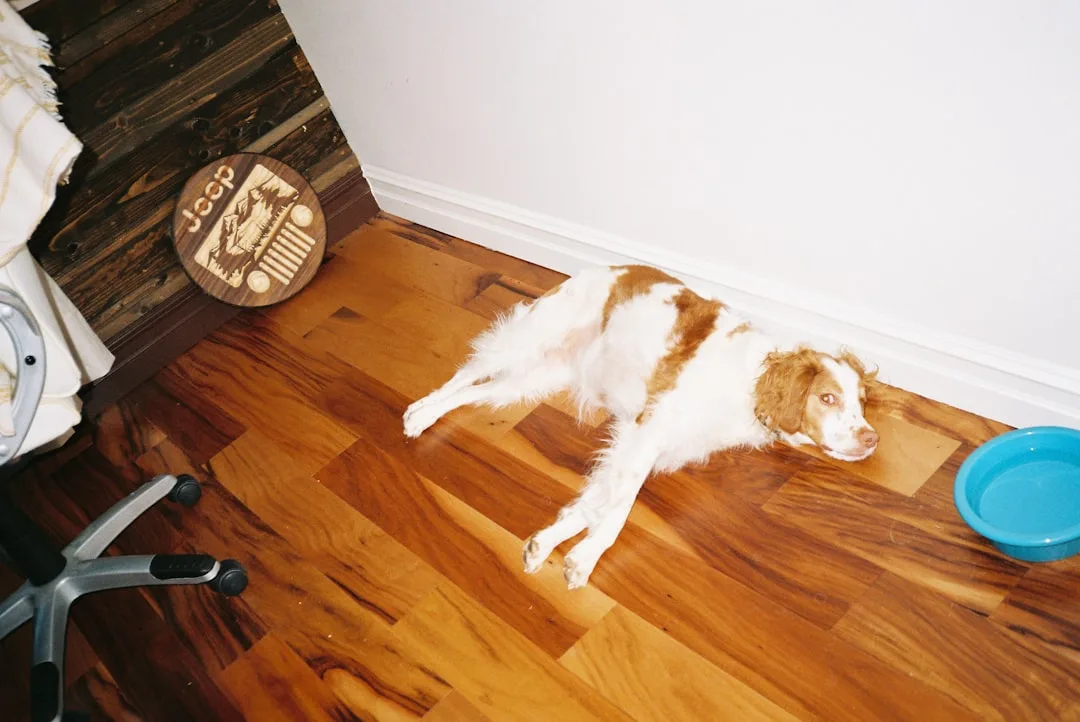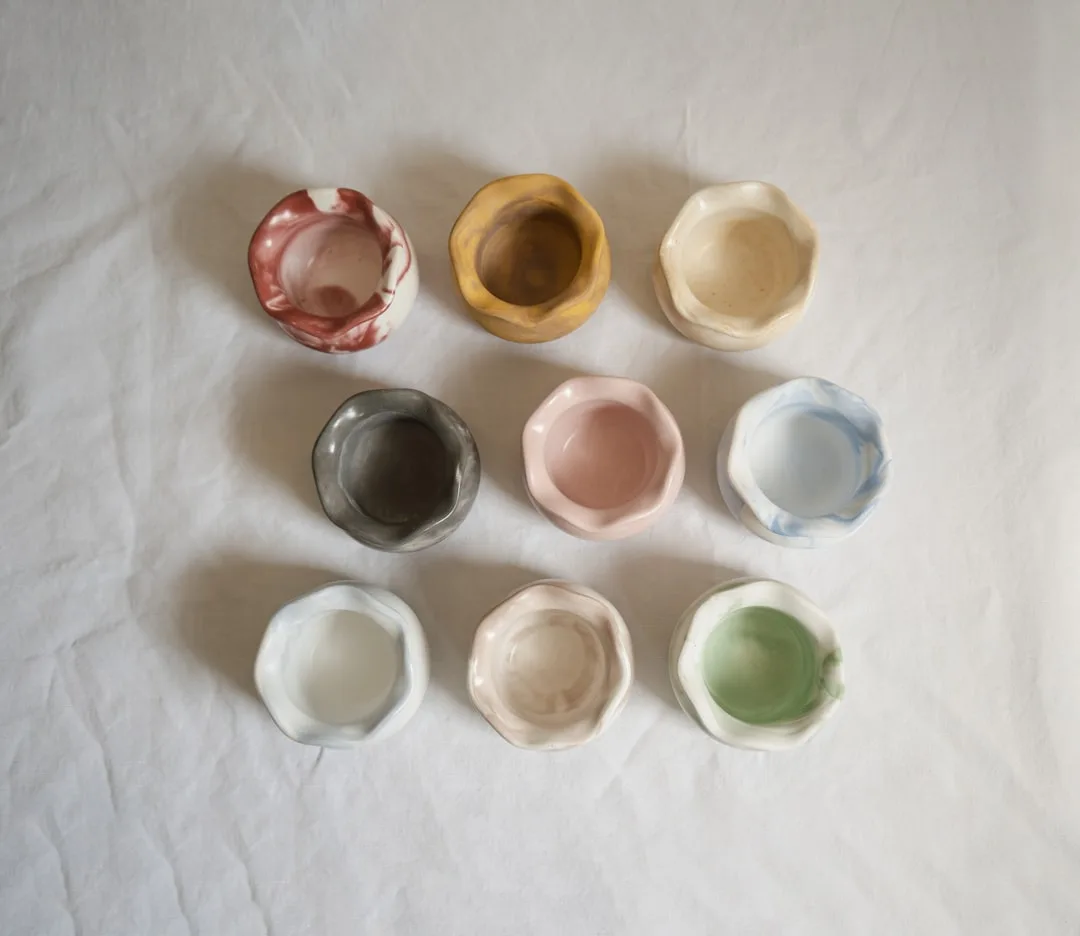
The loudest thing in most living rooms right now is the pet gear. Fluorescent harnesses, primary-colored bowls, patterned beds shoved under a console table — and all of it fighting the interior. In 2026, that era is ending fast. The defining pet & home trends story of this year is not a new product category. It is a total palette reset.
Pantone’s Cloud Dancer Did Something to Pet Purchasing Nobody Predicted
When Pantone named Cloud Dancer its Color of the Year for 2026, the ripple effect reached further than paint swatches and fashion runways. Collars, leads, ceramic feeding bowls, and orthopedic pet beds are now moving into soft off-whites, warm oatmeal tones, and muted sage — palettes that feel considered rather than decorative. Brands like Reva and Wild One pivoted their 2026 collections toward this register before January, and sell-through data suggests the market agreed immediately.
The logic is straightforward: pet accessories are now purchased the same way a cushion or a side table is purchased. If it disrupts the room, it loses. If it belongs, it earns a permanent place on the kitchen floor.
Material Choice Has Become the New Status Signal in Pet & Home Trends
Color is only half the story. The other half is tactility. Wool, organic cotton, vegetable-tanned leather, and solid ceramic are replacing polyester and injection-molded plastic across the premium end of the pet accessories market. These materials do not just photograph better — they age better, clean more easily, and carry the same emotional weight as a well-chosen linen throw.
London-based bespoke workshop The Pet Carpenter reports that clients in early 2026 are no longer asking whether pet furniture can look good. They are asking how it can be built to support every household member while still feeling like a natural interior element. That shift in framing — from aesthetic compromise to design integration — is fundamental. It echoes exactly what we covered in The Biophilic Pet Zone: Why Designers Are Merging Animal Spaces With Living Greenery, where the drive is always toward belonging rather than accommodation.
Feeding Stations Stopped Being Functional Objects in February
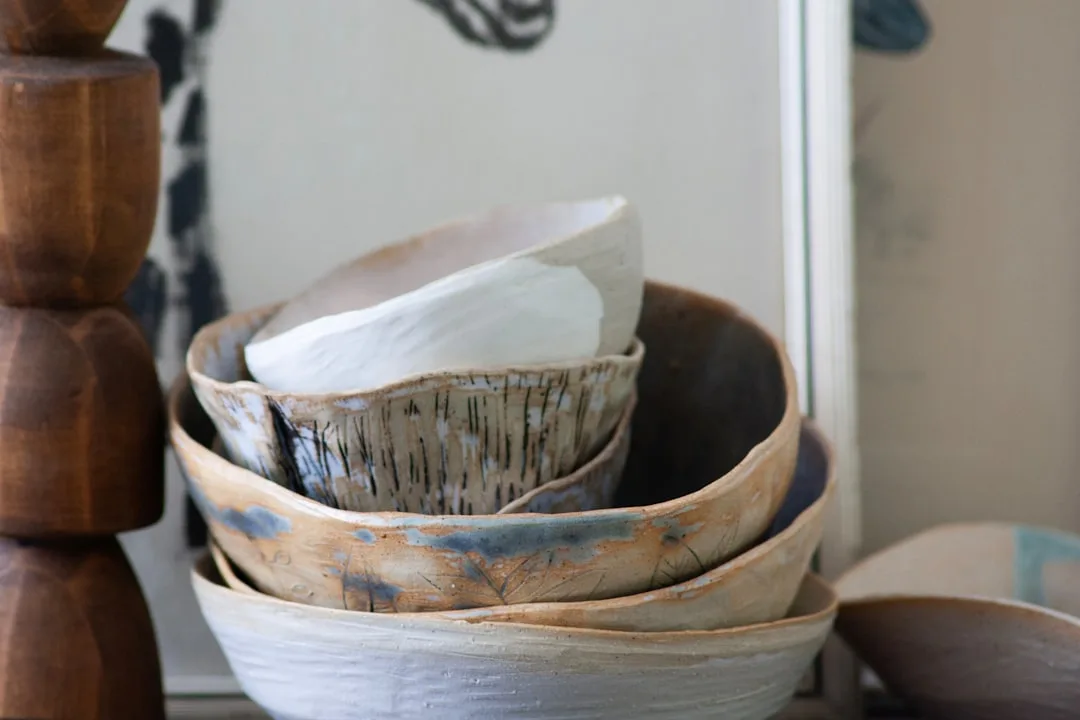
Ceramic bowls with sculptural silhouettes are now designed to live out permanently on kitchen countertops and island bases — not tucked away between meals. Labels like Hay, Ferm Living, and emerging pet-specific ceramicists on Etsy are producing pieces that sit comfortably alongside a Staub cocotte or a handthrown coffee mug. Mealtimes have become part of the home aesthetic, not a break from it.
The same restraint applies to color here. Warm terracotta, matte clay, and pale stoneware finishes dominate — tones that pair intuitively with the earthy interior palettes gaining traction in 2026. If you are working those tones into your kitchen already, reading How To Use Terracotta Tones Without Making Your Home Look Dated will give you the exact calibration this kind of layering requires.
Small-Space Living Is Accelerating the Whole Movement
Urban apartment density is a pressure multiplier. When square footage is limited, every object must earn its place visually and functionally. Foldable feeding stations, modular wall-mounted cat shelving that reads as gallery-style display, and collapsible carriers in neutral canvas are all gaining ground specifically because they solve a space problem without creating a visual one.
South Korea is leading this particular angle — pet furniture demand there is growing at 6.2% CAGR, shaped almost entirely by small-space optimization and visual neutrality criteria. European urban markets are following the same logic. The product that wins is the one that disappears into the room while doing its job completely.
How to Apply This Pet & Home Trends Shift Without Replacing Everything at Once
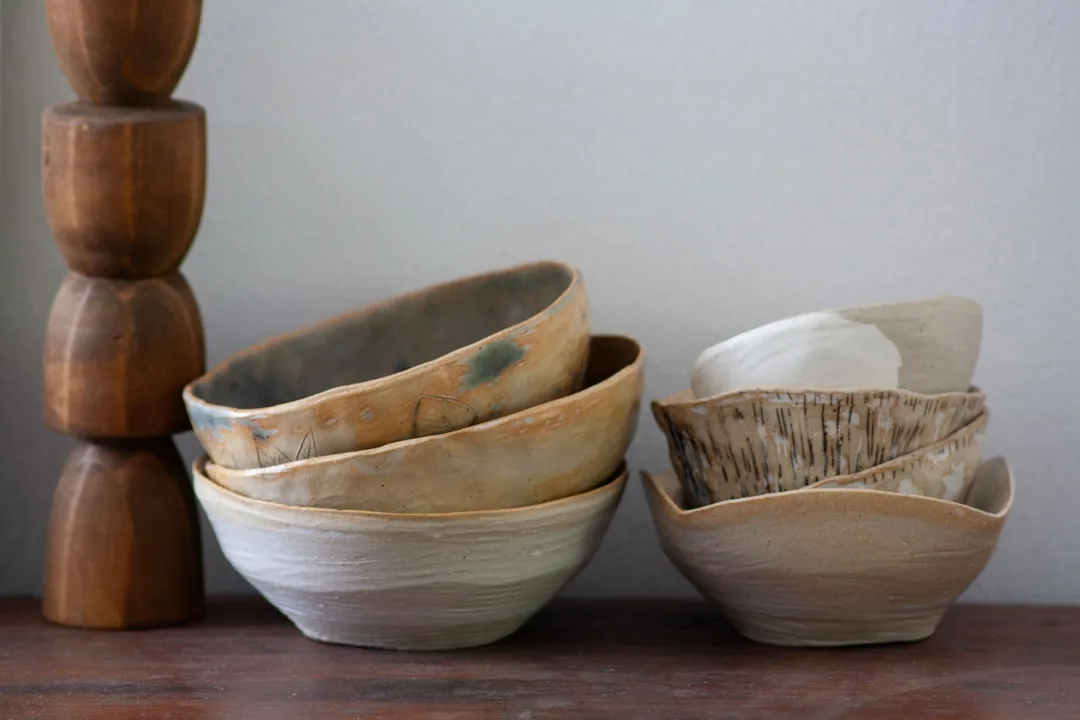
Start with the objects that live on the floor permanently: the water bowl, the feeding mat, the main bed. These are the pieces that register most in a room because they occupy eye-level sightlines when you are seated. Replace just these three with natural-material, neutral-palette equivalents and the visual noise drops immediately.
Next, audit your leads and collars — the items that hang on hooks near your entrance. Woven cotton, vegetable leather, and undyed canvas in coordinated tones transform a mudroom or hallway hook rail from chaotic to considered. Brands like Found My Animal and Hund the Label have been operating in this space for several seasons; their 2026 ranges reflect exactly the Cloud Dancer-adjacent restraint the broader market is now chasing.
The underlying current in pet & home trends right now is intentionality replacing impulse. Premium pet product sales are outpacing mass-market alternatives precisely because buyers are making fewer, more deliberate choices. The animal in your home did not ask to coordinate with your interior. But if the result means both of you occupy the space with less friction, less visual chaos, and more considered comfort — that is a genuinely good outcome for the room and for the relationship.
Complete guide
The Minimalist Style Guide That Covers Every Room, Surface and Outfit
Interiors, exteriors, kitchens, bedrooms, fashion, hair — all in one place
Complete guide
Small House Design Ideas That Make Every Square Foot Feel Intentional
Exteriors, layouts, kitchens, bedrooms, bathrooms, outdoor — all in one place
Complete guide
The Complete Guide to Scandinavian Style Living
Bedrooms, kitchens, bathrooms, living rooms, Japandi, color — all in one place