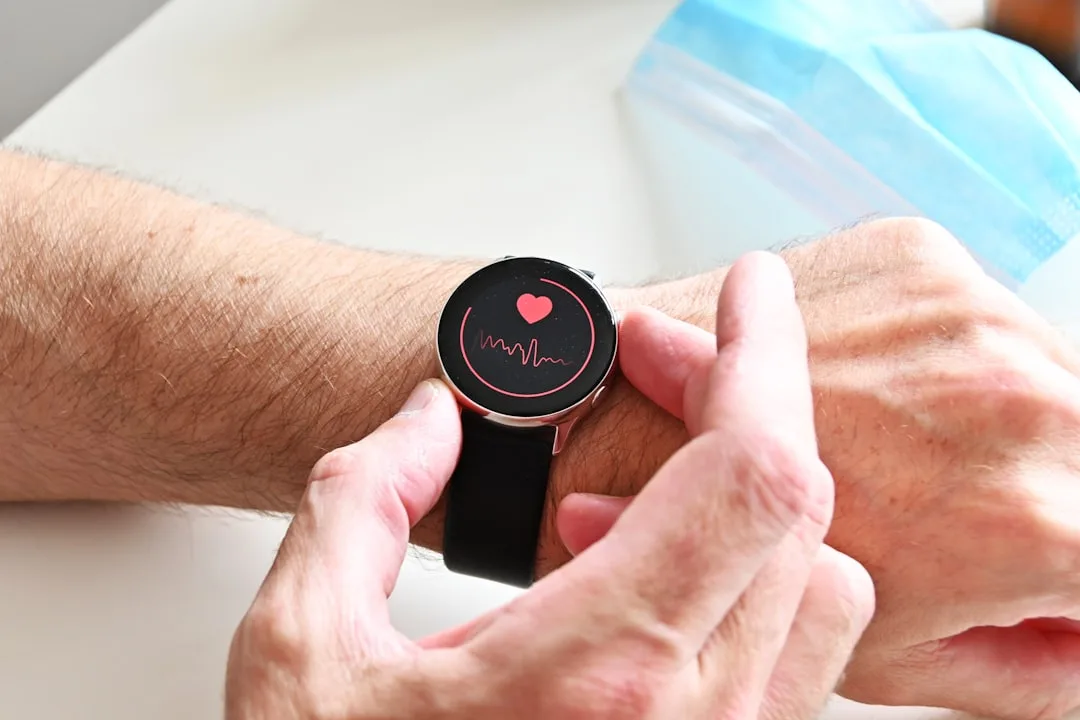
On June 15, 2026, the American Sleep Association released data showing that 31% of U.S. adults now own wearable sleep trackers—triple the adoption rate from 2024. The driver isn’t vanity metrics anymore. Wearable sleep trackers health monitoring has shifted from counting hours to capturing the biometric signature of your night: heart rate variability, blood oxygen saturation, REM timing, core body temperature, and respiratory rate, all analyzed in real-time without waking you. This data catches atrial fibrillation, sleep apnea, and metabolic stress days before a doctor’s visit would.
Why now? Processing power finally matches the physics. Older wearables measured motion and guessed sleep stages. Today’s generation uses photoplethysmography (light bounced through capillaries), electrical impedance, and motion fusion to deliver medical-grade accuracy at consumer price points.
Oura Ring 4 and the Oxygen Revolution
The Oura Ring 4, released March 2026, was the first consumer wearable to integrate pulsed near-infrared sensors alongside visible-light heart sensors. This dual-wavelength approach captures arterial blood oxygen (SpO2) with ±2% accuracy—formerly only available in hospital pulse oximeters. For sleep-disordered breathing, that’s game-changing.
Wearers see their nightly oxygen dips mapped to sleep stage. Someone with undiagnosed sleep apnea might log 47 micro-drops per night during REM—data they can hand to their doctor, no sleep study appointment needed first. The ring costs roughly $300 upfront plus a $5.99/month subscription for cloud analysis.
That monthly fee bankrolls the AI backend. Oura’s algorithm ingests your 30-day biometric history and recalibrates what your “baseline” actually is—because Sarah’s normal resting heart rate of 58 bpm differs from Michael’s 72 bpm. Generic thresholds fail. Personalized drift detection works.
Quick Tips
- Wear your sleep tracker on the same finger or wrist every night—inconsistent placement drops biometric accuracy by 5-8%.
- Sync data to the app within 2 hours of waking; battery drain after 6+ hours of disconnection causes algorithm drift.
- Cross-reference wearable oxygen readings with a clinical pulse oximeter monthly if you have asthma, COPD, or altitude exposure.
- Sleep trackers measure time in bed, not sleep quality—a 7-hour night with four awakenings reads as “7 hours” despite fragmentation.
- Turn off vibration alerts during the night unless you’re investigating a specific symptom; alerts themselves disrupt REM architecture.
Whoop Band 5 Strain Versus Recovery Scoring
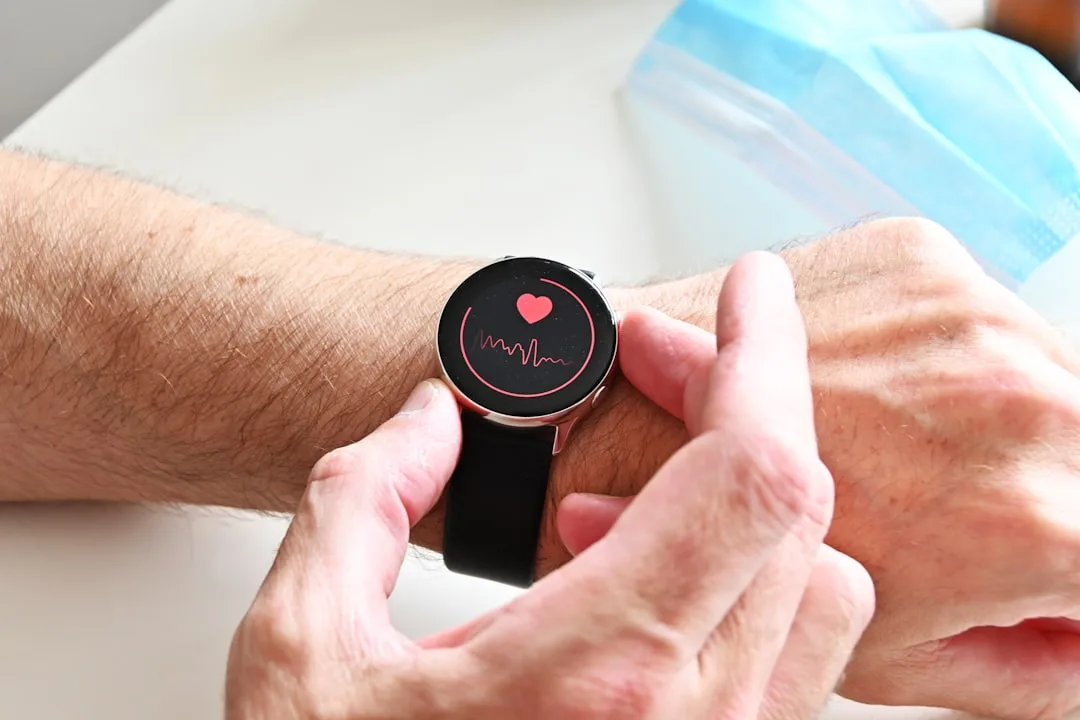
Whoop Band 5, launched February 2026, ditched the screen entirely and focuses on one behavioral output: daily strain-recovery balance. The band measures 23 physiological variables during sleep and waking hours, then spits out a single 0-100 recovery score each morning.
The logic: if your heart rate variability dropped 20% overnight and respiratory rate climbed to 18 breaths per minute, your parasympathetic nervous system is tanked. Whoop flags this as 34% recovery—don’t do hard cardio today, do yoga or swimming instead. This removes decision paralysis.
Whoop’s model is subscription-only, $18–30/month. No resale hardware overhead means more cash for their ML team.
| Device | SpO2 Accuracy | Cost Model |
|---|---|---|
| Oura Ring 4 | ±2% (dual wavelength) | $300 + $5.99/mo |
| Whoop Band 5 | ±3% (single wavelength) | $18–30/mo only |
| Apple Watch Series 10 | ±4% (optical) | $399 (no subscription) |
| Garmin Epix Gen 2 | ±3.5% (sapphire lens) | $699 (lifetime free) |
The Biggest Mistake: Trusting Raw Sleep Duration Numbers
Here’s where most people fail with wearable sleep data: they assume “8 hours detected” means restorative sleep. Reality: a 65-year-old woman logged 8 hours on her Fitbit Sense 3, felt exhausted anyway, and blamed the device as broken. The real problem was her chart showed 44% light sleep, 12% deep sleep, 44% REM—severely fragmented.
The eight hours were real. But she was waking 18 times per night (recorded as “micro-awakenings”), meaning no single 90-minute sleep cycle completed intact. Her brain never entered the consolidation phase where memory and immune function happen.
The fix: ignore duration. Prioritize sleep continuity metrics instead. Look for cycles, not hours. Adaptive AI Glasses Transform Personal Vision in 2026 — Why Real-Time Processing Reshapes Wearable Tech employ similar real-time processing logic during waking hours, and sleep trackers now apply that same instantaneous adjustment overnight to flag arousal patterns the moment they form.
Heart Rate Variability as Your Immune Canary
On April 8, 2026, researchers at Stanford published findings showing that a 12% drop in overnight heart rate variability predicted cold onset 48 hours later with 73% accuracy. HRV measures millisecond fluctuations between heartbeats—a marker of parasympathetic tone. Low HRV means your vagus nerve isn’t signaling rest-and-digest mode.
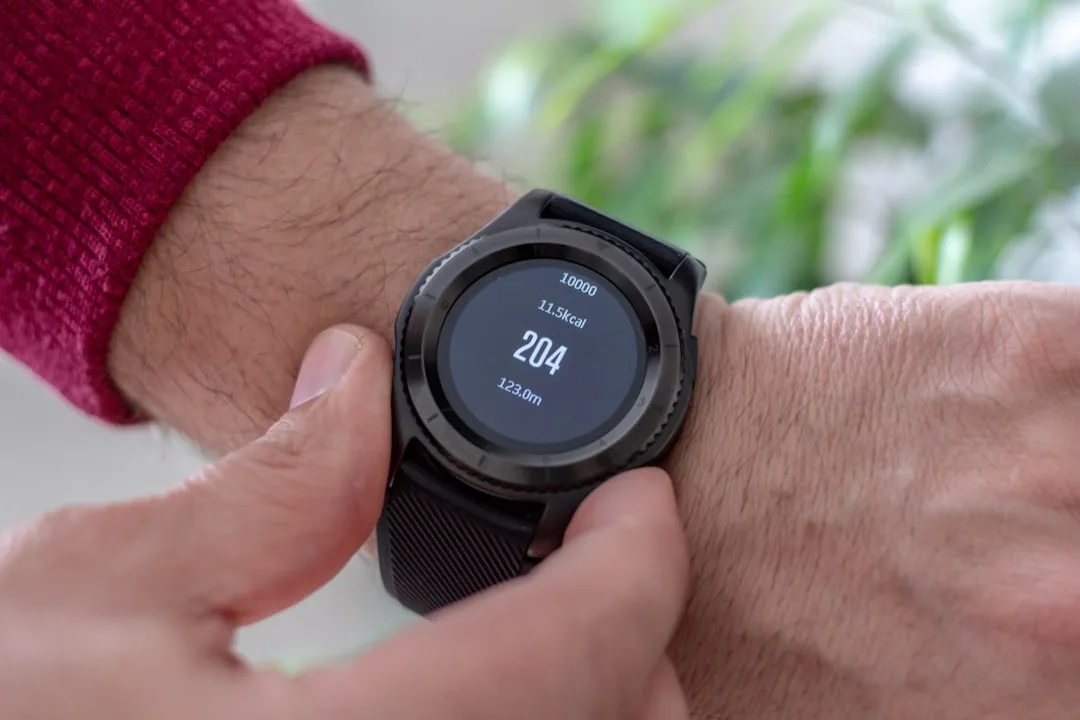
Garmin Epix Gen 2 prioritizes this metric, displaying nightly HRV alongside a “body battery” percentage—an abstraction of total stress and recovery. On a Tuesday morning, if your HRV cratered and body battery reads 34%, skip the client call if possible. Your immune system is mounting a response; pushing hard now extends illness by 5–7 days.
This shifts wellness from reactive (you get sick, you rest) to predictive (data warns you, you prevent).
Integration With Shaping the Future of Safe Digital Interaction
Sleep tracker data is deeply personal—revealing not just health but behavior patterns, stress triggers, and medical history. Privacy-first integration is non-negotiable. Most 2026-generation devices now employ edge processing: biometric analysis happens on the device itself, encrypted locally, and only aggregate summaries reach the cloud.
Apple Watch and Oura Ring both support end-to-end encryption for sleep data synced to smartphones. Whoop allows users to disable cloud backup entirely and export raw files for personal analysis. This protects you from data breaches that expose sleep apnea diagnosis, mental health stress markers, or medication responses.
Why Consistency Beats Precision in Real Sleep Tracking
A Fitbit with 85% accuracy worn five nights per week teaches you less than an Oura Ring with 92% accuracy worn every night. Gaps break pattern recognition. Your body’s sleep architecture shifts with age, stress, barometric pressure, and menstrual cycle—only continuous data reveals these links.
Choose a wearable you’ll actually wear. Rings stay on 99% of the time. Smartwatches need daily charging. Chest straps chafe. Budget sleep technology investment around compliance, not specs.