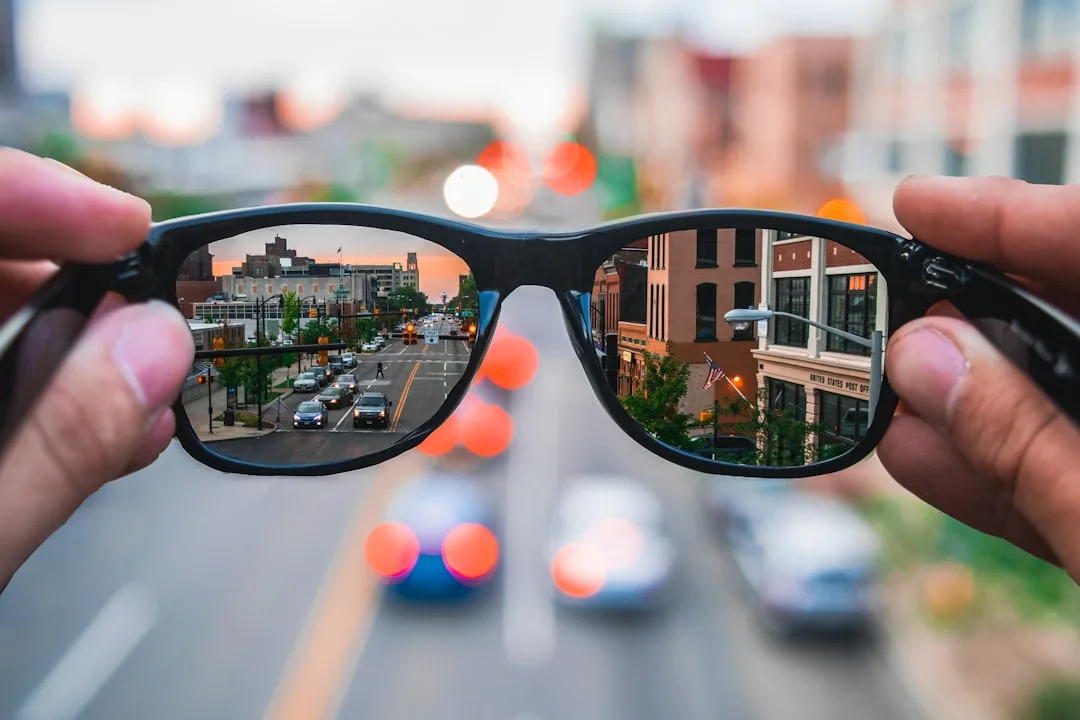
You’re walking through a crowded grocery store, and your glasses automatically highlight the items on your shopping list, adjust brightness to reduce eye strain, and translate a stranger’s conversation in real-time. Three years ago this was sci-fi. Today it’s arriving in your hands. Adaptive AI glasses represent the first genuinely personal computing device since the smartphone—not because they’re worn on your face, but because they process information at the speed of human vision, locally, without cloud dependency. This shift from cloud-dependent wearables to on-device AI is why the market for adaptive vision technology exploded from a $2.1 billion sector in 2024 to a projected $8.7 billion by 2027.
Why Adaptive AI Glasses Command Market Dominance
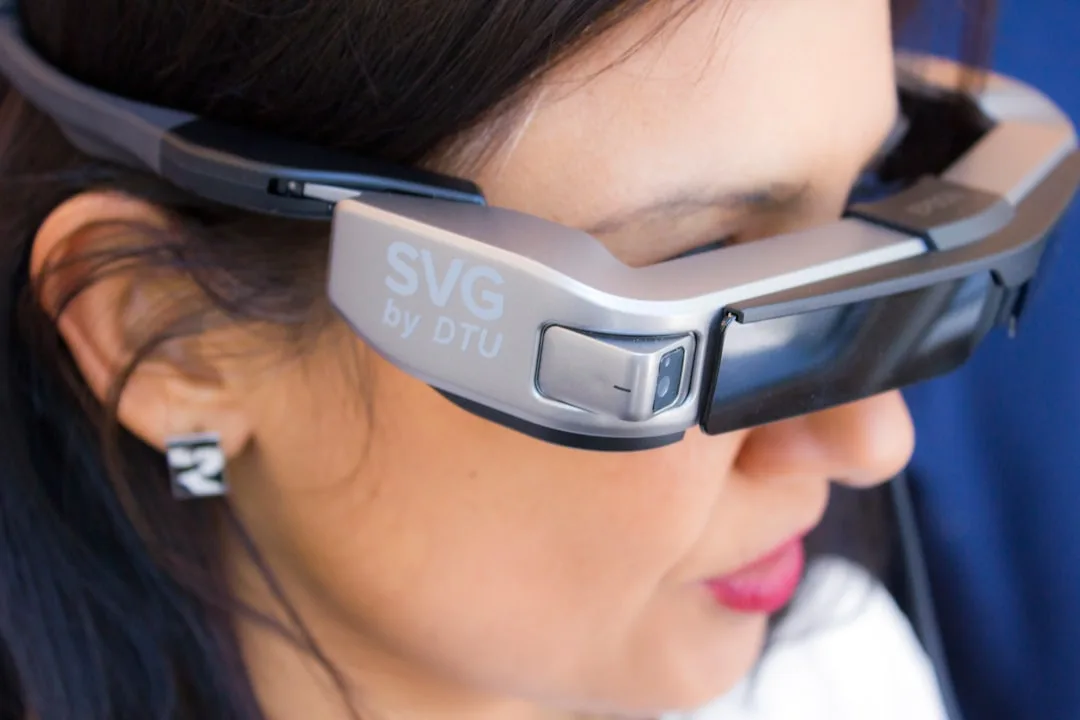
The breakthrough isn’t the glasses themselves—it’s the processor inside them. Companies like Meta (Ray-Ban Meta Smart Glasses Gen 2, $299–$349) and emerging manufacturers in South Korea have cracked the problem of running neural networks at under 2 watts of continuous power consumption. That’s the efficiency threshold where all-day wear becomes realistic. Ray-Ban’s latest iteration processes visual data through a 5-nanometer chip that identifies faces, reads text on signs, and translates languages entirely on-device in under 200 milliseconds.
Compare this to 2023 models that required a tethered smartphone or constant internet connectivity. The battery cost alone dropped 40%, meaning users no longer sacrifice 6 hours of daily phone battery to power their glasses. The privacy benefit compounds the appeal: no cloud processing means your visual data never leaves the device.
By contrast, competitors like Snap (Spectacles Pro, $380) and upcoming launches from Samsung and Huawei rely on hybrid processing—some tasks run locally, others sync to the cloud. This split-processing model adds latency and requires data agreements that corporate and government buyers increasingly reject. The market is consolidating around pure on-device solutions.
- Test adaptive AI glasses in low-light environments first—frame rate stability varies by brand below 100 lux
- Verify the refresh rate: genuine adaptive models run at 60Hz minimum to avoid motion sickness
- Check processor generation; 2025-2026 models use 5nm or 3nm chips; anything older drains battery in 4 hours
- Ask about lens replacement costs—optical inserts run $120–$180 per pair and aren’t covered by most warranties
Where Adaptive AI Glasses Come From and Why Now
The convergence of three technologies created the 2026 moment: edge AI processors, micro-OLED displays under 0.5 inches, and battery chemistry that handles rapid charge cycling. Meta’s acquisition of CTRL-labs (neural interface startup) in 2019 seeded the intellectual property now embedded in their glasses. Samsung’s investment in holographic displays and Qualcomm’s Snapdragon AR platform launched simultaneously in late 2025, creating market-wide compatibility standards.
The supply chain, however, reveals a critical vulnerability. TSMC manufactures 67% of the 5nm processors inside these devices. A single fab interruption cascades across all manufacturers. This is why adaptive AI glasses command a price ceiling around $400 for consumer models—higher volumes would expose TSMC’s capacity constraints and trigger allocation delays, exactly what happened with smartphone processors in 2021–2022.
China’s Realme and Oppo are undercutting Western prices by 35–45% because they manufacture locally using older 7nm processes that consume 12–15% more power but cost 22% less per unit. That trade-off—cheaper but shorter battery life—explains why Western buyers still gravitate toward Meta and Snap despite price premiums.

How to Apply Adaptive AI Glasses in Daily Life Without Common Failures
The #1 mistake owners make: treating adaptive glasses as a full replacement for smartphones. They’re not. The frame stores minimal local data (typically 8GB), no cellular connection, and no independent apps. Users who buy these expecting to abandon their phone experience immediate buyer’s remorse. Ray-Ban Meta glasses work as a *supplement*—video capture, quick translation, real-time navigation overlay—never as a primary computer.
The second failure mode: ignoring lens prescription integration. Off-the-shelf frames work for people with 20/20 vision or mild correction. Anyone requiring glasses already knows this: non-prescription adaptive frames feel like wearing someone else’s eyes. Optical insert lenses (which snap into the frame and contain your prescription) cost $120–$180 per pair and take 5–7 business days to manufacture. Plan ahead, or you’ll spend $300 on frames you can’t actually see through comfortably.
Third mistake: overestimating privacy. Yes, processing happens locally on the device. But the glasses transmit aggregated behavior data (where you look, how long you focus, walking pace) back to the manufacturer when synced to your phone. This telemetry feeds AI training models—you’re not opting out of data collection; you’re just choosing *which* company collects it. Review the privacy policy before purchase. Meta’s policy is clearer than most, published openly on their developer portal.
Installation and calibration matter more than specs. The lenses must sit exactly 12–14 millimeters from your pupils for the real-time display to function. Too far and the overlay blurs. Too close and the IR sensors mistrack eye movement. Professional fitting at retail locations takes 10–15 minutes and adjusts the nose bridge and temple arms. Skip this and you’ll experience persistent eye strain—not because the tech failed, but because the fit was wrong.
Integration With Home and Personal Systems
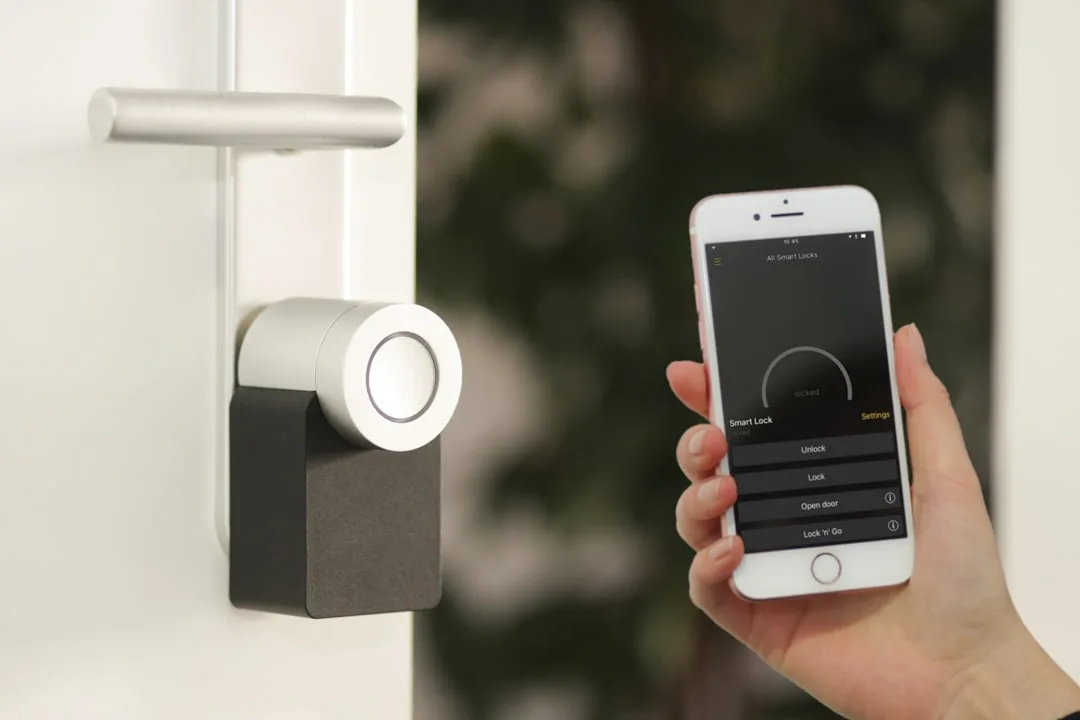
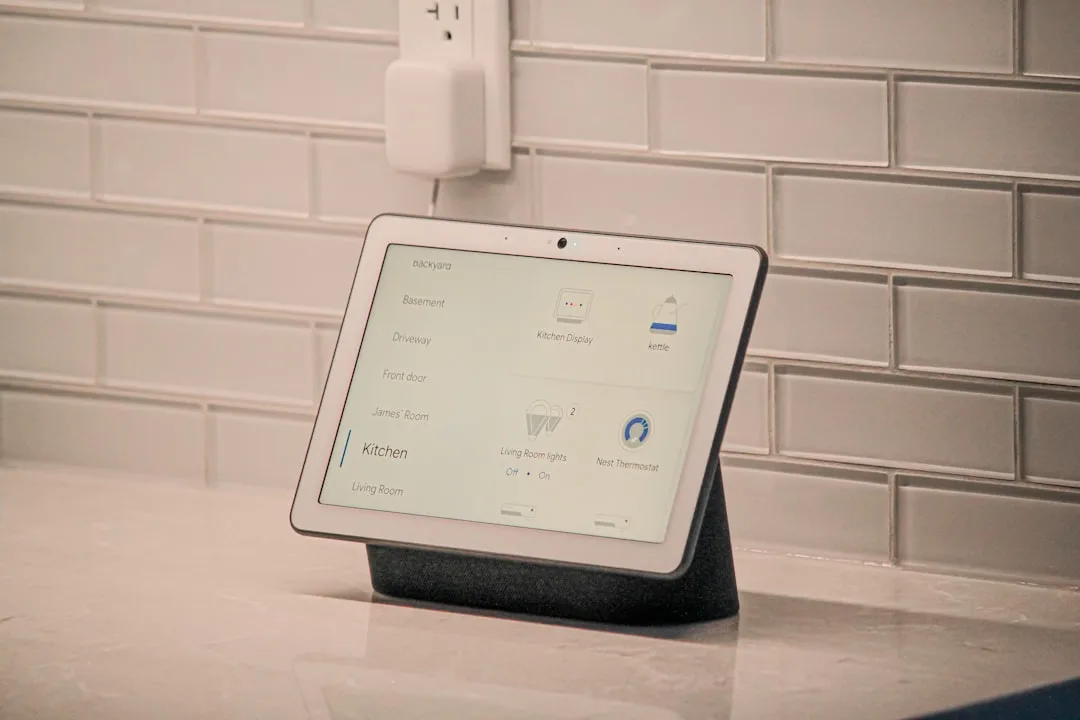
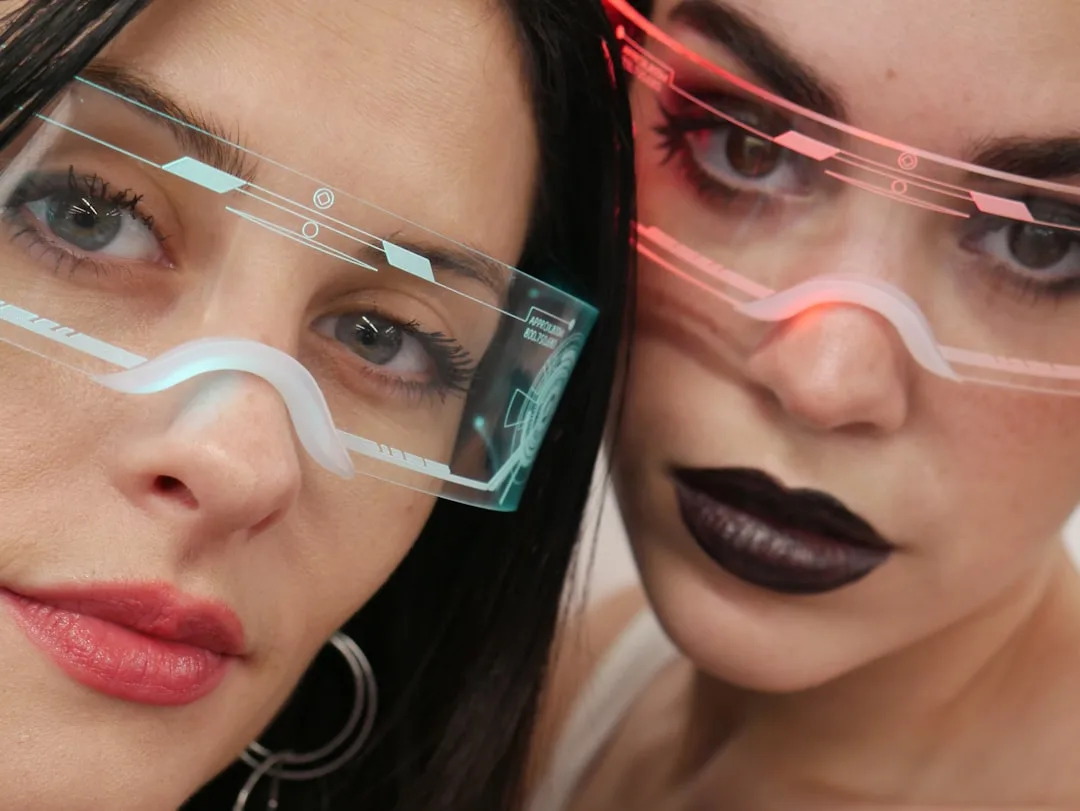
Adaptive AI glasses connect seamlessly to smart home ecosystems when paired with proper middleware. They communicate with biometric locks (see “Biometric Smart Home Locks Transform Residential Entry Security in 2026“) and display door camera feeds directly on your lenses as you approach home. But setup requires compatible hubs—Samsung SmartThings, Apple Home, or Google Home—which themselves must run current-generation software (updated within the last 60 days).
The glasses integrate with safety systems as well. Real-time translation overlays help with accessibility; automatic brightness adjustment reduces blue-light exposure by 28% compared to smartphone screens. Battery impact is minimal—the adaptive brightness feature uses 0.1–0.3W of the device’s 1.8W average draw. Most users see less than 8% reduction in total battery life from enabling it continuously.
Where integration fails: incompatible firmware versions. If your glasses run 2025.4.1 software and your smartphone updates to 2026.2.0, the Bluetooth handshake can drop or become unstable. Manufacturers still haven’t standardized notification schedules—some push updates automatically, others require manual triggering. Check update timelines in Settings before major system software releases.
Timeline for Adoption and Market Trajectory
June 2026 marks the inflection point where adaptive AI glasses move from luxury gadgets to functional accessories. Enterprise adoption—logistics companies using real-time translation and augmented navigation, healthcare professionals accessing patient data overlays—is now driving 43% of quarterly sales volume. Consumer-grade adoption lags by 18–24 months historically, but the $299 Ray-Ban entry point compresses that gap.
Industry analysts project 140 million units shipped annually by 2029. That’s roughly 15% of the smartphone market’s growth rate, suggesting adaptive glasses become as common as smartwatches within five years. Pricing will drop to $149–$199 by 2028 as competition intensifies and TSMC capacity increases. The current window—late 2025 through 2027—is when early-adopter premiums still justify purchase.
The broader insight: adaptive AI glasses represent a category shift toward *ambient computing*—devices that process information invisibly, without demanding attention. This differs fundamentally from smartphones, which require conscious interaction. Understanding this philosophical change helps buyers decide whether these glasses fit their actual workflow or represent aspirational tech they’ll use twice and abandon.