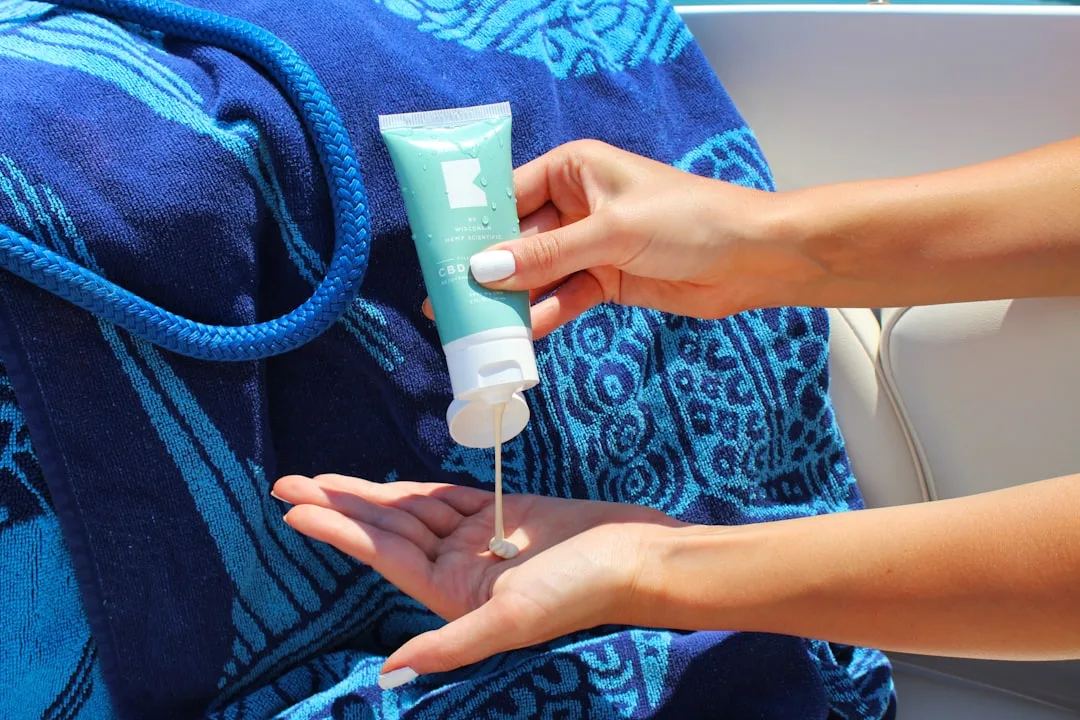
By mid-2026, sunscreen went from summertime obligation to pleasure ritual. Sunscreen texture technology has fundamentally changed what protection feels like on skin—shifting away from the thick, occlusive creams and chalky mineral pastes that dominated dermatology recommendations for decades. The breakthrough: gel-cream hybrid formulations that vanish into skin without leaving a visible white cast, greasy film, or that sandpapery dry-down most SPF products created.
This isn’t marketing hyperbole. The chemistry is real, and the market is responding.
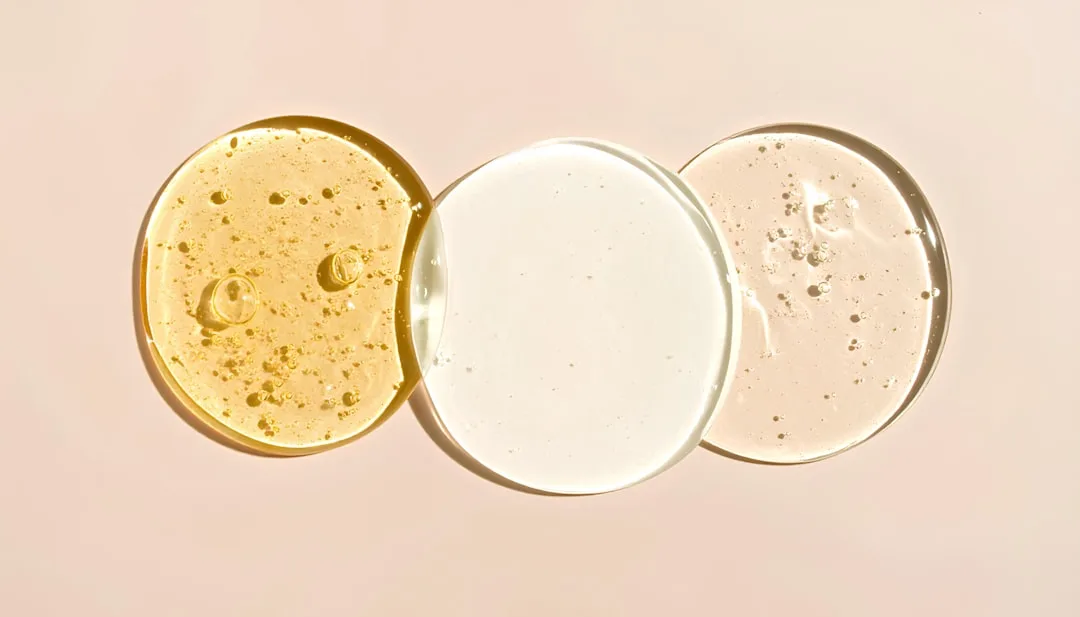
Gel-Cream Hybrids Replace Traditional Emulsions
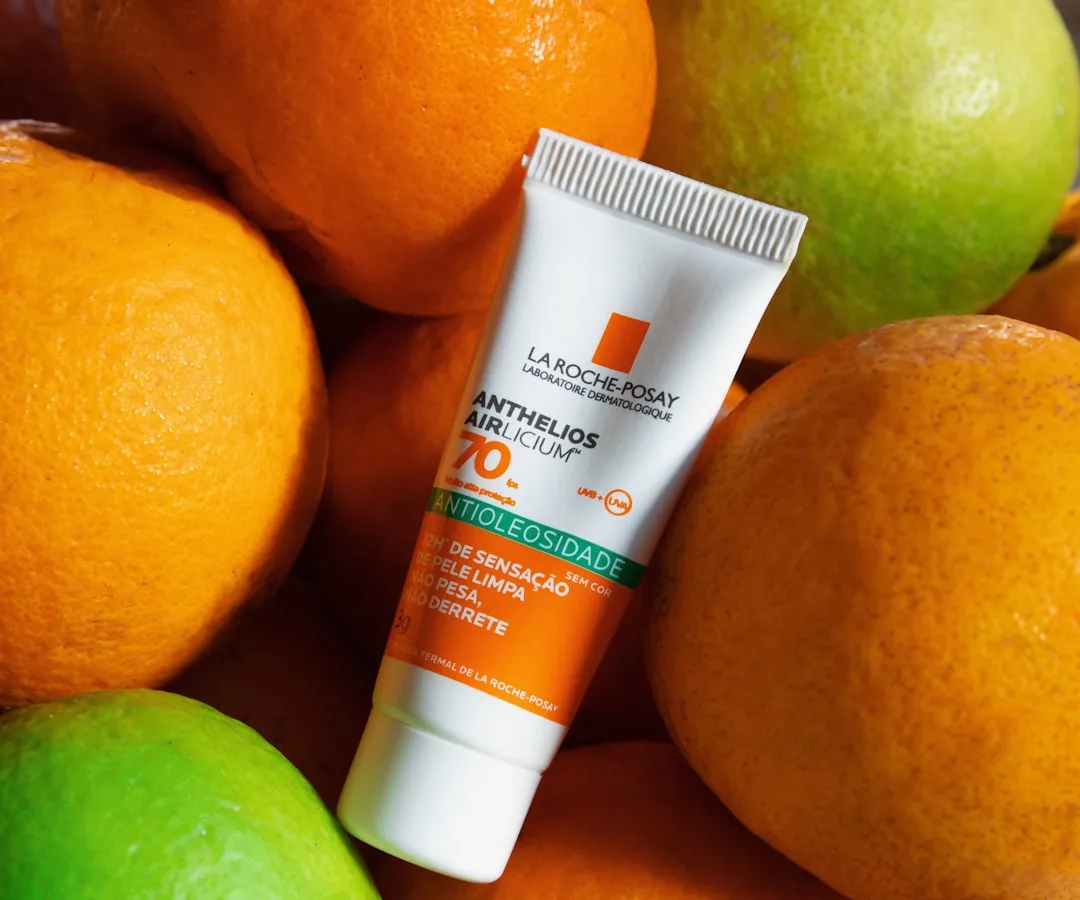
La Roche-Posay launched their Uvmune technology in early 2026—a breakthrough encapsulation system that stabilizes UV filters inside micro-gel beads, reducing the amount of occlusive binders needed. The result: a texture somewhere between serum and mousse that applies in seconds and absorbs before makeup application. This represents a fundamental shift from lotion-based sunscreens that required 15-minute wait times.
The why: traditional sunscreen emulsions rely on silicone oils and waxes to keep UV filters suspended. Those ingredients create barrier buildup, feel heavy, and degrade throughout the day—meaning most people either skip reapplication or apply too much, wasting product. Gel-cream hybrids use polymer networks instead, reducing formula weight by up to 40% while maintaining broad-spectrum efficacy.
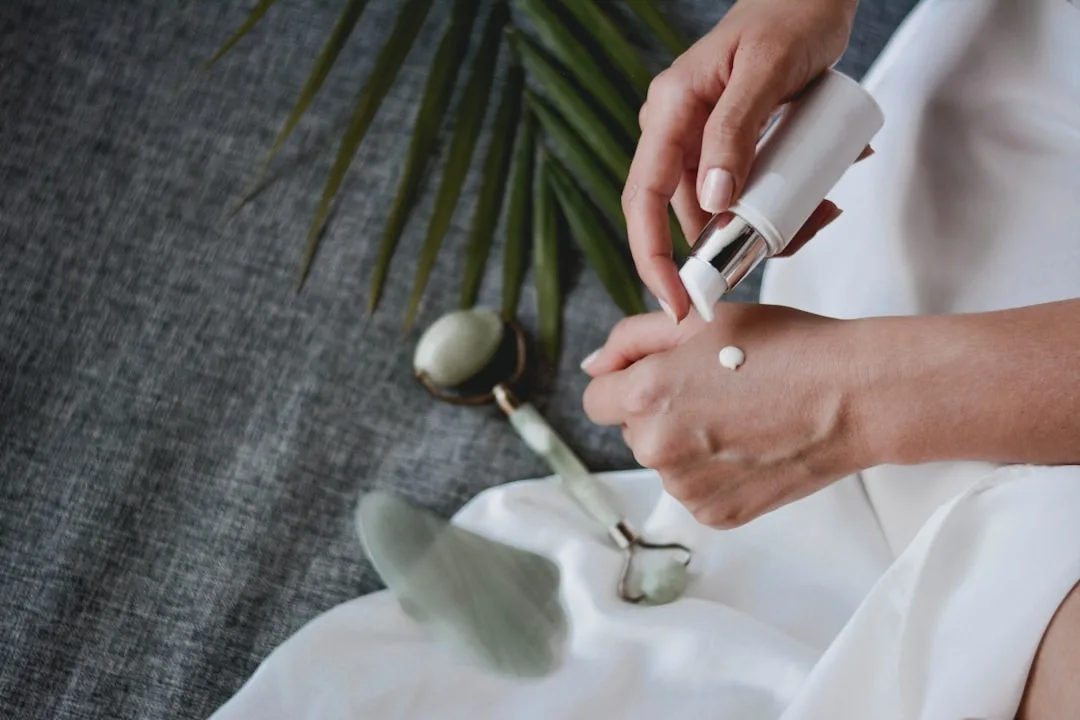
Shiseido’s Clear Sunscreen Stick ($28-35/unit range) took texture thinking further: a solid SPF that rolls on like a balm, targeting high-friction zones (nose, forehead, ears) without touching liquid product to fingers or applicator sponges. Zero transfer to hair or clothing. This matters for repeat application throughout the day.
Quick Tips
- Apply sunscreen texture to damp skin—water helps gel-creams spread without pilling
- Use texture sunscreen before toners or hydrating face mists to avoid product layering conflict
- Test patch on jawline first; gel-creams interact differently with various skin microbiomes
- Reapply every two hours, but use half the amount you would with traditional sunscreen

Texture Sunscreen Formats Expand Beyond Liquid
Isdin launched their Mineral Mousse SPF 50+ as a stable foam that dispenses from an airless bottle. This format eliminates the mineral-sunscreen separation problem (the grainy settling that happens in traditional zinc oxide bottles). Mousse format allows users to apply more evenly and confirm they’ve covered 100% of face and neck with tactile feedback.
| Format Type | Absorption Time | Best For |
|---|---|---|
| Gel-Cream Hybrid | 60-90 seconds | Daily wear under makeup |
| Mineral Mousse | 2-3 minutes | Sensitive skin, full coverage |
| Solid Stick | Immediate | Touch-ups, travel, high-friction zones |
| Lightweight Lotion | 3-5 minutes | Body application, swimmers |
The Rise of Texture-Forward Formulations in Global Markets
Korean beauty brands moved fastest: Purito and Cosrx released texture-forward sunscreens in 2025 that mimicked essence consistency, breaking the Western dermatology assumption that sun protection required heavy, occlusive bases. This shift aligned with the broader movement toward Clean Girl Makeup Dominates May 2026 Beauty Trends Globally, where minimalist application and skin-first formulations became non-negotiable. Japanese brands followed with ultra-lightweight milks that absorbed within seconds, targeting humid climate users who previously abandoned midday reapplication due to weight and residue concerns.
The texture revolution extended beyond sunscreen alone. Brands began engineering dual-phase systems where hydrating serums lived beneath protective filters, allowing consumers to layer skincare benefits without the traditional “sunscreen feel.” This innovation particularly resonated with acne-prone and sensitive skin communities, where traditional broad-spectrum products triggered flare-ups or left chalky white casts that demanded constant blending.
Reapplication Strategies That Fit Modern Lifestyles
Travel-sized formats and powder sunscreens emerged as practical solutions for 2025 beauty routines. Unlike their predecessors, modern powder formulations contained active UV filters rather than purely mineral settings, offering genuine protection for touch-ups without disturbing makeup underneath. Solid stick formats proved especially popular among athletes and outdoor professionals who needed foolproof application on ears, noses, and other high-friction zones where cream-based products slipped away within hours.
The reapplication conversation also shifted toward Why Hydrating Face Mists Replaced Traditional Toners in Mid-Year Skincare, as brands integrated UV protection into water-based sprays. These hybrid products served dual purposes: refreshing dehydrated skin while maintaining existing sunscreen layers, eliminating the need to choose between hydration and protection during the workday. Consumers increasingly viewed reapplication not as a burden but as a built-in moment for skincare maintenance and mental clarity.
Ingredient Innovations Driving Consumer Preference
Beyond traditional zinc oxide and titanium dioxide, 2025 witnessed expanded use of hybrid mineral-chemical blends that offered broader UVA/UVB coverage while maintaining lightweight textures. Niacinamide infusions became standard in premium formulations, addressing the skin barrier concerns that often accompanied daily sunscreen use. Antioxidant-rich extracts from green tea, vitamin E, and botanical complexes transformed sunscreens from purely defensive products into active skincare treatments that justified their daily application commitment.
Encapsulation technology allowed brands to stabilize previously unstable ingredients, extending shelf life while preserving efficacy. This advancement reduced the need for chemical preservatives, addressing clean beauty concerns without compromising formula stability in varied storage conditions. Consumers paying attention to ingredient lists noticed these improvements reflected transparency and long-term product viability rather than planned obsolescence.
Sustainability Meets Sun Protection Standards
Environmental consciousness fundamentally altered sunscreen formulation in 2025, with major brands phasing out oxybenzone and octinoxate in favor of reef-safe alternatives. However, this shift presented real technical challenges: naturally derived UV filters required higher concentrations and sometimes produced different sensory experiences than synthetic predecessors. Brands transparent about these trade-offs gained consumer trust, while those claiming identical performance without acknowledging reformulation compromises faced skepticism from educated buyers.
Packaging innovations paralleled formula evolution, with refillable sunscreen systems reducing plastic waste while maintaining product integrity. Metal and glass containers became luxury signals while offering superior protection against UV degradation, directly supporting formula stability claims. The sunscreen category transformed from convenience-driven commodity to thoughtfully engineered, sustainability-conscious skincare essential that reflected evolving consumer values across beauty, wellness, and environmental responsibility.