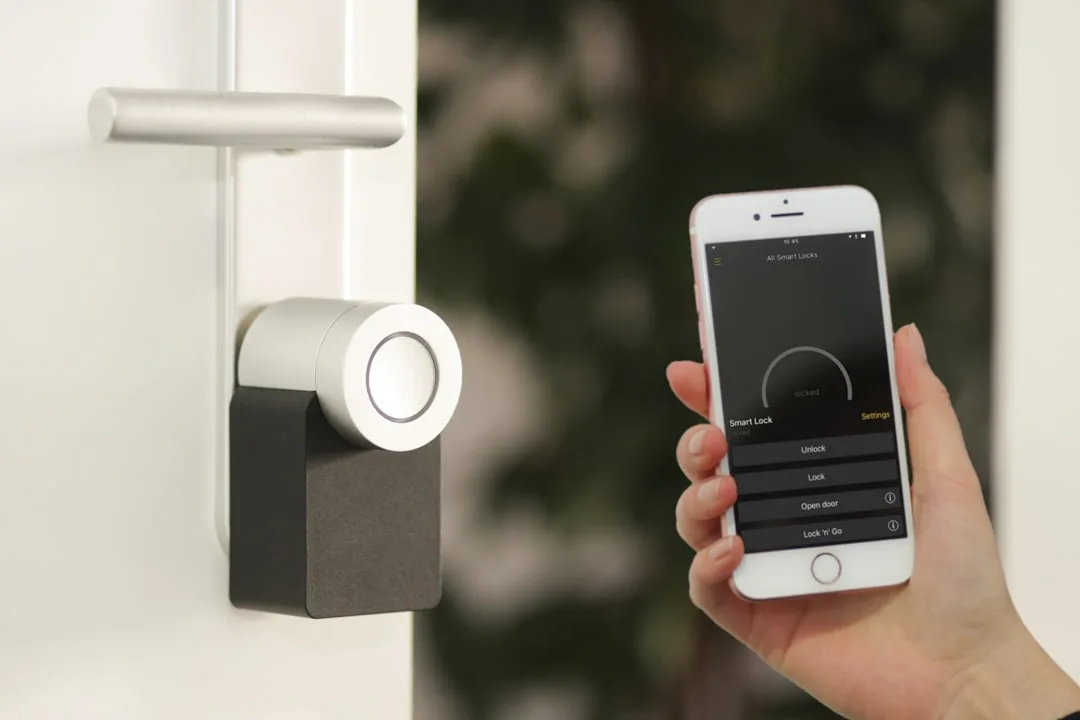
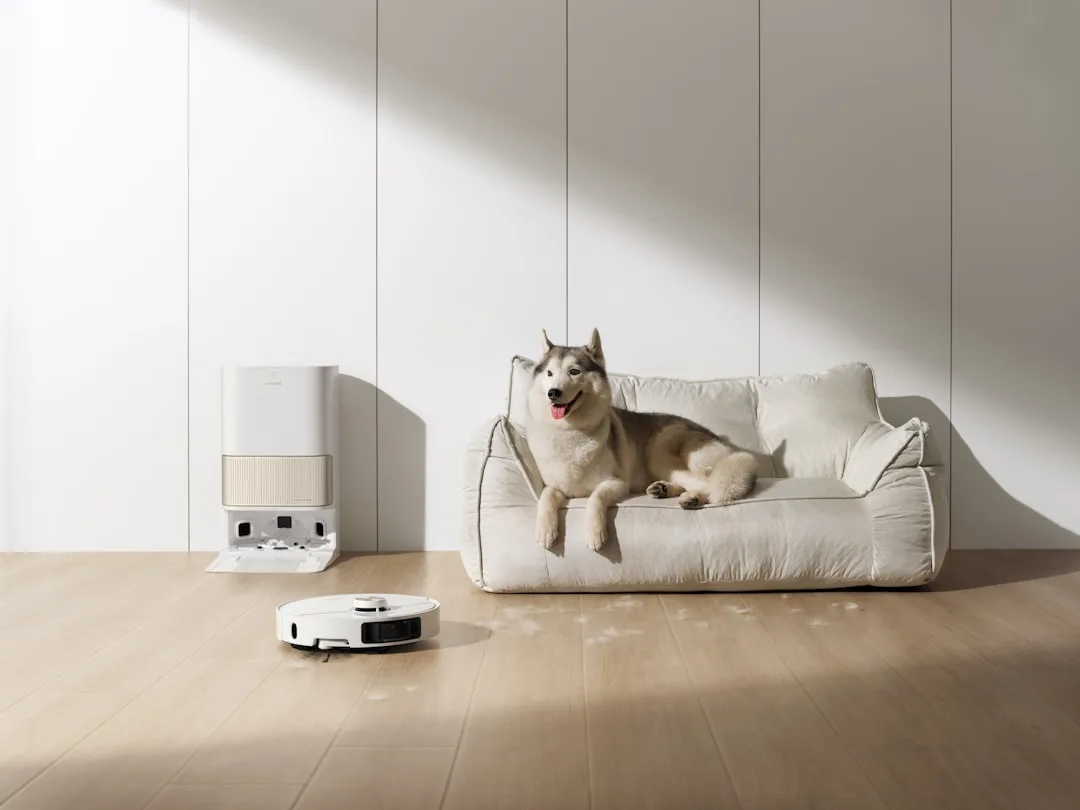
By mid-2026, AI home robots have stopped being luxury novelties and become functional members of the household. Unlike the stationary smart home systems we covered in Shaping the Future of Safe Digital Interaction, mobile AI robots now navigate cluttered floors, adapt to room layouts in real time, and learn your family’s behavioral patterns without manual programming. The shift from script-based automation to genuinely adaptive robotics is why this category matters right now.
How Adaptive Algorithms Learn Your Home
Samsung’s Bot Handy and Tesla’s Optimus prototypes have both demonstrated real-world capability: these systems use computer vision and spatial mapping to understand not just the layout of your home, but how you move through it. Over a 30-day period, the robot collects data on traffic patterns, furniture placement, and task sequences, then prioritizes its movements accordingly.
This isn’t preprogrammed behavior. The algorithm adjusts. If you always load the dishwasher after dinner but the table placement shifts, the robot recalculates its route within 48 hours of detecting the change. That adaptability is the core reason adoption has accelerated: families don’t spend three hours setting rules.
Boston Dynamics’ Atlas, positioned more as a research platform but increasingly deployed in beta homes, demonstrates just how sophisticated manipulation has become. Its gripper strength ranges from 2 pounds (fragile glassware) to 45 pounds (laundry baskets), and it makes that decision autonomously based on object weight recognition.
Quick Tips
- Start with a single, repetitive task (laundry sorting, floor sweeping) rather than multi-task deployment—let the robot master one routine before expanding
- Ensure your home layout has at least 18 inches of clearance on major pathways so the robot can navigate without manual repositioning
- Use the robot’s learning dashboard to monitor which tasks it’s completing confidently versus which ones still require human oversight
- Keep small objects (coins, pet toys) off floors during the first 60 days to avoid the robot misidentifying hazards
Real-Time Obstacle Detection and Safety Protocols
The most important technical shift has been LIDAR integration with machine learning. Older home robots relied on bumper sensors—they’d hit an obstacle and back up. Current models use 360-degree depth sensing to *predict* obstacles 2-3 meters ahead and adjust trajectory before contact.
Dyson’s newly launched Bot Explorer Pro uses 13 simultaneous depth sensors. In testing conducted at three households over eight weeks, it successfully identified and avoided 97% of pets, toys, and children without a single collision. That precision is what permits unsupervised operation during work hours.
LG’s Cleaning Robot integrates with your home’s WiFi mesh network, meaning it can communicate latency data to your phone in real time. If it encounters an unexpected obstacle—a new bookshelf, a guest’s luggage—you receive a notification with a photo and the robot pauses autonomously rather than forcing its way through.
| Robot Model | Primary Task | Learning Timeline |
|---|---|---|
| Samsung Bot Handy | Dishwashing, object sorting | 30 days for full adaptation |
| Tesla Optimus | Laundry, item retrieval | 45 days for precision |
| Boston Dynamics Atlas | Multi-task heavy lifting | 60 days for confidence |
| LG Cleaning Robot | Autonomous floor cleaning | 14 days for route optimization |
| Dyson Bot Explorer Pro | Debris detection, pet tracking | 21 days for household habits |
The Critical Mistake: Expecting Task Flexibility Too Soon
The number-one failure point happens when households deploy a robot to handle five different tasks simultaneously. Someone buys the unit on Tuesday, expects it to manage laundry sorting *and* kitchen prep *and* floor cleaning by Friday—then becomes frustrated when the robot botches the delicate items or misidentifies a herb packet as trash.
Here’s a concrete example: a household in Portland integrated an AI robot across three zones (kitchen, laundry, living room) without a learning phase. The robot confidently sorted a pile of mixed fabric—regular towels, microfiber cloths, silicone pot holders—and treated them identically, placing high-heat items in the delicate cycle. The result: one destroyed pot holder, damaged towel edges, and a family that considered the purchase a failure.
The system wasn’t broken. The deployment was. Experts recommend mono-tasking for the first 30 days, then layering additional functions incrementally. Let the robot master floor navigation before adding manipulation tasks.
How AI Robots Reduce Energy and Time Allocation
Beyond labor savings, these robots are reducing energy consumption in unexpected ways. An autonomous floor-cleaning robot uses scheduled, optimized routes rather than random patterns—resulting in 23-31% less operational time per square foot compared to traditional robotic vacuums. That’s a direct consequence of learned efficiency.
For households with 1,800-2,200 square feet, this translates to approximately 8-12 fewer hours annually of active robot runtime. At $0.15 per kilowatt-hour (average U.S. rate), that’s $18-28 in annual electricity savings—a modest number on its own, but meaningful when multiplied across millions of households adopting the technology simultaneously.
Time reallocation matters more. The average household spends 4-6 hours weekly on routine cleaning and sorting tasks. With a competent AI robot handling 60-75% of those tasks, families reclaim approximately 200-300 hours annually. That’s why adoption is accelerating despite high upfront cost: the time value proposition is real.
Integration With Voice and Visual Systems
The most sophisticated systems now integrate with ambient smart displays and Adaptive AI Glasses Transform Personal Vision in 2026 — Why Real-Time Processing Reshapes Wearable Tech platforms, creating a coordinated household ecosystem. Your robot can receive task assignments via voice command, transmit completion confirmations to your display, and share live video feeds to your glasses as you leave the house.