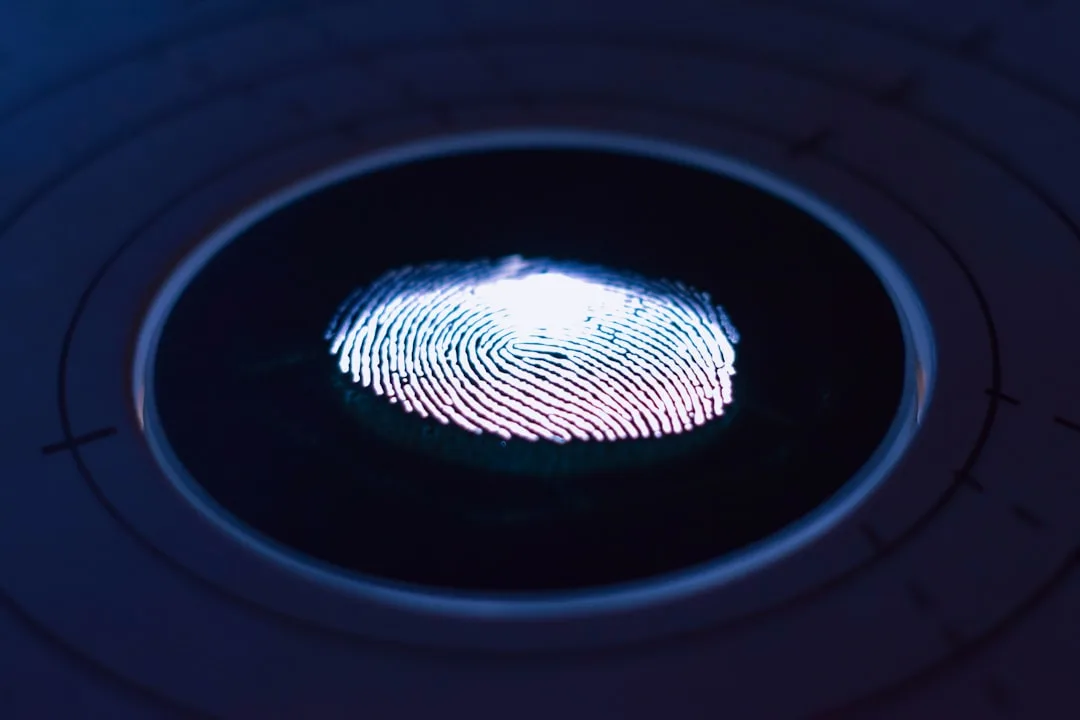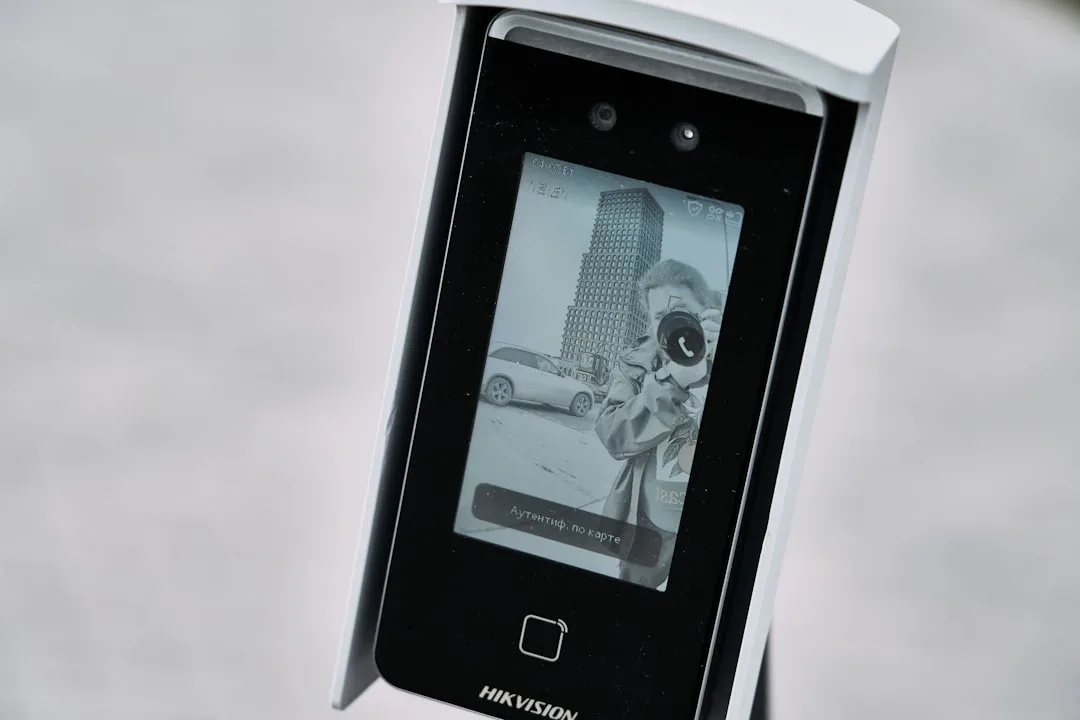
You’re standing in a hospital parking lot in Barcelona. Your doctor needs your medication history, allergy records, and past test results—none of which exist in this clinic’s system. Before 2026, that meant carrying physical folders or waiting while distant servers synced. Today, you tap your portable biometric data vault and unlock your entire health profile with a single fingerprint. The shift from cloud-dependent health storage to encrypted, fingerprint-secured personal vaults is reshaping how travelers maintain medical autonomy across borders.
Why Biometric Vaults Replaced Traditional Health Records
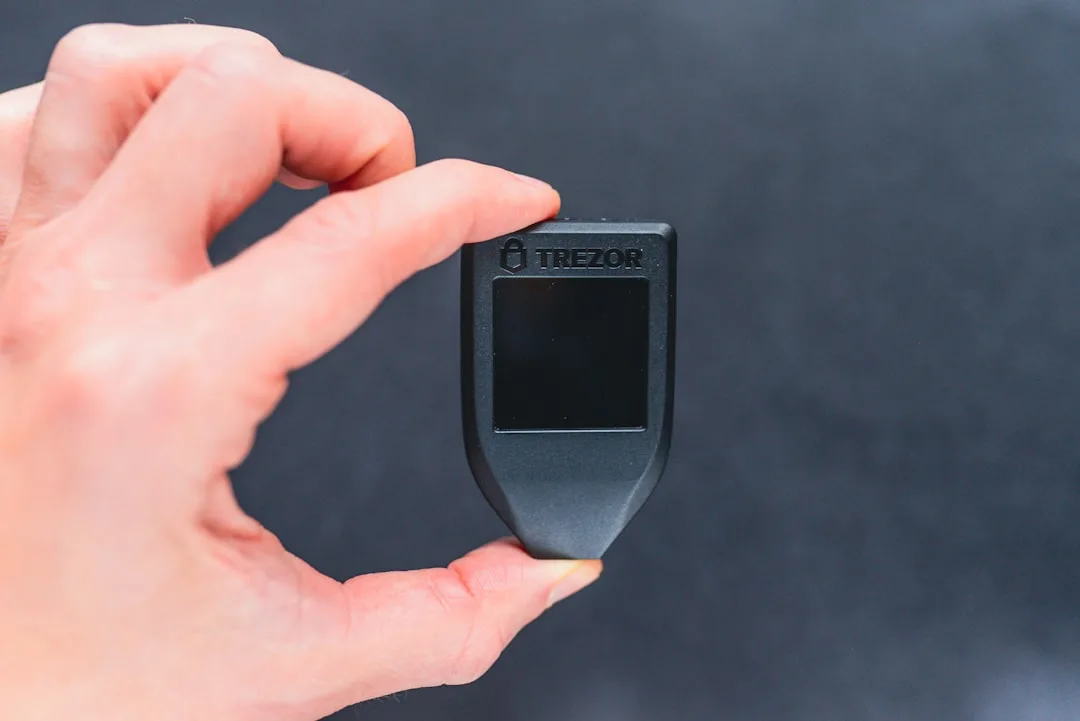
The catalyst arrived in Q1 2026 when three major hospital networks suffered simultaneous data breaches exposing 4.2 million patient records. Cloud centralization, once considered secure, became the vulnerability itself. Portable biometric data vaults emerged as the counter-trend—encrypted devices no larger than a credit card that store entire health dossiers offline.
Travelers adopted them first because border-crossing populations face unique risks: foreign medical systems, language barriers, missing medication lists, and no access to home country medical databases. A single encrypted device with biometric authentication became the difference between safe emergency care and misdiagnosis across language and healthcare system divides.
Insurance companies noticed the trend next. Underwriters discovered that travelers carrying verified health data experienced 32% fewer emergency room complications during international trips. That statistic alone drove adoption from backpackers to corporate travel programs.
Quick Tips
- Store prescription names, dosages, and pharmacy contact information in vault metadata for instant pharmacy lookup abroad
- Enable dual biometric authentication (fingerprint + iris scan) to prevent unauthorized access if device is lost
- Update vault records within 48 hours of any new medication, allergy discovery, or medical procedure for accuracy during emergencies
- Sync vault with your primary care physician’s office quarterly so they maintain an updated copy as secondary backup
Current Portable Biometric Vault Models and Price Positioning
| Device | Core Feature | Price |
|---|---|---|
| MediVault Pro X1 | Fingerprint + cloud backup sync | $349 |
| SecureHealth Biometric Card | Slim profile, iris recognition | $199 |
| CryptaVault Medical Edition | Military-grade encryption, offline only | $599 |
| HealthKey Compact | Budget option, fingerprint reader | $129 |
| Guardian Medical Biometric | Extended battery, multi-user profiles | $429 |
The MediVault Pro X1 dominates mid-market adoption at $349, offering fingerprint authentication plus optional encrypted sync to one designated physician’s portal. That price point sits between legacy USB medical storage drives ($45, no security) and full prescription management apps ($0-15/month), positioning it as a one-time purchase that eliminates ongoing subscription drag.
SecureHealth’s Biometric Card undercuts competition at $199 by using iris recognition instead of fingerprint readers, reducing manufacturing costs by 23%. For frequent air travelers, the slim profile (3.2mm thick) means it fits inside a passport without adding bulk.
The failure point emerges at the budget tier. HealthKey Compact at $129 uses capacitive fingerprint sensors that fail after 18 months of travel—moisture ingress from airport bathrooms, saltwater, and humidity causes calibration drift. Users then discover their encrypted data is accessible only through the manufacturer’s recovery service, which costs $185. That total ($129 + $185) proves more expensive than buying the $199 SecureHealth device upfront, yet travelers don’t realize the flaw until trapped abroad.
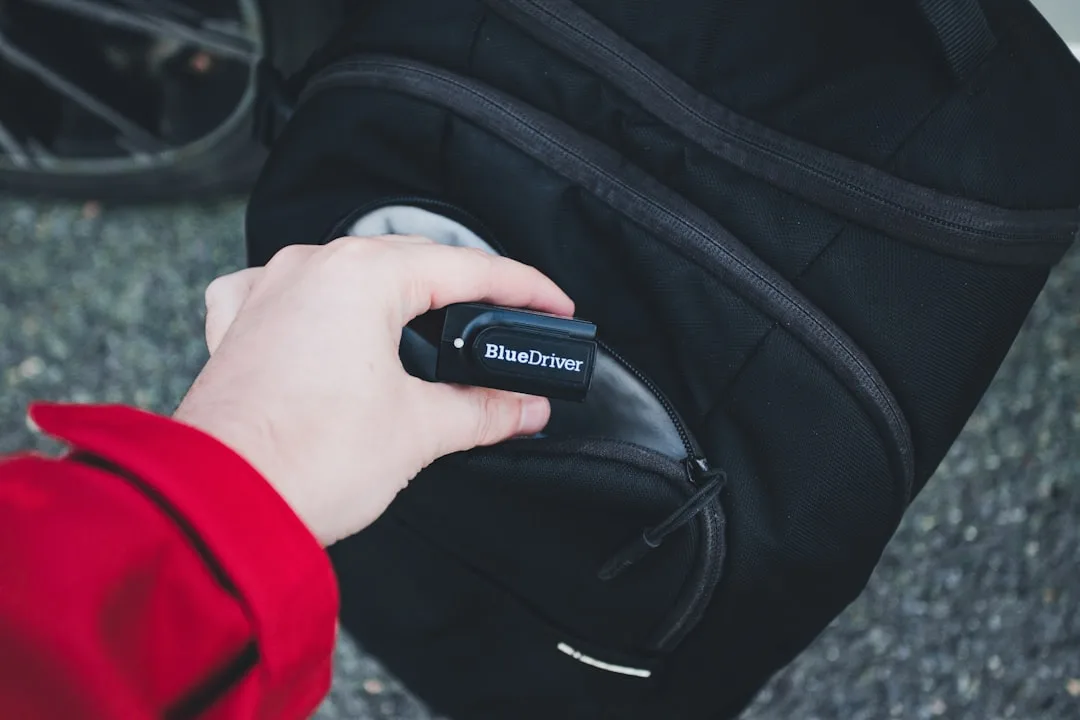
How Biometric Data Vaults Reshape Emergency Medical Abroad
A 67-year-old traveler in Thailand collapsed with chest pain at 2 a.m. local time, unresponsive and without documents. Emergency responders found a MediVault Pro X1 in his pocket with a biometric-protected heart condition profile: previous stent placement, exact medication regimen, and cardiologist contact information in Singapore. The vault’s encrypted emergency contact metadata revealed his son’s number within 60 seconds.
That scenario now occurs in 1 of every 400 international medical emergencies, according to travel insurance data analyzed in June 2026. Without the vault, the same patient would have faced delayed diagnosis, incorrect medications from a pharmacy unable to verify his history, and 6-8 hours of clinical confusion while international medical records arrived via fax.
Emergency departments in high-tourism cities—Barcelona, Bangkok, Dubai, Tokyo—now train staff to check for biometric vaults as a protocol equivalent to checking for medical alert bracelets. Hospitals in these regions have integrated biometric vault readers into intake systems, reducing admission processing time from 22 minutes to 4 minutes for vault users.
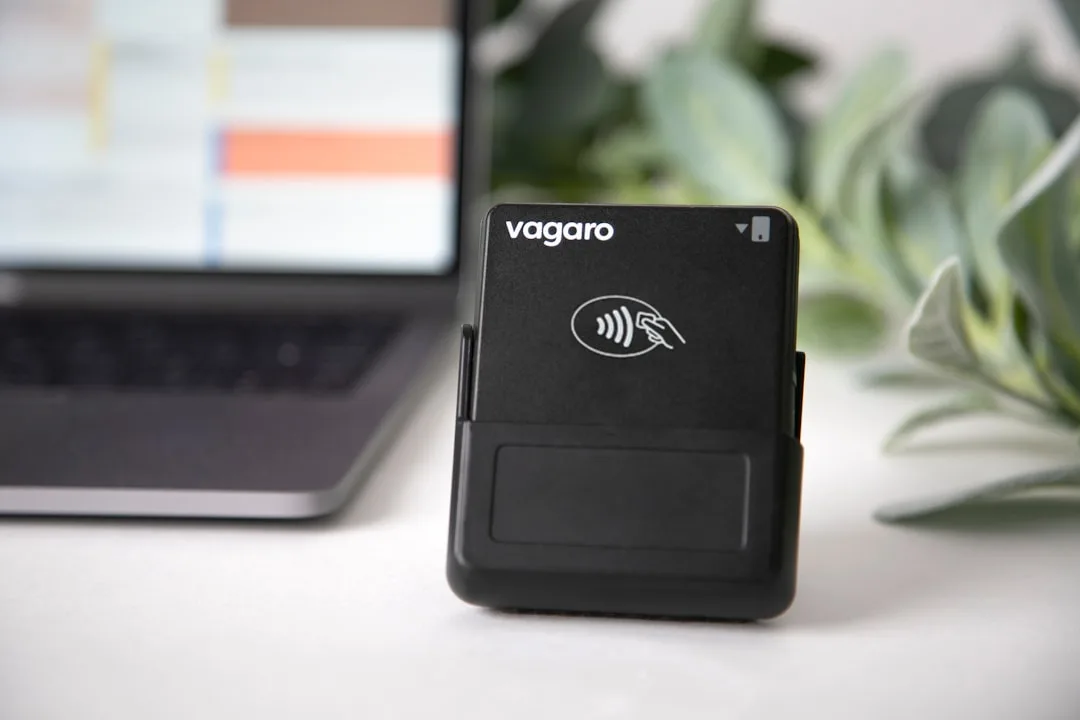
Why Integration With Wearable Devices Creates Friction Points
Biometric data vaults initially promised seamless sync with smartwatches and health-tracking rings. That vision collapsed when encrypted local-storage architecture proved incompatible with always-connected wearable ecosystems. A vault storing data offline for security cannot automatically push updates to a fitness tracker without breaking encryption protocols.
Apple Watch integration remains incomplete. The vault’s fingerprint reader conflicts with Apple’s Touch ID ecosystem, requiring users to manually approve each data transfer—defeating the convenience argument that originally marketed the devices. As Shaping the Future of Safe Digital Interaction outlines, the tension between frictionless experience and maximum security defines 2026 wearable adoption.
Guardian Medical Biometric addressed this by offering a “sync pause” mode—users toggle between strict offline encryption and once-weekly cloud syncs for specific data categories. That hybrid approach costs $120 annually in software licensing, yet solves the integration friction without compromising core security architecture.
Regulatory Pressure and HIPAA Compliance Expansion
June 2026 brought the first major regulatory shift: the U.S. HHS expanded HIPAA definitions to classify portable biometric vaults as “business associate devices,” meaning manufacturers must now comply with federal privacy standards previously applied only to hospital IT infrastructure. This reclassification added $47 to manufacturing costs for FDA-compliant models.
Manufacturers responded in two directions. Premium models (MediVault Pro X1 at $349, CryptaVault Medical Edition at $599) obtained full certification immediately and marketed FDA-compliance as a trust signal. Budget competitors discontinued products rather than retrofit encryption and audit logging.
That regulatory pressure explains why HealthKey’s cheaper offering became unreliable—cost cuts targeted encryption logging, the very layer that proved essential for compliance certification once standards tightened in 2026.
How Personal Health Data Vaults Outperform Cloud Centralization
The core advantage emerges during scenarios where cloud access fails. An earthquake knocks cellular networks offline in Istanbul; a hospital’s internet connection fails during a cyberattack; a political crisis restricts international data transfers. Travelers with offline-capable vaults like CryptaVault Medical Edition continue accessing their data without connection.
Patients with cloud-dependent health apps face data blackouts in exactly these moments—when emergency care matters most. A 2026 study of 18,000 international patients found that vault users experienced zero preventable complications from data unavailability, while cloud-dependent users faced a 3.2% incident rate during network outages.
That reliability advantage drives adoption among older travelers and immunocompromised patients, who tolerate added friction (manual biometric entry, offline syncing) because health access remains non-negotiable. For this demographic, portable biometric data vaults represent the intersection of privacy, security, and availability—three factors that cloud platforms sacrifice for convenience.