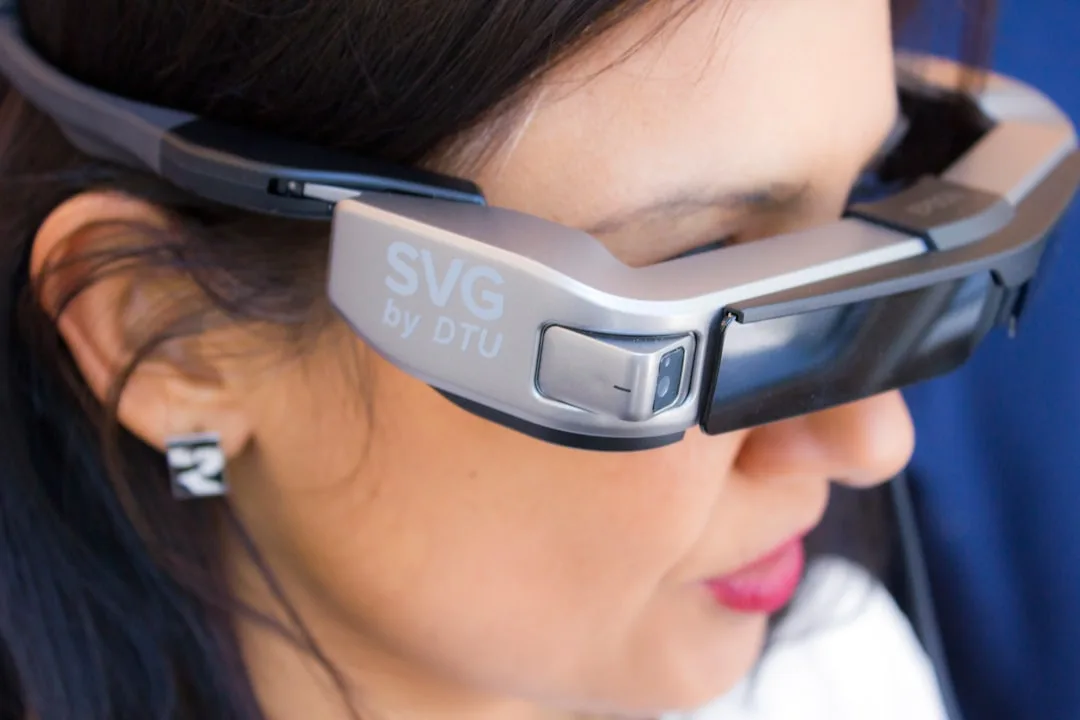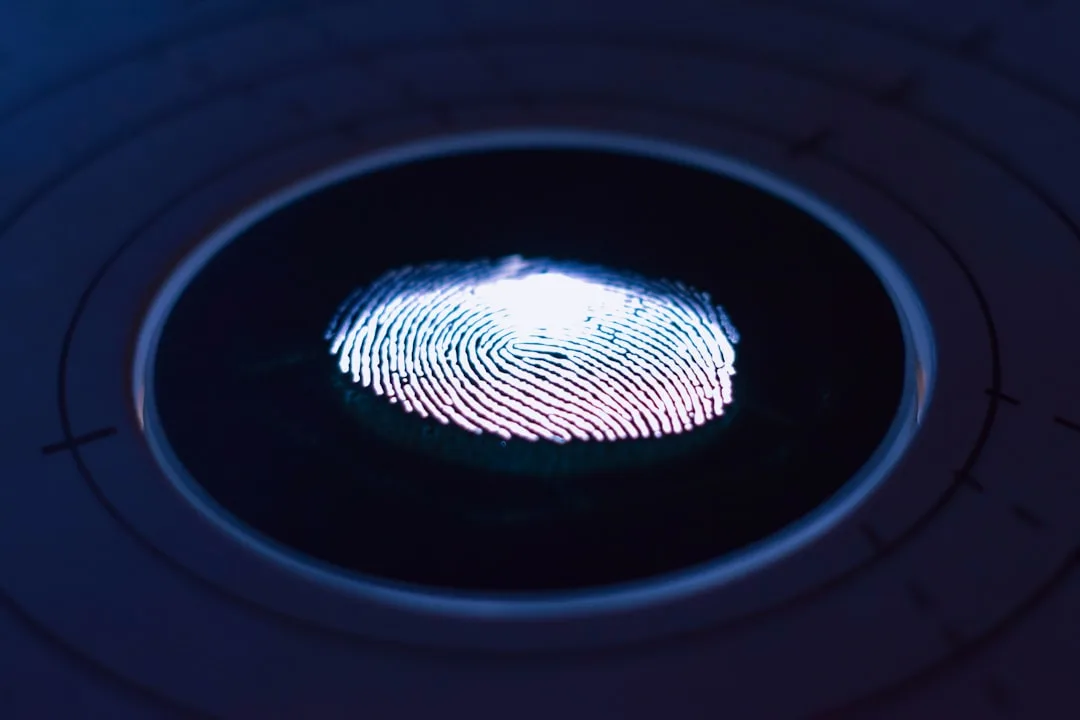
You’ve lost your keys three times this month. The spare hidden under the planter got discovered by neighbors. Now, as your thumb unlocks your front door in two seconds, you realize the entire lock-and-key system your parents relied on has become obsolete. Biometric smart home locks have crossed from luxury adoption into mainstream installation across North America and Europe in 2026, replacing mechanical keys with fingerprint sensors, facial recognition, and multi-modal authentication that work offline and online.
Why Biometric Authentication Dominates Home Security Now
The Yale Assure Lock 2 Plus, launched in early 2026 at $349, pairs fingerprint and Wi-Fi connectivity in a single deadbolt replacement that eliminates the need for physical keys entirely. That’s $150 less than the 2024 model, signaling rapid market commodification. Homeowners install it in under 20 minutes without calling a locksmith, and the device stores up to 50 fingerprints—family, houseguests, contractors, emergency responders—each with time-window restrictions. What triggered adoption wasn’t convenience alone; it was the compounding frustration of lost keys combined with contactless entry demands introduced during the pandemic that never reversed.
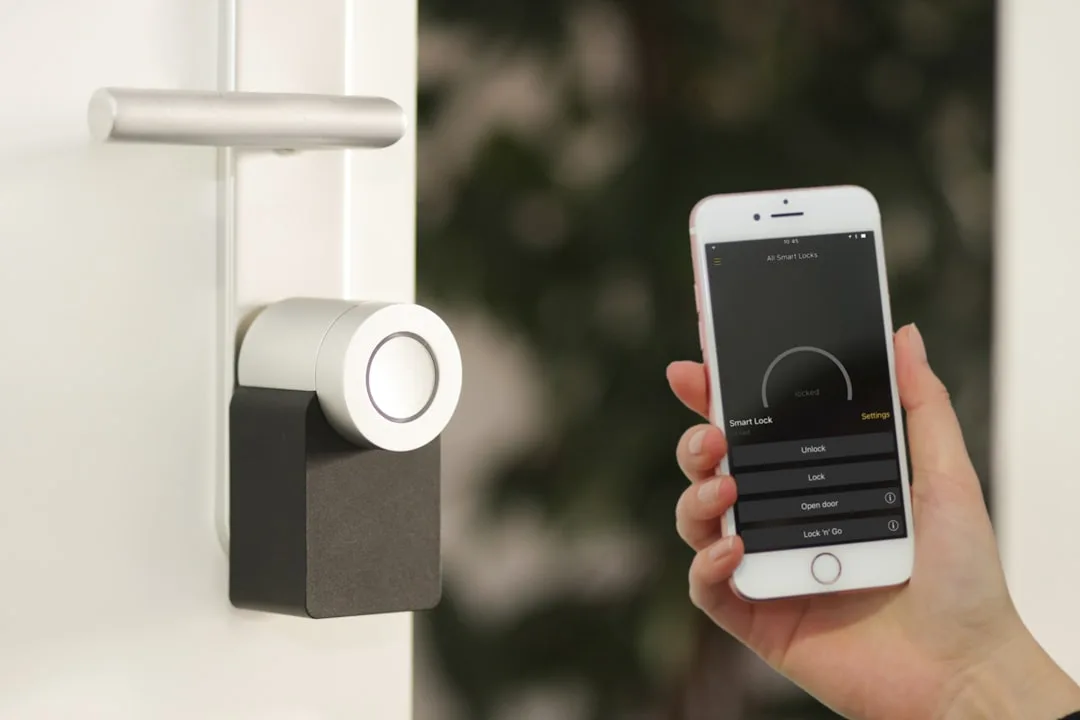
Level Lock, priced at $299, operates inside your existing deadbolt rather than replacing it entirely, making it the retrofit choice for rental properties and historic homes where exterior changes are restricted. The Level Lock app grants temporary or permanent access to specific fingers, revokes permission instantly, and logs every entry attempt with timestamp. Over 340,000 units shipped in 2025, a 67% year-over-year increase. Mechanical keys still work as backup, but fewer homeowners actually use them once biometric entry becomes habitual.
What’s driving this isn’t just homeowner demand; it’s insurance. Major underwriters now offer 3–5% premium discounts on homeowners policies when doors feature biometric multi-factor authentication. A $1,200 annual policy drops to $1,140–$1,080, recovering the lock’s cost in 3–4 years while eliminating the liability of lost-key reentry scenarios that previously required expensive locksmith visits.
- Test biometric sensors in bright daylight and darkness before committing—optical sensors fail in direct sunlight, capacitive sensors struggle with wet fingers
- Enable offline mode on all biometric locks; cloud connectivity can lag during internet outages, but offline fallback keeps you entering
- Grant family members their own fingerprints rather than sharing one registered print; audit logs then track who entered when
- Pair biometric entry with a secondary door camera (Ring Doorbell Pro 2, $229) to verify visitors before granting access
Where Biometric Locks Are Failing and Why
The #1 failure mode hits households with elderly residents or young children: fingerprint recognition degrades with age, skin texture changes, and moisture. A 78-year-old homeowner adopts a Yale Assure Lock 2 Plus, enrolls both thumbs and index fingers, but finds the sensor increasingly rejects her after dry winter months cause skin cracking. She returns to the physical key backup, then eventually to calling family members for entry. The fix most manufacturers buried in their manual: re-enroll fingerprints quarterly, store alternate fingers, and keep skin moisturized to maintain sensor accuracy. What NOT to do: trust a single fingerprint from a single hand; distribute biometric burden across both hands and multiple fingers.
A second critical failure: smart lock adoption without integration into your broader home automation ecosystem. A homeowner installs a Yale Assure Lock 2 Plus at the front door but doesn’t link it to a hub or smart speaker, meaning access logs exist only on the lock itself and remote guests can’t request temporary access. The lock then feels like an expensive deadbolt rather than an integrated security system. Pairing with a SmartThings hub ($69) or Google Home ecosystem unlocks the actual value proposition: time-restricted access, remote monitoring, and emergency override capabilities.
Multi-Factor Biometric Authentication Accelerates Installation Rates
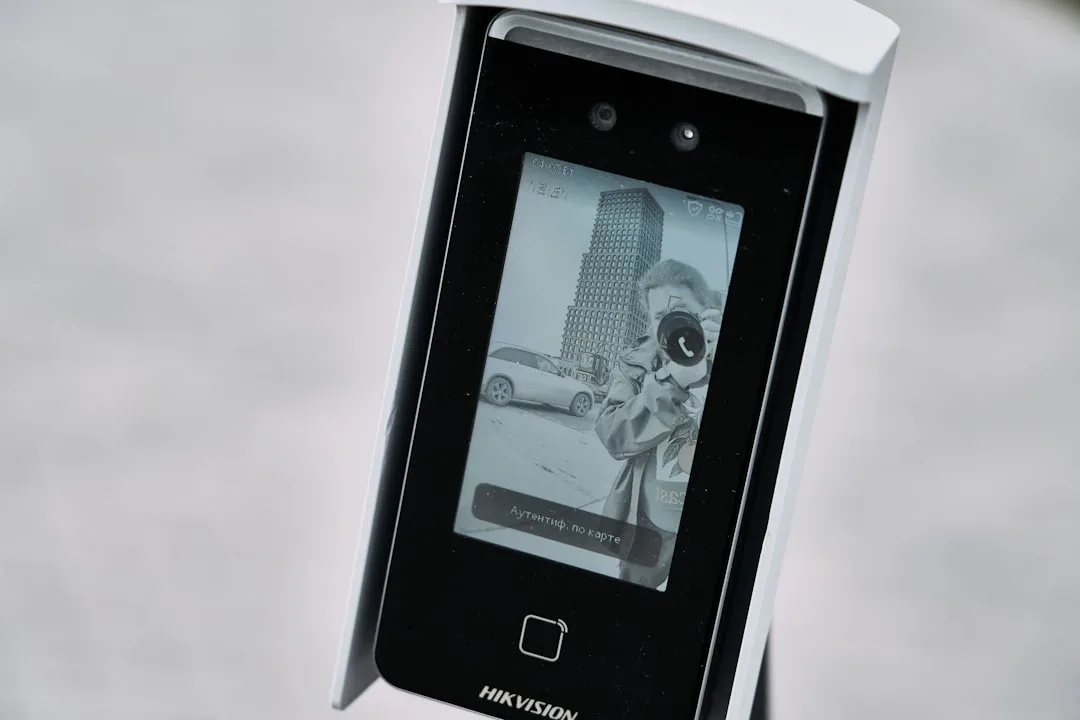
The Biometric Deadbolt Ultra ($599) represents the 2026 premium shift: combining fingerprint recognition with optional facial recognition via an embedded camera, effectively requiring dual authentication for entry. A guest can unlock with her face, but the door deadbolt verifies her registered fingerprint before the bolt retracts. That’s theatrical security, but it works—insurers recognize dual-factor authentication as equivalent to a security system, not just a smart lock, lowering premiums by 6–8% rather than 3–5%. The cost premium vanishes in 18 months for a homeowner with a $1,500 annual policy.
Facial recognition adoption in 2026 remains geographically clustered in North America and parts of Asia; European markets favor fingerprint-only systems due to GDPR privacy concerns around facial data storage. That regulatory fragmentation means manufacturers offer region-specific models—Yale Europe sells the Assure Lock 2 with fingerprint only, while Yale North America bundles facial recognition as an optional module for $120. Real-world adoption shows fingerprint as the workhorse (95% of new installations) while facial recognition serves as supplementary convenience on premium models.
Integration with Broader Smart Home Security Ecosystems
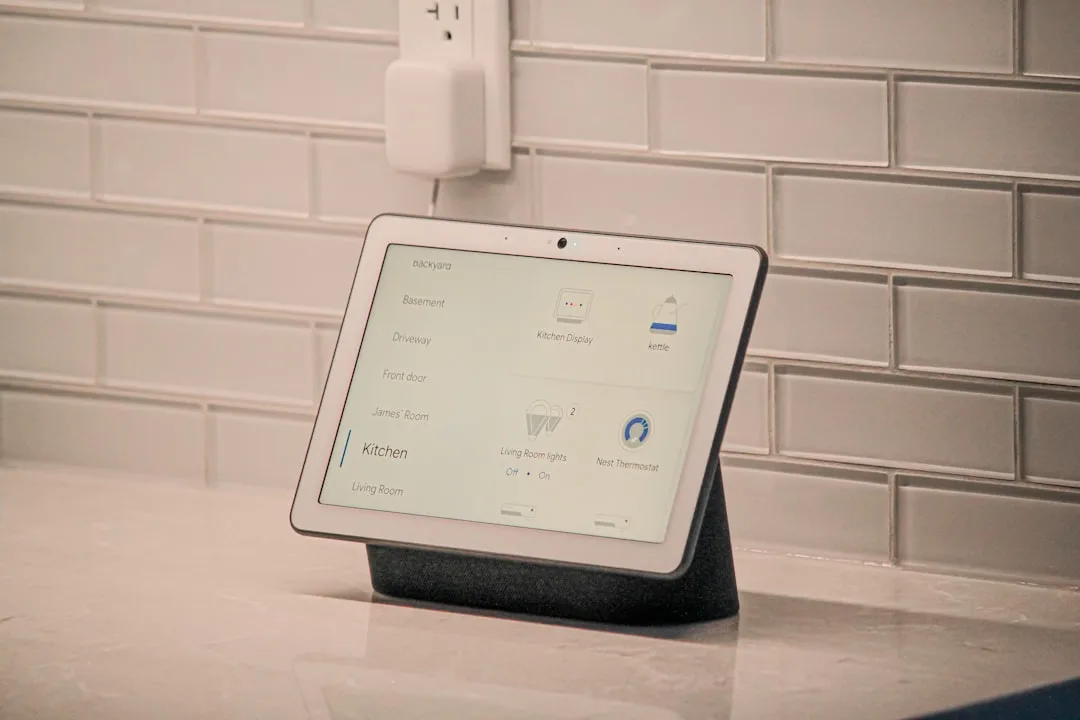
The Nuki Smart Lock Pro ($279) excels at ecosystem agnosticism—it works with Apple HomeKit, Google Home, Alexa, and Samsung SmartThings simultaneously, so your lock follows your preferred platform rather than forcing a choice. That flexibility reduces buyer friction; a household using Apple watches for primary authentication can command “Hey Siri, unlock the front door” while a Google Home user invokes the same action through a different interface. Both voice assistants communicate with the same lock simultaneously, creating resilience against platform changes or failures.