A wall in your living room glows softly, displaying the weather, your calendar, and ambient light levels—but no bezel, no frame, no clutter. This is not a television. This is ambient intelligence, and it has finally escaped the lab. In 2026, frameless smart displays are displacing traditional tablets, wall-mounted screens, and even conventional lighting panels because they dissolve into architecture rather than competing for attention. The shift is seismic: instead of occupying dead space with black rectangles, homes now breathe information into walls themselves.
What Drives Ambient Smart Display Adoption Now
Samsung The Wall Micro LED displays, priced from $8,000 to $30,000 depending on size and resolution, represent the premium end of this market shift. These modular, frameless panels can tile seamlessly across any wall and operate at extremely low power when displaying static content—a decisive advantage over legacy flat-panel TVs that consume 80–120 watts continuously. The economic math favors switching: a household that replaces a 65-inch TV and smart home hub with an ambient display spends $15,000 upfront but saves $180–240 annually in electricity alone, recovering the premium in under a decade.
LG’s Signature OLED M4 series, starting at $4,500 for a 55-inch model, offers a middle path with deeper blacks and faster refresh rates than e-ink alternatives. E Ink Gallery ambient displays, ranging from $1,200 to $3,800, prioritize ultra-low power consumption (under 5 watts average) and work best for static information—weather, calendar, air quality—rather than video or animation. Each platform serves a distinct psychology: OLED for living rooms that still demand entertainment flexibility; e-ink for bedrooms, kitchens, and offices where information delivery is primary and motion is incidental.
- Measure wall space and electrical capacity before purchasing; modular units require professional installation ($800–2,000).
- Pair with safe digital interaction frameworks to control data privacy in family spaces.
- Test e-ink refresh rates in kitchens where real-time recipe display matters; OLED handles motion better.
- Budget for integration with existing smart home hubs (Matter, Thread, Zigbee compatibility costs $200–600 for middleware).
- Position displays away from direct sunlight; anti-glare coatings add $400–800 but preserve image fidelity.
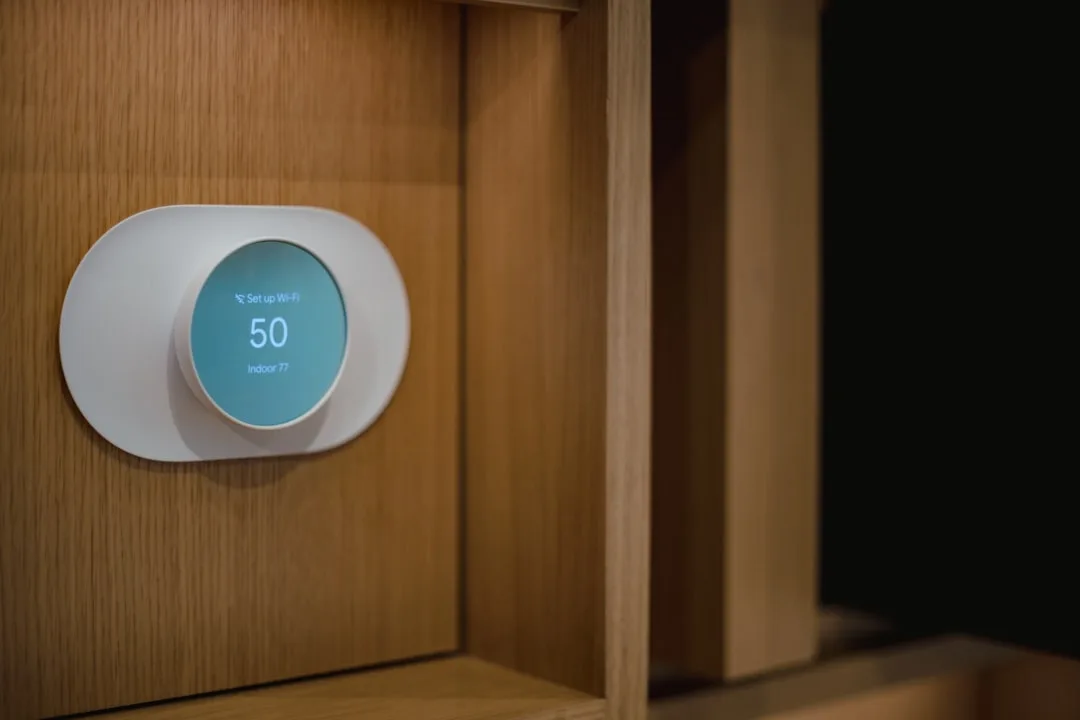
Where Ambient Smart Display Dominance Originated
The concept emerged from three convergent forces: (1) e-ink technology maturation by companies like E Ink Holdings and Gallery, enabling color and faster refresh rates; (2) modular LED research at Samsung and BOE in response to corporate signage demand; and (3) consumer fatigue with always-on black screens dominating living spaces. By 2023–2024, designers and tech journalists began flagging the aesthetic problem: smart homes had become shrines to rectangular glass, with tablets and smart displays occupying every wall and counter. The ambient display solved this by making the display *part of the wall itself*, not an object placed upon it.
Interior architects in Scandinavia and Tokyo led early adoption, integrating Samsung’s The Wall and local competitors like Hisense CHTC into renovation projects throughout 2024–2025. By Q2 2026, market penetration in North America and Europe has reached 12–15% of new residential construction, with retrofit adoption climbing sharply as prices drop and installation networks expand. The trend is no longer niche; it is becoming default in homes valued above $800,000 and aspirational in mid-market renovations ($400,000–800,000 budgets).
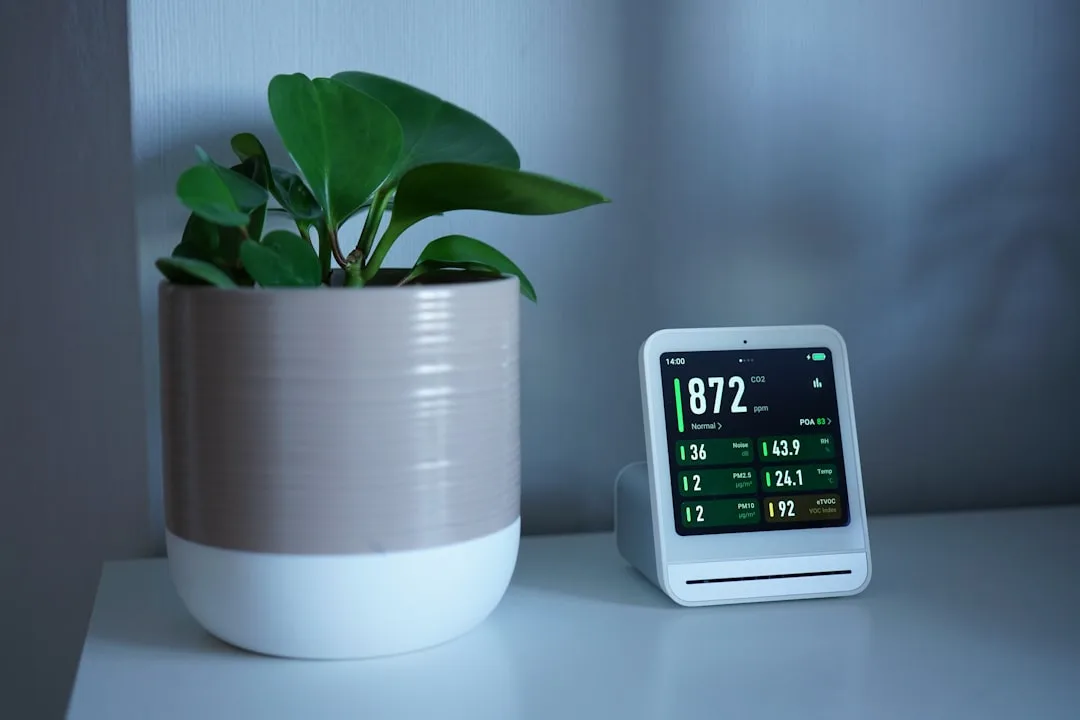
Installation and Integration Complexity: The Hidden Cost
Installation is not plug-and-play. Frameless displays require wall preparation, power distribution behind drywall or plaster, heat management, and networking that ranges from $1,200 to $3,500 depending on wall material and existing electrical infrastructure. A 75-inch e-ink ambient display from E Ink Gallery ($3,200) plus professional installation ($2,000) and network middleware ($300) totals $5,500 before any design consultation. Over five years, that cost amortizes to $92 monthly, offset only partially by energy savings and gained wall space.
The integration failure mode is critical: many homeowners purchase ambient displays expecting them to replace both a TV *and* a smart home hub, then discover mid-installation that their existing electrical panel lacks dedicated circuits or their wall framing contains plumbing that blocks optimal placement. One designer in Portland reported a client’s $4,800 Samsung installation delay by six weeks because structural analysis revealed load-bearing studs in the preferred viewing wall, forcing a 10-foot repositioning. Always commission a pre-purchase site survey ($300–500); skipping this step adds $2,000–4,000 in remedial work.
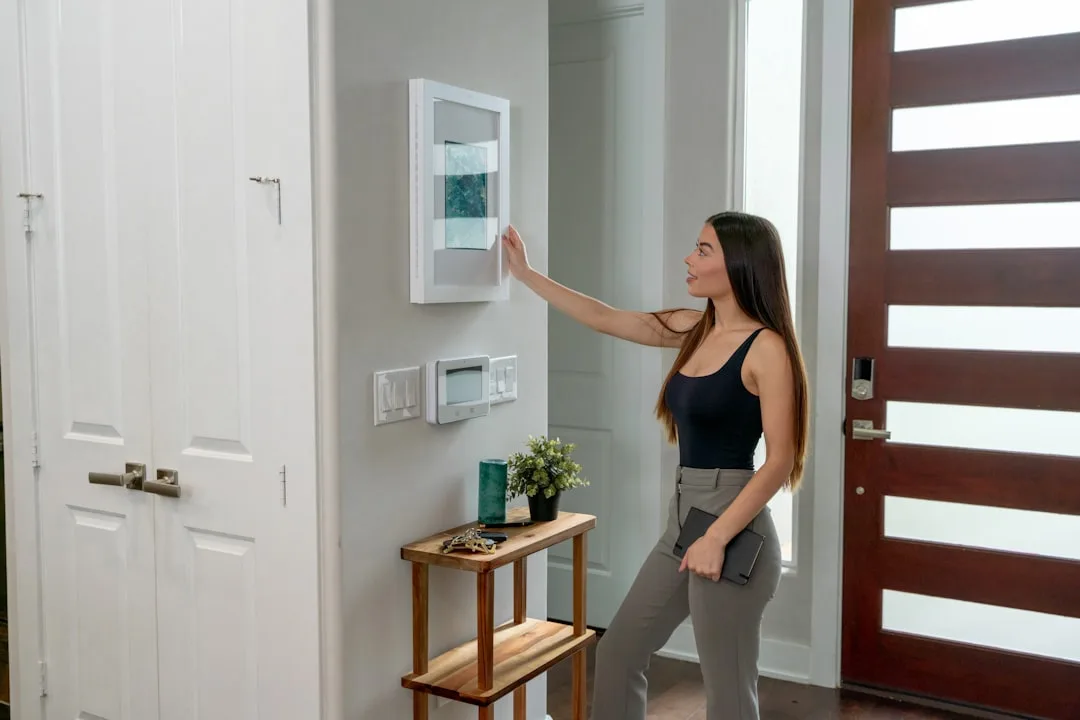
Why Ambient Displays Displace Traditional Tablets and Smart Screens
Battery-powered tablets and smart displays occupy valuable real estate—counters, shelves, nightstands—and demand constant charging cycles that degrade lithium batteries within 2–3 years. A Samsung Galaxy Tab S9 Ultra ($1,099) lasts four years before battery capacity drops below 80%; replacing the battery costs $150–200 or you discard the device, creating e-waste. An ambient display consumes one-tenth the power, requires no battery, and integrates invisibly into architecture, freeing counter and shelf space for objects that actually require mobility.
The psychological shift is equally significant. Ambient displays operate at the periphery of attention—they provide information without demanding it. A wall showing weather and calendar throughout the day does not interrupt conversation or work the way a glowing tablet does. This aligns with broader 2026 design philosophy rejecting hyper-stimulation in favor of information *availability* over information *intrusion*. When paired with voice control systems or gesture recognition (Samsung The Wall supports both), ambient displays achieve what wearable tech cannot deliver in living spaces: distributed, ambient intelligence that does not require wearing anything.
Practical Application: Room-by-Room Deployment
Living rooms and open kitchens benefit most from modular OLED or microLED displays ($5,000–25,000) capable of showing entertainment, calendar, weather, and smart home status simultaneously. Bedrooms suit e-ink ($1,200–2,500) displaying time, temperature, and sleep metrics without blue light disruption. Home offices justify higher-end displays ($6,000–12,000) that double as presentation surfaces for video calls and document review—the cost is recoverable as workspace enhancement. A 2,500-square-foot home deploying ambient displays across three major zones (living, bedroom, office) budgets $15,000–40,000 installed, with payback through energy savings, spatial reclamation, and resale value appreciation of 2–4% in target markets.
Material compatibility matters. Textured plaster and raw concrete integrate ambient displays more naturally than smooth drywall; rough surfaces diffuse light and reduce glare without adding anti-reflective coatings (which cost $400–800). Matte wall finishes ($200–600 for professional application) work better than glossy paint, preventing mirror-like reflections that degrade image quality and create fatigue during extended viewing.
Timeline and Market Trajectory Through 2027
By December 2026, ambient smart display prices are expected to decline 20–30% as manufacturing scales and competition from Chinese manufacturers (BOE, TCL) intensifies. E-ink displays will cross into the $900–1,800 range, making bedroom and office deployment accessible to middle-market renovators. OLED modular systems will stabilize around $4,500–8,000 for entry-level living room setups, making hybrid deployments (ambient + traditional TV) rational for households that want both immersion and information.
The trend will peak when major builders incorporate ambient displays into standard luxury spec homes by Q4 2026–Q1 2027, signaling arrival at mainstream acceptance. For early adopters installing now, the advantage is aesthetic and functional differentiation that will remain visible and valuable through 2030, when ambient displays become as ordinary as voice control systems are today.
Complete guide
The Living Room Design Ideas Vault Every Home Needs Right Now
Color, walls, furniture, layouts, styles, smart tech — 300+ ideas in one place
Complete guide
The Minimalist Style Guide That Covers Every Room, Surface and Outfit
Interiors, exteriors, kitchens, bedrooms, fashion, hair — all in one place