
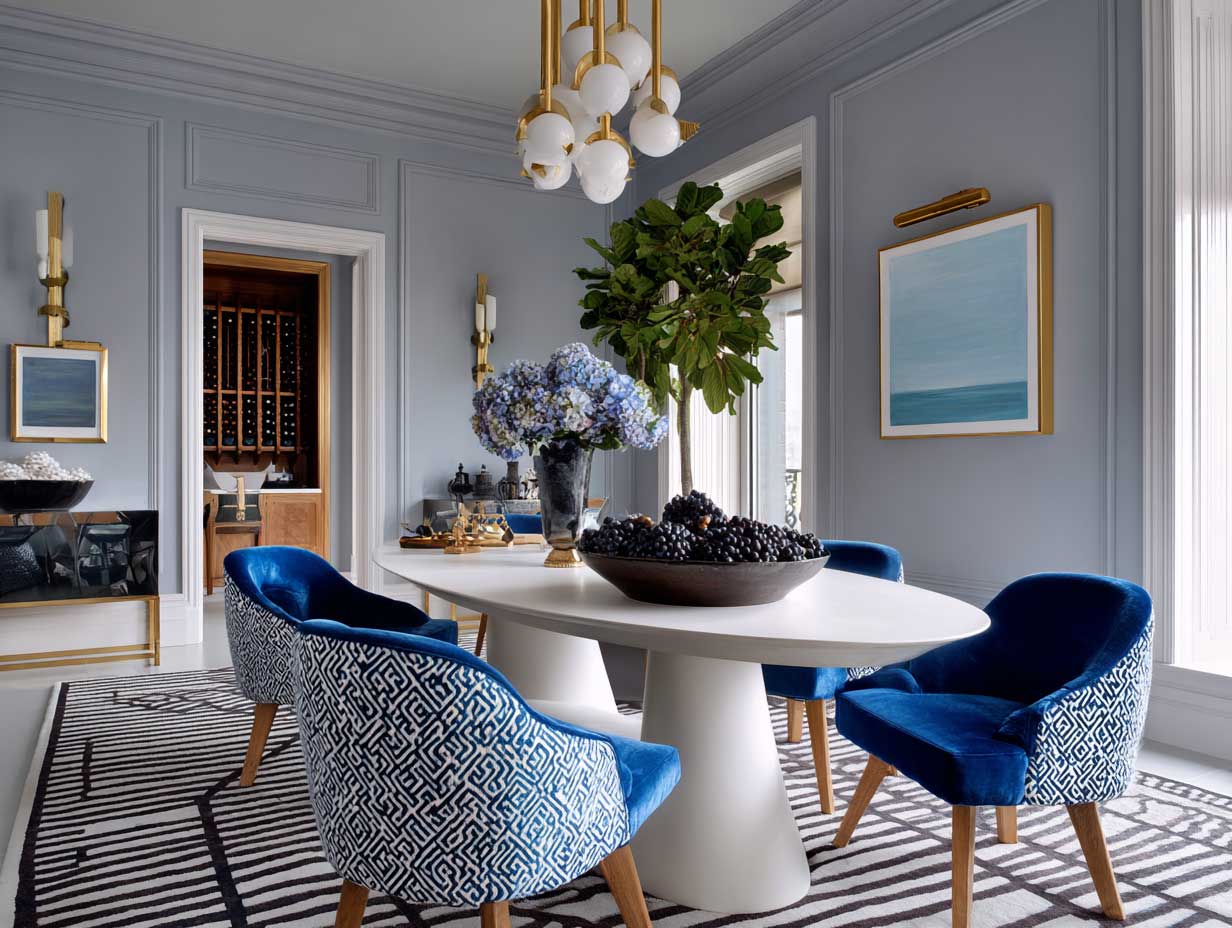
When it comes to dining, the food on the plate is only part of the experience. A thoughtfully designed dining space can elevate a meal from satisfying to unforgettable. The environment in which we dine plays a crucial role in how we perceive flavor, how long we linger, and how deeply we engage with the culinary moment. In this guide, we explore how to design dining spaces that honor and amplify the art of culinary presentation, whether in a home, restaurant, or luxury event setting.
From lighting and layout to materials and mood, everything in your dining space should work in harmony to put the spotlight where it belongs: on the food.
Why Dining Design Matters
Eating is a sensory experience, and taste doesn’t exist in isolation. Research in gastrophysics shows that everything from color schemes to table texture can influence how we perceive flavors. When we design with intention, we enhance the entire gastronomic experience.
Whether you’re a home cook who loves plating with precision or a restaurateur building a high-end brand, creating a dining space that complements the art of plating and presentation will deepen the pleasure of eating for everyone involved.
For instance, if you’re aiming to serve something luxurious and distinctive, George Stone Crab offers some of the finest seafood for gourmet dining, where quality and presentation go hand in hand. Their offerings are perfect for those designing upscale dining experiences where every detail—down to the crustacean—is chosen with purpose.
Layout: Flow and Focus
The layout of a dining area sets the foundation for how people will move, gather, and connect. For food-forward experiences, the table should be the focal point. Avoid unnecessary clutter and distractions. Chairs should be arranged for both visual access to the food and ease of conversation.
Open-plan kitchens that extend into dining areas are popular for a reason—they allow diners to feel part of the creation process, building anticipation. In more formal settings, consider creating visual corridors that guide attention from the entrance straight to the table, as if framing a piece of culinary art.
Key tip: Keep serving areas, beverage stations, or dessert trolleys positioned so they don’t block sightlines to the main table display. The food should always take center stage.
Lighting: Illuminating Every Detail
Lighting is one of the most powerful tools in your design arsenal. Too dim, and the intricate presentation of a dish is lost. Too harsh, and the mood turns clinical. The goal is to achieve lighting that enhances the colors and textures of the food while maintaining an intimate and inviting ambiance.
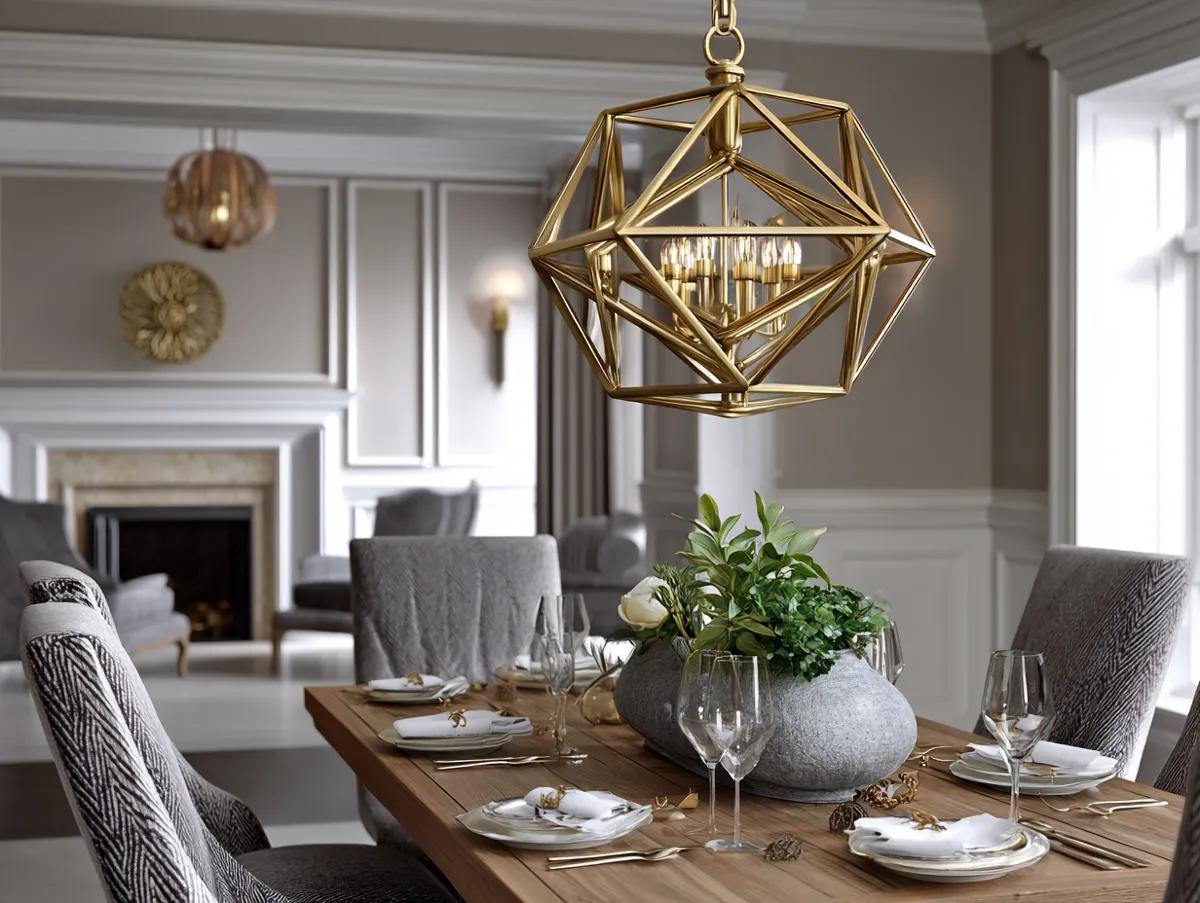
Warm, diffused overhead lights paired with soft table-level illumination (such as candles or integrated LED strips beneath serving trays) help frame the dish like a still-life painting. Pendant lighting above the dining table should offer focused but adjustable brightness. Where possible, natural light is ideal for daytime meals, as it brings freshness and vibrancy to both food and faces.
Design trick: Use adjustable lighting to shift the mood across courses. Dim the lights slightly for dessert to heighten intimacy and signal transition.
Tableware: The Frame for Your Art
No discussion of culinary presentation is complete without exploring the impact of tableware. Plates, cutlery, and glassware are not passive vessels—they interact directly with the food and help shape its presentation.
Minimalist, neutral-toned plates (white, slate, or soft beige) allow the dish to stand out. Handcrafted ceramics, wood boards, or irregular shapes can give a rustic or modern aesthetic, depending on your theme. The tactile feel of these surfaces adds depth to the experience.
Even the weight of cutlery and the clarity of glassware contribute to the ritual of dining. Think of each element as part of a cohesive visual language.
Color Palette: Enhancing Appetite and Elegance
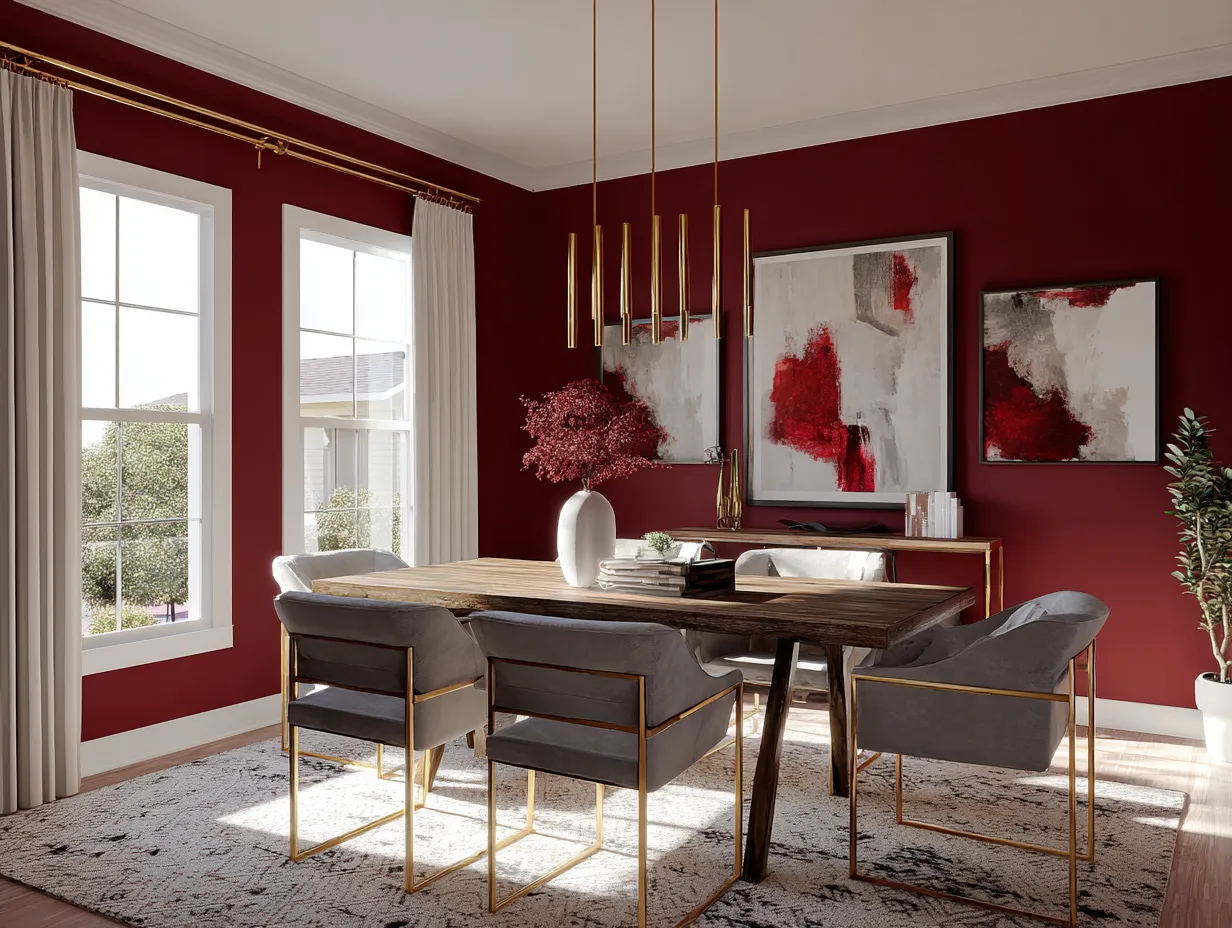
Color psychology plays a huge role in dining design. Earthy tones like terracotta, olive, and warm greys create a grounded, welcoming atmosphere. Deep hues like navy or forest green add luxury and intimacy. Pops of color through florals, linens, or wall art can tie the food presentation to the environment.
Seating: Comfort Meets Culinary Appreciation
The comfort of your guests influences how long they linger, and longer meals mean more time to enjoy the beauty of presentation. Ergonomically supportive chairs encourage diners to stay engaged throughout multiple courses. Padded seats, breathable fabrics, and curved backs all contribute to comfort without sacrificing aesthetics.
Chairs should also fit under the table easily and allow enough space for elbow movement. Remember, guests will be using their hands and utensils—comfort and ease are part of the experience.
For long communal tables or banquette seating, consider varying chair styles at the head of the table to signal hierarchy and create subtle focal points for special dishes or events.
Centerpieces: Complement, Don’t Compete
It’s tempting to fill a dining table with decorative elements, but restraint is key. Centerpieces should never distract from the food. A single line of greenery, small sculptural vases, or low candles are elegant choices that allow the eye to settle on the plate.
If you’re serving a tasting menu or entertaining with showstopping dishes like shellfish towers or charcuterie boards, leave space so these elements can shine without fighting for attention.
Pro tip: Always ensure centerpieces don’t block sightlines between guests—shared expressions of enjoyment are part of the experience.
Sound and Scent: Supporting the Atmosphere
The best dining spaces take all the senses into account. Acoustics should allow for easy conversation—soft furnishings, textured walls, and sound-absorbing materials help reduce echo. Background music should be low enough that it fades behind the rhythm of conversation and the sound of cutlery on ceramic.
Likewise, scent matters. Unrelated fragrances (like overly strong candles) can clash with the food. Stick to subtle natural scents, if any. The aroma of the dishes should dominate and whet the appetite.
Final Touches That Create Culinary Theatre
Presentation is not just about what’s on the plate, but how it arrives. Incorporate finishing touches that create anticipation and delight. Consider:
- Tableside garnishes or flame touches for drama
- Chef introductions for select courses
- Custom menu cards detailing ingredients and origins
- Signature cocktail pairings that visually match the dishes
These elements bring storytelling into the meal and make the food feel even more intentional.
You Might Also Like
Related Topics