
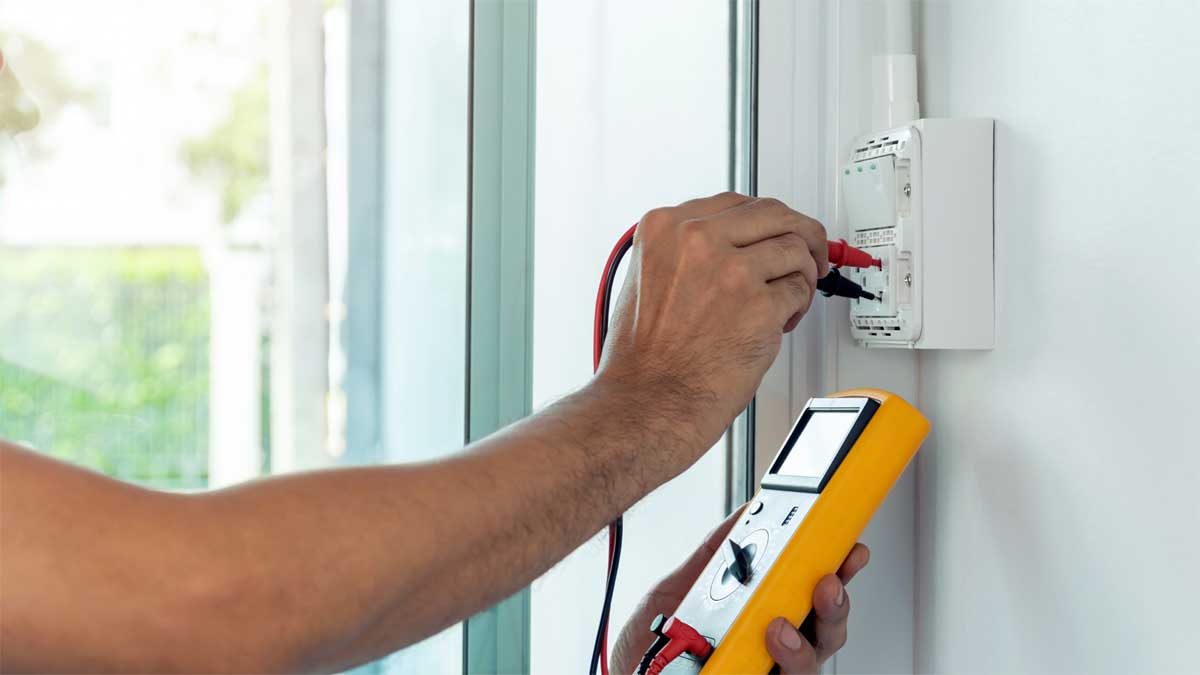
Rising energy bills, mounting pressure to meet sustainability goals, and outdated electrical systems are forcing property owners and facility managers to rethink how they power their spaces. Whether you’re overseeing a commercial building, managing a residential complex, or running a tech-heavy office, energy inefficiencies are quietly draining your budget and impacting your environmental footprint.
The real challenge? Finding a cost-effective, scalable solution that delivers long-term impact without overhauling your entire infrastructure. That’s where low-voltage solutions step in.
These modern upgrades offer a smarter way to cut consumption, streamline power distribution, and align your operations with green standards. In this blog, we’ll break down 10 practical ways low-voltage systems help you save energy and promote true environmental responsibility.
Smart Building Integration: The Foundation of Efficiency
Smart building integration through low-voltage networks forms the backbone of energy-efficient properties. These interconnected systems serve as the central nervous system that enables all other energy-saving technologies to work together seamlessly.
1. Centralized Control Systems for Optimized Energy Usage
Commercial buildings, resorts, and residential complexes across the region are under constant pressure to balance comfort with cost. That’s where smart energy management systems come into play, helping property owners reduce waste without sacrificing performance. In a city like Fort Lauderdale, where hot and humid weather demands round-the-clock climate control, energy efficiency isn’t just a nice-to-have, it’s a necessity.
A low voltage contractor fort lauderdale can design and implement these integrated systems to create a smart building environment that responds intelligently to changing conditions. These professionals understand the unique challenges presented by Florida’s climate and can customize solutions that maximize efficiency while maintaining comfort.
2. Automated Response to Occupancy Patterns
One of the most effective features of low-voltage solutions is their ability to respond to actual building usage. Motion sensors and occupancy detectors trigger lighting, HVAC, and other systems only when spaces are being used. Advanced systems even learn patterns over time, anticipating needs based on historical data.
This responsive approach eliminates wasted energy in unused areas and adjusts consumption levels based on actual requirements rather than preset schedules, creating energy efficiency without sacrificing comfort or convenience.
The integration of these systems creates a foundation upon which all other energy-saving technologies can build, enhancing their effectiveness through coordination and data sharing.
LED Lighting Systems: Illuminating the Path to Sustainability
Building on the smart integration framework, LED lighting powered by low-voltage solutions represents one of the most visible and impactful energy-efficient transformations in modern buildings.
3. Advanced Lighting Control Through Low-Voltage Networks
Low-voltage lighting control systems enable precise management of illumination throughout a facility. Through protocols like DALI (Digital Addressable Lighting Interface) and DMX, these systems allow for individual fixture control, dimming capabilities, and color temperature adjustments. The result is lighting that adapts to specific tasks, time of day, and occupancy.
4. Daylight Harvesting and Ambient Light Adaptation
Modern energy-efficient lighting systems can seamlessly integrate with natural light through daylight harvesting technologies. Light sensors monitor ambient light levels, automatically dimming artificial lighting when sufficient natural light is available.
This not only reduces energy consumption but also creates more pleasant environments that support human wellbeing. These adaptable lighting systems represent a perfect demonstration of how sustainable building solutions can enhance both operational efficiency and occupant experience simultaneously.
Climate Control Optimization Through Low-Voltage HVAC Management
While smart lighting dramatically reduces electrical consumption, climate management typically represents the largest energy expenditure in most buildings. Low-voltage HVAC controls create the perfect temperature balance between comfort and conservation.
5. Precision Zoning and Micro-Climate Creation
Low-voltage solutions enable the creation of precisely controlled climate zones within buildings. Rather than heating or cooling entire floors uniformly, these systems can adjust temperatures room by room based on occupancy, function, and user preferences. The result is significant energy savings without compromising comfort.
6. Weather-Responsive Building Management
Smart HVAC systems connected to low-voltage networks can access weather forecasts and adjust their operation accordingly. By anticipating temperature changes, these systems can prepare building envelopes proactively rather than reacting after conditions have changed, maximizing energy efficiency throughout seasonal transitions.
These intelligent climate controls demonstrate the remarkable versatility of low-voltage solutions in addressing varying environmental conditions while maintaining optimal comfort.
Renewable Energy Integration via Low-Voltage Systems
With smarter climate management established, forward-thinking property managers are taking efficiency even further by harnessing renewable energy sources. Low-voltage systems serve as the crucial link that makes alternative energy viable and manageable.
7. Solar Power Monitoring and Optimization
Low-voltage DC power distribution systems are ideally suited for integrating solar energy installations. These systems minimize conversion losses that typically occur when transforming DC power from solar panels to AC power for traditional building systems and back to DC for electronic devices.
8. Energy Storage Management and Load Balancing
Smart low voltage solutions can intelligently manage energy storage systems, charging batteries during periods of excess production and drawing from them during peak demand. This load balancing capability maximizes the effectiveness of renewable energy investments while reducing strain on the power grid.
These renewable energy integrations showcase how environmental responsibility and cost savings can align perfectly through thoughtful system design.
Security and Access Systems with Energy Conservation
Beyond energy generation and consumption, low-voltage solutions extend efficiency benefits to security infrastructure. Modern systems demonstrate how safety and environmental responsibility can work together.
9. Power-Efficient Surveillance Solutions
Today’s security cameras and monitoring systems operate on low-voltage networks that dramatically reduce power requirements compared to older technologies. Event-based recording and smart detection algorithms minimize wasteful continuous operation while maintaining comprehensive security coverage.
10. Integrated Access Control for Total Building Management
Access control systems can share data with lighting and HVAC controls to manage energy use based on actual occupancy patterns. When integrated with other building systems, these security features contribute to overall energy efficiency while providing their primary safety functions.
This holistic approach to building management exemplifies how sustainable building solutions can address multiple needs simultaneously.
Making the Most of Your Energy Efficiency Investment
Implementing energy-saving technologies through low-voltage solutions requires thoughtful planning and expert execution. By following a strategic approach, you’ll maximize both environmental and financial benefits.
Start with a comprehensive assessment of your current energy usage, identifying high-impact opportunities for improvement. Then develop a phased implementation plan that prioritizes quick-win solutions while building toward comprehensive integration.
Remember that environmental responsibility isn’t just good citizenship, it’s good business. The energy savings from well-designed low-voltage solutions typically deliver excellent return on investment while positioning your organization as a forward-thinking leader in sustainability.
FAQs
1. How does reducing electricity use help the environment?
Using less electricity reduces demand on power plants, lowering greenhouse gas emissions and air pollution. Energy-efficient systems powered by low-voltage solutions can significantly reduce carbon footprints while conserving natural resources needed for energy production.
2. What are the most effective energy-saving technologies?
The most effective approach combines multiple technologies: smart building controls, LED lighting, efficient HVAC systems, and renewable energy integration. These work best when coordinated through integrated low-voltage networks that optimize their operation based on actual usage patterns.
3. How do low-voltage systems contribute to sustainability certifications?
Low-voltage systems contribute directly to energy efficiency credits in LEED, WELL, and other certification programs. They also support indoor environmental quality measures through precise lighting and climate control, helping buildings achieve higher sustainability ratings.
Powering a Sustainable Future with Low-Voltage Solutions
Low voltage solutions, energy efficiency, and environmental responsibility go hand in hand, creating opportunities for significant operational improvements while reducing environmental impact. From smart building integration to renewable energy management, these systems provide the intelligence and control necessary to optimize resource use without compromising performance.
By embracing these technologies, organizations demonstrate their commitment to sustainability while enjoying the very real financial benefits of reduced energy consumption. The resulting combination of economic and environmental advantages makes low-voltage solutions a cornerstone of modern building infrastructure.
You Might Also Like


Related Topics