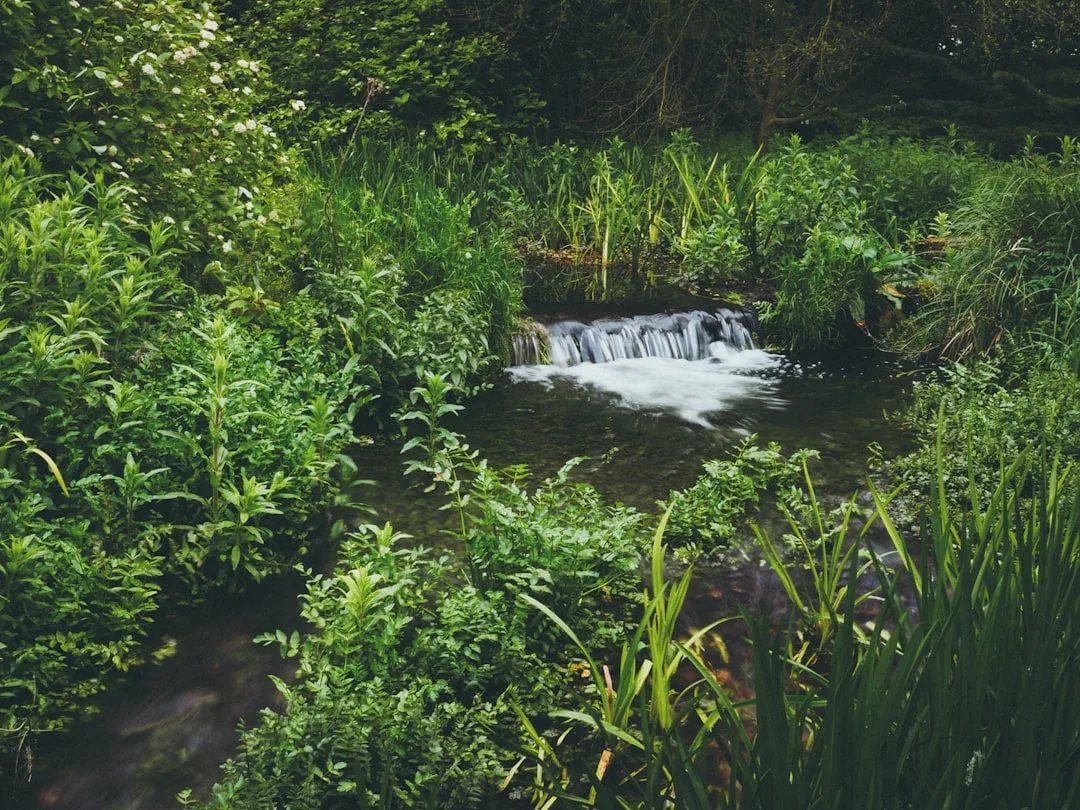
The Boundary Has Been Officially Abolished
For years, the model garden was defined by its edges — crisp lawn borders, clean-cut terracing, a tidy separation between the built and the grown. That era is over. The dominant outdoor trend of spring 2026 is nature-drenching: the deliberate blurring of every threshold so that stepping into your garden feels less like moving to a different zone and more like being absorbed into living greenery. Designers at the Society of Garden Designers put it plainly: “The boundary between patio and garden is disappearing. Designers are letting plants spill across steps, terraces, and walls so that entering the garden feels like stepping into greenery rather than onto hard paving.” That sentence alone is worth reading twice, because it signals a genuine philosophical reset for outdoor design.
Where It Comes From
Nature-drenching does not emerge from a vacuum. It is the logical endpoint of two converging movements that have built pressure over the past half-decade. The first is the wellness turn in home design — the same impulse that drove the surge in indoor biophilic interiors and meditation gardens is now reshaping the entire outdoor plan. The second is a direct response to climate anxiety: hotter summers, erratic rainfall, and a growing ecological conscience have pushed both homeowners and professional landscape architects toward designs that serve nature, not just the homeowner’s eye. As the experts at Woman & Home note, sustainability and well-being have become “a common thread running through all modern garden trends” as of this year, with the upcoming RHS Chelsea Flower Show in May 2026 poised to cement these principles on the world stage.
Garden Media Group’s 2026 Garden Trends Report crystallised the cultural mood under the headline concept of “Lemonading” — a broader philosophy of turning environmental and personal challenges into opportunities for deeper connection with the outdoors. Nature-drenching is its most architecturally visible expression. It takes the abstract idea of resilience and makes it spatial: plants that colonise your steps are plants that can handle what the climate throws at them.
What It Actually Looks Like
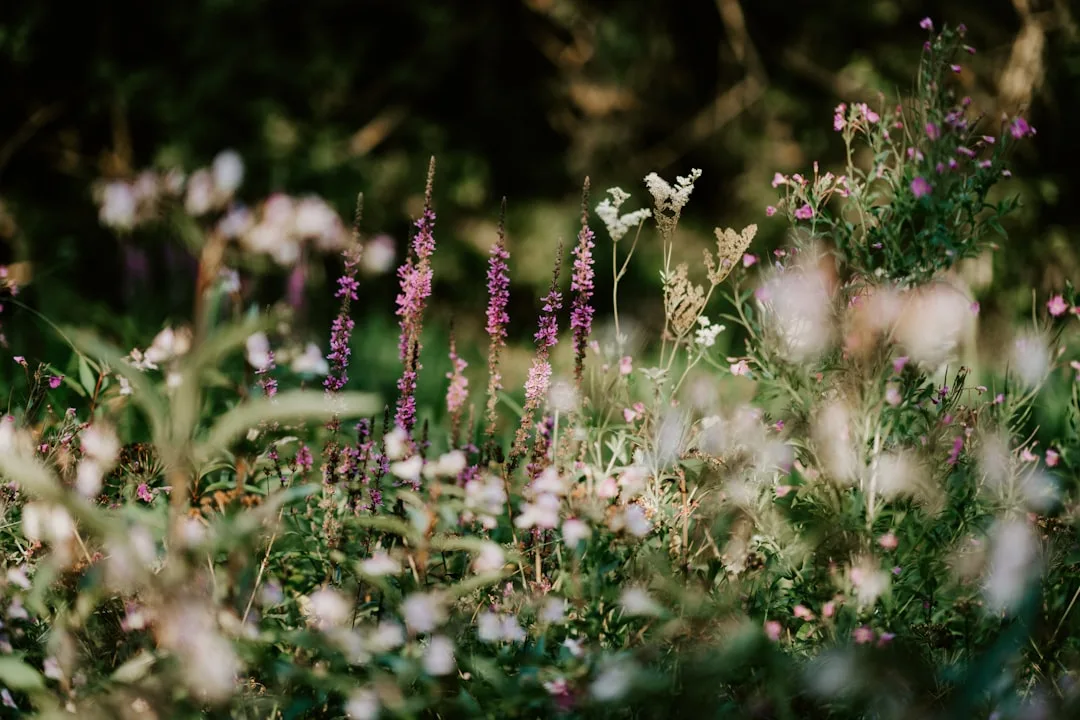
The aesthetic is less wild than it sounds. The best examples in 2026 are thoughtfully constructed, not abandoned. Landscape designer Mark Latchford, whose award-winning work focuses on ecological planting, describes gardens built around biodiversity as “creating enduring spaces that foster a deeper connection to the outdoors.” In practice, that means cascading groundcovers allowed to creep over stone risers, ornamental grasses bleeding from borders onto gravel paths, and low perennials anchoring themselves to the base of retaining walls. Warm, earthy hardscape materials — travertine, rough-cut limestone, and richly veined marble — are the preferred canvas because they age with the planting rather than competing against it.
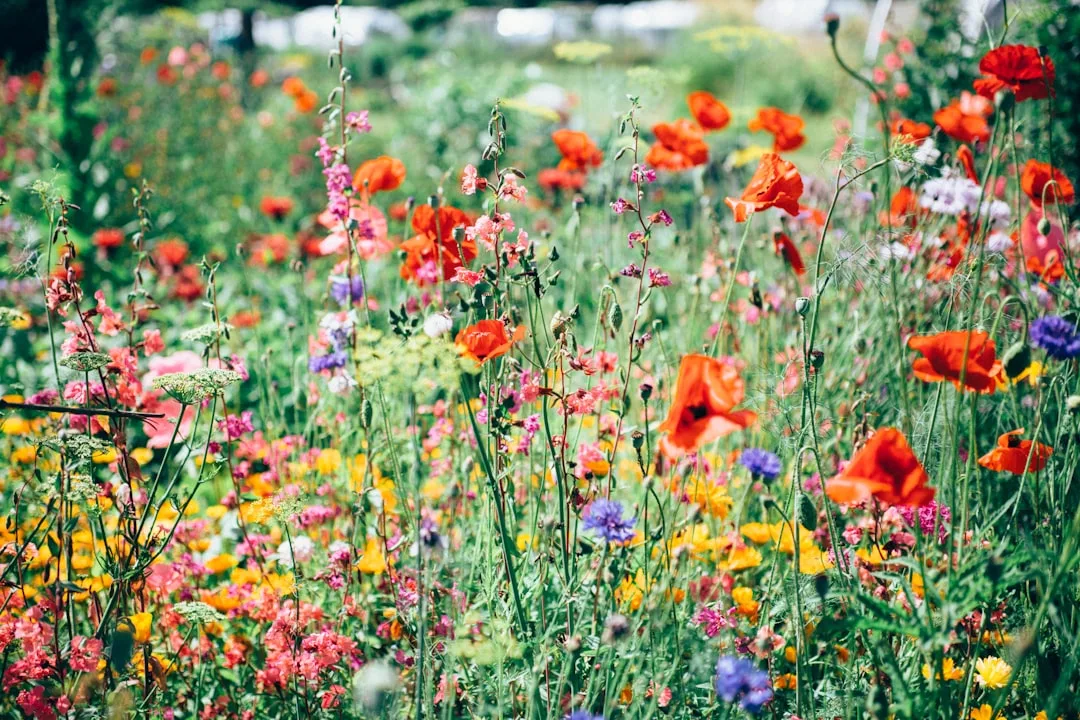
Color plays a calibrated role. The palette trending alongside nature-drenching in 2026 leans toward what Sunset Magazine’s garden editor has called “soft, weathered tones” — ash-touched pinks, muted lavenders, and dusty blue-greens that echo natural patina rather than announce themselves. Think less English cottage explosion, more considered Mediterranean restraint, where the green does the heavy lifting and everything else recedes.
The Sustainability Argument
Nature-drenching is not purely aesthetic posturing. The ecological case is strong. Gravel gardening — one of the techniques feeding into the broader movement — is gaining rapid traction as a xeriscaping strategy, with horticulturalist Jeff Epping releasing a landmark book on the practice in spring 2026. Notable public gardens including Chanticleer in Pennsylvania and Olbrich Botanic Gardens in Wisconsin have adopted gravel-integrated naturalistic beds as permanent design frameworks, signalling that this is an institutional shift, not a fringe experiment.
Smart irrigation is an equally important infrastructure layer. As Sunset reports, soil sensors and AI-driven apps now track moisture levels and plant stress in real time, meaning an immersive naturalistic garden does not have to mean a labour-intensive one. Precision technology and loose, ecological aesthetics are no longer in tension — in 2026, they reinforce each other. The result is a garden that looks ungoverned but is quietly, intelligently managed. If you are rethinking your exterior more broadly — from cladding to colour to how the house meets the ground — it is worth reading our guide to 101+ Exterior House Colors Combinations & Best Paint Color Ideas to ensure your facade speaks the same language as your new garden.
How to Apply It — Specifically
Start at the threshold. The most impactful and lowest-cost intervention is letting a drought-tolerant groundcover — creeping thyme, blue star creeper, or Proven Winners’ low-growing sedums — colonise the joints between your existing paving or spill over the front edge of your entry steps. This single move reads immediately as intentional, not neglected.
From there, work in layers. Replace any single-species border with a staggered mix of at least three plants at different heights: a structural grass or small ornamental shrub at the back, a mid-layer perennial in a muted jewel tone, and a low-spreading groundcover at the front that is allowed to advance onto the adjacent hard surface. The Society of Garden Designers recommends “restrained greens, soft neutrals, and natural materials” as the unifying logic — not because bold colour is wrong, but because the architecture of the planting needs a calm base to read as immersive rather than chaotic.
Finally, audit your materials. Smooth concrete edging and plastic borders actively undermine the nature-drenched effect. Replace them with rough stone, reclaimed timber sleepers, or a simple gravel margin that plants can spill into without visual friction. The goal is for the hard and the soft to look like they arrived together.
The Bigger Picture
The nature-drenching movement is part of a wider reassessment of what outdoor space is fundamentally for. The rigid indoor-outdoor separation that defined mid-century and minimalist garden design is giving way to something more fluid, more ecological, and frankly more honest about how people actually want to live. If the interior of the home is increasingly where design logic is being applied in service of wellness and mood — as we explore in our piece on Modern Style Bedroom Trends You Need to See for Your Next Renovation — then the garden in 2026 is simply catching up. Both spaces are converging on the same ambition: an environment that supports the human nervous system rather than performing for it.
The gardens gaining the most attention this season are not the most manicured. They are the most alive. That is not an accident — it is the design brief.