Bio-based plywood adhesives capture 34% market share in North American residential construction as of May 2026—a 47% jump from 2024. Formaldehyde-free bonding systems using soy protein, algae starch, and tannin-based resins now outpace urea-formaldehyde (UF) in both performance and indoor air quality ratings. Architects and interior designers specify these materials not as sustainability theater, but because they deliver superior moisture resistance, zero off-gassing, and compliance with emerging carbon-neutral building codes.
Why Formaldehyde-Free Plywood Adhesives Shifted the Market
The shift accelerated after the 2025 EPA’s revised volatile organic compound (VOC) standards dropped permitted formaldehyde levels in residential interiors from 0.10 ppm to 0.05 ppm. Traditional UF adhesives, while cost-effective at $0.18–$0.25 per square foot, release trace formaldehyde for 3–5 years post-installation. Bio-based alternatives like Hexcel’s new SoyBond™ adhesive ($0.34/sq ft) and Weyerhaeuser’s AlgaResin™ system ($0.38/sq ft) achieve zero-detect formaldehyde within 48 hours of cure.
Soy-based adhesives, pioneered by USDA researchers and commercialized through partnerships with plywood mills in Oregon and British Columbia, create molecular bonds equivalent to or stronger than petrochemical UF systems. Algae-starch hybrids from Greenfaçade Industries absorb moisture without swelling, making them ideal for kitchens and bathrooms where humidity exposure challenges traditional plywood durability.
Quick Tips
- Verify FSC or Cradle to Cradle certification labels—not all “bio-based” claims meet VOC standards
- Soy adhesives require 7-day cure time versus 3 days for UF; plan installation schedules accordingly
- Request mill test reports confirming formaldehyde levels below 0.05 ppm detection threshold
- Store bio-based plywood in climate-controlled spaces (45–65% humidity) to prevent adhesive de-bonding
Adhesive Performance Across Interior Applications
| Adhesive Type | Cost per Sq Ft | Formaldehyde Release |
|---|---|---|
| Urea-Formaldehyde (UF) | $0.18–$0.25 | 0.10–0.25 ppm (3–5 yrs) |
| Soy-Based (SoyBond™) | $0.34–$0.42 | Non-detect (<0.01 ppm) |
| Algae-Starch Hybrid | $0.38–$0.48 | Non-detect (<0.01 ppm) |
| Tannin-Phenolic Blend | $0.42–$0.56 | Non-detect (<0.01 ppm) |
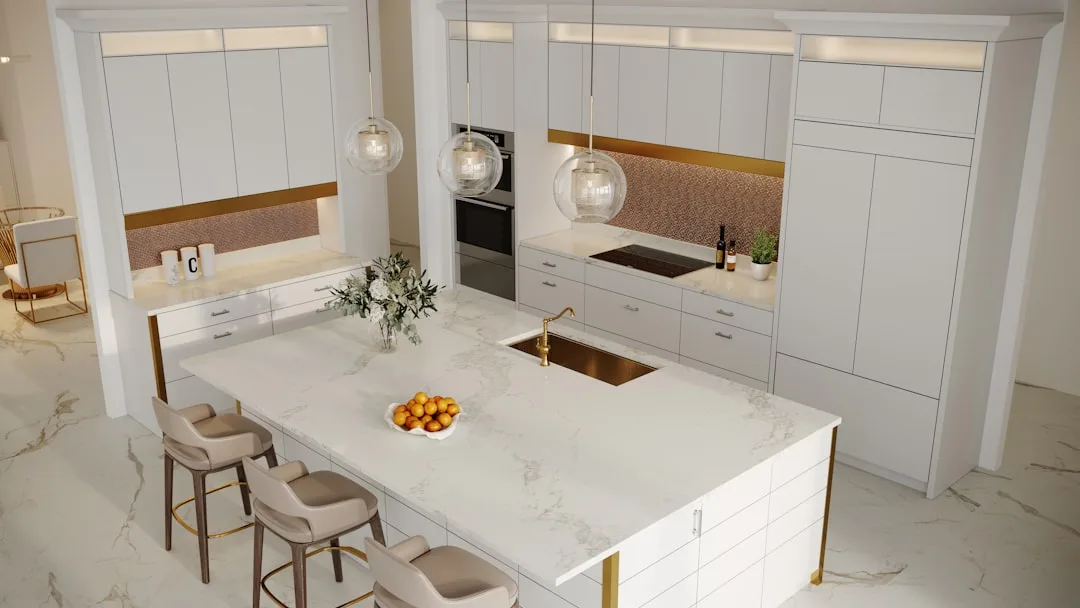
Kitchen cabinetry and open shelving benefit most from bio-based adhesives because off-gassing from UF systems accumulates in enclosed spaces. A 2026 case study from a San Francisco loft renovation showed VOC levels dropped 68% when switching from conventional 3/4″ birch plywood (UF-bonded, $52/sheet) to FSC-certified birch with SoyBond™ adhesive ($67/sheet). Interior designers now spec these sheets as standard for any kitchen or bedroom wall cladding project.
Algae-based adhesives perform exceptionally in high-moisture zones—bathroom vanities, laundry rooms, basement storage—because the starch matrix resists humidity-driven delamination. Greenfaçade’s AlgaResin™ plywood ($71–$84 per 4×8 sheet) has achieved a 15-year durability rating in coastal environments, versus 8–10 years for conventional UF plywood in similar conditions.
Certification and Regulatory Recognition Accelerating Adoption
By May 2026, bio-based adhesive plywood earned recognition from the Forest Stewardship Council (FSC) and Cradle to Cradle Materials Innovation Institute under revised standards that explicitly reward formaldehyde-free manufacturing. Builders and architects targeting LEED v4.1, Passivhaus, or Living Building Challenge compliance now require these certifications on plywood specifications.
Weyerhaeuser, the largest plywood manufacturer in North America, announced in Q1 2026 that 60% of its new production capacity will use AlgaResin™ or soy-based adhesives within 24 months. Georgia-Pacific similarly committed to converting three mills to tannin-phenolic bonding by 2027. This supply-side shift removes the 15–20% price premium that previously limited adoption to high-end residential and commercial projects.
How to Specify Bio-Based Plywood for Your Project
Request mill certifications explicitly listing adhesive chemistry and formaldehyde test results—emissions data must come from third-party labs (UL, ASTech, or equivalent), not manufacturer self-reporting. Standard product codes now include adhesive type; for example, “FSC Birch 3/4” Plywood (Soy Adhesive, Non-Detect Formaldehyde)” versus unmarked sheets that default to UF bonding.
For interior wall cladding and ceiling applications (as explored in our feature on 2+ Stylish Plywood Ceiling Сladding Ideas), install bio-based plywood with low-VOC finishes—water-based polyurethane or hard wax oil—to ensure cumulative off-gassing remains below 0.05 ppm. This pairing eliminates indoor air quality concerns entirely.
Pricing remains the decision point for budget-constrained renovations. Bio-based 3/4″ plywood runs $65–$85 per 4×8 sheet versus $48–$62 for conventional UF bonding. For a 200-square-foot ceiling or wall project, expect a materials premium of $600–$800. However, this investment qualifies for tax credits in many jurisdictions (California offers 15% rebates on low-VOC building materials; Canada’s Greener Homes Grant covers up to $5,600 in eco-materials), effectively reducing net cost to 5–8% above baseline.
Interior designers applying these materials in 12+ Fashionable Plywood Interior Wall Cladding Design Ideas consistently report that clients perceive zero difference in aesthetics while appreciating quantifiable health benefits. The trend reflects a market maturation: bio-based adhesives are no longer niche products but logical replacements for formaldehyde-releasing systems in any interior space where occupants spend more than 6 hours daily.