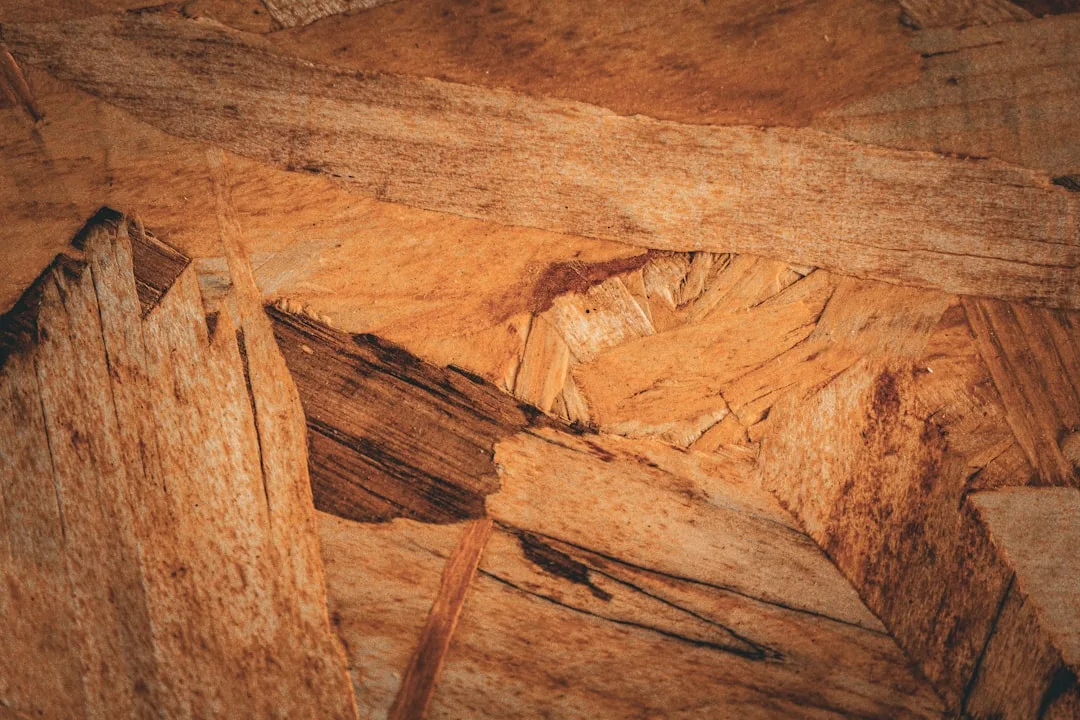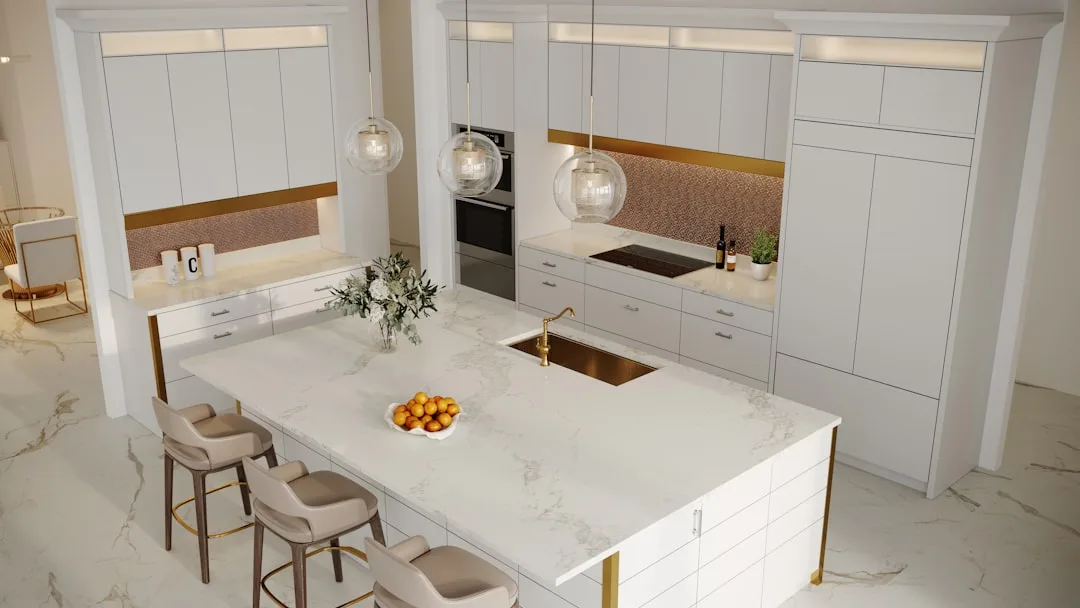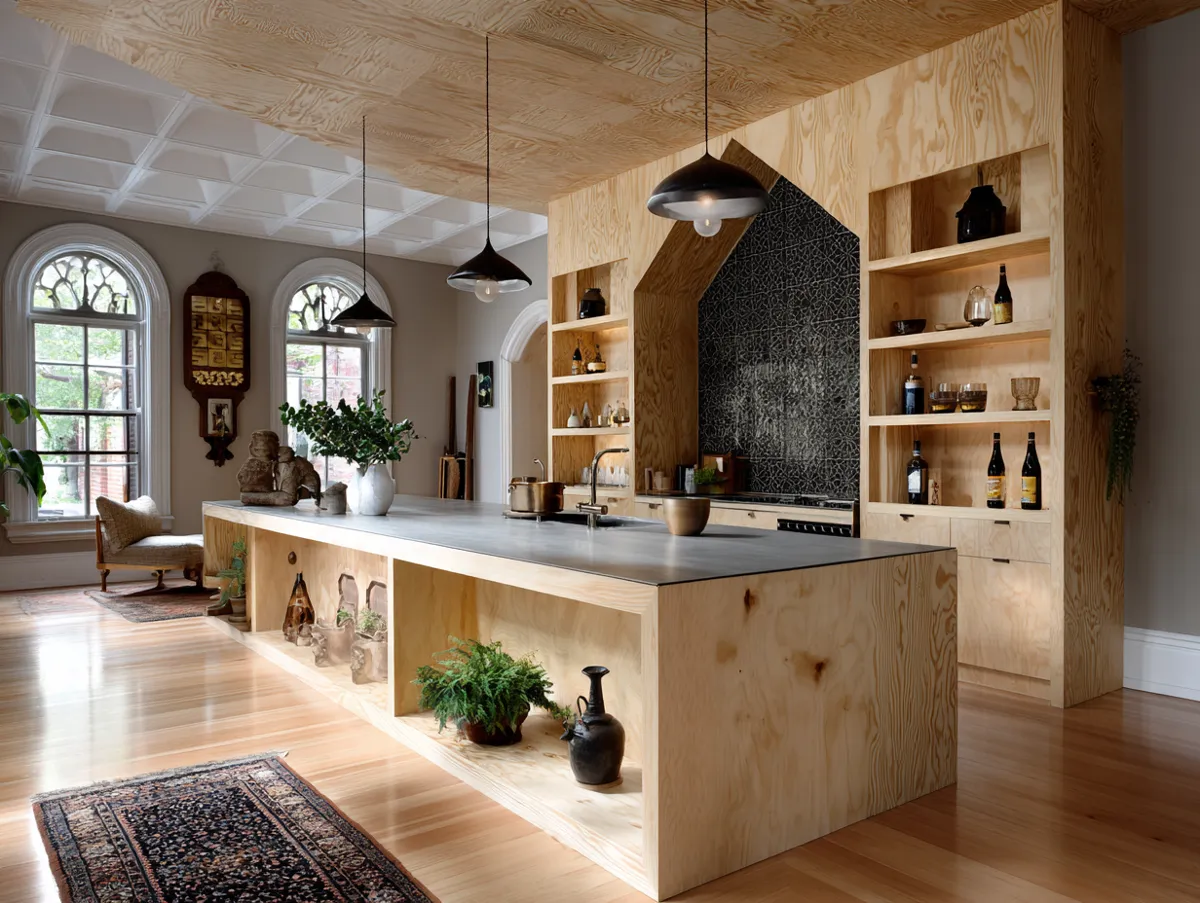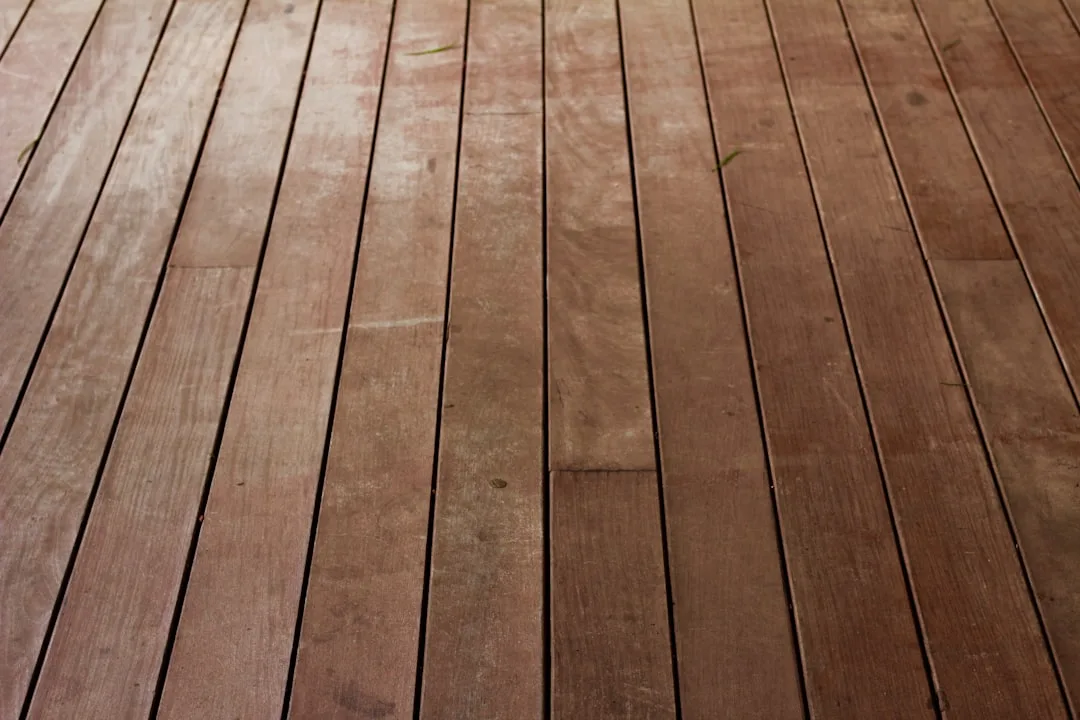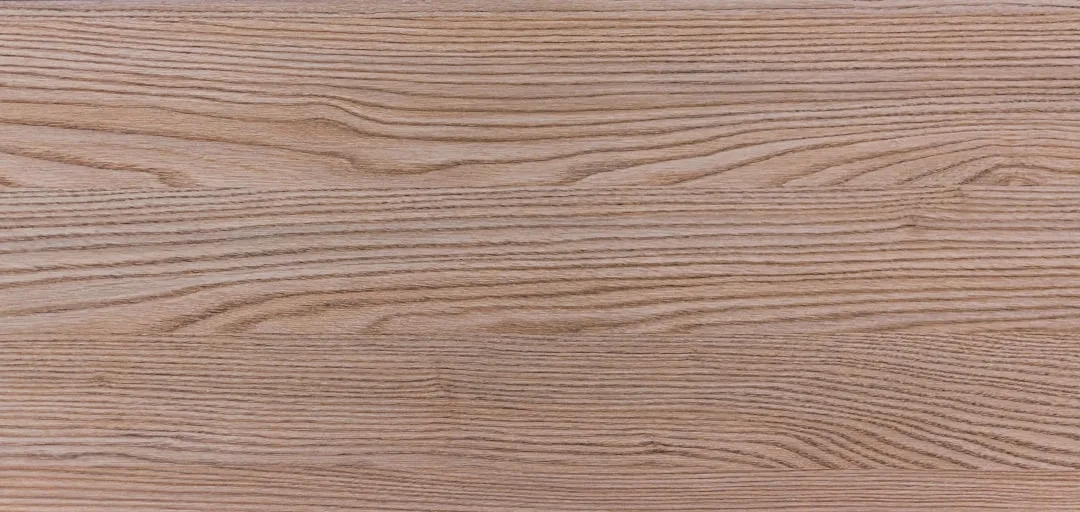
Walk into a high-end showroom in Stockholm or Berlin today, and you’ll notice something striking: raw plywood is disappearing. What’s replacing it isn’t the plastic laminate of 2010, but something far more deliberate—natural wood veneers that expose the actual grain, knots, and color variation of real timber. This shift matters because it fundamentally changes how plywood reads in a room. A veneered plywood surface no longer whispers “budget materials.” It announces intention.
Real Wood Veneers Command 35 Percent Price Premium Over Laminates
Natural plywood veneer finishing has become the default in Scandinavian and Japanese-influenced interiors precisely because quality brands have made it accessible beyond luxury segments. Veneer Systems, the Stuttgart-based specialist, now prices their 2mm-thick walnut veneer sheets at €185 per sheet (roughly $200 USD), versus $45 for plastic laminate—a steep jump, but one that lasts 20+ years without yellowing or peeling. The cost difference evaporates over a decade when you factor in replacement labor and material waste from failed laminate edges.
Why the surge now? Manufacturers have cracked the adhesive problem. Bio-based veneer adhesives (replacing old urea-formaldehyde systems) now cure faster and hold tighter to plywood substrates than they did five years ago, making hand-applied veneers viable for residential production, not just commercial cabinet-makers.
Quick Tips
- Always specify 2mm veneer thickness minimum—anything thinner will sand through when refinished.
- Match veneer grain direction to light source; vertical grain emphasizes ceiling height, horizontal grain widens walls.
- Request pre-sealed veneers to avoid blotching during stain application on softer woods like ash or pine.
- Request moisture-balanced substrate plywood; veneer telegraphing (showing substrate seams) happens on wet or warped cores.
Ash and Walnut Dominate Interior Specifications in 2026
European ash veneer—pale with pronounced figuring—has become the market’s first choice for minimalist interiors and Japanese-inspired spaces. Oasis Wood, the Portuguese veneer mill, now exports ash veneer at $165 per 4×8 sheet, undercutting Italian suppliers who still charge $240. The shift reflects a larger pattern: ash grows abundantly in Europe again after the emerald ash borer threat stabilized, making supply reliable and pricing competitive for the first time since 2022.
Walnut veneers command higher prices ($320–$480 per sheet) but deliver dramatic visual payoff in urban loft conversions and gallery-style spaces. Birkeland & Co, the Oslo distributor, offers Russian and North American walnut options with different color saturation—darker Russian stock for moody statement walls, lighter American walnut for softer accents. A single accent wall veneered in walnut in a 300-square-foot bedroom costs roughly $1,200–$1,500 in materials and professional installation, replacing the same wall in matte paint ($80 material) but creating a focal point that photographs infinitely better for resale or rental positioning.
| Veneer Type | Cost per Sheet (4×8) | Best Application |
|---|---|---|
| European Ash | $165–$195 | Cladding, minimalist walls, ceiling panels |
| Walnut (American) | $320–$395 | Accent walls, cabinetry, feature furniture |
| White Oak | $240–$310 | Doors, shelfing, mixed-material installations |
| Birch | $85–$125 | Budget finishes, commercial interiors |
| Plastic Laminate | $35–$55 | High-traffic kitchens, cost-driven projects |
Hand-Sanded Matte Finishes Replace Polyurethane Gloss Across Luxury Segments
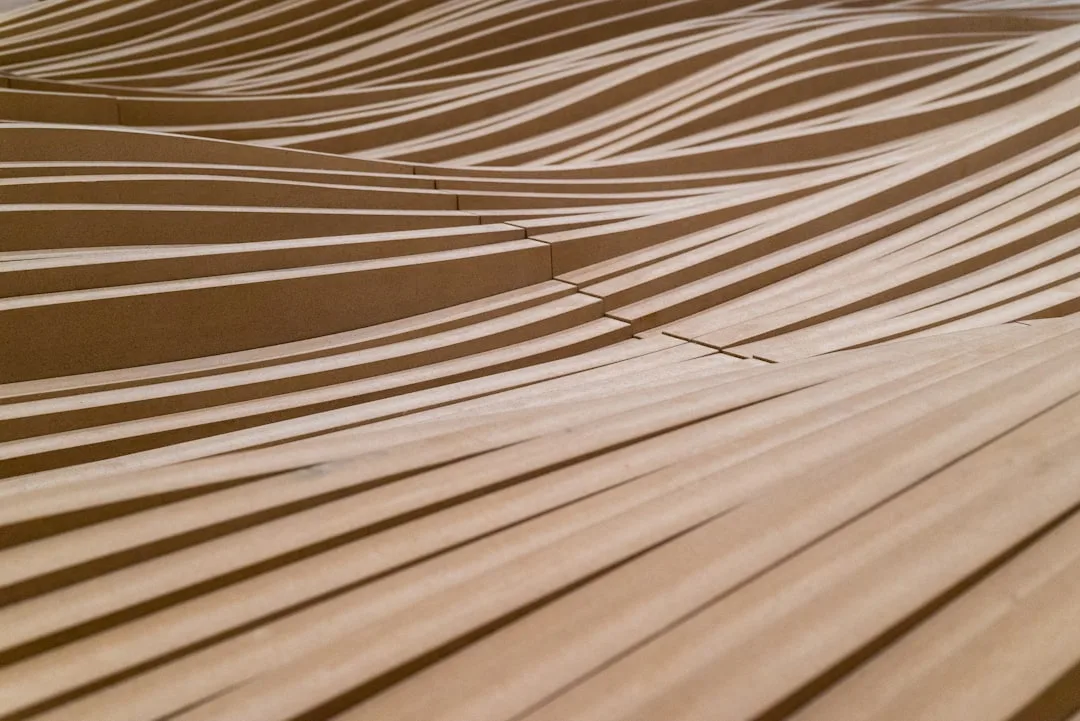
The veneering technique itself is undergoing radical simplification. Instead of the glossy, factory-applied polyurethane finishes that dominated 2015–2020, specifiers now request hand-sanded matte surfaces that expose wood grain texture directly to touch. This isn’t purely aesthetic—it’s tactile. A matte-finished walnut veneer literally invites your hand to move across it, creating a sensory experience that glossy finishes actively prevent.
Häfele, the German hardware supplier, now packages their 2mm veneer sheets with accompanying 120-grit and 180-grit sanding pads designed for on-site finishing ($28 per veneer kit add-on). This means clients can hand-finish veneered panels in their own spaces, controlling the final matte depth and ensuring the finish matches ambient light conditions in their specific room. Contrast this with pre-finished veneer that arrives sealed—it can look flat or mismatched against existing interiors because factory lighting doesn’t replicate residential conditions.
Where Plywood Veneer Finishing Fails: Telegraphing and Substrate Mismatch
The number one failure point happens invisible, under the veneer: substrate moisture imbalance. If your plywood core contains uneven moisture content (common with budget-grade AC or BC plywood), the veneer telegraphs—you see seams, thickness variations, and warp lines through the thin wood layer above. This happened in a Berlin apartment renovation in early 2026 where a designer specified beautiful white oak veneer over standard construction plywood without specifying a moisture-balanced substrate. After eight months, the walnut veneer showed pronounced ridge lines exactly where plywood sheets had been joined. The repair required complete veneer removal and replacement on $8,000 worth of cabinetry.
Always demand specification of marine-grade or moisture-balanced plywood substrates (like Okume or Meranti cores) when veneering, never standard construction-grade. The substrate upgrade adds $60–$90 per sheet but eliminates telegraphing risk entirely. See our earlier piece on 2+ Stylish Plywood Ceiling Сladding Ideas for substrate recommendations in ceiling applications where moisture risk is even higher.
Application Methods Split Between Professional Edge-Banding and DIY Sheet Installation
Most residential plywood veneer finishing follows one of two paths: professional shop application or site-applied sheets. Shop application (where veneer gets applied to precut plywood blanks before delivery) costs roughly $45–$75 per linear foot for edge-banded cabinet fronts but guarantees uniform seam closure and pressure bonding. Site-applied sheet veneering—where large sheets get adhesive-applied and hand-pressed to existing plywood structures—costs $18–$32 per linear foot but requires precision alignment and 24-hour cure times without foot traffic.
The 12+ Fashionable Plywood Interior Wall Cladding Design Ideas article covers installation sequences for large-surface cladding with veneers; the principle applies equally to furniture and built-ins. For DIY projects, Titebond III ($18 per quart) has become the go-to adhesive because it’s water-based, non-toxic, and forgiving of slightly longer open times—critical when you’re hand-pressing walnut veneer across an 8-foot cabinet run without pneumatic clamps.
By 2026, natural plywood veneer finishing isn’t a premium choice anymore—it’s the baseline for any interior where materials show. Budget the veneer upgrade early in any remodel; the visible payoff will anchor every room it touches.