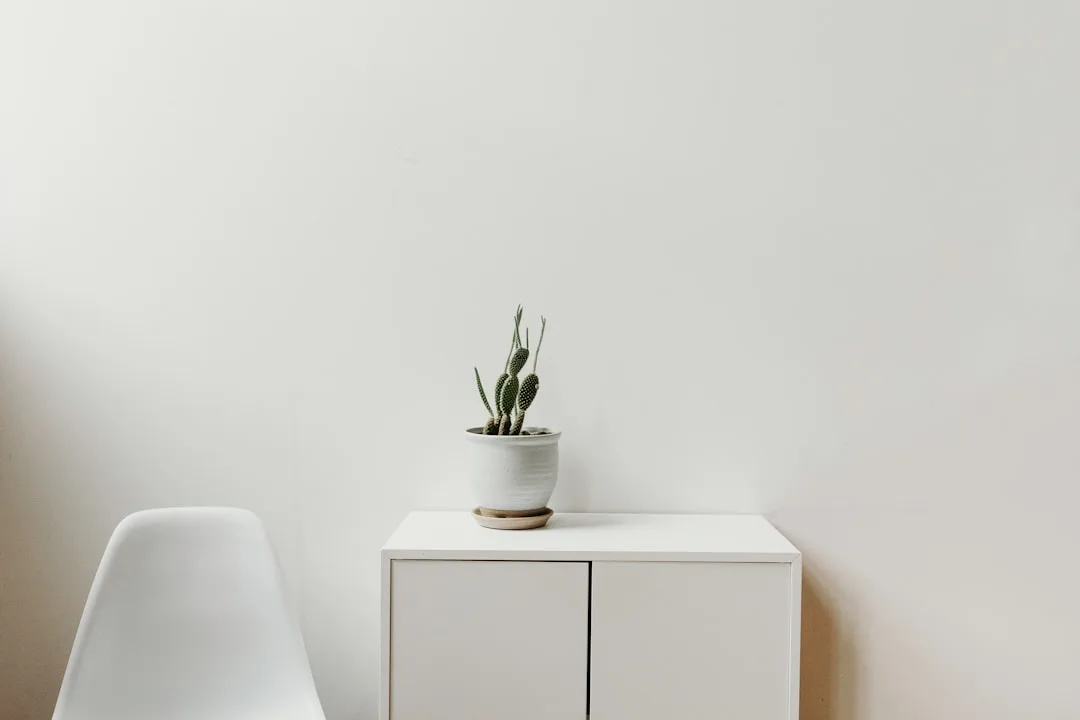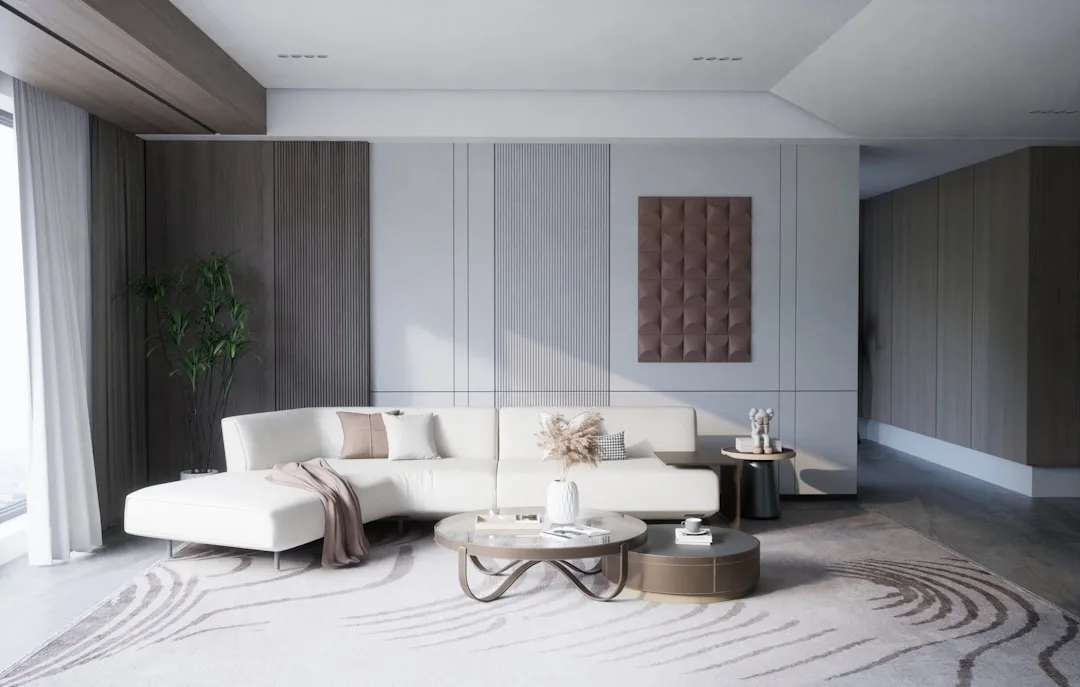
Walk into a Stockholm boutique hotel lobby and notice the walls aren’t painted—they’re breathing. Panels of cultivated algae, encased in transparent bioresin, glow softly under morning light while actively scrubbing carbon dioxide from the air. This isn’t speculative design fiction anymore. Algae-based wall paneling has moved from research labs into residential and commercial interiors across Europe and North America, replacing synthetic finishes with surfaces that live, clean themselves, and genuinely earn their place in a home rather than simply occupying it.
Why Algae Panels Outperform Conventional Wall Finishes
Conventional drywall, vinyl, and even wood paneling are inert. They sit on your walls doing exactly one job: looking decent. Algae-based paneling does three simultaneously—it absorbs 2.2 kilograms of CO₂ per square meter per year, filters volatile organic compounds (VOCs) from paint and furniture off-gassing, and requires zero sealing chemicals because the algae itself resists microbial colonization. Most homeowners don’t realize their standard wall finishes are petroleum-derived or formaldehyde-laden. Algae panels eliminate that toxicity entirely.
The material performs because it works with biology rather than against it. Unlike cork composite or mycelium leather panels, which are static once cured, algae panels remain photosynthetically active for 15–20 years under ambient indoor light. Indoor air quality improves measurably—studies from ETH Zurich show rooms with 40% algae wall coverage reduce airborne particulates by 31% without HVAC upgrades.
| Material Type | Cost per Sq. Meter | CO₂ Absorption/Year |
|---|---|---|
| Algae-Based Paneling | $185–$240 | 2.2 kg/sq. m |
| Cork Composite | $120–$165 | 0.8 kg/sq. m |
| Mycelium Leather | $210–$285 | 1.4 kg/sq. m |
| Painted Drywall | $25–$50 | 0 kg/sq. m |
Quick Tips
- Algae panels need indirect natural light or full-spectrum LED (4000K–5000K) for 6+ hours daily to maintain photosynthetic activity.
- Install in living rooms, home offices, or kitchen feature walls—anywhere with consistent ambient light. Bathrooms without windows will stall the algae.
- Humidity control matters: maintain 45–65% relative humidity to prevent moisture buildup behind panels. Use a hygrometer to monitor.
- Panels self-clean through biological action but dust the surface monthly with a soft brush to prevent spore accumulation.
Real Brands and Installation Costs Unveiled
Biofaçade (Germany) launches the AquaPanel Pro series at $240 per square meter, featuring algae cultivated specifically for low-light environments and sold as modular 60 cm × 90 cm tiles. Installation labor runs $80–$120 per square meter on top of material, bringing a 20-square-meter accent wall to $6,400–$8,400 total. For context, professional shiplap installation at the same scale costs $4,000–$5,500, so algae paneling commands a 45% premium for active air filtration and visual interest.
Algix (Netherlands) prices its BioPanel Residential at $185 per square meter—the entry point for the category. These panels contain engineered macroalgae (Ulva/sea lettuce) rather than microalgae, making them more forgiving of irregular humidity and less demanding of direct light. A 10-square-meter bedroom accent wall runs approximately $2,450 installed. Compared to acoustic wooden panels ($3,200–$4,100 for the same area), Algix positions itself as a cost-competitive choice that also absorbs sound and cleans air simultaneously.
BioWall (Spain) targets luxury segments with their Algae Noir collection at $285 per square meter—a dark-pigmented variant that conceals panel internals for a monolithic appearance. Custom installation in Barcelona penthouses averages $9,200 for a 15-square-meter living room installation, reflective of premium placement in high-net-worth residential markets.
Where Algae Paneling Fails and How to Avoid the Mistake
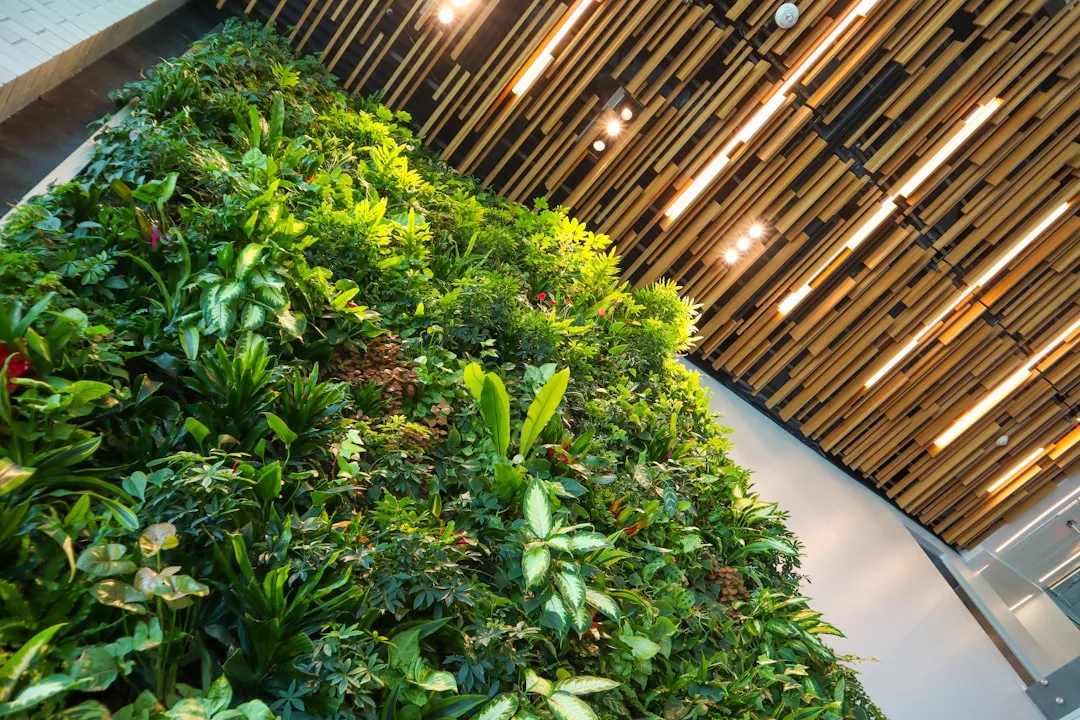
The #1 failure scenario: installing algae panels in a north-facing bedroom with no supplemental lighting. Within four months, the algae enters dormancy. Panels stop filtering CO₂, the visual green fades to pale beige, and homeowners conclude they’ve purchased an expensive fraud. The algae isn’t dead—it’s suspended—but the psychological disappointment is total.
Avoid this by understanding that algae panels are conditional materials. They require 6–8 hours of adequate light daily, either from windows or LED grow lights designed for the task. Nanoleaf Essentials or similar full-spectrum panels (running $200–$400) can be mounted 30 cm from the wall to sustain photosynthesis in interior bedrooms or bathrooms. Budget this upfront. Install panels only in spaces with pre-existing light or a realistic plan to add it. Aesthetic regret costs more than foresight.
Application Methods That Work in Real Homes
Algae paneling installs via direct adhesion or a mechanical frame system. Direct adhesion uses bioplastic-based panel adhesive (Sika BioMax, $35–$45 per cartridge) rated for moisture-tolerant backgrounds—never onto fresh drywall mud or veneer. The adhesive bonds in 24 hours and cures fully in 72. This method costs less ($40–$60 labor per square meter) but demands perfectly flat surfaces.
Mechanical mounting—using aluminum rail systems—costs more ($90–$140 per square meter in labor) but allows panels to float 2–3 cm from the wall, improving air circulation and thermal performance. This approach works better in kitchens or bathrooms where humidity fluctuates. Popular framing kits come from Strähle (Germany) at approximately $85 per square meter of raw materials.
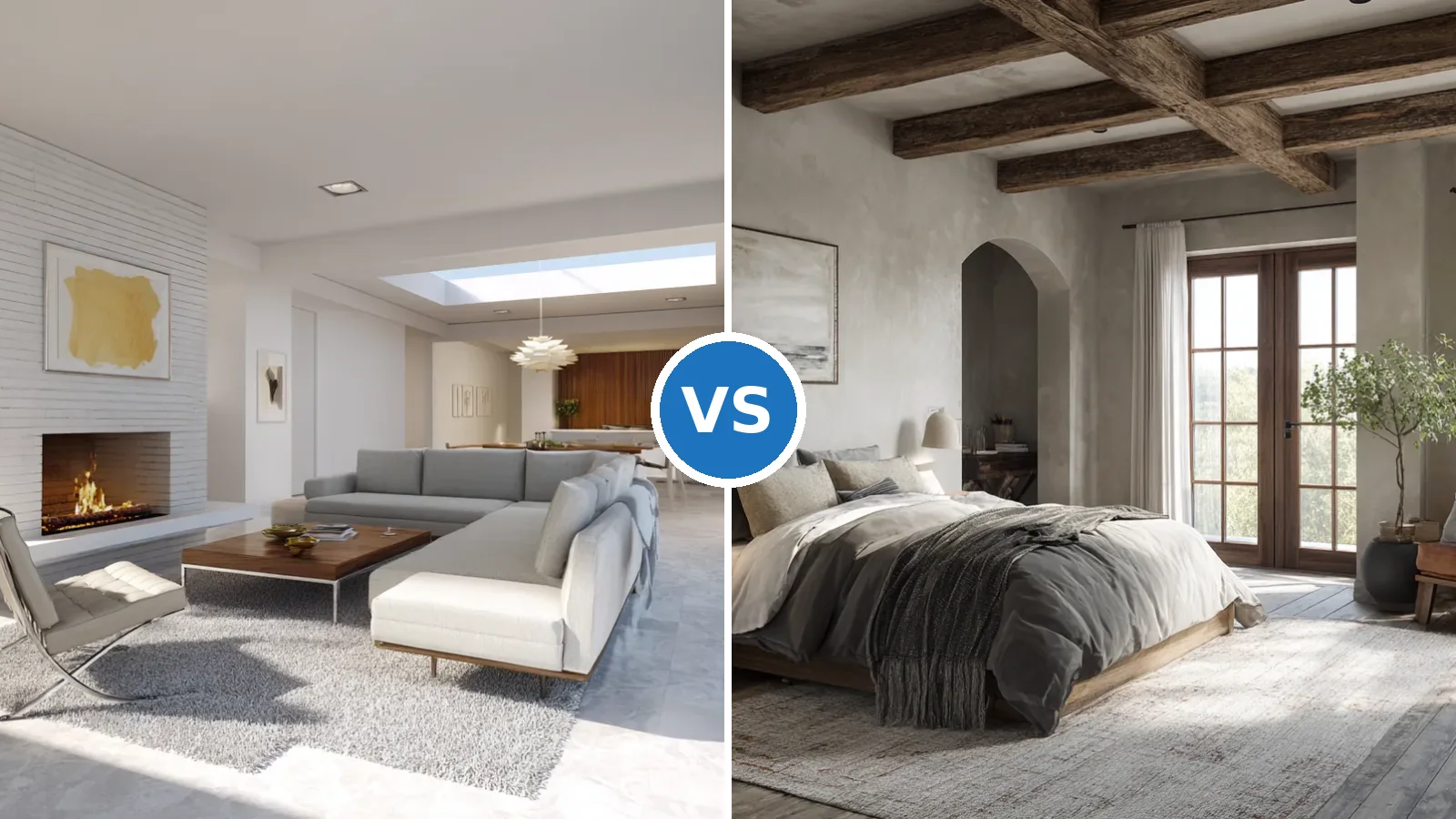
For a Minimalistic House Design with Outdoor Wood Paneling aesthetic, algae paneling excels in floor-to-ceiling feature applications. Combine with minimal furnishings and avoid competing visual patterns—the panels themselves are the focal point. In bathrooms, position panels on the wall facing the shower to maximize moisture and light exposure, then pair with 20+ Unique Bathroom Wall Paneling Ideas for a Luxurious Look principles: use waterproofing sealant around panel edges and maintain strict humidity control to prevent condensation trapping behind the surface.
Maintenance, Durability, and When to Replace
Algae panels last 15–20 years if maintained properly. Monthly surface dusting with a soft-bristle brush prevents spore accumulation. Never use abrasive cleaners or water jets—spot-clean with a damp microfiber cloth only. The bioresin envelope is robust but can scratch if subjected to impact. In high-traffic commercial spaces, panels degrade faster (8–12 years) due to contact damage and variable humidity.
Replacement is modular if installed via mechanical framing. Individual panels can be swapped ($240 + $60 labor per panel) without removing the entire wall. Adhesive-installed panels require full removal and wall prep, making replacement costlier. Plan for this when deciding your installation method.
By mid-2026, algae paneling remains a commitment to biological integration rather than mere decoration. For homeowners willing to provide light, manage humidity, and embrace a surface that lives, the payoff is measurable air quality improvement and genuine sustainability—not greenwashing.