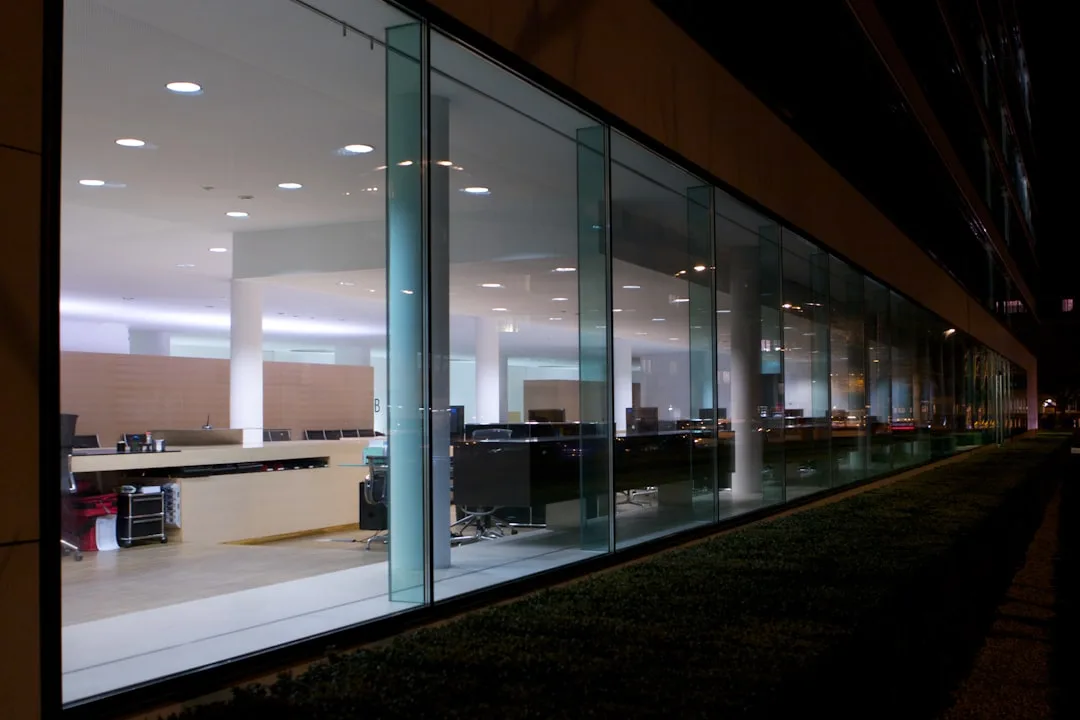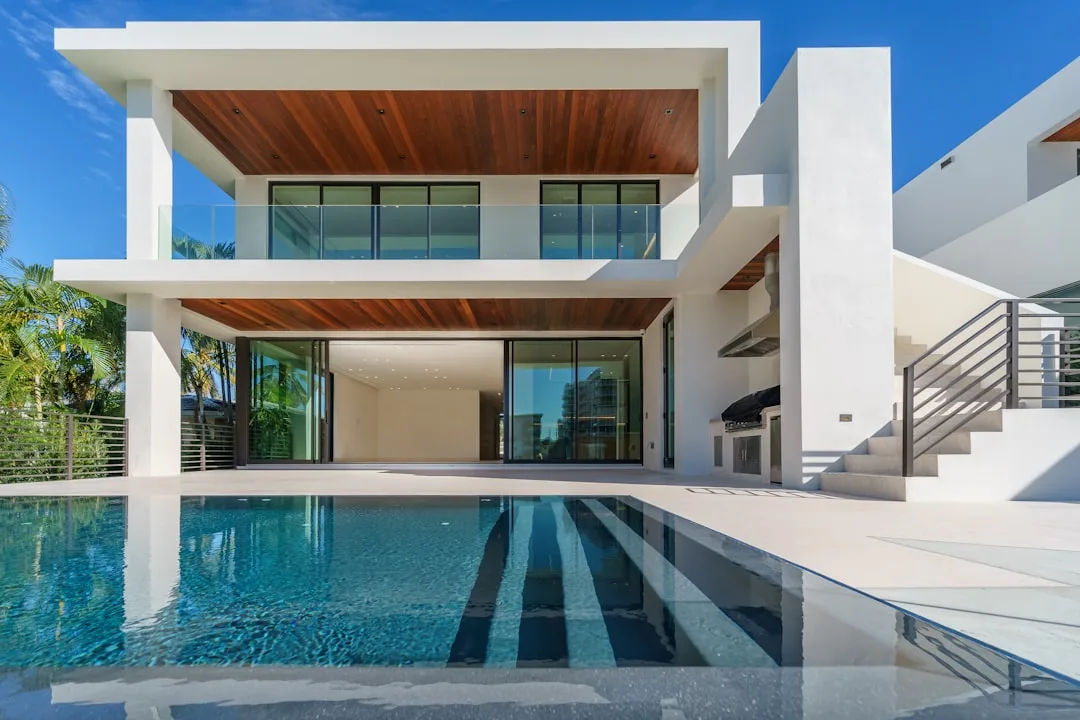
Walk into a home where the window frame vanishes entirely, leaving only uninterrupted glass from floor to ceiling. This is not futurism anymore—it is the defining move in residential architecture in 2026. Frameless glass windows strip away the visual clutter that traditional framing creates, collapsing the boundary between inside and outside. The trend exploded because homeowners discovered that invisible frames deliver what decades of interior design promised: a sense of infinite space. Structural glass engineering has finally matured to make this affordable and safe.
Why Frameless Glass Windows Reshapes Home Value and Perception
The frameless window trend started in luxury residential markets in 2024, spreading rapidly through residential architecture by mid-2025. Ultra-wealthy clients in Malibu, Miami, and Vancouver demanded zero visual obstruction—they wanted unbroken sightlines to ocean views or mountain landscapes. Glass manufacturers responded by perfecting structural silicone sealing systems and tempered glass technology that eliminated the need for heavy aluminum or vinyl mullions. Today, this is not exclusive anymore.
Frameless windows increase perceived square footage by 8–12%, according to spatial perception research from Cornell University’s architecture program. Buyers walk through a home with full-height frameless glass and unconsciously feel the room expands. That perception translates into higher resale value—homes with one full-wall frameless installation command 4–6% premiums in coastal and metropolitan markets. The trend works because it solves a real problem: traditional window frames interrupt sight lines, interrupt light flow, and interrupt the rhythm of modern minimalist interior design.
Quick Tips
- Order frameless windows 8–10 weeks in advance; custom tempering adds lead time
- Pair with automated blinds (motorized roller systems) to control light without visible hardware
- Use structural glass corner mullions only at load-bearing points to maintain the borderless effect
- Budget for professional installation; DIY installation voids tempered glass warranties
- Verify local building codes for safety glass requirements in your region
| Window Type | Frame Visibility | View Clarity |
|---|---|---|
| Traditional Vinyl/Aluminum | Heavy frames (2–3 inches) | 75–80% visible glass |
| Frameless (Silicone-Sealed) | Minimal edge trim only | 95–99% visible glass |
| Structural Frameless | Visible glass mullions only | 90–94% visible glass |
| Hybrid Frameless | Hidden hardware in sills | 92–96% visible glass |
Top Frameless Glass Window Brands and Real Installation Costs
Euroco Frameless Glass Systems, a German manufacturer now available in North America, leads the market with their UltraSlim silicone sealing technology. A single 6-foot-by-8-foot frameless window panel costs $1,200–$1,800 before installation, compared to $400–$600 for traditional framed windows. The price premium covers tempered glass certification, custom silicone injection molding, and structural engineering documentation required for building permits. Installation runs $400–$800 per panel depending on complexity and wall preparation.
Minimal Windows, a California-based company, offers the Borderless Series: prefab frameless units in standard sizes starting at $950 per panel, installed for $2,100–$3,200 total per opening. Their system uses structural glass corner mullions only where code requires them, maintaining 96% visible glass. Polarglass, a Canadian manufacturer, provides the CleanView frameless system at $1,400–$2,000 per panel with integrated tempered insulation—the insulation layer sits inside the glass itself, eliminating thermal bridging that traditional frames create.
Luxe Glass Architects, New York-based specialists in custom residential installations, charge $4,500–$8,000 per opening for full-height corner windows in 10-foot-tall spans. Their pricing reflects engineering complexity: corner installations require precision glass cutting, custom silicone formulation, and structural analysis for wind load and thermal expansion. A full-wall frameless installation (say, 30 feet of continuous glass in a living room overlooking a landscape) runs $18,000–$35,000 installed. That replaces 10–12 traditional window units costing $6,000–$9,000 total—frameless costs more but eliminates visual fragmentation entirely.
Where Frameless Windows Fail and How to Avoid the Mistake
The most common failure with frameless installations is thermal expansion mismatch between the glass and surrounding wall structure. In 2024, a high-end home in Austin, Texas installed a 25-foot frameless glass wall without proper thermal breaks in the concrete frame. During summer, the glass expanded 0.18 inches while the concrete stayed fixed. The silicone seal cracked, and within 18 months, water infiltration caused drywall damage behind the installation. The repair cost $8,500—nearly as much as the original window budget.
The mistake: frameless windows require a structural engineer to model thermal movement in your specific climate zone. If your region swings 40+ degrees between seasons, you need structural silicone rated for high-movement applications—not standard glazing sealant. Always demand a thermal expansion calculation before installation. Many contractors skip this step because it adds $300–$600 to the engineering cost, but it prevents catastrophic failures. Reputable frameless installers include this analysis in their quote automatically; if they do not, find another supplier.
A secondary failure occurs when homeowners pair frameless windows with poor sill design. Water pools on interior sills because frameless installations eliminate traditional sill slopes that guide water outward. Install a sloped glass or stone sill (even subtle 1:12 slope) to manage condensation and accidental spills. Best house windows and exterior window frame ideas cover sill materials in depth, but the frameless trend requires rethinking this detail entirely.
How to Integrate Frameless Windows Into Minimalist and Industrial Spaces
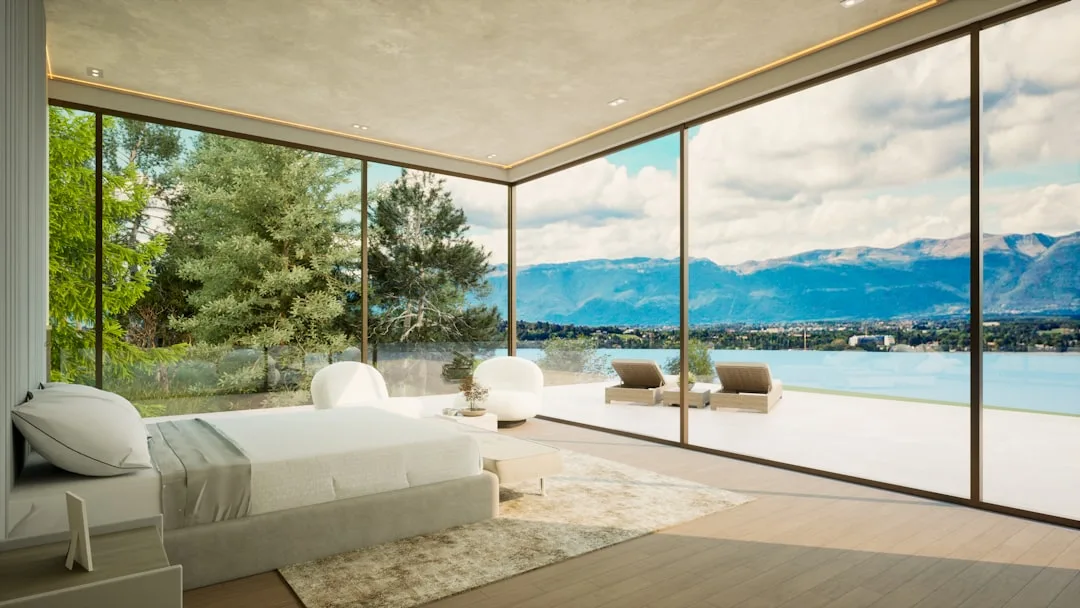
Frameless glass windows anchor minimalist interiors because they eliminate visual noise—no frames to compete with furniture, flooring, or wall color. Pair them with protruding windows in modern architecture to create depth and shadow play. A 12-foot frameless corner window in a white-walled loft intensifies the sense of openness; the glass becomes invisible, and the exterior landscape becomes the primary visual focal point. Color disappears; only space and light remain.
In industrial lofts, frameless systems complement raw concrete and steel by refusing to compete. Install frameless glass across an entire wall to soften the brutalism, or use structural glass mullions that echo the steel beam grid. One Brooklyn conversion project paired a 40-foot frameless wall with exposed brick and concrete floors—the glass bridge between raw interior and manicured exterior garden became the design hero. Frameless works everywhere traditional frames feel intrusive.
The installation timeline matters: frameless windows require 8–10 weeks for custom manufacturing plus 2–3 weeks for professional installation and curing of silicone seals. Plan your renovation schedule accordingly. Most frameless installations happen during mild seasons (spring or fall) because extreme heat or cold during curing affects silicone bond strength. Schedule installation when your climate zone sits between 50–75 degrees Fahrenheit for optimal results.
Maintenance and Longevity of Frameless Glass Systems
Frameless windows require minimal maintenance compared to traditional framed systems, but they demand precision cleaning. The silicone seal edges are visible—smudges and watermarks show immediately on clear edges. Clean frameless glass monthly with microfiber cloths and pH-neutral glass cleaner to prevent mineral buildup on silicone. Never use acidic cleaners or abrasive pads; they degrade the protective coating on silicone sealant.
The silicone lifespan depends on climate exposure and UV intensity. In sunny regions (Southern California, Arizona, Florida), expect silicone resealing every 15–20 years. In northern climates with less UV, seals last 25–30 years. Structural integrity of tempered glass remains essentially permanent—tempered glass does not weaken over time unless physically damaged. If a frameless panel cracks from impact, the entire unit must be replaced; individual glass panes cannot be repaired without compromising the silicone structural bonds.
Insurance costs for frameless windows are identical to traditional windows in most policies, but verify with your provider before installation. Some policies charge slightly higher premiums (1–2%) for glass-heavy installations because total glass area is larger. A full-wall frameless system might increase yearly homeowners insurance by $80–$150, an acceptable trade-off for the design and value gains.