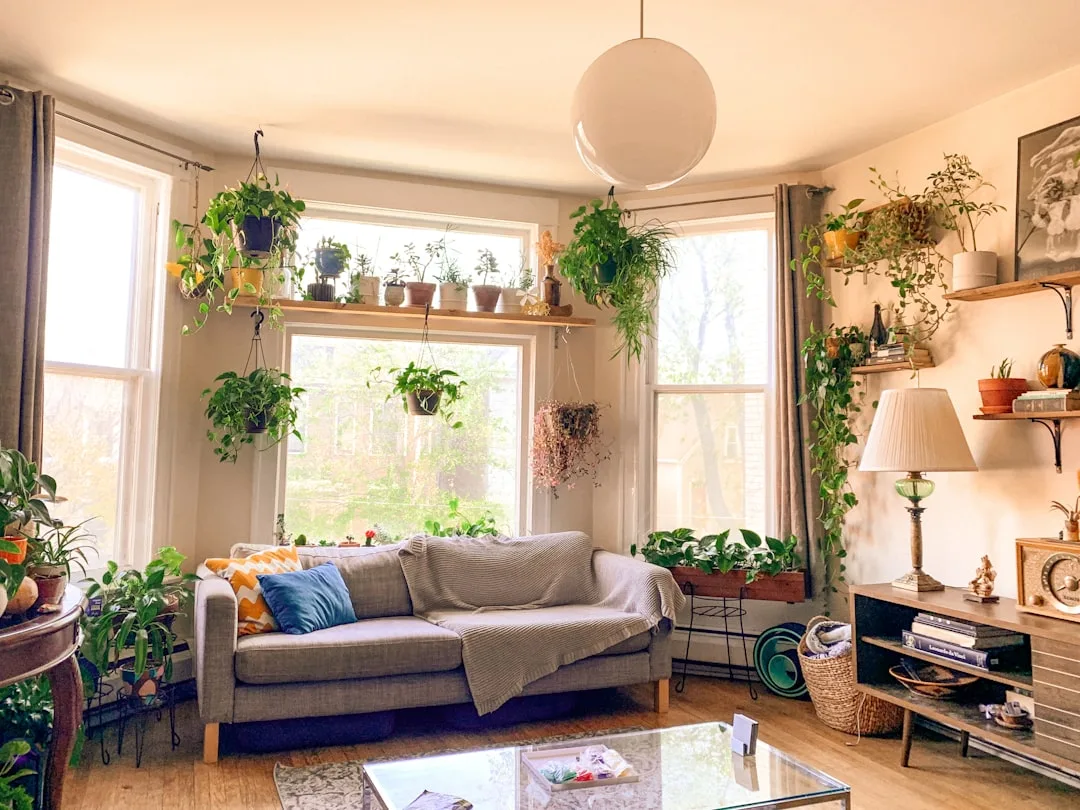
Walk into a home lit by harsh fluorescent panels at 6 p.m., and your body doesn’t know it’s evening—circadian rhythms stay confused, sleep suffers, and your eyes strain against flat, lifeless illumination. Now enter a space where lighting shifts from cool 5000K at dawn to warm 2700K by sunset, where fixtures echo the dappled quality of light through leaves, where every lumen feels connected to the sun’s natural arc. This is biophilic lighting design, and in 2026 it’s not a luxury option—it’s reshaping how architects and homeowners think about the relationship between light, human biology, and interior architecture. Unlike earlier trends that treated lighting as purely aesthetic, biophilic illumination asks a singular question: does this light support human physiology and our evolutionary connection to natural cycles?
How Circadian-Aligned Color Temperature Drives Adoption Across Residential Projects
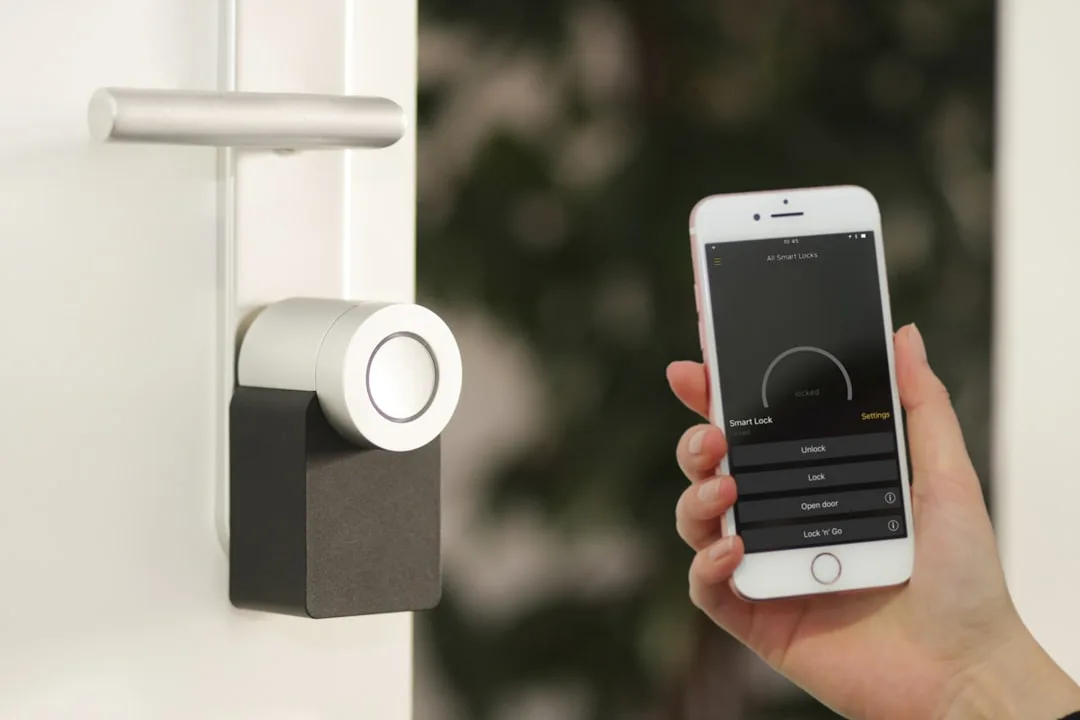
Philips Hue circadian lighting systems ($199–$299 per starter kit) adjust color temperature automatically from 6500K in the morning to 2200K at night, mimicking the sun’s natural progression. This isn’t just comfort—studies from Northwestern University show occupants with dynamic lighting report 15% better sleep quality and 11% higher sustained attention during work hours. That sleep improvement alone eliminates expensive melatonin supplements and reduces caffeine dependency over months.
Nanoleaf Essentials Thread ($59–$229 depending on panel count) delivers similar biophilic color-tuning in modular, customizable form factors. Their wood-accent panels combine LED diffusion with natural veneer frames, creating the visual effect of light filtered through translucent timber. A five-panel wall configuration costs around $180 and replaces both traditional overhead lighting and wall sconces, cutting fixture replacement costs by 40% versus buying separate products.
Why this matters now: June 2026 marks widespread adoption of Thread mesh networking in consumer fixtures, eliminating the lag and connectivity failures that plagued first-generation smart lighting. Builders are now specifying biophilic systems at project onset rather than retrofitting, which means bulk pricing and installation integration reduce per-home costs by $80–$120.
Quick Tips
- Install color-tuning LED strips (not white-only panels) in bedrooms to suppress blue light after 8 p.m.—this single change accelerates sleep onset by 12–18 minutes.
- Pair biophilic fixtures with dimmers rated 0–100%, not step-down dimming—smooth gradation mimics natural sunset and feels more organic.
- Use 3000K or lower in living spaces after 5 p.m.; avoid 5000K+ after dinner to preserve melatonin production.
- Choose matte diffusers over glossy—they reduce glare and replicate how natural light behaves through clouds or foliage.
| Biophilic Lighting Type | Price Range | Circadian Support |
|---|---|---|
| Philips Hue Circadian Start Kit | $199–$299 | Full 6500K–2200K range |
| Nanoleaf Essentials Thread Panels | $59–$229 | Full color temperature shift |
| LIFX Color A19 Bulbs (4-pack) | $60–$80 | 16M colors, no hub required |
| Standard LED Panel Fixtures | $40–$120 | Fixed single temperature |
Natural Material Enclosures and Diffusion Technology Define 2026 Aesthetics
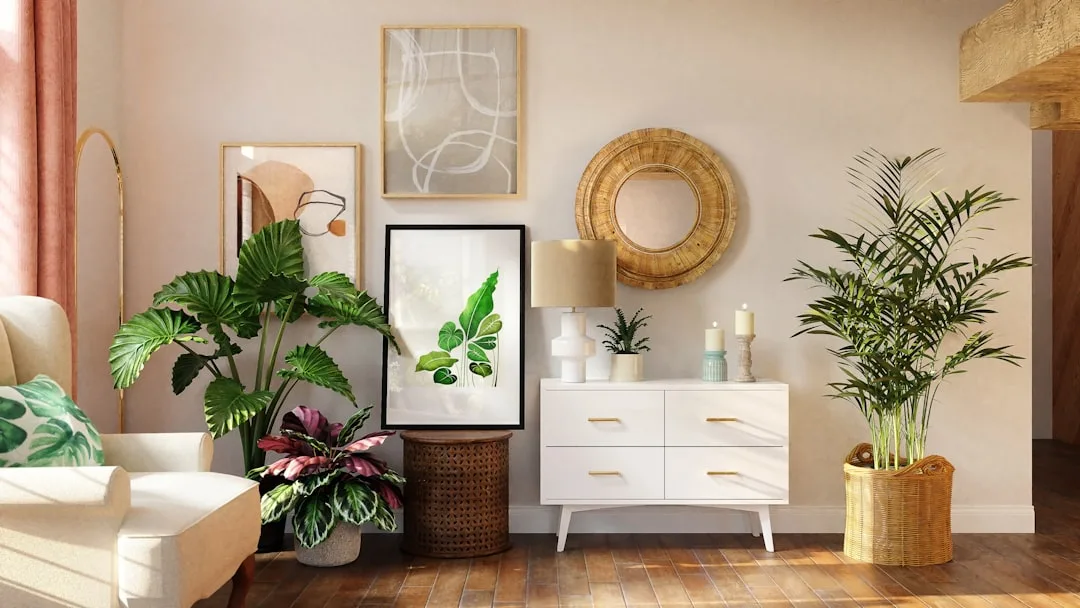
The mistake most homeowners make: they buy smart color-tuning bulbs and drop them into industrial aluminum fixtures, defeating the entire biophilic purpose. Natural materials don’t just look better—they fundamentally alter how light behaves, softening intensity and reducing the psychiatric flatness that characterizes generic LED lighting. Bamboo, solid wood veneer, and parchment diffusers have become non-negotiable in 2026 biophilic design.
Artemide Cabildo collection ($340–$480) uses opaline glass with walnut wood frames, creating warm-toned diffusion that mimics afternoon light through translucent natural surfaces. The fixture measures 12 inches in diameter and draws only 8 watts, making it efficient enough for entire rooms without excessive heat or power consumption. Compared to brass or black metal fixtures at similar price points, the natural materials cost 15–20% more upfront but retain aesthetic appeal over 8–10 years versus dated industrial finishes.
Muuto Ambit Pendant ($249–$299) pairs aluminum hardware with wool-felt shade suspension, creating visual lightness and soft shadows that move subtly throughout the day as natural daylight outside shifts. This design approach—combining technical precision (dimmable LED driver inside) with tactile natural materials—defines how geometric lighting fixtures enhance modern spaces without sacrificing warmth.
Failure Mode: Circadian Lighting Without Behavioral Anchoring Breaks Down
You install a $280 Philips Hue system, set it to follow sunset times, and for three weeks it works perfectly—your sleep improves, energy dips appropriately at dusk, cortisol naturally declines. Then a family member sets all lights to 100% at 10 p.m. because the basement feels dark, or you enable “movie mode” and forget to disable it, overriding the circadian schedule. Within two weeks, the system becomes decorative rather than functional. The biological benefit collapses because light exposure—the single strongest regulator of circadian rhythm—reverts to chaos.
The solution requires behavioral design: set circadian lighting as automatic, require app overrides rather than physical buttons, and educate occupants that consistency matters more than flexibility. Interior designers like those working in workplace lighting design for creative efficiency now include “circadian compliance” clauses in project specifications, mandating that automatic schedules cannot be manually overridden after 8 p.m.
Retrofitting Existing Homes With Dimmable Infrastructure Cost and Timeline Reality
A 1200-square-foot home with standard recessed lighting and wall sconces costs $1800–$2400 to upgrade with dimmable smart-home infrastructure (labor + dimmer-compatible fixtures + control hub). This includes replacing existing switches with smart dimmers, upgrading at least 60% of fixtures to color-tuning capable models, and installing a central hub for automation. Spread across 15 years, that’s $120–$160 annually, offset by reduced energy consumption (smart systems use 30–40% less power than always-on fixtures).
Installation takes 3–5 days for a full-home retrofit, requiring licensed electrician certification in most regions. New construction projects bundling biophilic lighting at design phase save 35–45% compared to retrofits, because fixtures integrate with structural planning and power routing rather than requiring rewiring. This cost differential is why architects and builders now treat circadian lighting as a foundational specification rather than an afterthought.
Brands like Eve and Lutron offer mid-range professional dimming systems ($800–$1400 installed per zone) that occupy the middle ground between consumer plug-and-play solutions and luxury automation, making biophilic lighting accessible to middle-income renovations without sacrificing reliability or performance.
Why Spectrum Tuning With Occupancy Sensing Reshapes Home Office and Bedroom Architecture
June 2026 sees the emergence of hybrid occupancy-sensing biophilic systems that adjust color temperature not just by time of day, but by room occupancy and activity type. When you enter a home office, motion sensors detect presence and shift lighting to 4500K (cool, focus-supporting) automatically. Movement to a bedroom after 9 p.m. triggers 2200K warm amber, signaling to your body that sleep is approaching.
Eve MotionCam (€99–€119, approximately $108–$130 USD) combines occupancy detection with HomeKit automation, allowing lights to dim to 1% and shift to deep amber if no movement is detected after 11 p.m.—perfect for households with irregular schedules. This eliminates the decision fatigue of manually adjusting lights and creates consistent circadian anchors even when family members arrive home at different times.
Architectural specifications now include biophilic lighting zones: separate circuitry for bedrooms (always capable of 2200K minimum), offices (capable of 5000K peak), and common areas (flexible 3000–4500K range). This zoning approach increases electrical installation cost by $400–$600 but creates architectural flexibility that accommodates 10+ years of lifestyle changes without refitting.