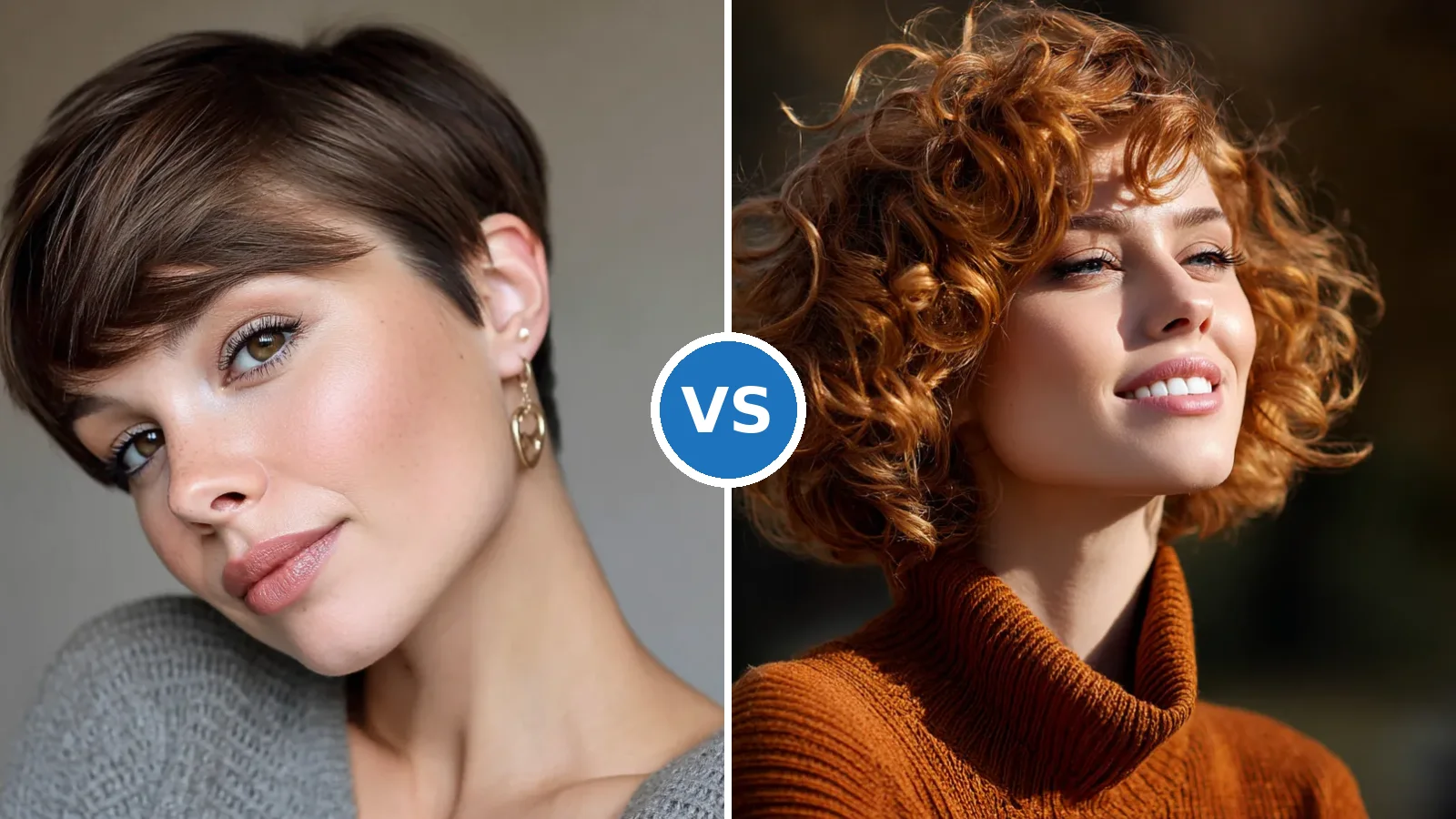
Finding the perfect synergy between your eyewear and your hairstyle is an art form that often goes overlooked. For those who wear glasses daily, the frames are a permanent architectural feature of the face, much like cheekbones or a jawline. The hair, particularly how it sits around the forehead and temples, interacts directly with these frames. A poorly chosen style can crowd the face, get tangled in hinges, or create visual clutter. Conversely, the right shaping can elevate a simple pair of specs into a high-fashion statement. This guide explores specific styling choices that harmonize with eyewear, proving that practicality and glamour can coexist effortlessly.
Soft Curtain Bangs Front Hair Cut for Oversized Frames
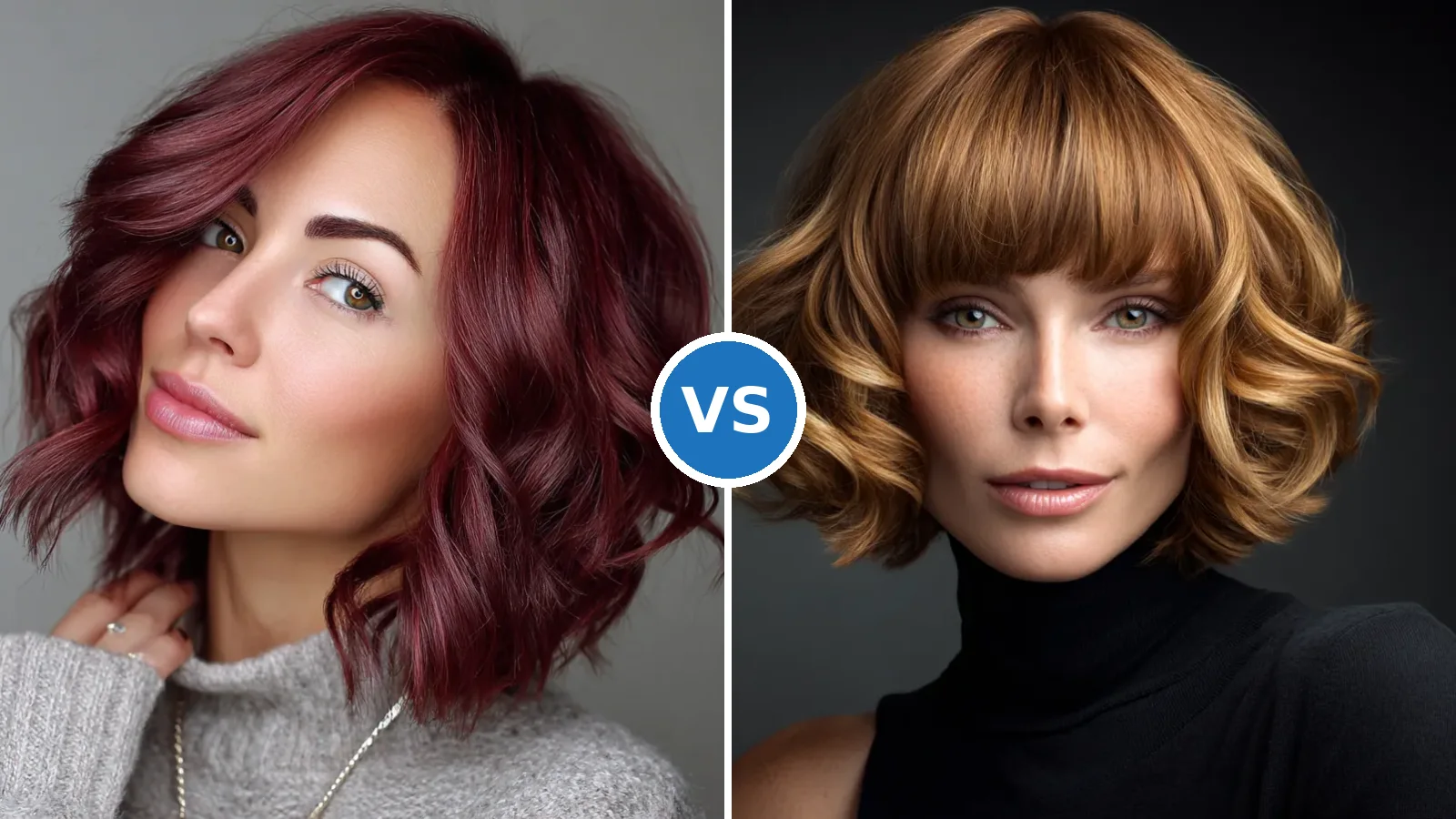
When pairing eyewear with a hairstyle, the primary goal is often to create balance. Oversized frames, which have dominated trends for several years, take up significant real estate on the face. To counter the visual weight of thick acetate or large metal rims, the hair needs to offer movement and openness. This is where the specific technique of a curtain-style front hair cut becomes invaluable. Unlike blunt bangs that might hit the top of the frames and create a boxy, closed-off appearance, curtain bangs part down the middle or slightly off-center, sweeping away to reveal the forehead and the eyes. This creates a window that allows the glasses to shine without fighting the hair for attention.
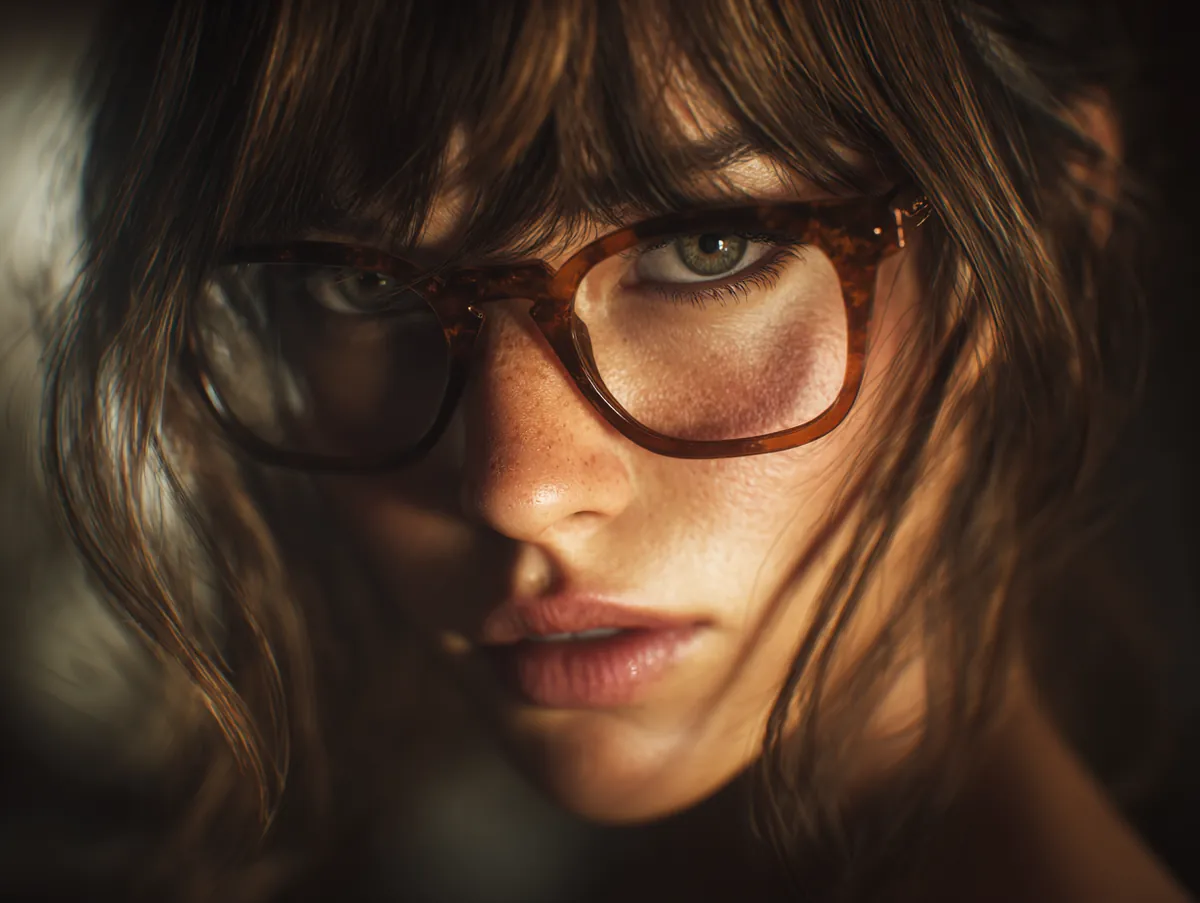
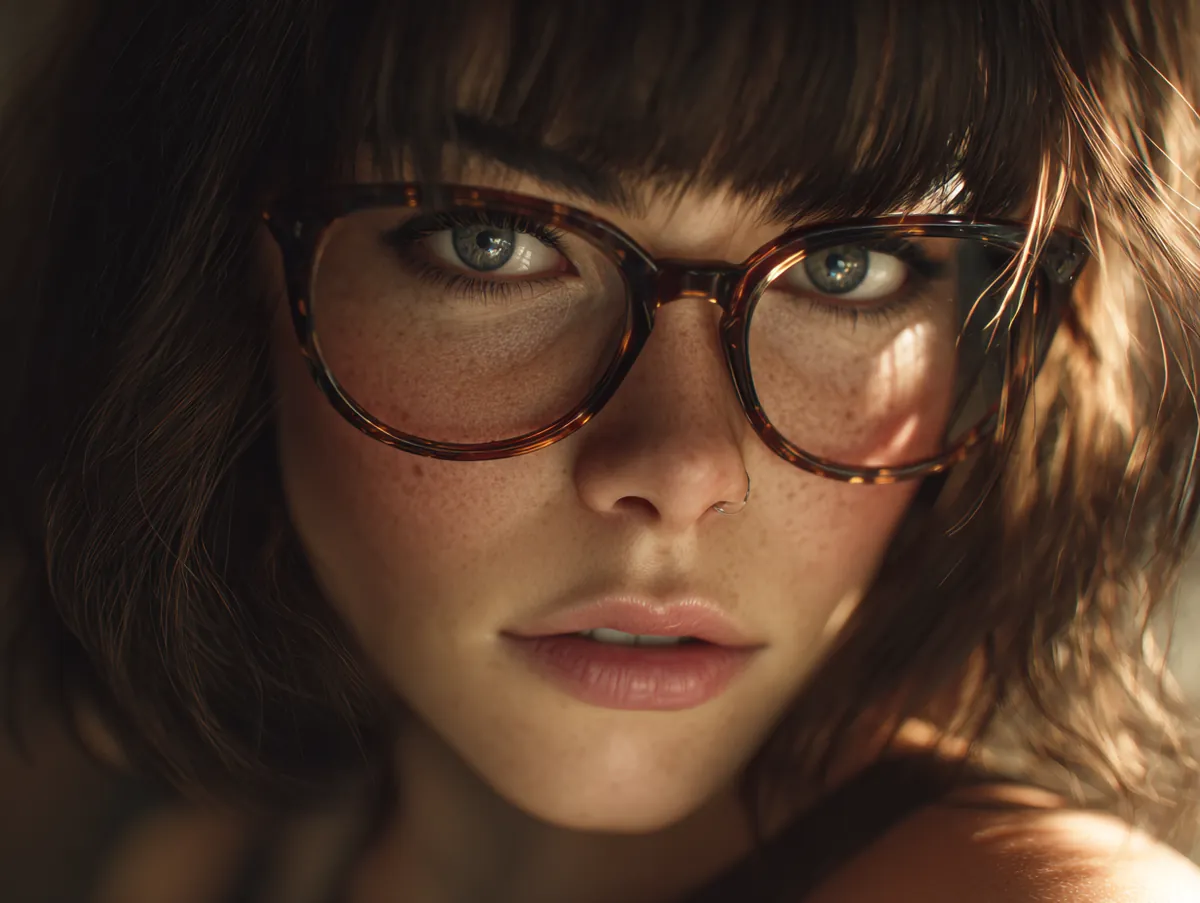
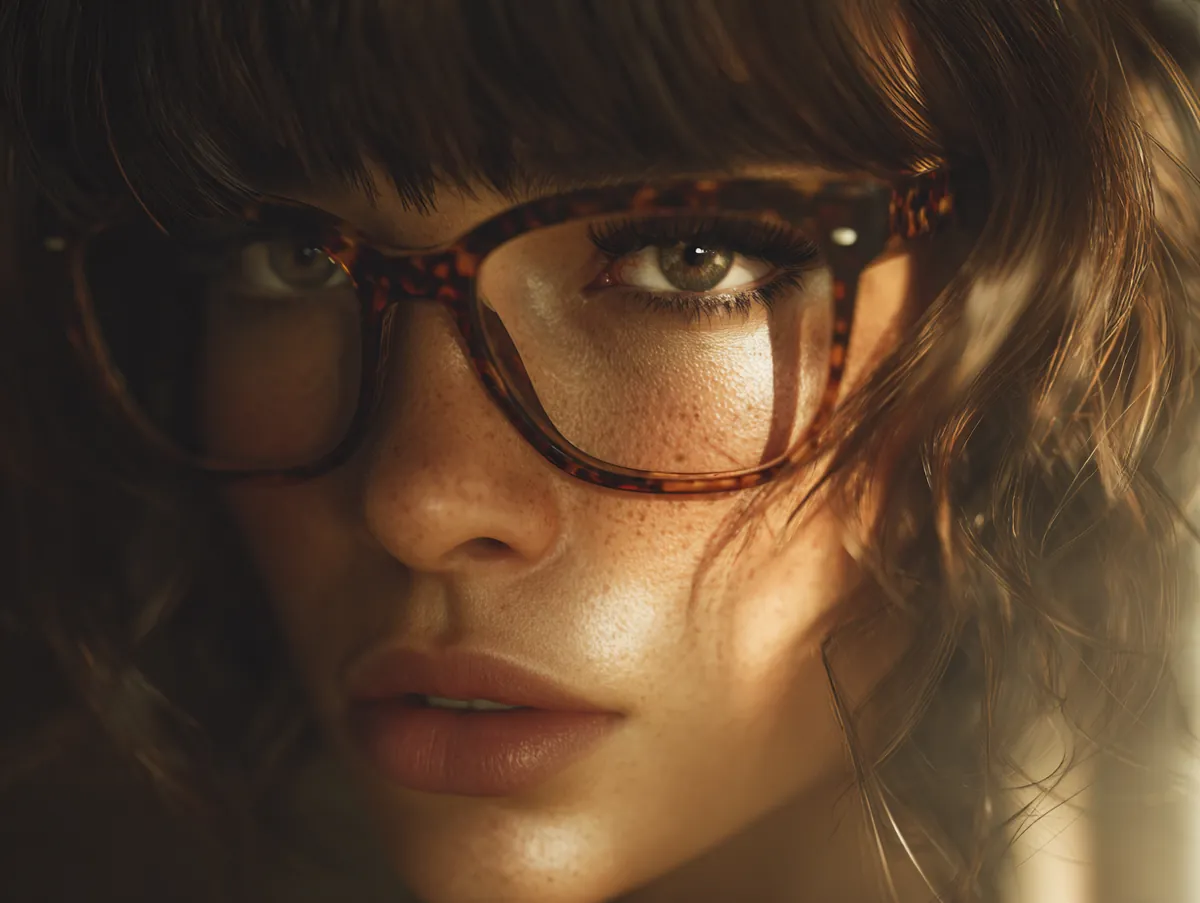
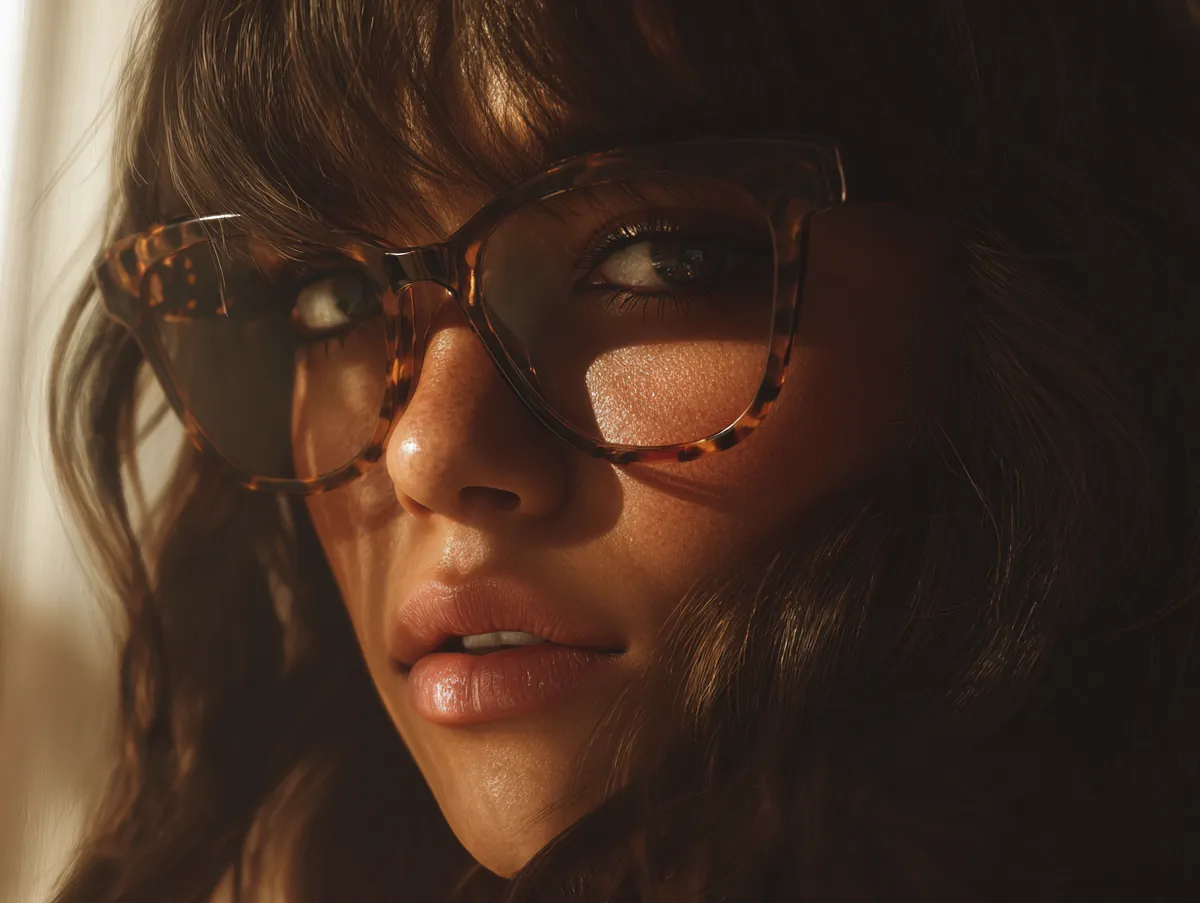
The magic of this particular front hair cut lies in the feathering. A stylist will typically cut the hair shorter near the center of the brow and gradually lengthen it as it moves toward the ears. For glasses wearers, this graduation is crucial. The shortest pieces should ideally sit just above or at the bridge of the glasses, while the longer “wings” of the fringe should cascade past the hinges. This prevents that annoying issue where hair gets caught in the arm of the glasses every time you take them off. Furthermore, the sweeping motion of the hair softens the often hard, geometric lines of square or rectangular oversized frames. It adds a layer of organic softness to the structured accessory.
Maintenance for this look is surprisingly low-effort, which appeals to those who want to look polished without spending an hour in front of the mirror. Because the cut is designed to be messy and textured, it grows out gracefully. You do not need to visit the salon every two weeks for a trim. As the hair grows, it simply becomes longer face-framing layers rather than an obstruction to your vision. Styling usually involves a round brush and a blow dryer to create that signature “swoop” away from the face. For those with natural waves, simply air-drying and tucking the damp hair behind the ears (over the glasses’ arms) can set the wave pattern perfectly for the day.
Another aspect to consider is the interaction of color and texture. If your glasses are dark or bold, keeping the front hair cut airy prevents the face from looking shadowed. Highlights painted specifically on these front pieces—often called a “money piece”—can illuminate the area behind the lenses. This draws attention to the eyes, ensuring they aren’t lost behind the glass and the frames. It is a symbiotic relationship where the hair acts as the spotlight and the glasses as the stage.
Ultimately, choosing this draped, open style is about confidence. It exposes the center of the face while providing the comfort of having hair around the perimeter. It works exceptionally well for round and oval face shapes, as the parting elongates the facial structure. If you are hesitant about committing to full bangs but want to change your look, this approach offers the perfect middle ground. It is versatile enough to be pulled back into a ponytail while leaving the soft front pieces loose to frame the eyewear, creating a look that is both studious and effortlessly chic. The front hair cut serves as the perfect accessory to your accessory, creating a cohesive aesthetic that feels intentional rather than accidental.
Edgy Micro Fringe Front Hair Cut with Wire Rimmed Glasses
There is a distinct boldness associated with exposing the forehead and eyebrows completely, and that is exactly what a micro fringe achieves. This style is not for the faint of heart, but for the creative soul who views their appearance as a canvas. When paired with delicate wire-rimmed glasses, this short, blunt front hair cut creates a striking juxtaposition between the severe line of the hair and the fragile, intricate metal of the frames. This look is often associated with artists, architects, and those in the fashion industry because it signals a deliberate design choice. It says that you are not hiding behind your hair; you are framing your face with architectural precision.
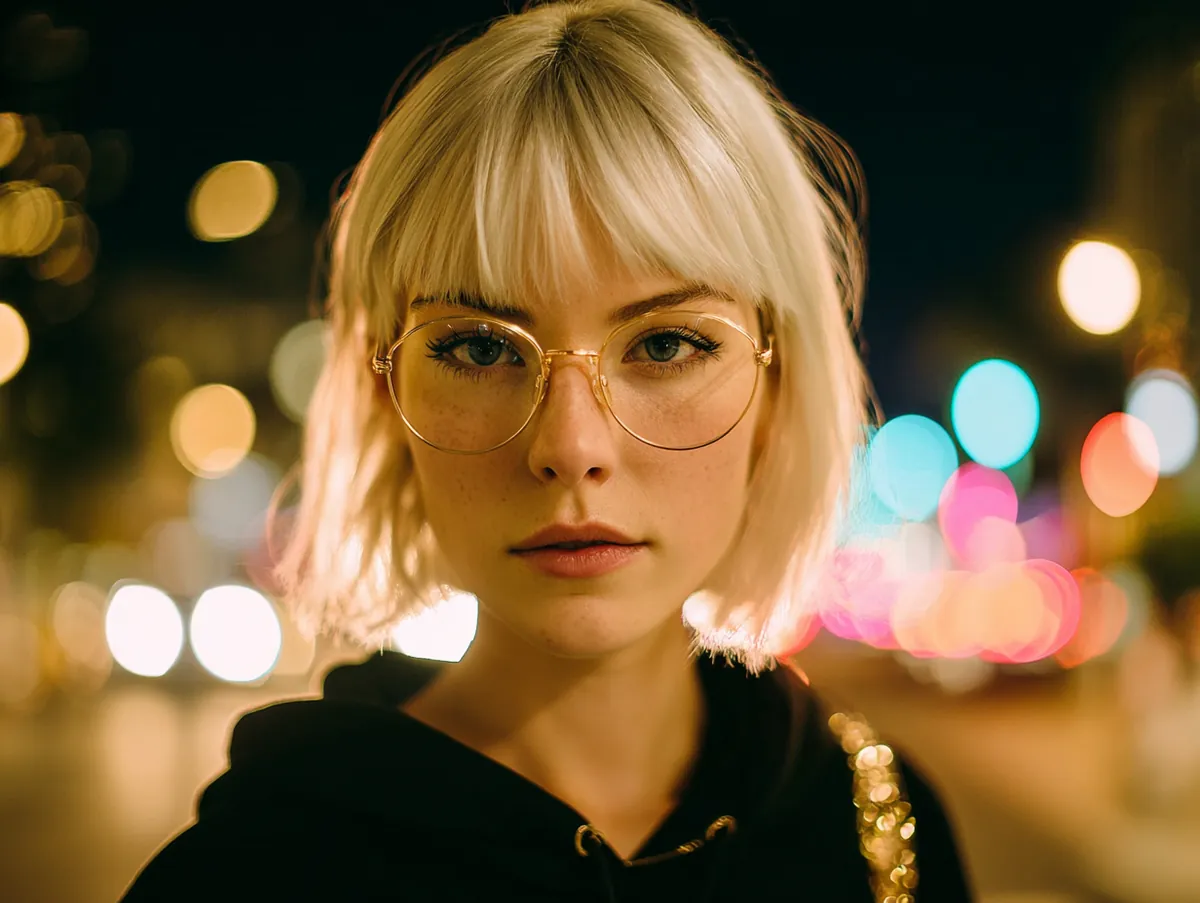
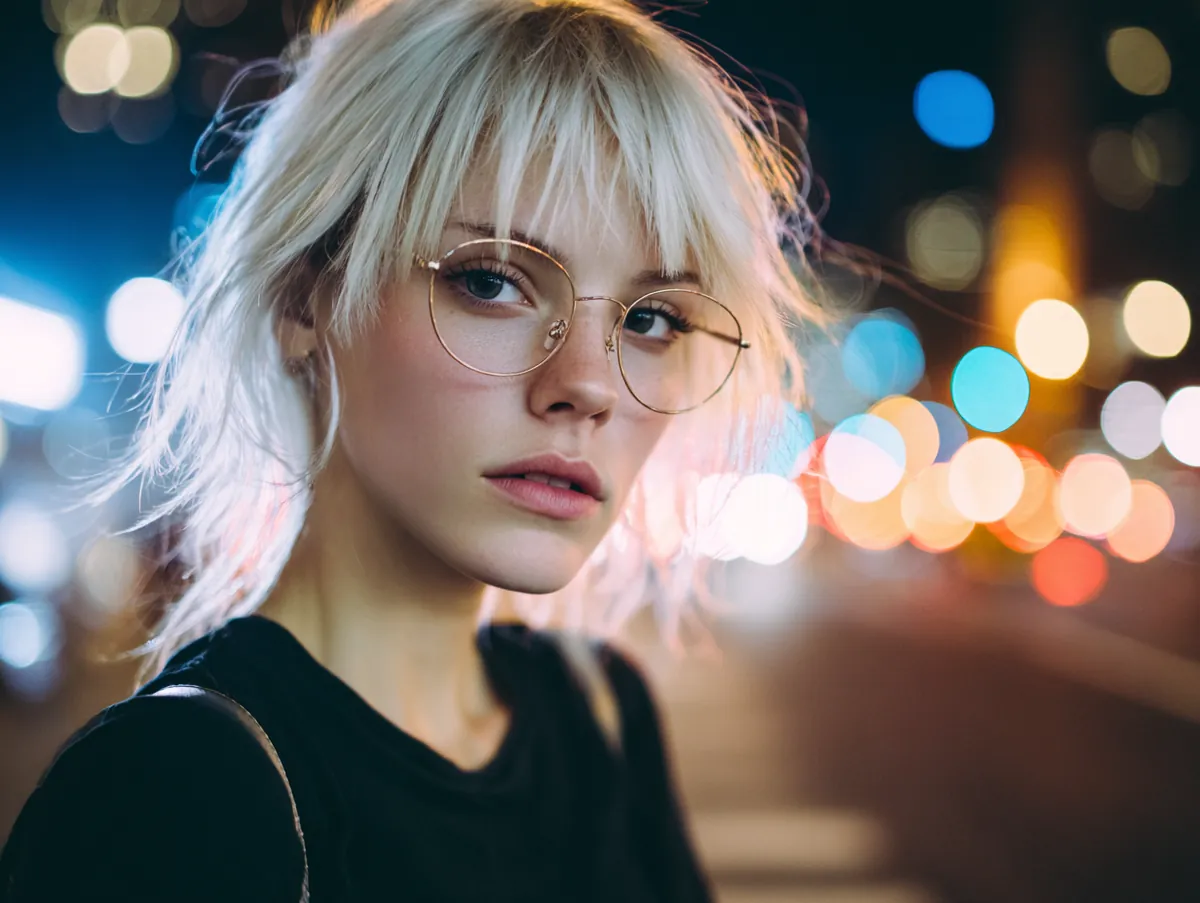
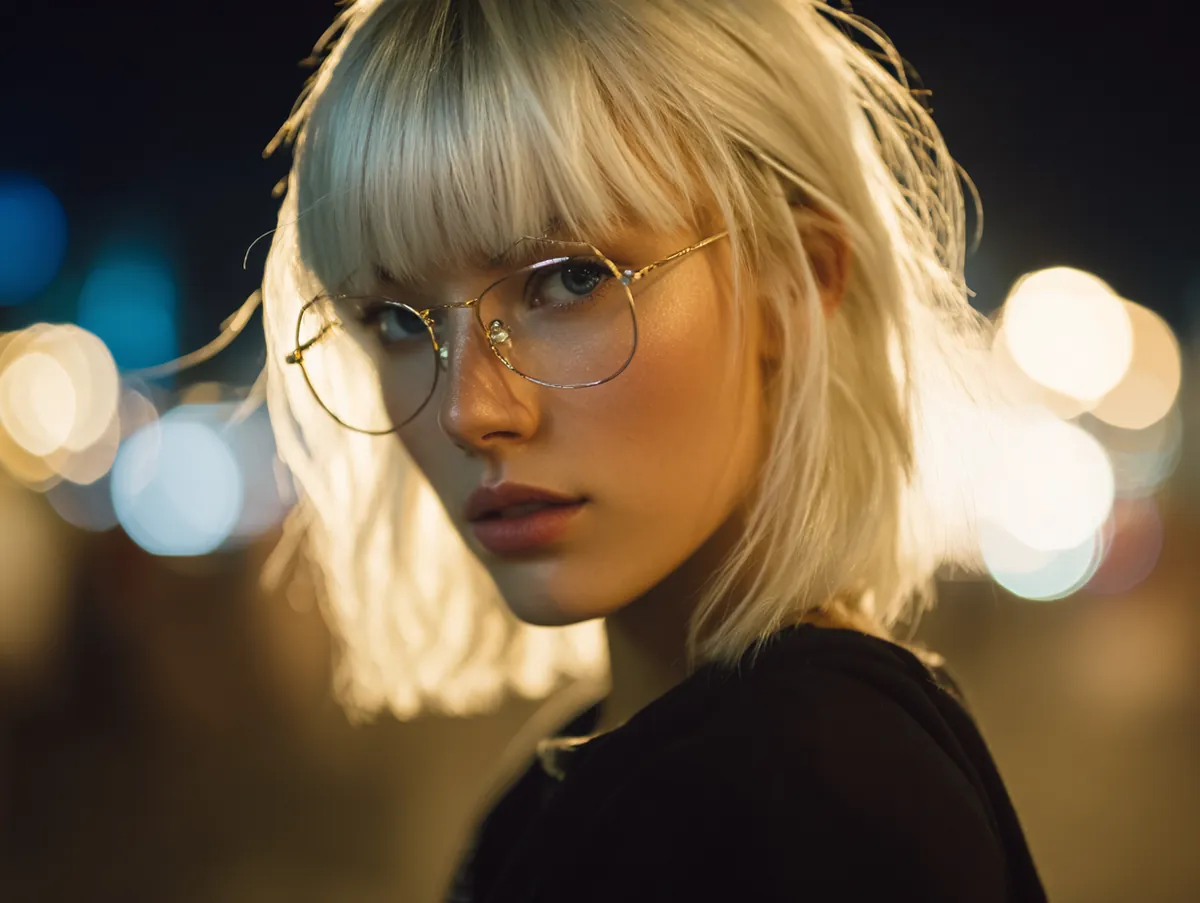
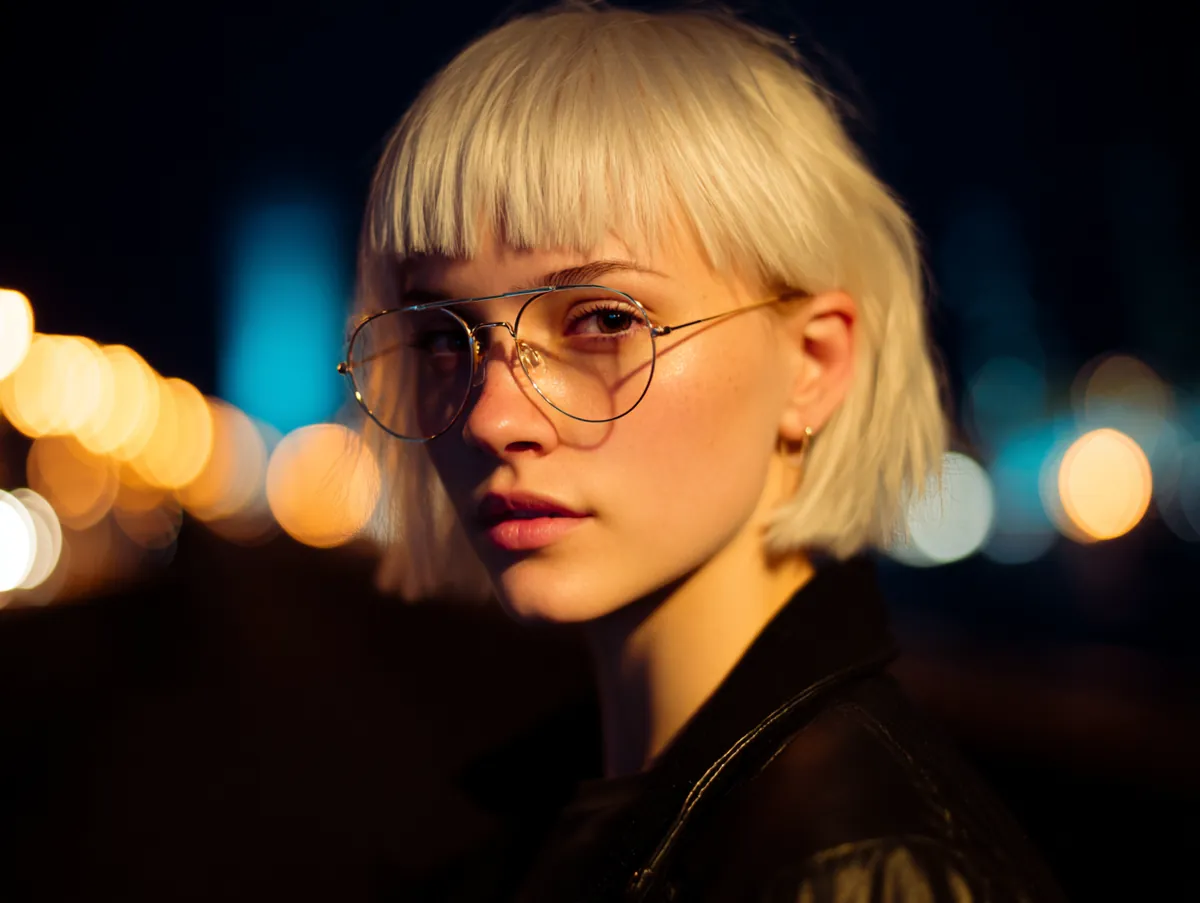
One of the greatest practical benefits of a micro fringe when wearing glasses is the total lack of interference. Standard bangs often fall right onto the lenses, transferring natural oils from the forehead and hair products onto the glass, resulting in constant smudging. With a cropped front hair cut that sits an inch or more above the brow line, your lenses remain pristine. The hair never touches the frames. This separation also creates a visual “breathing room.” The gap between the fringe line and the top of the glasses allows the eyebrows to remain visible. Since eyebrows are essential for non-verbal communication and expression, keeping them exposed makes you appear more open and engaging.
Styling a micro fringe requires a commitment to texture and straight lines. Unlike softer cuts that can be left to air dry, this front hair cut usually demands a flat iron or a small round brush to ensure it lays flat against the forehead. If the hair has a natural cowlick, it must be tamed while wet. However, once styled, it is set for the day. You do not need to constantly sweep hair out of your eyes or adjust it around your temples. It is a set-it-and-forget-it style that maintains its shape from morning coffee to late-night dinners. The combination with wire frames is particularly effective because the glasses do not compete with the hair. Instead, they add a layer of intellectual sophistication to the raw, punk-inspired edge of the cut.
This aesthetic works beautifully with bob cuts, pixies, or even long, straight hair, provided the transition from the short fringe to the rest of the length is handled correctly. A disconnect—where the bangs are short and the sides are long without blending—adds to the edgy vibe. For those with heart-shaped faces, this cut highlights the cheekbones and draws the eye upward. It is a powerful tool for facial balancing. If you have a smaller forehead, a micro fringe can actually create the illusion of more space by establishing a higher hairline visually.
The color of the hair plays a significant role here as well. A solid, block color tends to look best with this geometric front hair cut. Platinum blonde, jet black, or a vibrant copper enhances the graphic nature of the line. Balayage or subtle highlights can sometimes get lost or look messy in such a short space. The goal is clarity and definition. When you look in the mirror, you should see three distinct horizontal zones: the sharp line of the hair, the expressive brows, and the delicate rim of the glasses. It is a trifecta of style that turns a functional necessity—vision correction—into a crucial component of a high-fashion look. This specific front hair cut transforms the wearer, offering a vibe that is simultaneously retro and futurist.
Side Swept Layers Front Hair Cut Complementing Cat Eye Specs
The allure of the side-swept look lies in its asymmetry. Human faces are rarely perfectly symmetrical, and introducing a deep side part with cascading layers can harmonize facial features in a way that center parts sometimes cannot. When you introduce the upward sweep of cat-eye glasses into the equation, you create a dynamic lift that defies gravity. This combination is the epitome of vintage glamour reimagined for the modern day. The cat-eye frame naturally draws the eye upward toward the temples, and a side-swept front hair cut mirrors this movement, creating a continuous line that lifts the cheekbones and tightens the jawline visually.
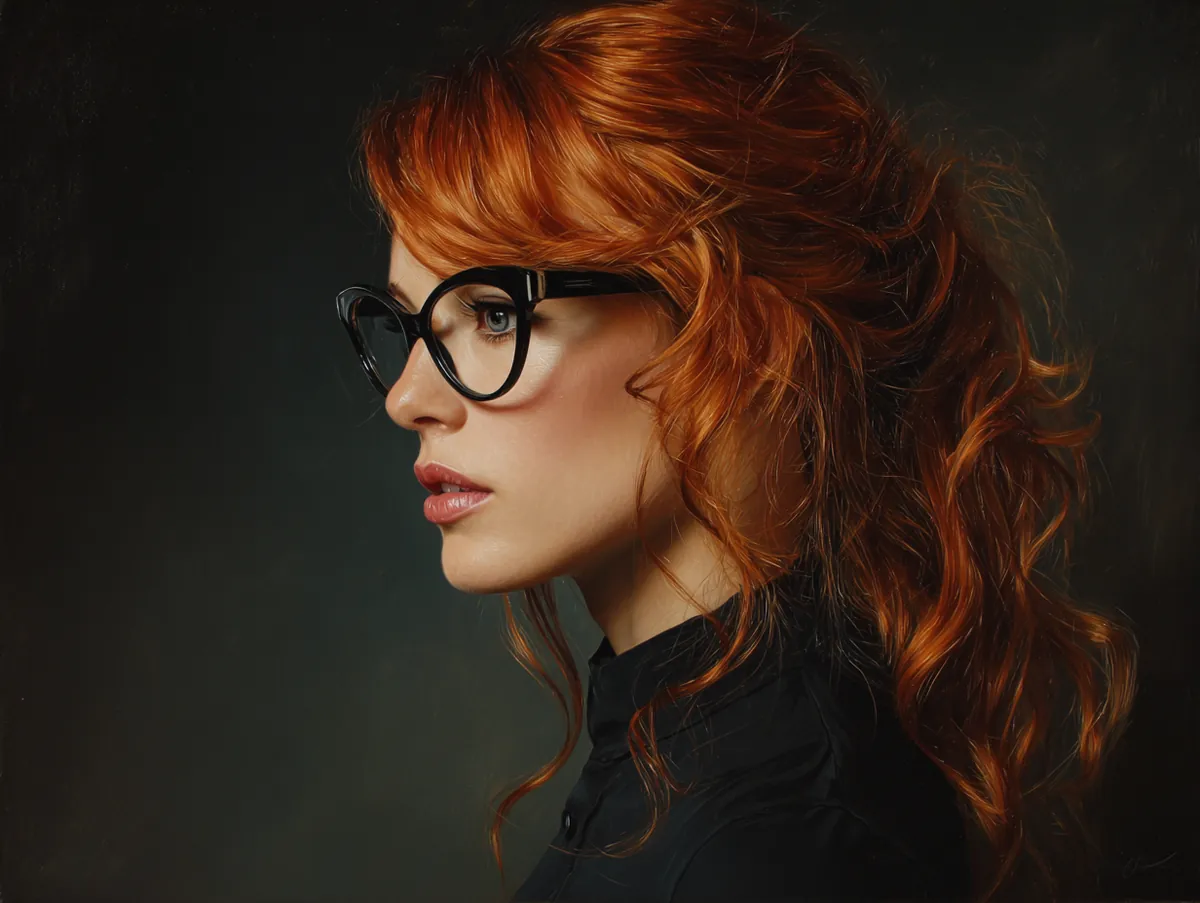
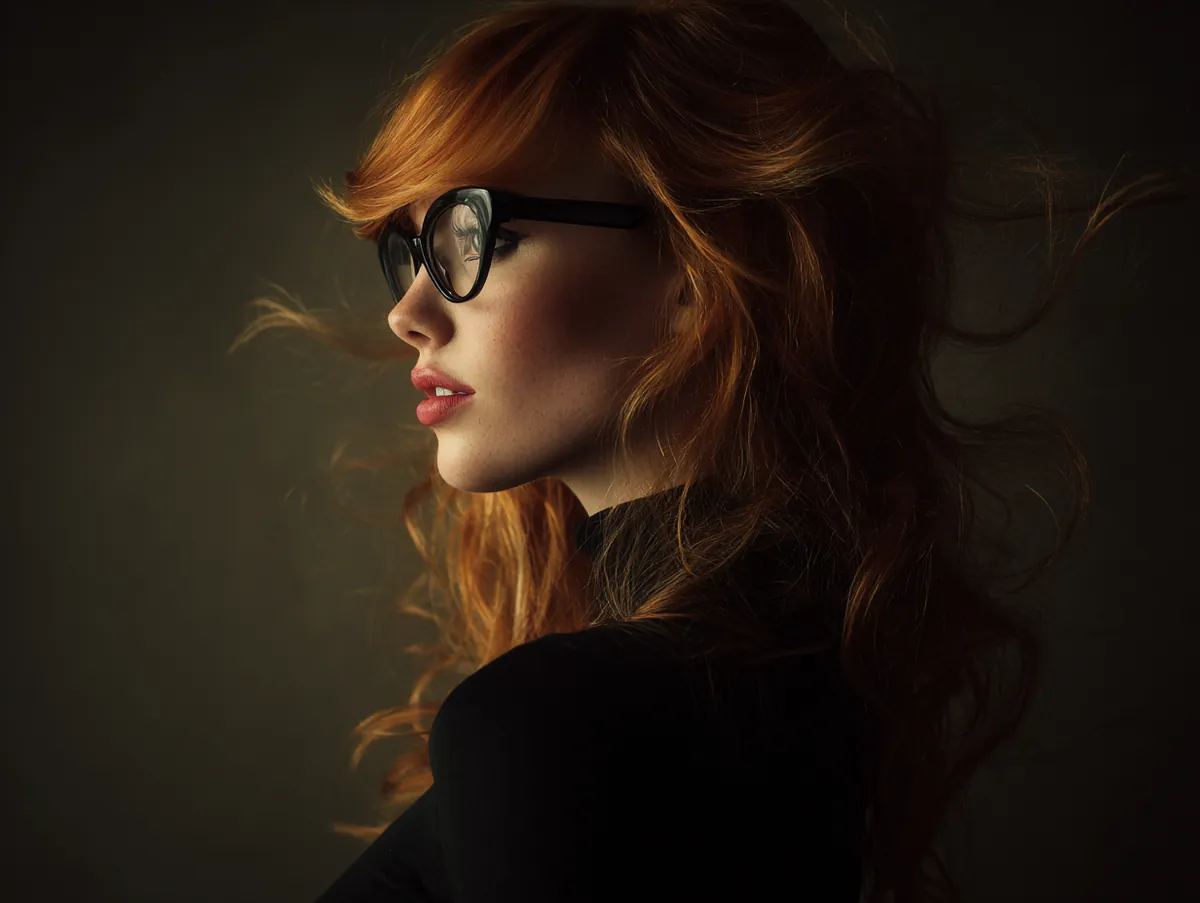
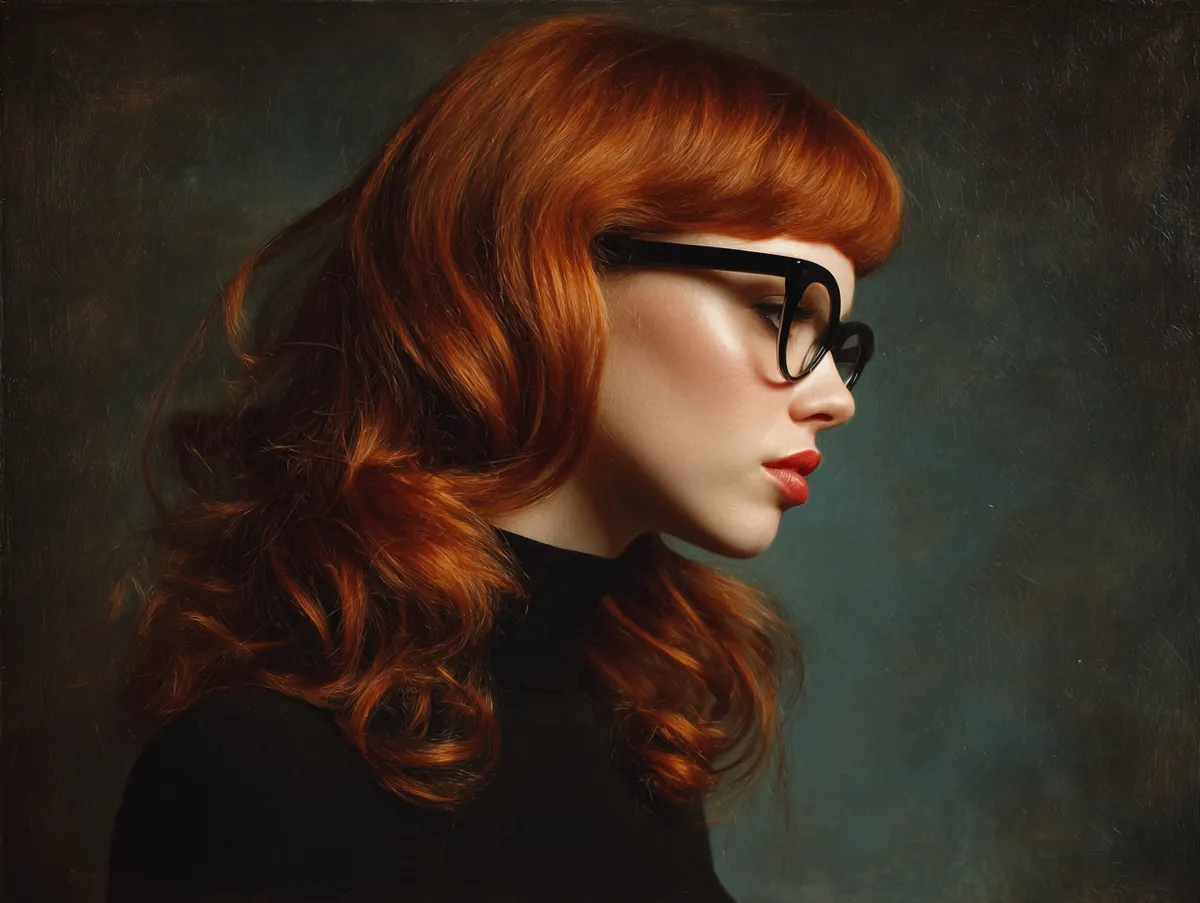
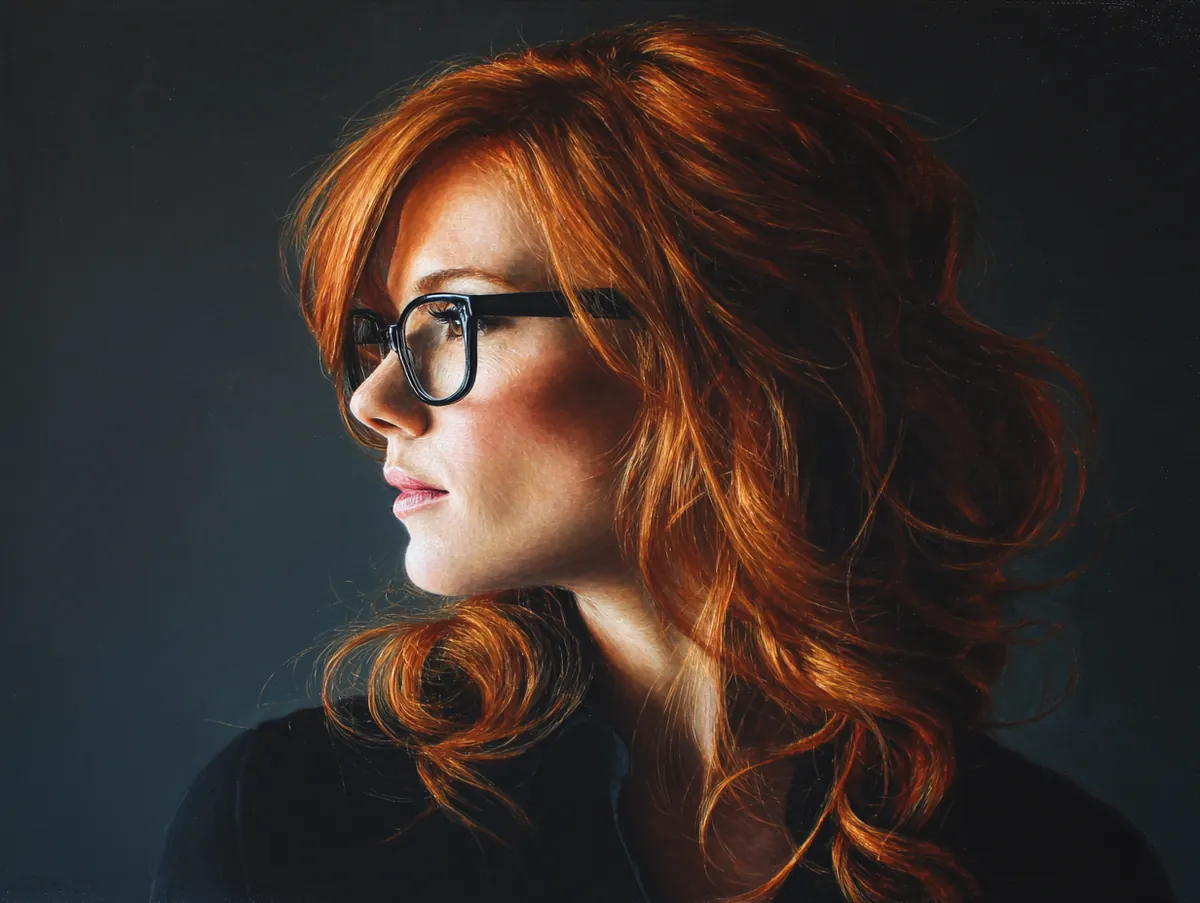
This style is incredibly forgiving and adaptable. Unlike the micro fringe, which requires frequent trims, or the curtain bang, which requires specific blow-drying, side-swept layers can be a bit more relaxed. The key is in the layering. The hair at the front needs to be cut at an angle that allows it to be pushed to one side without falling heavy and flat. It needs volume at the root. When wearing glasses, particularly wide cat-eye styles, it is important that the sweep of the hair clears the outer corner of the frame. If the hair is too heavy, it can push the glasses down the nose. A skilled stylist will texturize the ends of the front hair cut to ensure it feels light and airy, floating over the frame rather than sitting on it.
From a styling perspective, volume is your best friend with this look. A volumizing mousse applied to the roots before blow-drying in the opposite direction of where the hair will eventually lay helps create that coveted lift. Once the hair is flipped back to the correct side, it retains a bounce that keeps it from interfering with your vision. This interaction is beautiful because the hair acts as a veil, revealing one eye more than the other, adding an element of mystery. The glasses then become a peek-a-boo element. The strong arm of a cat-eye frame provides a structural anchor that the soft waves of the hair can crash against.
This front hair cut is also the champion of versatility regarding face shapes. It breaks up the width of a round face and softens the angles of a square face. The diagonal line created across the forehead cuts the length of a long face. It is the universal donor of hairstyles. When paired with glasses, it also allows for playfulness with accessories. Since one ear is often exposed while the other is covered, you can experiment with statement earrings that balance the visual weight of the hair on the opposite side.
Color placement in a side-swept style can add immense depth. Lighter tones woven into the sweeping section can catch the light and emphasize the movement of the hair. If you have darker frames, lighter hair strands near the face prevent the area from looking too heavy or dark. Conversely, if you wear clear or nude frames, a darker root or lowlights in the front hair cut can provide the necessary contrast to frame the face. The goal is to ensure that the glasses and the hair are not fighting for dominance but are working in a tag team to highlight your best features. This timeless approach ensures that you look polished for a business meeting yet glamorous enough for an evening out, all while your glasses sit comfortably and stylishly on your face.