Punk fashion has never truly vanished; it merely evolves, shifting from the safety pinned grit of the 1970s to the polished, high-fashion rebellion we see on today’s streets. At the heart of this aesthetic is hair that refuses to conform. While mohawks and liberty spikes are the historic icons of the movement, the modern interpretation focuses heavily on the anterior section of the head. A stylized, textured, and deliberately uneven fringe or forelock defines the face and sets the tone for the entire look. This guide explores how jagged layers, disconnected sections, and bold styling choices in the front area can transform a standard hairstyle into a declaration of independence.
Asymmetrical Choppy Front Hair Cut With Neon Highlights
The essence of modern punk lies in the deliberate destruction of symmetry. For decades, beauty standards have dictated that a balanced face is the ideal, with hair parted neatly down the center or swept gracefully to the side in equal measure. The asymmetrical choppy front hair cut shatters this rule, creating a look that is visually jarring in the best way possible. This style typically features a fringe that varies wildly in length, perhaps starting near the hairline on one side and cascading down to the cheekbone or jawline on the other. It is a visual slide that draws the viewer’s eye across the face, demanding attention. The “choppy” aspect is achieved not with traditional shears, which create clean blunt lines, but often with a razor. The razor acts as a sculpting tool, slicing through the ends of the hair to remove weight and create jagged, irregular edges that feel organic and raw rather than manufactured.
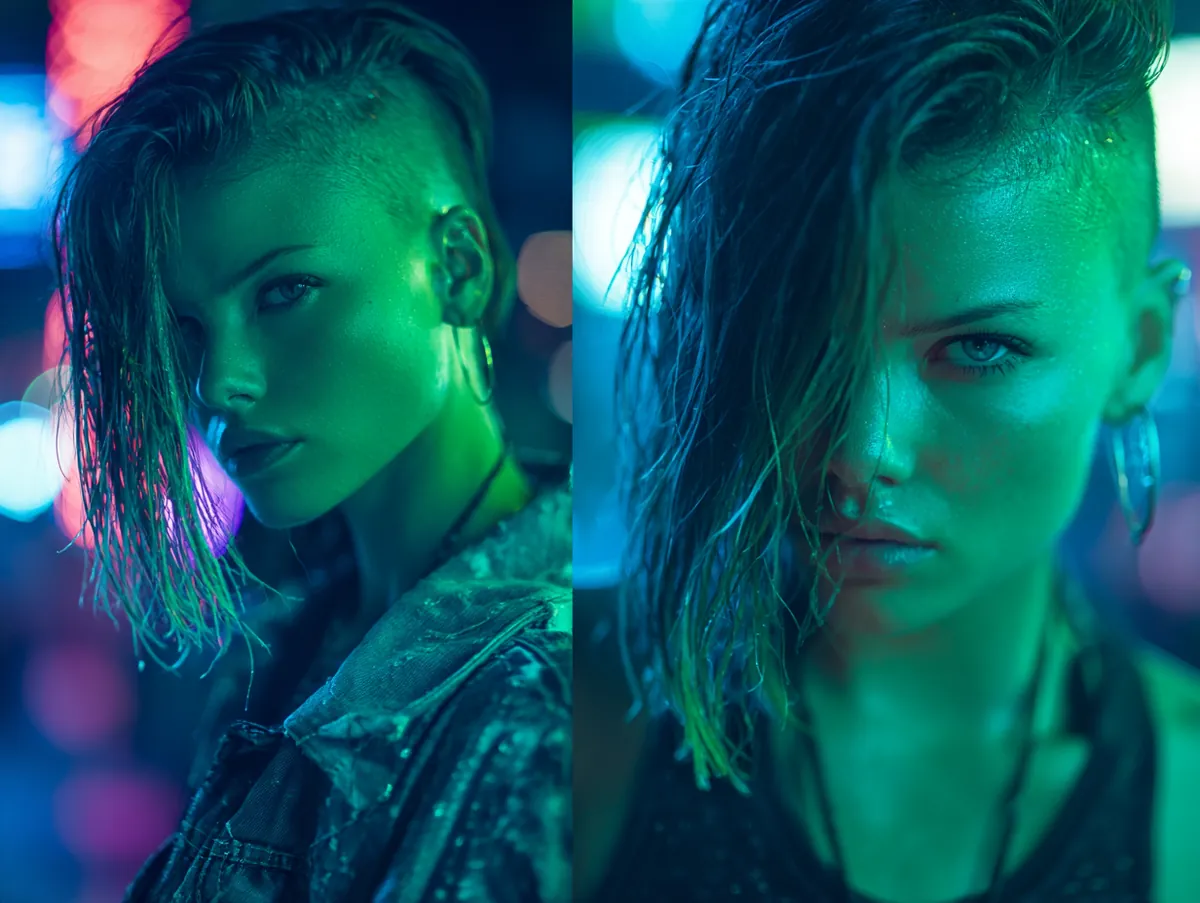
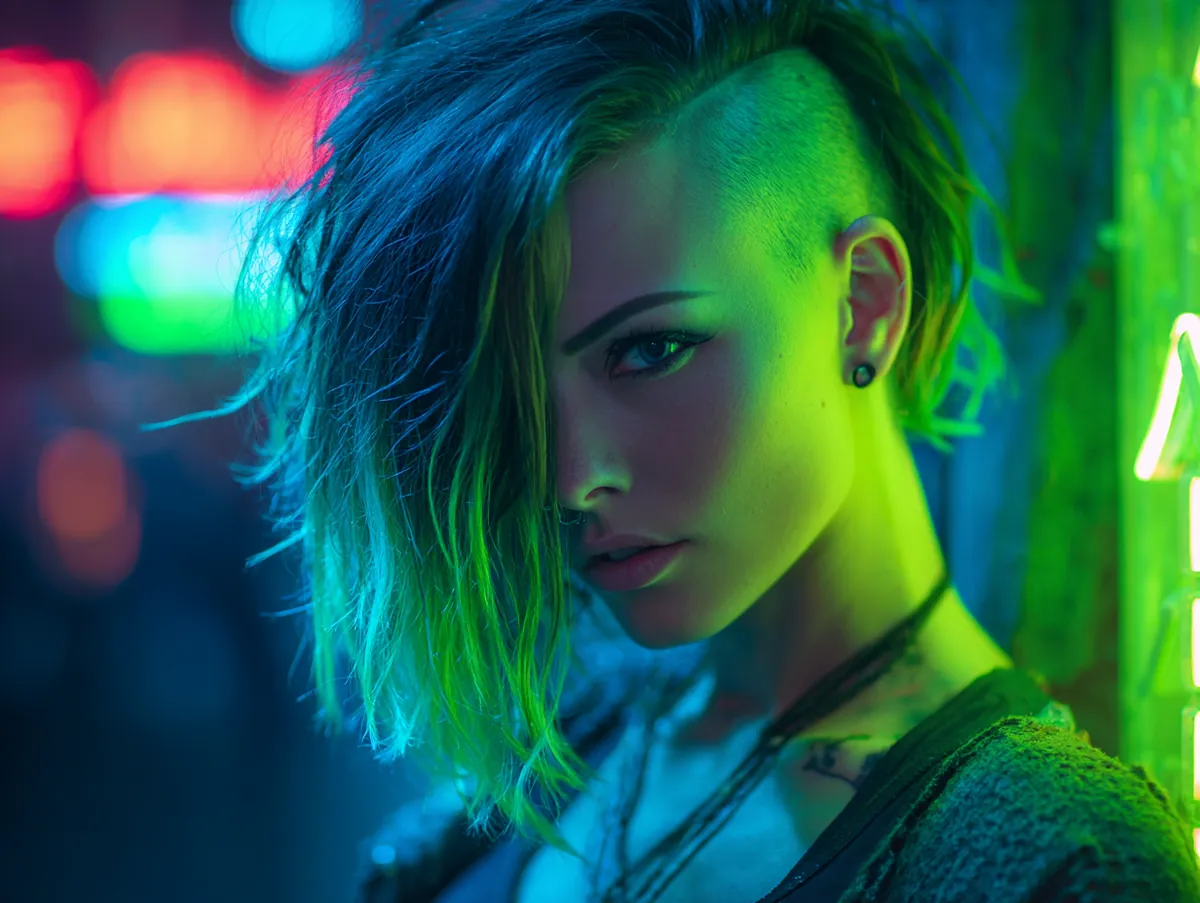

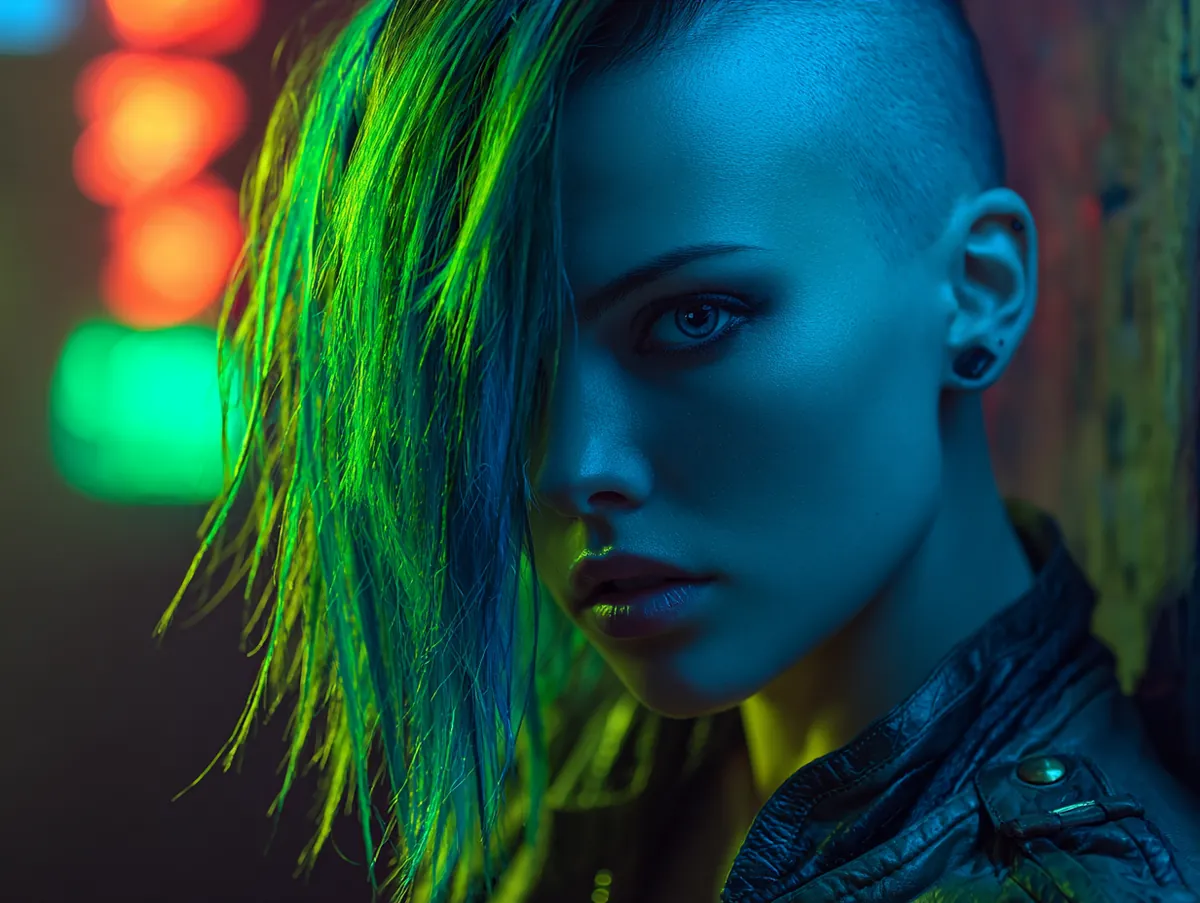
When you introduce neon highlights to this equation, the hairstyle transcends mere grooming and becomes wearable art. The placement of color in a front hair cut is strategic. By focusing vibrant dyes—electric blue, radioactive green, or hot pink—on the longer, jagged pieces of the fringe, you create a sense of depth and movement. The color emphasizes the texture. Without the highlights, the intricacies of the razor work might get lost in dark hair; with them, every serrated edge is illuminated. This technique is often referred to as “paneling,” where specific sections of the front hair are isolated and bleached before the neon pigment is applied. This ensures that the color pops against the natural base, creating a high-contrast look that is synonymous with the punk ethos.
Maintaining this level of rebellion requires a dedication to hair health that might seem contradictory to the “don’t care” attitude of punk. Bleaching the front section of your hair to achieve those neon tones damages the cuticle, making it porous. A porous front hair cut will soak up color quickly but also release it just as fast. To keep those jagged edges looking sharp rather than frizzy, protein treatments become essential. You are walking a fine line between texture and damage. The goal is to look gritty, not fried. Additionally, styling an asymmetrical cut often requires a flat iron to emphasize the sharp angles. The heat styling can further stress the chemically treated hair, so heat protectants are non-negotiable.
The beauty of this asymmetrical style is its ability to alter facial perception. For those with rounder faces, the diagonal line of the cut cuts the width of the face, creating a slimming effect. For square jawlines, the jagged edges soften the hard angles of the bone structure. It is a chameleon of a haircut. However, the most vital component is the attitude required to wear it. An asymmetrical front hair cut creates a curtain that partially obscures vision on one side, adding a sense of mystery and aloofness. It forces you to turn your head to make eye contact, changing your physical body language. It is a style that announces your arrival before you even speak.
Finally, the wardrobe pairing for such a bold hair statement is crucial. Because the hair is so loud, fashion choices can either lean into the chaos with mixed patterns and textures or provide a minimalist black backdrop that lets the hair scream. Modern punk is less about a uniform and more about individual expression. Whether paired with a vintage leather jacket or a sleek, futuristic tech-wear ensemble, the asymmetrical neon fringe serves as the focal point. It serves as a reminder that hair is not just a biological feature but a malleable accessory. By choosing a style that defies gravity and symmetry, you are actively participating in a subculture that values uniqueness over conformity.
Textured Shag Front Hair Cut For Messy Layered Look
The shag haircut has seen a massive resurgence in recent years, evolving from the feather-light styles of the 1970s into something heavier, grittier, and distinctly more punk. This modern iteration, often crossing paths with the “wolf cut,” relies entirely on the architecture of the front hair cut. Unlike the seamless layers of a traditional salon blowout, the textured shag is all about disconnection and visible separation. The fringe is usually heavy and cut deep into the crown, bringing a significant amount of hair forward to frame the face. This creates a dense curtain that is then shattered with point-cutting techniques to remove bulk and add airiness. The result is a look that feels lived-in, evoking the energy of a rock star who has spent months on tour.
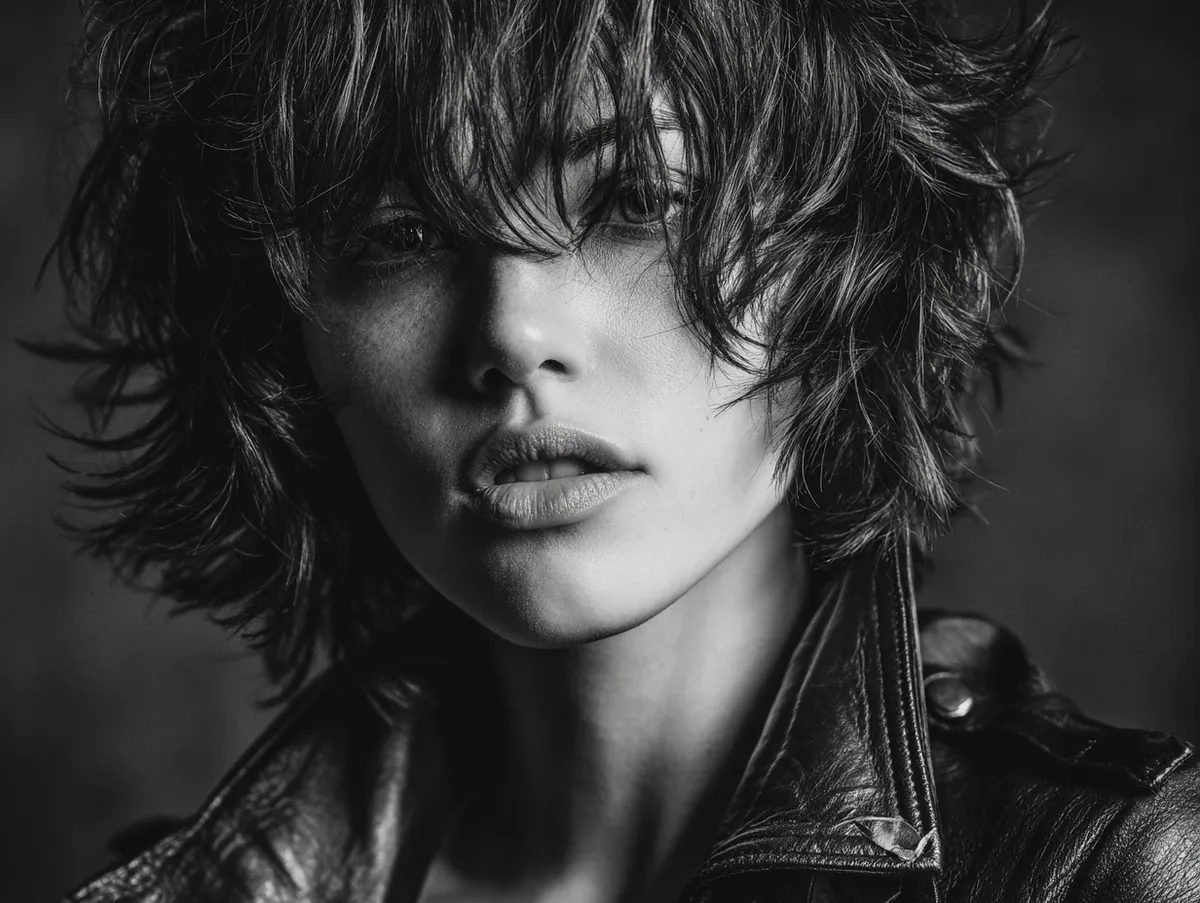
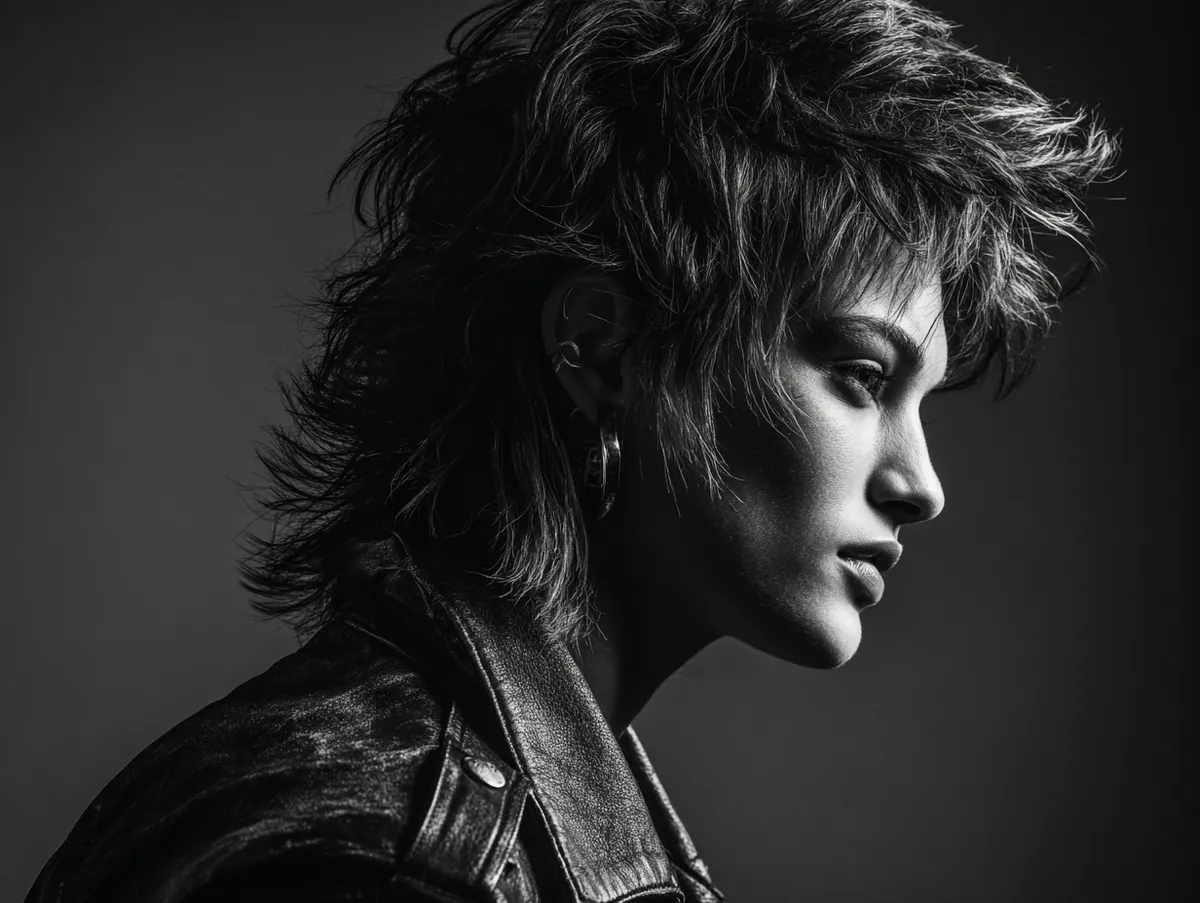
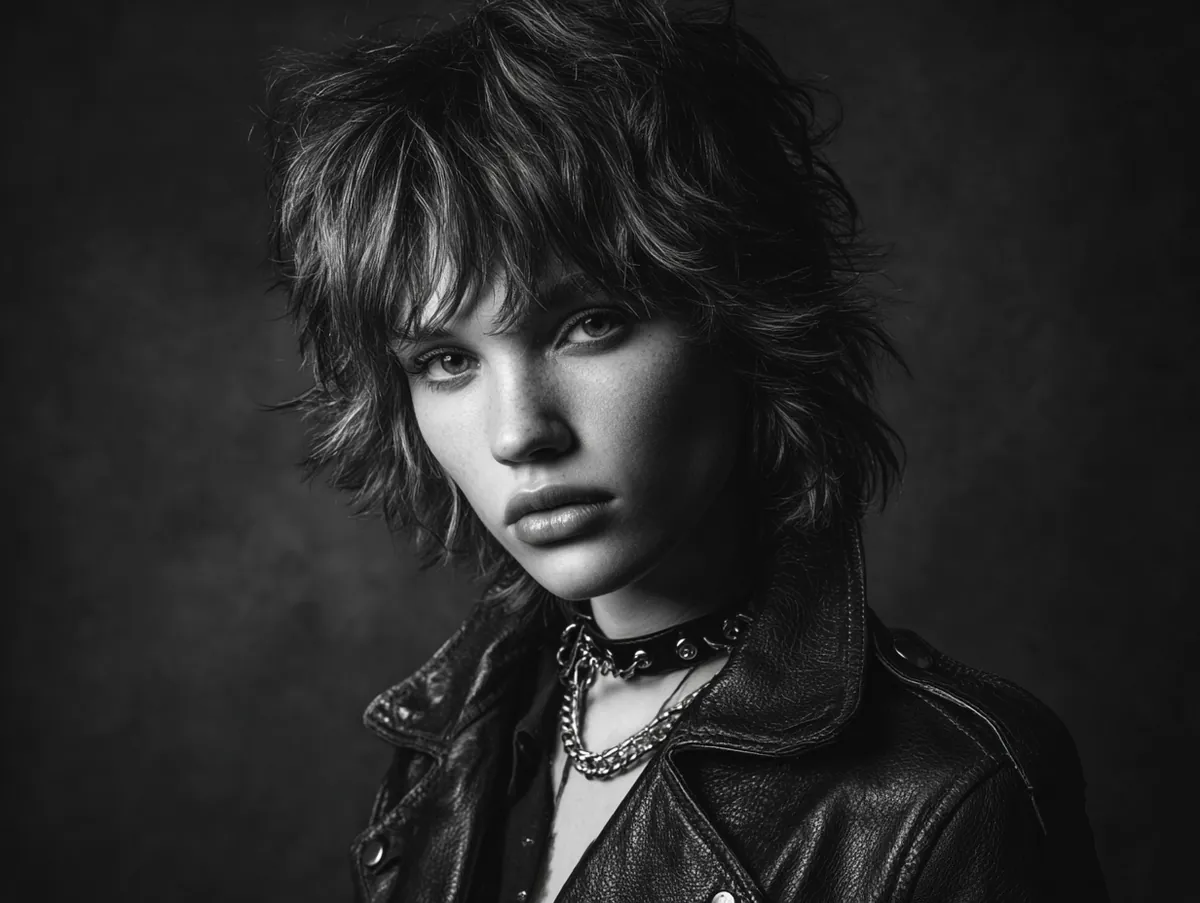
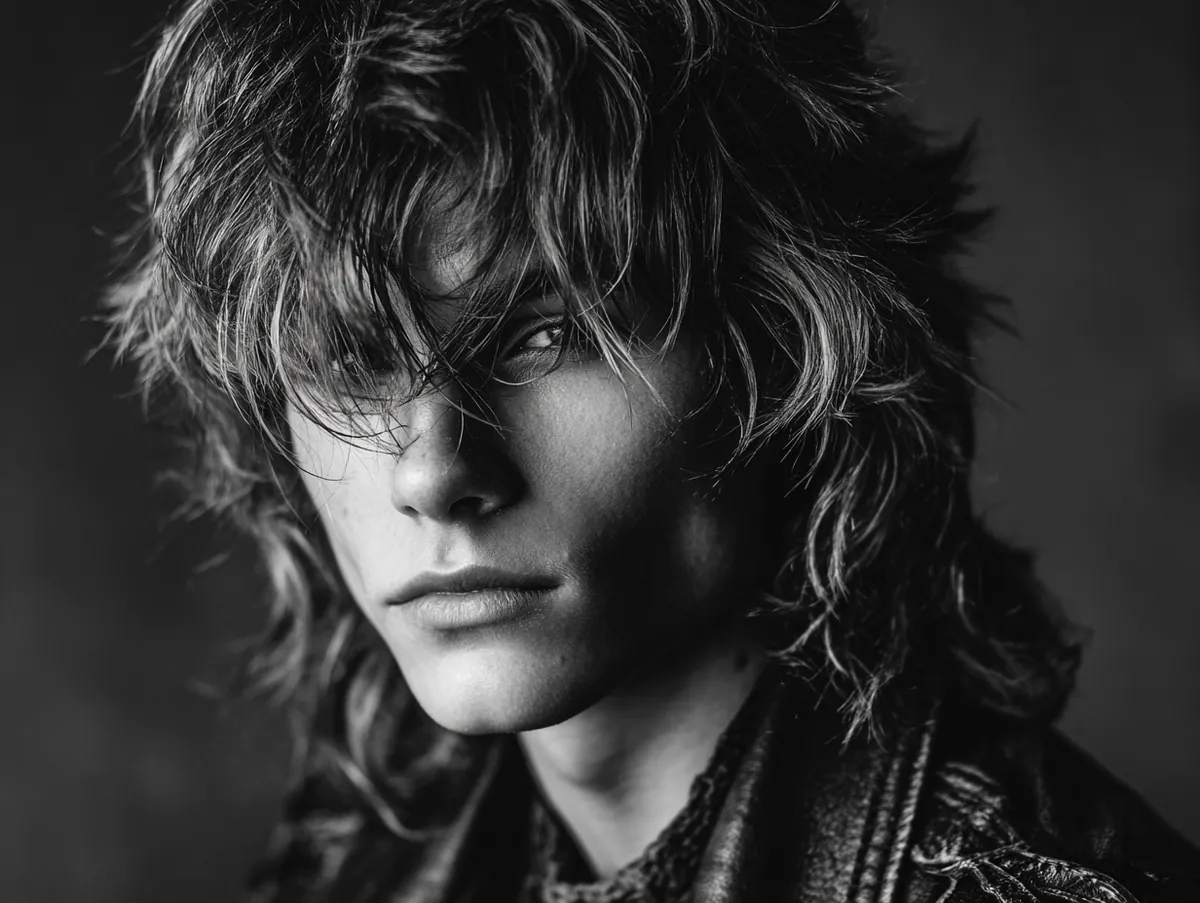
Achieving the perfect messy look is, ironically, a very precise technical process. The stylist must carve out the front hair cut to hit specific landmarks on the face—the eyebrows, the cheekbones, and the hollows of the cheeks. These “bits” are crucial. They act as tendrils that soften the severity of the mullet-like silhouette often found at the back. The texture is key here. If the hair is too straight or heavy, it looks like a helmet. To achieve that piecey, separated look, texturizing shears are used aggressively. This allows the hair to bunch and clump together naturally, creating peaks and valleys in the silhouette. It’s this irregularity that gives the style its rebellious spirit. It rejects the smooth, glass-hair trend in favor of something tactile and rough.
Styling a textured shag front hair cut is a lesson in product chemistry. You cannot simply wash and go if you want to achieve the height of modern punk aesthetic. The foundation is usually a sea salt spray or a gritty texture paste. These products swell the hair cuticle, mimicking the effect of second-day hair. You want friction between the strands so they stand up and hold their shape rather than lying flat against the forehead. Diffusing the hair is also a common technique. By drying the hair upside down or scrunching it with a diffuser attachment, you encourage natural wave patterns and volume at the root. The goal is to maximize the “poof” around the front while keeping the ends looking sharp and jagged.
One of the most appealing aspects of this style is its versatility across different hair types. While straight hair requires more product to achieve the look, those with natural waves or curls find that a shag cut liberates their texture. The layers remove the weight that pulls curls down, allowing them to spring up around the face. A curly front hair cut in a shag style is incredibly striking, combining the softness of spirals with the edge of the punk silhouette. It creates a halo effect that is both romantic and tough. For those with fine hair, the heavy layering creates an illusion of density and volume that a one-length cut could never achieve.
The psychological impact of adopting a messy, layered look is significant. It signals a rejection of high-maintenance perfectionism. It suggests that the wearer is too busy living life to worry about every hair being in place. Yet, the deliberate nature of the cut shows that this “mess” is curated. It is a controlled chaos. The shag frames the eyes intensely, often hiding the eyebrows, which draws the focus downward to the gaze and the mouth. It is a seductive, brooding style.
Furthermore, the grow-out phase of a textured shag is far less awkward than other short styles. Because the front hair cut is already uneven and layered, it maintains its shape even as it gets longer. The fringe transitions into face-framing layers, and the short crown layers blend into the length. This longevity appeals to the modern punk who values sustainability and practicality alongside aesthetics. It is a low-frequency salon visit style for a high-impact life. Ultimately, the textured shag is the uniform of the modern rebel—effortlessly cool, structurally complex, and undeniably bold.
Disconnected Undercut With Spiky Front Hair Cut Styling
The disconnected undercut is perhaps the most architectural of all modern punk hairstyles. It relies on a stark, binary contrast: skin versus hair, zero length versus extreme length. In this style, the sides and back are clipped down very short, often fading to skin, while the top section remains significantly longer. There is no blending, no gradual fade between the two zones—hence the term “disconnected.” However, the drama truly happens in how the front hair cut is handled. Instead of sweeping this long top section back or to the side, the modern punk aesthetic pushes it forward and upward, creating a gravity-defying structure that acts almost like a crown or a weapon.
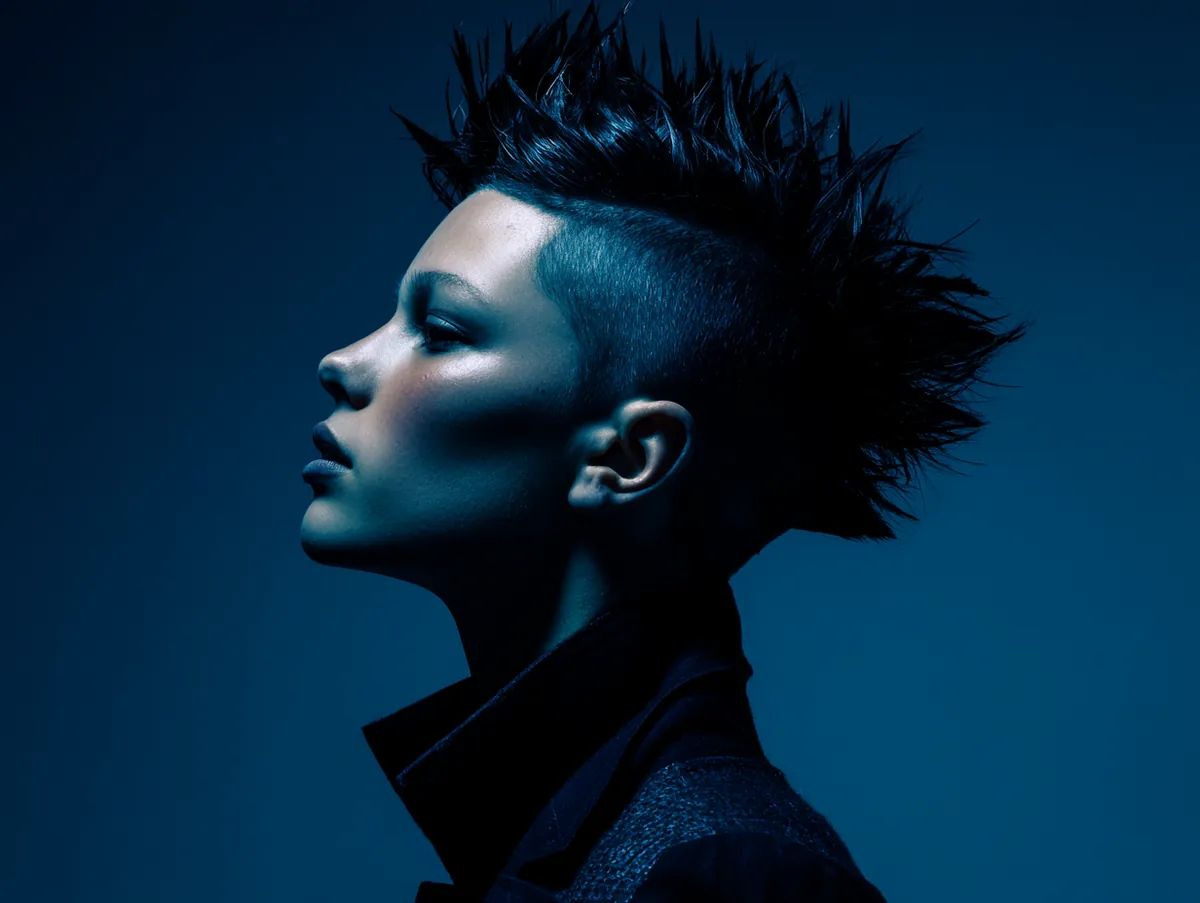
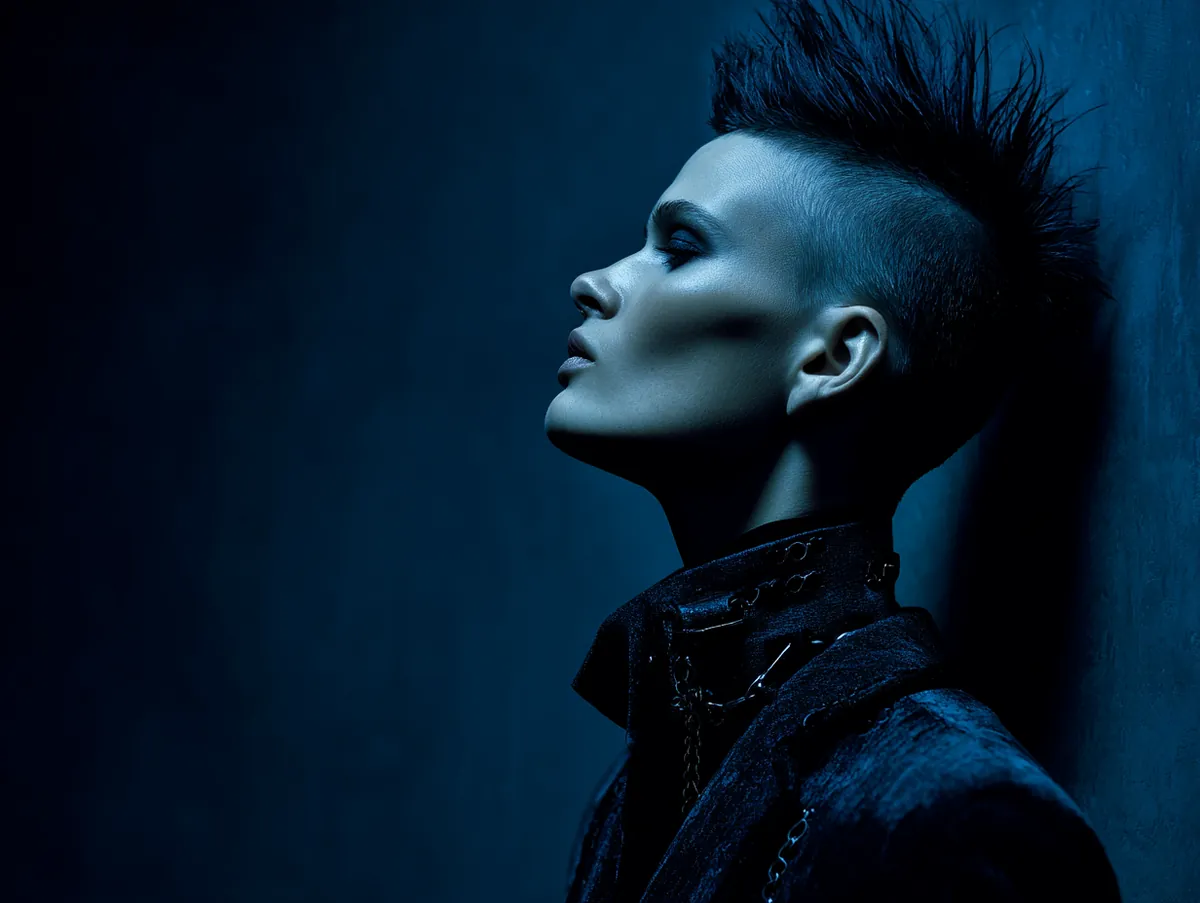
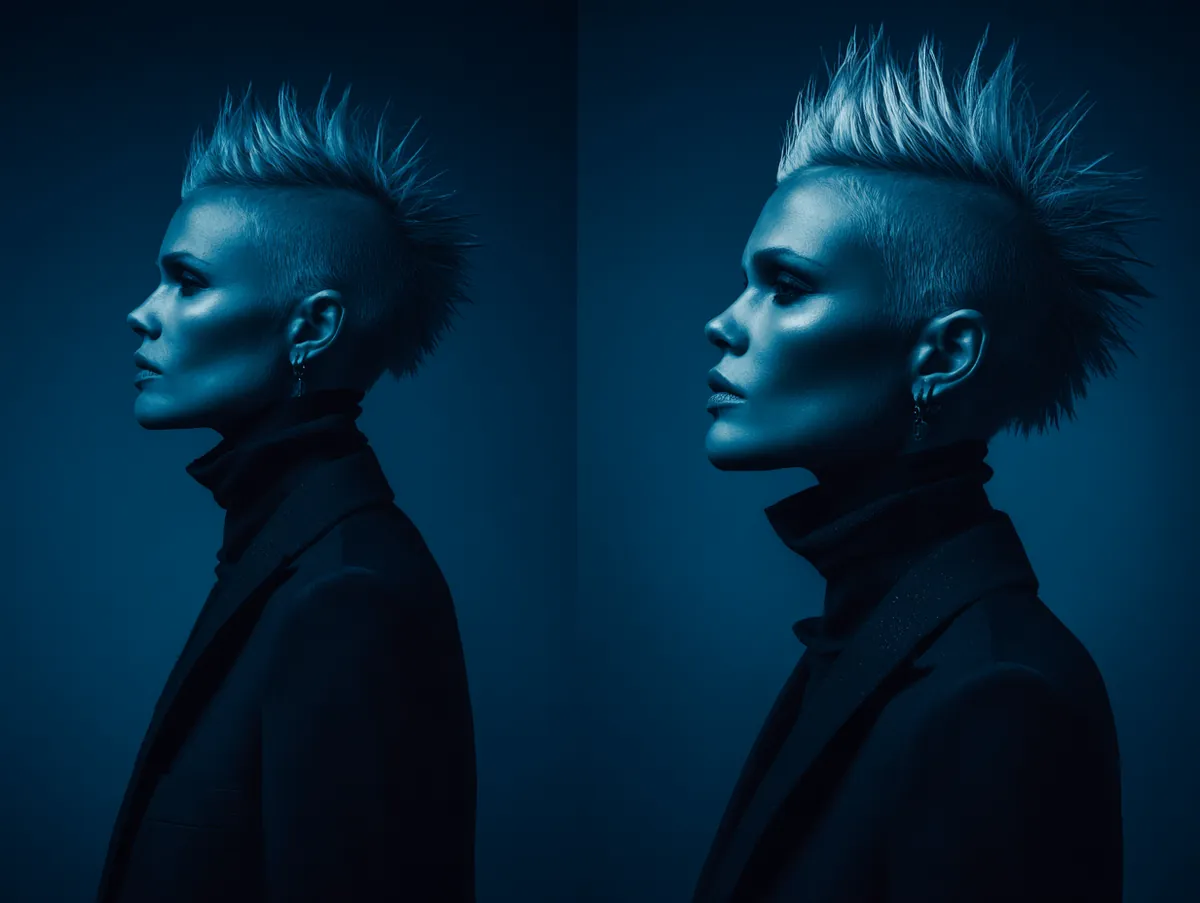
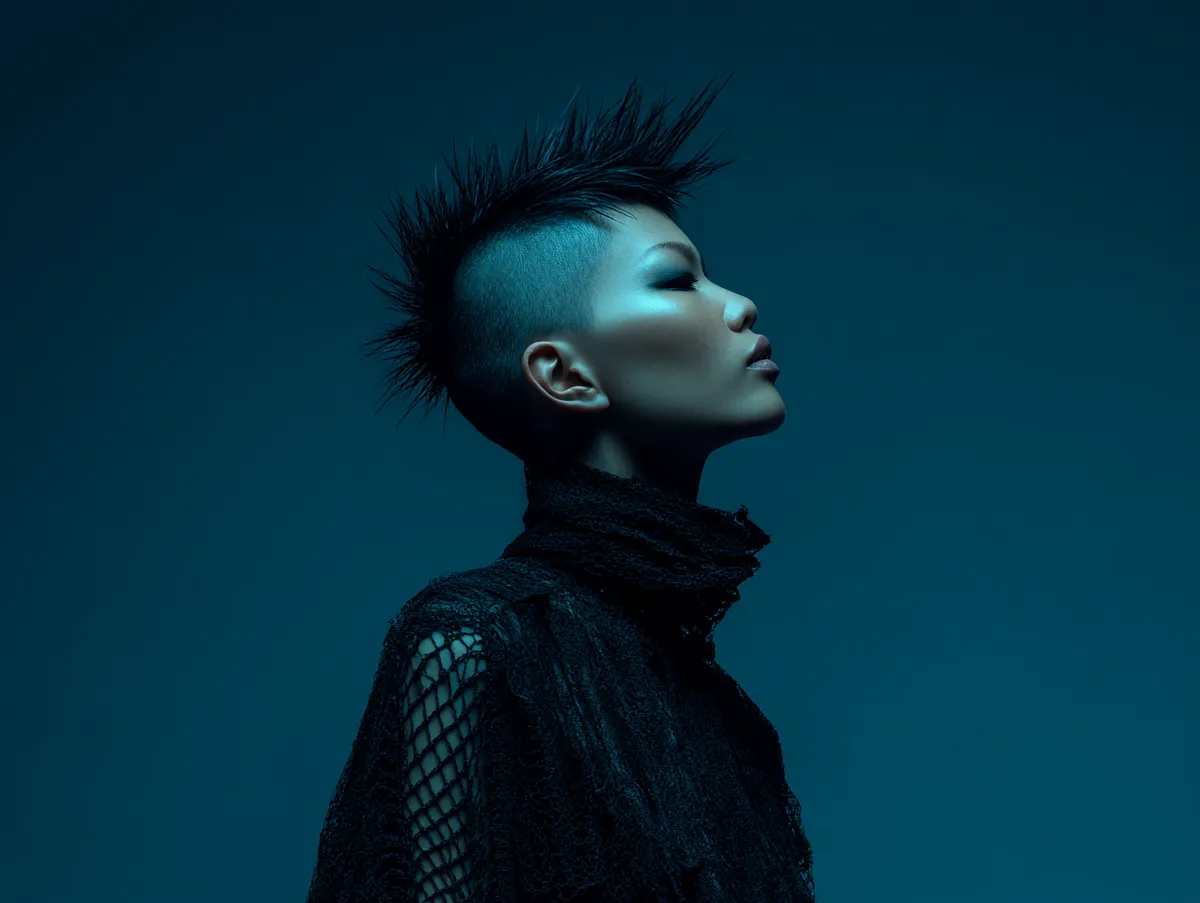
Styling a spiky front hair cut of this magnitude requires an understanding of physics and product hold. This is not a style for lightweight mousses. It demands heavy-duty gels, pomades, or styling glues. The hair at the front must be blow-dried meticulously at the roots to establish a vertical foundation. By directing the heat and air upward, you train the follicles to stand at attention. Once the root lift is achieved, the product is applied to the mid-lengths and ends to sculpt the spikes. These aren’t the crunchy, uniform spikes of the early 2000s; modern punk spikes are matte, textured, and directional. They might lean forward like a unicorn horn or fan out like a chaotic crest. The silhouette is aggressive and intentional.
This hairstyle is inherently androgynous, breaking down traditional gender norms regarding hair length and presentation. It exposes the neck and the jawline entirely, features that are often hidden by longer styles. This exposure creates a vulnerability that is immediately countered by the aggressive styling of the front hair cut. It is a push-and-pull dynamic that is visually captivating. The shaved sides also provide a canvas for hair tattoos—geometric designs or patterns shaved into the stubble—which adds another layer of customization and artistry to the look. The contrast between the soft skin of the scalp and the hard, product-laden hair on top creates a tactile variety that is fascinating to behold.
The maintenance of a disconnected undercut is high. The shaved sections require frequent trimming to maintain the sharp contrast; a few weeks of growth can make the “disconnection” look sloppy rather than intentional. However, the front hair cut offers variety day-to-day. While the spiky look is the ultimate punk statement, the length on top can also be slicked back for a formal “pompadour” look or worn loose and messy for a grunge vibe. This versatility makes it a practical choice for those who need to navigate different social or professional environments but still want to retain an alternative edge.
From a fashion perspective, this cut alters the proportions of the body. The added height from the spiky styling adds inches to the wearer’s stature, elongating the silhouette. It draws the eye upward, making it an excellent match for high collars, scarves, or bold ear jewelry. It commands presence. When you walk into a room with a vertical front hair cut, you take up more vertical space; you become impossible to ignore.
Ultimately, the disconnected undercut with spiky styling is a celebration of structure and rebellion. It takes the hair—a soft, organic material—and forces it into rigid, unnatural shapes. It is a refusal to let nature dictate appearance. It is a style for the bold, the brave, and those who view their personal style as a form of structural engineering. It encapsulates the punk spirit of taking something standard and twisting it into something entirely new and slightly dangerous.