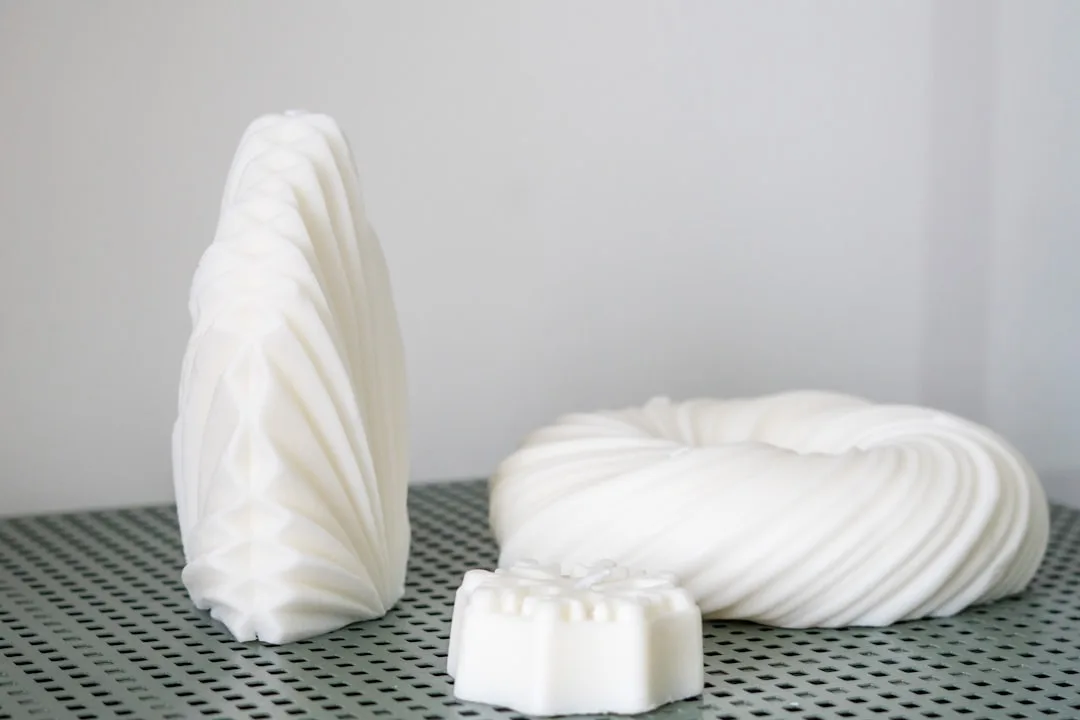
3D printed home decor has moved from novelty to necessity—the global market is projected to reach $7.2 billion by 2027, with home furnishings claiming 31% of that value. Unlike traditional manufacturing, which produces 10,000 identical vases hoping 3,000 sell, 3D printing manufactures only what customers order, eliminating waste and enabling personalization that mass production cannot match. This shift explains why 3D printed home decor now appears in mainstream retailers and custom-order platforms.
Where the trend originated and why now
The transition from industrial to consumer 3D printing accelerated after 2023, when resin and filament costs dropped 40%, making at-home and small-batch production economically viable. Brands like Shapeways (founded 2007 but recently repositioned) and emerging players including Thingiverse-connected manufacturers saw demand spike after smart home adoption created appetite for coordinated, custom-fit accessories. Sustainability concerns also drove adoption—Gen Z and millennial homeowners actively reject single-use furniture culture and seek pieces they can repair, reprogram, or recycle.
Quick Tips
- Start with small items: planters, shelf dividers, cable organizers (under $40)
- Request matte or textured finishes to avoid plastic appearance
- Check material certifications—food-safe resin for kitchen, pet-safe for pet spaces
- Design libraries like Printables and MyMiniFactory offer free customizable files
- Lead time averages 2-4 weeks; plan decor updates accordingly
How to identify quality 3D printed home decor
Material selection determines durability and aesthetic. Resin pieces (photopolymer hardened by UV light) cost $35–$120 per item and deliver high detail with glossy or matte finishes; brands like Formlabs offer professional-grade resin that resists yellowing and heat. Filament-based prints (FDM technology using plastic strands) cost $15–$60 and suit geometric shapes and structural pieces like geometric wall art or modular shelving brackets that coordinate with Geometric Style interiors.
Verify layer resolution—measured in microns, anything under 100 microns appears smooth to the touch, while 150+ microns shows visible striations. Request finish samples before full orders. Reputable makers (Sculpteo, i.materialise) display finish options with pricing transparently: standard glossy resin vase, 8 inches tall, costs $45; matte-finished equivalent costs $52.
| Material Type | Cost Range Per Item | Best For |
|---|---|---|
| Resin (UV-cured) | $35–$120 | Display pieces, decorative vases, jewelry holders |
| PLA Filament | $15–$50 | Planters, organizers, wall-mounted brackets |
| Nylon Powder | $60–$180 | Functional decor, textured lampshades, architectural models |
| Metal-infused Resin | $80–$250 | Statement sculptures, mirror frames, industrial accents |
Design customization and space integration
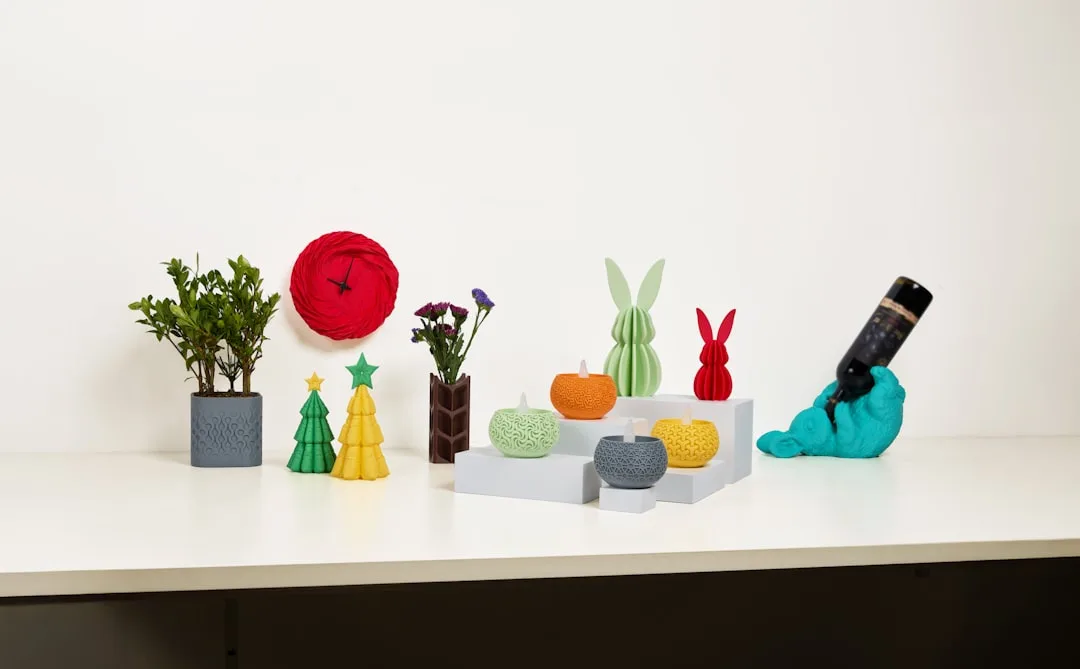
The defining advantage of 3D printed home decor is fit-to-space design. Rather than hunting for a shelf divider that matches your exact 23-inch opening, you upload dimensions and designers iterate within days. Platforms like Etsy’s 3D print sellers (including boutique studios like Epibone Jewelry and home decor focused makers averaging 4.8-star ratings) accept custom specifications at 15–25% markup over standard designs. A standard geometric vase might cost $48; a custom-scaled version matching your color palette and shelf depth costs $58–$65.
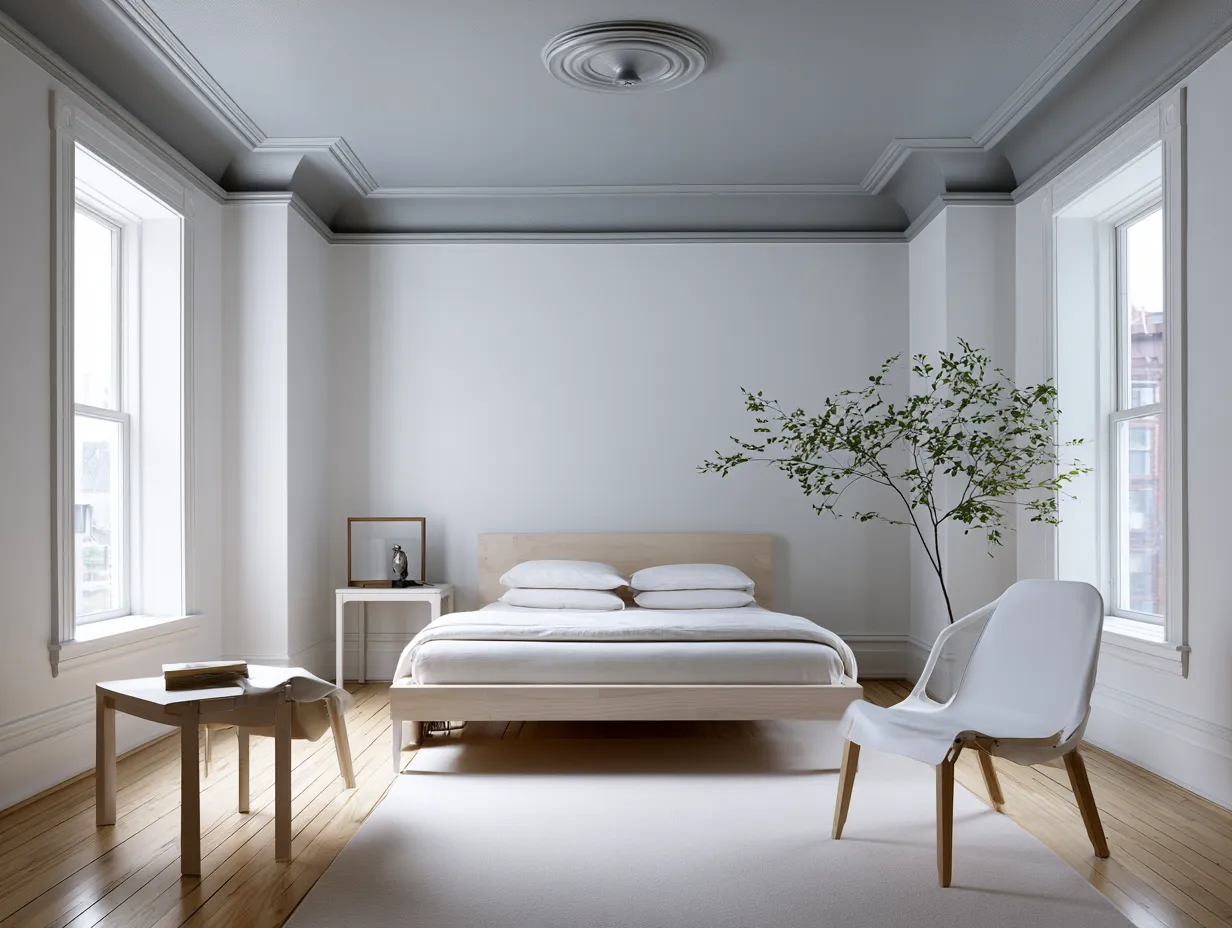
Integration with Minimalist Home Style works particularly well since 3D printing excels at negative space, lattice structures, and modular stacking systems. White or grey matte finishes (achievable with post-processing) blend seamlessly into Scandinavian and modern interiors without the visual weight of traditional ceramics or wood.
Sustainability and long-term value
The environmental argument for 3D printed home decor centers on manufacturing reduction and material efficiency. Traditional injection molding wastes 8–12% of material as scrap; 3D printing wastes under 2%. If a ceramic vase ships from Vietnam consuming 0.8 kg of CO₂, a locally 3D-printed equivalent (within 50 miles) generates 0.15 kg of CO₂ including electricity. This matters for eco-conscious buyers tracking embodied carbon.
Repair cycles also extend value. A chipped resin planter can be reprinted at 60% of original cost using the same digital file; mass-produced equivalents end up in landfills. Resale is emerging through specialized platforms—3D-printed decor requires no physical shipping damage assessment since buyers can request fresh prints from digital files held by makers.
Budget realistically: small items (planters, organizers, wall art) range $20–$80; mid-size statement pieces (lampshades, room dividers, sculptural installations) cost $100–$400; custom architectural elements or large installations exceed $500. Lead times of 2–4 weeks mean advance planning is essential for seasonal decor refresh or events. The trend persists because it solves three consumer needs—personalization, sustainability, and rapid iteration—that traditional manufacturing cannot match simultaneously.