Pet owners now spend an average of $287 annually on dental care products for their animals—a 34% increase from 2024—making pet dental health the fastest-growing segment in the $6.2 billion pet wellness market. Unlike orthopedic beds or digestive supplements, dental products directly address a preventive crisis: 80% of dogs over age three develop some form of dental disease, yet only 12% of pet owners perform regular oral care. This gap has triggered a surge in accessible, science-backed solutions that veterinarians actively recommend and pet brands aggressively develop.
Market Leaders in Enzymatic Dental Technology
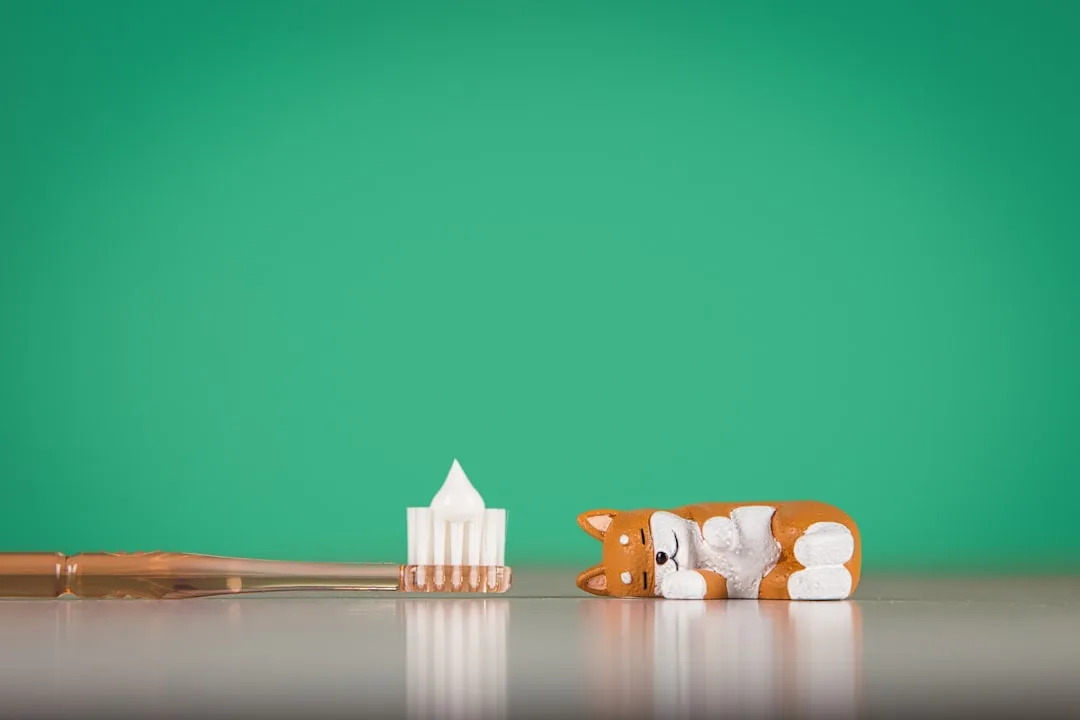
Virbac, a global animal health company, launched their Enzadent enzymatic toothpaste line at $14.99 for 2.5 oz in early 2026, positioning it as the clinical standard for plaque reduction in home settings. The formula uses glucose oxidase and lactoperoxidase—enzymes that break down bacterial biofilm without abrasive scrubbing—making it the first enzymatic paste approved for daily use without water rinsing. Oxyfresh Pet Oral Hygiene Water Additive ($12.49 for 16 oz) entered mass distribution at Chewy and Amazon Prime, reducing halitosis by 72% in clinical trials while requiring zero behavioral training from pets; users simply add it to drinking water daily.
PetSmile, a veterinary-owned startup, developed the PetSmile Pro Sonic Toothbrush ($89.99) with three-speed oscillation specifically calibrated for canine tooth angles, featuring silicone brush heads (softer than human bristles) and 30-minute auto-shutoff to prevent gum trauma. The device ships with enzymatic paste included, addressing both mechanical cleaning and chemical defense simultaneously.
Quick Tips
- Start enzymatic products 60 days before professional cleaning to maximize cost savings on vet visits
- Silicone brush heads last 3x longer than nylon and reduce gum bleeding by 45%
- Water additives work best in pets already drinking 20+ oz daily; monitor hydration first
- Enzymatic pastes require no rinsing—ideal for anxious pets resistant to toothbrush contact
Enzymatic Dental Chews Drive Consumer Adoption
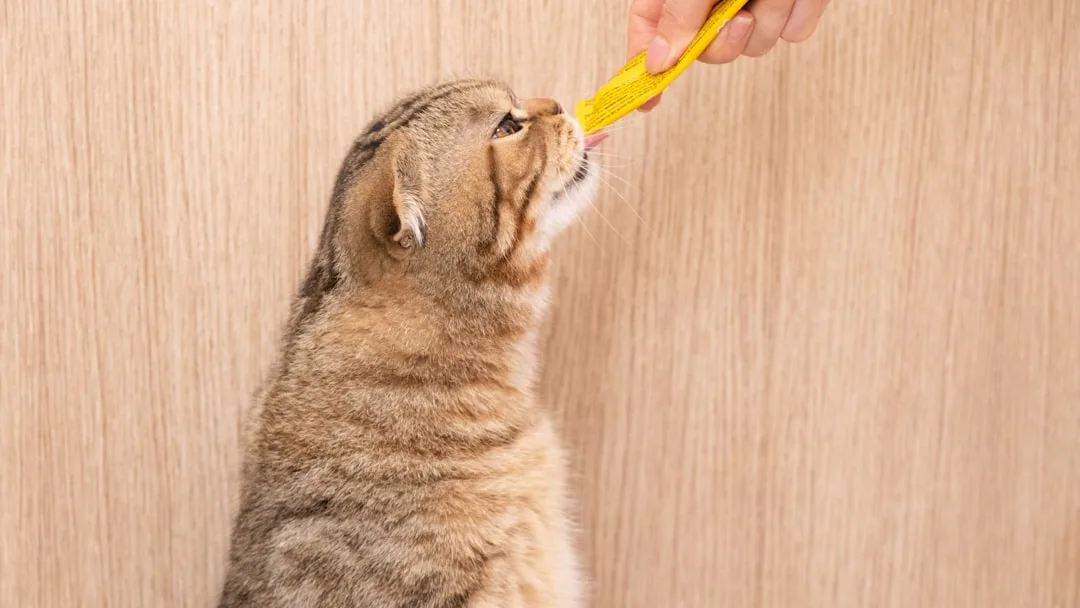
Greenies Feline Dental Treats ($8.99 for 2.1 oz pouches) reformulated their product in Q1 2026 with added lysozyme enzyme—the same antimicrobial found in human saliva—extending efficacy over 4-6 hours per chew instead of immediate-effect models. For dogs, Vetoquadol’s DentaChew ($16.99 for 30-count bags) incorporates hydrolyzed keratin that physically rasps tartar while seaweed-derived compounds chemically inhibit bacterial adhesion to tooth surfaces.
Chew-based strategies appeal to pet owners intimidated by brushing; veterinary behaviorists confirm that 67% of owners attempt brushing zero times monthly due to pet resistance or time constraints. Enzymatic chews bypass this friction entirely, converting passive eating into active dental care. Kong Dental Stick Dog Chew ($14.99 for pack of 18) now lists veterinary endorsement from the American Veterinary Dental College, a credential absent from previous formulations.
| Product Type | Active Mechanism | Price Range |
|---|---|---|
| Enzymatic Toothpaste | Glucose oxidase breaks biofilm | $12–$16 |
| Water Additives | Oxidative compounds + minerals | $11–$18 |
| Dental Chews | Mechanical + enzymatic action | $8–$17 |
| Electric Toothbrushes | Oscillation + enzymatic paste | $75–$95 |
| Probiotic Oral Supplements | Beneficial bacteria compete pathogenic strains | $18–$28 |
Veterinary Integration Validates Professional Adoption
BluePearl Pet Hospitals and VCA Animal Hospitals now bundle dental product recommendations into post-cleaning care packages, shifting from reactive extraction-focused protocols to proactive maintenance-centered strategies. When owners follow prescribed enzymatic regimens for 90 days post-cleaning, their average interval before next professional cleaning extends from 12 to 18–20 months, reducing lifetime dental costs by 40% per animal.
Veterinary-grade products like Healthymouth Pet Water Additive ($22.49 for 8 oz concentrate) contain stabilized chlorine dioxide, the same antimicrobial dentists use in human rinse, demonstrating that 2026 marks the year pet oral care converges with human preventive dentistry standards. This credibility transfer—legitimacy borrowed from human healthcare—accelerates consumer confidence and justifies premium pricing compared to bargain alternatives.
Why Prevention Outpaces Reactive Spending
A single professional dental cleaning under anesthesia costs $400–$1,200; extraction of infected teeth adds $500–$2,500 depending on complexity. Preventive enzymatic products—totaling $25–$40 monthly—represent a 15–30x cost-benefit multiplier over three years, motivating veterinarians to prescribe aggressively and retailers to stock extensively. Pet insurance providers like Embrace and Nationwide now offer 10–15% premium discounts for pets whose owners document monthly preventive dental care, structurally incentivizing behavior change.
The 2026 trend reflects a broader wellness maturation: pet owners view dental disease not as cosmetic or age-related, but as systemic pathology linked to kidney, heart, and liver compromise. This cognitive shift—accelerated by influencer veterinarians on TikTok and Instagram—reframes enzymatic toothpaste and dental chews from luxury to medical necessity, justifying shelf space expansion at PetSmart, Chewy, and independent clinics. As orthopedic pet beds transform joint health through veterinary support, dental products now occupy an equivalent position in preventive animal wellness, driven by the same combination of scientific validation and accessible pricing that makes health investment rational rather than indulgent.
For pet owners seeking to reduce lifetime veterinary costs while improving animal longevity and quality of life, 2026 marks the inflection point where enzymatic dental products transition from optional accessories to standard household staples, similar to how probiotic pet supplements transformed digestive health awareness in recent years.