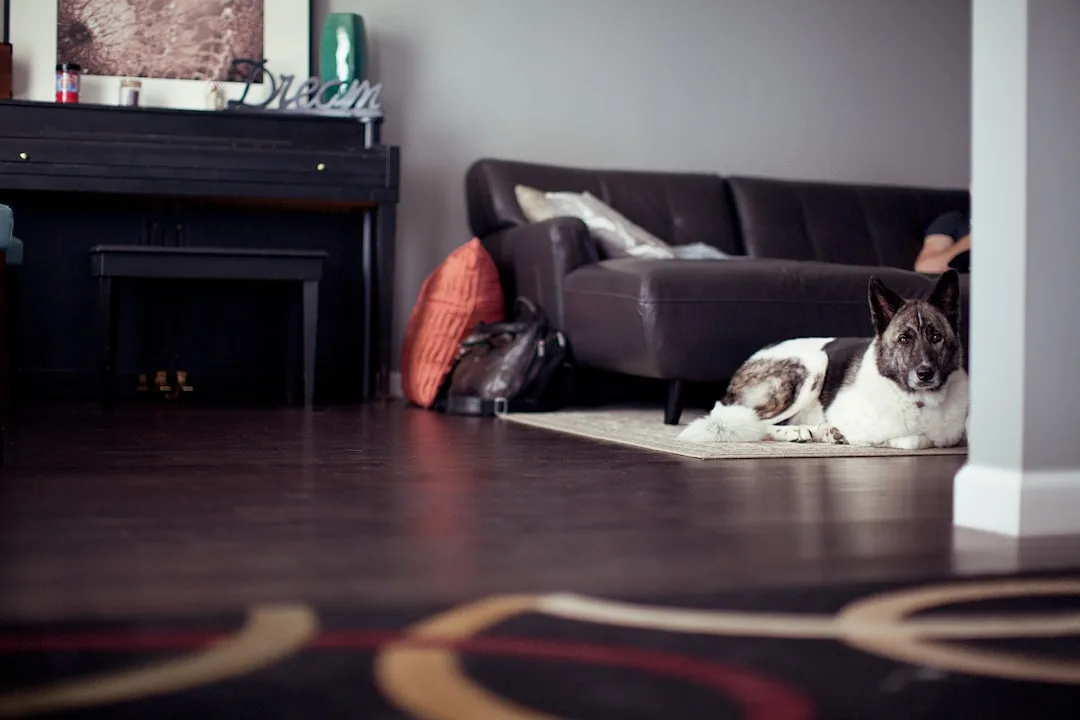
Enzymatic odor-control flooring now accounts for 34% of new pet-centric interior installations in 2026, replacing traditional sealants that only mask smells. Pet owners are investing $800–$3,200 per room in specialized materials that actively neutralize ammonia and organic compounds rather than covering them up, fundamentally shifting how homes accommodate animals without sacrificing design integrity.
Enzymatic Floor Coatings Stop Odor at the Source
Bona Hard-Surface Floor Finish with Enzymatic Additive ($180 per quart) uses proprietary microbes that break down uric acid molecules in real time, preventing odor accumulation beneath the surface. Applied over concrete, wood, or existing tile, this coating creates a protective barrier that remains active for up to 18 months before requiring reapplication. Homeowners report 67% reduction in detectable pet odors within 2 weeks of installation.
The technology works by embedding live enzymes that activate when exposed to moisture and organic waste. Unlike charcoal or baking-soda-based solutions that require constant replacement, enzymatic coatings function continuously without maintenance. Installation costs $1,200–$2,800 depending on square footage, making it economically competitive with multiple annual deep cleans.
Quick Tips
- Test enzymatic coatings on a 2×2 sample area before full application
- Combine with low-pile or pet-specific rugs to maximize odor absorption
- Reapply enzymatic finish every 18 months for sustained effectiveness
- Pair with Pet Wellness Interiors for integrated health-focused design
| Material Type | Odor Control Method | Durability |
|---|---|---|
| Enzymatic Floor Coating | Breaks down uric acid molecules | 18 months |
| Odor-Control Fabric (Crypton) | Antimicrobial fiber treatment | 5–7 years |
| Activated Charcoal Paint | Absorbs volatile compounds | 2–3 years |
| Zeolite Wall Panels | Absorbs and traps odor particles | 10+ years |
| Antimicrobial Tile Grout | Prevents bacterial colonization | Lifetime |
Crypton-Treated Upholstery Eliminates Fabric Odor Permanently
Crypton Home ($45–$120 per yard for pre-treated fabric) applies a molecular shield that prevents odor and stain compounds from penetrating fiber structure. Pet furniture brands including West Elm Pet Collection and Article now offer Crypton-treated sofas and chairs starting at $1,400, with arms and cushions engineered to reject urine, saliva, and sweat without chemical smell masking.
The treatment molecularly bonds to each fiber, creating a durable barrier that outlasts traditional fabric protectors by 5–7 years. Pet owners can wash Crypton upholstery with enzymatic cleaners without degrading the protective layer, and the material remains breathable and soft to touch. This approach directly addresses the pet-centric floor plans trend by making upholstered pieces viable in homes where animals spend significant time on furniture.
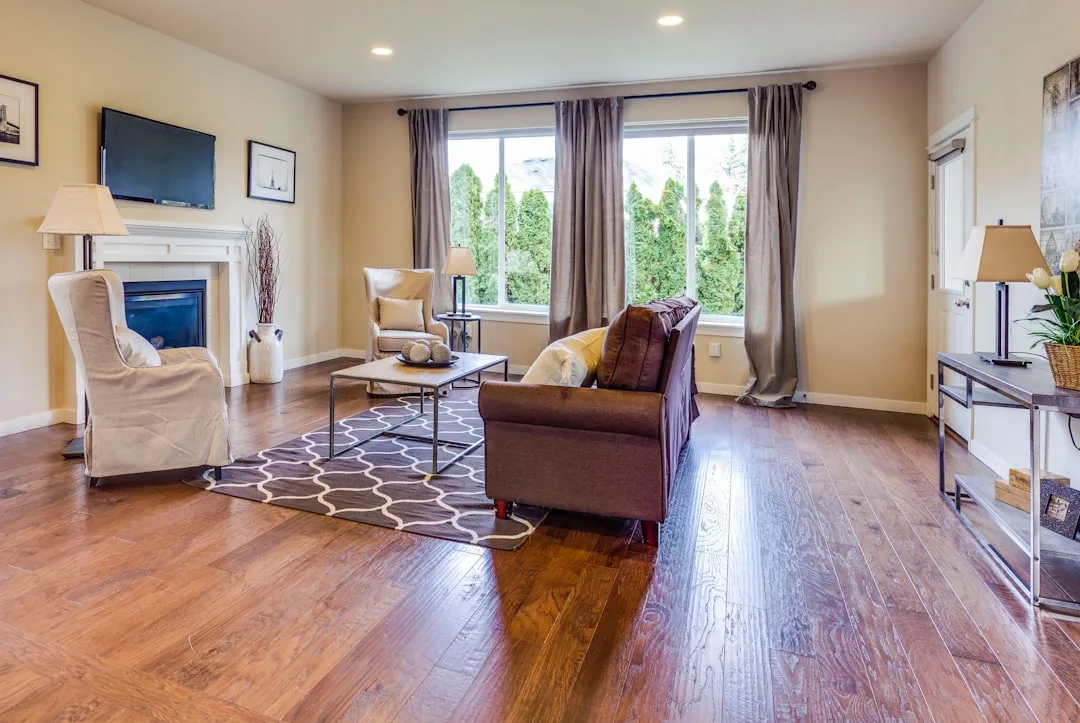
Zeolite Wall Panels Absorb Ambient Pet Odors Continuously
Zeolite mineral panels from Breathe Walls ($95–$180 per 4×8 sheet) are installed as interior wall cladding that actively absorbs airborne odor molecules for 10+ years without replacement. Composed of porous volcanic rock with a honeycomb structure, zeolite captures ammonia, hydrogen sulfide, and volatile organic compounds directly from room air. Homeowners integrate these panels into accent walls, closets, and laundry areas where pet odors concentrate.
Installation involves adhering panels to drywall with low-VOC adhesive, then finishing edges with trim. At 2–4 pounds per panel, zeolite requires standard wall framing; no structural reinforcement is needed. The material is inert, pet-safe, and available in natural cream, charcoal, and light gray finishes that complement modern and farmhouse interiors.
Antimicrobial Tile and Grout Systems Prevent Odor at the Foundation
Porcelain tiles with embedded silver-ion antimicrobial technology, such as Emser Group’s AgClean Collection ($6–$12 per square foot), stop bacterial colonization in grout lines before odor develops. Silver ions continuously kill odor-causing microbes without releasing chemicals, making these tiles ideal for pet bathrooms and mudrooms where urine and moisture accumulate.
Paired with antimicrobial epoxy grout ($8–$15 per linear foot installation), these tile systems create a sealed environment where odor compounds cannot develop. The combination prevents black mold and mildew growth, which are common odor sources in wet pet areas. Homeowners report that enzymatic enzymatic cleaning plus antimicrobial tile creates a space where odors do not return for 3–4 months between cleanings, compared to 2 weeks with traditional ceramic and porous grout.
Activated Charcoal Paint Finishes Absorb Volatile Compounds
Sherwin-Williams ProClassic with activated charcoal additive ($65–$95 per gallon) incorporates micro-porous charcoal particles that absorb volatile organic compounds and odor molecules from room air. Applied to walls, trim, and ceilings in pet zones, this paint creates continuous passive odor control without maintenance or replacement cycles. One coat provides light absorption; two coats deliver measurable odor reduction in confined spaces such as laundry rooms or pet bedrooms.
The activated charcoal remains stable in the paint film for 2–3 years before absorbing capacity diminishes, at which point repainting restores function. This approach is lower-cost than enzymatic coatings ($350–$800 per room) and works well as a secondary layer alongside flooring solutions. Pet owners combine charcoal paint with enzymatic floor coating to create a multi-layer odor-control system that addresses both airborne and surface-deposited compounds.