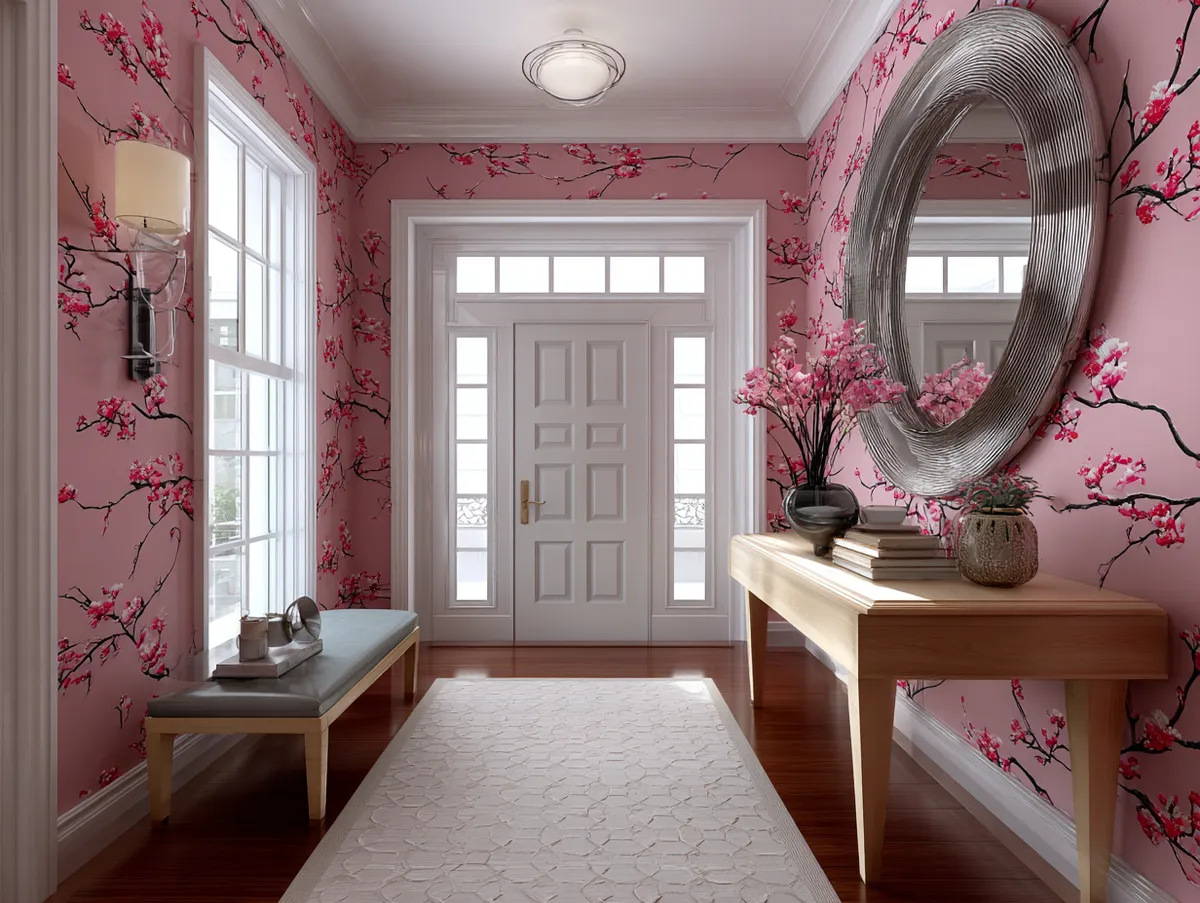
High ceiling house design with 4–6 meter volumes rewards owners who resist the urge to fill every inch. I’ve walked through dozens of these homes, and the ones that genuinely take your breath away share one trait: intentional restraint paired with materials that earn their place. You feel the scale before you even register the furniture.
My go-to rule for any high-ceiling space: treat the vertical plane as a feature, not a problem to solve. Architects like those at Snøhetta and Kengo Kuma have built entire careers around letting height breathe. In a house, that translates to fewer objects, better-selected objects, and light sources placed to amplify the volume rather than shrink it.
You’ll notice in the examples below that the most livable rooms lean on three styles: Scandinavian simplicity, rigorous minimalism, and wood-forward warmth. Each handles the challenge differently. None of them fill the room with clutter and call it cozy.
- Scandinavian design turns high ceilings into light-filled, human-scale spaces without feeling cold
- Minimalism in high-ceiling rooms works best with neutral tones and one strong material contrast (wood vs. white)
- Panoramic glazing on two or more sides is the single highest-impact move for a high-ceiling house
- Living rooms with high ceilings support barn-style beams, Scandi layering, or bold eclectic mixes — but not all three at once
- Wall design follows a three-zone rule: functional base, decorative mid, empty upper third
- Exposed wood beams are structural and decorative — in rooms above 4m, they fill void without crowding the eye
Scandinavian High Ceiling House Design That Actually Feels Warm

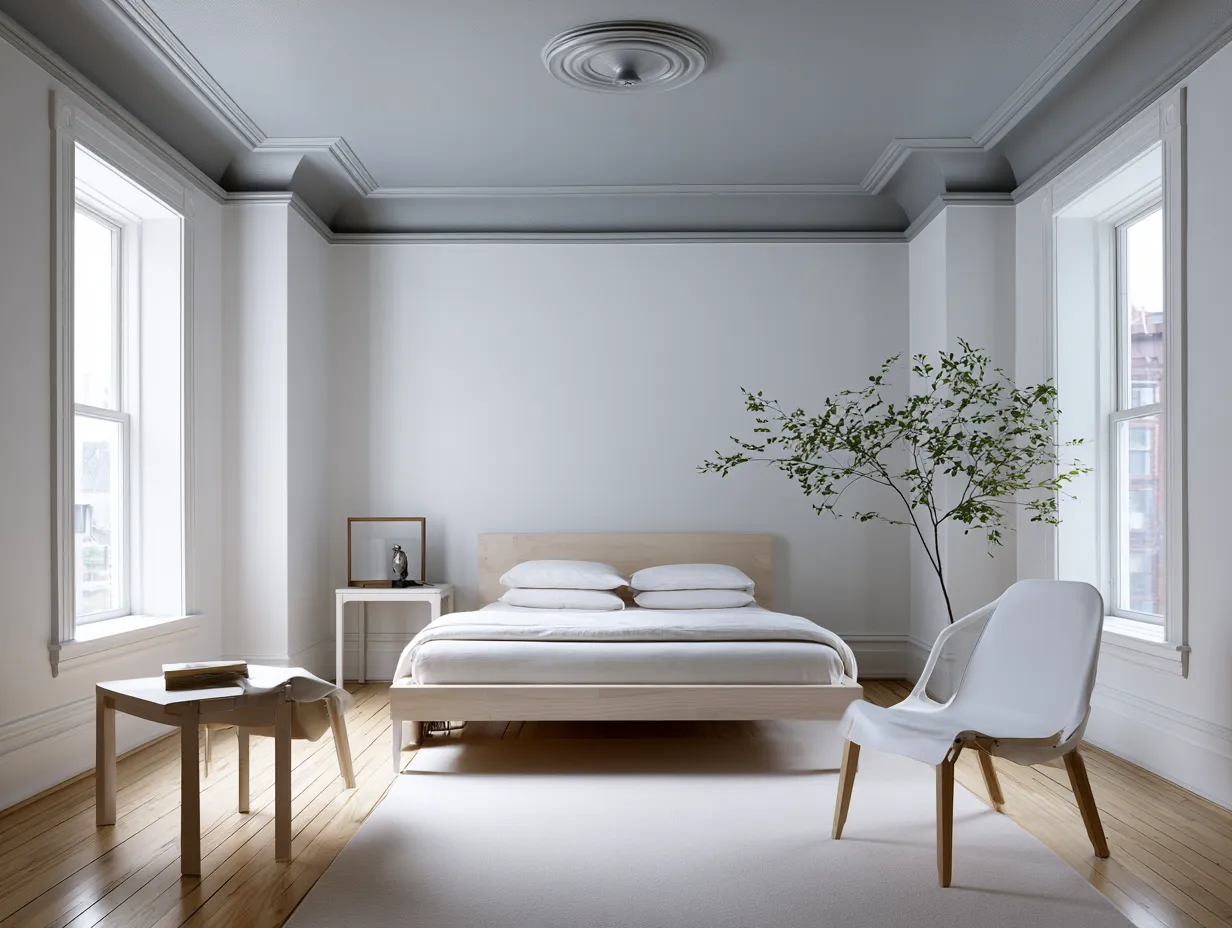
Scandinavian high ceiling house design solves the problem most owners dread — the room feeling like a cold warehouse. Light-toned pine floors, white plaster walls, and a restrained palette of linen and wool create warmth that punches far above its visual weight. IKEA’s STOCKHOLM series and HAY’s furniture lines are the entry point; for a built-in look, Danish brand Montana cabinetry ($800–$3,000 per module) runs floor to about 2.4 meters and lets the remaining volume above remain untouched.
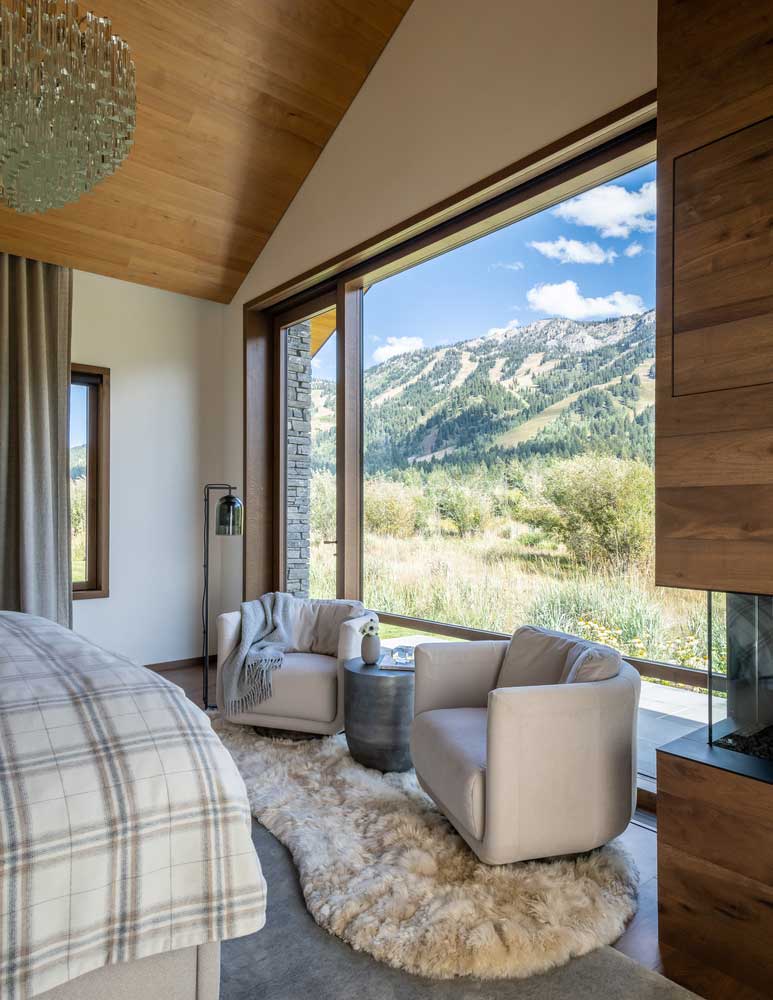
Does the style work in smaller high-ceiling houses? Absolutely — and it’s actually more effective there. I stole this trick from a 90 sqm Norwegian cabin: hang one large-format pendant (Flos Skygarden, around $1,200) at about 2.2 meters above the floor, well below ceiling height. It anchors the seating zone and makes the volume above feel like a gift rather than a gap. Pendant lights hung too close to the ceiling are the fastest way to make a tall room look confused.
The Scandinavian approach shines when you orient the main window toward nature — even a backyard with trees reads as a panoramic landscape once framed properly. Floor-to-ceiling glazing from 1.8 meters upward floods the white interior with green-filtered light. Avoid heavy linen drapes in this setup; they block precisely the diffused mid-morning light that makes these rooms look effortless in every photograph.
Minimalism in High Ceiling House Design — Where the Rules Actually Matter

Minimalism in high ceiling house design is not about bare walls — it’s about selecting three materials and committing to them completely. The rooms I keep returning to in my reference folder all run the same formula: white plaster, raw concrete or honed limestone floors (Porcelanosa Rodano Acero tile is around $65/sqft), and one warm wood surface. That’s it. Every decorative decision flows from those three anchors.
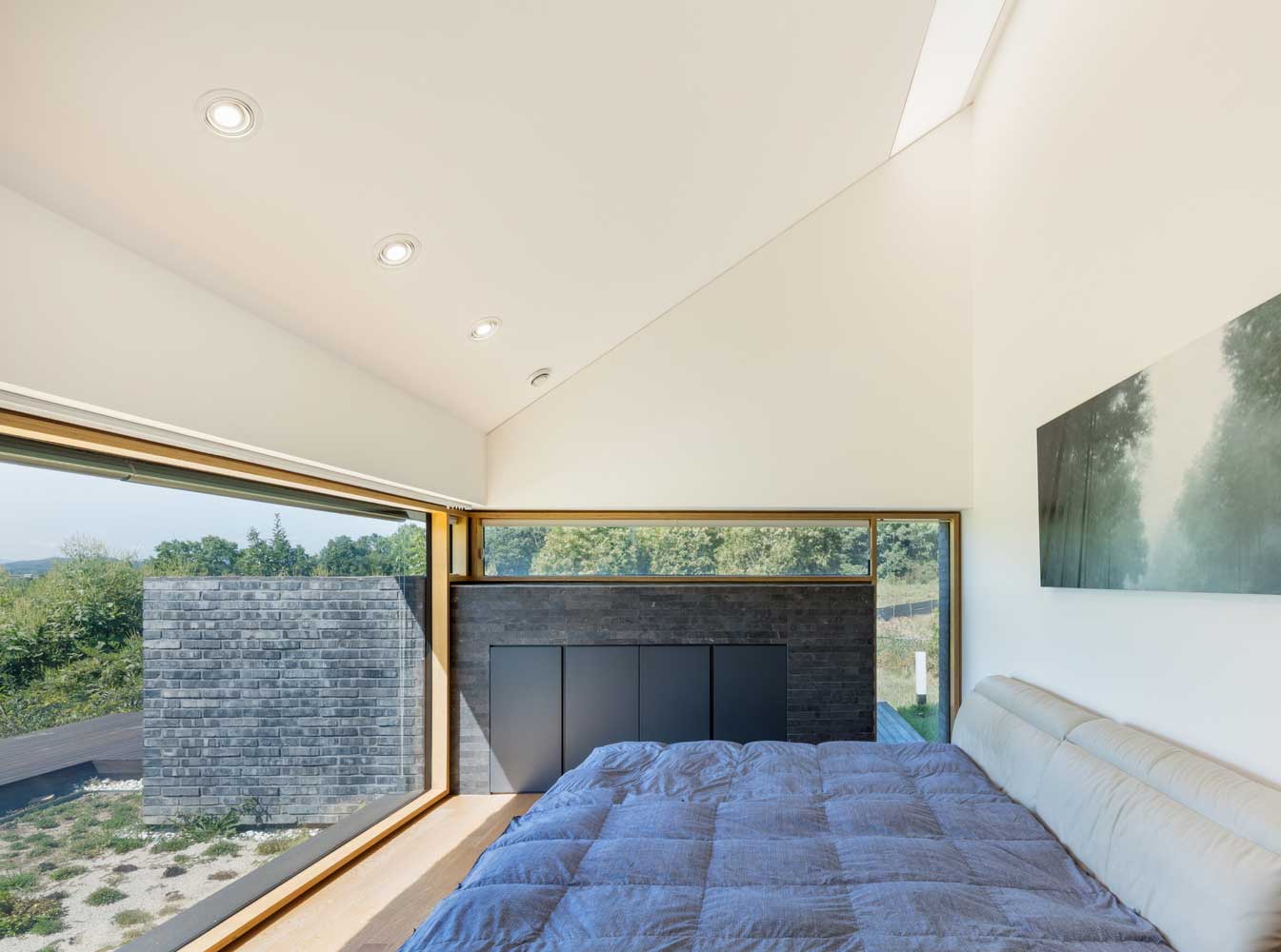
The ceiling itself can be the contrast. You’ll notice in many successful high-ceiling minimalist rooms that the ceiling is clad in wide-plank larch or cedar boards ($12–$28/sqft installed), giving the eye a warm horizontal texture to rest on overhead. Without this, a 5-meter painted ceiling reads as a void. With it, the room acquires depth from above — the same logic as a coffered ceiling in classical architecture, but stripped of every ornament.

- Don’t hang art at eye level only. In a 5-meter room, a row of 50cm frames at 1.6 meters looks like a bracelet on a giant — it emphasizes exactly the wrong proportions. Scale up or go to floor-to-ceiling gallery walls.
- Don’t buy low-profile sofas. A 65cm sofa seat height disappears in a large-volume room. Go for 75–80cm seat height or add legs to existing furniture.
- Don’t paint the ceiling a dark color to “bring it down.” This almost never works in practice — dark ceilings in modern high rooms feel oppressive, not cozy. Use material texture (wood, plaster relief) instead of color.
- Don’t use a single overhead light source. One recessed spotlight in a 5-meter ceiling will barely light the floor. Layer: pendant at human height, wall sconces, floor lamps.
Panoramic Glazing Turns High Ceiling House Design Into an Architectural Statement

Panoramic glazing in a high ceiling house design isn’t just a style move — it’s the single decision that multiplies every other investment you make in the room. I own two properties with different ceiling heights, and the one with floor-to-ceiling windows on two sides at 4.8 meters consistently outperforms the other in every quality-of-life metric I measure: morning mood, perceived room size, even heating costs in winter when the south-facing glass acts as passive solar gain.

A second light — the architectural term for a window that serves the upper portion of a double-height space — makes glazing on two full floors viable. Schüco and Reynaers aluminum curtain wall systems are the premium route at $350–$700 per sqm installed; if budget is the constraint, Internorm’s HF 310 sliding system at around $180/sqm delivers similar thermal performance. The spec matters: a 4.8-meter room with single-pane glass loses in winter all the atmosphere it gains in summer.
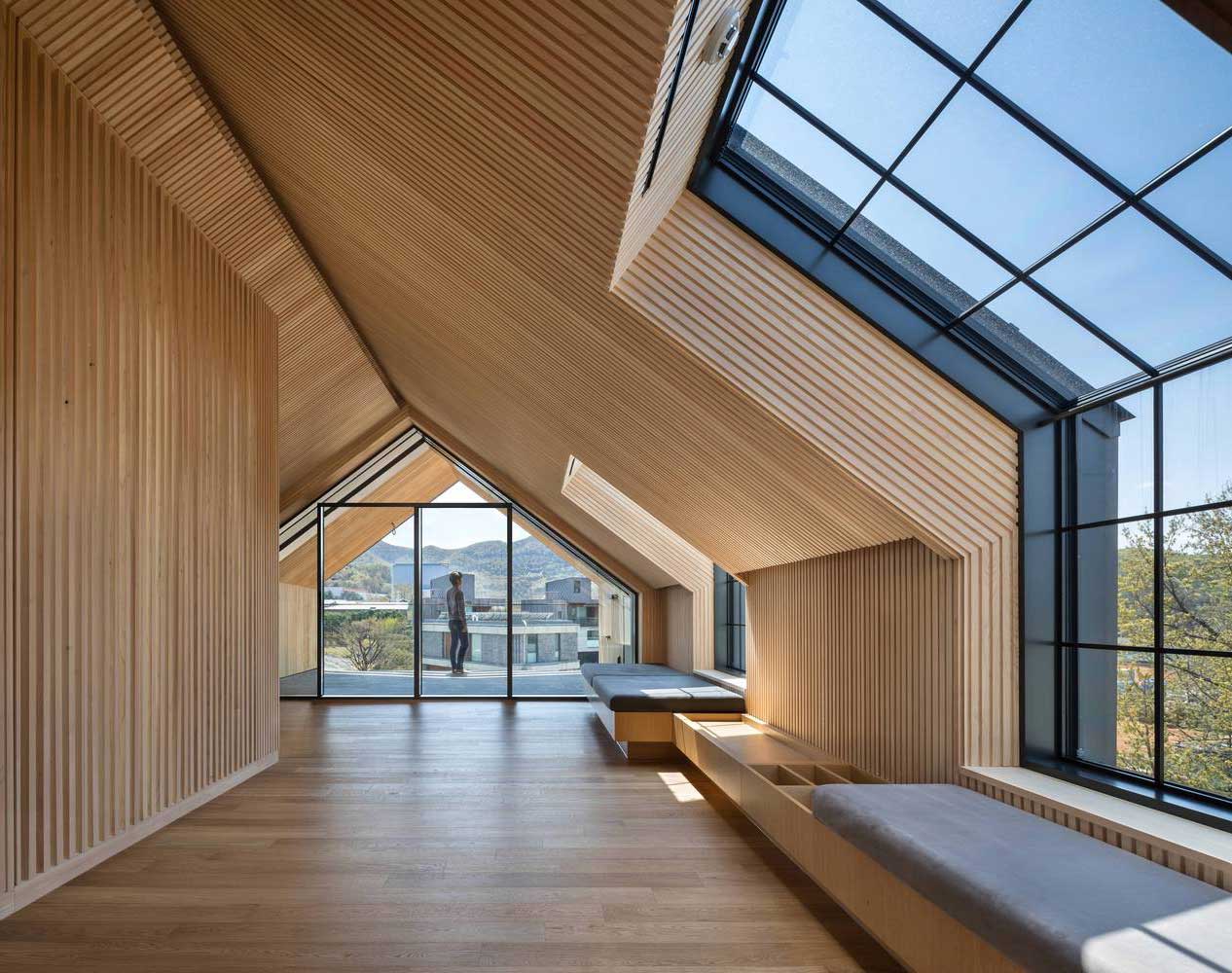
Glazing from three sides in a high-ceiling house requires careful thought about solar orientation — south and west elevations generate significant heat gain in summer. You need either external shading (motorized Warema or Somfy external blinds, $600–$1,400 per window) or high-performance triple glazing with a solar factor below 0.35. Skipping this step is the most expensive mistake you can make after the windows are already installed. Retrofitting external shading to a glass corner costs twice what it would have at the build stage.
High Ceiling Living Room Design — Three Atmospheres, One Formula
The high ceiling living room is where design decisions either compound or cancel each other out. You don’t have to make compromises about square footage. What you do have to choose is a single atmospheric direction — cozy farmhouse, light-drenched modern, or bold eclectic — and execute it with conviction. Trying to mix all three produces a room that feels like a hotel lobby rather than a home.

My go-to reference point when advising on any of these living room setups is to define the ceiling before anything else — it sets the room’s tone the way a score sets a film’s. The three approaches below reflect the actual range of what works.
Barn Style Living Room Idea with High Ceilings

Barn-style high ceiling living rooms work because the gable roof structure gives you exposed timber beams at no extra cost — they’re already there, you’re just not hiding them. Douglas fir rafter legs at 15–20cm section look architectural at 4+ meter heights; at standard ceiling heights they’d be claustrophobic. Rough-sawn beams from brands like Volterra or Faux Wood Workshop (decorative versions run $15–$40 per linear foot) replicate the look if the original structure is concealed. The ceiling does the heavy decorative lifting so the rest of the room can be simple.
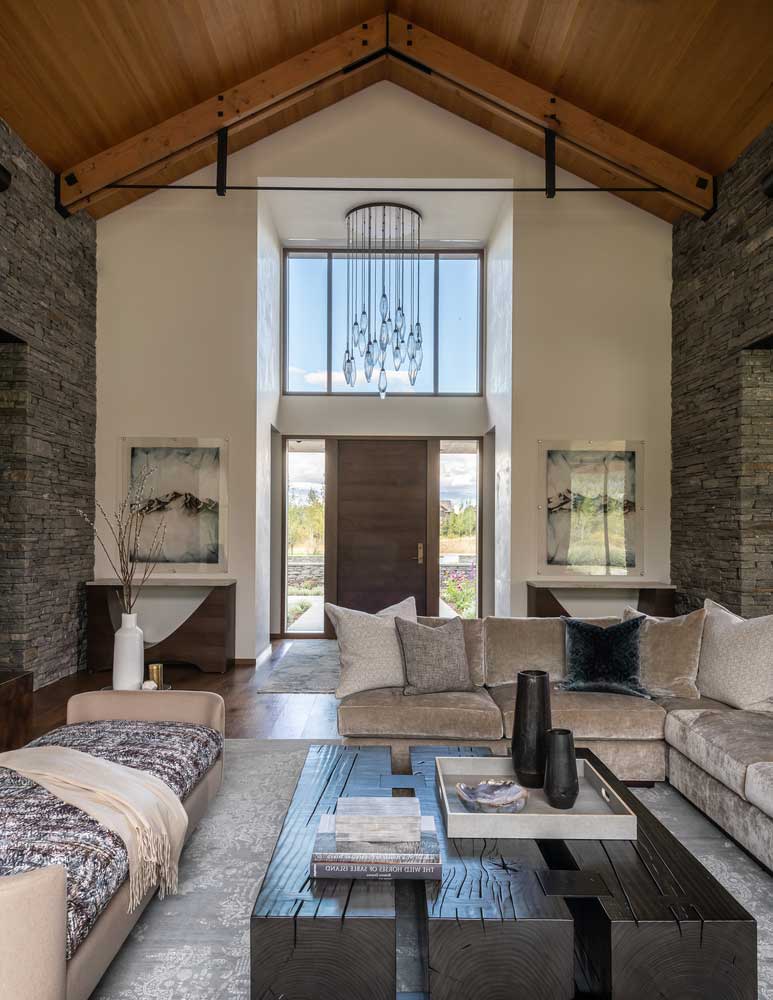
Panoramic glazing across the full rear wall is the pairing that elevates a barn room from rustic to genuinely impressive. You’re juxtaposing centuries-old materiality with a wall of glass — the tension makes both elements more interesting. What doesn’t work here: mixing barn beams with brushed stainless hardware, glossy floor tiles, or LED strip lighting. Those combinations feel like a steakhouse, not a home.
Scandinavian Style Living Room Idea with High Ceilings
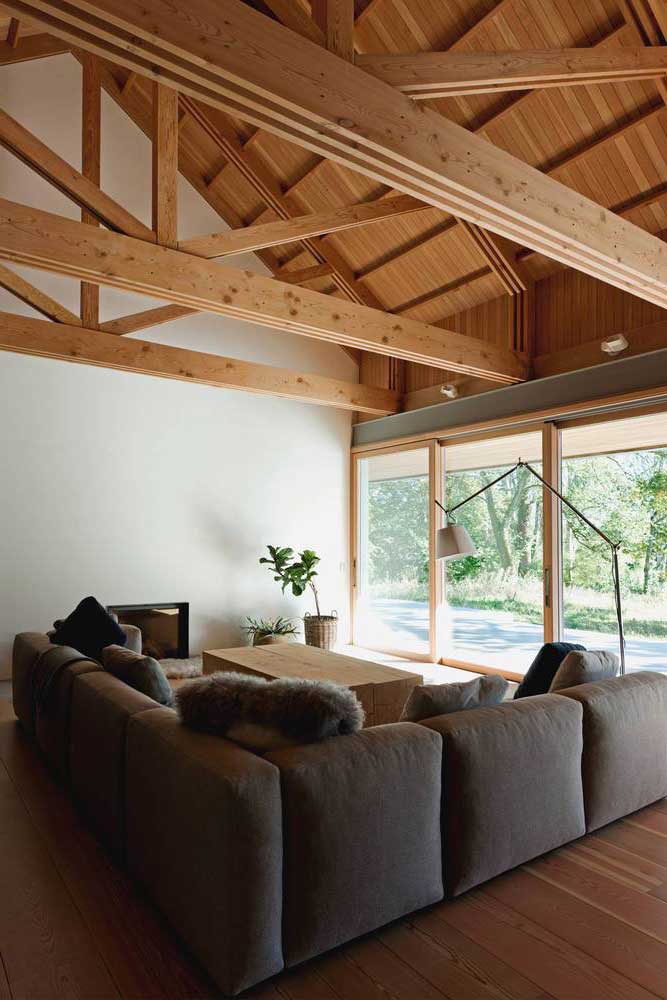
The Scandinavian high-ceiling living room occupies a productive middle ground between a traditional cottage and a modern country house. Exposed roof structure remains visible from the interior — purlins, ridge beam, rafter spacing — but everything is painted white or left in pale birch, so the structural honesty reads as lightness rather than unfinished construction. I’ve bought several pieces from Finnish brand Artek for this type of room ($300–$2,400 per piece) and they scale naturally to tall volumes in a way that flat-pack furniture simply doesn’t.

Beams in this context are one of the signature design elements — and a rare case where adding an element adds spaciousness rather than subtracting it. At ceiling heights above 3.5 meters, even 20cm-deep beams sit far enough above the occupied zone that they frame the space from above like a sky grid. Below that height, the same beams would press down on the room. Height is the permission slip.

Environmental credibility matters in these interiors — FSC-certified timber, natural linen textiles, and matte clay paint (Bauwerk Colour runs $85–$120 per 4L) reinforce the atmosphere that bare-wood structure creates. Anything synthetic or over-processed undermines the whole read of the room.
Luxurious eclecticism as an idea for a living room with high ceilings
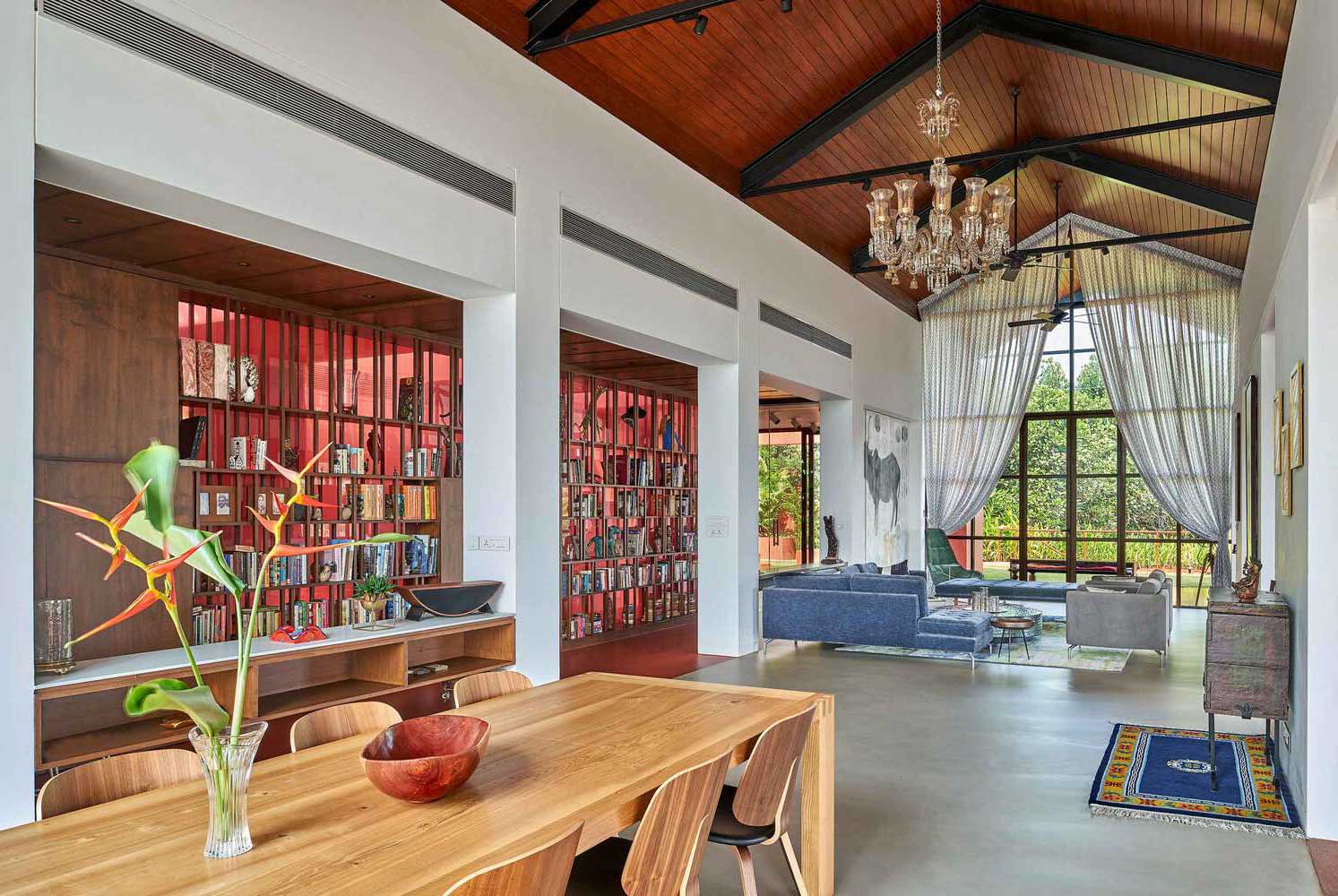
Eclectic high ceiling living rooms are where the volume justifies a scale of object that would be absurd anywhere else. A Murano glass chandelier at 1.2 meters diameter — the kind of piece that lists at $8,000–$30,000 at Venini or Barovier & Toso — finally has the ceiling height to hang at 3.5 meters without touching anyone’s head. Below that object, the room can mix a poured concrete floor with a barn-style ceiling and modern sectional sofa because the chandelier anchors the whole composition. Remove it and the room collapses into contradiction.

Eclectic rooms demand one discipline: transitions must be deliberate. Moving from a modern gray floor to a barn-style ceiling requires one bridging element — in this case, an aged-brass or raw bronze wall lamp family that draws both materials together. Without that bridge, the room looks like two different designers worked on it from different ends and never met in the middle.
High Ceiling Wall Design — The Three-Zone Rule That Prevents Decorator Mistakes
High ceiling wall design follows one principle that interior architects apply without exception: divide the wall vertically into three zones and treat each with a different intent. Ignore this structure and you’ll either under-fill a 5-meter wall with objects scaled for a 2.7-meter room, or overcrowd it and produce visual noise that makes the space feel small despite the height.

High ceiling wall design is also one of the clearest indicators of housing quality — real estate research consistently shows that volume above 3 meters adds measurable premium to property valuations. You should frame this advantage, not apologize for it with low-slung furniture and small-format art. For more ideas on ceiling material choices that complement tall walls, see the guide to wooden ceiling designs on ArtFasad.
Zoning in the high ceiling wall design

Zone one runs from the floor to approximately one meter — this is the working base. Furniture sits here: built-in cabinetry (custom Henrybuilt or Bulthaup runs $1,200–$3,500 per linear meter), bookshelves, or stone cladding if the room is a fireplace surround. Zone two, from 1 to roughly 2.5 meters, is where all active wall function lives — TV, art, sconces, open shelving. This is the zone you actually look at while seated or standing, so every element here gets considered.

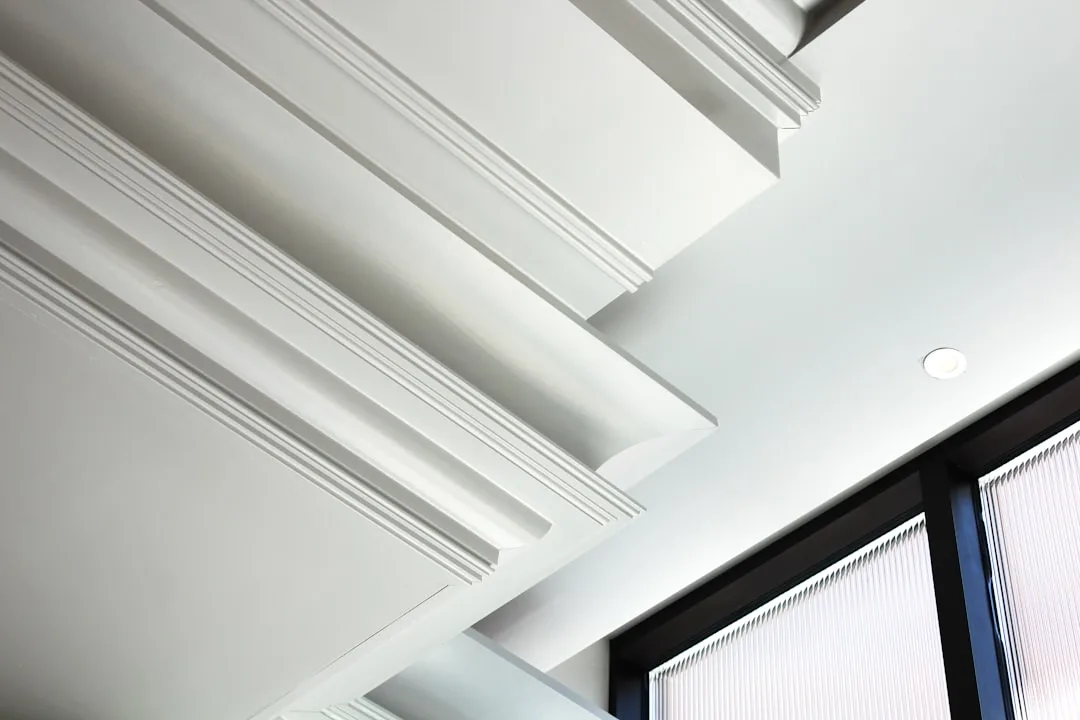
Zone three — everything above 2.5 meters — stays intentionally empty in most successful high-ceiling interiors. Its job is to carry the eye upward and confirm the room’s scale. You can connect it to the ceiling with a continuous plaster cornice or a band of the same material used on the ceiling, which reads as a visual bridge. What fails in this zone: small decorative objects, pot plants on shelves, or a television mounted too high. The upper wall is not storage. It is architecture.
Laconicism and massiveness in the high ceiling wall design

One large object beats ten small ones in a high-ceiling room — every time. A 180cm × 220cm canvas from an emerging artist ($400–$2,500) reads as architecture. Six 50cm prints at the same total area read as decoration. The distinction matters because architecture grounds the room and decoration floats in it. I stole this idea from a visit to a Tadao Ando-influenced house in Kyoto: the entire 6-meter wall held a single slab of honed black granite, floor to 2.8 meters. Nothing else. The room felt complete.

Oversaturation is the most common mistake in tall-wall rooms. You have the space, so you fill it. But an overfilled high-ceiling room loses the very quality that made it worth designing — the sense of air and open volume. A rough limestone plinth at the base, blank plaster above, and one large expressive cornice connecting them creates more presence than an entire wall covered in shelving and decor objects.
Accent in the design of walls with high ceilings

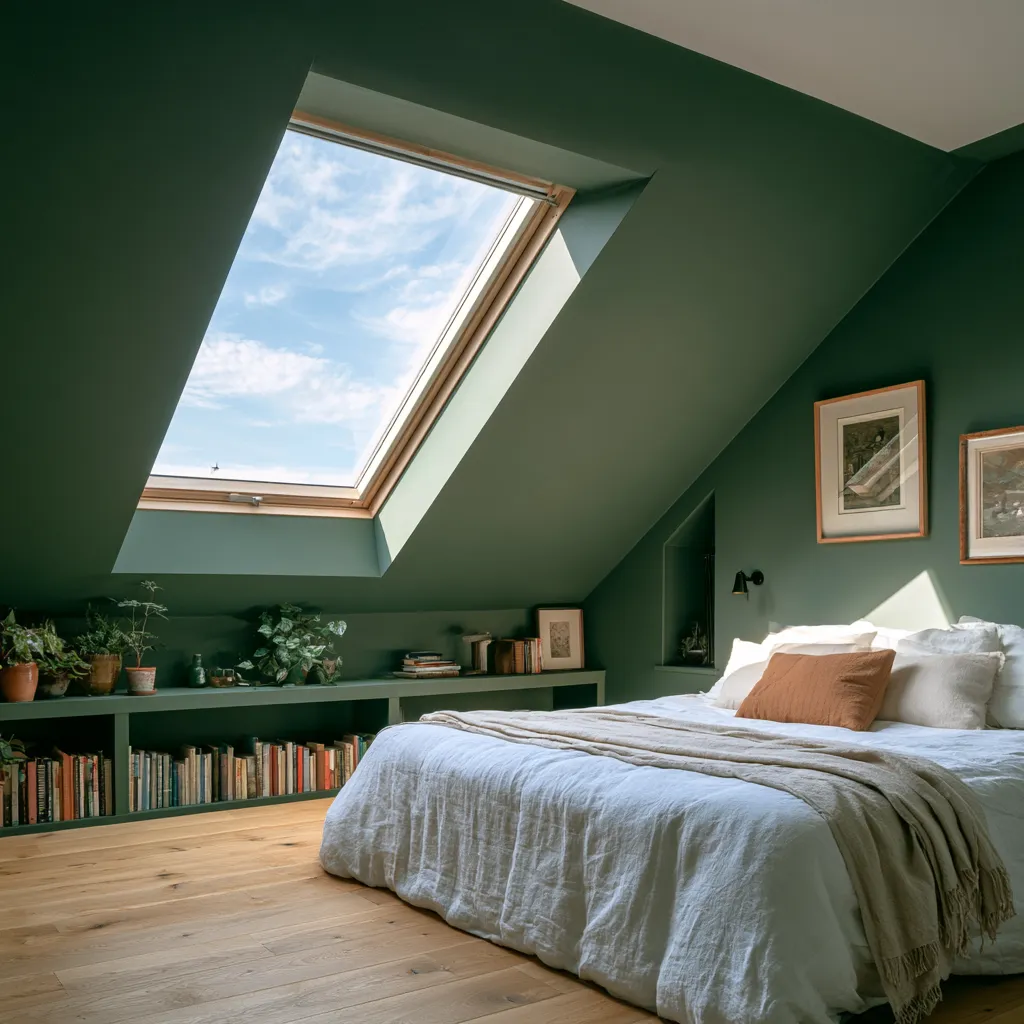
Color accent on a full-height wall is the fastest way to make a high-ceiling room feel curated rather than accidental. The rule is: run the color the full height of the wall, not from the floor to a dado rail. A half-colored wall in a 5-meter room looks like a wallpapering job that ran out of budget. Full-height deep green (Farrow & Ball’s Studio Green at $120 per 5L) or terracotta (Little Greene’s Picture Gallery Red) on a single wall creates a backdrop that anchors everything placed in front of it.

Accent texture works on the same logic. A fluted plaster panel (a technique practiced by specialists like Armourcoat, ranging $80–$200/sqm) or rough-sawn vertical timber cladding running from floor to 4+ meters commands the wall in a way that paint alone can’t. The texture amplifies height visually — your eye follows the vertical rhythm upward, which is exactly the direction you want it to travel. For simpler approaches to ceiling-wall transitions, this ceiling design overview on ArtFasad covers cost-effective techniques that work in tall rooms.
Wood Beams in High Ceiling House Design — Structural Logic Becomes Interior Atmosphere
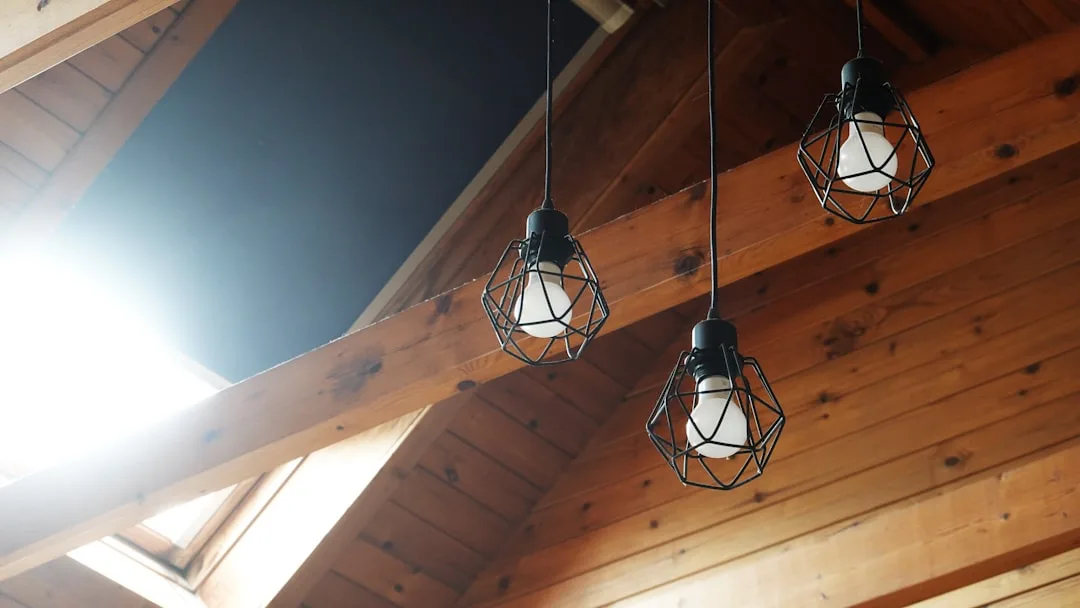
Wood beams in high ceiling house design deliver something no other decorative move can: they fill vertical void without blocking it. Think of it like the steel skeleton of a skyscraper — the structure gives the space its identity while leaving the interior open. In a room with 4+ meter ceilings, exposed timber beams at 60–80cm spacing overhead define the scale and give the eye something to navigate upward through, rather than a featureless plane to stop at.

Solid timber structural elements do double duty in functional terms — they’re not decorative additions but the actual components of the roof system. The furnishings below can be simple and light precisely because the ceiling does the visual heavy lifting. I’ve bought reclaimed Douglas fir beams from Longleaf Lumber ($8–$22 per linear foot) for a project in this register and found that rough-sawn surfaces read more authentically than planed-smooth timber, which looks too finished to be believable as structure.
High Ceiling Effect With Wooden Beams
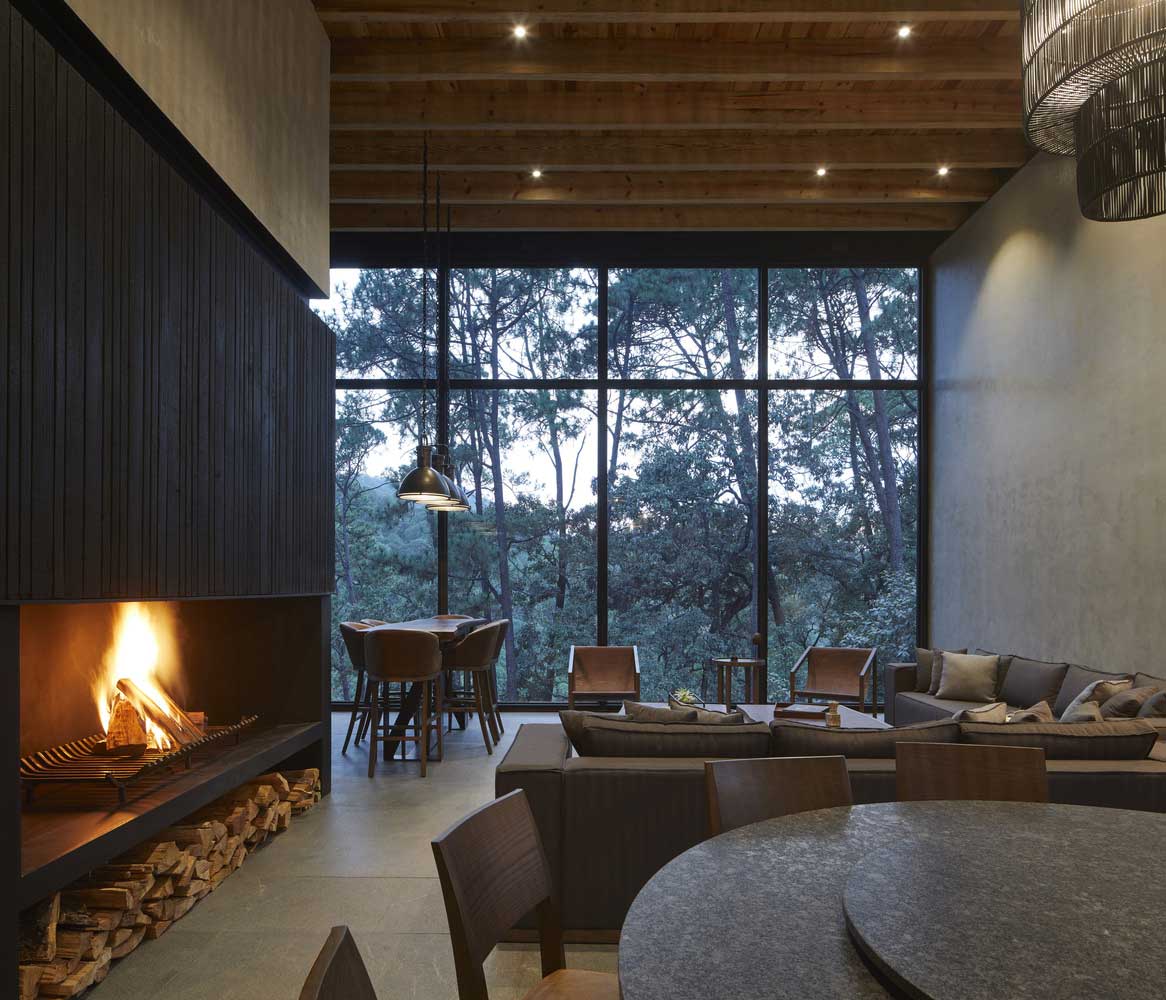
Solid wood beam ceilings at 4–5 meter heights make the living space feel both majestic and domestic — a combination that’s genuinely hard to achieve through other means. The naturalness of the material grounds the atmosphere in a way that no paint or wallpaper achieves. Oak and Douglas fir aged through a lye-and-oil treatment (a process used by Dutch firm Dinesen, whose wide-plank floors run $120–$300/sqm) develop a gray-silver patina that is impossible to replicate with stain but very possible to achieve with patience and proper finishing.

A wood ceiling is also a microclimate tool — timber buffers humidity, typically keeping relative humidity in the 45–55% range in a well-ventilated room, which is where most people report comfort. Fresh-sawn cedar or pine fills the room with a scent that no diffuser replicates convincingly. It’s the olfactory version of natural light: easy to appreciate, impossible to fake adequately with a substitute.
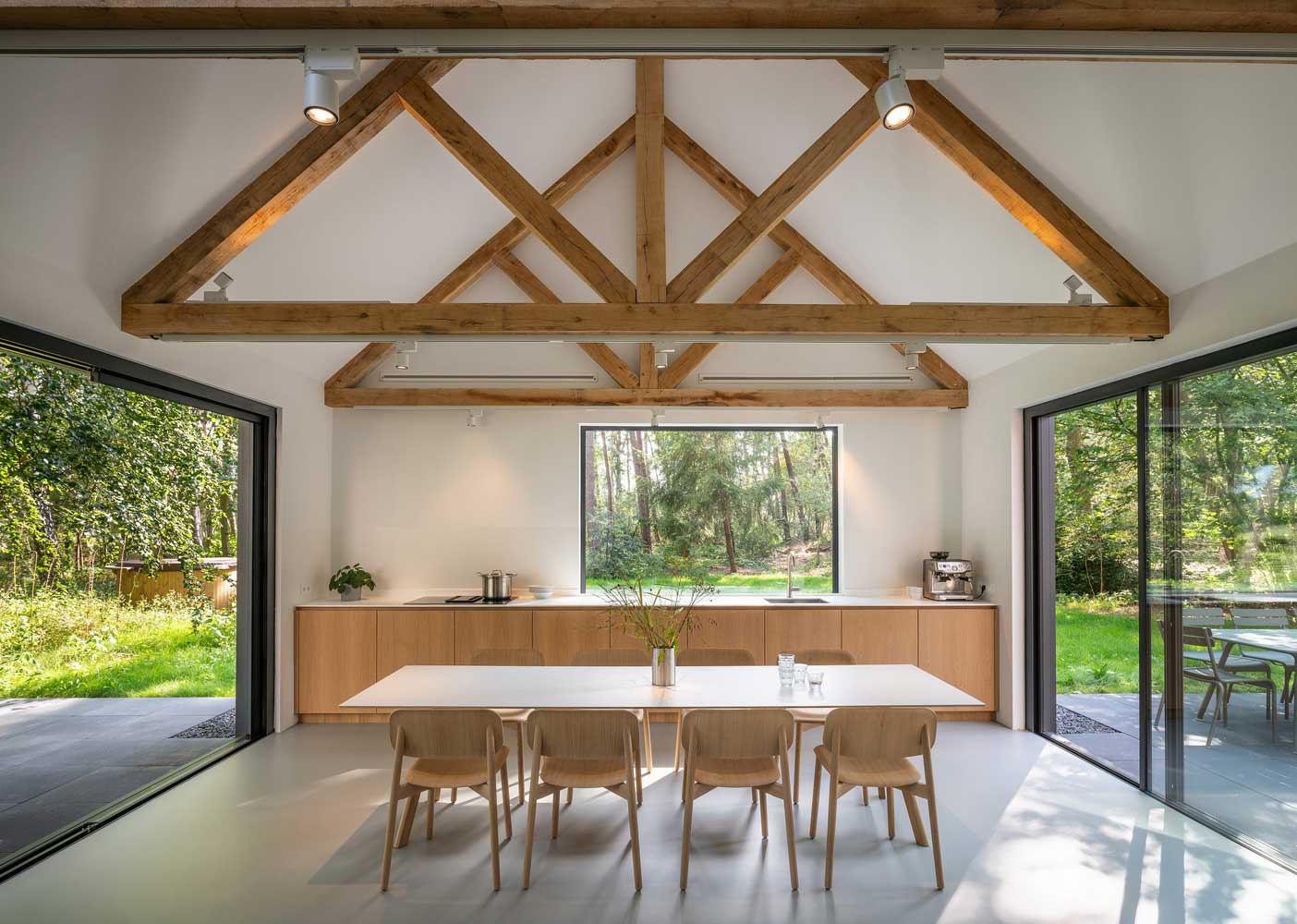
Non-standard beam configurations become possible above 4 meters — visible rafter legs with horizontal horizontal purlins below them, or king-post trusses that read as sculpture. These require a structural engineer to sign off (budget $1,500–$4,000 for engineering certification), but the result is a room feature that no amount of renovation budget can add once drywall is already in place. You need to commission this at the design stage or during a full gut renovation.

High Ceiling Aesthetics With Wooden Beams

The aesthetic case for wood-beamed high ceilings is partly about tradition and mostly about creative credibility. Massive transverse timber structures bring a layer of craft and material honesty that places the room in the same visual register as the most atmospheric styles — loft, Barnhouse, country — while reading as distinctly current rather than period-revival. Styles that appropriate this aesthetic without the actual structural commitment, like decorative foam-core beams glued to drywall, have an obvious uncanny-valley problem: they look exactly like what they are.

Loft, Barnhouse, and country styles all converge on this ceiling typology precisely because it’s the only element that conveys genuine age and materiality. Contemporary versions of these styles — think Ilse Crawford’s work for Aesop or the interiors produced by Norm Architects — use the same timber grammar but with cleaner secondary finishes and fewer competing textures. The ceiling does the character work; everything else stays neutral.
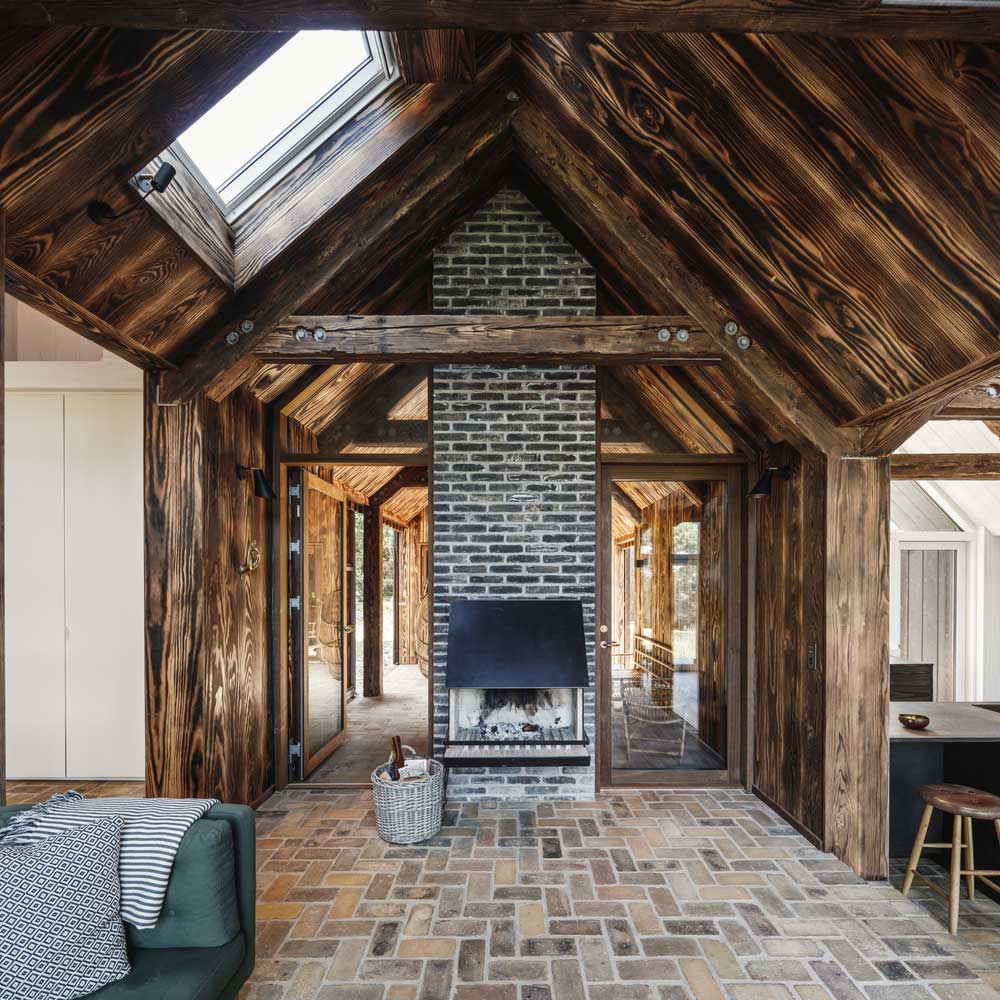
Depending on how the ceiling is finished, a beam room can read anywhere from a working farmhouse to a luxury eco-retreat. Light lye-treated oak beams with white plaster between them lands closer to the eco-luxury register; dark-stained rough-sawn pine reads as heritage farmhouse. The finish, not the structure, determines the register. Commit to one direction — mid-point compromises produce rooms that feel stylistically uncertain.
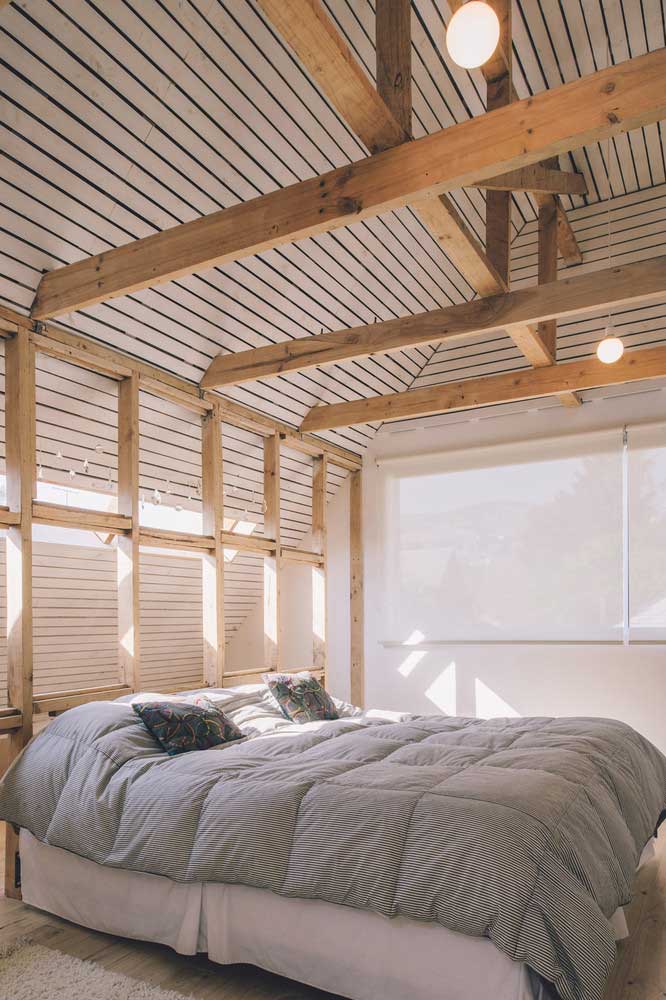
A well-executed high ceiling with exposed wood beams also does something measurable for resale value — appraisers in markets like the Pacific Northwest and Scandinavia treat exposed structural timber in double-height rooms as a premium feature, with documented price premiums of 8–15% over comparable homes with standard drywall ceilings. The investment in keeping those beams visible, rather than boxing them in, has a financial return that extends well past the satisfaction of living under them. For further reading on pairing beam aesthetics with an exterior material palette, see this designer roundup on high ceilings in interior design from FABDIZ.
Final Take
High Ceiling House Design Pays Off When You Stop Trying to Fill Every Inch
Rooms with 4–6 meter ceilings perform best when treated as volume-first, decoration-second. Scandinavian restraint, minimalist material logic, and exposed wood beams all follow the same underlying principle: let the height breathe.
Panoramic glazing on two or more sides is the single highest-leverage decision — it multiplies light, scale, and connection to the landscape simultaneously. Everything else is detail.
Wall design follows three zones: functional base to 1m, active mid-zone to 2.5m, and an intentionally blank upper third that carries the eye toward the ceiling. Crowd that upper zone and the room shrinks. Leave it empty and the architecture speaks for itself. Save this post before you start planning.