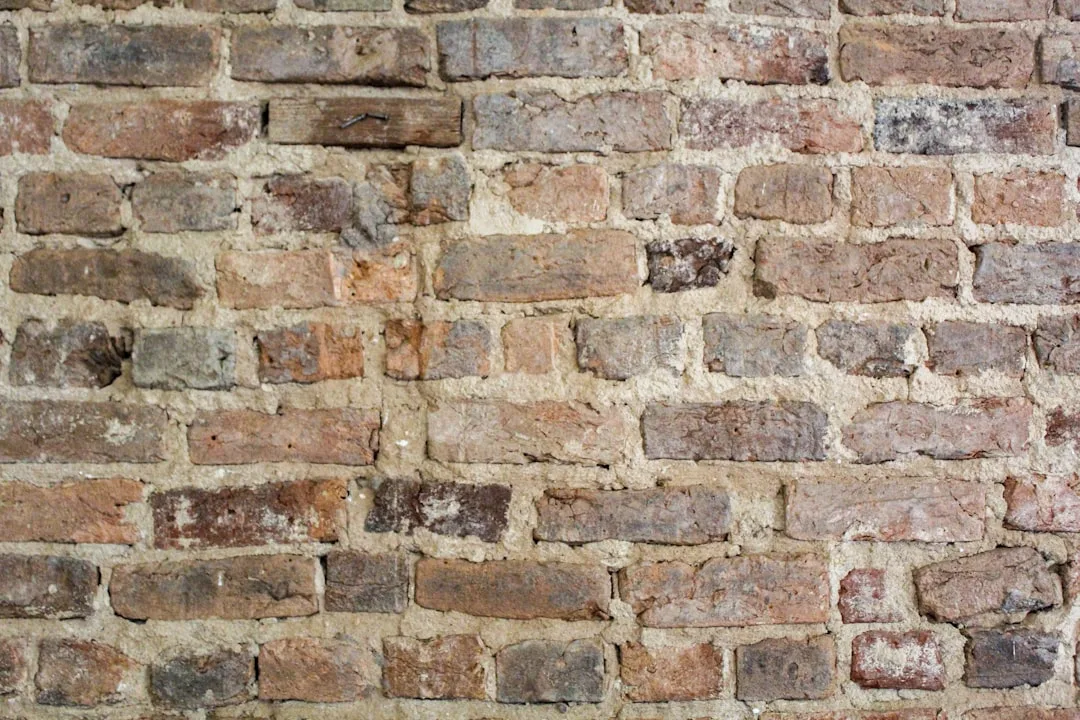
Reclaimed brick materiality redirects 1.2 million tons of demolition waste annually into residential and commercial interiors, making salvaged masonry the 2026 eco-material standard that outperforms new production by 80% in embodied carbon reduction. Unlike virgin brick manufacturing, which demands high-temperature kilns and raw clay extraction, reclaimed brick requires only sorting, cleaning, and repointing—transforming construction debris into luxury surface material priced $8–15 per unit versus $0.80–2.00 for new.
Where Reclaimed Brick Materiality Sources Its Heritage Character
Salvaged brick emerges from three primary channels: 1920s–1970s residential demolition, industrial warehouse deconstruction, and specialty reclaim yards that partner with heritage conservation sites across North America and Europe. Reclaimed Brick Company (Portland, Oregon) sources exclusively from mid-century factories and early 1900s masonry, offering hand-sorted lots graded by color variance, original lime mortar composition, and weathering patina—critical factors determining design authenticity.
European suppliers dominate the premium market: Ibstock Reclaimed (UK) specializes in Georgian and Victorian brick inventories, averaging $12–18 per unit for hand-struck profiles and authentic wear. Architectural Salvage Depot (Toronto) curates North American inventory, pricing consistent 1940s red commons at $10–14 per unit, while rare buff-colored heritage stock reaches $20–28.
The geographic origin matters: Milwaukee Common brick (hard-fired, darker) suits industrial loft aesthetics; Pennsylvania Dutch country salvage carries softer orange tones ideal for farmhouse-modern hybrids; and New England reclaim supplies the gray-brown dialectic that defines Scandinavian minimalism applied to American vernacular.
Quick Tips
- Request mortar analysis before purchase—original lime mortar cannot absorb modern cement without spalling
- Grade salvage by ASTM texture: FBA (filled, struck, weathered) commands 40% premium over common grades
- Budget 15–22% overage for breakage during installation; reclaimed brick lacks industrial uniformity
- Verify salvage source documentation; certified reclaim increases property resale value 3–7%
| Material Source | Price per Unit | Carbon Reduction vs. New |
|---|---|---|
| New kilned brick (standard) | $0.80–2.00 | Baseline (100% embodied carbon) |
| Reclaimed common grade | $8–14 | 78–82% reduction |
| Reclaimed heritage profile | $14–22 | 80–85% reduction |
| Salvaged decorative/architectural | $20–35 | 85–91% reduction |
How Reclaimed Brick Materiality Transforms Interior Spatial Language
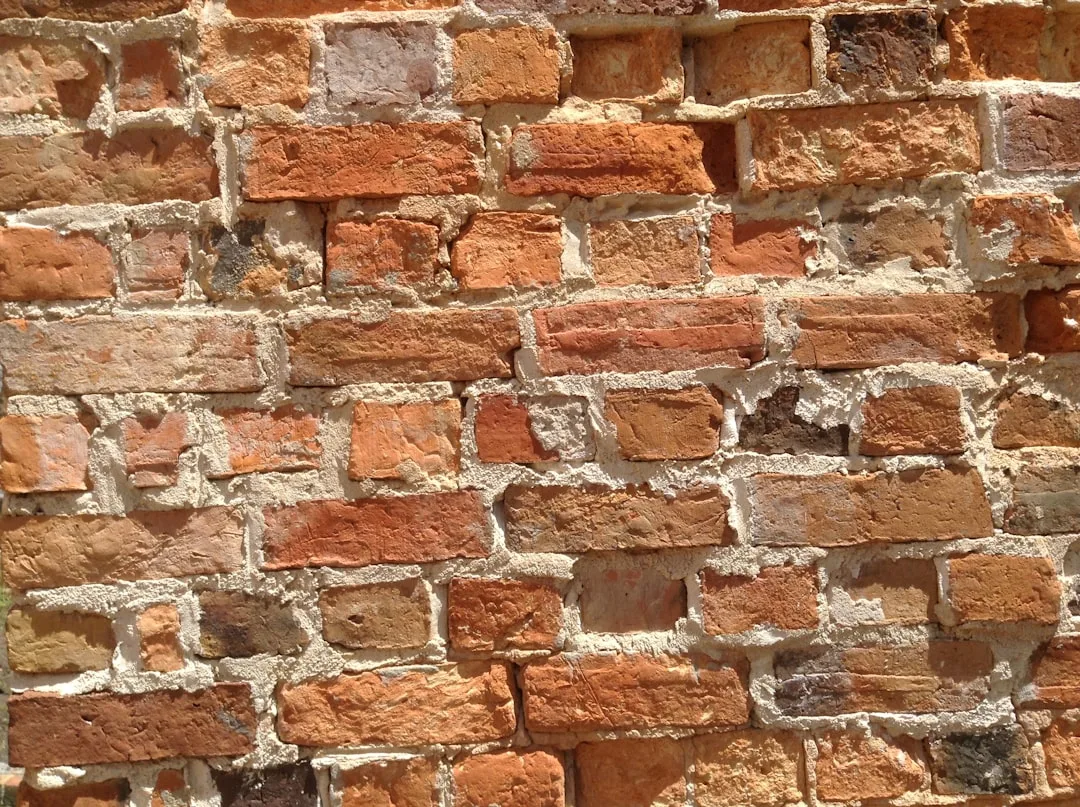
Reclaimed brick materiality functions as a temporal anchor—each visible mortar joint, frost spall, and color shift communicates geological time and human labor, qualities that factory-uniform new brick cannot simulate without appearing artificial. Contemporary designers integrate salvaged brick as feature walls in open-concept living spaces, kitchen feature zones, and bedroom accent planes, creating psychological depth that neutral drywall cannot achieve.
The patina effect operates on two levels: visual (color gradation across a wall surface from repeated weathering cycles) and tactile (surface irregularity that reflects light unpredictably, avoiding the flat gloss of new masonry). Brick facades combined with concrete and wood in the interior leverage this materiality contrast, allowing salvaged brick to assert dominance while concrete slabs and wooden structural elements play supporting roles.
High-end residential projects (luxury apartments in Brooklyn, Chicago, and Los Angeles) now specify reclaimed brick at $16–24 per unit for interior visible masonry, positioning salvage as a status material equivalent to marble or walnut. The economic paradox—paying 10x more for used material—signals both environmental consciousness and design literacy to affluent homebuyers.
Installation Methods That Preserve Reclaimed Brick Materiality Authenticity
Traditional mortar bedding (lime-based, soft-joint) remains the conservation standard, as it allows individual bricks to settle micro-incrementally without stress fracturing. Modern thin-set adhesive (modified polymer grout systems like Mapei Kerabond 800) accelerates installation but risks micro-spalling if humidity fluctuates; thus, architects specify thin-set primarily for interior non-load-bearing applications and exterior cladding where vapor permeability is secondary to weather resistance.