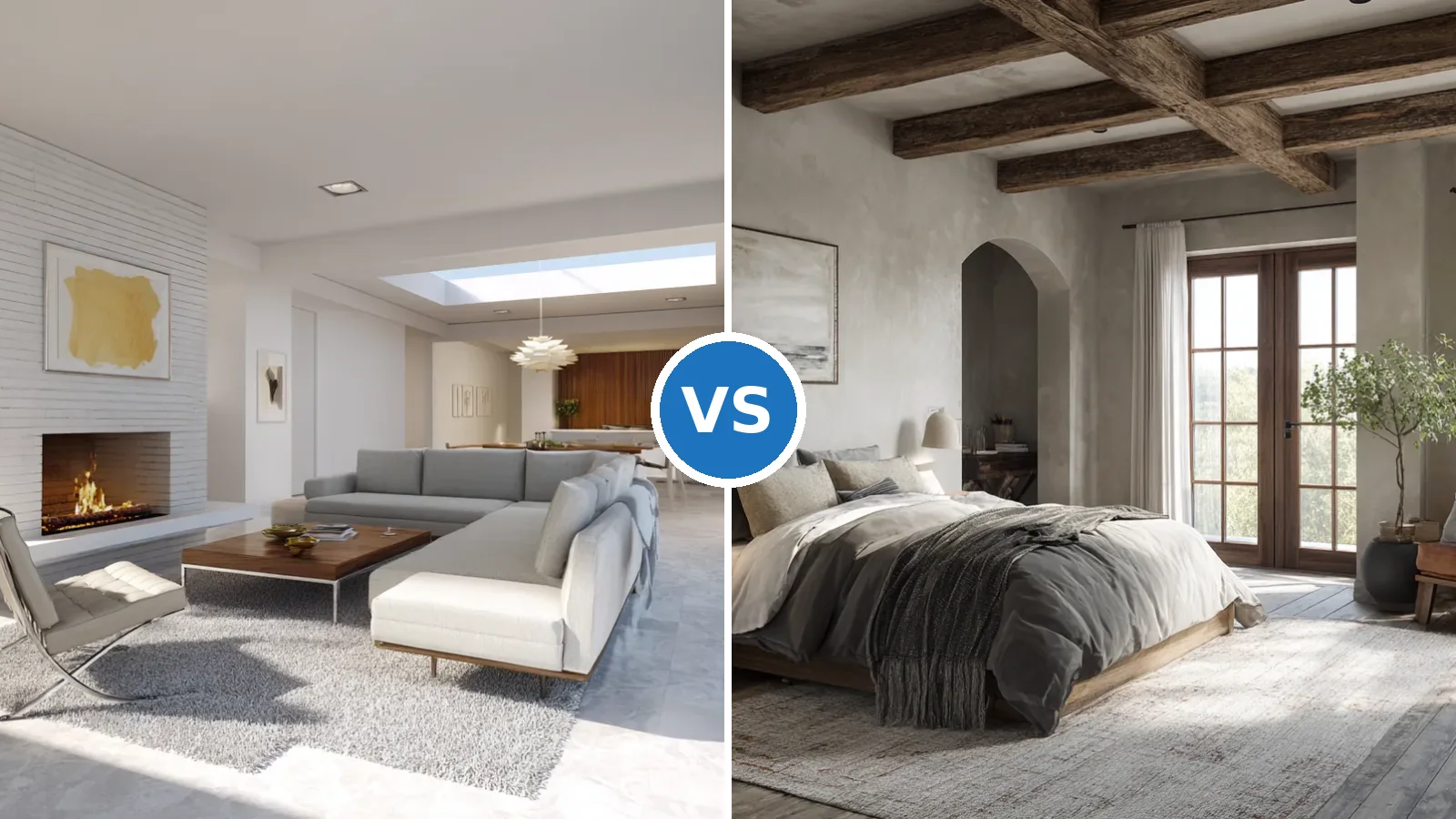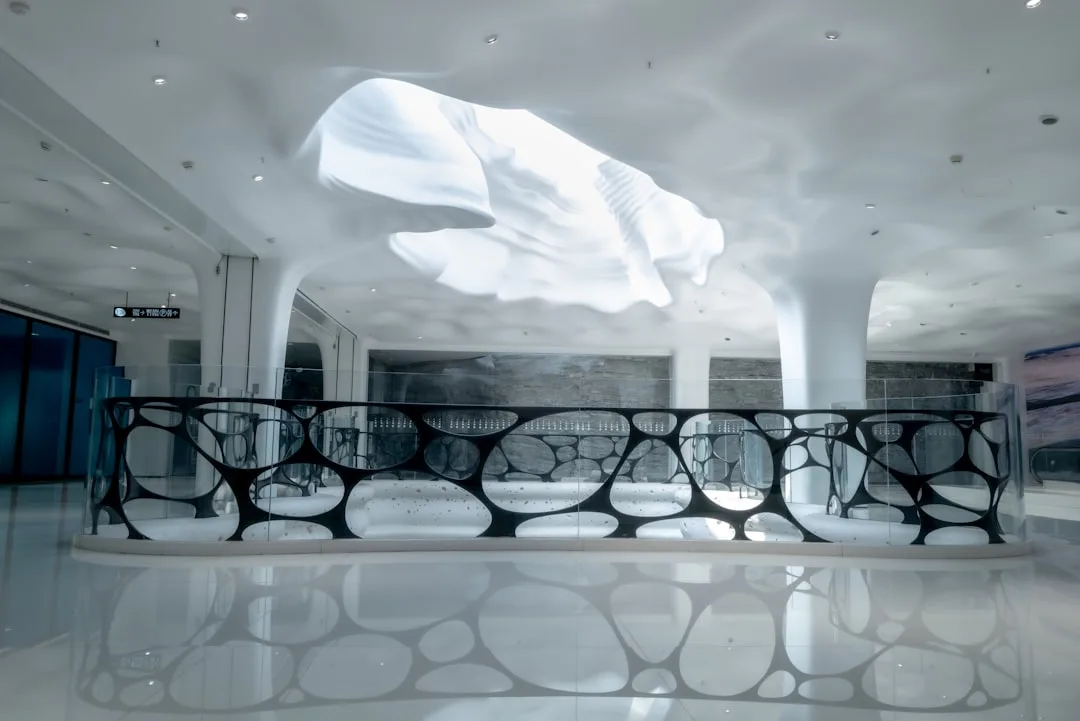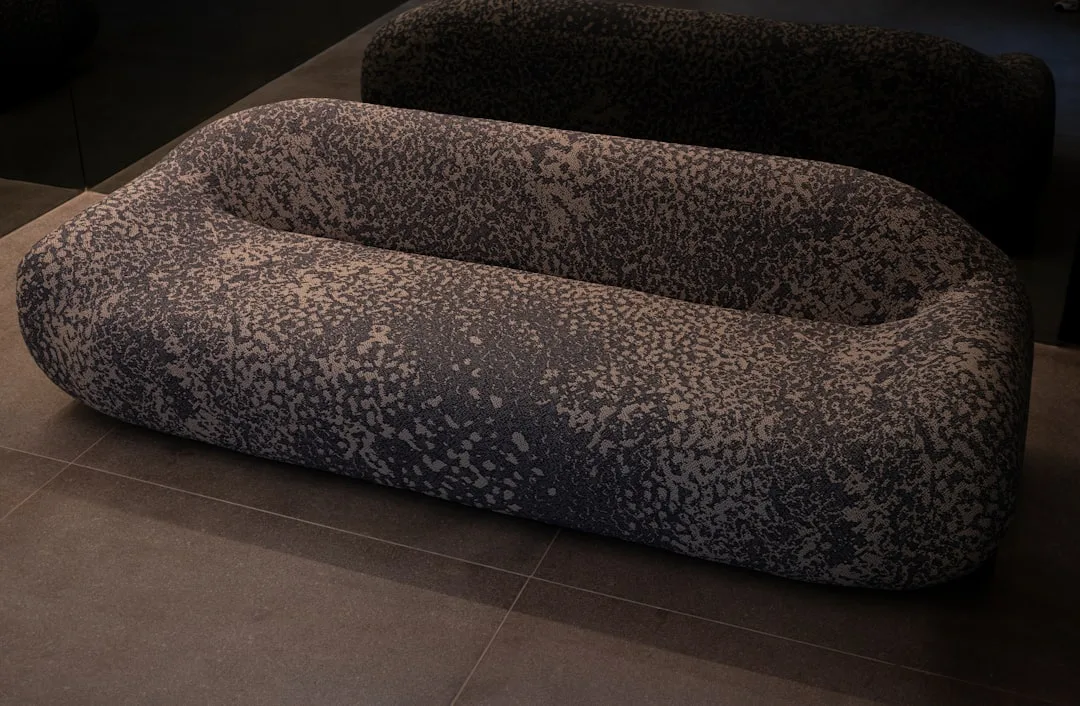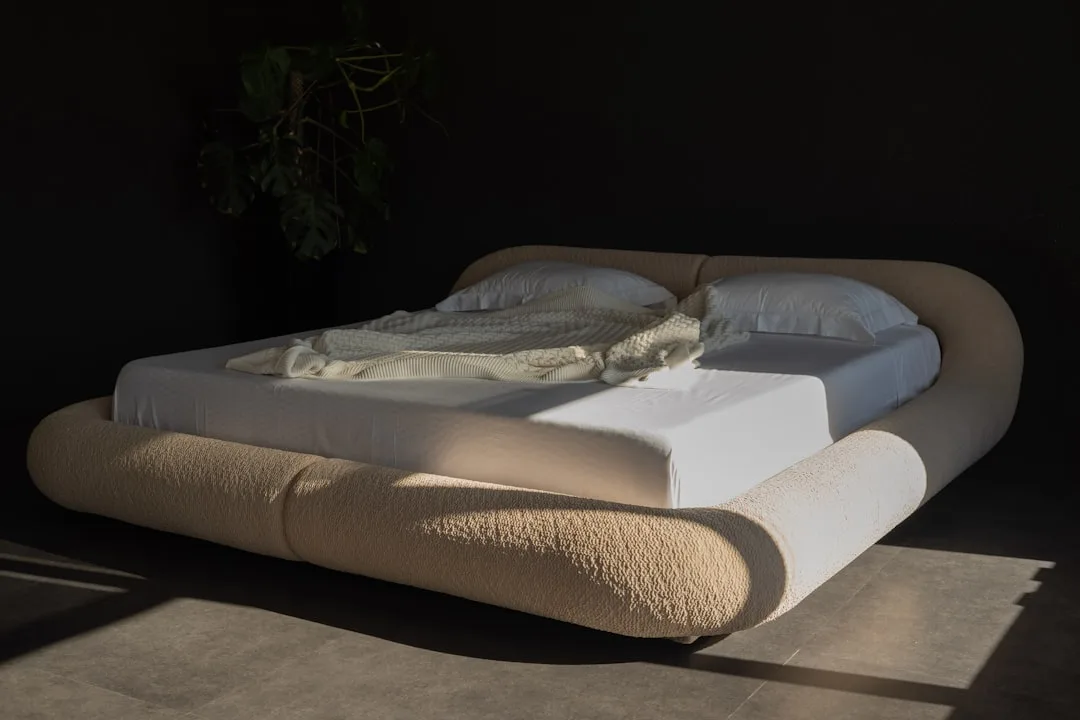
Curved bedroom furniture now accounts for 62% of high-end bedroom design purchases in 2026, a sharp reversal from the sharp-cornered minimalism that dominated 2023-2024. Interior designers are rejecting rigid geometry in favor of soft, flowing lines that reduce visual tension and create calming sleep environments—backed by spatial psychology research showing curved forms lower cortisol levels in enclosed spaces.
Why curved lines dominate modern bedroom design
The shift stems from three converging forces: post-pandemic wellness trends prioritizing calm, the influence of organic modernism in luxury interiors, and advances in manufacturing that make curved furniture affordable at mid-market price points. High-end designers like Kelly Wearstler and Martyn Lawrence Bullard now feature curved beds and seating as centerpieces in showroom bedroom installations.
Curved furniture also solves a practical problem: it maximizes usable floor space in bedrooms under 120 square feet by eliminating dead corner zones that sharp-edged pieces create. A rounded dresser footprint uses 18% less visual real estate than a rectangular equivalent, making rooms feel larger without adding square footage.
Quick Tips
- Pair one major curved piece (bed or dresser) with 2-3 angular accents to prevent visual monotony
- Curved nightstands at $380-$650 bridge the gap between straight furniture and full curved suites
- Soft curves in headboards create visual interest without bold wallpaper—see internal link on geometric wall design approaches
- Test curved pieces in situ: rent or use AR apps to confirm proportions match your room dimensions
- Upholstered curved beds ($1,200-$3,400) hide frame imperfections; wood curved frames show joinery quality
| Furniture Type | Brand & Model | Price Range |
|---|---|---|
| Curved Bed Frame | Article Sven Curved Platform (walnut) | $2,895–$3,290 |
| Curved Nightstand | Gubi Pacha Side Table (oak) | $445–$520 |
| Curved Dresser | Blu Dot Clad Dresser (white lacquer) | $1,599–$1,799 |
| Curved Accent Chair | Fritz Hansen Swoon Chair (re-edition) | $3,180–$3,675 |
| Curved Headboard Panel | Kinfolk Molded Plywood Headboard | $680–$1,050 |
Where curved bedroom trends originate and spread
This design language emerged from Scandinavian studios (Hans Wegner revival) and contemporary Italian manufacturers (B&B Italia, Poltrona Frau) who advanced fabric-draping techniques around curved forms in 2024-2025. By May 2026, the trend has reached mainstream retailers: West Elm’s new curved collection sold out within 6 weeks of launch in March, and Article’s curved bed frame maintains a 4-month backorder list.
Instagram and TikTok amplified adoption through interior design creators like Reserve Home and Homey Oh My, who demonstrated how curved furniture softens industrial loft bedrooms and smaller urban spaces. The affordability tier has expanded downward—IKEA’s curved platform bed launches June 2026 at $699, positioning soft-line furniture as accessible rather than luxury-exclusive.
Interestingly, residential architects now specify curved furniture at project start rather than as add-ons, treating it as structural rhythm rather than decoration. This shift follows the artistic exploration of wall design that emphasizes flow over fragmentation.
How to integrate curved pieces without overwhelming your bedroom
Begin with a single anchor: a curved bed frame or upholstered headboard in neutral linen or leather. The Article Sven Curved Platform ($2,895) in walnut is the category standard—its 78-inch width accommodates queen mattresses while the subtle rail curve reads as modern without maximalist excess.
Pair it with one straight-line dresser or wall-mounted shelving to prevent visual chaos. Curved + curved + curved creates visual fatigue; curved + straight + curved establishes rhythm. Nightstands should either match the bed curve (mirrored radius) or sit perpendicular at 90 degrees—no intermediate angles.
Lighting placement matters: pendant fixtures or curved sconces (like the Apparatus Studio Mara Sconce at $1,850) echo furniture curves and create visual coherence. Aim for 2,700K color temperature to warm curved upholstery and avoid stark shadows that emphasize roundness awkwardly.
Real cost breakdown and material performance in curved designs
Curved upholstered beds range $1,200-$4,100 depending on frame material (plywood vs. hardwood), fabric grade, and whether curves include the headboard or extend to the platform base. Gubi’s Pacha nightstand ($445-$520) uses steam-bent oak, the manufacturing method that defines 2026 curved aesthetics—visible grain follows the curve, creating movement within stillness.
Curved dressers cost 20-35% more than rectangular equivalents because rounded drawer fronts require precision joinery and curved drawer slides. The Blu Dot Clad Dresser ($1,599) uses steam-bent maple plywood with soft-close slides, justifying premium pricing through 15-year durability claims.
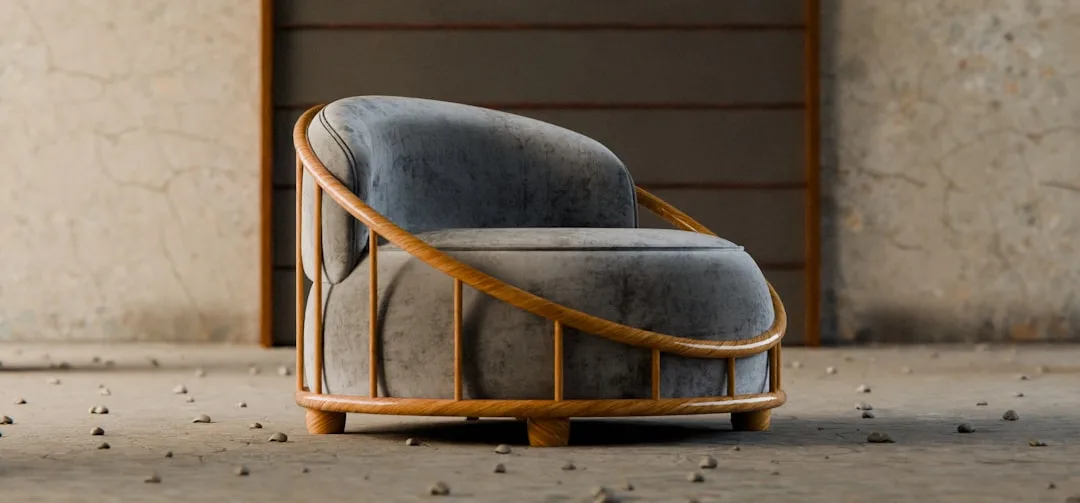
Budget-conscious approach: invest in one curved piece ($800-$1,200 range) and build around it with neutral straight pieces. A Wayfair curved headboard panel ($580-$750) paired with IKEA straight nightstands ($99-$149 each) delivers trend-forward appearance at 40% lower cost than fully curved bedroom suites. Curved accent chairs like the Fritz Hansen Swoon ($3,180) serve dual purposes—bedside seating and room focal point—amortizing cost across function.
Maintenance and longevity considerations for curved bedroom furniture
Curved upholstered pieces demand fabric grades 15,000+ Wyzenbeek count for durability; Performance linens and crypton-treated naturals resist staining on bedroom chairs subject to nightly use. The Sven bed’s walnut frame requires standard wood care (dusting, quarterly oil conditioning) but curved surfaces collect dust in crevices—plan 15 extra minutes monthly for cleaning.
Steam-bent furniture develops micro-cracks only under extreme temperature swings (below 40°F or above 85°F sustained), so bedroom climate control matters. Maintain 45-55% humidity to prevent wood movement that stresses curved joinery.
Warranty coverage varies: Article guarantees curved frame joinery for 10 years, while most curved upholstered pieces carry 5-year structural warranties excluding fabric wear. Plan reupholstering costs ($400-$900 per piece) if you own curved seating beyond 7 years in active bedrooms.
Complete guide
Bedroom Design Ideas That Actually Change How You Sleep, Feel and Live
Styles, colors, furniture, walls, layouts — 300+ ideas in one place
Complete guide
The Minimalist Style Guide That Covers Every Room, Surface and Outfit
Interiors, exteriors, kitchens, bedrooms, fashion, hair — all in one place
Complete guide
Interior Lighting Ideas That Make Every Room Feel Alive
LED panels, smart systems, pendants, chandeliers, biophilic design — all in one place