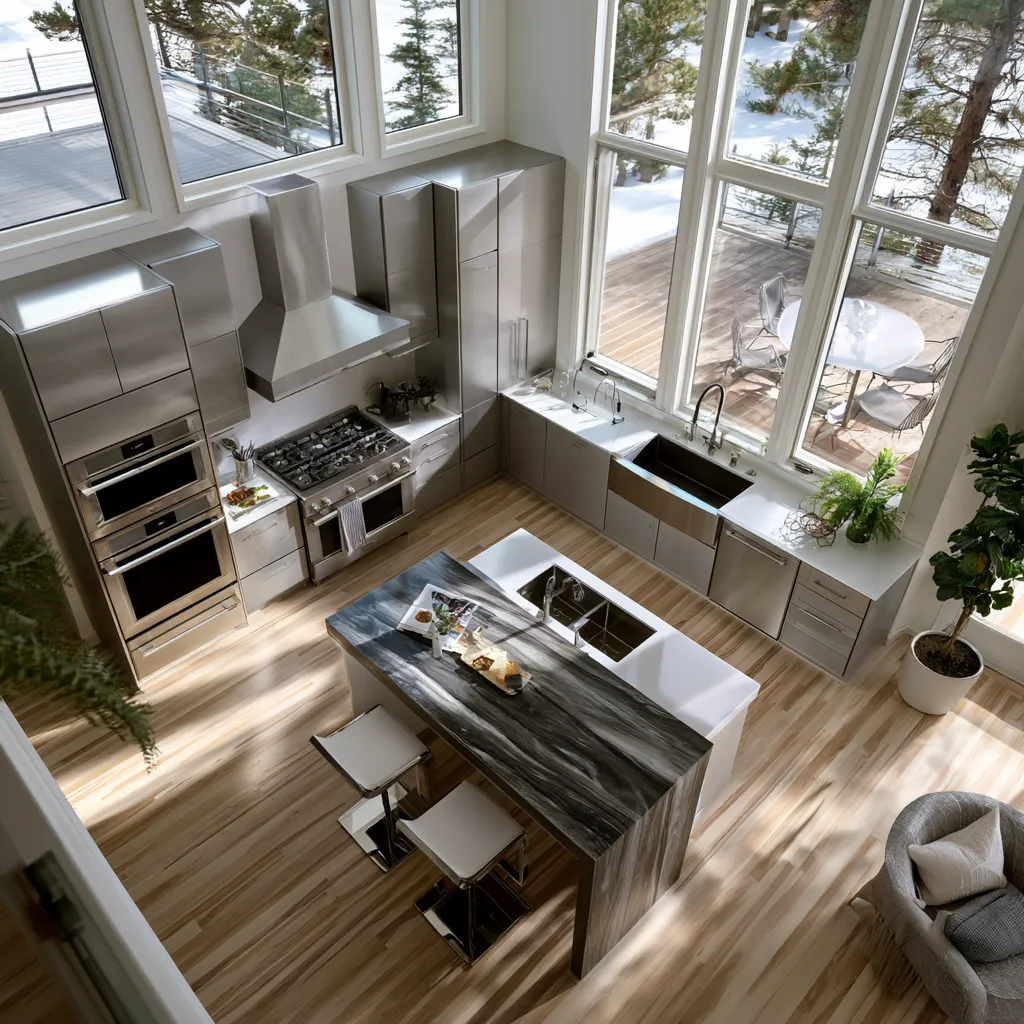
Living in a rental often feels like a compromise between your aesthetic vision and the limitations of your lease agreement. You might be stuck with dated cabinets, lackluster flooring, or lighting that feels more clinical than cozy. However, not owning the property does not mean you must resign yourself to a generic or uninspiring environment. With a surge in innovative, non-damaging products and creative styling techniques, you can now curate a space that feels entirely your own and looks surprisingly high-end. These strategies allow you to inject personality and functionality into your culinary space, transforming it into a reflection of your taste while ensuring you get your security deposit back when it’s time to move.
Peel and Stick Solutions for Instant Kitchen Room Design Upgrades
The landscape of temporary interior modification has undergone a radical revolution in the last decade, primarily driven by the invention and refinement of adhesive technologies that are strong enough to stick but gentle enough to peel away without residue. For the renter who creates a vision for their home, the most powerful tool in the arsenal is undoubtedly peel-and-stick products. These allow you to cover the “sins” of a dated apartment—be it yellowing linoleum, scratched laminate countertops, or a backsplash that screams the wrong decade—without picking up a hammer or a bucket of grout.


Let’s begin with the vertical surfaces, which often dominate the visual field. In many rentals, the backsplash is either non-existent or unappealing. Installing a removable tile sticker system can completely alter the atmosphere of the cooking area. These are not the flimsy stickers of the past; modern versions mimic the texture and sheen of real glass, ceramic, or stone. You can introduce a classic subway tile look for a clean, industrial vibe, or perhaps a Moroccan encaustic pattern to add warmth and travel-inspired character. The application process requires patience and a steady hand, but the payoff is a kitchen room design that looks custom-built. Because these stickers are water-resistant and heat-resistant to a degree, they are perfectly suited for the splash zone behind the sink and stove, provided you follow safety gaps for open flames.
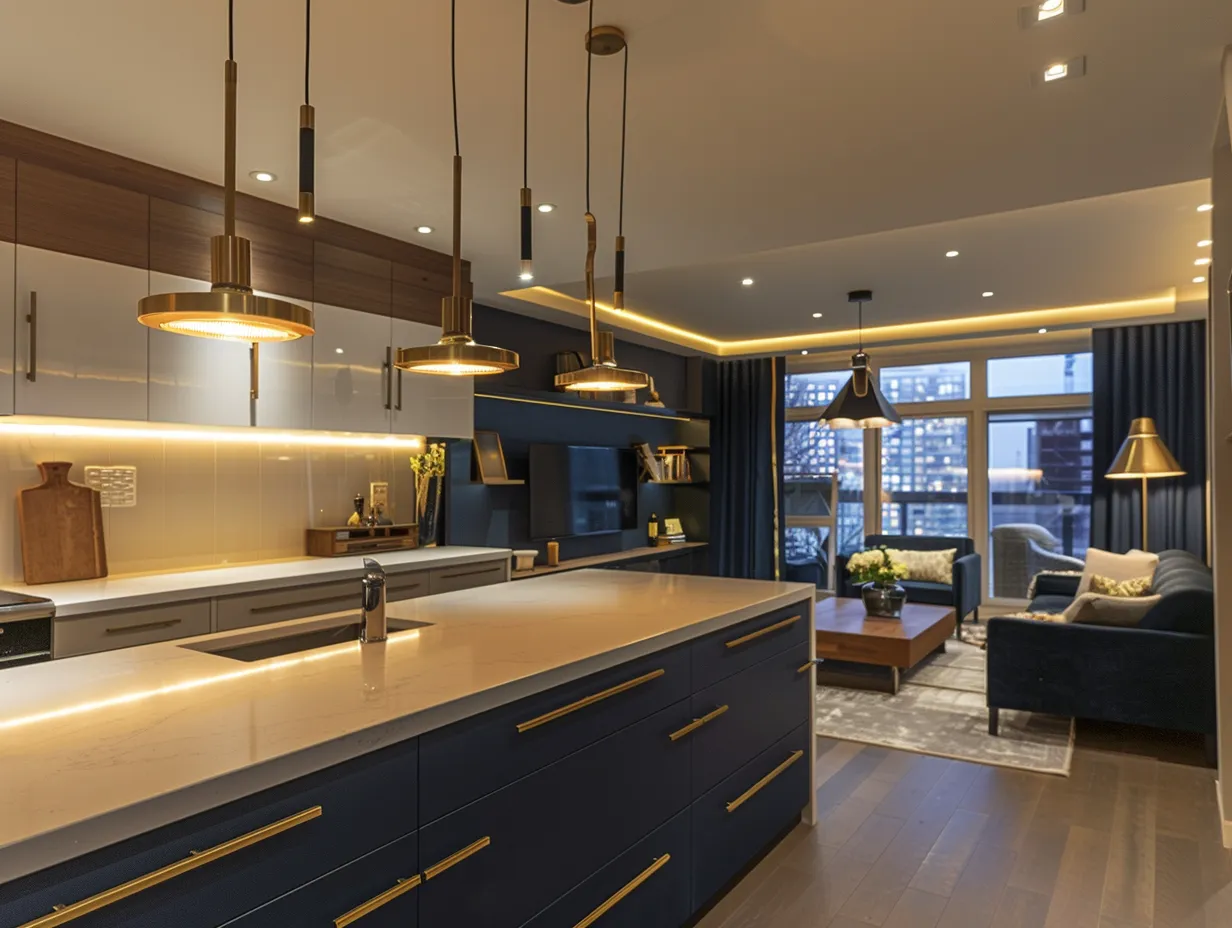
Moving to the cabinetry, this is often the biggest pain point for tenants. Dark, heavy wood or cheap melamine can suck the light out of a room. While painting is usually forbidden, wrapping creates a reversible solution. high-quality contact paper or specialized removable wallpaper can be applied to cabinet fronts to change their color entirely. A matte sage green or a navy blue can cover up generic white builder-grade fronts, instantly grounding the space and making it feel more expensive. The key to making this look permanent lies in the details. Take the time to remove the hardware before wrapping, use a squeegee to eliminate air bubbles, and wrap the edges neatly. If the budget allows, swapping out the cabinet knobs and pulls for modern brass or matte black fixtures—and keeping the old ones in a bag to reinstall later—completes the illusion. This combination of a new color skin and upgraded “jewelry” makes the kitchen room design feel intentional rather than accidental.
Countertops are another surface that can make or break the aesthetic. Real stone is a luxury reserved for ownership, but renters can simulate the look with wide-width contact paper designed for surfaces. There are convincing faux marble, granite, and even butcher block options available. These films are durable enough to withstand daily wiping and light wear, though cutting directly on them is ill-advised. By covering a stained or chipped laminate counter with a clean, faux-marble film, you instantly brighten the workspace and provide a neutral backdrop for your food preparation. It is a psychological upgrade as much as a visual one; preparing dinner on a surface that looks clean and stylish changes the way you interact with the room.
Finally, consider the floor. If you are stuck with ugly vinyl, peel-and-stick floor tiles can be laid directly over the existing floor. These “floating” floors stay in place due to friction or mild adhesive tabs that don’t bond permanently to the subfloor. A black and white checkerboard or a wood-look plank can hide a multitude of flaws. The beauty of these adhesive solutions lies in their impermanence. They allow you to experiment with bold trends—like a terrazzo pattern or a moody floral wallpaper—that you might be too scared to commit to in a permanent renovation. They give you the freedom to evolve your kitchen room design as your tastes change, all while keeping the landlord happy. It turns the rental from a borrowed space into a canvas for personal expression.
Portable Island and Lighting Tricks for Temporary Kitchen Room Design
One of the most significant challenges in a rental property is the inability to alter the architectural layout or the hardwired electrical plan. You cannot knock down a wall to create an open-concept flow, nor can you easily add recessed lighting to brighten a dim corner. However, this limitation invites a different kind of creativity, one that relies on furniture and plug-in solutions to mimic the functionality and ambiance of a permanent renovation. The goal is to add “architecture” through movable objects that you can take with you when you leave.
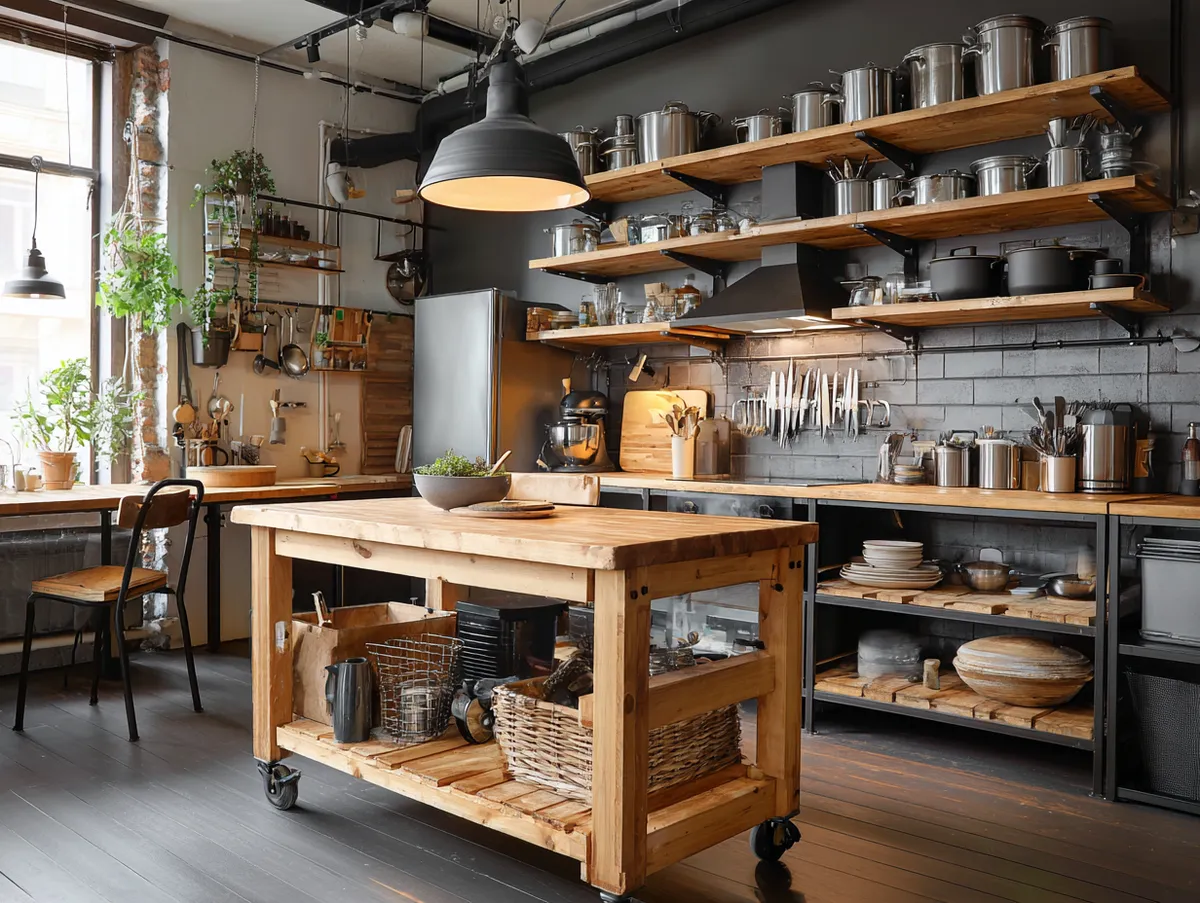


The centerpiece of this strategy is often the portable island. In many older apartments or smaller units, counter space is at a premium, and the layout may feel disjointed. Introducing a substantial piece of freestanding furniture, such as a butcher block cart or a stainless steel prep table, anchors the room. It provides a focal point that the built-in cabinetry often lacks. This island serves multiple functions: it offers a designated prep zone, additional storage for pots and pans on lower shelves, and a breakfast bar if overhang space allows for stools. Visually, it breaks up the open floor plan and defines the “cooking zone,” making the kitchen room design feel more structured and substantial. Because it is on wheels or simply freestanding, it is technically furniture, not a fixture, bypassing lease restrictions while providing the utility of a built-in island.
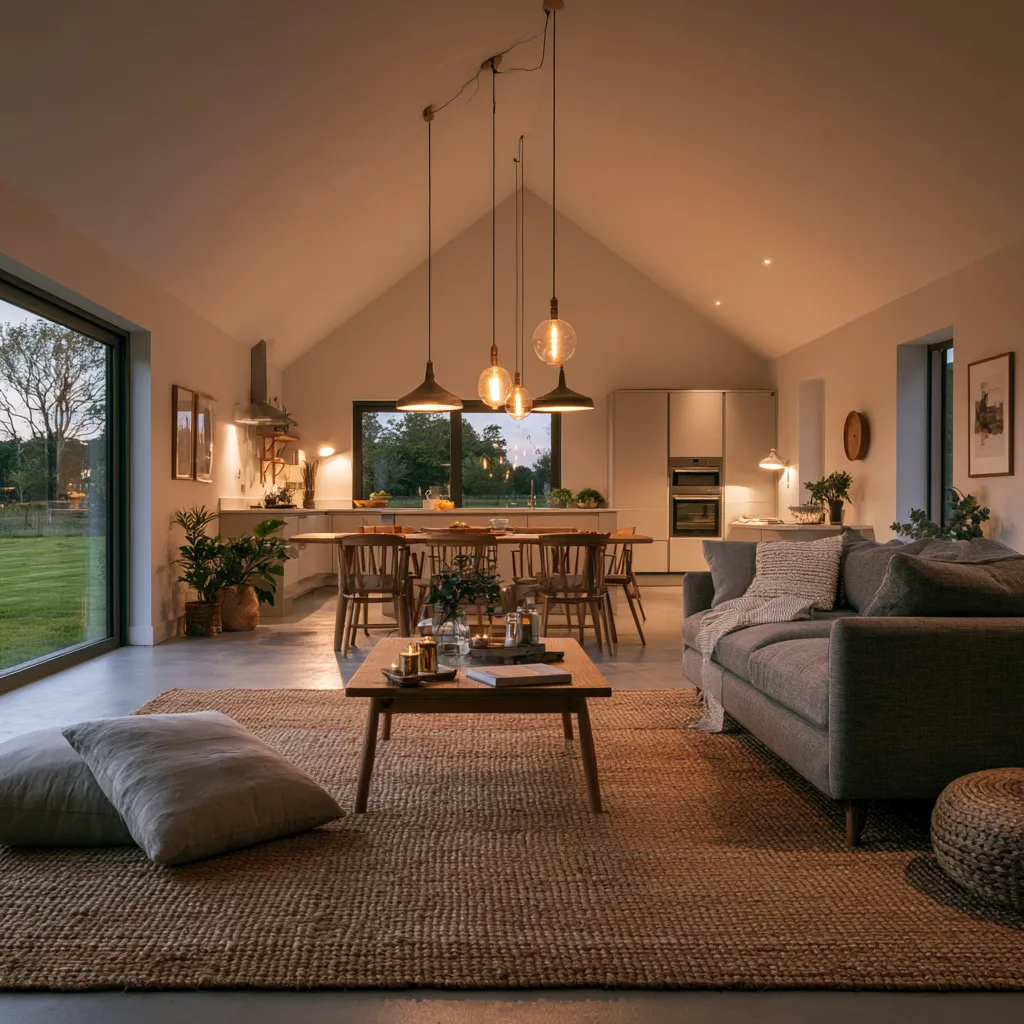
Lighting is arguably the most critical element in setting a mood, yet rental units are notorious for having harsh, unflattering overhead fixtures. Since you likely cannot rewire the ceiling, look to plug-in options to layer the light. A statement pendant light with a long cord can be swagged from a simple ceiling hook to hang directly over your portable island or dining table. This lowers the light source, creating a more intimate dining atmosphere and drawing the eye away from the generic ceiling fixture. Additionally, wall sconces that plug into an outlet can be mounted on either side of a window or above a shelving unit to add sophistication. Many modern sconces are designed to look hardwired, with cord covers that blend into the wall, offering that high-end hotel look without the electrician’s bill.
Under-cabinet lighting is another game-changer for functional kitchen room design. Battery-operated or plug-in LED strips can be easily adhered to the bottom of upper cabinets. This task lighting illuminates the countertops, making food preparation safer and easier, but it also creates a warm glow in the evening when the main lights are off. It adds depth and dimension to the room, highlighting the backsplash and making the space feel larger.
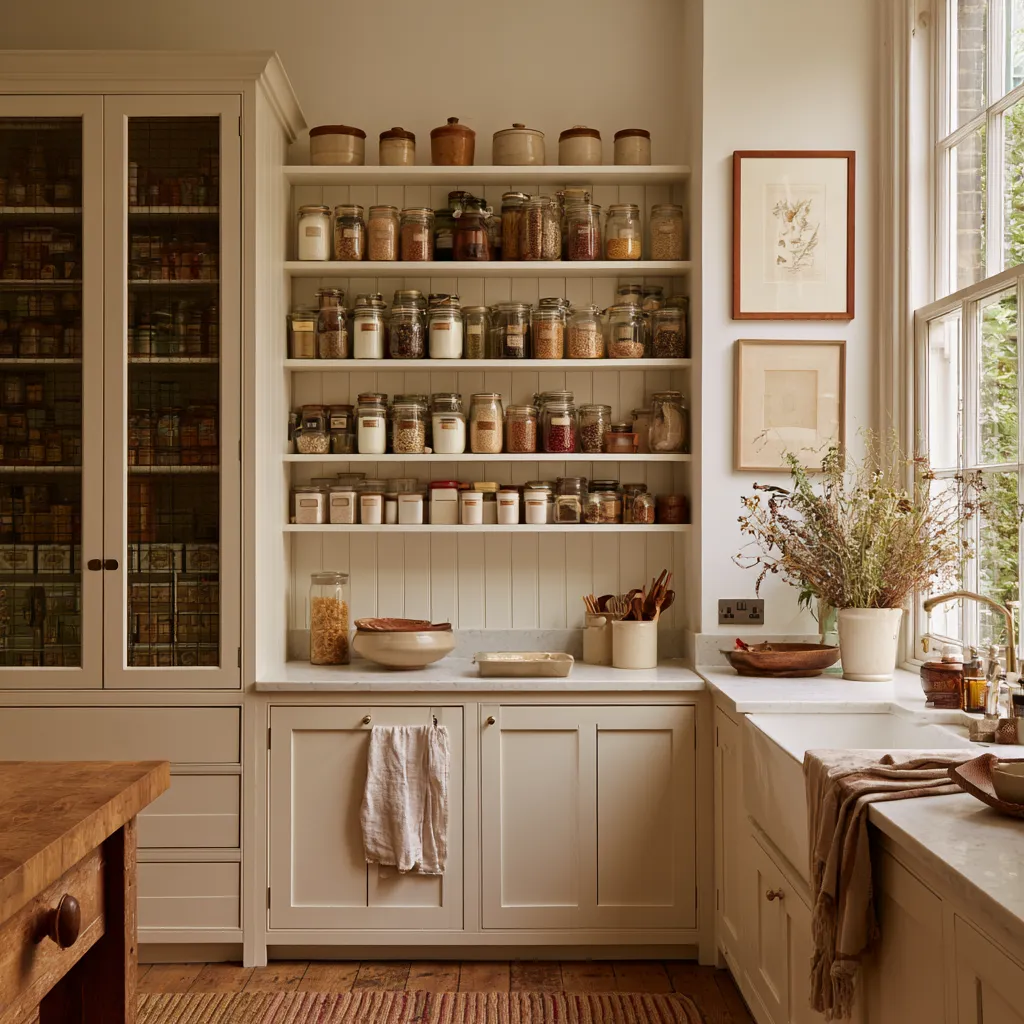
Storage is the final piece of the architectural puzzle. If you lack pantry space, a tall, freestanding metal shelf or an antique armoire can act as a larder. By using uniform jars and baskets to organize dry goods, you turn storage into a display. This “deconstructed pantry” look is very trendy and implies a chef’s kitchen vibe. Similarly, utilizing the sides of appliances or walls with magnetic organizers or command-strip hooks allows you to keep tools within reach without drilling holes. A magnetic spice rack on the side of the fridge or a rail for hanging utensils adds both utility and a layer of lived-in charm.
By investing in high-quality, movable pieces like a solid island, distinct lighting fixtures, and substantial storage units, you are building a collection of assets that will serve you in future homes as well. You are not sinking money into a landlord’s property; you are investing in your own lifestyle. These elements come together to create a layered, functional kitchen room design that feels established and permanent, hiding the transient nature of the rental behind a facade of solid, beautiful furniture and thoughtful illumination.
Strategic Decor and Textiles to Personalize Rental Kitchen Room Design
When the hard surfaces of a room cannot be changed, the soft surfaces become your most potent allies. In a rental unit where you might be contending with cold tile, generic laminate, or stark white walls, the introduction of textiles, art, and organic materials serves to distract the eye and soften the overall aesthetic. This approach to kitchen room design is about layering personality over the existing shell, using decor to draw attention to what you love and away from what you don’t. It is the art of misdirection and comfort, transforming a sterile box into a home that feels curated and collected over time.


The floor is the largest expanse in the room and often the most problematic in rentals. A large, high-quality area rug or a long runner is essential. A vintage Persian rug or a durable flatweave in a bold pattern does two things: it physically covers an ugly floor, and it adds immediate warmth and color. The texture of wool or cotton underfoot is infinitely more pleasant than cold vinyl. Visually, a rug grounds the room and creates a designated zone. It introduces pattern and history, suggesting that the space is furnished rather than just equipped. In the context of kitchen room design, washable rugs are a practical choice, allowing you to maintain hygiene while enjoying the aesthetic benefits of a soft floor covering.
Window treatments are another area where renters often settle for the standard-issue plastic blinds. However, removing these (and storing them safely) to replace them with curtains or a Roman shade can dramatically alter the light and mood of the room. If drilling for a curtain rod is not an option, tension rods are a brilliant solution. They fit inside the window frame and can hold lightweight linen curtains or a bamboo shade. This simple swap adds height to the room and introduces fabric texture, which absorbs sound and softens the harsh lines of cabinets and appliances. The play of light filtering through a natural fabric makes the entire space feel airier and more residential.
Art is frequently overlooked in culinary spaces, yet it is the quickest way to inject personality. In a rental, you might be hesitant to hammer nails into the wall, but there are other ways to display art. Leaning framed prints or oil paintings against the backsplash is a sophisticated styling trick. It creates a casual, gallery-like feel. You can layer a small framed piece in front of a larger cutting board or tray to create a vignette. This draws the eye to the counter level and adds depth. Command strips are also reliable for hanging lighter pieces on walls or even on the cabinet doors themselves. A gallery wall of vintage food advertisements or botanical prints can turn a blank, boring wall into a conversation piece, effectively shifting the focus of the kitchen room design from the structure to the decoration.
Finally, introduce organic elements to breathe life into the space. Wooden cutting boards, woven baskets, and clay pottery add necessary earthiness to balance the synthetic materials often found in rentals. Plants are non-negotiable; a trailing pothos on top of the fridge or a cluster of herbs on the windowsill adds vibrancy and improved air quality. These living elements connect the indoors with the outdoors, making the room feel fresh. By focusing on these movable, tactile layers—rugs, curtains, art, and plants—you create a sensory experience that overpowers the bland backdrop. The result is a kitchen room design that feels deeply personal and permanent, a space where the decor tells your story, regardless of who owns the walls.
FAQ
Can I really use peel and stick wallpaper on rental cabinets without damage?
How can I add more counter space to a small rental kitchen without remodeling?
What is the best way to hide an ugly rental kitchen floor?
Complete guide
Every Modern Kitchen Design Idea Worth Stealing Right Now
Layout, cabinets, islands, materials, color, lighting — all in one place