Sustainable design has evolved from a niche preference into a hallmark of high-end interior architecture. Among the most striking ways to introduce character and history into a home is through the use of reclaimed stone. Far from looking dated, salvaged materials can ground a sleek, contemporary space, providing a tactile counterpoint to the clean lines of a modern kitchen. When integrated thoughtfully, a kitchen island crafted from storied masonry becomes more than just a workspace; it functions as a functional sculpture that tells a narrative of time and endurance.
Designing Minimalist Spaces With Antique Masonry
When we talk about the intersection of heritage and modernism, the conversation often shifts toward the contrast of textures. A minimalist kitchen typically relies on a restricted color palette and smooth surfaces, which can sometimes feel clinical if not balanced with organic elements. Introducing antique masonry into this environment serves as an anchor. The secret to making this work lies in the selection of the stone’s profile. Instead of opting for uniform, thin slabs, designers are increasingly choosing thick, monolithic blocks of limestone or sandstone that have been salvaged from old European farmhouses or industrial sites. These pieces carry a weight and presence that modern engineered surfaces simply cannot replicate.
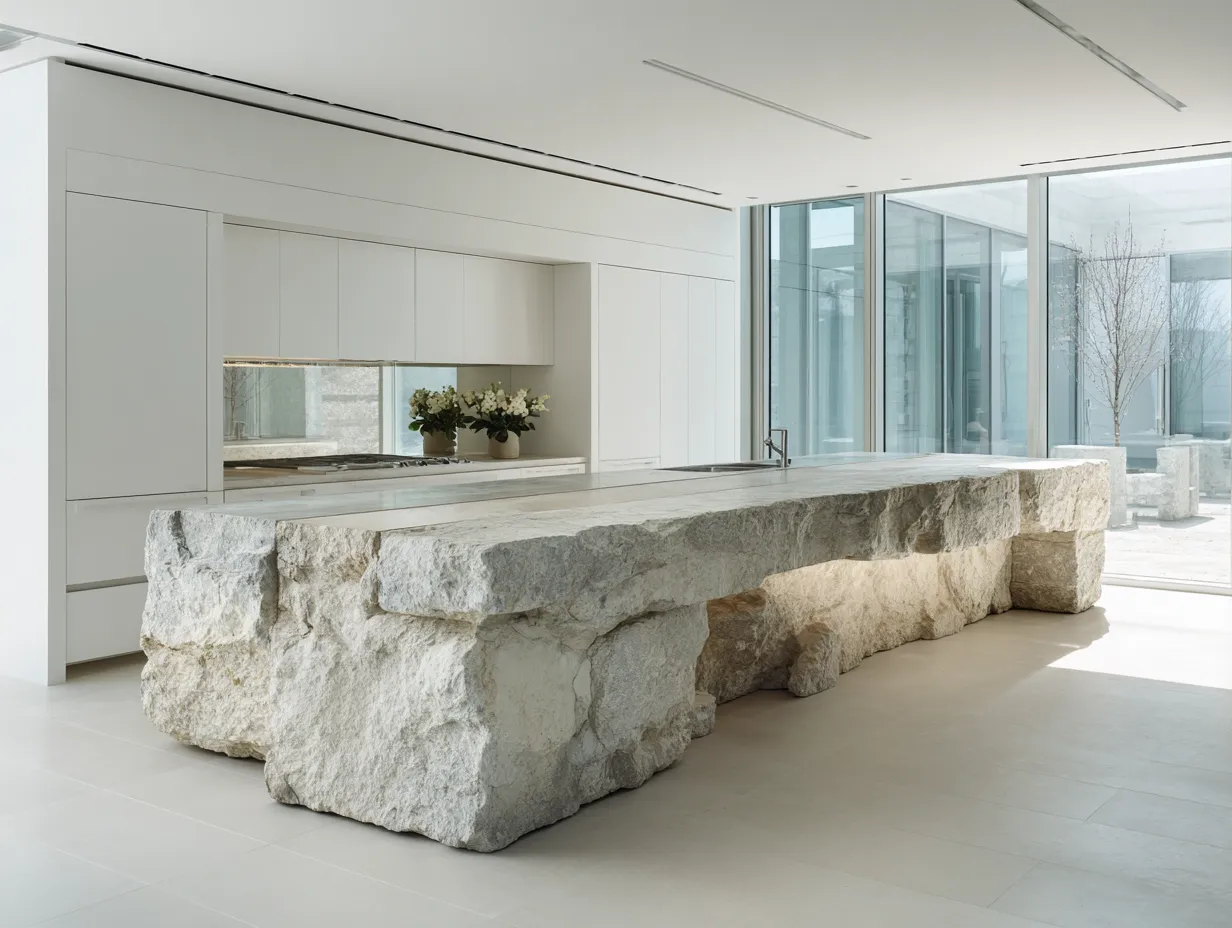
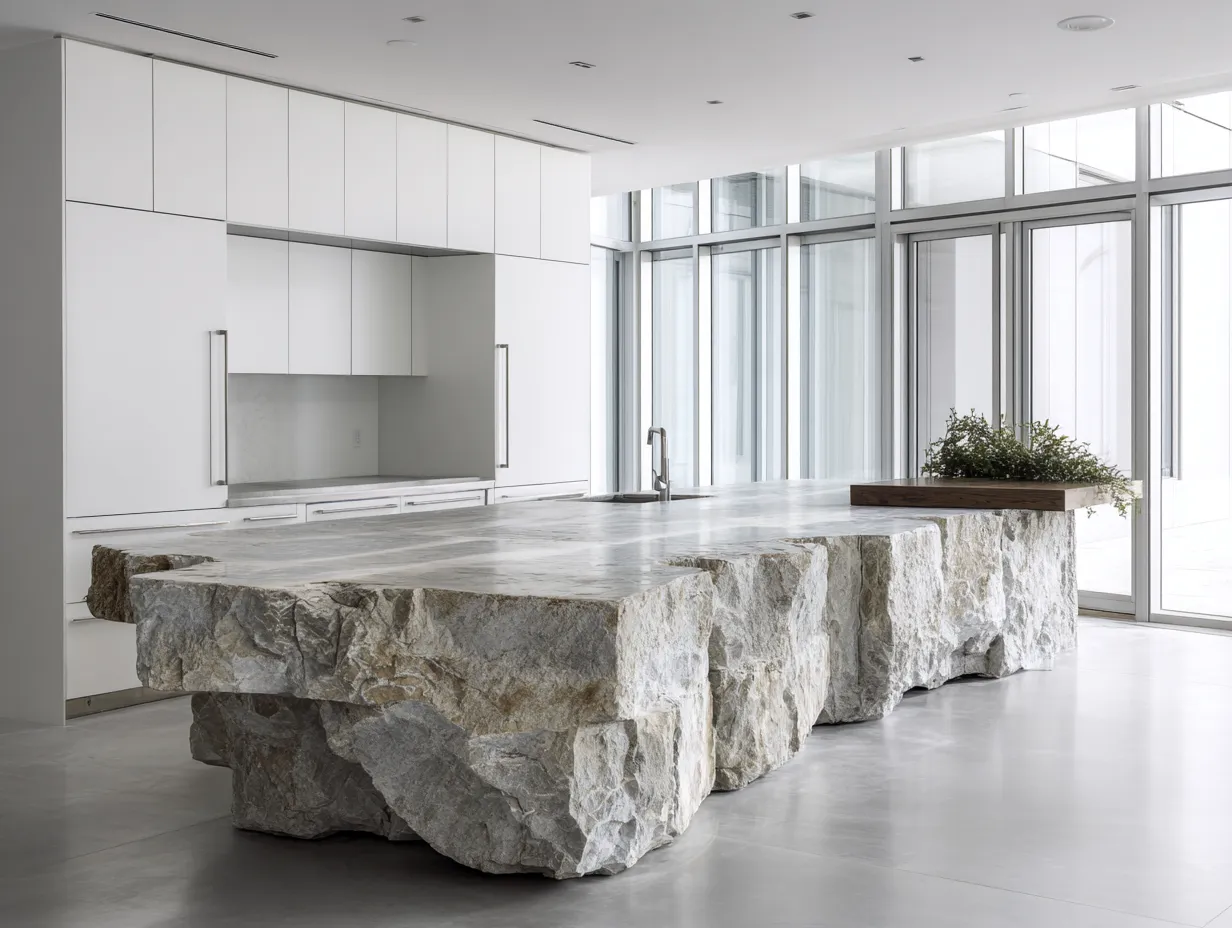
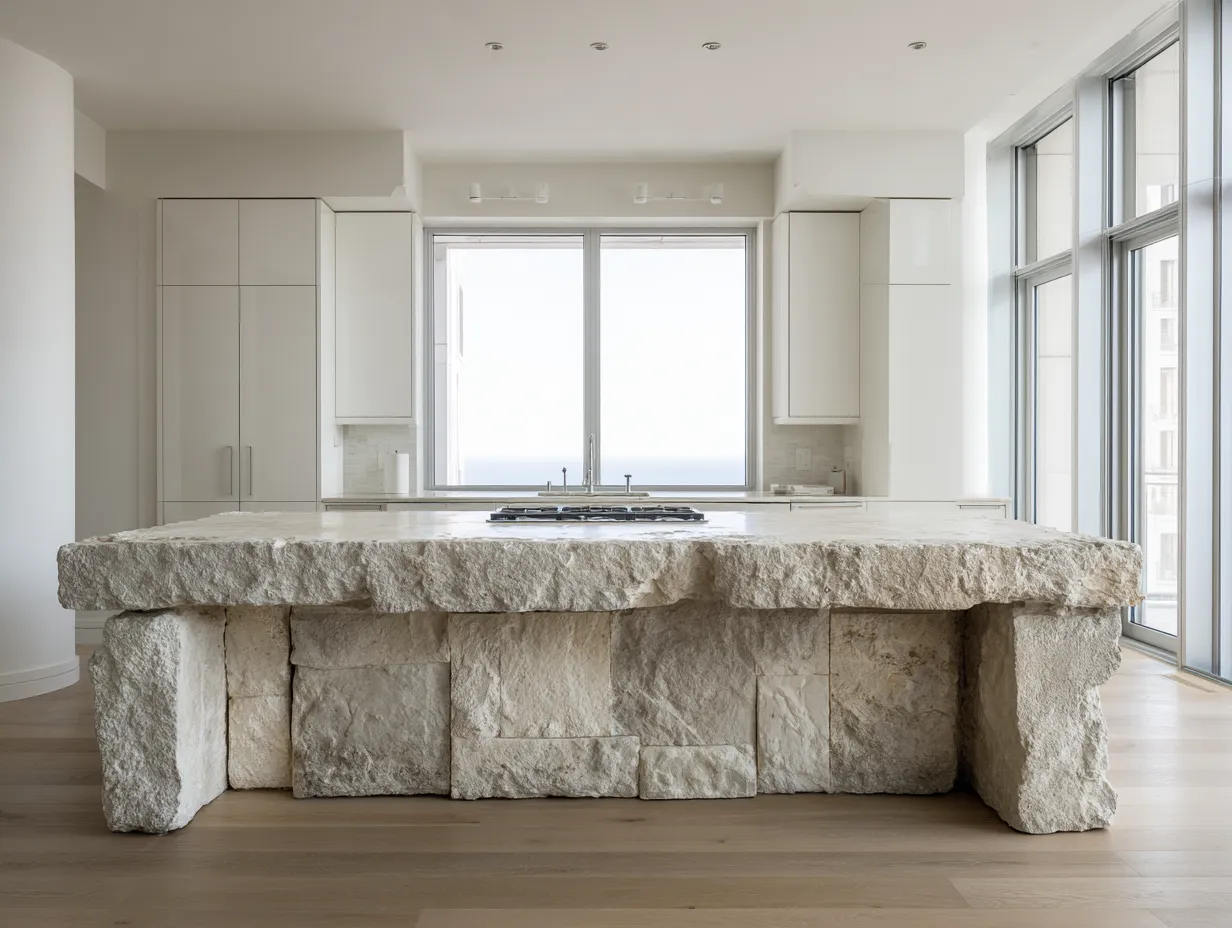
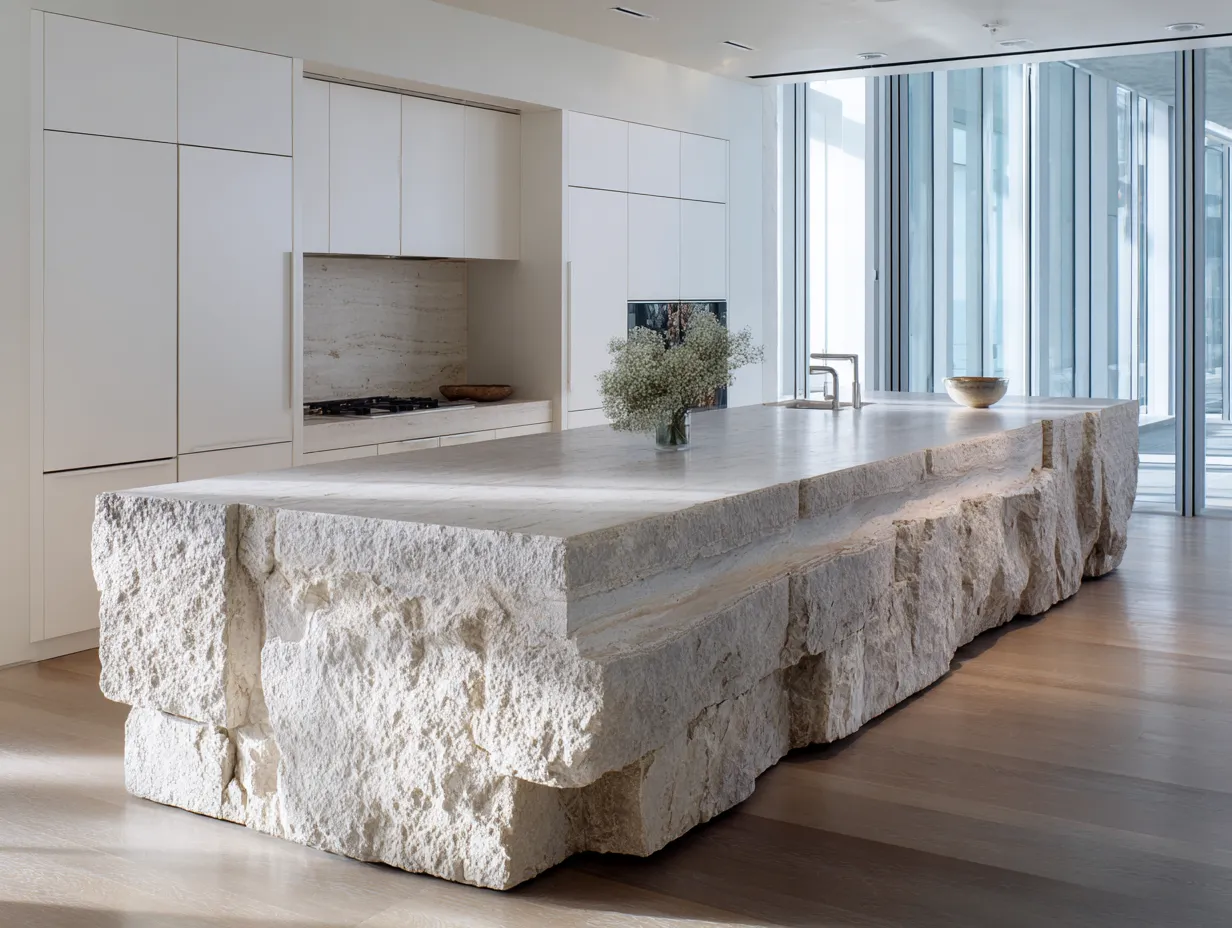
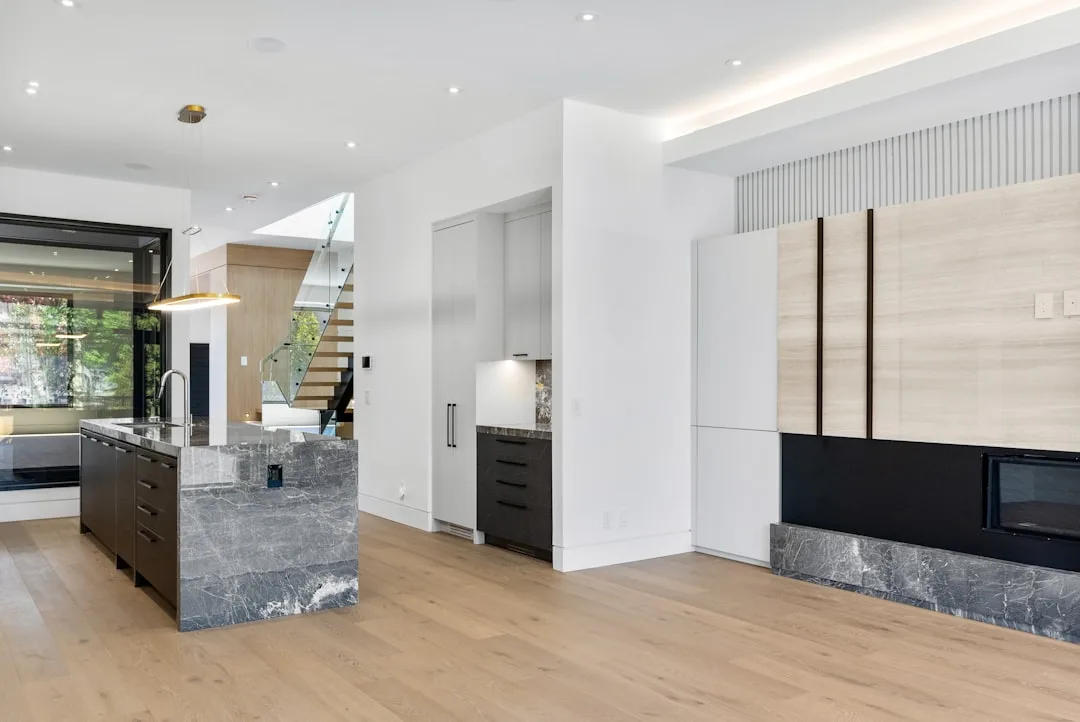
The beauty of using reclaimed materials in a modern setting is the inherent imperfection of the stone. Centuries of weathering create a patina that provides a depth of color—ranging from soft ochres to cool silvers—which shifts depending on the time of day. In a room flooded with natural light, these nuances become the primary decorative element. To keep the look modern, the surrounding cabinetry should remain understated. Handleless doors, integrated appliances, and a neutral backdrop allow the salvaged masonry to breathe. The contrast between a perfectly flat, matte-black induction cooktop and a rugged, centuries-old stone edge creates a visual tension that is both sophisticated and inviting.
Integrating such heavy materials requires careful planning regarding the kitchen’s structural integrity. A reclaimed stone island is not just a surface; it is a significant architectural addition. The floor must be reinforced to handle the immense weight of solid masonry. However, the result is a piece of furniture that feels permanent and unshakeable. It offers a sense of security and history in a fast-paced world. By treating the stone as a raw, honest material rather than something to be polished into oblivion, homeowners can achieve a luxury that feels earned rather than manufactured. This approach to sustainable kitchen design ensures that every meal prepared on that surface is done so atop a piece of history, blending the ruggedness of the past with the precision of the present.
Sustainable Luxury Kitchen Islands From Salvaged Granite
Granite is often associated with the polished, speckled slabs popular in the late nineties, but reclaimed granite offers an entirely different aesthetic. Salvaged from old cobblestone streets, dockyards, or historic foundations, this material possesses a grit and soul that feels incredibly high-end when repurposed for a kitchen island. Sustainable luxury is about the rarity and the story of the material. When a homeowner chooses salvaged granite, they are opting for a material that has already stood the test of time, proving its durability and timeless appeal. The deep charcoal and obsidian tones found in aged granite provide a dramatic center for a kitchen, especially when paired with warm wood tones or metallic accents like brass and gold.
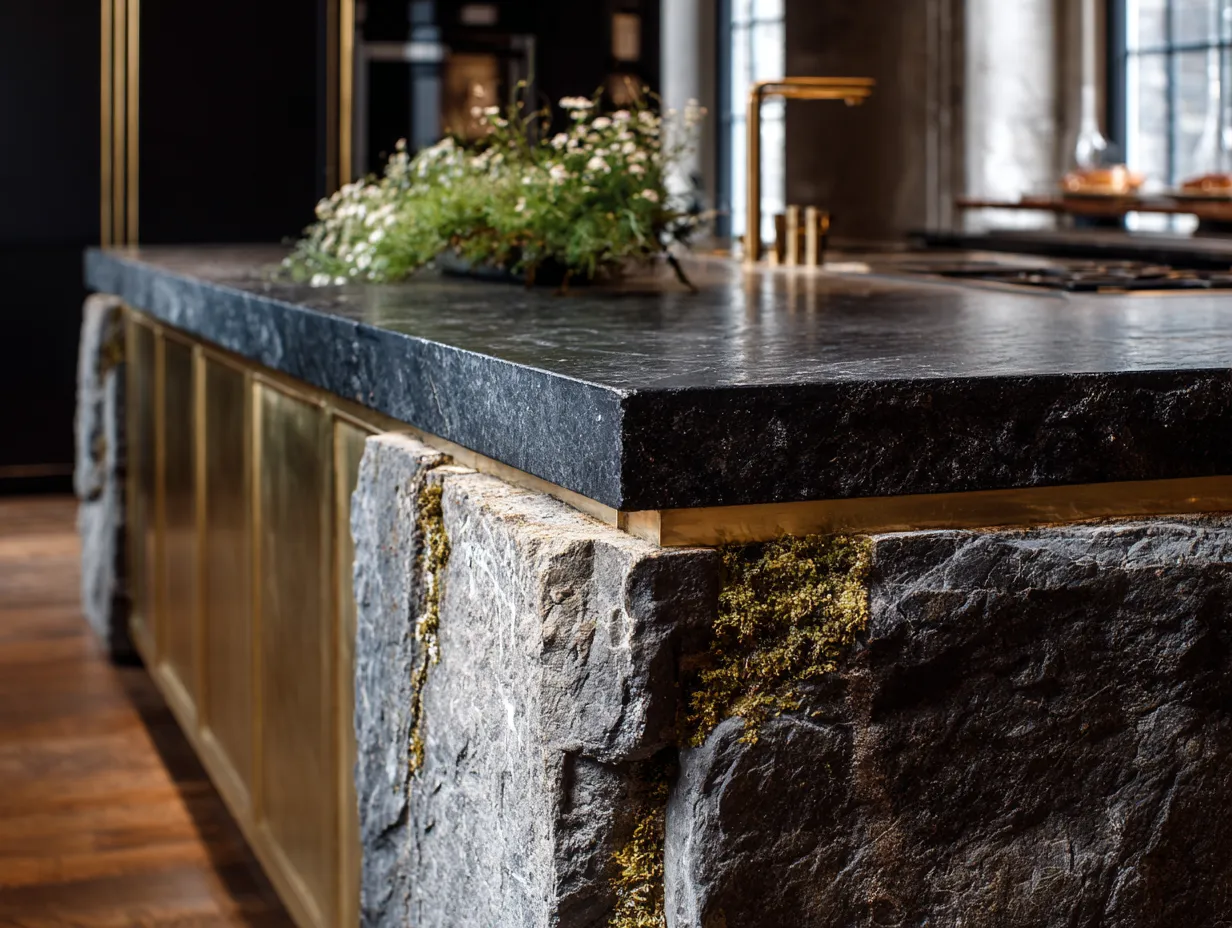
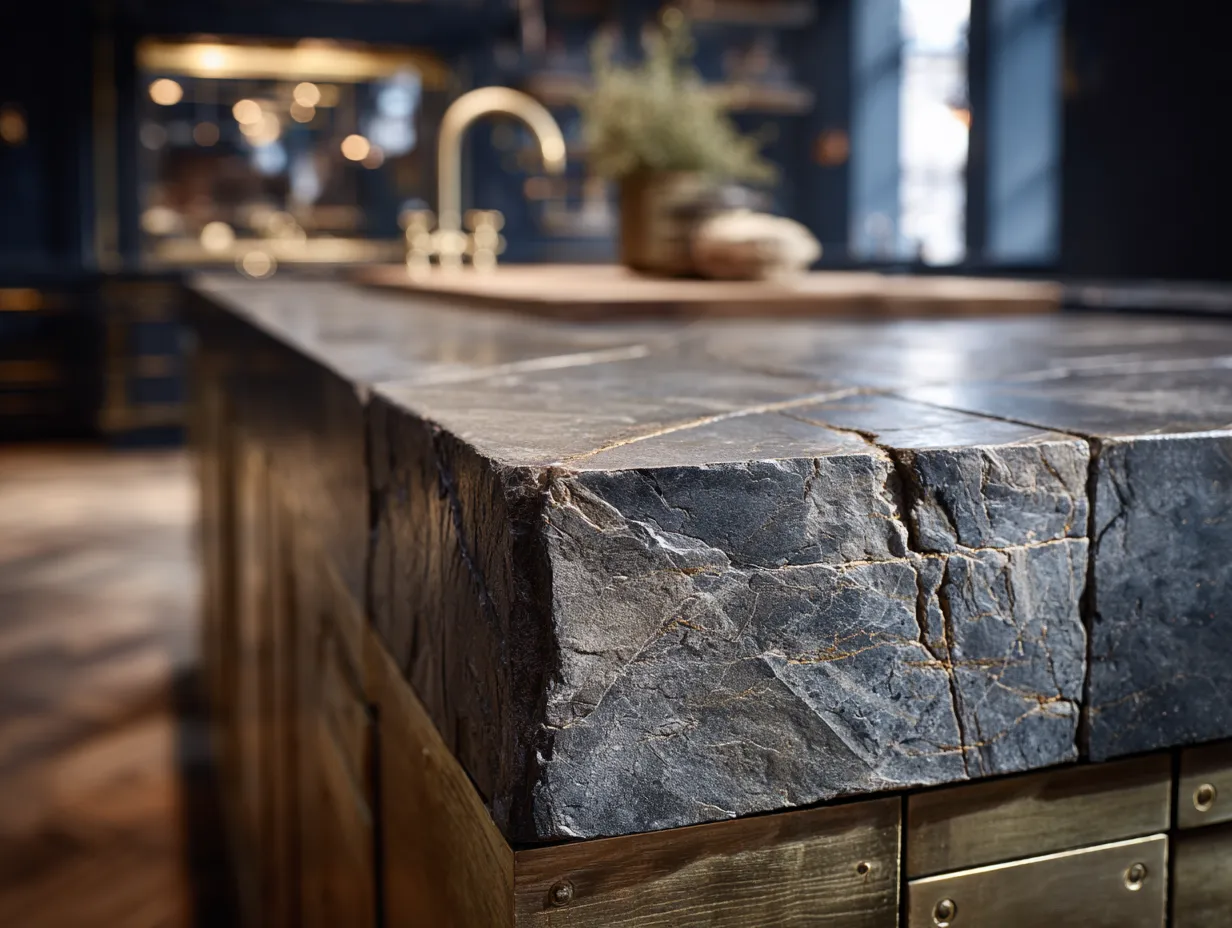
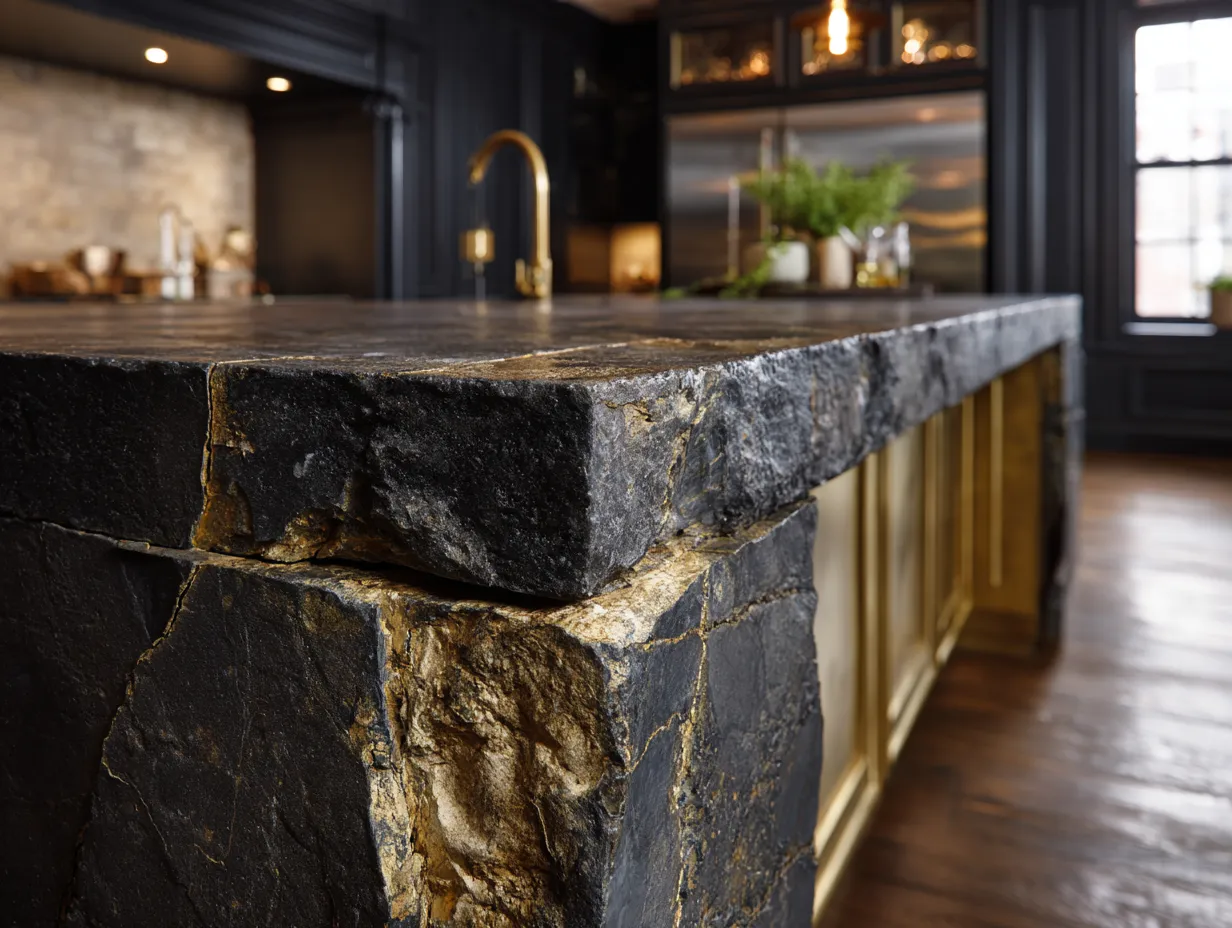
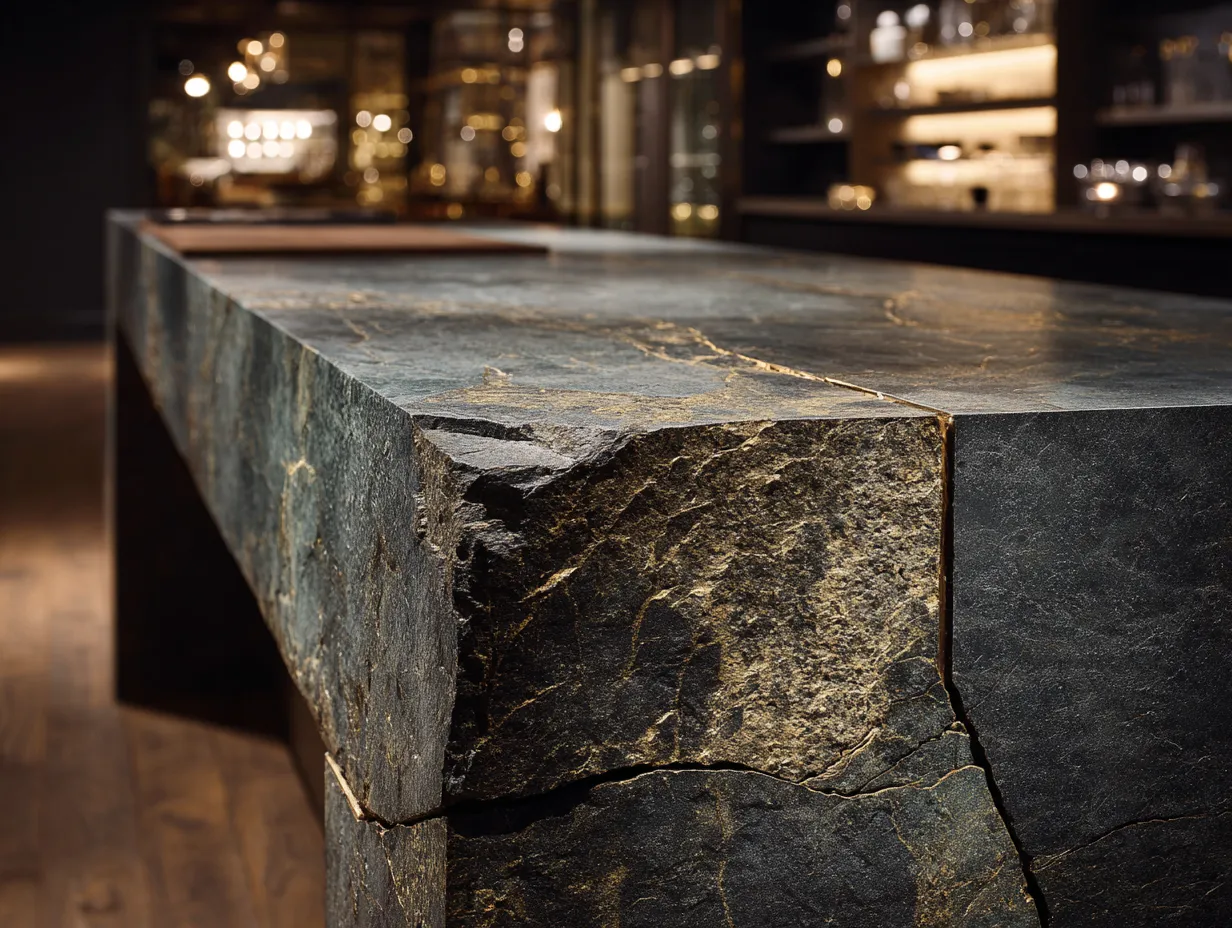
The process of adapting salvaged granite for a modern island involves a delicate balance of preservation and refinement. While the sides of the island might retain the original tool marks or natural erosion from decades of exposure to the elements, the top surface is often honed to a smooth, matte finish. This ensures the island remains practical for food preparation while still celebrating its rugged origins. This juxtaposition of the “raw and the refined” is a cornerstone of contemporary interior design. It allows for a kitchen that feels curated and artistic. Furthermore, the thermal mass of granite makes it an excellent surface for baking, as it stays naturally cool—a functional benefit that complements its visual grandeur.
Choosing reclaimed stone is also a profound statement of environmental responsibility. The carbon footprint associated with quarrying, processing, and transporting new stone is significant. By opting for salvaged granite, designers reduce the demand for new resources and prevent high-quality materials from ending up in landfills. In a luxury context, this “green” aspect adds a layer of intellectual appeal to the home. Guests aren’t just admiring a beautiful island; they are witnessing a commitment to circular design. The result is a kitchen that feels grounded and meaningful. When the deep, dark textures of the granite are illuminated by high-contrast lighting, the island becomes a masterpiece of sustainable luxury, proving that the most forward-thinking designs are often those that look back to the materials of the past.
Contemporary Interior Design Incorporating Historic Stone Blocks
In the realm of contemporary interior design, the kitchen has moved beyond its role as a utilitarian space to become the heart of the home’s social life. As open-plan living remains the standard, the kitchen island must act as a bridge between the functional cooking area and the more comfortable living zones. Using historic stone blocks to construct the base of an island is a brilliant way to achieve this transition. Sandstone, with its warm, earthy hues and porous texture, brings an immediate sense of coziness and warmth to a modern home. Unlike cold, synthetic surfaces, historic masonry feels alive, vibrating with the energy of its previous incarnations as part of a cathedral, a bridge, or a grand estate.
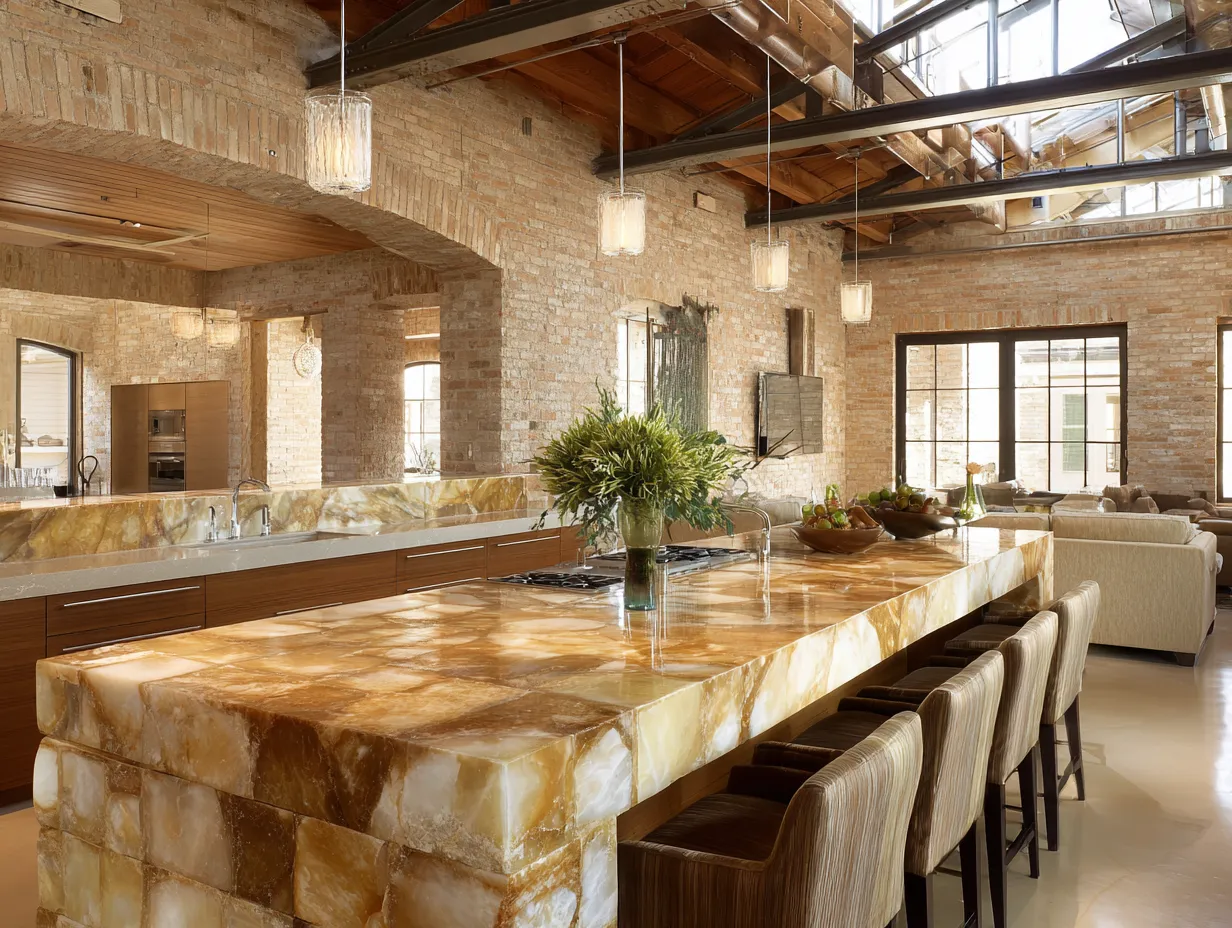
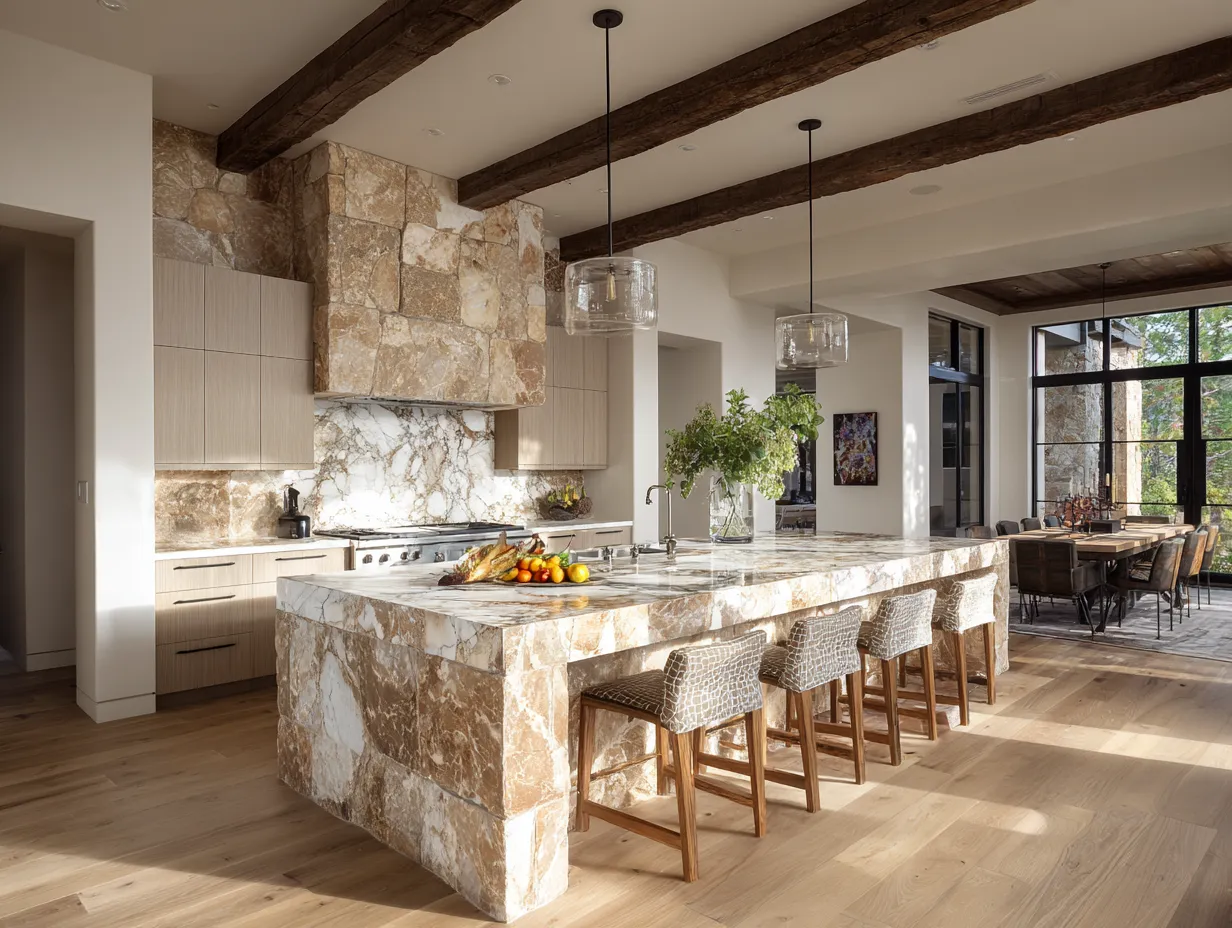
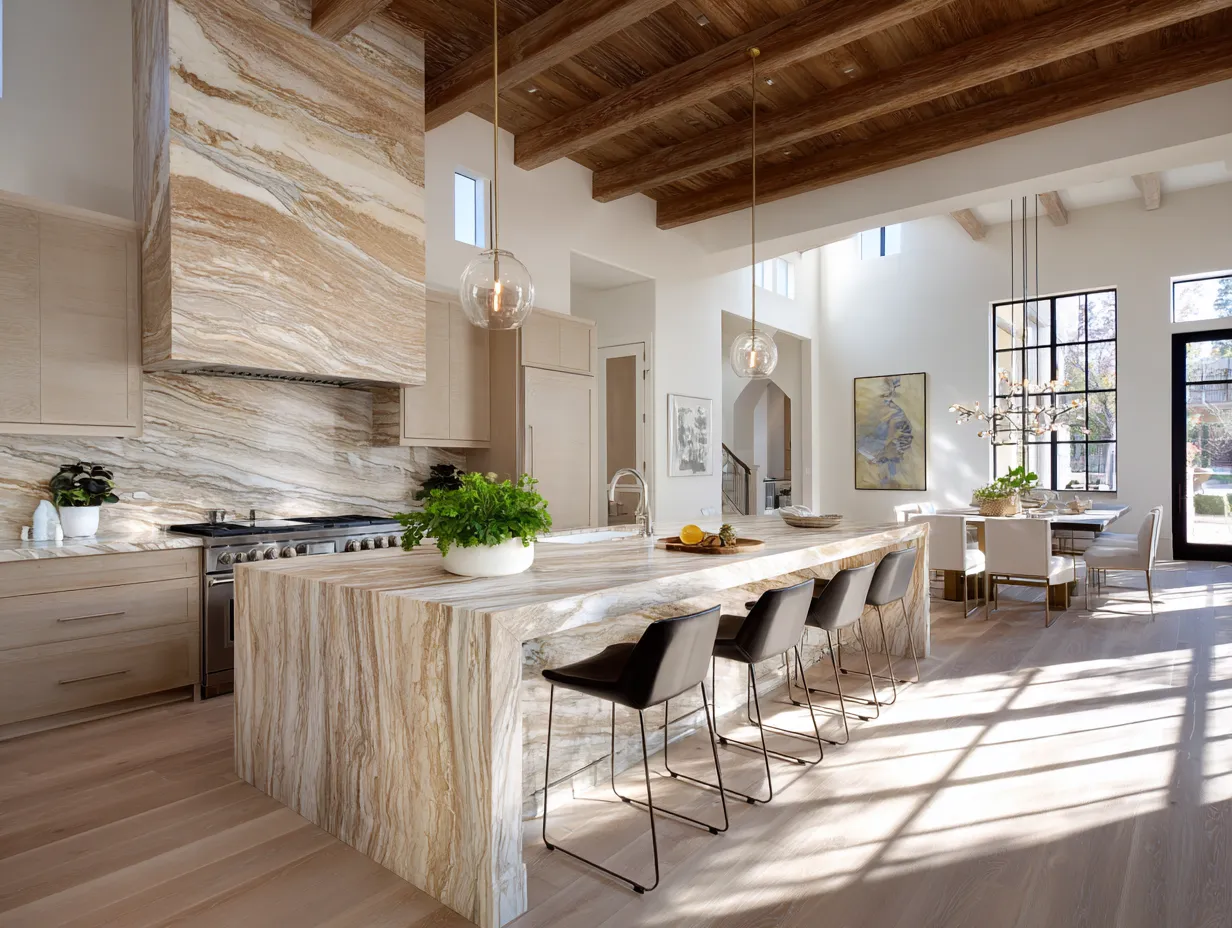
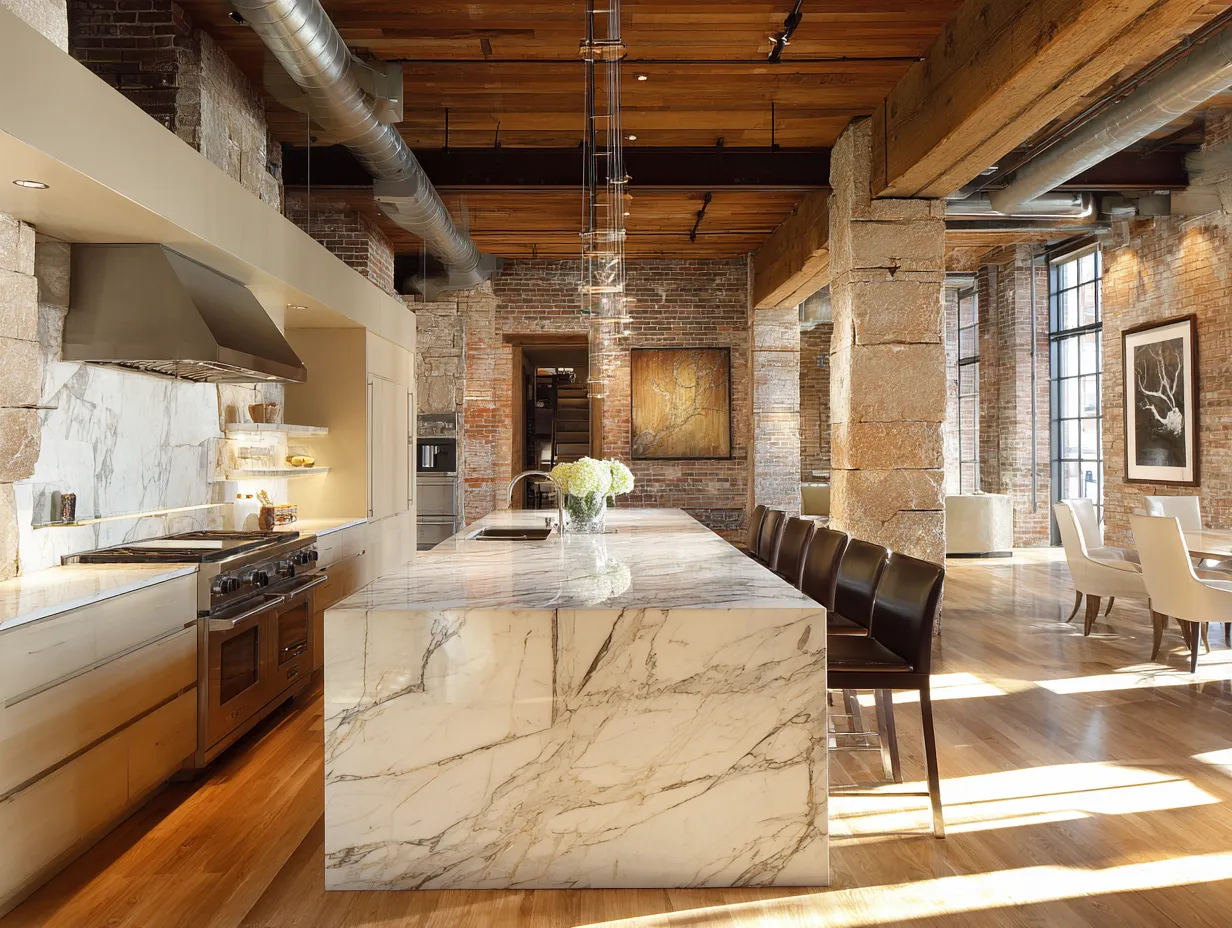
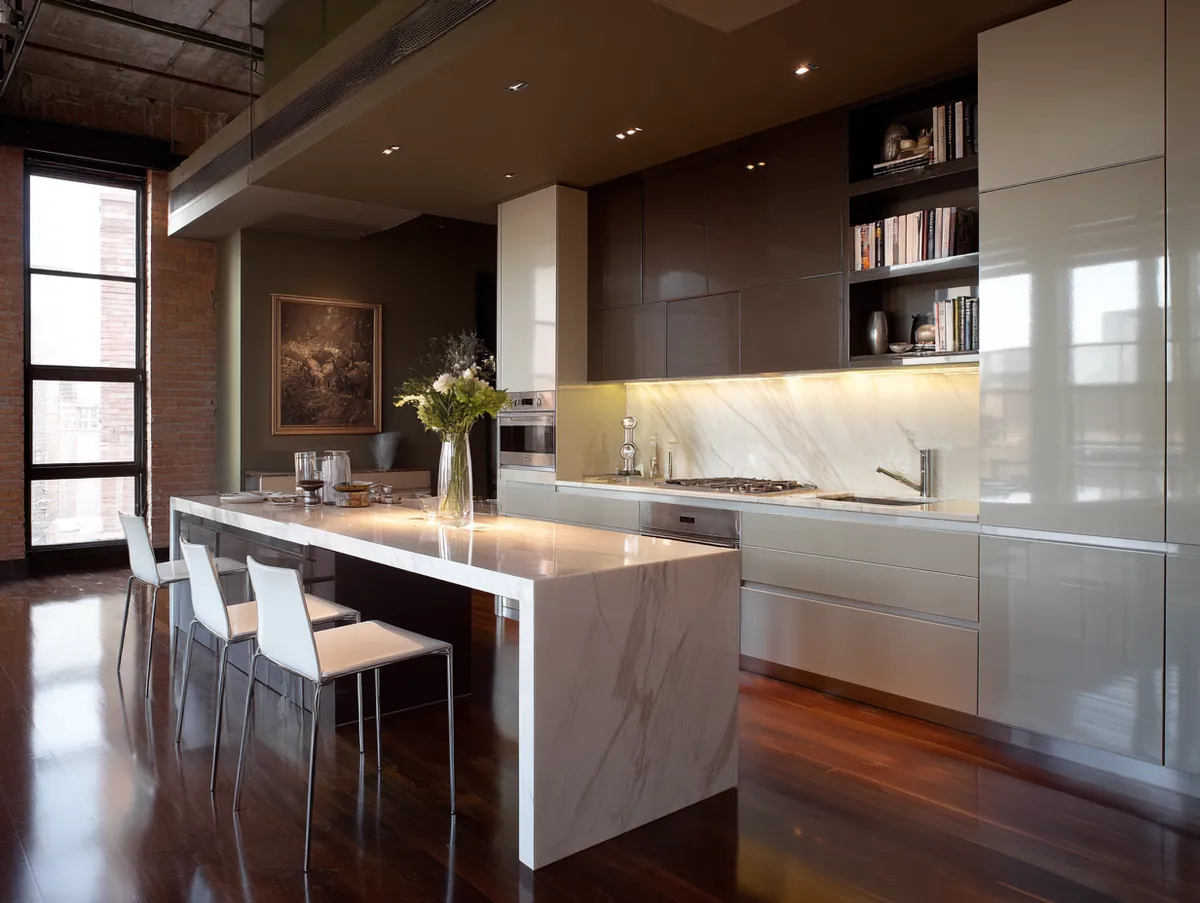
The architectural versatility of historic stone blocks allows for creative structural expressions. Instead of a single monolithic slab, an island can be constructed from stacked blocks of varying sizes, creating a rhythmic, layered effect that mimics ancient dry-stone walling. To keep this look contemporary, the countertop should be kept slim and sharp. A thin slab of white marble or high-tech porcelain creates a “floating” effect over the heavy masonry base. This play on weight and lightness is a hallmark of modern architecture. It challenges the eye and creates a conversation between the massive, earth-bound stone and the light, airy atmosphere of the rest of the kitchen.
Beyond the aesthetics, there is a tactile satisfaction in running one’s hand over historic stone. Every chip and variation in grain tells a story of the earth’s geological processes and the hands of the masons who first shaped it. In a world of mass-produced, identical products, this uniqueness is the ultimate luxury. It ensures that no two kitchens will ever be the same. When planning an island around these historic elements, it is vital to consider the lighting. Bright, high-contrast illumination directed at the stone highlights the three-dimensional quality of the masonry, turning the island into a focal point that changes throughout the day. By marrying the weight of the past with the clarity of modern design, homeowners create a space that is not only beautiful but also deeply resonant and enduring. This fusion of old and new defines the cutting edge of contemporary interior design, proving that reclaimed stone is the ultimate secret to a kitchen with character.